The best MTB trails in Desembocadura Del Riu Racons
4.4
(470)
2,323
riders
142
rides
Mountain biking in Desembocadura Del Riu Racons offers diverse terrain where the Racons River meets the Mediterranean Sea. The area features a unique blend of coastal and wetland environments, including the Marjal de Pego-Oliva natural park. Riders can explore paths through coastal dune systems, cultivated fields, and along the river's course. This landscape provides a variety of mountain bike trails suitable for different skill levels.
Best mountain bike trails in Desembocadura Del Riu Racons
- The most popular mountain bike trail…
Last updated: October 11, 2026
5.0
(6)
40
riders
72.8km
04:53
1,130m
1,130m
Hard mountain bike ride. Very good fitness required. Suitable for all skill levels.
4.7
(12)
46
riders
Moderate mountain bike ride. Good fitness required. Suitable for all skill levels.

4.9
(10)
34
riders
54.2km
03:55
860m
860m
Moderate mountain bike ride. Good fitness required. Suitable for all skill levels.
3.0
(2)
26
riders
43.1km
03:16
630m
630m
Moderate mountain bike ride. Good fitness required. Suitable for all skill levels.
4.7
(3)
21
riders
Hard mountain bike ride. Very good fitness required. Advanced riding skills necessary. Some portions of the route may require you to push your bike.
Get access to more routes and recommendations from other explorers.
Already have an account?
Our route recommendations are based on thousands of hikes, rides, and runs completed by other people on komoot.
Start today with a free account
Your next adventure awaits.

Tips from the Community

The Castillo de Forna is a feudal palace-fortress, built in the first half of the 15th century, which is part of the Valencian civil Gothic style. It is a quadrangular building with four towers at each corner and a central courtyard on two levels, which provides access to all the castle's dependencies. On the lower floor of Tower 2, one of the best collections of graffiti from the period can be seen, depicting scenes of chivalry and the sea. It is a monument of very high heritage value, protected by the Decree-Law of April 22, 1949, on the protection and inventory of all castles and military architecture, and therefore included as a Bien de Interés Cultural (Asset of Cultural Interest) in the Spanish Historical Heritage Law 16/85 in the second section of the additional provisions and the Law 4/1998, of June 11, of the Generalitat Valenciana on Valencian Heritage.
0
0

The Plaça de l’Ajuntament de Oliva is the heart of the historic center of Oliva and one of the city's most representative spaces. Surrounded by buildings of architectural interest and presided over by the statue of the admiral and mathematician Gabriel Ciscar, this square is a meeting point for locals and visitors, as well as the setting for markets, celebrations, and numerous cultural events. Its tranquil atmosphere and historical value make it an ideal place to stroll and discover the essence of Oliva.
15
0

The building complex consists of a former Franciscan monastery and the associated church, which is dedicated to the Holy Family. The complex was built towards the end of the 19th century. The church is built in the neo-Gothic style and is characterized by pointed arches, high windows and a striking bell tower. Surrounded by the tranquil landscape of the Marina Alta, the place is today both a religious center and an interesting historical building in the region.
0
0
The Plaça de l'Ajuntament in Oliva is a worthwhile stop on a bike tour through the old town. The square is framed by elegant buildings, and at its center, the statue of Admiral Gabriel Ciscar y Ciscar, a prominent mathematician and co-creator of the metric system, commemorates one of the city's most famous sons. Thus, the square combines architectural beauty with historical depth—an ideal place to briefly hop off your bike and soak up the atmosphere.
7
1
The tinglados at the port of Gandia are an important testament to the history of orange exports. Built from 1908 onwards and later complemented by the distinctive bell tower, they are now considered a protected cultural asset; one of the sheds houses the Maritime Museum.
3
0
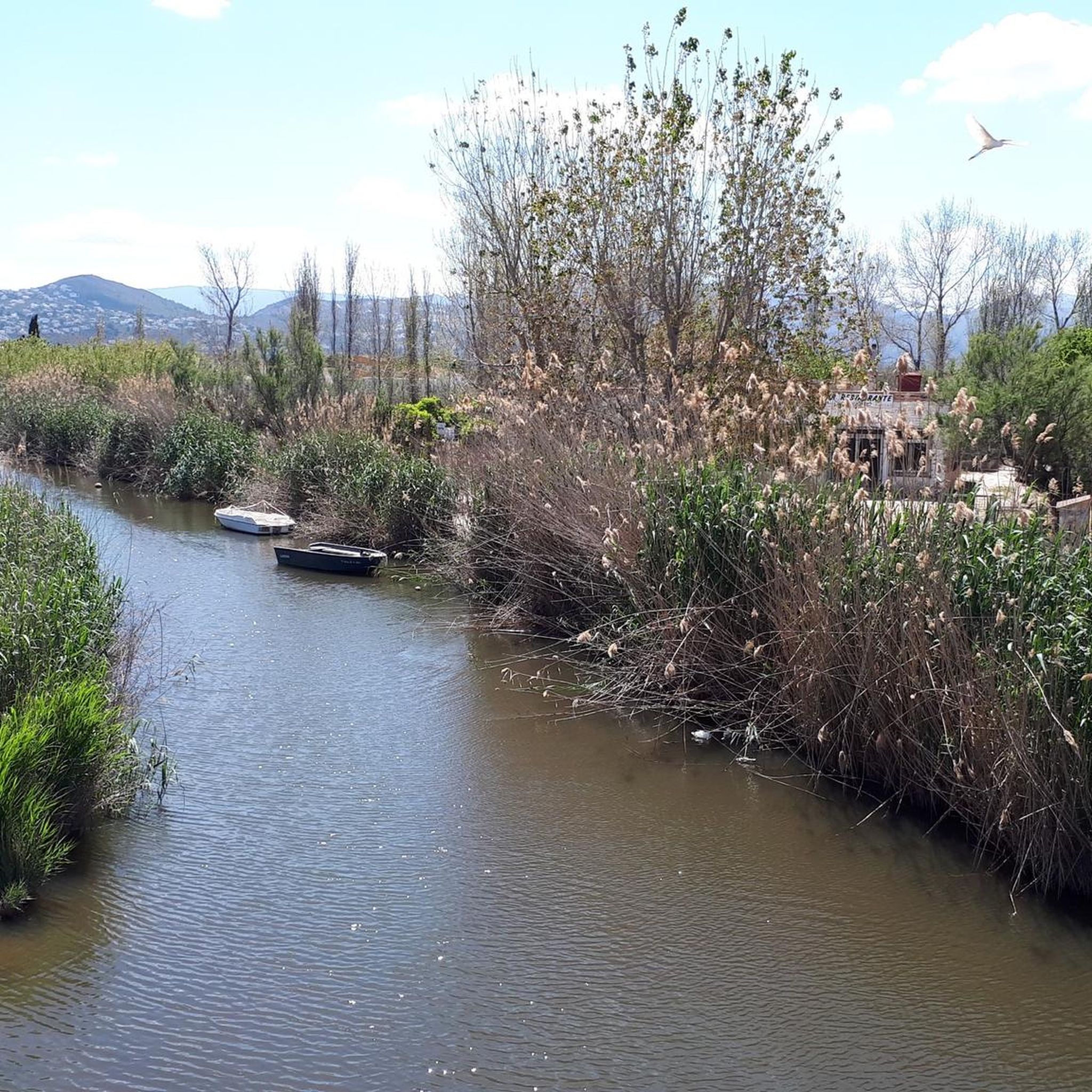
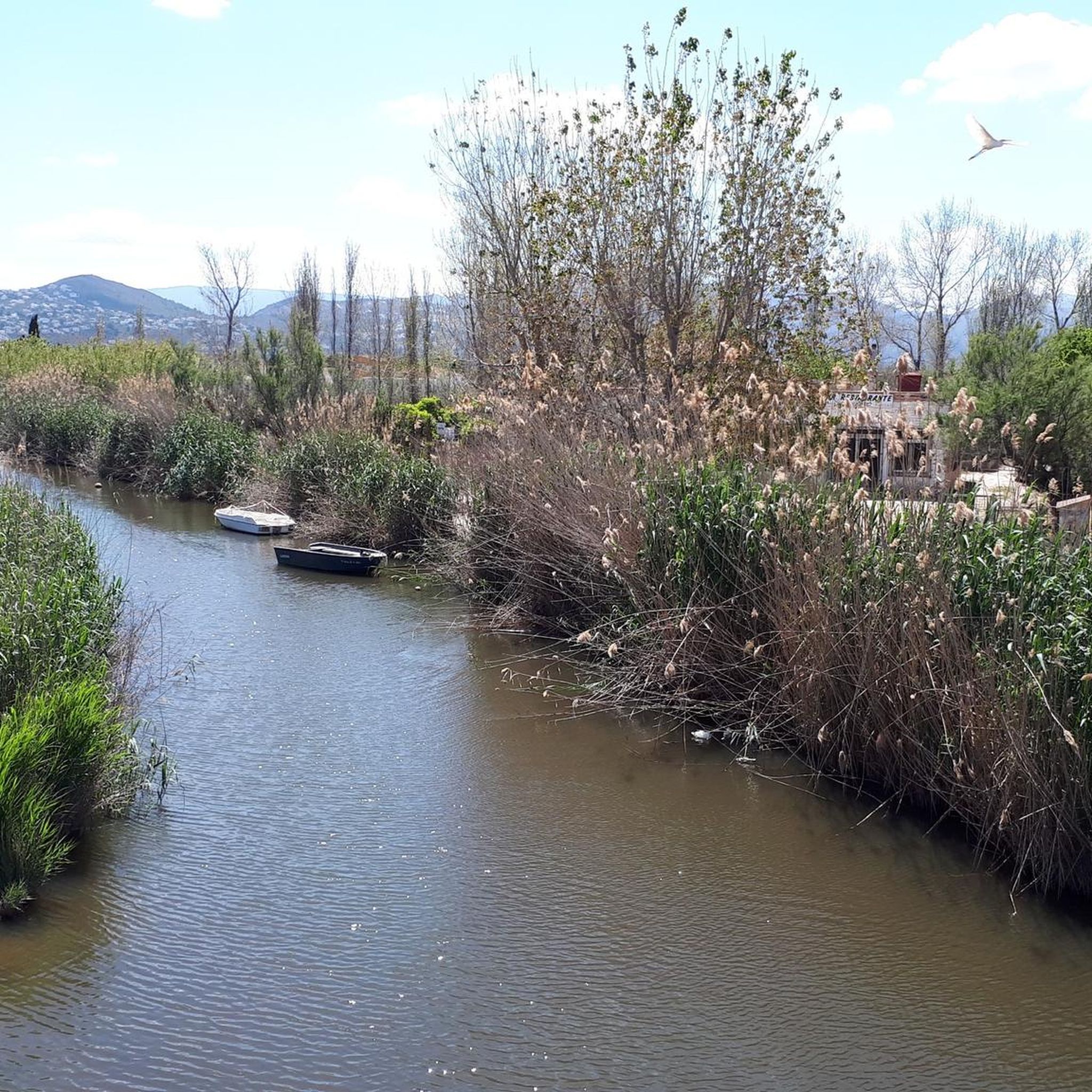
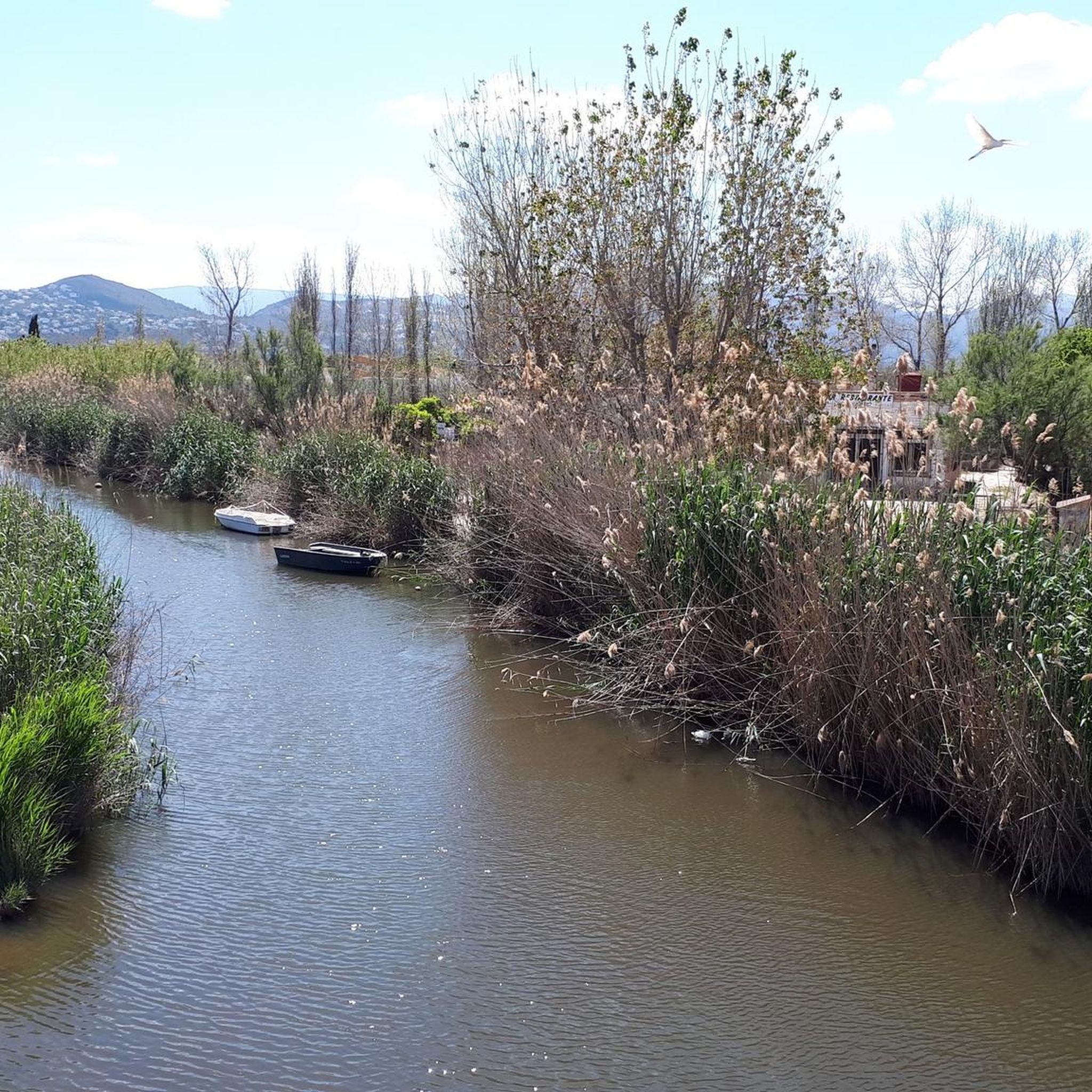
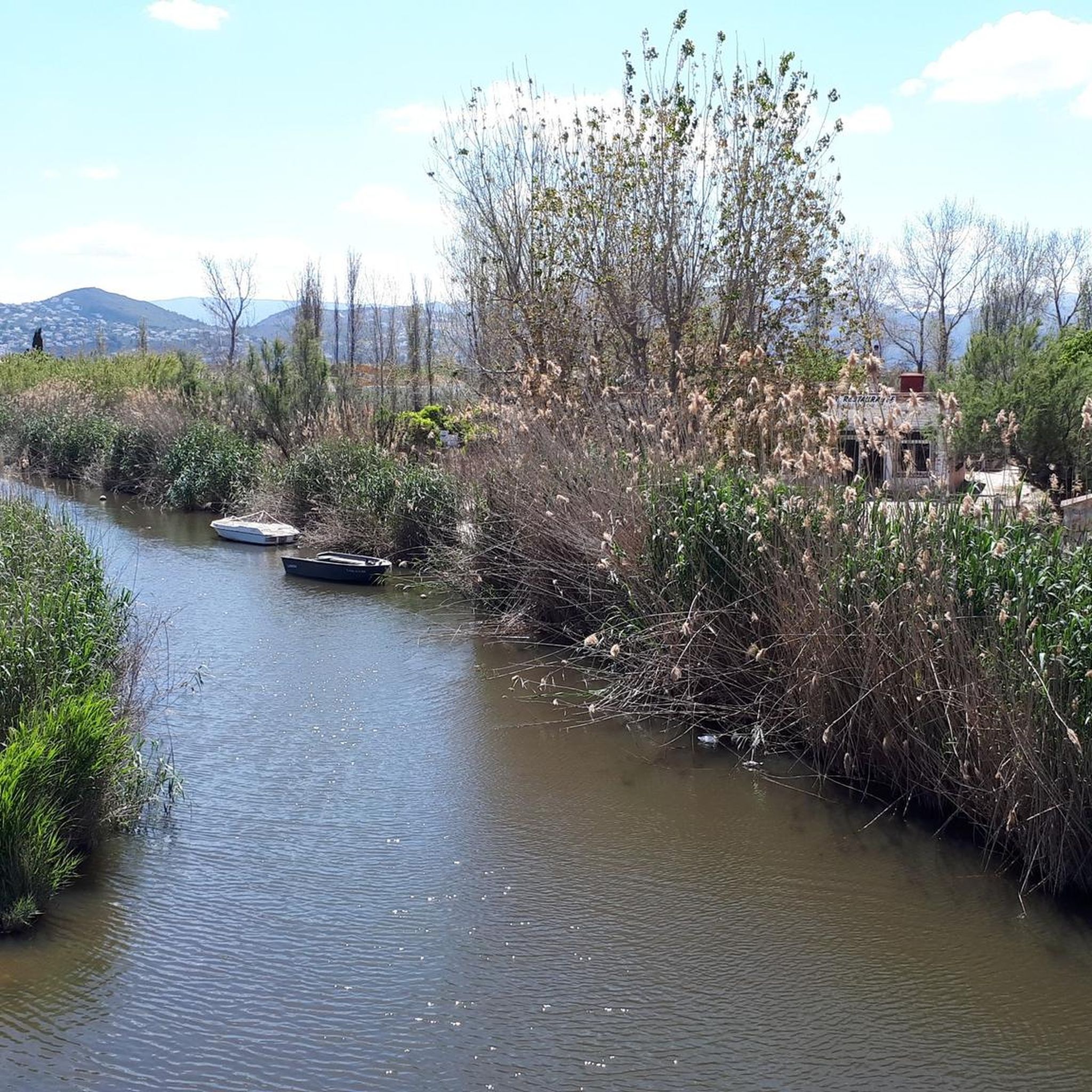
Numerous small fishing and pleasure boats are anchored in the Barranco de Sant Nicolau. The seawater extends far into the urban area of Gandia, shaping the landscape. The bridge offers a particularly beautiful view of the boats and the houses situated directly on the water.
5
0

La Font Salada is a hot spring in the Pego-Oliva Marsh Natural Park, in Oliva (Valencia). Its waters maintain a constant temperature of between 21 and 24°C, allowing for year-round bathing. They are said to have beneficial properties for the skin. It is a popular place for bathing and enjoying nature, with a restaurant in the area and free admission.
1
1

Just off the road between Sagra and Pego, the small turnoff toward Vall d’Ebo leads into one of the most beautiful and tranquil climbs in the Costa Blanca mountains. It may not be famous outside of cycling circles — but pros know it well: Tadej Pogačar holds the Strava KOM on this climb. From the Pego side, the ascent runs for about 8 km, gaining 400 metres at a steady average of 5%. The road is smooth, quiet, and beautifully engineered — with a flowing rhythm and wide, elegant curves. The landscape is peaceful and wild, with cliffs, pines, and far-reaching views. At the top, just before you descend into Vall d’Ebo, you’re rewarded with a spectacular view in both directions: looking back, the coastline and the Mediterranean Sea; looking ahead, the lush green valley of Vall d’Ebo, framed by rugged ridges and rocky outcrops. It’s a rare and stunning double panorama. If you continue past the village, you can create a magnificent loop via Pla de Petracos, riding through remote canyons and ancient rock formations before descending into Benigembla and back to the Vall de Pop. If you're riding from Vall d’Ebo toward Pego, the climb is shorter — about 3 km at 6% — but still very scenic, especially as you rise above the valley with dramatic views behind you. Vall d’Ebo may be quiet, but it’s world-class: pure road, total calm, and the kind of climb you’ll want to ride again and again.
3
1
Frequently Asked Questions
How many mountain bike trails are available in Desembocadura Del Riu Racons?
There are over 150 mountain bike routes in Desembocadura Del Riu Racons, catering to various skill levels. This includes 38 easy, 65 moderate, and 49 difficult trails, ensuring options for everyone from beginners to experienced riders.
Are there mountain bike routes suitable for beginners or families?
Yes, Desembocadura Del Riu Racons offers 38 easy mountain bike trails, many of which are suitable for beginners and families. These routes often feature flatter terrain through cultivated fields or along coastal paths, providing a gentle introduction to mountain biking in the region.
What kind of landscapes can I expect to see on the mountain bike trails?
The trails in Desembocadura Del Riu Racons offer a unique blend of coastal and wetland environments. You can expect to ride through coastal dune systems, along the Racons River, and explore the Marjal de Pego-Oliva natural park with its shallow waters and diverse flora. Some routes also pass through cultivated fields, offering varied scenery.
Are there any challenging mountain bike trails for experienced riders?
Absolutely. For experienced riders seeking a challenge, there are 49 difficult mountain bike trails in the region. One such route is the Serpis River – Azud del Infierno or del Forn loop from Desembocadura del Riu Racons, which covers 46.1 miles (74.3 km) with significant elevation gain, often taking nearly 5 hours to complete.
What are some notable natural features or attractions I can see while mountain biking?
Many routes pass by significant natural features. You can explore the Mouth of the Molinell River, which is where the Racons River meets the sea. The Marjal de Pego-Oliva natural park is also a key attraction, known for its wetland mirrors and an accessible bird observatory. Some trails might also lead you past the Bridge Over the River in Oliva.
Are there any circular mountain bike routes in the area?
Yes, many of the mountain bike routes in Desembocadura Del Riu Racons are circular. For example, the Mouth of the Molinell River – Sant Nicolau Ravine loop from Desembocadura del Riu Racons is a moderate 34.0 miles (54.8 km) circular path that explores the river mouth and ravine areas.
What do other mountain bikers enjoy most about the trails in Desembocadura Del Riu Racons?
The mountain bike trails in Desembocadura Del Riu Racons are highly rated by the komoot community, with an average score of 4.5 stars from over 380 reviews. Riders often praise the diverse terrain, the unique blend of coastal and wetland environments, and the variety of options available for different skill levels.
Can I spot any wildlife while mountain biking in the region?
Yes, the Marjal de Pego-Oliva natural park, which many trails traverse, is a significant wetland and biological corridor. It's an excellent area for birdwatching, with an accessible wooden walkway leading to a bird observatory. Keep an eye out for various bird species and other wetland wildlife.
Are there any routes that offer coastal views or lead to the beach?
Certainly. The region's location at the mouth of the Racons River means many trails offer coastal elements. The Fishsculpture with a view of the sea – Las Rotas Beach loop from Platja la Devesa is a popular moderate route that provides coastal views and loops along the beach.
What is the best time of year to go mountain biking in Desembocadura Del Riu Racons?
Given the Mediterranean climate, spring and autumn generally offer the most pleasant conditions for mountain biking, with milder temperatures and less intense sun. Winter can also be suitable, while summer might be very hot, especially during midday, making early morning or late afternoon rides preferable.
Are there any routes that explore the wider Pego valley area?
Yes, some routes extend beyond the immediate river mouth area into the broader Pego valley. For instance, the Sant Pere Bridge – Font Salada loop from Desembocadura del Riu Racons is a moderate 42.9 miles (69.2 km) route that takes you through varied landscapes, including parts of the valley.
Are there opportunities for wild swimming near the mountain bike trails?
The wide Les Devesses beach at the mouth of the Racons River provides opportunities for swimming. While not strictly 'wild swimming' in a secluded sense, it's a natural beach where you can cool off after a ride. The Marjal de Pego-Oliva natural park features shallow waters, but these are primarily for ecological observation rather than swimming.
Most popular routes in Desembocadura Del Riu Racons
Most popular attractions in Desembocadura Del Riu Racons

Get inspired with the komoot mobile app


Explore more
Browse the best MTB trails in other regions.
