Top 9 Castles around Wasbüttel
Castles near Wasbüttel offer a journey through history in the Lower Saxony region of Germany. While Wasbüttel itself is a small village, the surrounding area is rich with historical sites, including several notable castles. These structures, often set amidst natural landscapes, provide insights into centuries of regional heritage. The area features a mix of moated castles, manors, and historical sites, reflecting diverse architectural styles and historical periods.
Best castles around Wasbüttel
- The most popular castles is Fallersleben Castle, a…
Last updated: July 20, 2026
Fallersleben Castle
Highlight • Castle
Translated by Google •
Tip by

Wendhausen Water Castle and Windmill
Highlight • Castle
Translated by Google •
Tip by

Sign up now to discover places like this
Get recommendations on the best single tracks, peaks, & plenty of other exciting outdoor places.
Sign up for free
Fallersleben Castle
Highlight • Castle
Translated by Google •
Tip by

Former Thune Castle (Castrum Thune)
Highlight • Historical Site
Translated by Google •
Tip by
View of Gifhorn Castle
Highlight • Castle
The historical museum is also housed in the castle.
Translated by Google •
Tip by
Sign up for free to discover even more castles around Wasbüttel.
Sign up for free
Already have an account?
Start today with a free account
Your next adventure awaits.
Login or Signup
Tips from the Community

Not immediately recognizable as a castle, with a moat and an open door offering a glimpse into the castle garden.
0
0
over the Schunter and you are in Thune
2
0

The concerts in the castle courtyard are also highly recommended 👍
5
0

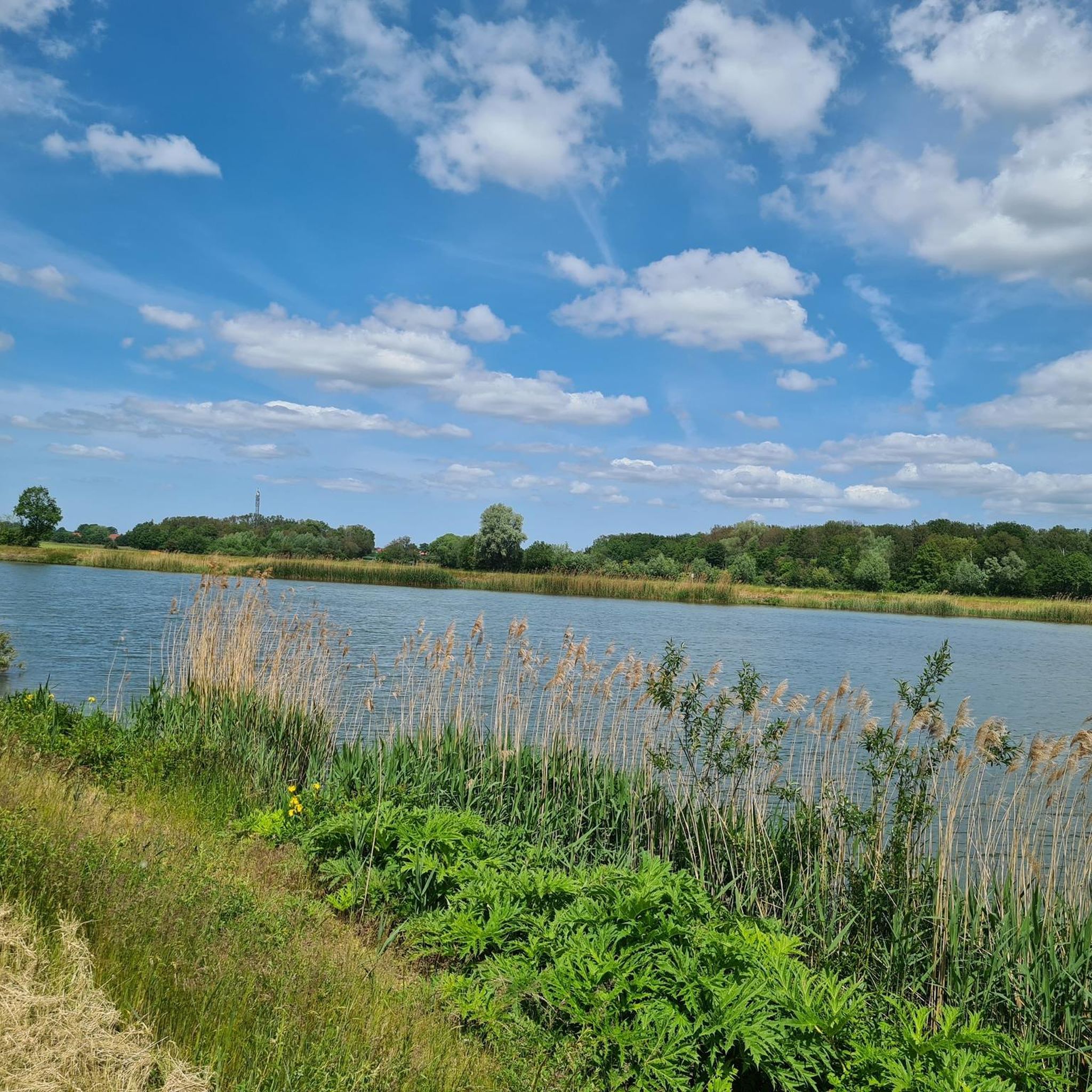
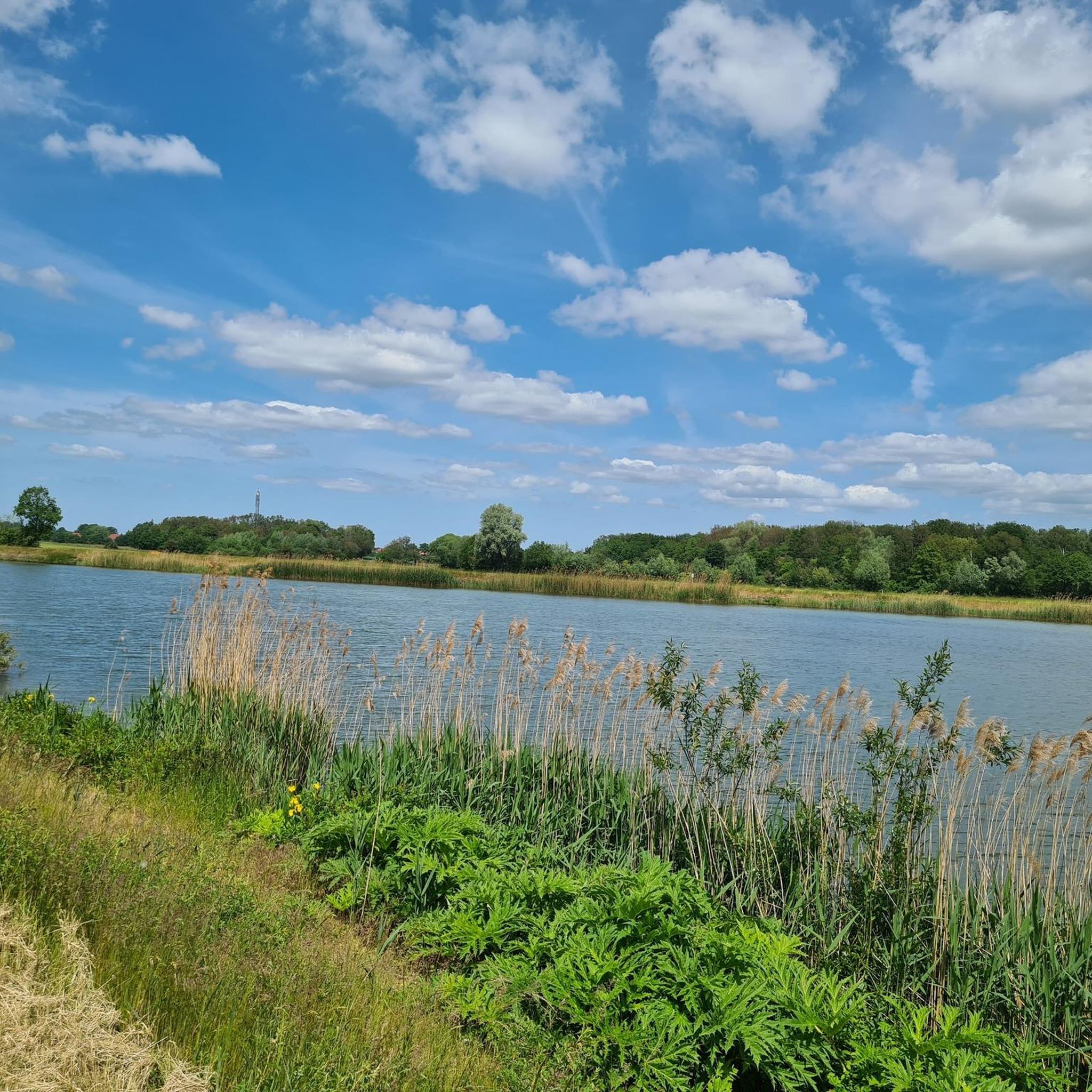
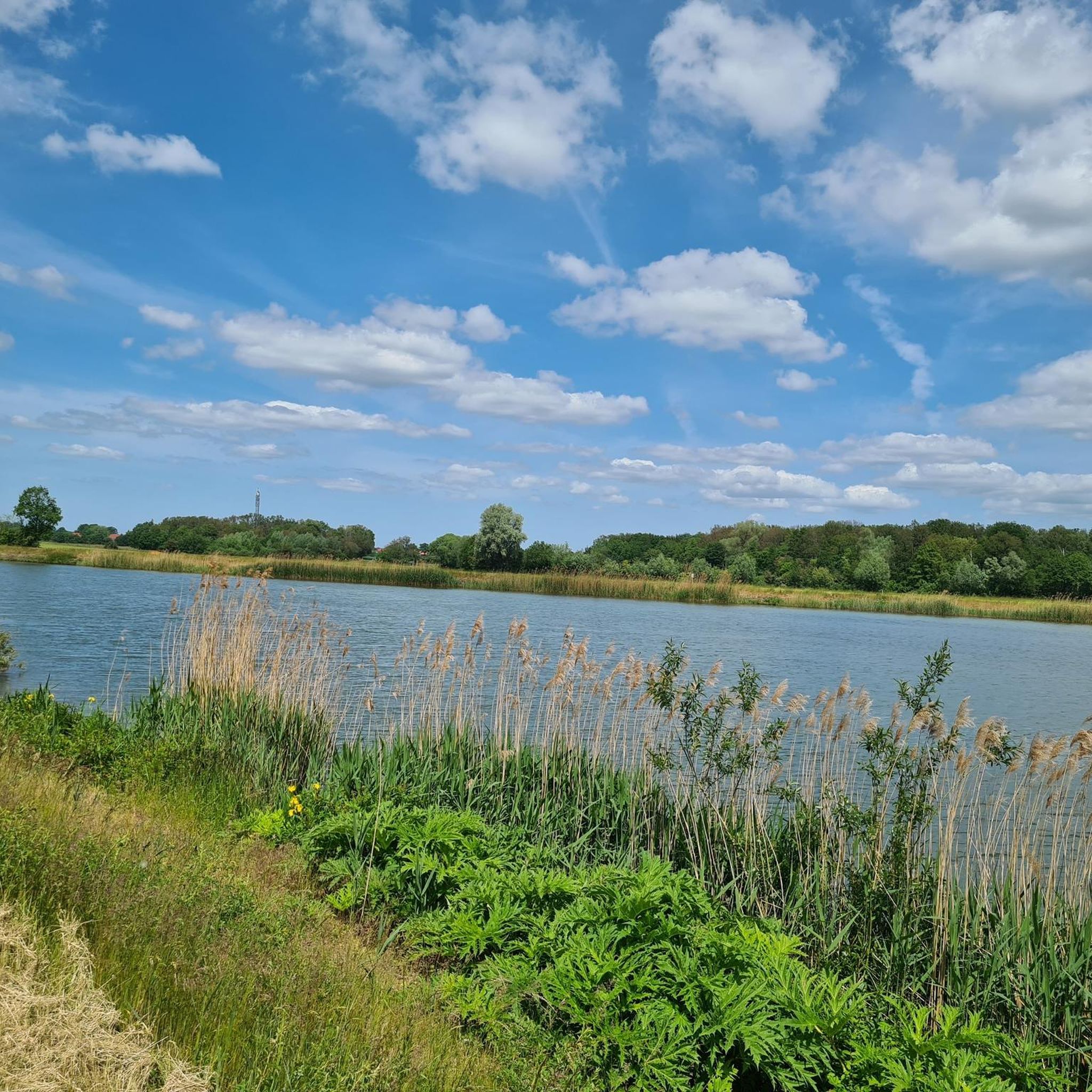
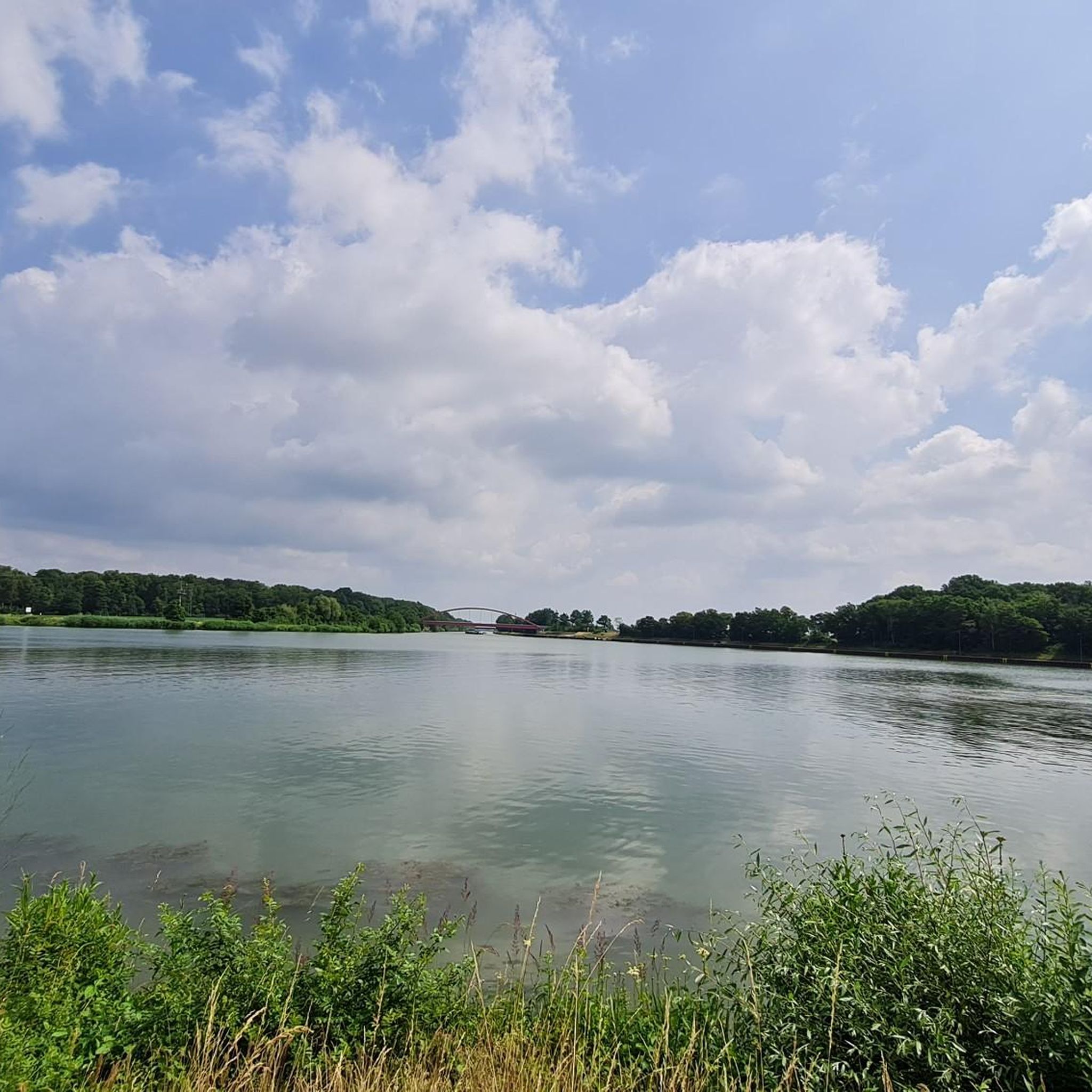
The castle is beautifully embedded in a lake landscape
4
0

I have driven past the castle several times, and it is definitely worth stopping. Wikipedia and Carsten Henze's interesting website contain a wealth of information about the history and current condition. As one would hardly suspect from the outside, large parts of the castle have been renovated. The outer facade was therefore deliberately left in its current state - which gives the castle a morbid charm. I was amazed by the photos of the interior of the castle, which can be rented for celebrations. The castle moat is fed by the Schunter. The Jazz in the Park festival took place at the castle in 2018. In short: interesting complex, clear recommendation!
0
0

Here you can go for a wonderful walk in the small park near the castle
0
0

Very informative, the origin of the place Thune.. today there is the FFW and a day care center
1
0

Worth a visit at any time of the year, the buildings are quite modest for a castle but beautiful. The area around the castle also offers all sorts of possibilities.
4
0
Frequently Asked Questions
Which castles near Wasbüttel offer a significant historical experience?
For a deep dive into history, Schloss Wolfenbüttel stands out as the second-largest surviving schloss in Lower Saxony. It served as a main residence for rulers from 1432 to 1753 and now houses a museum showcasing its historic rooms. You can learn about its origins as a moated castle and its role as the birthplace of German theatre. Learn more about Schloss Wolfenbüttel.
Are there any castles around Wasbüttel that are particularly family-friendly?
Yes, Fallersleben Castle is a great option for families. It's a 16th-century moated castle in Wolfsburg that houses the Hoffmann-von-Fallersleben-Museum, which can be interesting for children and adults alike. The castle park, with its old trees and pond, also offers a pleasant place for a stroll and is ideal for families.
What kind of museums can I find at the castles in the region?
Several castles host museums. Fallersleben Castle is home to the Hoffmann-von-Fallersleben-Museum, dedicated to the poet and children's songwriter. Schloss Wolfenbüttel also features a museum within its historic rooms, offering insights into its past as a ducal residence. Additionally, Gifhorn Castle houses a history museum with 1000 m² of exhibition space.
Can I explore the grounds of Gifhorn Castle?
Yes, Gifhorn Castle, built in the Weser Renaissance style, is surrounded by impressive ramparts and a moat up to 50 meters wide. While parts of the castle house the Gifhorn district administration and an event venue, you can explore the grounds and visit the history museum. The immediate vicinity could even be flooded historically to create a swamp, adding to its unique defensive features.
Are there opportunities for outdoor activities like hiking or cycling near the castles?
Yes, the region around Wasbüttel offers various outdoor activities. For cycling, you can find routes like the 'Bridge Over the Aller Canal – Tankumsee Beach loop' or the 'Tankumsee Beach – Gifhorn Castle Lake loop'. If you prefer hiking, there are easy trails such as the 'Bridge Over the Canal loop' or the 'Rohkamp Bench and Climbing Oak loop'. You can find more details on these routes in the Cycling around Wasbüttel guide and the Easy hikes around Wasbüttel guide.
What is the best time of year to visit the castles around Wasbüttel?
The castles and their surrounding parks can be enjoyed throughout the year. Spring and summer offer pleasant weather for exploring the castle grounds and nearby outdoor routes. Autumn provides beautiful foliage, especially in the castle parks like the one at Fallersleben Castle. Even in winter, the historic architecture can be quite atmospheric.
Are there any castles that are privately owned and not accessible to the public?
Yes, Ribbesbüttel Manor is a beautiful property with a great manor house, but it is privately owned and cannot be visited internally. You can, however, view the building from the entrance to the manor, so please respect the privacy of the residents.
What are some unique architectural features of the castles in this area?
The castles display diverse architectural styles. Schloss Wolfenbüttel, for instance, originated as a moated castle and features a Baroque timber-framed facade from the early 18th century. Gifhorn Castle is a notable example of Weser Renaissance style, fortified with moats, ramparts, and stone bastion towers. Fallersleben Castle is a 16th-century moated castle, with a reconstructed bridge and moat allowing visitors to envision its original appearance.
Are there any castles that are particularly well-preserved or have unique historical significance beyond their architecture?
Schloss Wolfenbüttel is historically significant as the main residence for the rulers of the Principality of Brunswick-Wolfenbüttel for over 300 years and is considered the birthplace of German theatre. Gifhorn Castle was never captured despite its extensive fortifications, including moats and ramparts, highlighting its strategic importance. Fallersleben Castle is important for its connection to the poet Hoffmann von Fallersleben.
What do visitors enjoy most about the castles around Wasbüttel?
Visitors appreciate the historical depth and architectural beauty of the castles. Many enjoy the peaceful strolls through castle parks, such as the one at Fallersleben Castle. The opportunity to learn about regional history through the museums housed within the castles, like the Hoffmann-von-Fallersleben-Museum, is also highly valued. The komoot community has shared over 79 photos and given more than 230 upvotes for these sites.
Is there a water castle near Wasbüttel?
Yes, the Wendhausen Water Castle, built in 1688, is located nearby. It once featured a significant baroque garden in the 18th century and is considered an enchanted place by visitors, making it absolutely worth a photo.
What happened to the former Thune Castle?
The former Thune Castle (Castrum Thune), first mentioned in 1273, was part of the Schunterbefestigungen of the 9th/10th century. After changing hands multiple times, it was destroyed in 1492 and described as 'desolate' by 1576. Today, the site of the castle is occupied by the equipment house of the volunteer fire department and a kindergarten, with no visible remains of the original structure.
Most popular routes around Wasbüttel
Most popular attractions around Wasbüttel

Get inspired with the komoot mobile app


Explore more
Looking for the best castles somewhere else? Discover other guides around Wasbüttel:
