Top 15 Castles around Raguhn-Jeßnitz
Best castles around Raguhn-Jeßnitz are primarily found within the broader Dessau-Wörlitz Garden Realm, a UNESCO World Heritage site. This region features a blend of historical architecture, art, and expansive landscape parks. While Raguhn-Jeßnitz itself has historical remnants like Schloss Libehna, the surrounding area offers more prominent and well-preserved sites. The landscape is characterized by its cultural significance and natural beauty, providing a setting for exploring historical structures.
Best castles around Raguhn-Jeßnitz
- The most popular castles is Neogothic castle gate at…
Last updated: August 4, 2026
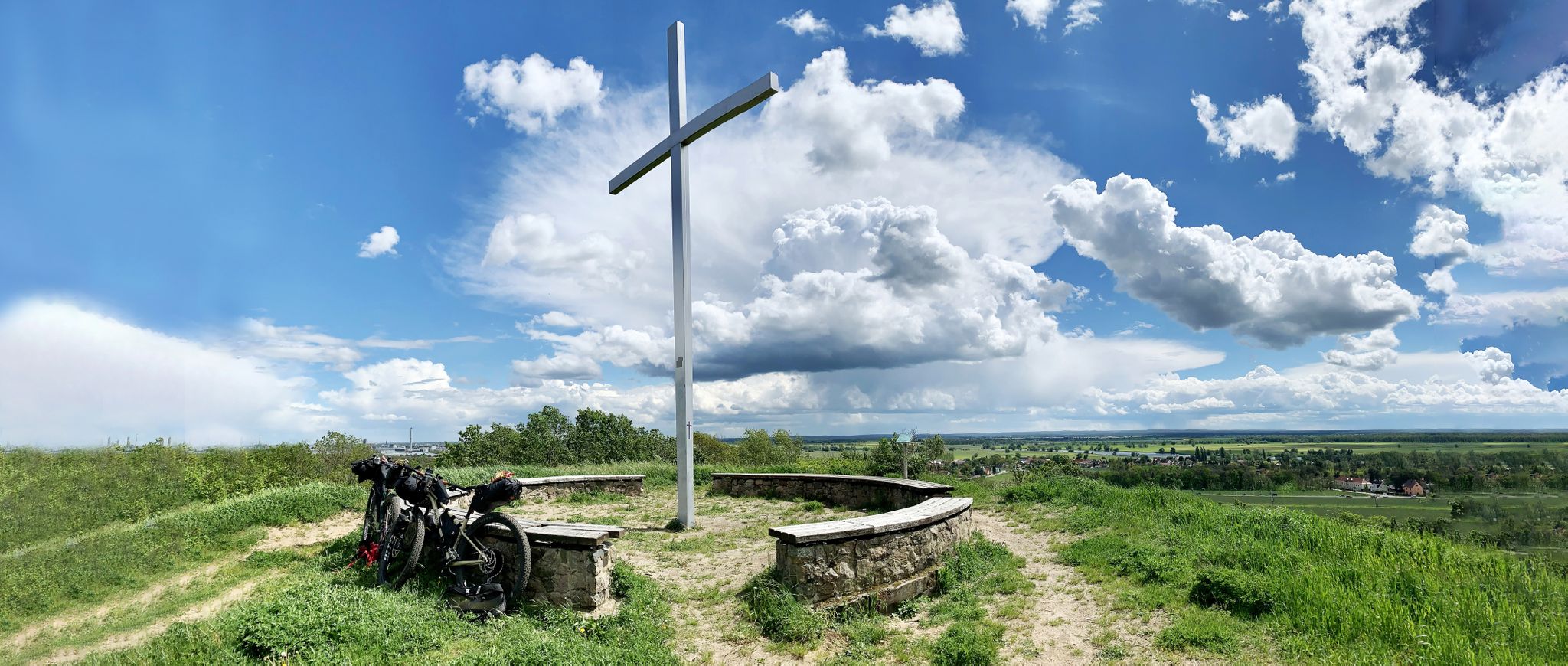
Neogothic castle gate at Sieglitzer Berg
Highlight • Monument
Translated by Google •
Tip by

Mosigkau Palace and Gardens
Highlight • Castle
Translated by Google •
Tip by

Sign up now to discover places like this
Get recommendations on the best single tracks, peaks, & plenty of other exciting outdoor places.
Sign up for free
Burgkemnitz Castle
Highlight • Castle
construction time
18th century, 19th century,
1869
Architectural style
Baroque, historicism, neo-renaissance
Builder
Hans Bodo Baron von Bodenhausen (1869)
Builder/architect
–
Condition
The castle in Burgkemnitz is currently …
Translated by Google •
Tip by

Johann Building (Dessau City Palace)
Highlight • Castle
Translated by Google •
Tip by

Georgium Palace, Dessau
Highlight • Castle
Translated by Google •
Tip by

Sign up for free to discover even more castles around Raguhn-Jeßnitz.
Sign up for free
Already have an account?
Start today with a free account
Your next adventure awaits.
Login or Signup
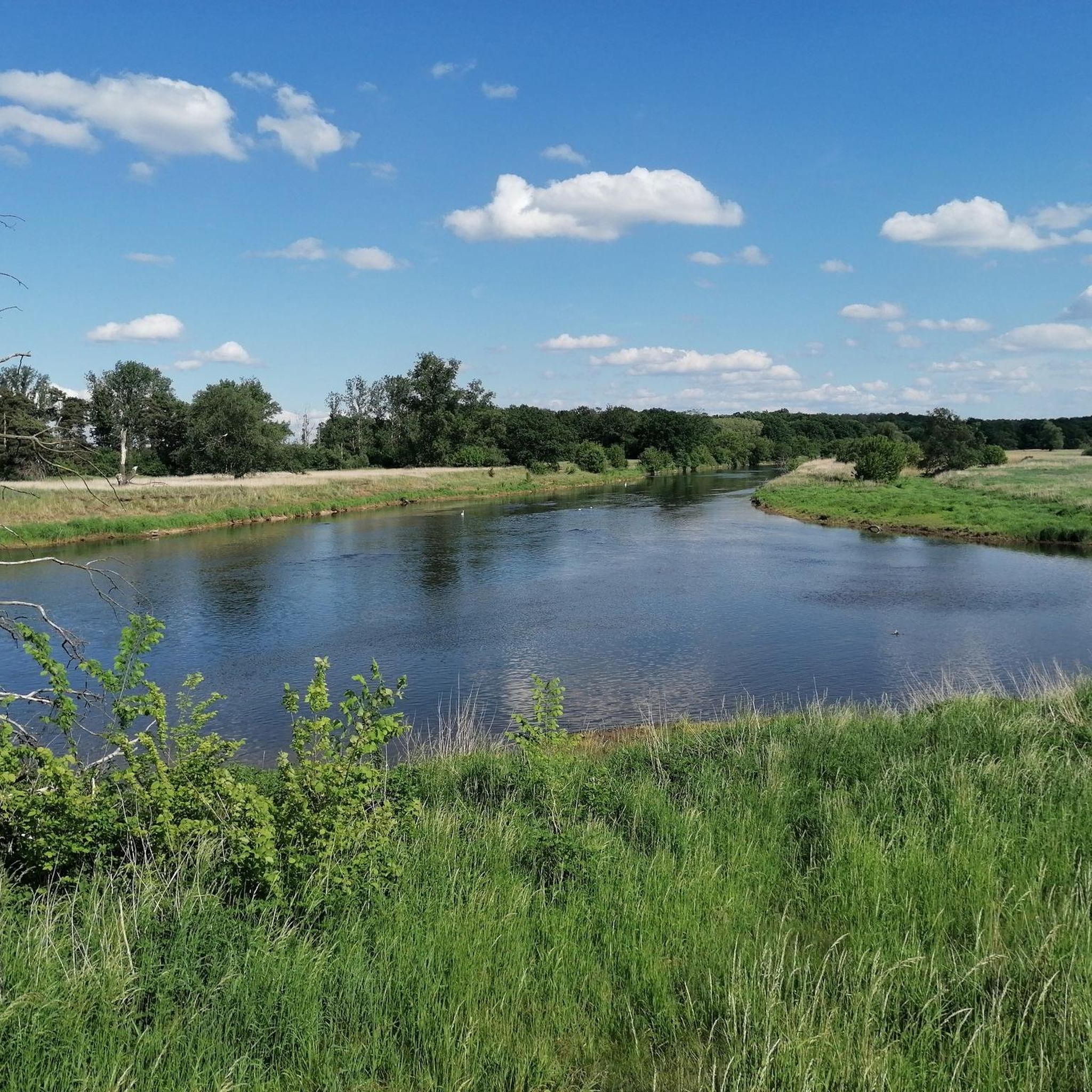
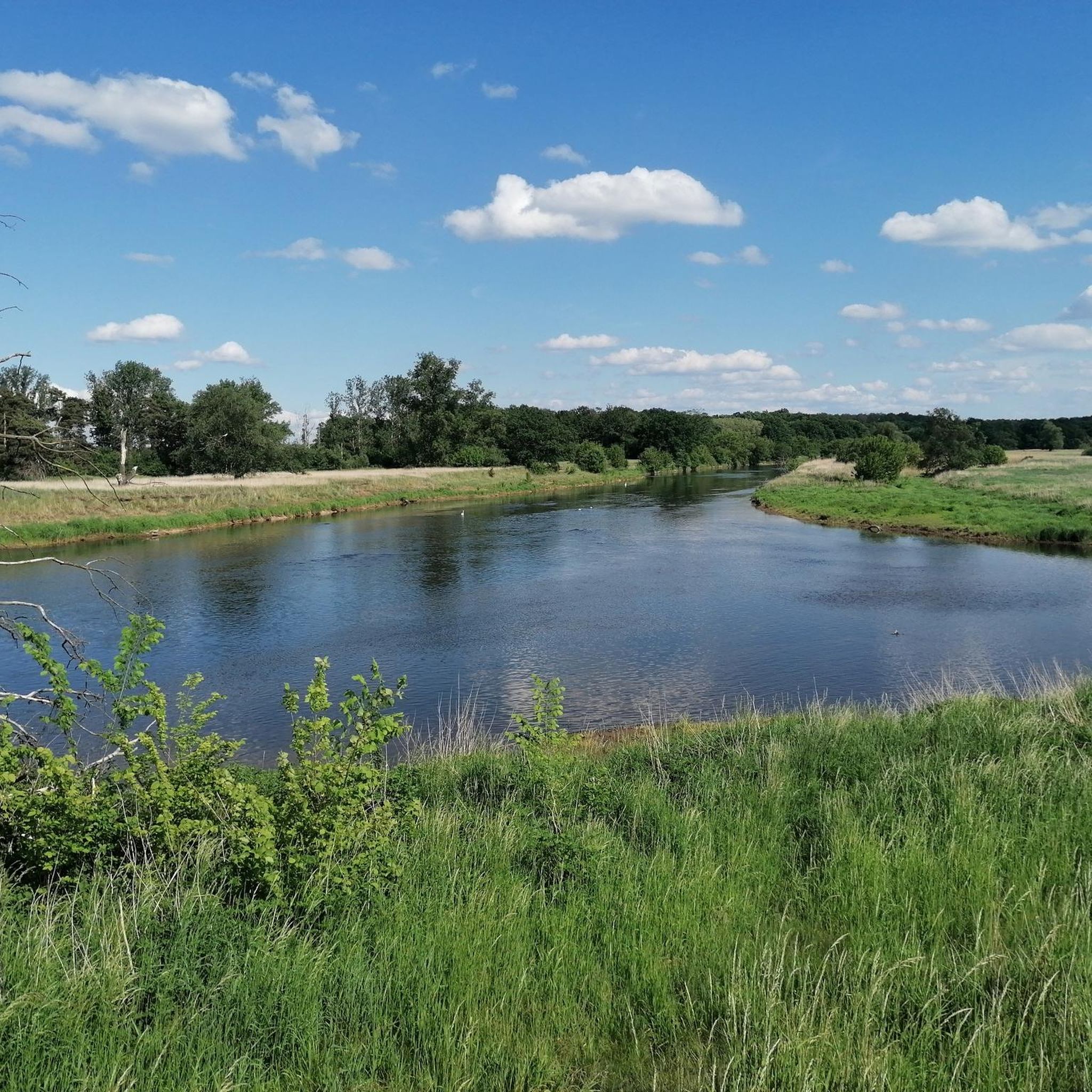
Other adventures around Raguhn-Jeßnitz

Tips from the Community

More information about the history can be found at https://de.wikipedia.org/wiki/Residenzschloss_Dessau
4
0
Dessau Palace was originally built in 1341 using stones from Waldeser Castle, also known as Waldersee Castle, which had been destroyed by flooding of the Mulde River.[3][4] The palace burned down in 1405 and again in 1467.[2] It was rebuilt by the Dessau princely brothers Johann IV, Georg III, and Joachim. Doubts have arisen regarding the previously assumed construction period of "around 1530/31" to 1533, following the discovery of letters from the princely brothers proving that building materials were ordered in Saxony as early as 1528 and 1529 and transported by raft on the Elbe River in 1529. This suggests that construction of the Johann Building must have begun as early as 1528.[5] The construction period for the stair tower, built at the same time, is confirmed to be between 1531 and 1533.[1] The palace wing was named after Prince Johann IV of Anhalt. [2][3][4][5][6][7][7][8][9][1] For a long time, Ludwig Binder (1512–1556), who demonstrably worked as a stonemason for the princes in Anhalt between 1531 and 1554, was considered the architect of the Johannbau. His stonemason's mark was found in six prominent locations in and on the stair tower of this building. Today we know that Ludwig Binder was only 17 years old at the start of construction, and thus too young to be the architect. According to the latest research, it is therefore assumed that the Johannbau was a joint project of Bastian Binder and his son (?) Ludwig.[6] Bastian Binder served, among others, as archbishop's master builder and architect under Cardinal Albrecht of Brandenburg. According to records, he stayed in Dessau several times in 1531/32.[7] [6] Stylistically, the Johannbau is classified as belonging to the Early Renaissance, as the architectural ornamentation on the round-arched gables, windows, portals, as well as in the balcony and the spiral staircase above it, exhibits characteristic features such as spheres and fleur-de-lis tracery friezes. The formal language corresponds to the transitional period from Late Gothic to Renaissance,[8] as can also be found in other early buildings of the Saxon Renaissance. Source: https://de.wikipedia.org/wiki/Residenzschloss_Dessau
4
0
Dessau Palace, also known as Dessau City Palace, is a partially preserved palace complex located in the former old town of Dessau. It served as the residence of the Princes and Dukes of Anhalt-Dessau. Of the multi-winged palace, only the so-called Johannbau, the former west wing and oldest part of the palace, remains today. It was one of the first Renaissance buildings in Central Germany.[1][2] Source: https://de.wikipedia.org/wiki/Residenzschloss_Dessau
5
0
Along with Wörlitz Park, Georgium is the largest and most historically significant landscape park in the English-style Dessau-Wörlitz Garden Kingdom. It was created by and named after Prince Johann Georg, the younger brother of Prince Leopold III Friedrich Franz of Anhalt-Dessau. Georgium Palace and several other garden buildings now house the Anhaltische Gemäldegalerie Dessau, one of the most important collections of Old Masters in Central Germany. Originally located just outside the royal city of Dessau, the park and palace are now located in the Ziebigk district of Dessau-Roßlau. They have been a UNESCO World Heritage Site since November 2000. Source: https://de.wikipedia.org/wiki/Georgium
4
0
Burgkemnitz Castle with beautiful park
3
0
The Johannbau was first expanded between 1571 and 1580. The north wing, which was first mentioned in 1571, was demolished in 1708 by Prince Leopold, turning the palace into a three-wing complex.[9] Between 1748 and 1753, the building was redesigned and expanded according to designs by Georg Wenzeslaus von Knobelsdorff. The west wing was retained, contrary to what was planned in the design.[8] For a long time, the old Johannbau had only long halls on all floors, in which the cavalry and the mounted entourage of the court's guests were housed. It was not until later that it was divided into smaller rooms. The east wing, with a view of the Mulde and the Tiergarten, a floodplain forest on the other side of the river, housed the chambers of the princely family. In the south wing, above the court kitchen, was the magnificent ballroom.[10] Source https://de.wikipedia.org/wiki/Residenzschloss_Dessau
3
0
The Dessau Residence Palace was originally built in 1341 from the stones of the Waldeser Castle, also known as Waldersee Castle, which had been destroyed by the Mulde flood.[3][4] The castle burned down in 1405 and 1467.[2] A new building was built by the Dessau princely brothers Johann IV, Georg III and Joachim. Doubts arose about the previously assumed construction period of "around 1530/31" to 1533 when letters from the princely brothers were found which prove that building materials had already been ordered in Saxony in 1528 and 1529 and brought in by raft on the Elbe in 1529. This means that construction of the Johann building can be dated to 1528.[5] For the stair tower, which was built at the same time, a construction period of 1531 to 1533 is certain.[1] The palace wing was named after Prince Johann IV of Anhalt. For a long time, Ludwig Binder (1512–1556), who was verifiably employed as a stonemason for the princes in Anhalt between 1531 and 1554, was considered the master builder of the Johannbau. His stonemason's mark was located in six prominent places in and on the stair tower of this building. Today we know that Ludwig Binder was only 17 years old when construction began, so he was still too young to be the architect who designed it. According to the latest research, it is therefore assumed that the Johannbau was a joint work of Bastian Binder and his son(?) Ludwig.[6] Bastian Binder was, among other things, the archbishop's architect and master builder in the service of Cardinal Albrecht of Brandenburg. According to evidence, he stayed in Dessau several times in 1531/32.[7] Stylistically, the Johannbau is classified as early Renaissance, as the architectural decoration on the round-arch gables, windows, portals, as well as in the balcony and the spiral stone rising above it, has characteristic features such as balls and lily tracery friezes. The formal language corresponds to the transition period from the late Gothic to the Renaissance,[8] as can also be found in other early buildings of the Saxon Renaissance. Source https://de.wikipedia.org/wiki/Residenzschloss_Dessau
4
0
Frequently Asked Questions
What are the most popular castles and historical sites around Raguhn-Jeßnitz?
The most popular historical site is the Neogothic castle gate at Sieglitzer Berg, known for its location on a beautiful cycle path. Other highly regarded sites include Mosigkau Palace and Gardens and Georgium Palace, Dessau, both part of the UNESCO World Heritage Dessau-Wörlitz Garden Realm.
Are there family-friendly castles to visit near Raguhn-Jeßnitz?
Yes, several castles and historical sites are suitable for families. Mosigkau Palace and Gardens and Georgium Palace, Dessau both offer extensive parks for children to explore. The Neogothic castle gate at Sieglitzer Berg is also located on a paved bike path, perfect for family cycling trips.
What is the best time of year to visit the castles in this region?
The period from May to October is ideal for visiting the palace interiors, such as Mosigkau Palace. However, the expansive parks and gardens associated with many castles, including Mosigkau and Georgium, are accessible year-round, offering different beauty in each season.
Can I visit castles during winter near Raguhn-Jeßnitz?
While some palace interiors might have limited opening hours in winter, the parks and grounds of many castles, such as Mosigkau Palace and Gardens and Georgium Palace, Dessau, remain open year-round. These offer a serene experience amidst historical architecture, even in colder months.
Are there hiking or walking routes near the castles?
Yes, the region offers various walking and hiking opportunities. For easy hikes, you can explore routes like the 'Salegast Church Ruins – Forest path with wild garlic loop' or 'United Mulde – The Powder House loop' which are accessible from Jeßnitz (Anhalt). You can find more details on these and other routes in the Easy hikes around Raguhn-Jeßnitz guide.
What cycling opportunities are there around the castles?
The area is excellent for cycling. The Neogothic castle gate at Sieglitzer Berg is located directly on a beautiful, paved section of the Elbe cycle path. For more cycling adventures, consider routes like the 'Elbe Floodplains Near Dessau – Hunting Bridge over the Mulde loop'. Explore more options in the Cycling around Raguhn-Jeßnitz guide.
What kind of historical structures can I expect to see?
The region features a mix of historical structures. You'll find grand, well-maintained palaces like Mosigkau Palace and Georgium Palace, as well as remnants of former fortifications like the Neogothic castle gate at Sieglitzer Berg. There are also sites like Schloss Libehna, which are now 'Burgstall' (where a castle once stood) with only traces remaining.
Are there any castles with art collections or museums?
Yes, Georgium Palace, Dessau, houses the Anhaltische Gemäldegalerie Dessau, which is one of Central Germany's most important collections of Old Masters. The Johann Building (Dessau City Palace) also functions as a museum of city history.
What is the status of Burgkemnitz Castle?
Burgkemnitz Castle features a beautiful park that is accessible to visitors. The manor itself, built in the 18th century and redesigned in Neo-Renaissance style, is currently empty and undergoing renovation, with plans for a future hotel complex.
What do visitors enjoy most about the castles in the Raguhn-Jeßnitz area?
Visitors frequently praise the beautiful cycle paths, especially around the Neogothic castle gate at Sieglitzer Berg. The well-maintained parks and gardens of palaces like Mosigkau and Georgium are also highly appreciated for their historical and natural beauty.
Are there any hidden gem castles or lesser-known historical sites?
While the Dessau-Wörlitz Garden Realm contains the main highlights, sites like Burgkemnitz Castle, with its accessible park and ongoing renovation, offer a glimpse into the region's architectural history away from the main tourist paths. Schloss Libehna, though a 'Burgstall' with limited access, represents a historically significant lowland castle site near Raguhn.
Can I find any viewpoints near the castles?
Many of the castles are set within expansive landscape parks, offering picturesque views of the historical architecture combined with natural surroundings. The English-style parks of Georgium Palace and Mosigkau Palace are designed to create scenic vistas and viewpoints within their grounds.
Most popular routes around Raguhn-Jeßnitz
Most popular attractions around Raguhn-Jeßnitz

Get inspired with the komoot mobile app


Explore more
Looking for the best castles somewhere else? Discover other guides around Raguhn-Jeßnitz:
