Attractions and Places To See in Riserva Naturale Foce Sele Tanagro - Top 17
Best attractions and places to see in Riserva Naturale Foce Sele Tanagro, a protected natural area in Campania, Italy, offers a diverse landscape shaped by the Sele and Tanagro rivers. This region features significant natural landmarks, historical sites, and coastal areas. It encompasses wetlands, forests, and riverbanks, providing varied environments for exploration. The reserve is recognized for its biodiversity and cultural heritage.
Best attractions and places to see in Riserva Naturale Foce Sele Tanagro
- The most popular attractions is Mouth…
Last updated: July 19, 2026
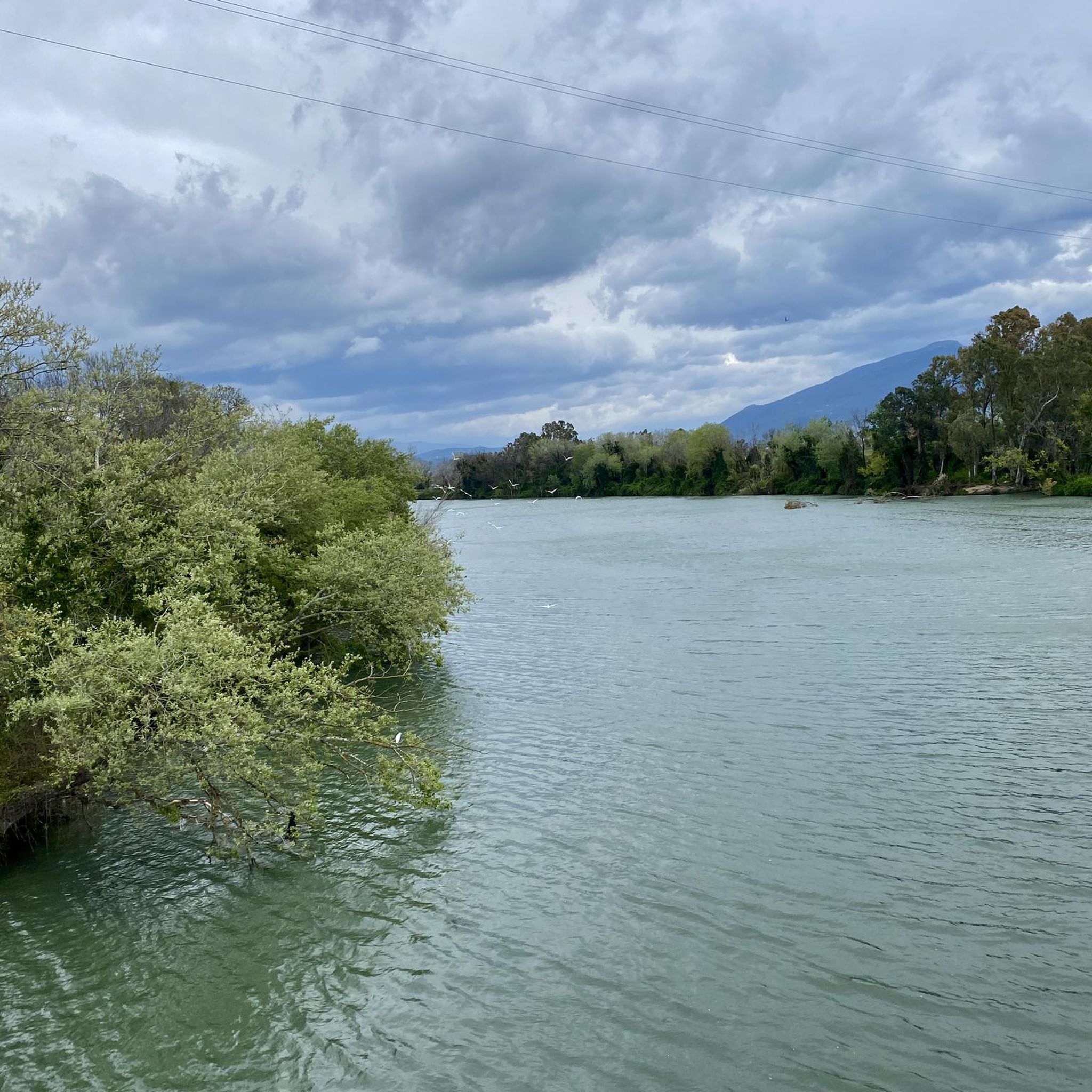
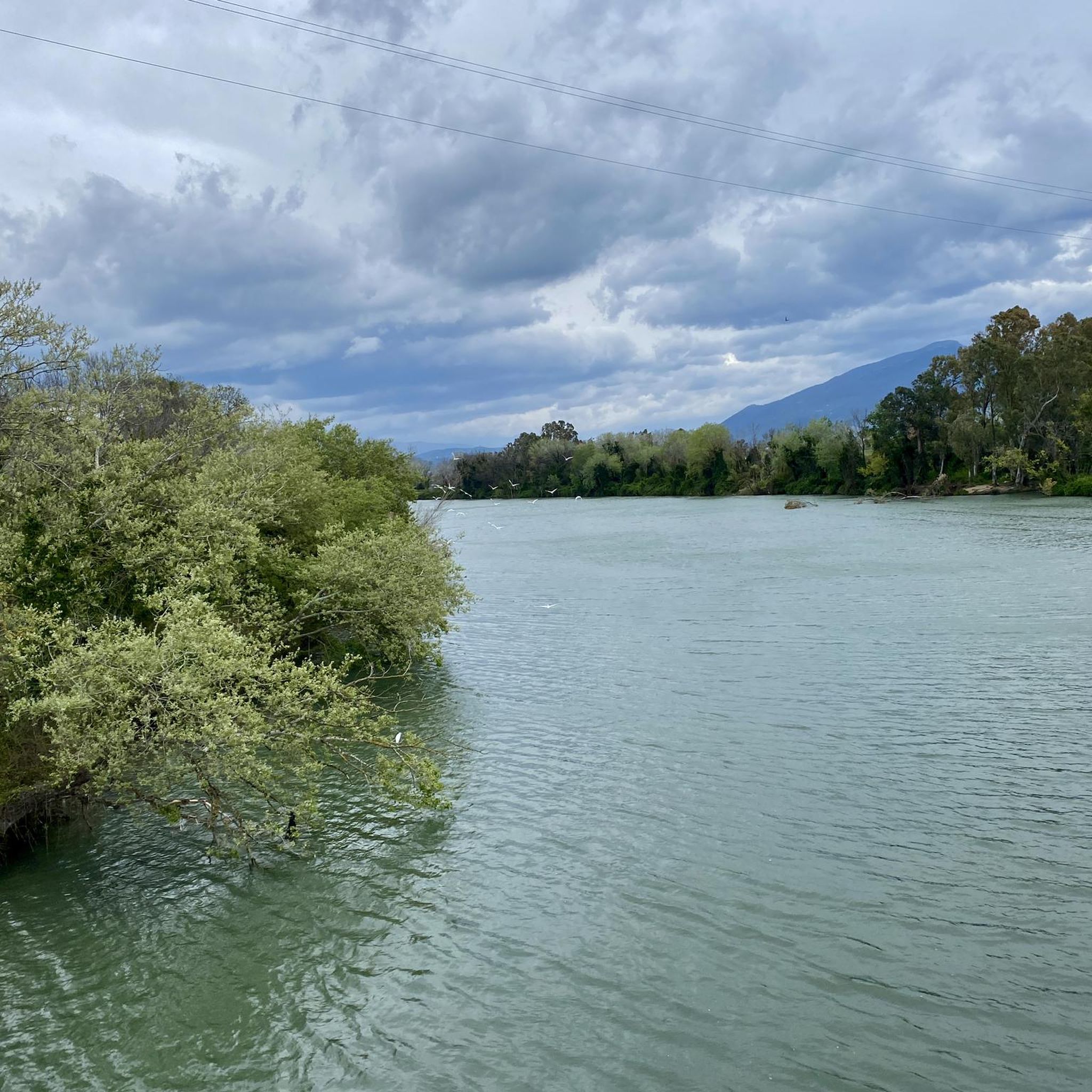
Mouth of the Sele River
Highlight • River
Translated by Google •
Tip by

Licinella Beach
Highlight • Beach
Translated by Google •
Tip by

Sign up now to discover places like this
Get recommendations on the best single tracks, peaks, & plenty of other exciting outdoor places.
Sign up for free
Persano Bridge over the Sele River
Highlight • Bridge
Translated by Google •
Tip by

"Pietra Spaccata" area: an Eden turned into Hell
Highlight (Segment) • Natural Monument
Translated by Google •
Tip by

The Split Rock
Highlight • Gorge
Translated by Google •
Tip by
Sign up for free to discover even more attractions in Riserva Naturale Foce Sele Tanagro.
Sign up for free
Already have an account?
Start today with a free account
Your next adventure awaits.
Login or Signup
Popular around Riserva Naturale Foce Sele Tanagro

Tips from the Community

Bridge over the Sele river along the SS 19 delle Calabrie in Persano, in the municipality of Campagna.
6
0

Beautiful arched bridge.
2
0
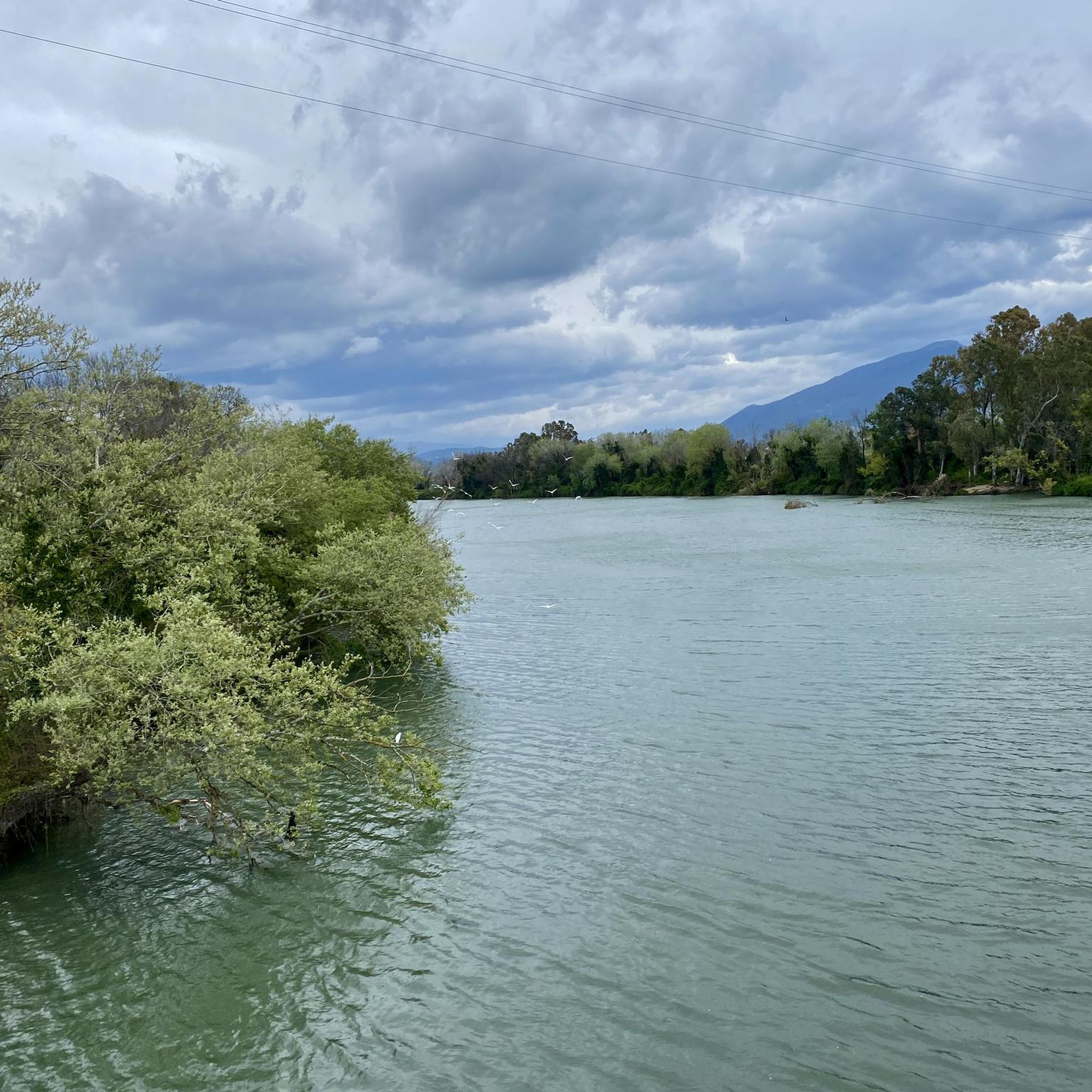
Stretch where it is possible to admire the course of the Sele river, the second in Campania and the South for water flow.
25
0

the path is very dirty and in some places collapsed
0
0

The bridge over the Sele or Persano bridge or crooked bridge, is a bridge built in 1625, in the viceregal period, under the reign of Philip IV of Spain. Before the construction of the bridge to cross the Sele there was a small excavation, a boat that earned the lord of Campagna more than 400 ducats a year. it consists of 5 arches, the last on the hydrographic left of the river was destroyed by a flood wave in 1775, rebuilt in 1776 on a project by Luigi Vanvitelli. This span was torn down by the retreating Germans during WWII, then rebuilt by the Americans in concrete.
5
0

Beach near the archaeological complex of Paestum and its train station, with a stretch of free beach and stretches of bathing establishments.
1
0

A single shot, a single passage and view of the mouth of the Sele River https://it.wikipedia.org/wiki/Sele
1
0
The second most important river in Campania, after 64 km it flows between Paestum and Campolongo.
13
0
Frequently Asked Questions
What natural features can I explore in Riserva Naturale Foce Sele Tanagro?
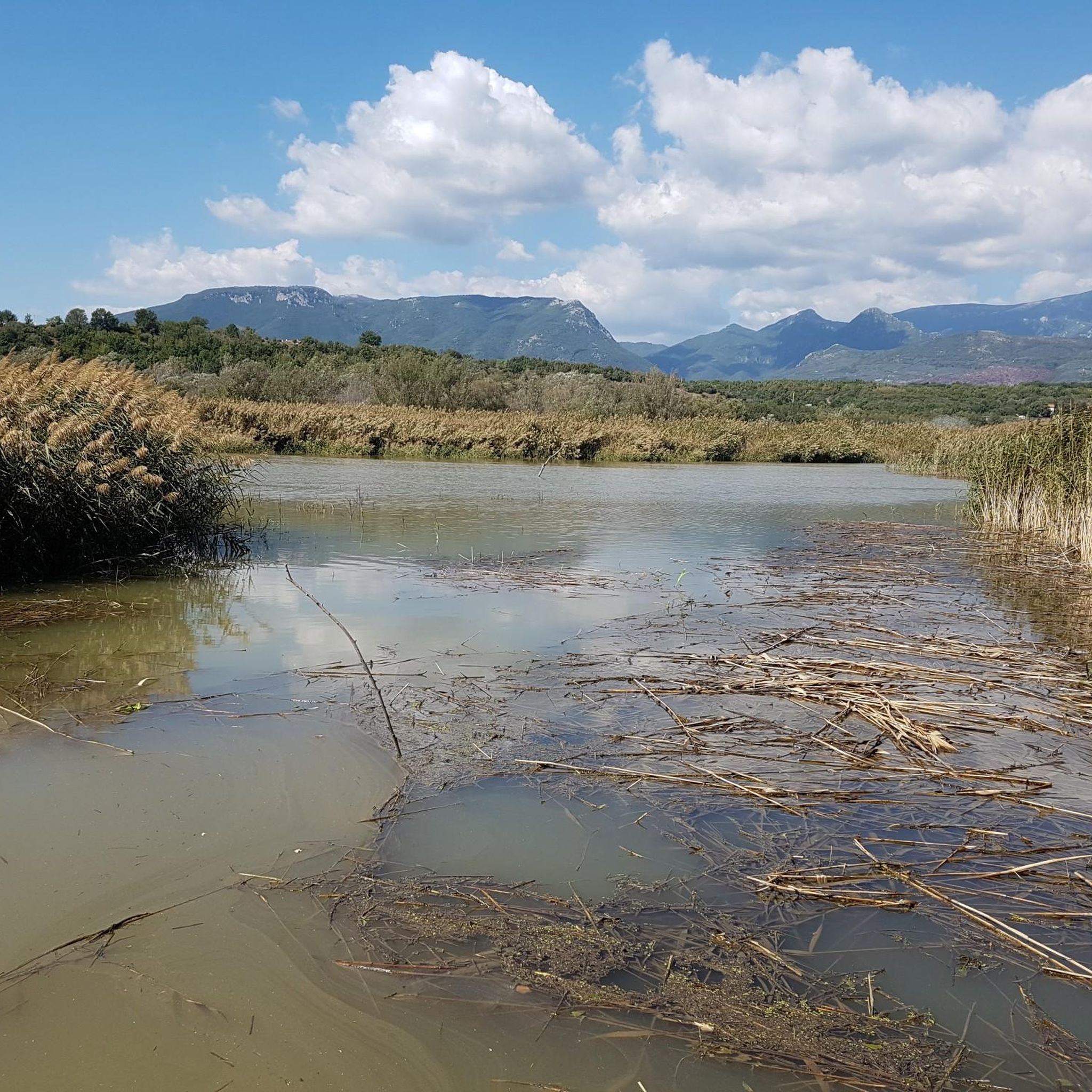
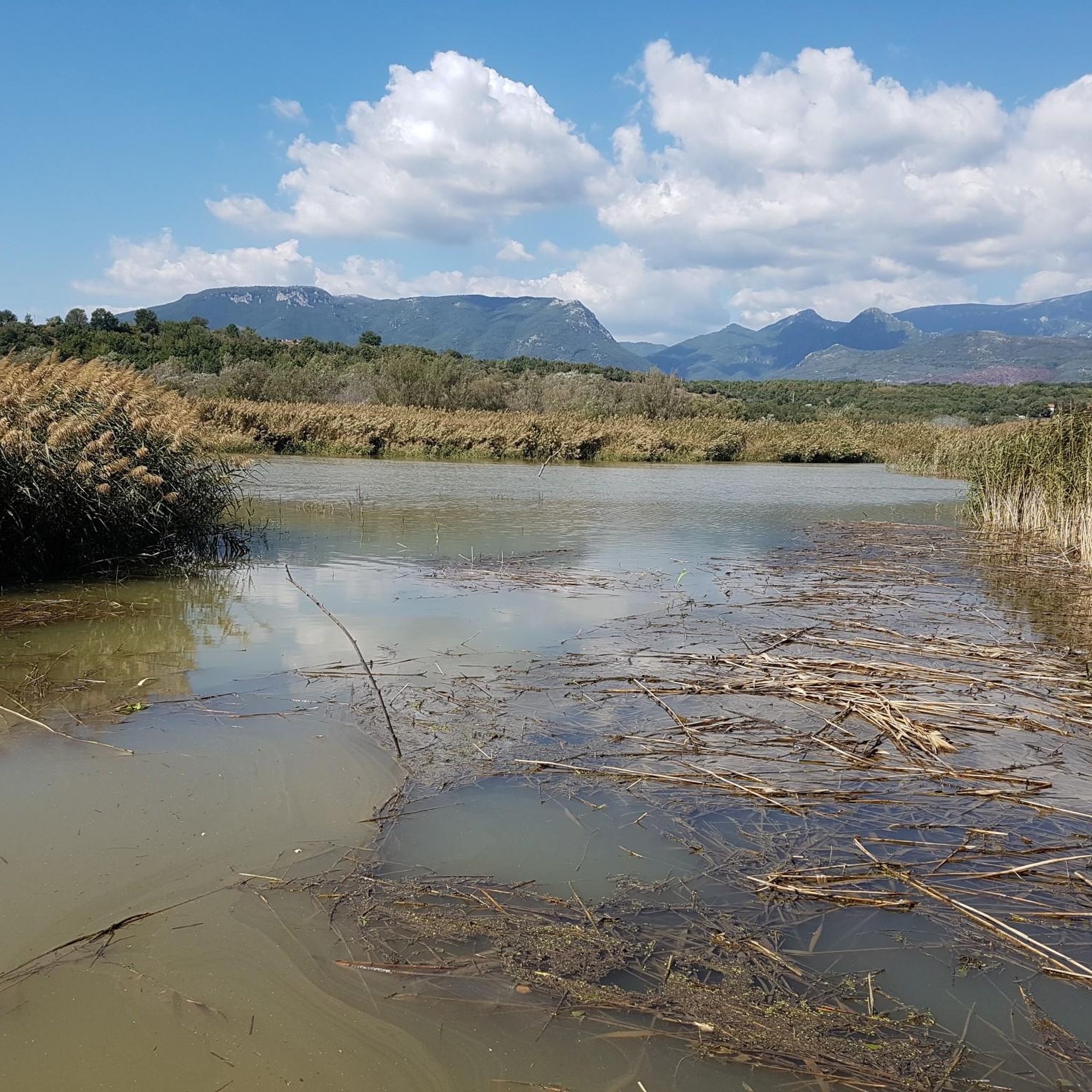
The reserve is defined by the Sele and Tanagro rivers, featuring hygrophilous woods of poplar, willow, and alder, as well as extensive reed beds. You can admire the course of the Sele River, the second largest in Campania by water flow, particularly at the Mouth of the Sele River. Along the coast, there's a coastal pine forest, and the Oasi di Persano offers diverse environments including flooded meadows and riparian forests.
Are there any historical or cultural sites to visit in the reserve?
Yes, the reserve is home to significant historical sites. You can visit the Archaeological Area of the Sanctuary of Hera at the Mouth of the Sele, which features remains of ancient buildings and temples. Another notable site is the Persano Bridge over the Sele River, also known as the 'crooked bridge,' a historic structure built in 1625 with parts rebuilt by Luigi Vanvitelli.
What kind of outdoor activities can I do in Riserva Naturale Foce Sele Tanagro?
The natural environment is ideal for various outdoor activities. You can enjoy walks, outings, hiking, and cycling. For specific routes, consider exploring options like hiking trails, road cycling routes, or gravel biking adventures available in the area.
Is Riserva Naturale Foce Sele Tanagro suitable for families?
Yes, the reserve offers several family-friendly options. The Licinella Beach near Paestum is a great spot for families, offering both free access and equipped bathing establishments. The Oasi di Persano also provides naturalistic paths and observation points that can be enjoyed by all ages.
Where can I go birdwatching in the reserve?
The Oasi di Persano is an excellent location for birdwatching. As an internationally important wetland and a crucial refuge for migratory birds, it hosts 184 bird species. Observation hides are set up to facilitate this activity.
Are there any beaches in the area?
Yes, Licinella Beach is located near the archaeological complex of Paestum and offers both free access and equipped bathing establishments. The Paestum seafront also provides many beach baths, bars, and restaurants.
What is the significance of the Sele River in the reserve?
The Sele River is the second largest in Campania and Southern Italy by water flow, and it plays a central role in defining the reserve's landscape. Its banks are characterized by rich riparian forests and reed beds, contributing to the area's high biodiversity. You can observe its course at the Mouth of the Sele River.
What is the 'Pietra Spaccata' area?
The "Pietra Spaccata" area, located in the Tufaro locality of Contursi Terme, is a very suggestive naturalistic site within the reserve. While it offers beautiful scenery, some sections of its paths have been noted to be dangerous due to landslides and a state of abandonment.
What kind of wildlife can I expect to see?
The reserve boasts high environmental quality and is crucial for biodiversity. It is home to the otter, an endangered species, with a significant portion of Italy's otter population residing here. Besides numerous bird species, the humid environments host amphibians and reptiles like great crested newts and yellow-bellied toads.
Are there any specific hiking trails recommended for beginners?
While specific beginner trails are not detailed, the natural environment of the reserve is generally well-suited for walks and outings. Many of the hiking routes in the broader area include easy options, such as the Temple of Athena loops from the Archaeological site of Paestum.
What do visitors enjoy most about the Mouth of the Sele River?
Visitors appreciate the unique scenario of the Mouth of the Sele River. Many find it enjoyable to walk along the road that runs alongside it, allowing close access to the river and its natural beauty.
Can I find facilities like bars or restaurants near the attractions?
Yes, particularly near the coastal areas. The Paestum seafront offers many beach baths, bars, and restaurants. Licinella Beach also has equipped bathing establishments that often include refreshment options.
Most popular routes in Riserva Naturale Foce Sele Tanagro
Most popular attractions in Riserva Naturale Foce Sele Tanagro

Get inspired with the komoot mobile app


Explore more
Still not found the Highlight you’re looking for? See guides of the top attractions in other regions:
