The best walks and hikes in Riserva Naturale Foce Sele Tanagro
4.5
(604)
2,428
hikers
129
hikes
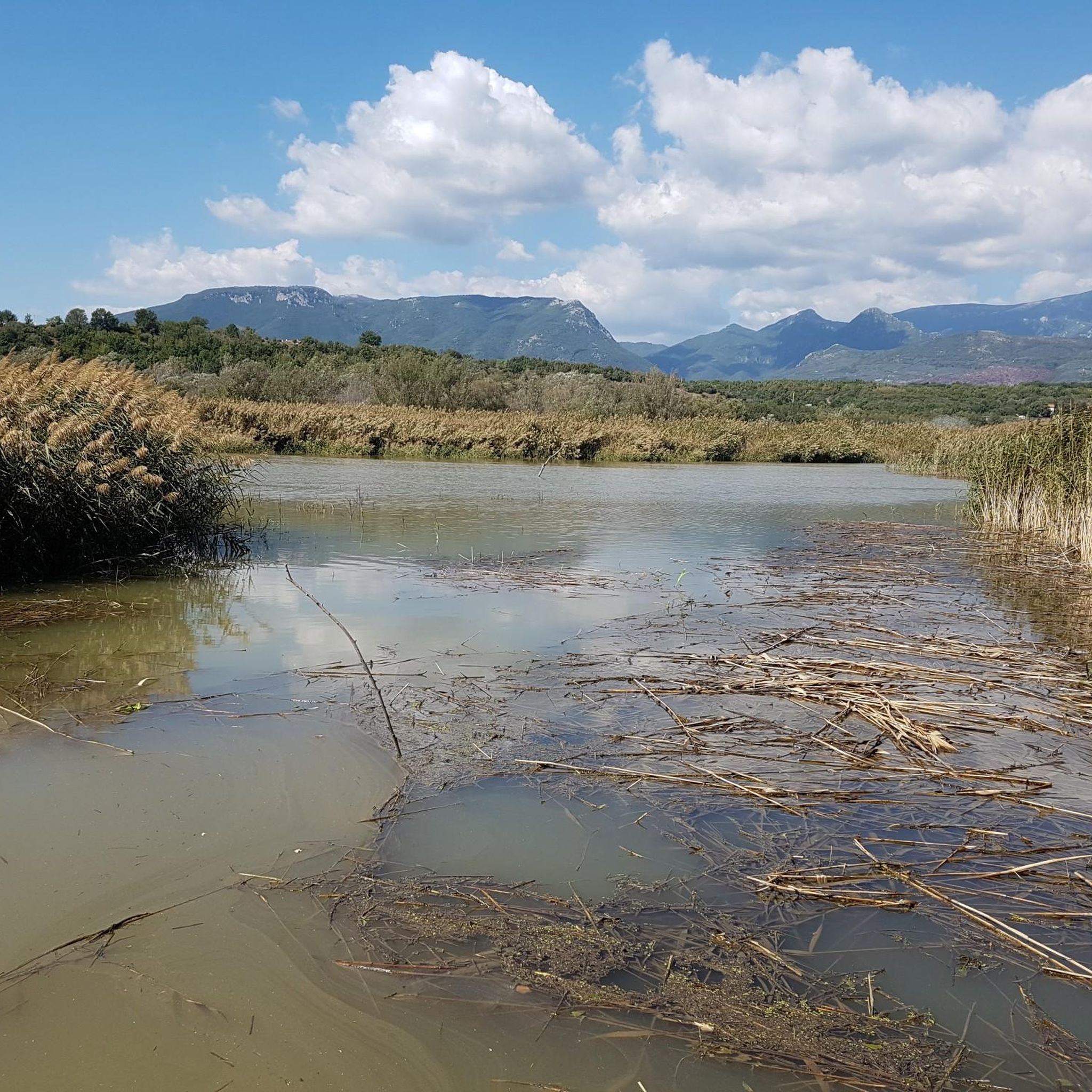
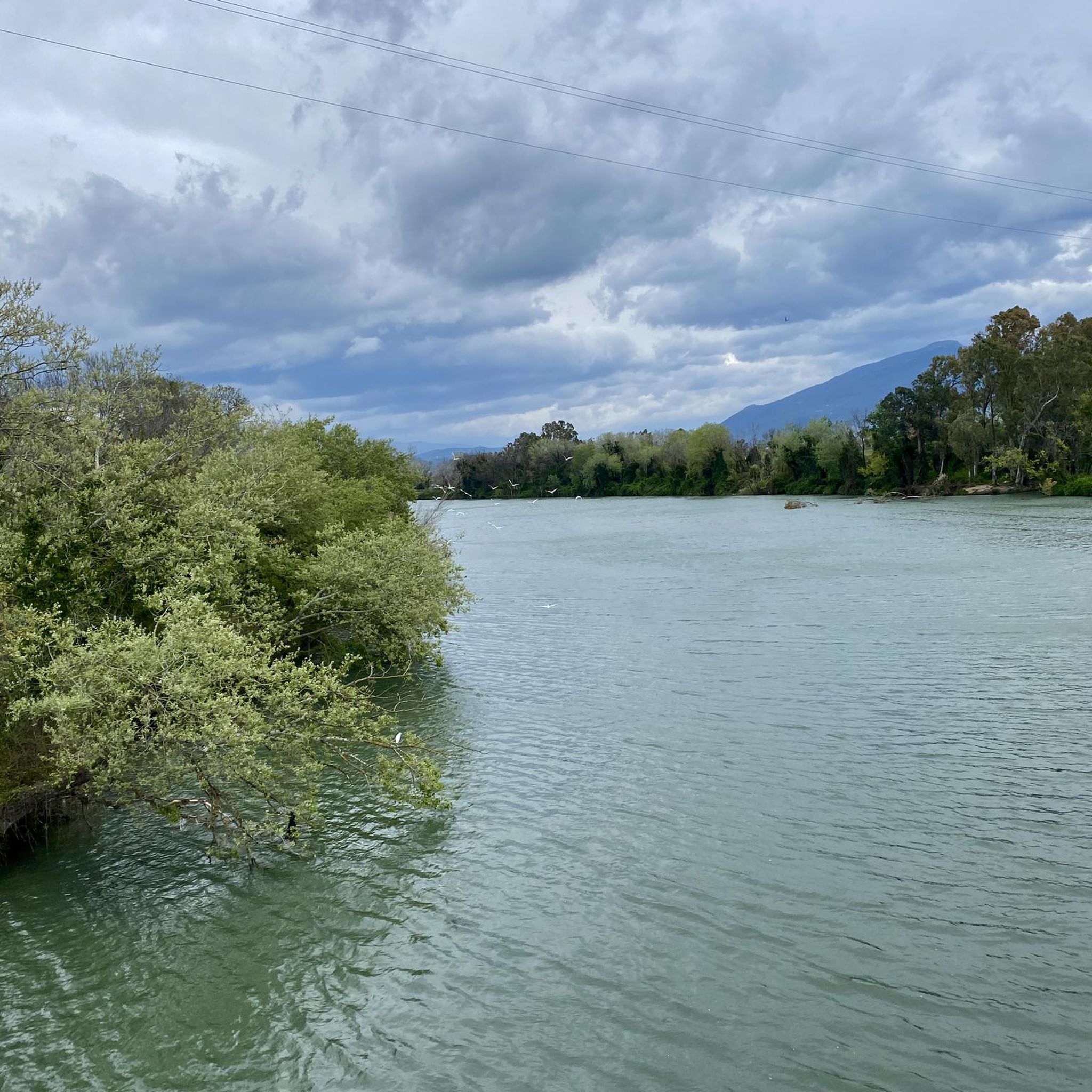
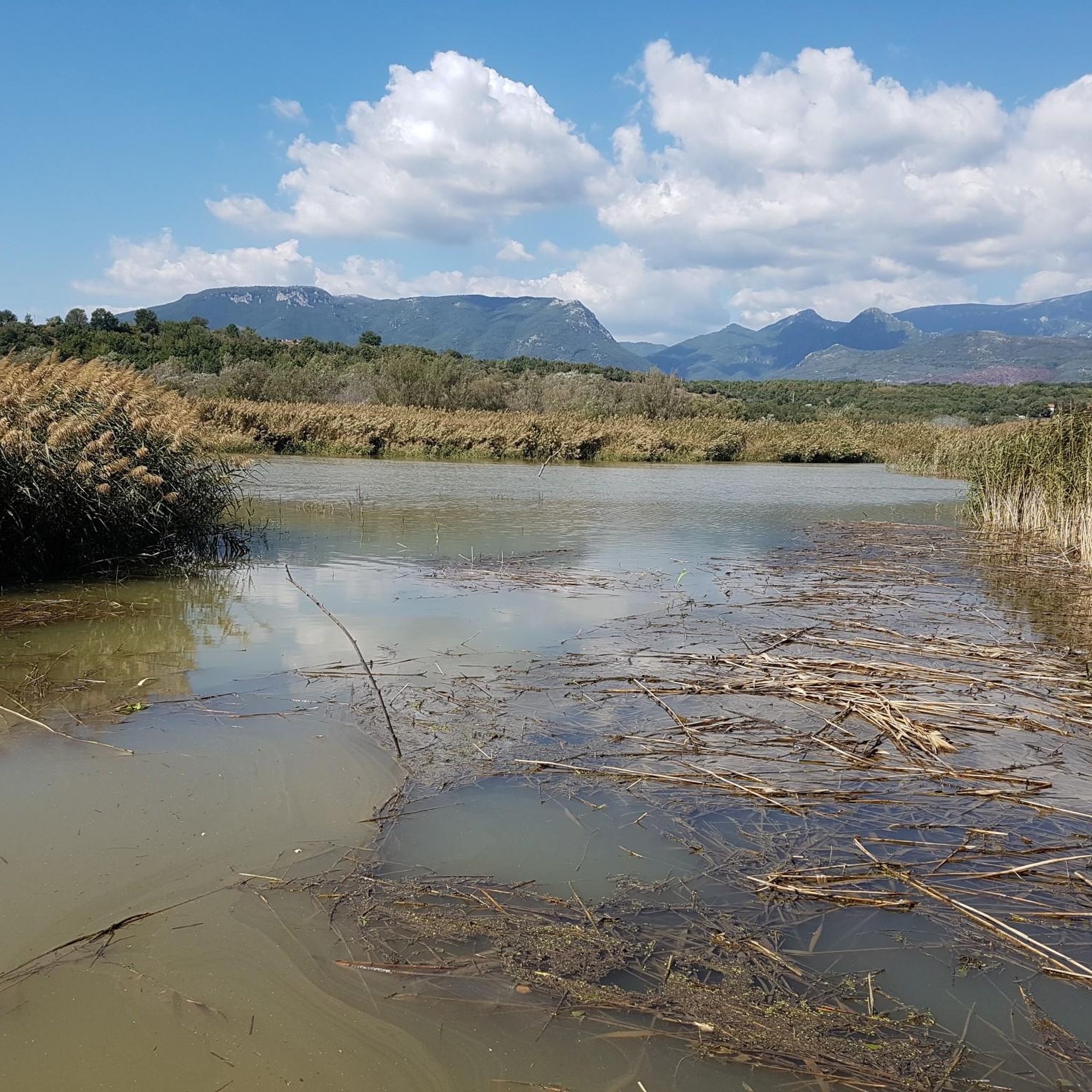
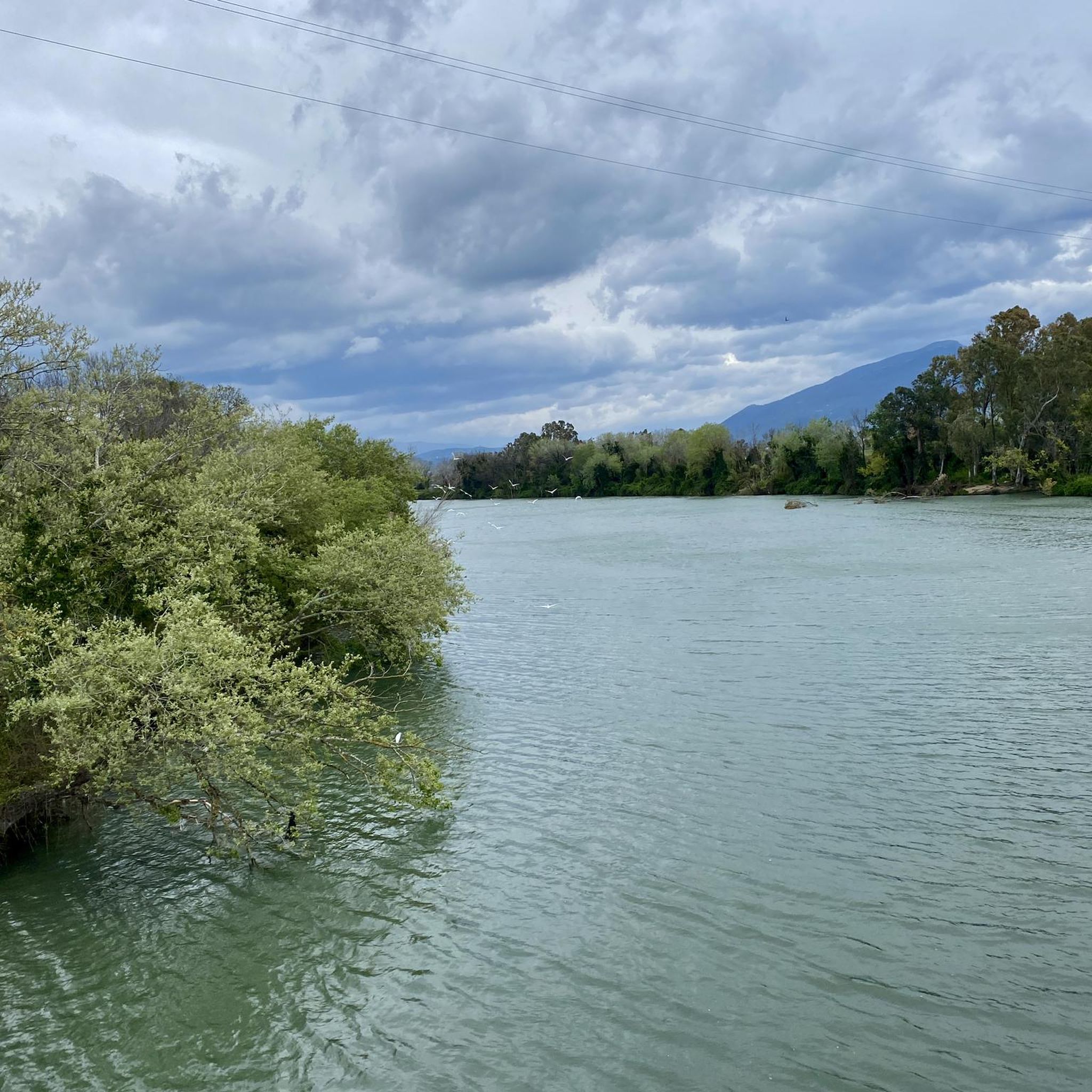
Hiking in Riserva Naturale Foce Sele Tanagro features routes primarily along coastal plains and riverine environments, encompassing the Sele and Tanagro rivers. The landscape is characterized by flat to gently undulating terrain near the river mouths and archaeological sites. While many trails remain close to sea level, some inland routes venture into more elevated areas, reaching up to 1800 meters at Monte Polveracchio, providing varied gradients. The reserve also includes a coastal pine forest and wetlands of international importance.
Best…
Last updated: May 12, 2026
4.6
(9)
77
hikers
Moderate hike. Good fitness required. Easily-accessible paths. Suitable for all skill levels.
5.0
(1)
9
hikers
Easy hike. Great for any fitness level. Easily-accessible paths. Suitable for all skill levels.

Sign up for free
4.9
(17)
26
hikers
16.4km
05:40
900m
900m
Hard hike. Very good fitness required. Easily-accessible paths. Suitable for all skill levels.
2.8
(4)
10
hikers
20.8km
05:23
120m
120m
Hard hike. Very good fitness required. Easily-accessible paths. Suitable for all skill levels.
5.0
(1)
10
hikers
4.59km
01:10
10m
10m
Easy hike. Great for any fitness level. Easily-accessible paths. Suitable for all skill levels.
Get access to more routes and recommendations from other explorers.
Sign up for free
Already have an account?
Our route recommendations are based on thousands of hikes, rides, and runs completed by other people on komoot.
Start today with a free account
Your next adventure awaits.
Login or Signup
Popular around Riserva Naturale Foce Sele Tanagro

Tips from the Community

The Leonardo da Vinci Machine Museum is located in Caposele, near the Water Museum. The pavilion houses a permanent exhibition dedicated to the inventions of Leonardo da Vinci (1452-1519), a man of genius and universal talent of the Italian Renaissance, considered one of humanity's greatest geniuses. A painter, engineer, scientist, sculptor, anatomist, man of letters, musician, and inventor, Leonardo created countless works, including numerous machines. The Caposele Museum houses wooden reproductions of approximately twenty examples, based on the artist's original drawings and created with the assistance of the Scenography Laboratory at PUSA University in Assisi. These models are grouped into four different categories, dedicated to the essential elements of life: Water, Air, Earth, and Fire. https://sistemairpinia.provincia.avellino.it/it/musei-biblioteche/museo-delle-macchine-di-leonardo
2
0
The Caposele Water Museum is located inside Casa Houston, near the Sele River Springs in Piazza della Sanità. This landmark was established to highlight the importance of the springs in the Sele Valley municipality: watercourses that, with a flow rate of 4,000 liters per second, quench the thirst of the entire Puglia region. https://sistemairpinia.provincia.avellino.it/it/musei-biblioteche/museo-delle-acque
2
0

Very beautiful temple complex well worth seeing
0
0

Very well preserved ruins. Gigantic and extremely interesting.
1
0

You can take beautiful photos at this archaeological site
0
0
The diver in the Tomba del Tuffatore in the archaeological museum of Paestum
0
0

(Museo archeologico nazionale di Paestum) Alongside the National Archaeological Museum of Taranto, the National Archaeological Museum of Paestum is now considered the most important museum for Lower Italian and Western Greek art. With more than 440,000 visitors in 2017 and 2019, the museum, including the archaeological park, is one of the most visited archaeological museums in Italy. As part of the Cilento and Vallo di Diano National Park, the museum has been a UNESCO World Heritage Site since 1998.
0
0

Along the old city wall to the beach 👍💪🇮🇹
0
0
Frequently Asked Questions
How many hiking trails are available in Riserva Naturale Foce Sele Tanagro?
There are over 120 hiking routes in Riserva Naturale Foce Sele Tanagro. These range from easy walks along the coast to more challenging trails further inland, offering diverse experiences for all skill levels.
Are there easy hiking trails suitable for beginners in Riserva Naturale Foce Sele Tanagro?
Yes, the region offers a good selection of easy trails, with 48 routes classified as easy. An excellent option for beginners is the Temple of Athena, Paestum – Temple of Athena, Paestum loop from Archaeological site of Paestum, a 4.0 miles (6.5 km) route exploring the ancient archaeological park.
Are there family-friendly hiking options in Riserva Naturale Foce Sele Tanagro?
Many of the easier trails are suitable for families, particularly those near the river mouths and archaeological sites due to their flat to gently undulating terrain. The Temple of Athena, Paestum – Paestum Amphitheater loop from Oasi Dunale Legambiente is an easy 4.8 miles (7.7 km) path that combines historical sites with natural areas, perfect for a family outing.
What kind of wildlife can I expect to see while hiking in the reserve?
The Riserva Naturale Foce Sele Tanagro, being a riverine environment, is known for its diverse birdlife, especially near the mouth of the Sele River. Keep an eye out for various waterfowl and migratory birds. The natural areas also host small mammals and reptiles typical of coastal and river ecosystems.
Are there any circular walks in Riserva Naturale Foce Sele Tanagro?
Yes, many routes in the reserve are designed as loops, allowing you to start and finish at the same point. For instance, the Temple of Athena, Paestum – Temple of Athena, Paestum loop from Archaeological site of Paestum is a 5.0 miles (8.0 km) circular trail through archaeological landscapes.
What are some interesting landmarks or attractions to see along the hiking trails?
The region is rich in both natural and historical landmarks. You can explore the ancient ruins of Paestum, including the Temple of Athena. Natural attractions include the Mouth of the Sele River, Licinella Beach, and the unique "Pietra Spaccata" area. The Grotta di Pertosa-Auletta is also a notable natural monument nearby.
What is the best time of year to go hiking in Riserva Naturale Foce Sele Tanagro?
The best time to hike is typically during spring (April-May) and autumn (September-October) when temperatures are milder and the landscape is vibrant. Summer can be hot, especially in July and August, but coastal walks offer refreshing sea breezes. Winter hiking is possible, but some inland routes might be less accessible depending on weather conditions.
Are there any trails that feature water elements like rivers or beaches?
Absolutely. The reserve is defined by the river mouths of the Sele and Tanagro. Many trails follow the rivers or lead to coastal areas. The Licinella Beach – Paestum Tower loop from Archaeological site of Paestum is a longer route that takes you along the coast, offering views of the sea and beaches like Licinella Beach and the Paestum seafront.
What do other hikers enjoy most about hiking in Riserva Naturale Foce Sele Tanagro?
The area is highly rated by the komoot community, with an average score of 4.5 stars from over 550 reviews. Hikers often praise the unique combination of ancient history and natural beauty, particularly the well-preserved archaeological sites and the tranquil riverine landscapes.
Are there any challenging or difficult hikes in the region?
While many routes are easy to moderate, there are also more challenging options, especially as you venture further inland. For example, the Water Museum loop from Caposele is a difficult 10.2 miles (16.4 km) trail with significant elevation gain, offering a more strenuous experience.
Is public transport available to access hiking trails in Riserva Naturale Foce Sele Tanagro?
Public transport options, such as local buses or regional trains, can provide access to towns and key points near the reserve, including Paestum. From these points, you can often reach trailheads on foot or with a short taxi ride. It's advisable to check local schedules in advance for specific routes.
Are there designated parking areas for hikers?
Yes, many popular trailheads, especially those near archaeological sites like Paestum or coastal access points, offer designated parking areas. It's recommended to check specific route details on komoot for information on parking availability at your chosen starting point.
Most popular routes in Riserva Naturale Foce Sele Tanagro
Most popular attractions in Riserva Naturale Foce Sele Tanagro

Get inspired with the komoot mobile app


Explore more
Browse the best Hikes in other regions.
