Attractions and Places To See in Sic Altopiano Dei Sette Comuni - Top 20
Best attractions and places to see in Sic Altopiano Dei Sette Comuni, also known as the Asiago Plateau, encompass a region in the Venetian Prealps characterized by its diverse natural environment and significant historical sites. This area features expansive forests, mountainous terrain, and karst formations. It holds deep historical importance, particularly as a pivotal battleground during World War I, with numerous memorials and forts. The plateau also preserves a distinct cultural identity, influenced by the Cimbrian people.
Best attractions and…
Last updated: May 8, 2026
Italia Junction
Highlight • Trail
Tip by

Portule Peak
Highlight • Summit
But once you get there, the effort is rewarded with a wonderful view.
Translated by Google •
Tip by

Sign up now to discover places like this
Get recommendations on the best single tracks, peaks, & plenty of other exciting outdoor places.
Sign up for free
Forte Verena
Highlight • Historical Site
Translated by Google •
Tip by
Bivio Conrad
Highlight • Trail
Translated by Google •
Tip by

Mount Ortigara Memorial
Highlight • Monument
Translated by Google •
Tip by

Sign up for free to discover even more attractions in Sic Altopiano Dei Sette Comuni.
Sign up for free
Already have an account?
Start today with a free account
Your next adventure awaits.
Login or Signup
Popular around Sic Altopiano Dei Sette Comuni
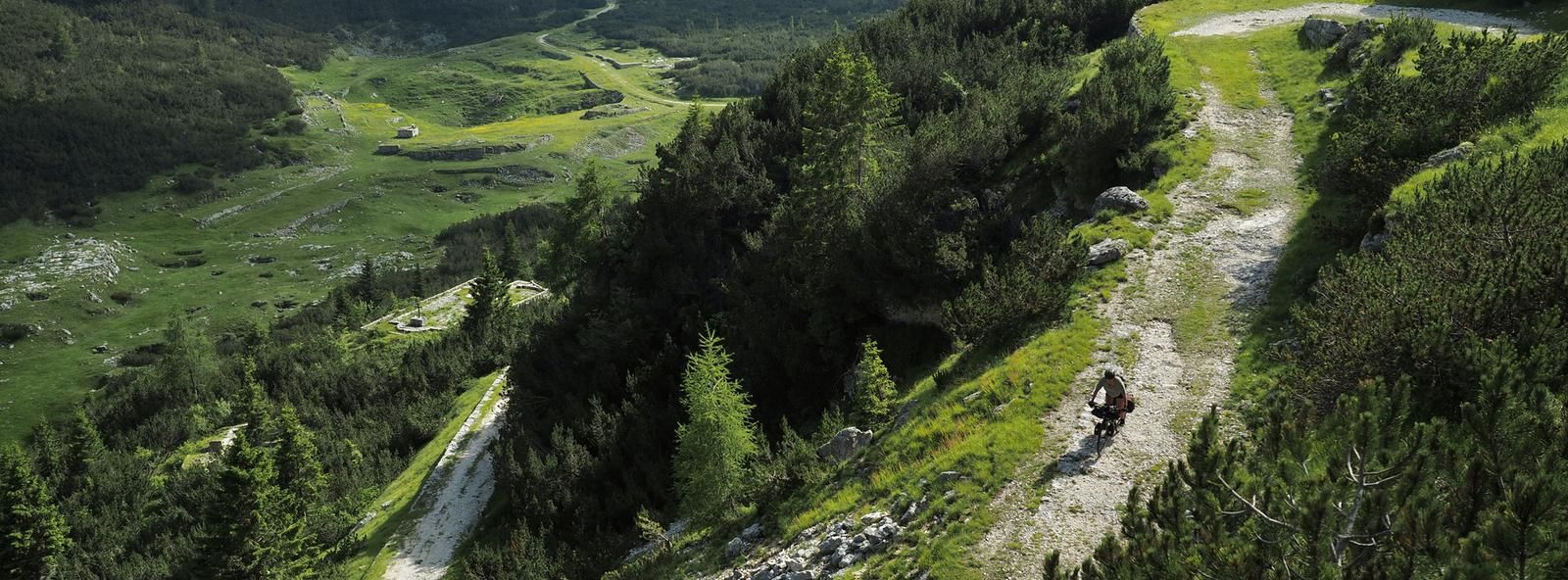
Across the high Italian plains – bikepacking the Asiago Loop
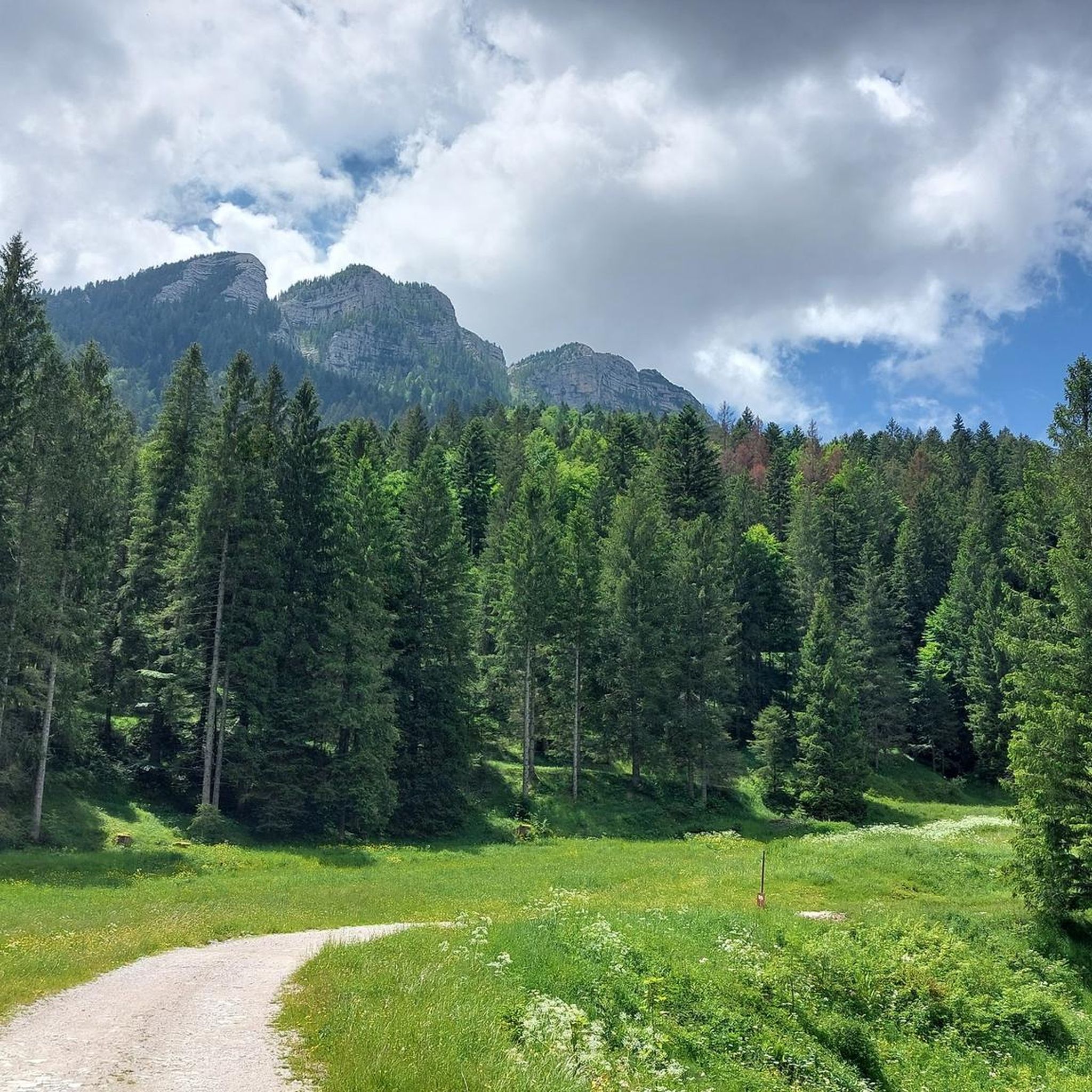
Hiking in Sic Altopiano Dei Sette Comuni
Road Cycling Routes in Sic Altopiano Dei Sette Comuni
MTB Trails in Sic Altopiano Dei Sette Comuni
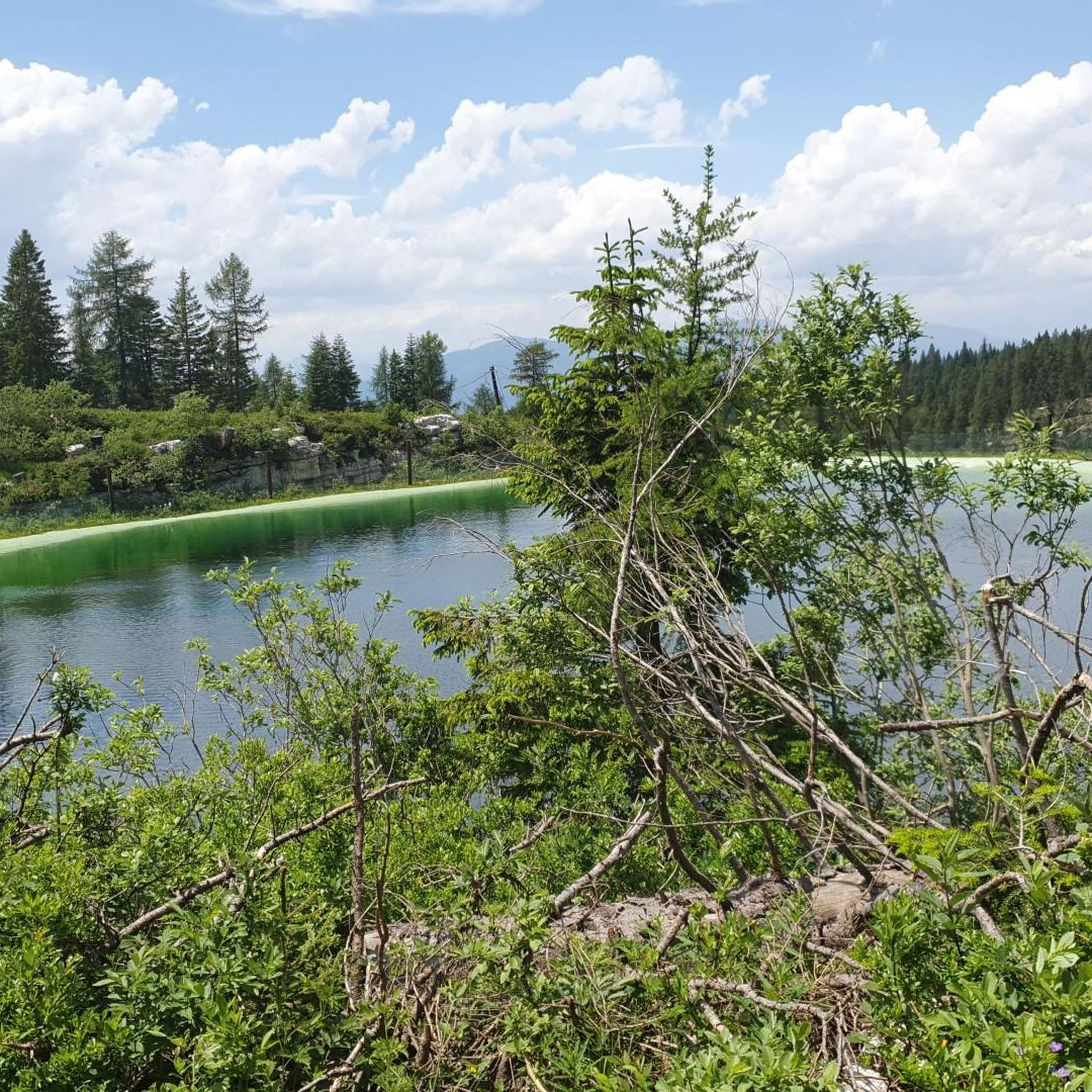
Running Trails in Sic Altopiano Dei Sette Comuni
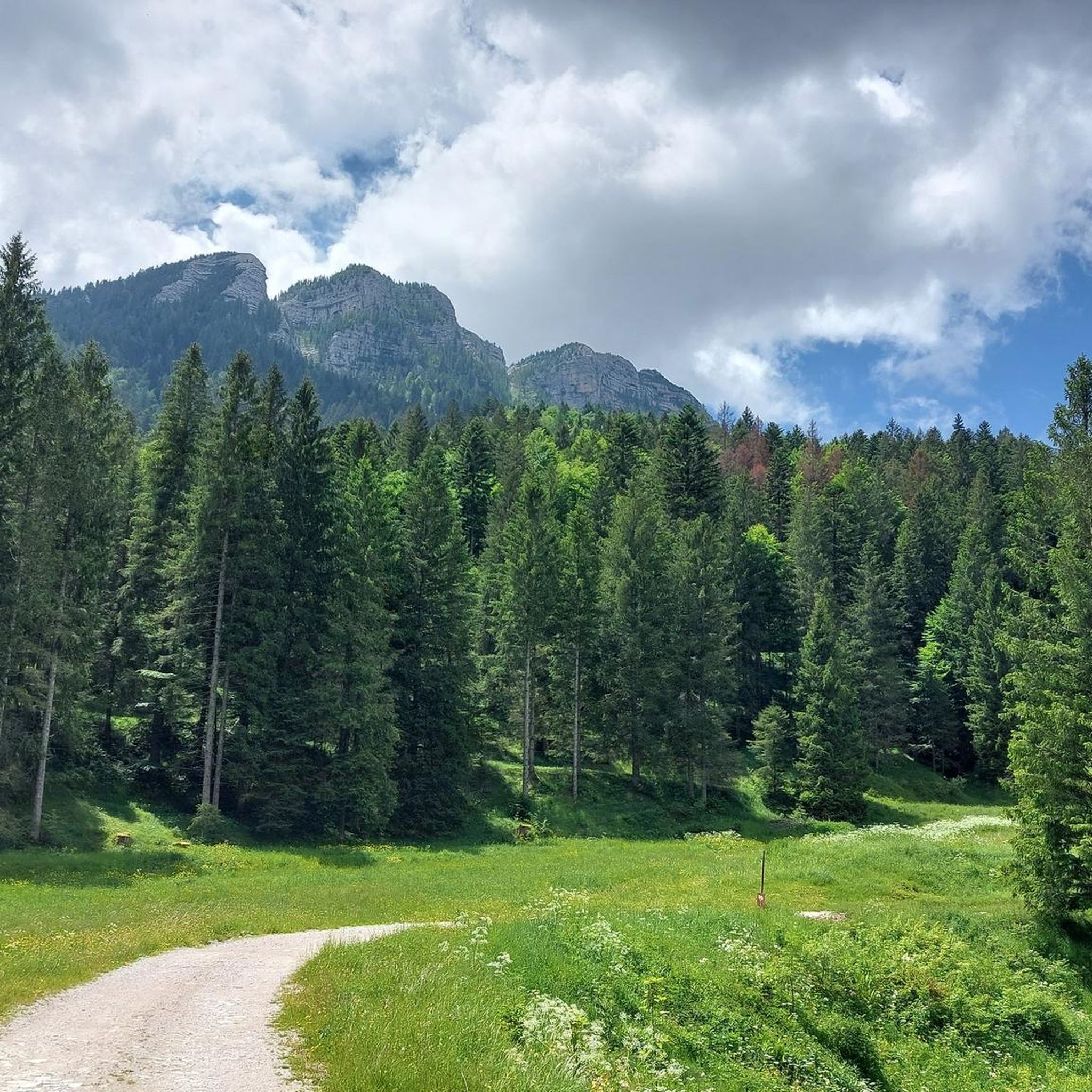
Cycling in Sic Altopiano Dei Sette Comuni

Gravel biking in Sic Altopiano Dei Sette Comuni

Mountain Hikes in Sic Altopiano Dei Sette Comuni
Other adventures in Sic Altopiano Dei Sette Comuni

Tips from the Community

"...The fort was still, austere. A place that spoke of men tested by cold, fear, and anticipation. In that moment I felt small, but also strangely attuned..."
0
0

The summit is easily reachable with good training, the path is never dangerous or exposed, if you continue the tour towards Cima Larici you must pay close attention to the steep descent
0
0

Just below the summit of Mount Verena is the Mount Verena fort, a defensive bastion on the plateau of the 7 municipalities.
0
0

Crossing point of the crossing from the Barricata refuge to Vezzena and on the military road that climbs from the Galmarara valley
1
0

You can get there by following the CAI 820 path which winds through woods, large pastures and walls overlooking the Val d'Assa. Fort Verena is a First World War fort that dominates the entire Asiago plateau
1
0

Passage point to subsequently arrive, going up, at Bivio Italia. Incredible and evocative views
2
0

A place with a wonderful landscape and every time I've passed there, not too crowded, but no water
0
0

Bivio Conrad is one of the crossroads of the network of military roads built during World War I by the Austro-Hungarian army as quick and easy access routes to the Ortigara-Zebio-Interrotto front, in order to replenish its forces and resources. Specifically, three roads intersect here: the short Conrad Straße, which connects Bivio Italia to Bivio Conrad; Mecenseffy Straße, which begins here and leads to the foot of Monte Forno; and Zoviello Straße, which ascends from Val Galmarara. The inscription on the original stone marker from the period indicates the start of Mecenseffy Straße and the 27th Infantry Regiment that built it and manned the stronghold of Monte Forno. https://it.wikipedia.org/wiki/Conradstraße https://it.wikipedia.org/wiki/Mecenseffystraße
0
0
Frequently Asked Questions
What historical sites can I explore on the Asiago Plateau?
The Asiago Plateau is rich in history, particularly from World War I. You can visit numerous WWI forts such as Forte Verena, Forte Corbin, Forte Lisser, and Forte Campolongo. The Portule Peak is also a significant historical site that was contested during the Great War. Additionally, the Open-air Museum of Monte Zebio offers well-preserved trenches and shelters.
Are there any significant World War I memorials in the region?
Yes, the region is home to several poignant World War I memorials. The most prominent is the Sacrario Militare di Asiago, an imposing military shrine dedicated to fallen soldiers. Monte Ortigara is also sacred to Alpines, being the site of a fierce battle. You can also find five English Cemeteries maintained by the Commonwealth War Graves Commission.
What natural landmarks should I visit in Sic Altopiano Dei Sette Comuni?
The plateau offers diverse natural beauty. You can explore the serene Laghetto Lumera near Asiago, or discover prehistoric cave drawings in Val d'Assa. The region is also characterized by lush forests and unique karst landscapes with dolines and caves. For panoramic views, consider visiting Portule Peak.
What outdoor activities can I do near these attractions?
The Asiago Plateau is ideal for various outdoor activities. You can enjoy gravel biking on routes like the 'Vaia Eagle of Marcesina – Barricata Hut loop' or cycling tours such as the 'Vezzena Pass – Luserna (Lusérn) loop'. For runners, there are challenging trails like 'Cima Portule and Cima Larici — ring tour'. Find more routes for gravel biking, cycling, and running on their respective guide pages: Gravel biking in Sic Altopiano Dei Sette Comuni, Cycling in Sic Altopiano Dei Sette Comuni, and Running Trails in Sic Altopiano Dei Sette Comuni.
Are there family-friendly activities or attractions on the plateau?
While specific family-friendly highlights are not detailed, the region offers activities suitable for families. The Strada del Trenino, an old railway line, is now a pleasant route for walking and cycling. Art and nature parks like Selvart in Mezzaselva di Roana and Parco del Sojo in Covolo di Lusiana integrate natural landscapes with artistic installations, which can be engaging for all ages. During winter, snow tubing is also a popular family activity.
What is the best time to visit the Asiago Plateau?
The Asiago Plateau offers attractions year-round. During warmer months, it's ideal for trekking, hiking, and cycling, with lush green forests and rolling pastures. In winter, the plateau transforms into a popular destination for cross-country skiing, with over 500 km of trails, and other snow sports.
Where can I find the best scenic viewpoints?
For breathtaking vistas, Portule Peak offers a 360° panorama, being the third highest on the Asiago Plateau. From here, you can see the Valsugana Valley, the Dolomites, and even the Venice Lagoon on clear days. Forte Verena also provides impressive views over the Val d'Assa.
What is the Cimbrian culture and where can I learn about it?
The Cimbrian culture refers to the heritage of a Germanic ethnic minority that historically inhabited the region. Their language and traditions are still evident in place names and local customs. You can learn more about this ancient heritage at the Cimbrian Culture Museum. The village of Roana is particularly known for its Cimbrian language heritage.
Are there any unique museums or cultural spots beyond the war sites?
Beyond the World War I sites, the plateau offers other cultural experiences. The Asiago Astronomical Observatory is one of Italy's most important astronomical research centers. You can also visit the Museo delle Carceri (Asiago's old prisons museum), the Patrizio Rigoni Natural History Museum, and a unique Museum of the Cuchi (folk wind instruments).
What local culinary experiences should I try?
The region is renowned for its culinary traditions, especially Asiago DOP cheese. You can enjoy a break at a traditional 'malga' (mountain dairy) to savor local cheeses and other typical products. Many charming villages like Asiago, Rotzo, and Enego also offer opportunities to experience local cuisine.
What do visitors enjoy most about Sic Altopiano Dei Sette Comuni?
Visitors particularly appreciate the blend of natural beauty and historical significance. The komoot community highlights the stunning panoramic views from peaks like Portule Peak and the historical depth of sites like Forte Verena. The well-maintained mule tracks around Italia Junction are also popular for magnificent tours, offering a rewarding experience for those who enjoy exploring both nature and history.
Are there any easy trails for beginners or casual walkers?
While many trails can be challenging, the Strada del Trenino, the path of an old railway line, offers a pleasant and generally easy route suitable for walking and cycling. This provides a gentle way to explore the landscape without significant elevation changes. Many of the historical sites also have accessible paths for exploration.
Most popular routes in Sic Altopiano Dei Sette Comuni
Most popular attractions in Sic Altopiano Dei Sette Comuni

Get inspired with the komoot mobile app


Explore more
Still not found the Highlight you’re looking for? See guides of the top attractions in other regions:
