Top 4 Castles around Rühstädt
Best castles around Rühstädt are situated in a region known as a European Stork Village, within the Brandenburg Elbe River Landscape Biosphere Reserve. The area features Schloss Rühstädt, a significant historical building, alongside other notable castles in the broader Prignitz region. These sites offer insights into historical architecture and regional heritage. The landscape provides opportunities for walks and bike tours.
Best castles around Rühstädt
- The most popular castles is Plattenburg, a castle that is one of the largest moated…
Last updated: May 11, 2026
Historic Old Town of Werben (Elbe)
Highlight • Historical Site
There is very pretty brick architecture to see there, for example at the Elbtor and the Salzkirche.
Translated by Google •
Tip by

Plattenburg
Highlight • Castle
Translated by Google •
Tip by

Sign up now to discover places like this
Get recommendations on the best single tracks, peaks, & plenty of other exciting outdoor places.
Sign up for free
Grube Castle
Highlight • Castle
kulturfeste.de/feste/perleberg-lotte-lehmann.html
Translated by Google •
Tip by

Rühstädt Castle / Castle Hotel & Castle Garden
Highlight • Castle
Translated by Google •
Tip by

Rühstädt Castle
Highlight • Castle
Translated by Google •
Tip by

Start today with a free account
Your next adventure awaits.
Login or Signup
Popular around Rühstädt
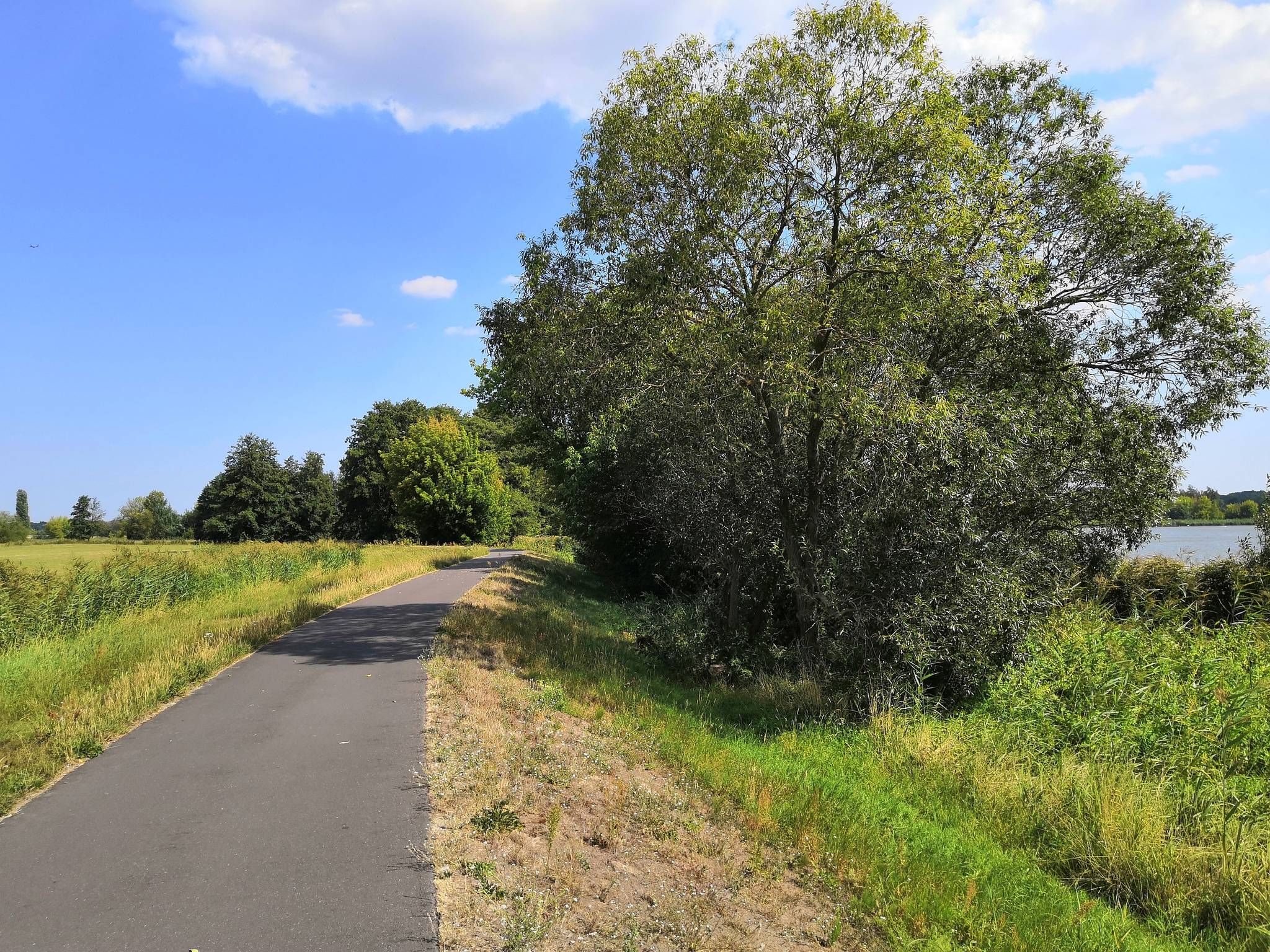
The Havel Cycle Path – in 6 stages from its source to its mouth
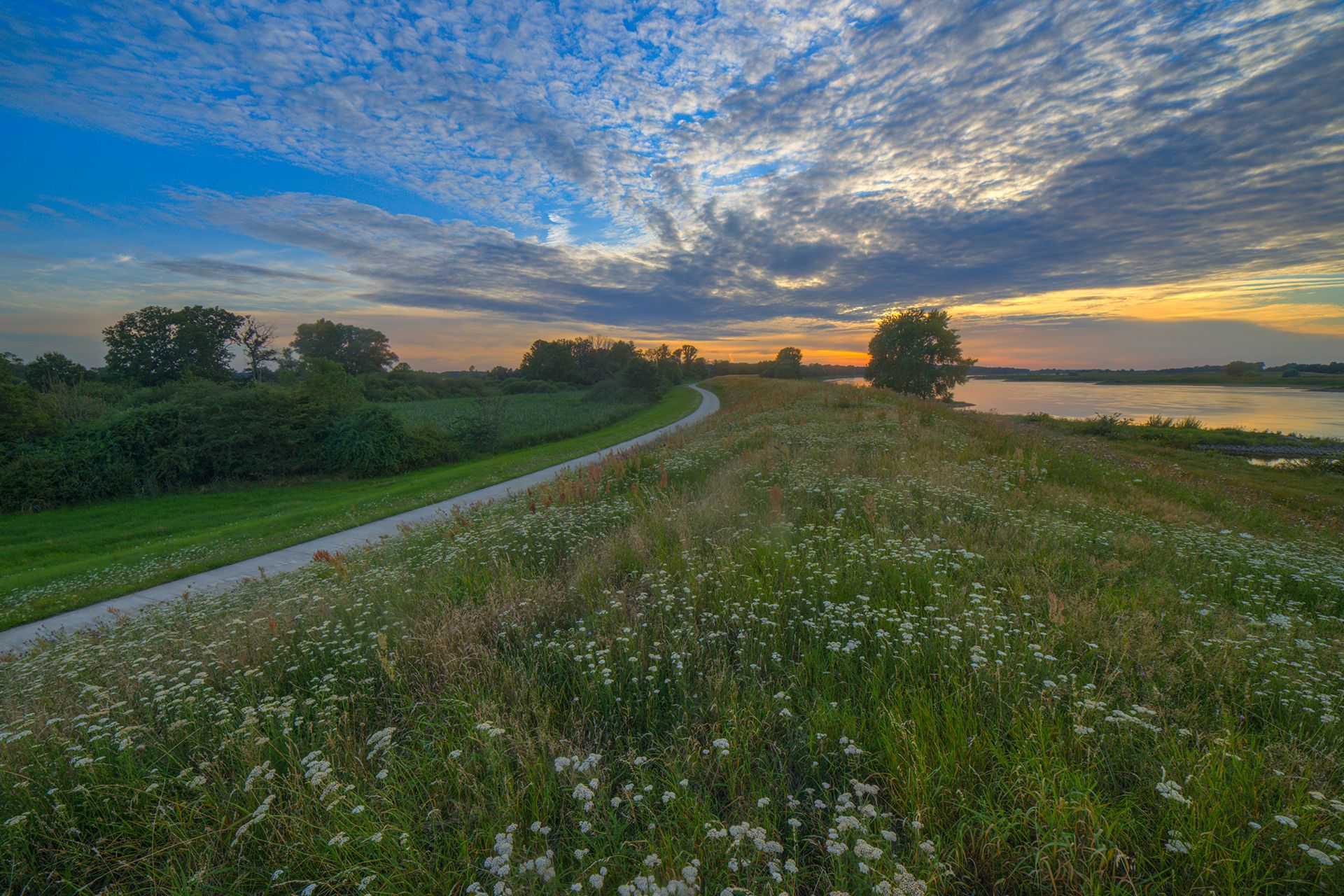
D-Route 10: Elbe Cycle Route
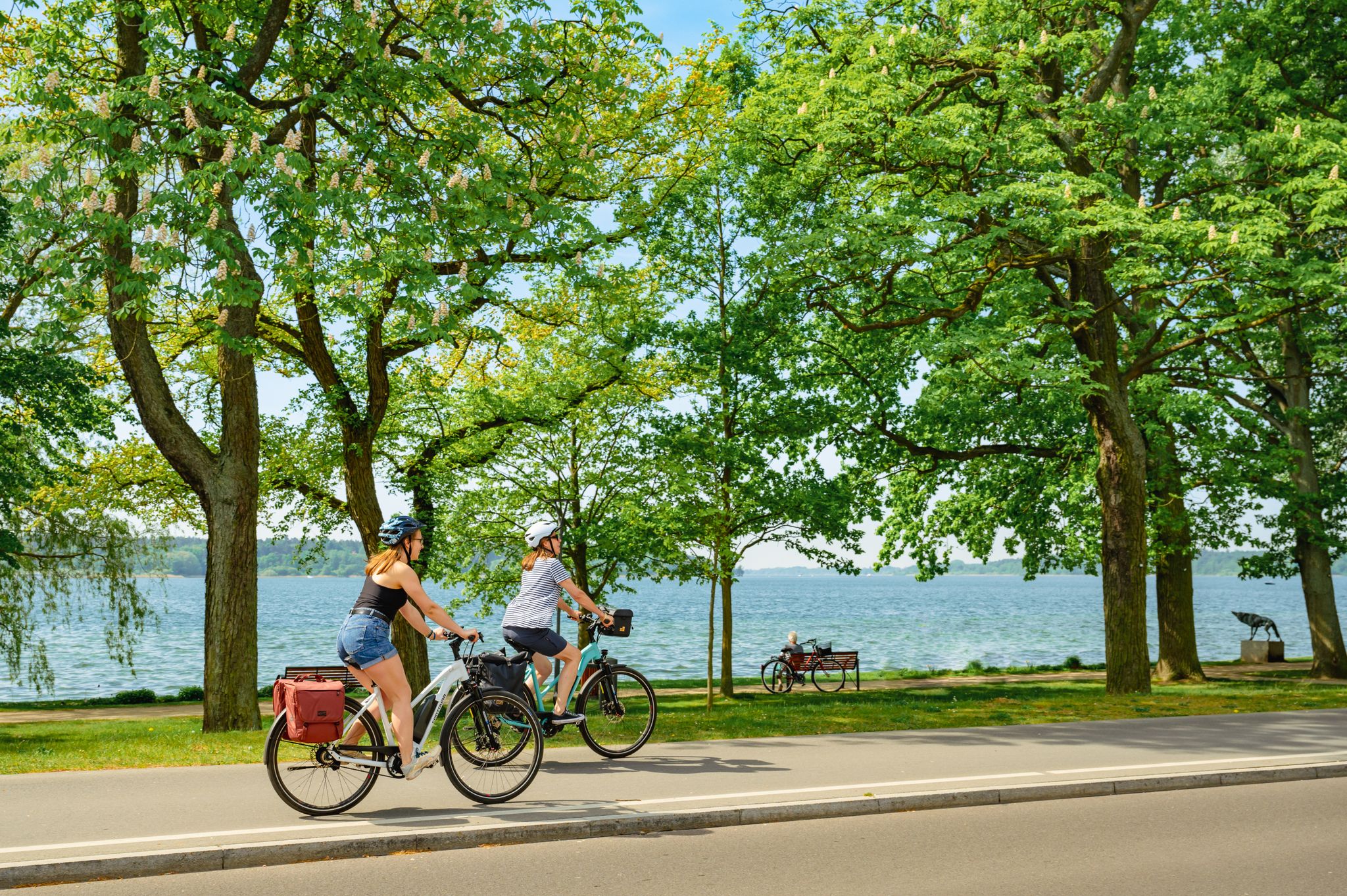
Elbe-Müritz Rundweg: Radeln zwischen Fluss und Seenparadies
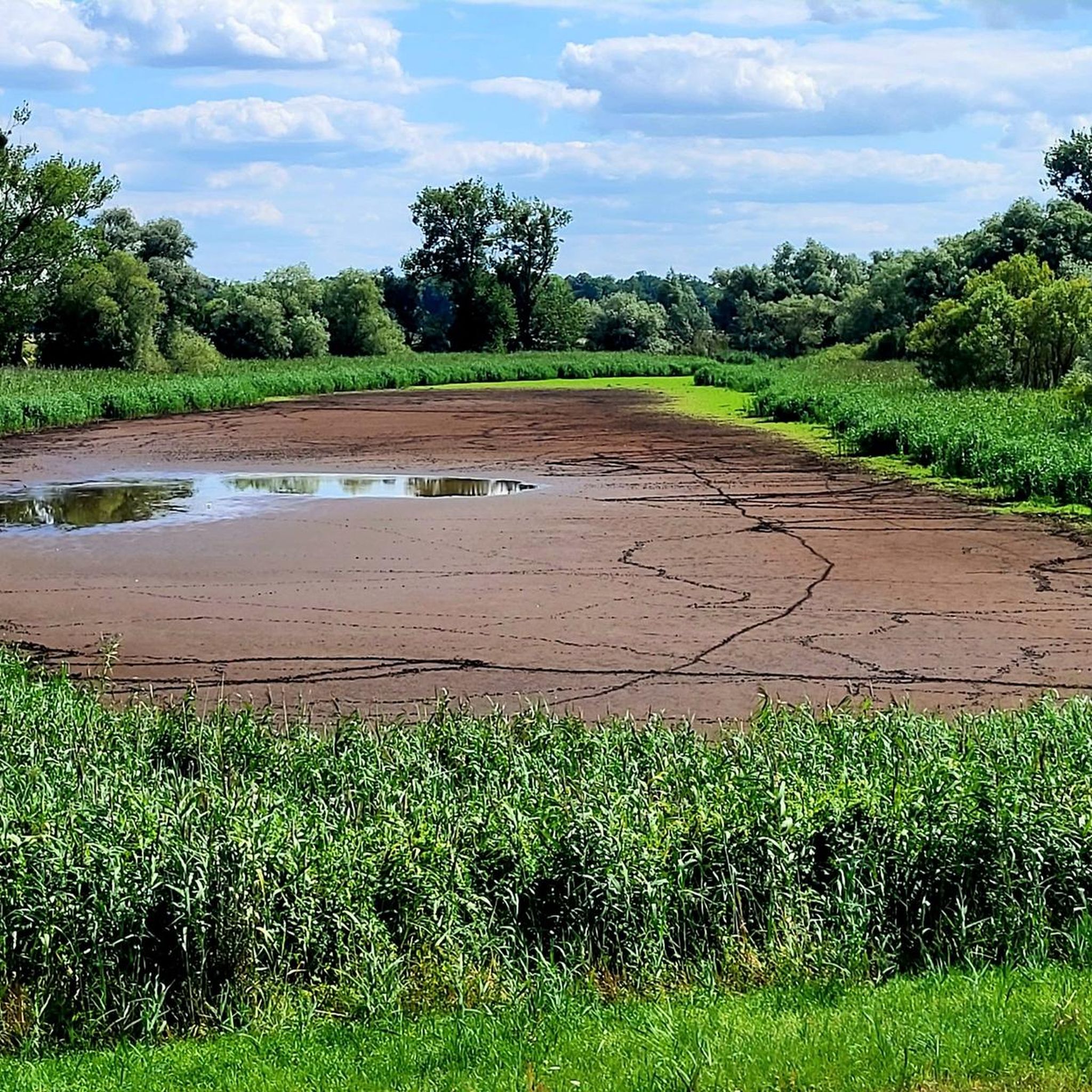
Hiking around Rühstädt
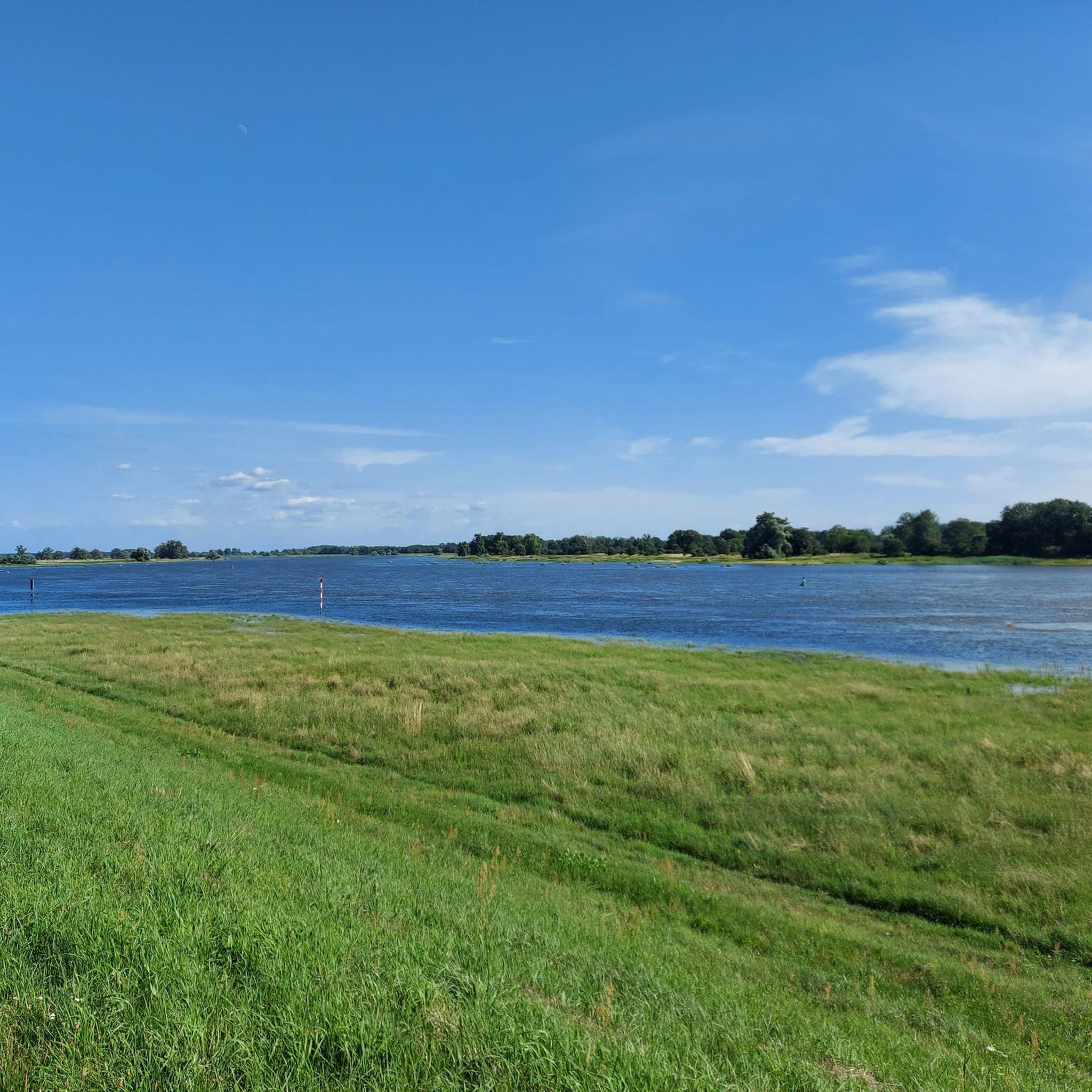
Cycling around Rühstädt
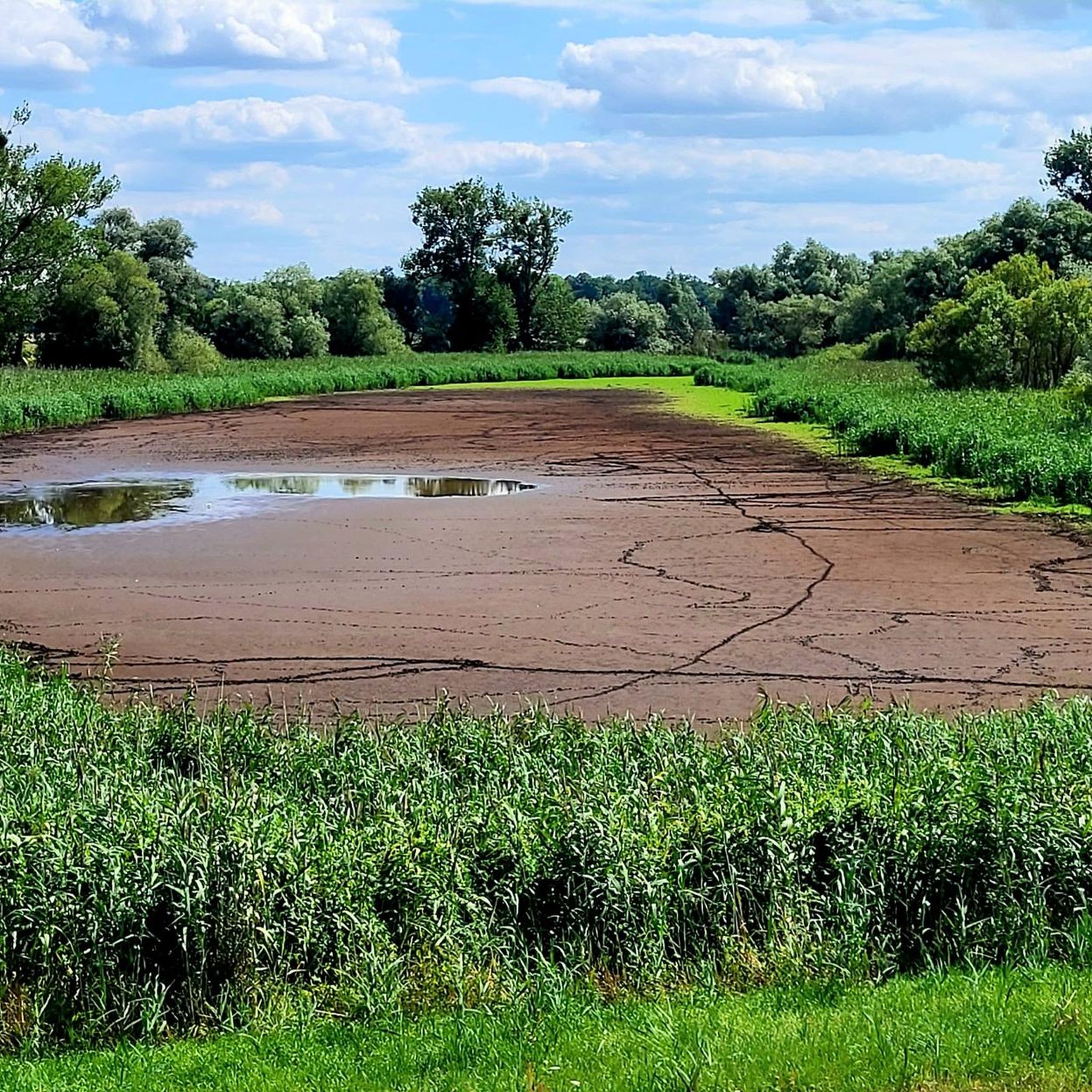
Road Cycling Routes around Rühstädt
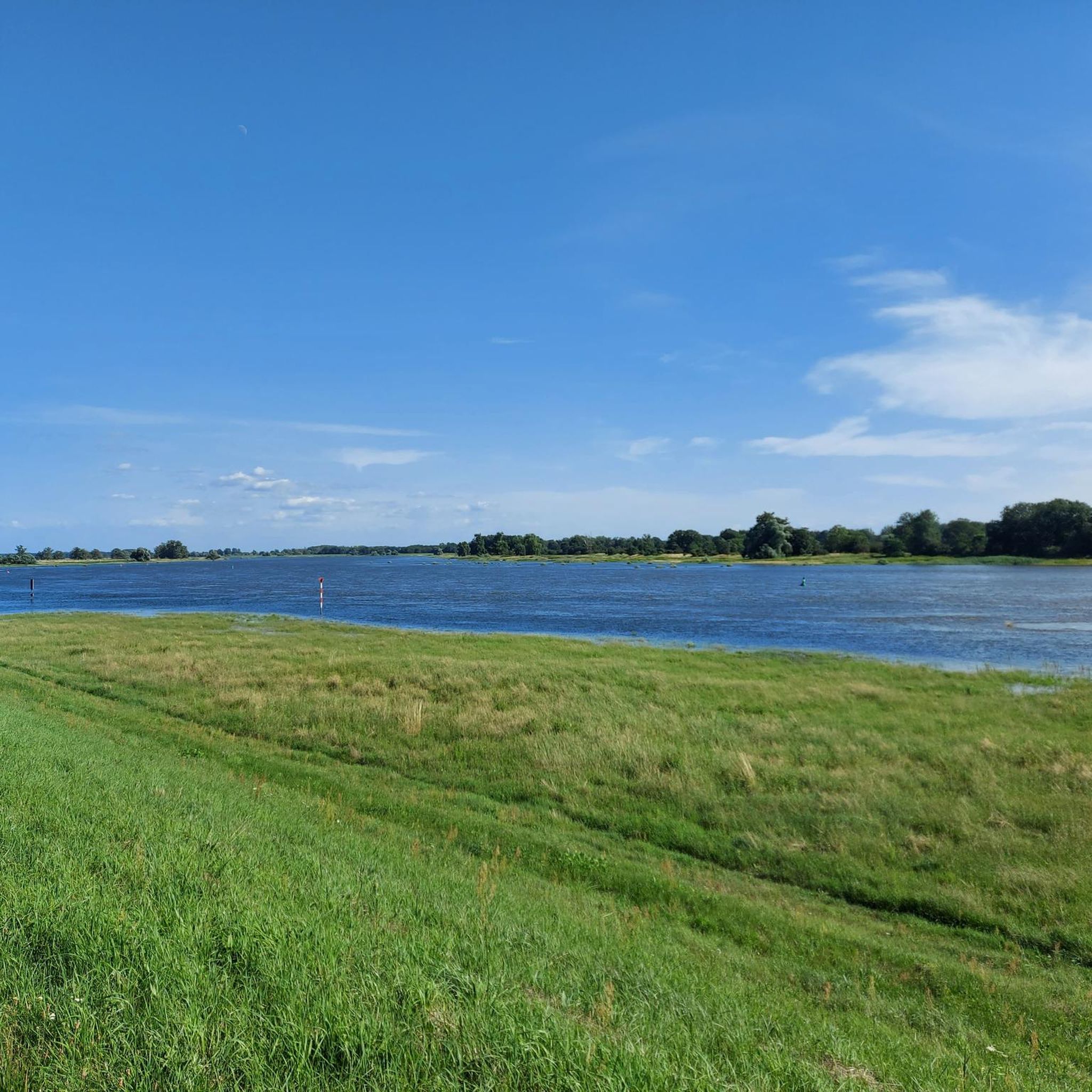
Running Trails around Rühstädt
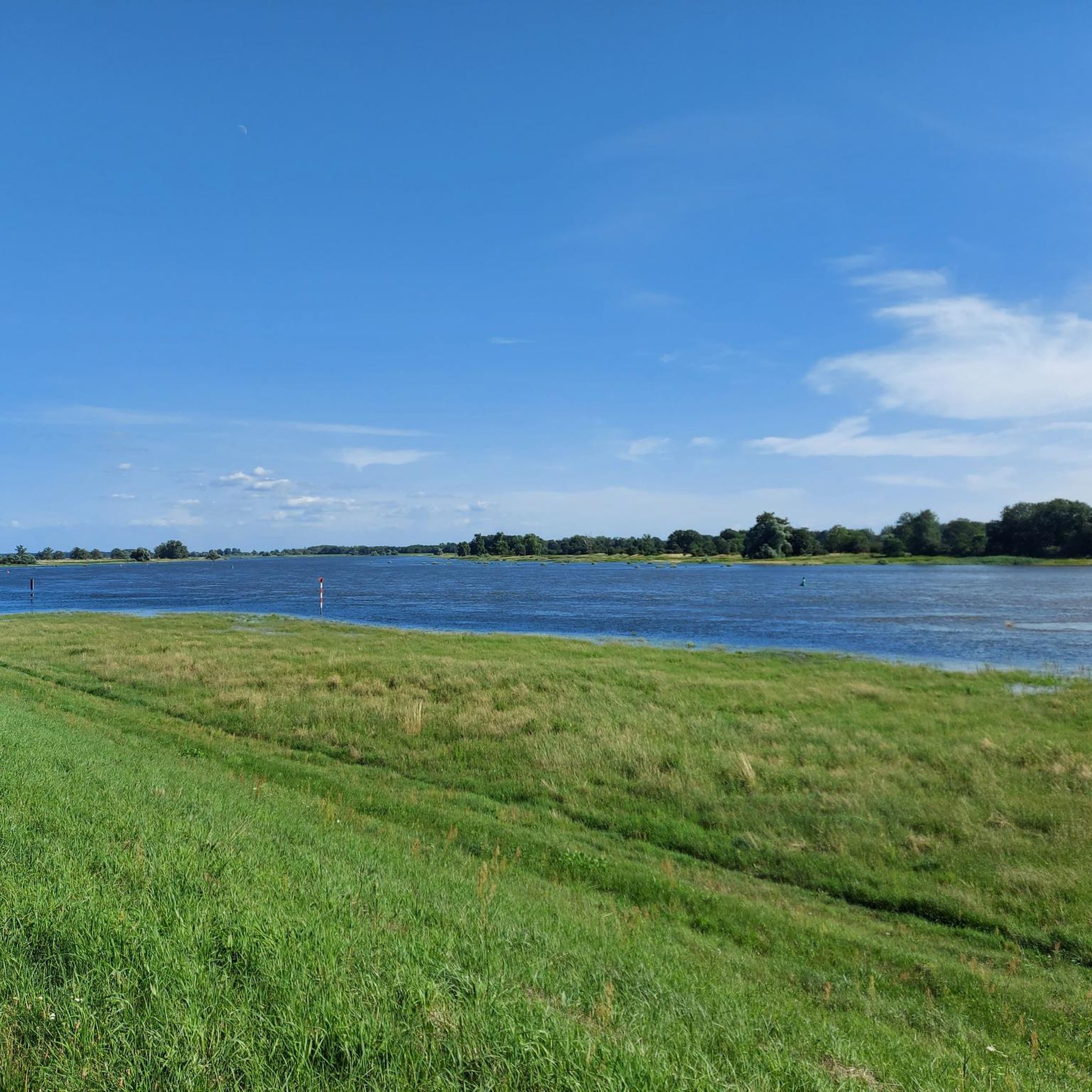
MTB Trails around Rühstädt
Gravel biking around Rühstädt


Tips from the Community

The present-day Rühstädt Castle was built in 1782 on the remains of an older structure and is a listed historical monument. For a long time, it was owned by the noble von Jagow family, and later served various purposes, including as a public institution after 1945. Following German reunification, the building underwent extensive restoration and has been used as a castle hotel since 2002. The castle is surrounded by a landscaped park and the natural surroundings of the Brandenburg Elbe Valley, a UNESCO Biosphere Reserve. Rühstädt is also known as the village with the highest stork population in Germany, making the castle and village a popular destination for nature and cultural tourism.
0
0

What a beautifully restored manor house, Grube Castle.
0
0

Werben Castle was first mentioned in documents in 1005. The town was granted town rights in 1151. With just under 700 inhabitants in the core area, Werben is the smallest Hanseatic town in the world.
0
0

Nice little town with ferry
0
0
The castle is, despite later renovations, a classic baroque building.
0
0
Magdalene von Jagow, née von Bismarck (1743–1801), acquired the estate in 1780 and, together with her husband, Georg Otto Friedrich von Jagow, built the two-story castle with a strict early classicist plaster structure that still stands today on the site of the castle that burned down in 1780 by 1782 new on
0
0

The Plattenburg is one of the largest moated castles in northern Germany. The first complex was built here as a protective castle in the 12th century. Over the centuries it underwent repeated expansions and renovations. Last but not least, the income from the pilgrimage period allowed for a magnificent expansion. Various events take place here and the castle café is also open a few days a week. You can find further information and opening times here: https://www.die Plattenburg.com/.
4
0

There is only one castle coffee which is open from Thursday to Sunday. Below the castle there is another fish snack bar with the same opening hours. A full-fledged restaurant or brewery is m.W. not available anymore. For special events it may be different here...
4
0
Frequently Asked Questions
What are the most notable castles to visit in the Rühstädt region?
Beyond Schloss Rühstädt, which is known for its Rococo architecture and wellness hotel, you should explore Plattenburg, one of northern Germany's largest moated castles. Another excellent choice is Grube Castle, a baroque castle offering gastronomy and cultural events. The region also features other historical sites like the Historic Old Town of Werben (Elbe).
Are there family-friendly castles in the Rühstädt area?
Yes, several castles in the Rühstädt area are suitable for families. Plattenburg, Grube Castle, and Schloss Rühstädt are all categorized as family-friendly. The extensive parks and historical settings provide engaging experiences for all ages.
What kind of natural features can I see near the castles?
The castles in the Rühstädt region are often set amidst beautiful natural landscapes. Schloss Rühstädt, for instance, is surrounded by a picturesque landscape park within the Elbe floodplains and is located in the Brandenburg Elbe River Landscape Biosphere Reserve. The village of Rühstädt itself is famous as a European Stork Village, offering unique wildlife viewing opportunities, especially between May and August.
What outdoor activities can I do near these castles?
The area around Rühstädt is ideal for outdoor activities. The Schloss Rühstädt is conveniently located near the Southern Elbe Cycle Path, perfect for bike tours and walks. You can find numerous cycling routes, including easy touring bicycle routes like the 'Village Church Rühstädt – Stork Village Rühstädt loop', and road cycling routes such as the 'Stork Village Rühstädt – Neuwerben Weir loop'. For hiking, there are easy trails like the 'Havel Confluence With the Elbe – Stork Village Rühstädt loop'. Explore more options on our guides for Road Cycling Routes around Rühstädt, Easy hikes around Rühstädt, and Cycling around Rühstädt.
What is the best time of year to visit the castles around Rühstädt?
The best time to visit depends on your interests. For enjoying the storks, May to August is ideal. For general outdoor activities like cycling and hiking, spring and autumn offer pleasant weather. The castle parks, such as the one at Schloss Rühstädt, are particularly beautiful during these seasons with lush greenery or vibrant fall colors.
Are there cafes or restaurants near the castles?
Yes, several castles offer dining options. Plattenburg has a castle café and a Burgkeller serving beer from its own brewery. Grube Castle features an à la carte restaurant with ingredients from its gardens and local producers. Schloss Rühstädt operates as a wellness hotel, likely offering dining facilities for guests and visitors.
What historical insights do these castles offer?
The castles provide a rich glimpse into regional history. Plattenburg, dating back to the 12th century, showcases centuries of architectural evolution. Schloss Rühstädt, rebuilt in 1782, exemplifies Rococo style. Grube Castle, a baroque building from 1740, is the last existing mansion of the von Quitzow family. These sites reflect the architectural styles and noble histories of the Prignitz region.
Are there any hidden gem castles or historical sites in the broader Prignitz region?
Beyond the main highlights, the broader Prignitz region offers other interesting sites. Wolfshagen Castle Museum showcases a furnished 19th-century Brandenburg manor house. Meyenburg Castle houses a unique fashion museum. Freyenstein Castle, though its origins are debated, features a Renaissance-style complex. These offer diverse cultural and historical experiences.
What do visitors enjoy most about the castles around Rühstädt?
Visitors appreciate the blend of history, architecture, and natural beauty. The historical significance of sites like Plattenburg and the Rococo charm of Schloss Rühstädt are highly rated. The serene landscape parks, the opportunity to observe storks, and the availability of cycling and hiking trails also contribute to a memorable experience.
How long should I plan for a visit to a castle in this region?
For a single castle like Plattenburg or Schloss Rühstädt, plan for 2-3 hours to explore the grounds, interiors (if accessible), and any on-site cafes. If you wish to combine a castle visit with a walk or bike ride in the surrounding nature, a half-day or full-day excursion would be more appropriate.
Are there any circular walks around the castles?
Yes, the region offers opportunities for circular walks. The landscape park around Schloss Rühstädt provides pleasant strolls. Additionally, the proximity to the Elbe Cycle Path and various hiking trails means you can often combine a castle visit with a scenic loop. For example, the 'Havel Confluence With the Elbe – Stork Village Rühstädt loop' is an easy hike near Rühstädt.
Most popular routes around Rühstädt
Most popular attractions around Rühstädt

Get inspired with the komoot mobile app


Explore more
Looking for the best castles somewhere else? Discover other guides around Rühstädt:
