The best road cycling routes around Rühstädt
4.8
(75)
914
riders
69
rides
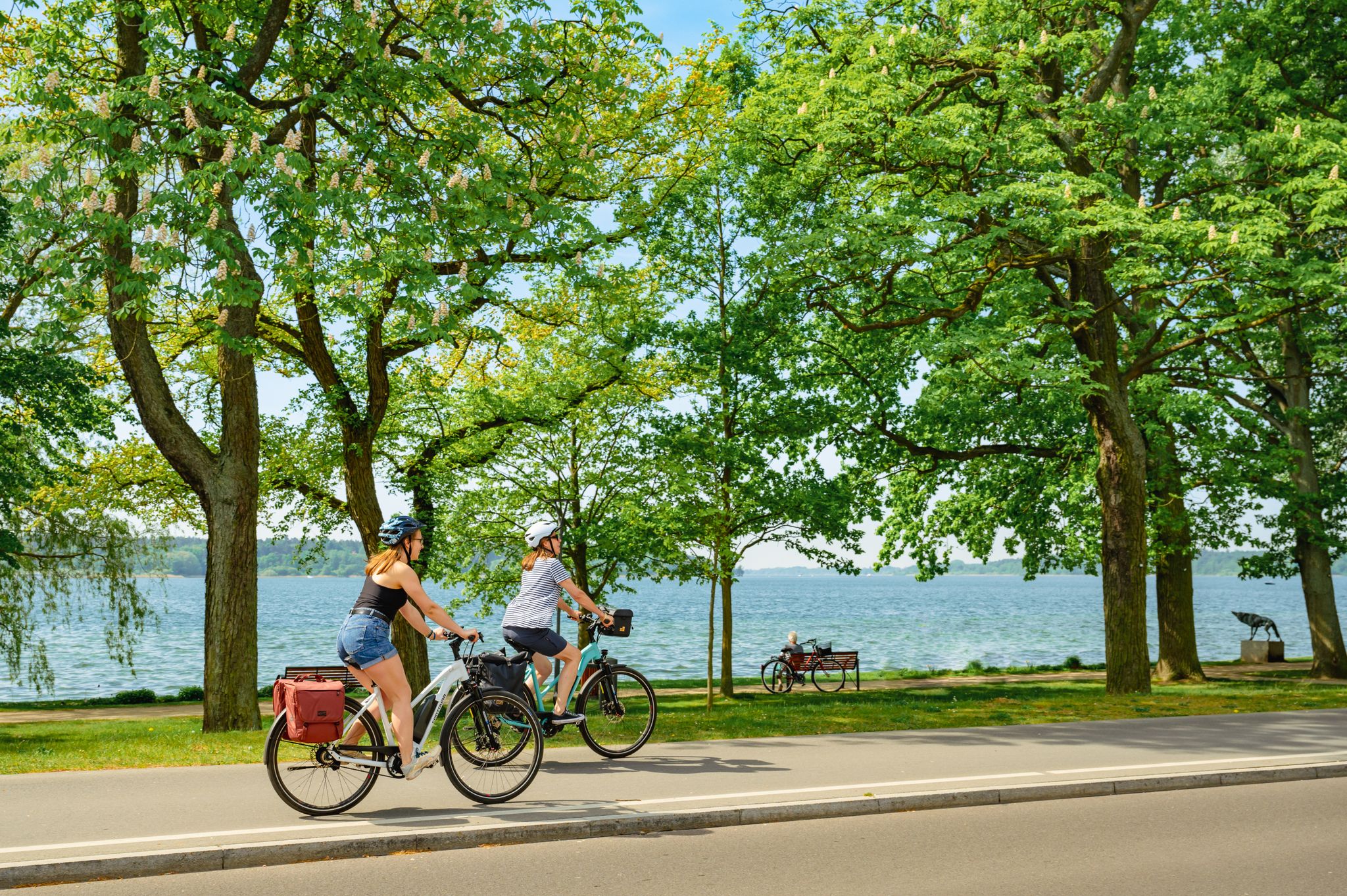
Road cycling routes around Rühstädt are predominantly flat, traversing the UNESCO Elbe River Landscape Biosphere Reserve. The terrain features well-maintained asphalt and paved paths, ideal for road bikes, with gentle ascents providing moderate challenges. The landscape is characterized by the Elbe and Havel rivers, their floodplains, and dikes, offering a serene environment for cycling.
Best road cycling routes around Rühstädt
- The most popular road cycling route is Groß Lüben Village Church – Sights of Hinzdorf loop from Bad Wilsnack,…
Last updated: May 16, 2026
5.0
(3)
33
riders
Moderate road ride. Great for any fitness level. Some segments of this route may be unpaved and difficult to ride.
4.7
(3)
32
riders
Moderate road ride. Good fitness required. Some segments of this route may be unpaved and difficult to ride.

Sign up for free
5.0
(1)
19
riders
Moderate road ride. Great for any fitness level. Some segments of this route may be unpaved and difficult to ride.
5.0
(1)
13
riders
37.3km
01:45
50m
50m
Moderate road ride. Great for any fitness level. Some segments of this route may be unpaved and difficult to ride.
9
riders
Moderate road ride. Great for any fitness level. Some segments of this route may be unpaved and difficult to ride.
Get access to more routes and recommendations from other explorers.
Sign up for free
Already have an account?
Our route recommendations are based on thousands of hikes, rides, and runs completed by other people on komoot.
Start today with a free account
Your next adventure awaits.
Login or Signup
Popular around Rühstädt


Tips from the Community

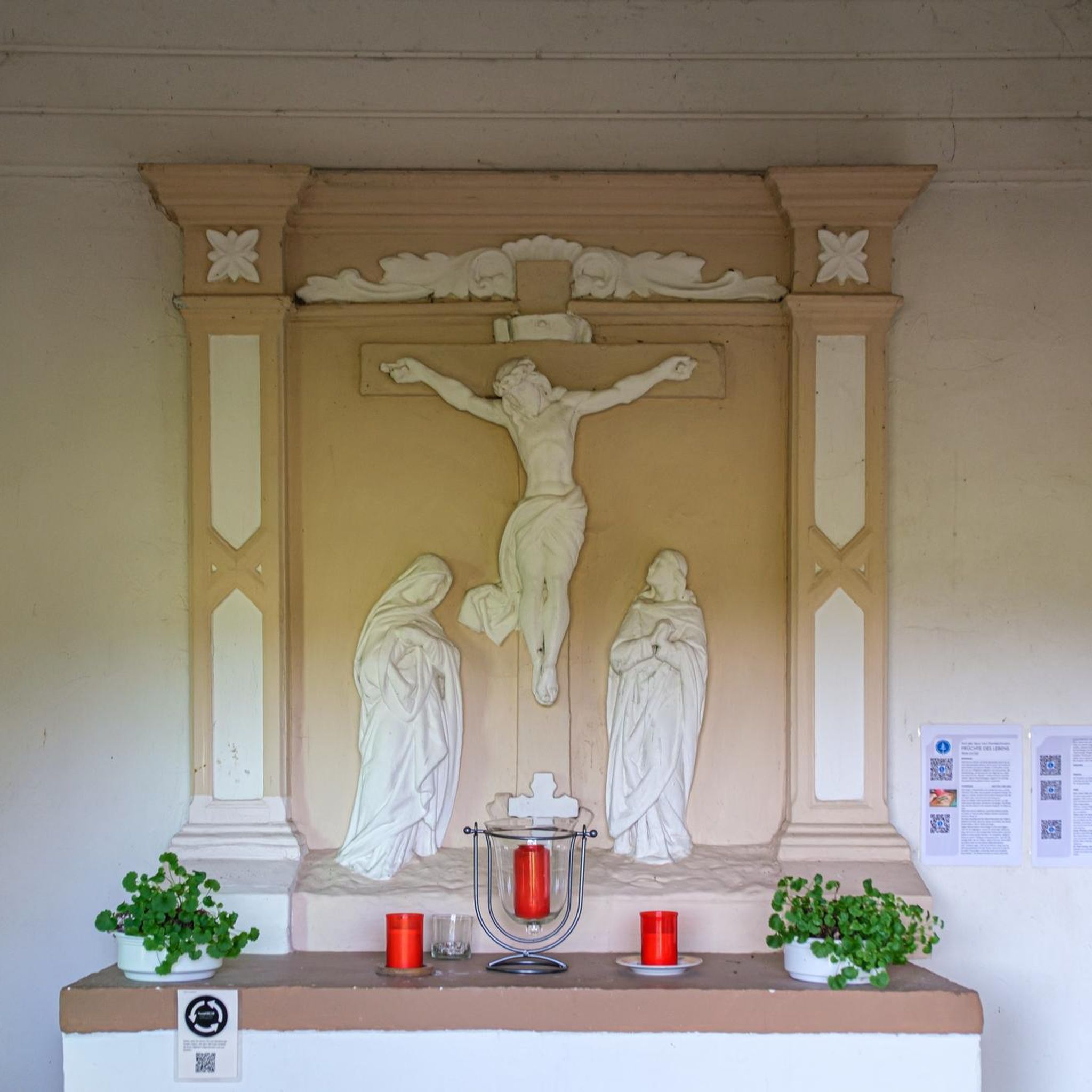
The village church of Rühstädt, also known as Quitzow Church, dates back to the 15th century. It was built under the influence of the noble von Quitzow family, who shaped the village for a long time. The original late Gothic brick building with a semicircular apse was remodeled in the Baroque style in the 18th century and a striking west tower was added. Important furnishings have been preserved inside, including a late Gothic carved altarpiece, several tombstones of the von Quitzow family, and a historic organ from 1738. A late Gothic mural of the Last Judgment in the apse is particularly noteworthy. Today, the church is a listed building and part of the Open Churches Initiative, meaning it is often open to visitors.
1
0
The bridge over the Stepenitz is an important crossing just before the river flows into the Elbe. It connects central urban areas with adjacent residential and recreational areas and is used by vehicular traffic, pedestrians, and cyclists. Its location in the river and floodplain landscape offers unobstructed views of the Stepenitz and the surrounding countryside. It is a defining element of Wittenberge's cityscape.
0
0

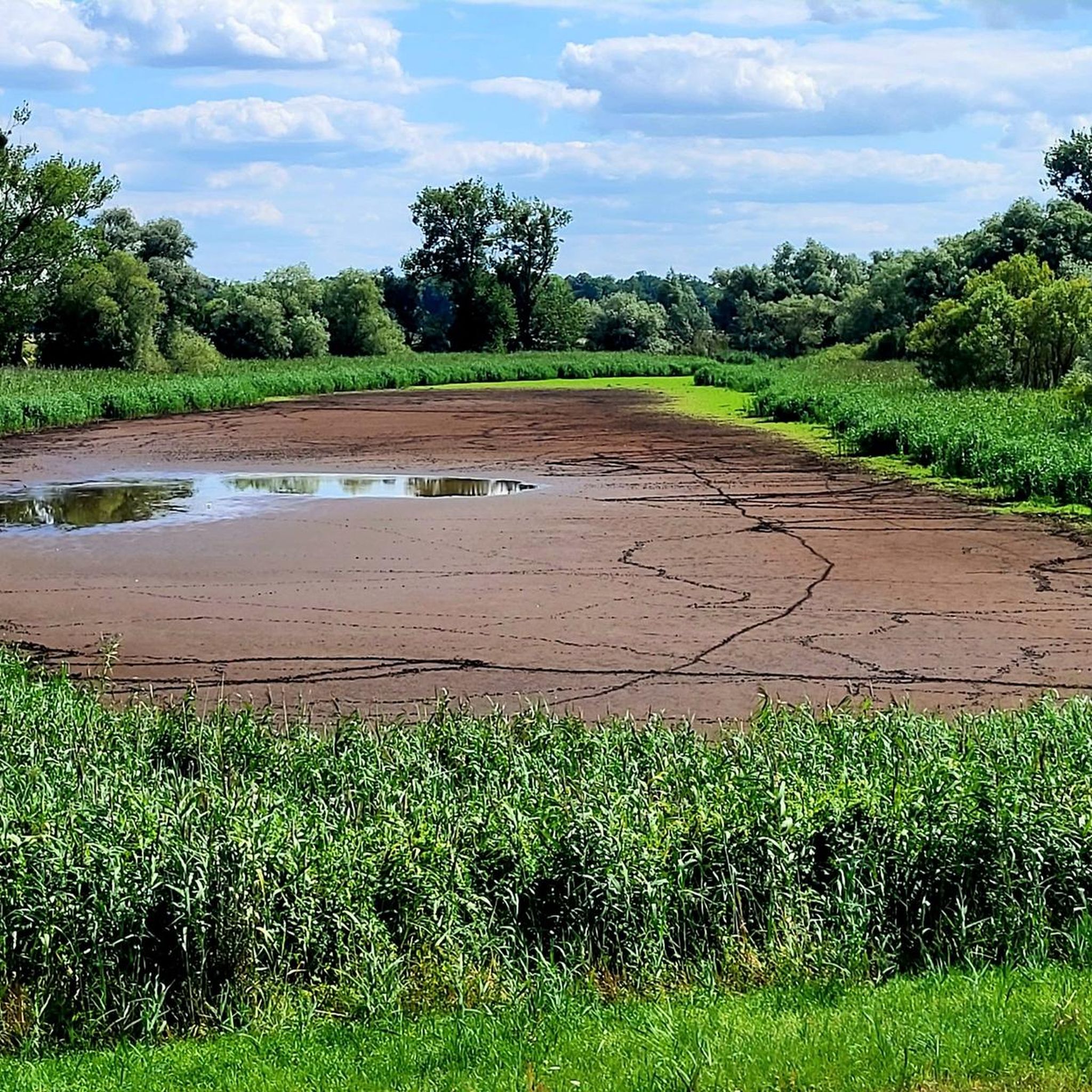
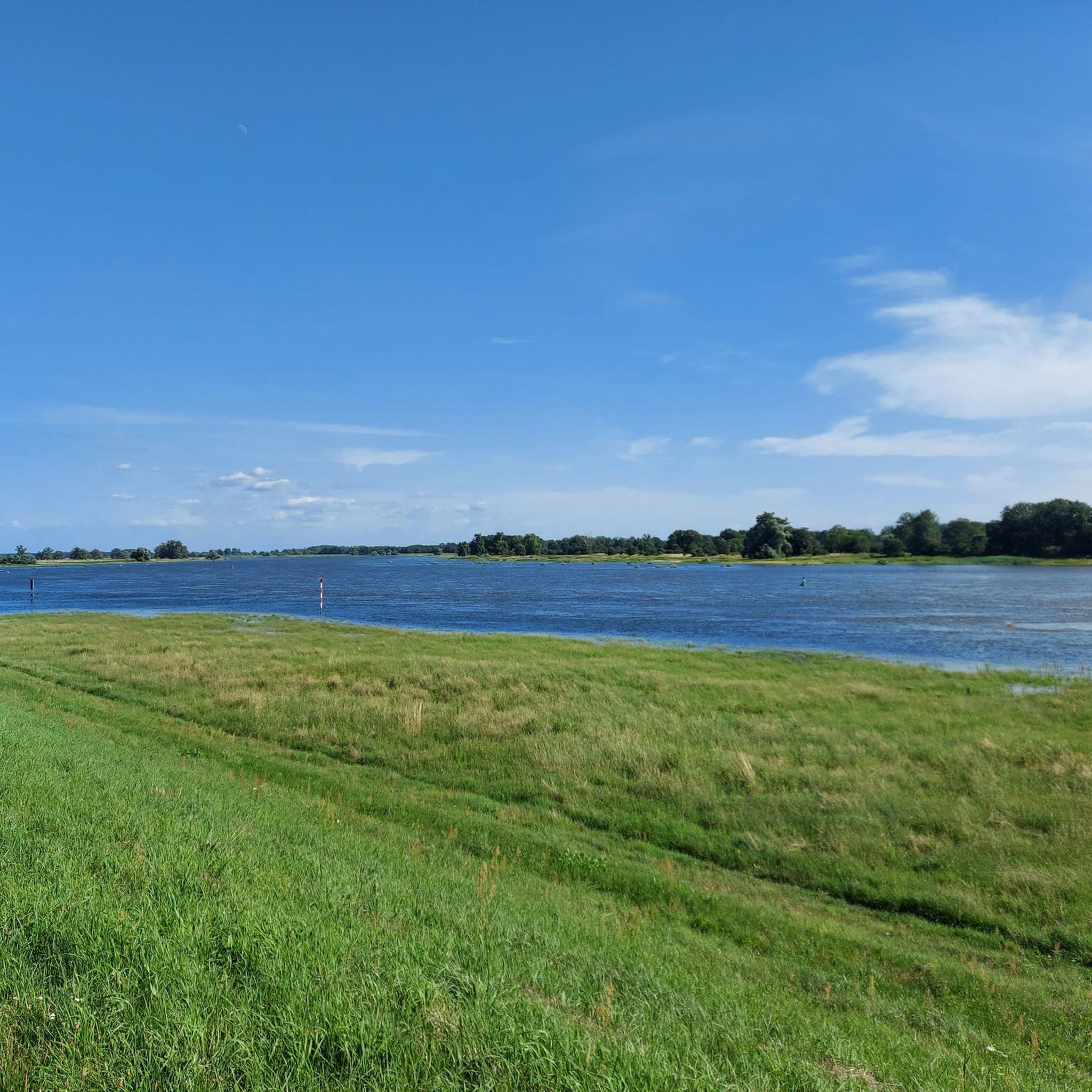
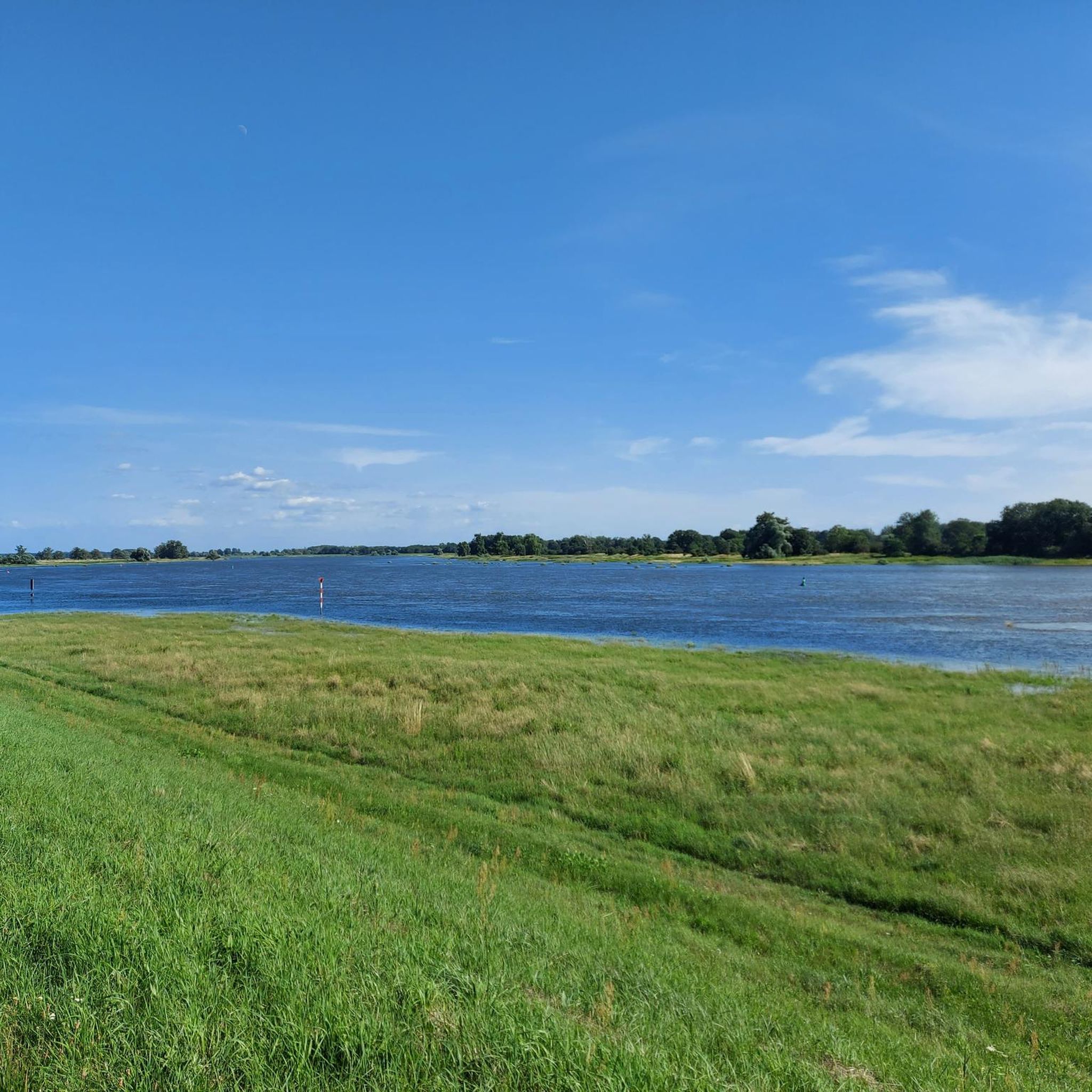
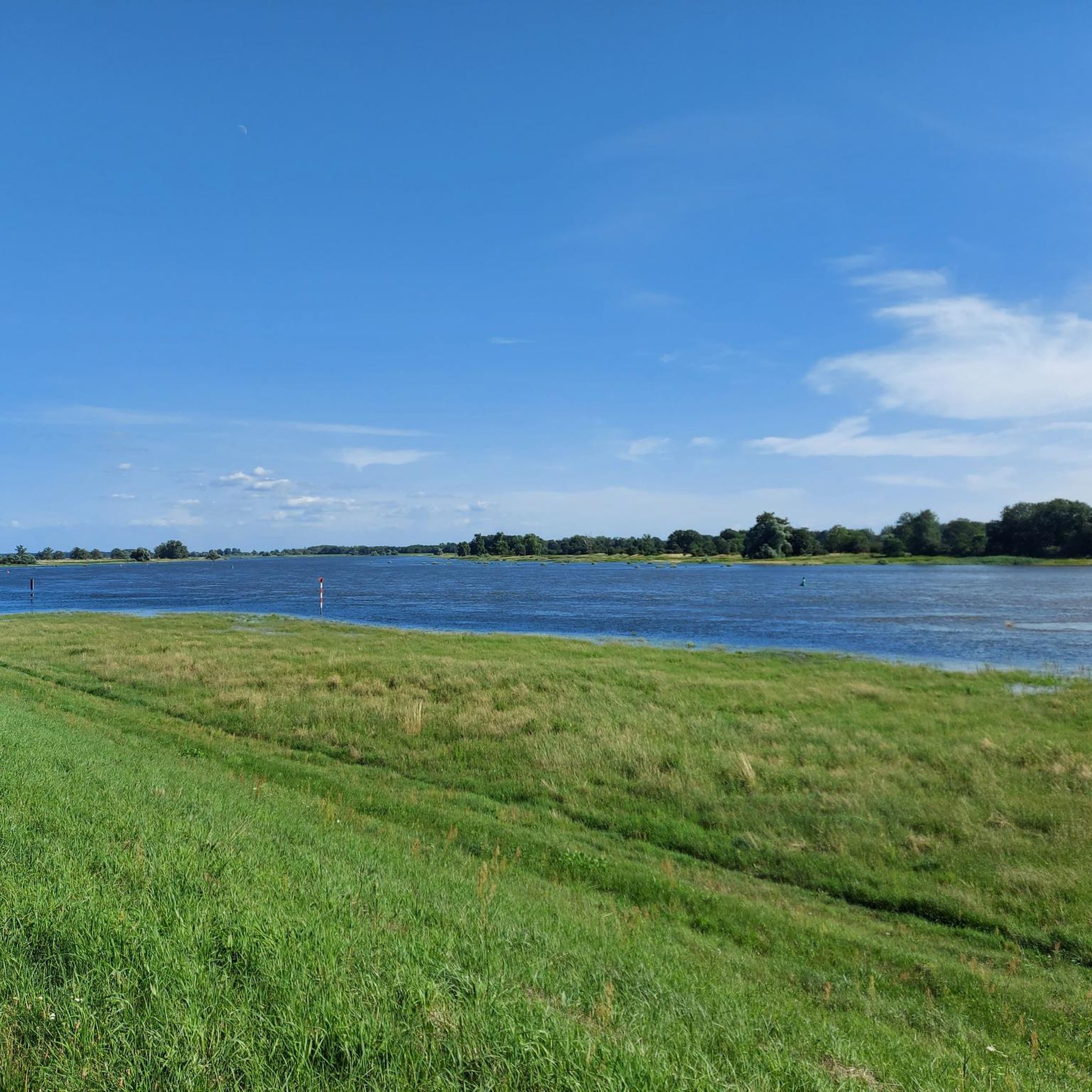
At the weir group near Quitzdöbel, the Elbe, Havel, and Gnevsdorder outflowing waters converge. From here, there is a good view of the Havel estuary.
2
0
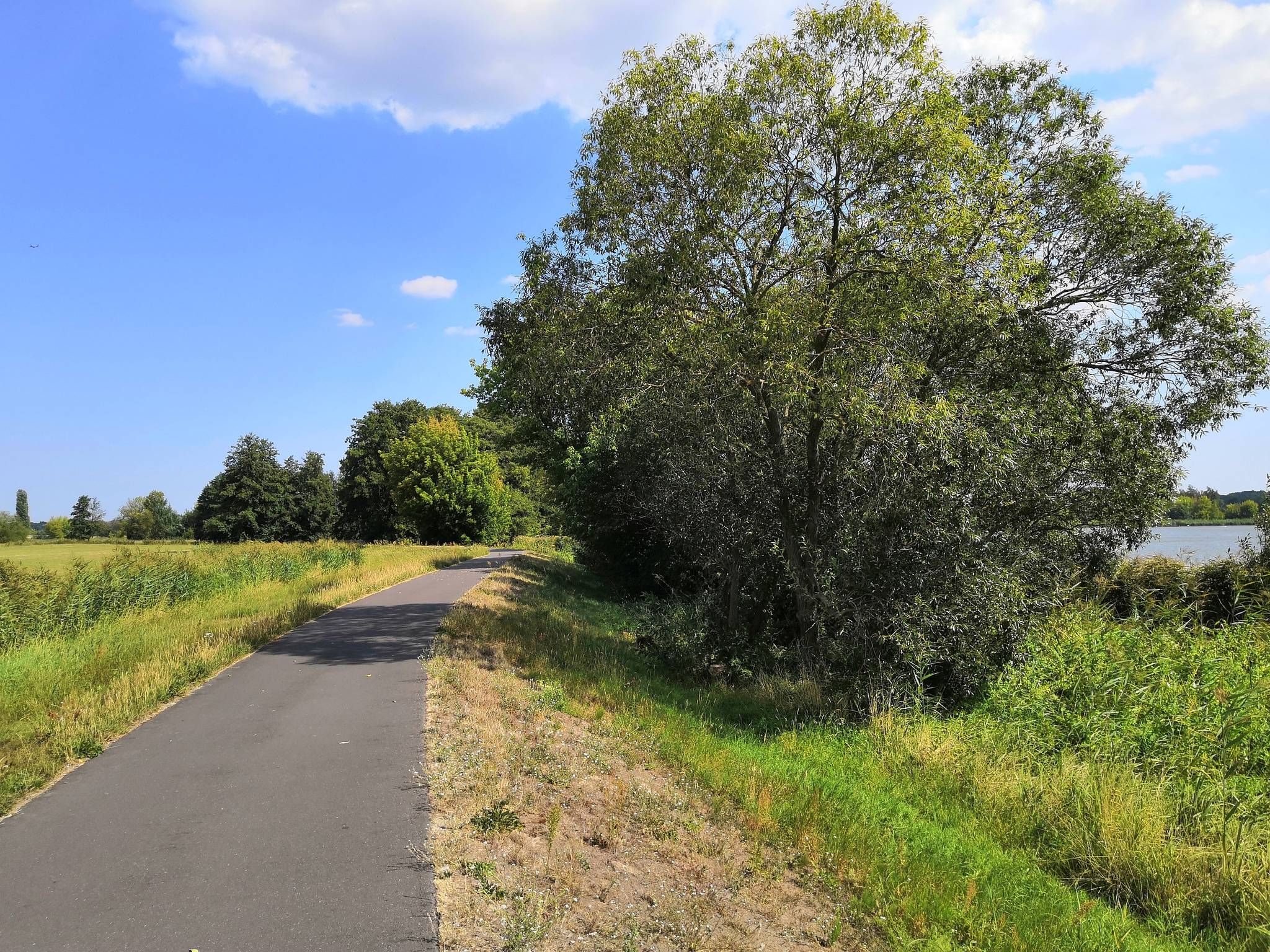
It's very shady in the summer, and has had top-quality asphalt for two years. The main road isn't an alternative. Unfortunately, it ends abruptly before Perleberg, or rather, it's a forest path.
2
0
Coming from the Elbe Cycle Path, the classic "entrance door" to Wittenberge.
2
0
Truly impressive as you approach Wittenberge. The bridge has a truly monumental quality, yet blends well into the landscape. It has recently been reopened to cyclists.
2
0
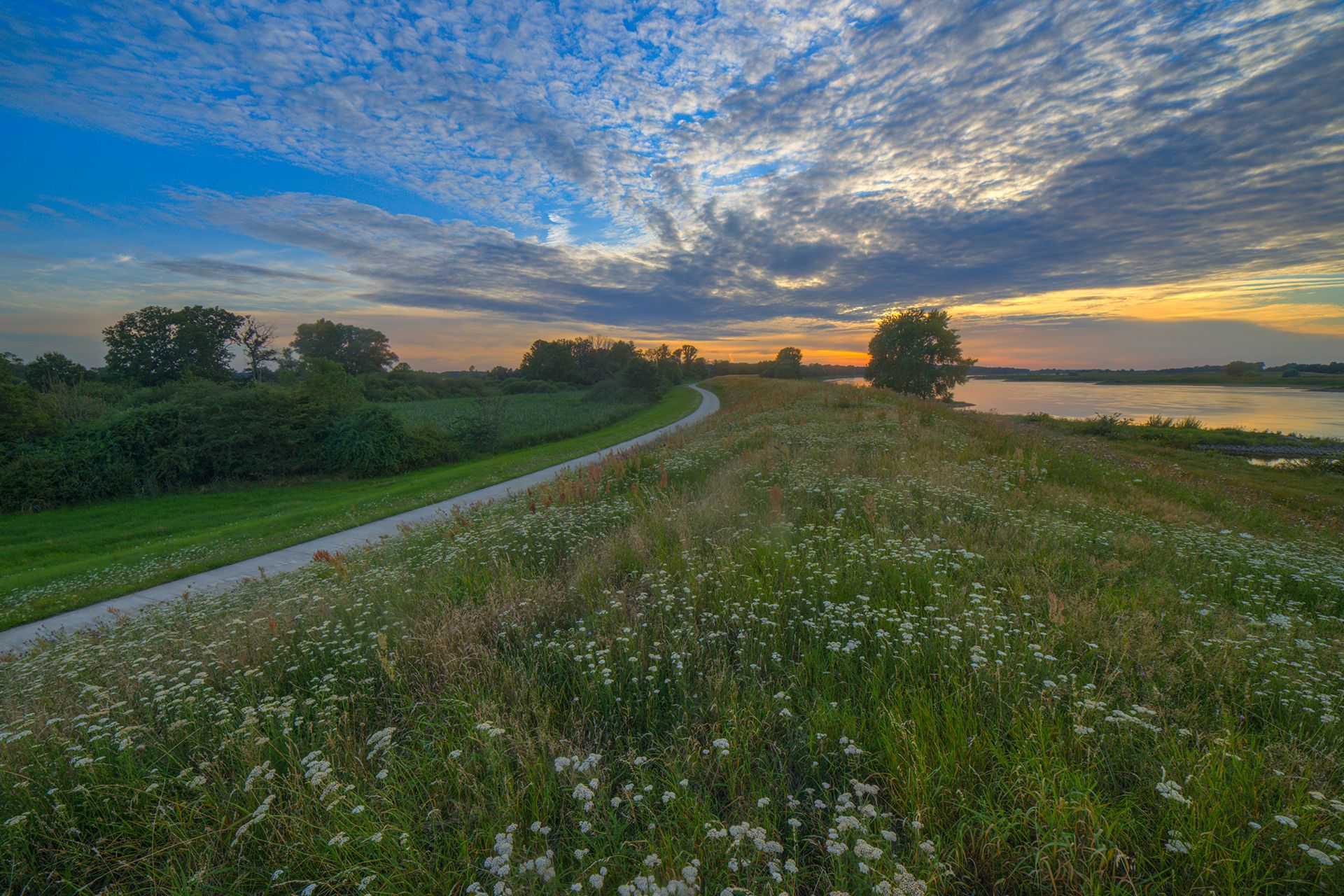
For the view, the drive along the top of the dike is preferable to the farm track; the asphalt is also excellent. Of course, the lower section is more sheltered from crosswinds.
2
0
When hunger strikes, perhaps...
2
0
Frequently Asked Questions
What kind of terrain can I expect on road cycling routes around Rühstädt?
Road cycling routes in the Rühstädt area are predominantly flat, traversing the UNESCO Elbe River Landscape Biosphere Reserve. You'll find well-maintained asphalt and paved paths, ideal for road bikes. While generally not very hilly, some routes may include gentle ascents, offering a moderate challenge and fantastic viewpoints over the river landscapes and dikes.
Are there routes suitable for beginners or those looking for an easy ride?
Yes, Rühstädt offers a good selection of routes for various skill levels. Out of the 69 road cycling routes available, 15 are classified as easy, making them perfect for beginners or those seeking a relaxed ride through the scenic river landscapes.
What natural features or wildlife can I observe while cycling in Rühstädt?
The region is part of the UNESCO Elbe River Landscape Biosphere Reserve, characterized by its floodplains, dikes, forests, and meadows. Rühstädt is famously known as the 'European Stork Village' due to its exceptionally high number of breeding white storks. You can observe these magnificent birds from mid-March until their departure in August. The area also offers rich biodiversity and opportunities for birdwatching, especially near the Confluence of the Gnevsdorfer Vorfluter and the Elbe.
What are some notable landmarks or attractions along the road cycling routes?
Beyond the natural beauty, you can explore several interesting points. The Stork Village Rühstädt itself is a highlight. Routes often pass through charming villages, and you might encounter the Gradierwerk Bad Wilsnack or the impressive Gnevsdorf Weir. For more information on the storks and the biosphere reserve, you can visit the NABU Visitor Center Rühstädt.
When is the best time of year to go road cycling in Rühstädt?
The best time to visit for road cycling is generally from spring to late summer. From mid-March to August, you can witness the white storks in their breeding season, adding a unique natural spectacle to your ride. The weather during these months is typically favorable for cycling, allowing you to fully enjoy the Elbe and Havel river landscapes.
Are there any circular road cycling routes available?
Yes, many of the routes around Rühstädt are designed as loops, offering convenient circular rides. For example, the Stork Village Rühstädt – Neuwerben Weir loop from Bad Wilsnack is a moderate 37.3 km route that takes you through the heart of the stork village and along the Elbe. Another option is the Stork Village Rühstädt – Village Church Rühstädt loop from Klein Lüben, a shorter 26.3 km ride.
How do other cyclists rate the road cycling experience in Rühstädt?
The road cycling routes in Rühstädt are highly rated by the komoot community, with an average score of 4.7 stars from over 70 reviews. Cyclists often praise the well-maintained, mostly paved paths, the serene river landscapes, and the unique opportunity to observe white storks.
Can I access the road cycling routes using public transport?
While the region is well-suited for cycling, specific public transport connections directly to trailheads might be limited. It's advisable to check local bus or train schedules to nearby towns like Bad Wilsnack, which can serve as a starting point for many routes. From there, you can easily cycle to the various routes.
Are there any cafes or places to stop for refreshments along the routes?
Yes, the routes often pass through charming villages where you can find local cafes or guesthouses. Bad Wilsnack, a nearby town, also offers a selection of cafes and accommodation options. It's always a good idea to plan your stops in advance, especially on longer rides, to ensure you have refreshment opportunities.
What is the Elbe Cycle Path like in the Rühstädt area?
Rühstädt lies directly on the popular Elbe Cycle Path (Elberadweg), offering a relaxing journey along the Elbe River. The sections near Rühstädt, such as the one between Havelberg and Dömitz, showcase the beautiful nature of the Prignitz region. The Elbe Cycle Route: Gnevsdorf – Bälow – Stepenitz Bridge loop from Bad Wilsnack is a great example of a route that incorporates parts of this scenic path.
Are there any routes that combine cycling with views of the Havel River?
Yes, Rühstädt is also part of the scenic Havel Cycle Route. A particularly appealing cycle path runs between the Elbe and Havel tributaries, specifically along the Gnevsdorfer Vorfluter, an approximately 11-kilometer-long canal. This route is lauded for its pure natural beauty and features observation towers ideal for birdwatching.
Most popular routes around Rühstädt
Most popular attractions around Rühstädt

Get inspired with the komoot mobile app


Explore more
Browse the best Road cycling routes in other regions.
