Attractions and Places To See in Natuurreservaat De Maten - Top 12
Best attractions and places to see in Natuurreservaat De Maten, located in the Limburg province of Belgium, is one of Flanders' oldest nature reserves and part of the De Wijers pond complex. This area features a diverse landscape of ponds, heaths, woodlands, and land dunes, shaped by centuries of fish farming and use as water-meadows. Visitors can explore both natural features and historical sites, including remnants from World War II.
Best attractions and places to see in Natuurreservaat De Maten
…Last updated: May 8, 2026
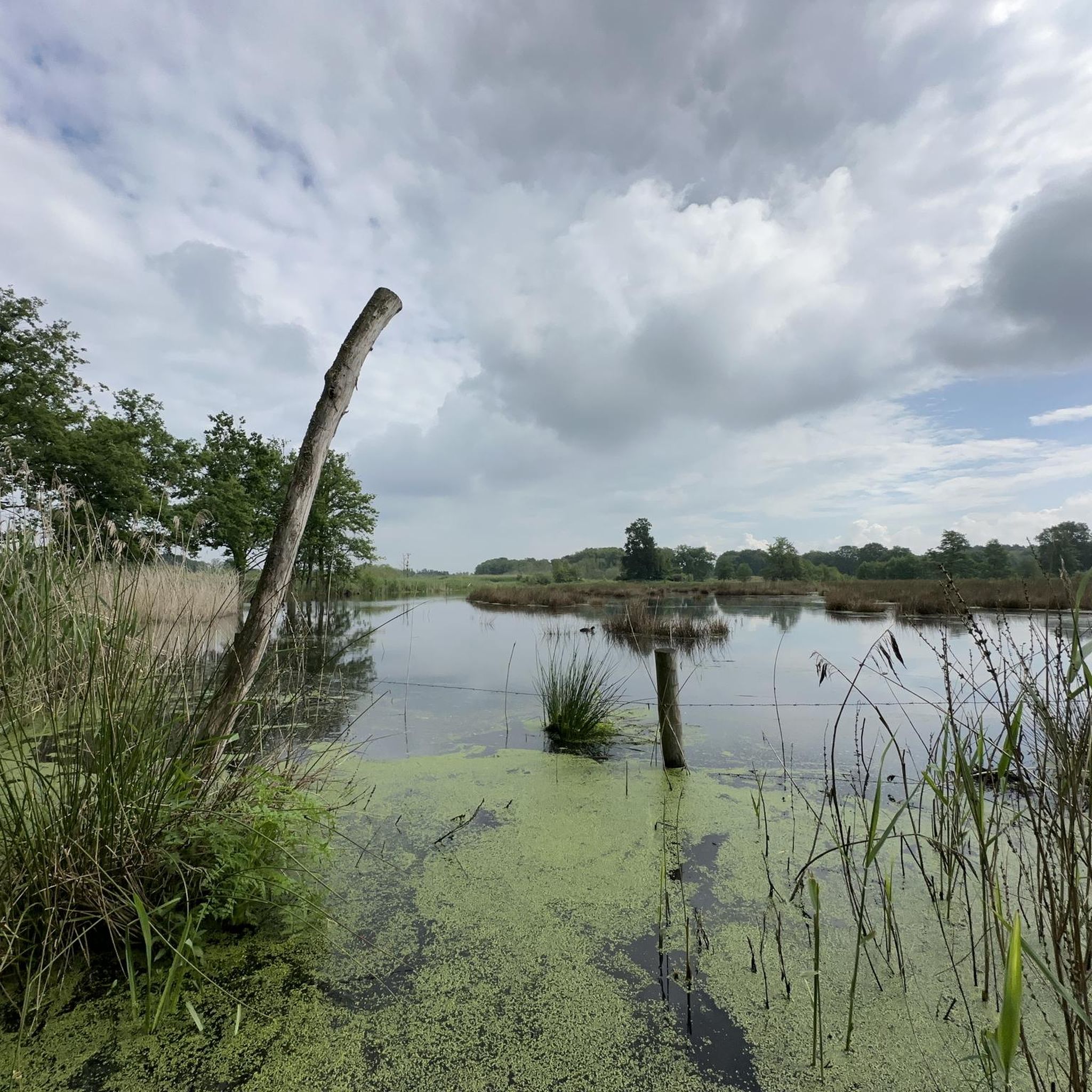
Pond and bench in De Maten Nature Reserve
Highlight • Lake
Translated by Google •
Tip by

Slagmolen Watermill Genk
Highlight • Monument
From 1645 it was a book mill and then a …
Translated by Google •
Tip by

Sign up now to discover places like this
Get recommendations on the best single tracks, peaks, & plenty of other exciting outdoor places.
Sign up for free
De Maten Nature Reserve
Highlight • Natural
Translated by Google •
Tip by
Homeles Pond
Highlight • Lake
Translated by Google •
Tip by

Augustijnen Pond
Highlight • Lake
Translated by Google •
Tip by

Sign up for free to discover even more attractions in Natuurreservaat De Maten.
Sign up for free
Already have an account?
Start today with a free account
Your next adventure awaits.
Login or Signup
Tips from the Community

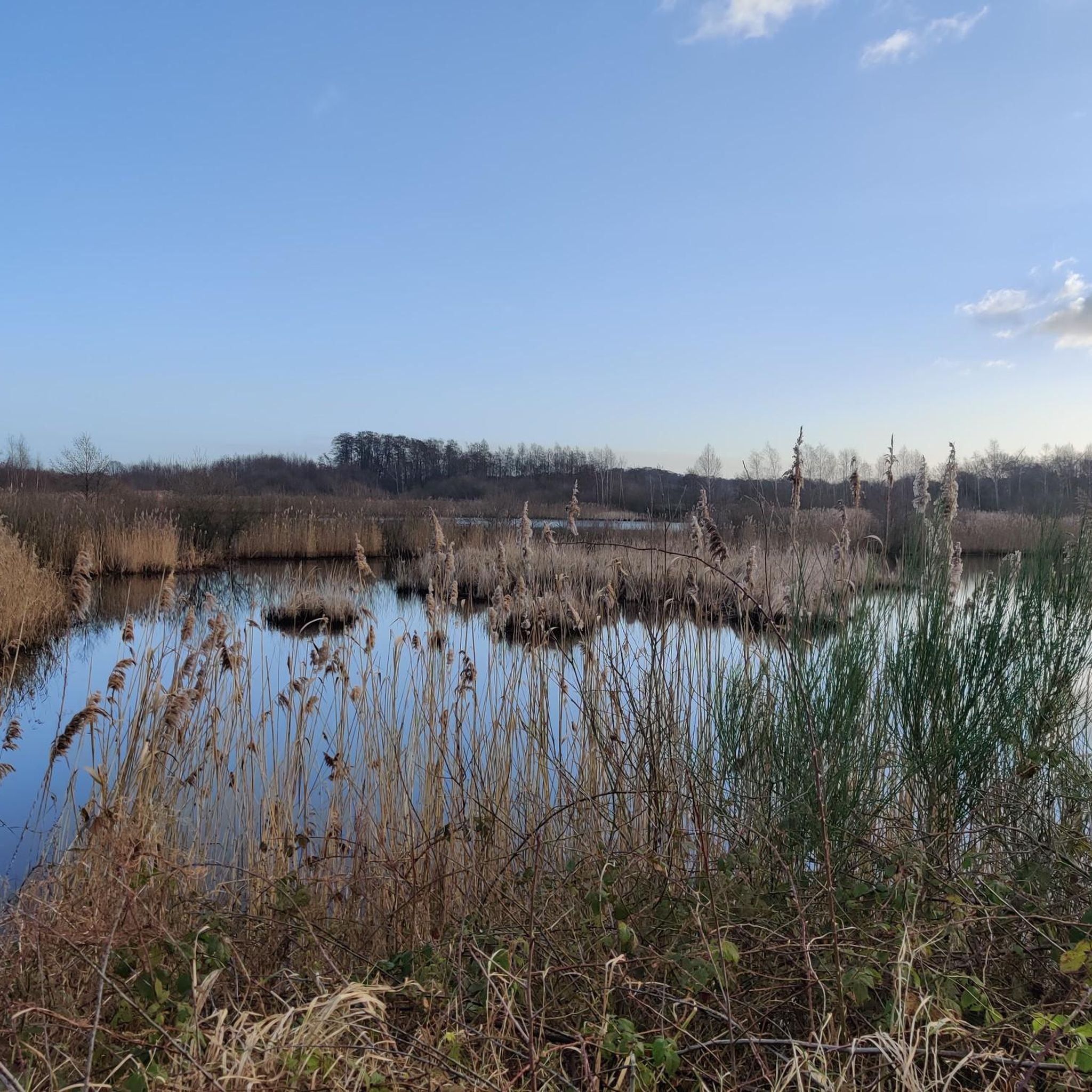
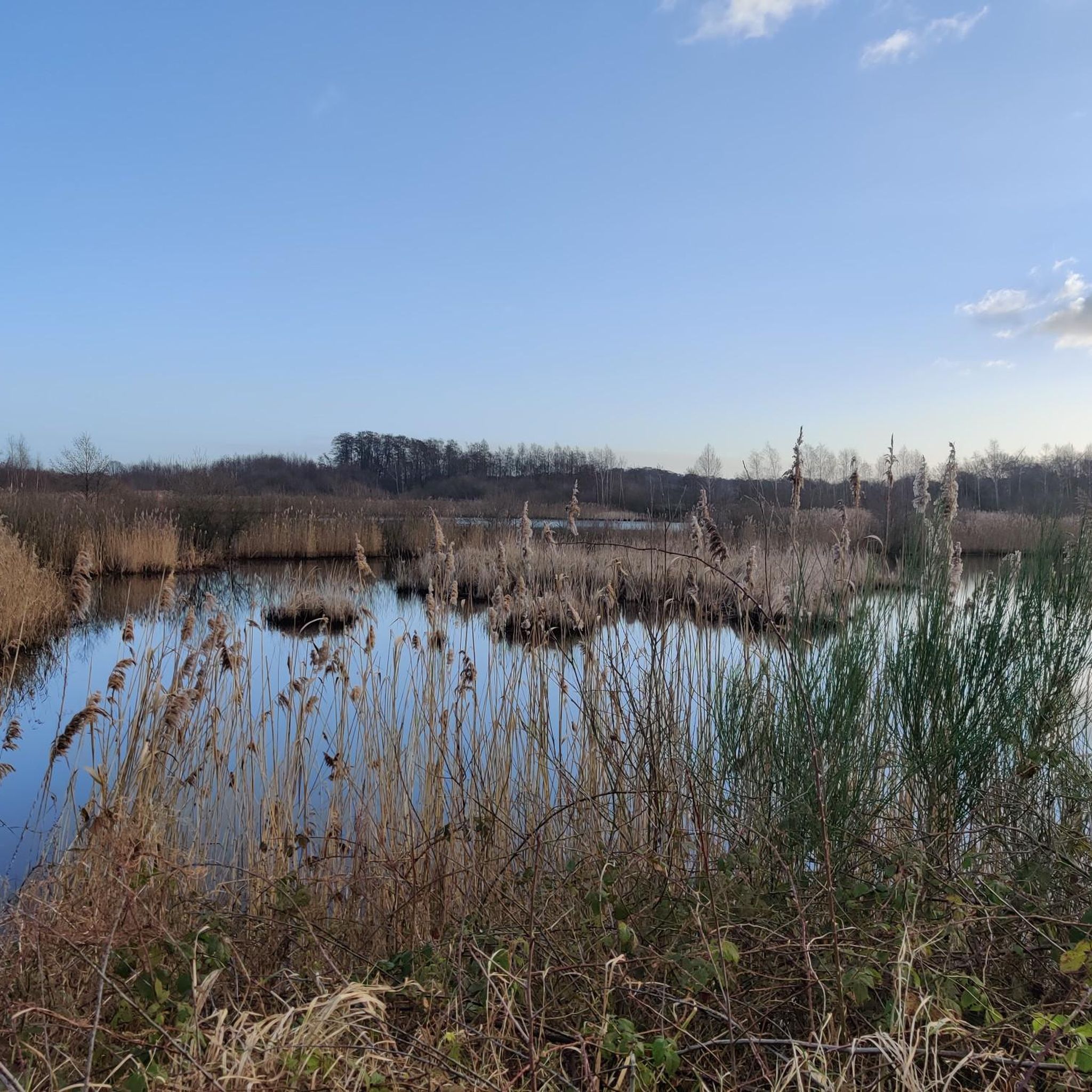
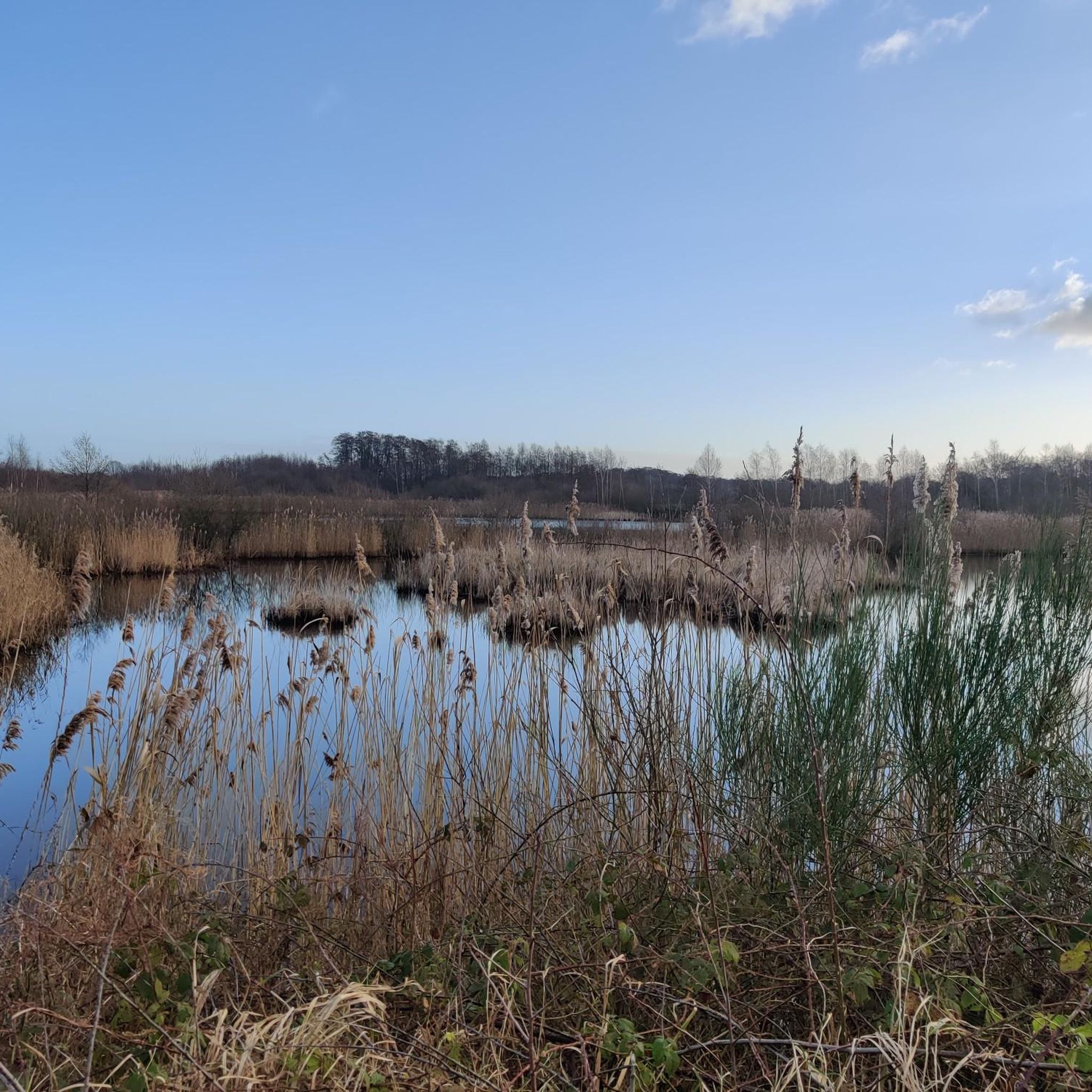
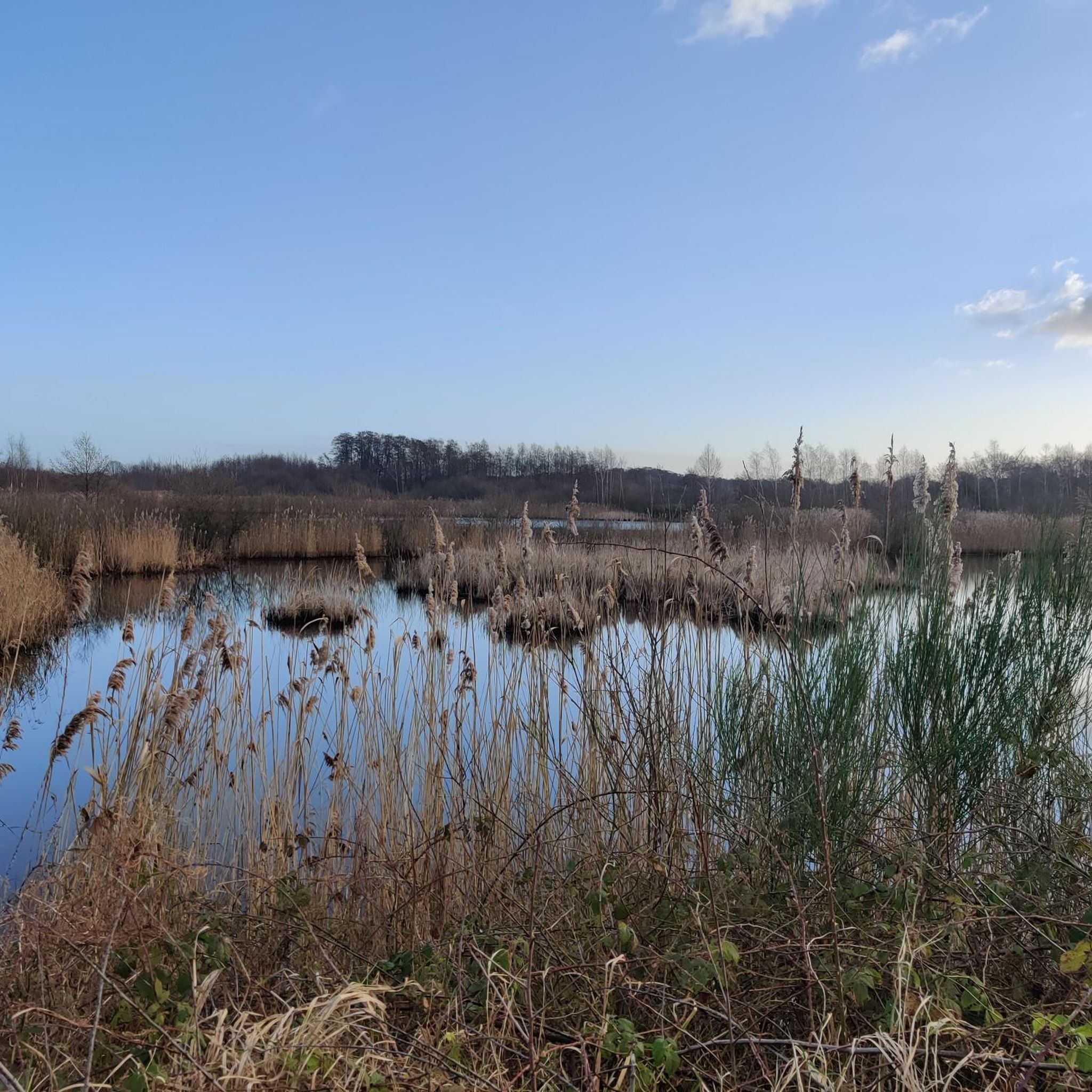
The name Maten is related to the English "meadows". The area is part of De Wijers, a pond complex on the transition from the Kempens Plateau to the Demer Valley. On the poor sandy soils of the Kempen, fish farming was a source of extra protein. As early as the Middle Ages, series of ponds were created by means of simple cross-dikes in the valley. The overflow from one pond simultaneously forms the supply for the next pond. For the ponds in De Maten, the Stiemerbeek valley was dammed up several times. As fish farming became more intensive in the first half of the twentieth century, many ponds were given separate inlets and outlets. In De Maten, you will still find a mix of both systems. The water management is therefore a complex part of the management of one of the oldest nature reserves in Flanders.
3
0

The Slagmolen (Slag Mill) is a centuries-old watermill building in Genk (Termien), situated right on the edge of the De Maten nature reserve and the Stiemerbeek valley. Dating back to 1523, it is probably the oldest existing building in the city and served as a functioning watermill for centuries. This mill was powered by the water of the Stiemerbeek stream and its tributaries, meaning the wheel turned as soon as there was sufficient water in the stream. This technique was typical of rural life in the past, and the stream was regulated to keep the mill running. This created the area around De Maten into a dynamic landscape of water features and ponds. Today, the Slagmolen is no longer a typical working mill, but its ambition is high: after a thorough renovation, the building will be operational again and serve as an official visitors center for De Maten, featuring an information desk, café, and meeting space for hikers and nature lovers. The opening of this center is planned for the summer of 2026.
1
0
Homeleswijer is one of the characteristic ponds (wijers/ponds) you'll encounter during walks through the De Maten nature reserve in the Belgian province of Limburg. It lies within the watery landscape of the reserve, which is part of the larger De Wijers pond area, a network of natural and man-made ponds that originated from centuries-old fish farming traditions in the region. In De Maten, the Stiemerbeek stream and its tributaries formed the basis for pond complexes containing water features like the Homeleswijer. Dams and overflows made fish farming possible, creating a unique marsh and pond landscape full of reed beds, open water, and wet grasslands. Walking trails through De Maten—ranging from short loops to longer hikes—run along and around these ponds. They are true natural treasures: herons, waterfowl, and typical marsh plants can be found here, and information boards often line the path explaining the ecology and water management. Many walks along the Homeleswijer are signposted and start, for example, at the Slagmolen in Genk or at other access points in De Maten.
0
0
Major renovations are currently underway at the mill and the visitor center (March 2025)
4
1

With a fascinating information board about the different types of birds that you can find in De Maten.
0
0
In the Maten you will find a piece of authentic wine landscape with beautiful ponds, connected by heads and tails. It is the area par excellence for bird lovers, as the Wijers are a breeding area for numerous water and songbirds. The Augustijnenvijver is a stopping place for countless birds during bird migration. The routes connect Genk with Diepenbeek and guide you past the ponds of the Maten to the Diepenbekerbos.
8
1
The name Maten is related to the English "meadows". The area is part of De Wijers, a pond complex on the transition from the Kempen Plateau to the Demer valley. On the poor sandy soils of the Kempen, fish farming was a source of extra proteins. As early as the Middle Ages, series of ponds were constructed using simple cross dikes in the valley. The overflow from one pond simultaneously forms the supply for the next pond. For the ponds in De Maten, the Stiemerbeek valley was dammed several times. As fish farming became more intensive in the first half of the twentieth century, many ponds were given separate inlets and outlets. In De Maten, you can still find a mix of both systems. Water management is therefore a complicated part of the management of one of the oldest nature reserves in Flanders.
7
1
De Maten is located in the plain at the foot of the Kempen plateau. The alternation between dry dunes, heathland and ponds provides a large and fascinating wealth of plants and animals. When the ponds are dry, typical vegetation develops with floating water plantain, coniferous rush, glass ducks, egg-shaped water rush... This area is important for birds such as bittern, wood monkey, great egret, marsh harrier and gadwall. You will also find the tree frog and the garlic toad, two amphibians with a special way of life.
5
1
Frequently Asked Questions
What natural features define Natuurreservaat De Maten?
Natuurreservaat De Maten is characterized by a diverse landscape including numerous historical fish ponds, heaths, woodlands, and land dunes. It's part of the larger De Wijers pond complex, often called the 'land of 1,001 ponds'. The area is fed by the Stiemerbeek and Heiweierbeek streams, creating a rich variety of ecosystems. You can observe these features at spots like Augustijnen Pond and Pond and bench in De Maten Nature Reserve.
Are there any historical sites to explore in the reserve?
Yes, Natuurreservaat De Maten offers several historical points of interest. The most prominent is Slagmolen Watermill Genk, a historic watermill dating back to 1523. The reserve also features a man-made cultural landscape with a history of fish farming from the Middle Ages, and you can find remnants from World War II, including bunkers and anti-tank obstacles.
What kind of wildlife can I expect to see in Natuurreservaat De Maten?
The reserve is a significant area for birdwatching, being a Natura 2000 protected site. With binoculars, you can spot numerous waterbirds and other species like the bittern, purple heron, great egret, marsh harrier, and garganey. Bird hides are available, such as one overlooking the Augustijnenweyer pond. It's also crucial for amphibians, hosting species like the European tree frog and the spadefoot toad. Unique plants such as sundew, a carnivorous plant, can be found in the wet areas.
Are there family-friendly activities or areas in Natuurreservaat De Maten?
Yes, many areas within Natuurreservaat De Maten are suitable for families. The numerous ponds, such as Homeles Pond and Augustijnen Pond, are great for observing nature. The reserve offers well-signposted walking routes of varying lengths, and the Vlonderpad (Boardwalk) in the connected Stiemerbeek Valley provides an accessible way to experience wet areas up close, which is ideal for birdwatching and observing aquatic life with children.
What walking and cycling routes are available in Natuurreservaat De Maten?
Natuurreservaat De Maten features numerous well-signposted walking routes, ranging from short 3-4 km walks to longer 10 km circuits, taking visitors through diverse landscapes. The reserve is also integrated into the Limburg cycling route network, with themed cycling loops available. For more detailed information on hiking routes, you can explore the Hiking in Natuurreservaat De Maten guide.
Is Natuurreservaat De Maten accessible for people with mobility challenges?
While many natural trails might have varied terrain, the Vlonderpad (Boardwalk) in the nearby Stiemerbeek Valley offers a more accessible option. This boardwalk allows visitors to experience wet and marshy areas up close while keeping their feet dry, making it suitable for those seeking easier paths.
When is the best time of year to visit Natuurreservaat De Maten?
The reserve offers unique experiences throughout the year. Spring and summer are ideal for observing diverse flora, including water lilies on ponds like The Hommelaar, and for birdwatching. Autumn brings beautiful colors to the woodlands. The presence of heated tents at the Slagmolen visitor center suggests that even cooler months can be enjoyable, especially for walks followed by a warm drink.
Can I bring my dog to Natuurreservaat De Maten?
Yes, dogs on a leash are welcome in most areas of Natuurreservaat De Maten. This allows you to enjoy the natural beauty and walking routes with your canine companion.
Where can I find parking at Natuurreservaat De Maten?
Specific parking information is often available at the main entrances or visitor centers of nature reserves. For Natuurreservaat De Maten, it's advisable to check local signage or the official website for the most up-to-date parking facilities, especially near popular starting points like the Slagmolen.
Are there places to eat or drink near the reserve?
The historic Slagmolen Watermill Genk site is currently undergoing renovation to house a new visitor center with a cafe, expected to open in summer 2026. In the meantime, Natuurpunt Genk operates an outdoor bar in a heated tent in the Slagmolen's garden, providing a place for refreshments. For more information on the Slagmolen's visitor center, you can visit visitlimburg.be.
What do other visitors enjoy most about Natuurreservaat De Maten?
Visitors frequently appreciate the serene views of the ponds and surrounding heath landscape, as highlighted by the Pond and bench in De Maten Nature Reserve. The area's rich birdlife, especially around ponds like Homeles Pond, is also a major draw. The blend of natural beauty and historical significance, including the ancient fish farming landscape, makes it a unique destination for nature lovers and hikers.
What are some of the notable ponds in the reserve?
Natuurreservaat De Maten is home to many significant ponds. Key ones include Augustijnen Pond, known as a stopping place for numerous birds during migration, and Homeles Pond, which features information boards about local bird species. Another notable body of water is The Hommelaar, which often has water lilies in late spring and summer.
Are there specific trails for running or mountain biking?
Yes, beyond general walking and cycling, Natuurreservaat De Maten offers dedicated routes for other outdoor activities. For runners, you can find various trails, including the 'De Maten Nature Reserve – De Maten Nature Reserve loop'. Mountain bikers can explore routes like the 'Wagemanskeel Singletrack – Essers Singletrack loop'. More details on these activities are available in the Running Trails in Natuurreservaat De Maten guide and the MTB Trails in Natuurreservaat De Maten guide.
Most popular routes in Natuurreservaat De Maten
Most popular attractions in Natuurreservaat De Maten

Get inspired with the komoot mobile app


Explore more
Still not found the Highlight you’re looking for? See guides of the top attractions in other regions:
