The best running trails in Heesseltsche Uiterwaarden
4.2
(113)
7,812
runners
359
runs
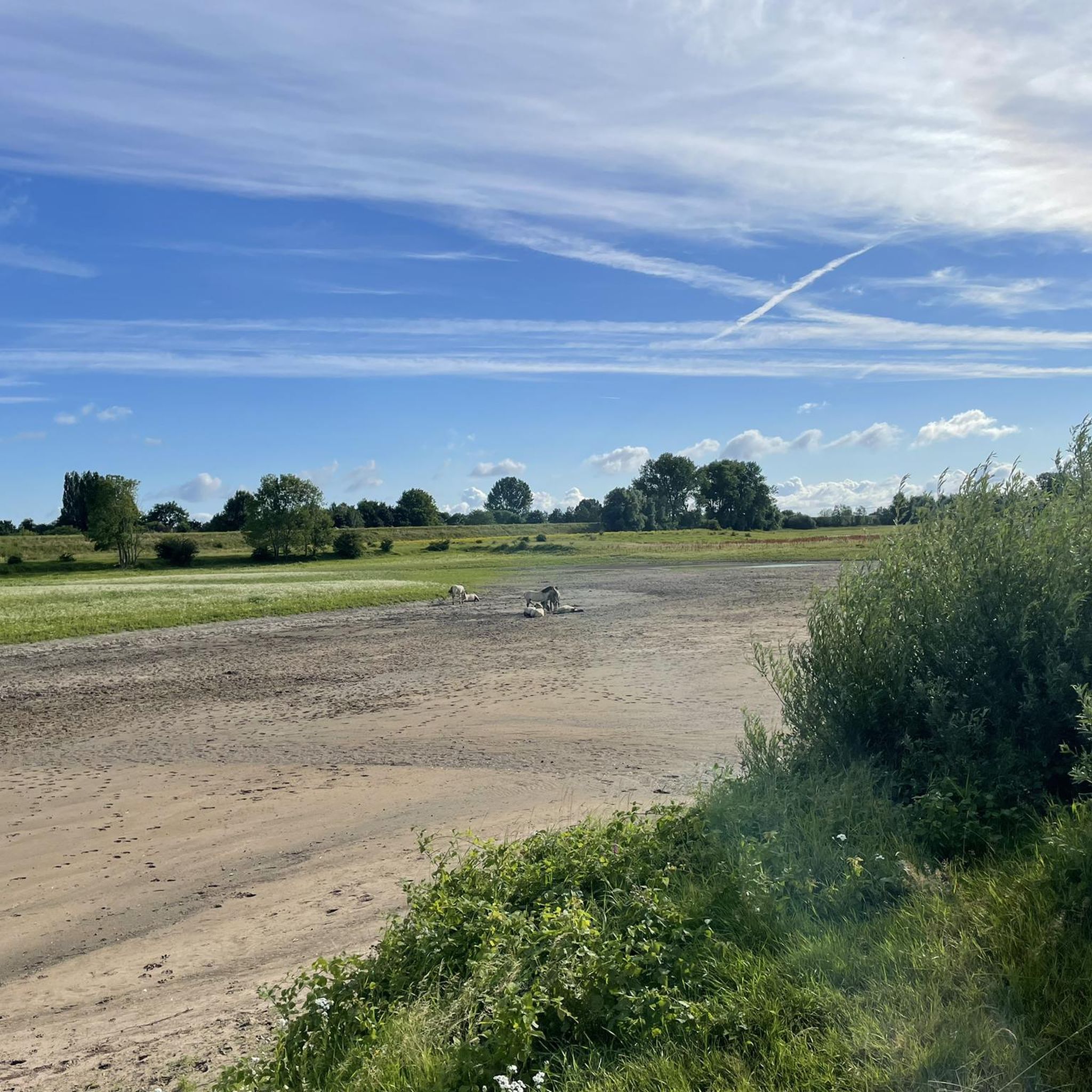
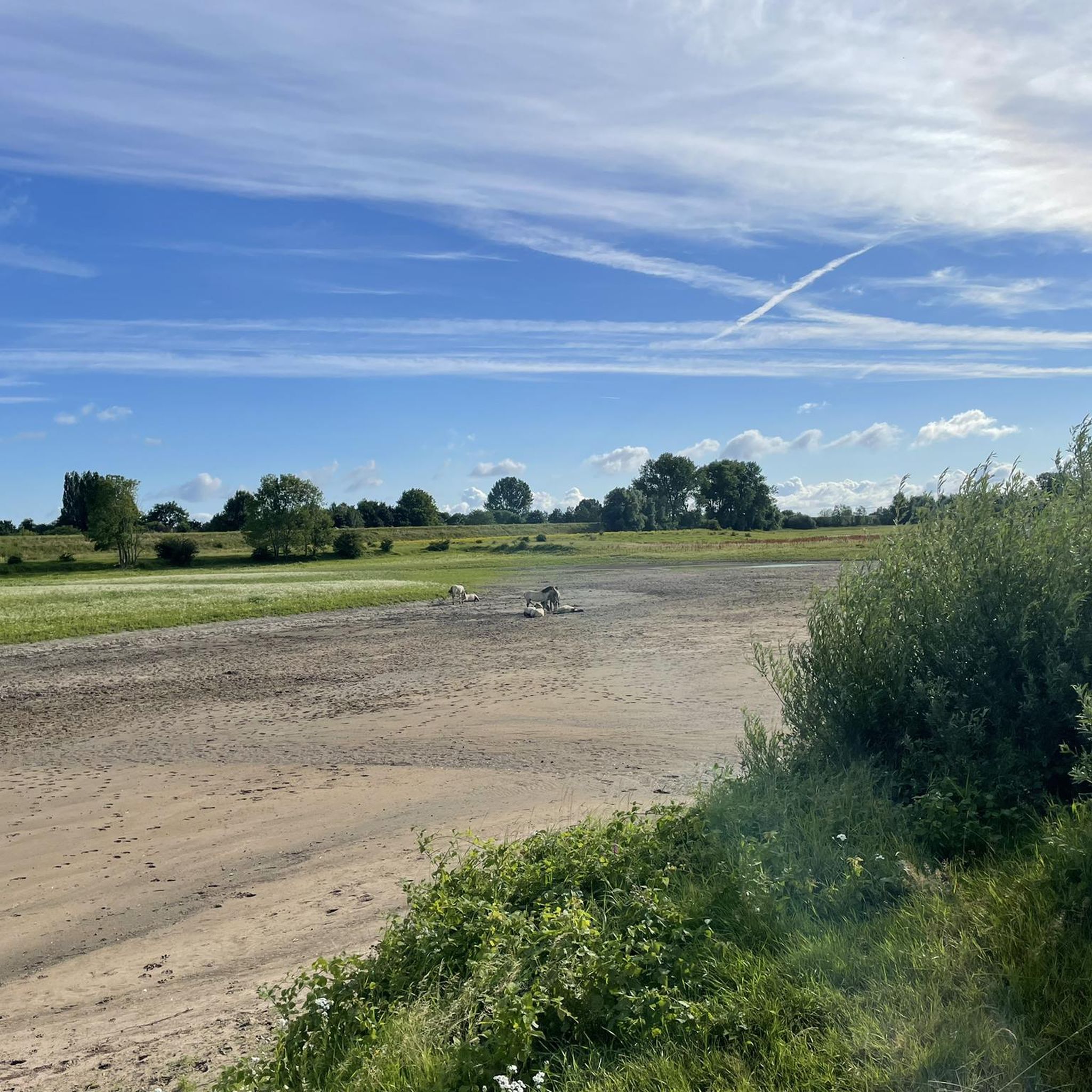
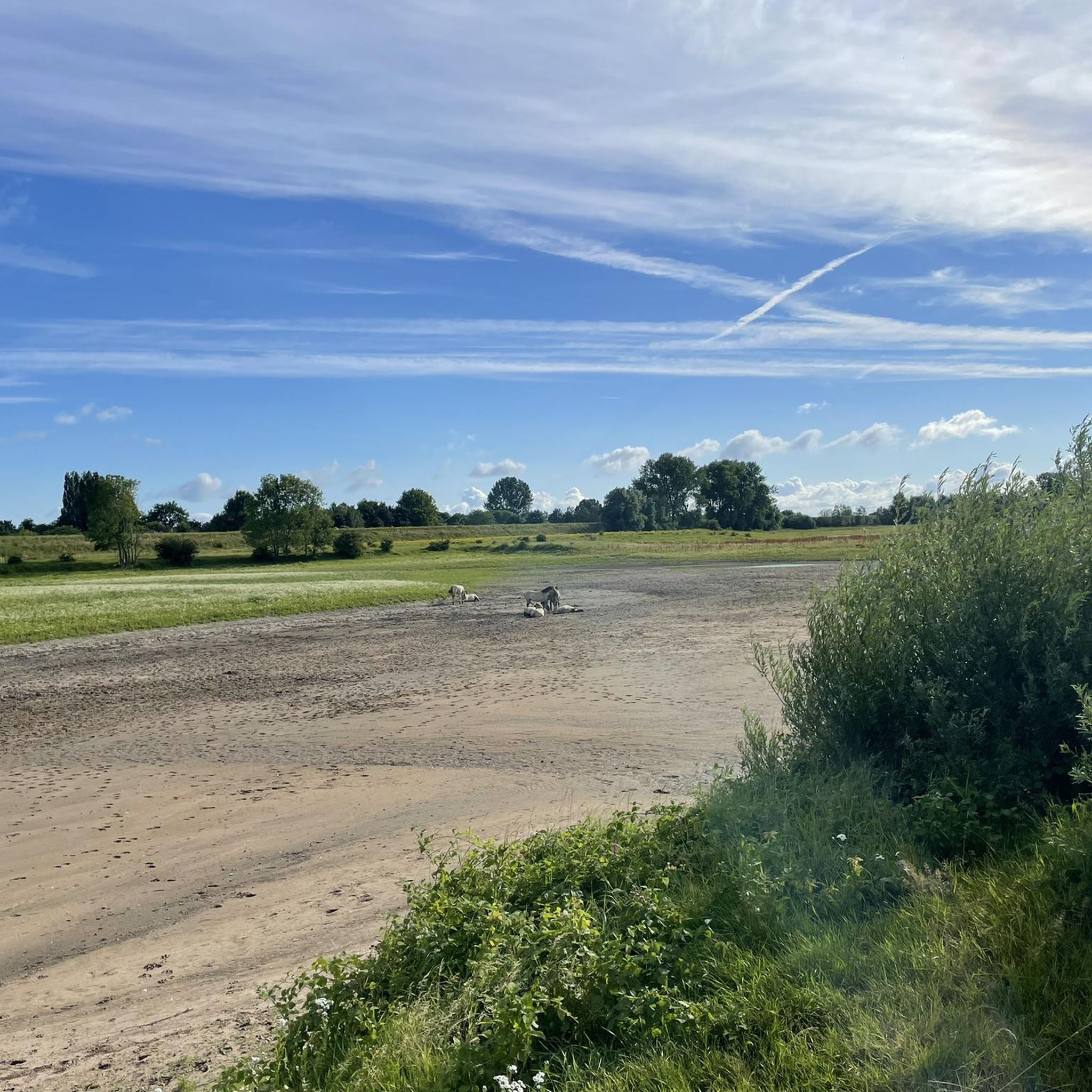
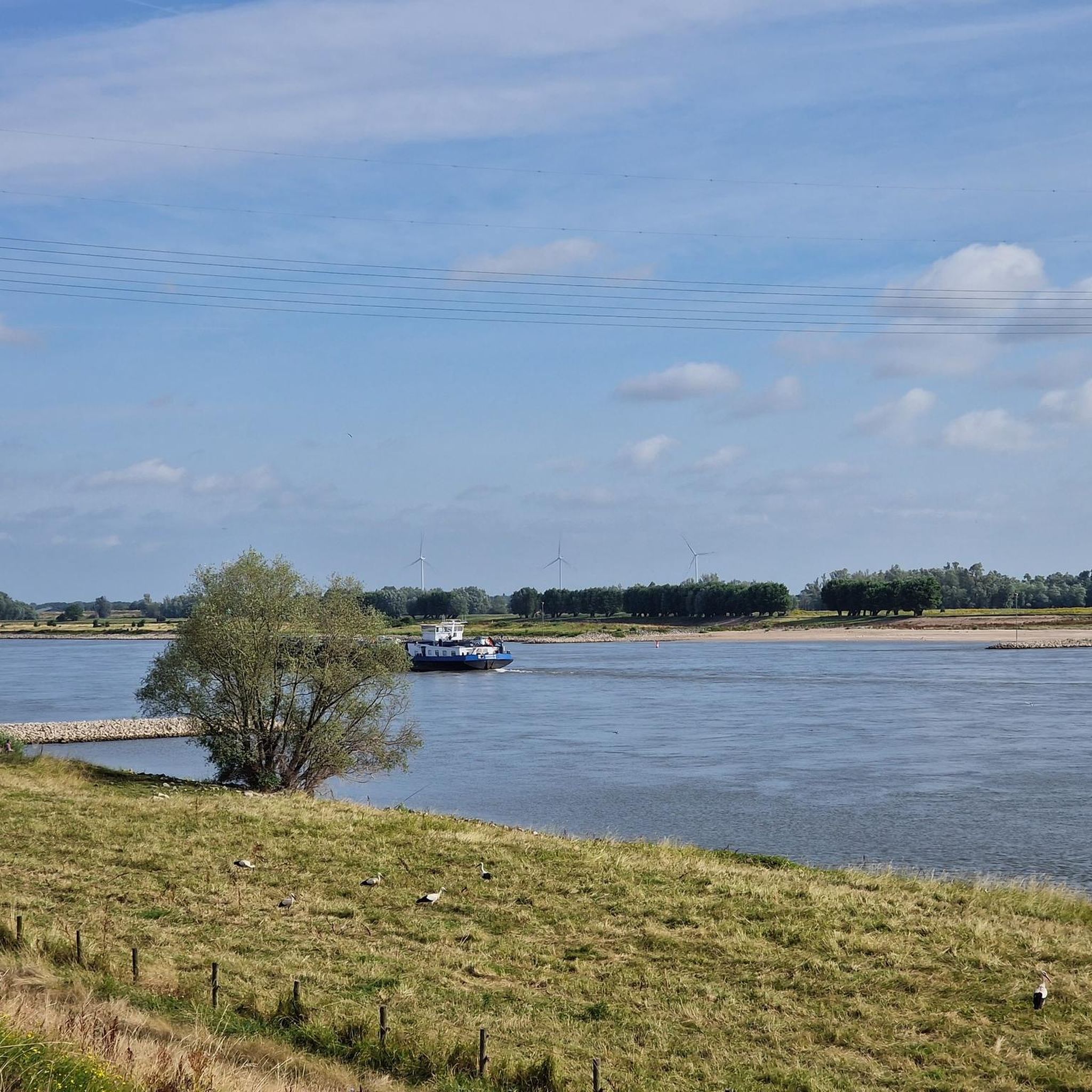
Jogging in Heesseltsche Uiterwaarden offers routes through a dynamic riverine landscape, characterized by oxbow lakes, side channels, marshes, and riparian forests. The terrain provides varied surfaces for running, ranging from clay near the dike to sand and river beaches closer to the Waal. This area, redeveloped as part of the "Room for the River" project, features grasslands and rough terrain, providing a diverse environment for runners.
Best jogging routes in Heesseltsche Uiterwaarden
- The most popular jogging route is Huis Neerijnen…
Last updated: October 13, 2026
5.0
(1)
30
runners
9.59km
01:00
10m
10m
Moderate run. Good fitness required. Mostly paved surfaces. Suitable for all skill levels.
18
runners
8.02km
00:50
10m
10m
Moderate run. Good fitness required. Mostly paved surfaces. Suitable for all skill levels.

8
runners
10.5km
01:06
10m
10m
Moderate run. Good fitness required. Mostly paved surfaces. Suitable for all skill levels.
8
runners
8.42km
00:52
10m
10m
Moderate run. Good fitness required. Mostly paved surfaces. Suitable for all skill levels.
3
runners
6.37km
00:39
0m
0m
Moderate run. Good fitness required. Mostly paved surfaces. Suitable for all skill levels.
Get access to more routes and recommendations from other explorers.
Already have an account?
Our route recommendations are based on thousands of hikes, rides, and runs completed by other people on komoot.
Start today with a free account
Your next adventure awaits.

Tips from the Community


The castle itself is not open to the public. It's hard to find a good view when the trees are in leaf. It's barely visible from the gate, and even from the dike, it's only partially visible.
2
0

The dike was repaired from Gornichem to Vatik and was impassable.
0
1


Visit the Anne Frank tree in Neerijnen and park easily at the Stroomhuis, where you can also go for a cup of coffee or a cultural activity. A beautiful combination of nature and culture!
0
0
The Anne Frank tree in Neerijnen is a special and symbolic monument that commemorates Anne Frank and the tragedy of the Holocaust. It is a cutting of the original horse chestnut that stood at the Secret Annex in Amsterdam, where Anne Frank and her family were in hiding during the Second World War. ### Background of the original tree The original Anne Frank tree was a white horse chestnut (Aesculus hippocastanum) and stood in the garden behind the Secret Annex. Anne mentioned this tree several times in her diary, in which she described how she could see it from the small window of the hiding place. For her, the tree was a symbol of hope and freedom in a time of great fear and uncertainty. Unfortunately, the original tree fell in 2010 due to poor condition due to disease and storm damage. ### The Anne Frank tree in Neerijnen The cutting in Neerijnen is one of the trees that were grown from the seeds of the original chestnut before it fell. Planting this tree is a way to honor Anne Frank's legacy and message of hope and tolerance. Neerijnen was chosen because of the serene and natural character of the area, which offers a place of reflection. ### Meaning of the tree The tree in Neerijnen, like other Anne Frank trees planted worldwide, symbolizes the fight against injustice, anti-Semitism and discrimination. It is a living monument that reminds visitors to reflect on the past and work towards a peaceful future.
0
0

Former location of Slot Rossum, country residence with coach house of Baron Van Randwijck (1850) and from 1949 to 2002 Rossum town hall. Currently in use as an office. (Source Wikipedia)
0
0

This church has a tuff tower that originally dates from the 12th century and was built in Romanesque style. The associated church was a chapter church from 1436 to around 1572-1599. Eight prebends were associated with the secular chapter.[1] In 1659, a new church was built against the tower, after its predecessor was destroyed by fire during the Eighty Years' War. In 1860, this was in turn replaced by a brick, wide hall church with a five-sided closure, and vaulted by a striking net vault, made of stucco. The pews, including the lord pews, are still arranged as they were at the time of construction. The neo-Gothic pulpit also dates from this period. The organ is from 1889. The window traceries are rich in detail. In 1963, the medieval tower was restored to its original form. In 2006 the building became a PKN church.
1
0
Frequently Asked Questions
How many running routes are available in Heesseltsche Uiterwaarden?
Heesseltsche Uiterwaarden offers a wide selection of running routes, with over 320 trails to choose from. This includes 31 easy routes perfect for a relaxed jog, 250 moderate paths for a good workout, and 41 more challenging trails for experienced runners.
What kind of terrain can I expect when jogging in Heesseltsche Uiterwaarden?
The area boasts a dynamic riverine landscape, providing a varied and stimulating experience for runners. You'll encounter diverse surfaces ranging from clay near the dike to sand and river beaches closer to the Waal. The trails wind through oxbow lakes, side channels, marshes, and riparian forests, offering a constantly changing environment.
Are there any specific landmarks or natural features to look out for on the running trails?
Yes, the Heesseltsche Uiterwaarden is rich in natural beauty and points of interest. You can enjoy panoramic views of the Waal river, observe the unique ecosystems of oxbow lakes and riparian forests, and spot grazing Hereford cattle and Konik horses. Some routes, like the Huis Neerijnen – Waardenburg Castle loop, even pass by historic castles, while the De Steendert Windmill loop takes you past a charming windmill.
What do other runners enjoy most about jogging in Heesseltsche Uiterwaarden?
The area is highly rated by the komoot community, with an average score of 4.1 stars from over 70 reviews. Runners frequently praise the diverse and dynamic river landscape, the varied terrain, and the opportunity to experience nature and wildlife. The well-maintained paths and scenic views are also often highlighted as key attractions.
Is Heesseltsche Uiterwaarden suitable for family-friendly running or walking?
Absolutely. The varied terrain and numerous easy to moderate routes make it a great place for families to enjoy outdoor activities together. The presence of grazing animals and diverse birdlife can also add an educational and engaging element for children. Just be mindful of the dynamic nature of the river landscape, especially during periods of high water.
Can I bring my dog on the running trails in Heesseltsche Uiterwaarden?
Yes, Heesseltsche Uiterwaarden is generally dog-friendly. However, as the area is home to grazing Hereford cattle and Konik horses, it's crucial to keep your dog on a leash to ensure the safety of both your pet and the wildlife. Always follow local signage and regulations regarding dogs.
What is the best time of year to go running in Heesseltsche Uiterwaarden?
The Heesseltsche Uiterwaarden offers a unique experience year-round. Spring and autumn provide pleasant temperatures and beautiful scenery. Summer is also great, but be prepared for more sun exposure. During winter, the landscape can be starkly beautiful, but be aware that parts of the area may be submerged due to the 'Room for the River' project's design, especially during periods of high water. Always check local conditions before heading out.
Are there any circular running routes available?
Yes, many of the running routes in Heesseltsche Uiterwaarden are designed as loops, allowing you to start and finish at the same point. Examples include the popular Huis Neerijnen – Waardenburg Castle loop from Uiterwaarden Waal and the Rossum Castle – Hurwenensche Floodplains loop from Rossum.
Where can I park when visiting Heesseltsche Uiterwaarden for a run?
While specific parking lots aren't detailed in the guide, the area is generally accessible. Look for designated parking areas near the villages of Heesselt and Opijnen, which serve as entry points to the Uiterwaarden. It's advisable to check local maps or navigation apps for the most convenient parking spots closest to your chosen starting point.
How can I reach Heesseltsche Uiterwaarden using public transport?
Access to Heesseltsche Uiterwaarden by public transport typically involves bus services to the nearby villages of Heesselt or Opijnen. From there, you can often walk directly into the Uiterwaarden. It's recommended to check current bus schedules and routes from larger nearby towns or cities to plan your journey effectively.
Are there any cafes or places to get refreshments near the running routes?
While the Uiterwaarden itself is a natural area, you can find cafes and other refreshment options in the nearby villages of Heesselt and Opijnen, or slightly further afield in towns like Neerijnen or Waardenburg. These can be good spots to relax and refuel after your run.
What should I wear or bring for jogging in Heesseltsche Uiterwaarden?
Given the dynamic riverine landscape and varied terrain, it's advisable to wear appropriate running shoes that can handle different surfaces, including potentially muddy or sandy sections. During periods of higher water, waterproof shoes or boots might be beneficial. Bringing binoculars is also recommended if you wish to observe the abundant wildlife, especially the diverse bird species.
Most popular routes in Heesseltsche Uiterwaarden

Get inspired with the komoot mobile app


Explore more
Browse the best Running Trails & Routes in other regions.
