Gipskarstlandschaft Bad Sachsa Und Walkenried
Gipskarstlandschaft Bad Sachsa Und Walkenried
Attractions and Places To See in Gipskarstlandschaft Bad Sachsa Und Walkenried - Top 20
Best attractions and places to see in Gipskarstlandschaft Bad Sachsa Und Walkenried include a diverse range of notable landmarks, natural features, and cultural sites. This region, nestled in the southern Harz Mountains, is characterized by its unique gypsum karst landscape. It features distinctive geological formations such as caves, sinkholes, dolines, and karst springs. The area is also recognized as a significant natural area in Europe, offering varied habitats.
Best attractions and places to see in Gipskarstlandschaft Bad Sachsa Und Walkenried
- The most popular attractions is Walkenried Abbey Ruins, a religious building that is a former Cistercian abbey, founded in the 12th century. It is considered one of the largest and most innovative Cistercian museums in Europe.
- Another must-see spot is Sachsensteinhütte (HWN 166) – View of Neuhof and the Harz Foreland, a hut that offers covered seating options and is a stamping point for the Harzer Grenzweg long-distance hiking trail. It provides rewarding views of Neuhof and the Harz Foreland.
- Visitors also love Historic Gypsum Kiln (HWN 192), a historical site that is a replica of a historic gypsum kiln, located on the nature trail around the crane pond. It offers insights into the region's industrial history and is an informative stamping place.
- Gipskarstlandschaft Bad Sachsa Und Walkenried is known for notable landmarks, natural features, and cultural sites. The region offers a diverse range of attractions, from historical buildings to unique geological formations.
- The attractions in Gipskarstlandschaft Bad Sachsa Und Walkenried are appreciated by the komoot community, with more than 1700 upvotes and over 2700 photos shared.
Last updated: October 9, 2026
Walkenried Abbey
Highlight • Religious Site
Translated by Google •
Tip by

Sachsensteinhütte (HWN 166) – View of Neuhof and the Harz Foreland
Highlight • Mountain Hut
Translated by Google •
Tip by

Sign up now to discover places like this
Get recommendations on the best single tracks, peaks, & plenty of other exciting outdoor places.
Historic Gypsum Kiln (HWN 192)
Highlight • Historical Site
These meadows, which originally belonged to Sachsa, were sold to the nearby Walkenried monastery in 1238.
The monks of the monastery created ponds here for self-sufficiency in fish, as they did not eat meat. The monastery rebuilt the village of Neuhof, which had been devastated in the power struggles between the Klettenberg and the Hohnstein counts, as a business right outside the gates of the monastery.
Due to the population decline in the 13th and 14th centuries, the number of lay brothers also decreased and the agricultural land was cultivated by farmers who paid rent to the monastery and lived in Neuhof.
After leaving the monastery in 1668, the Duke of Brunswick inherited the monastery properties and incorporated them into a foundation. Even today, many lands here belong to the Brunswick monastery property.
The 3 km long crane pond nature trail leads from the start at the village community center and through the three interconnected pond systems. The Prieststein nature reserve and the historic gypsum kiln are on the route.
Translated by Google •
Tip by

Sachsenstein Rock Formation
Highlight • Natural Monument
Translated by Google •
Tip by

Lower Crane Pond Bad Sachsa
Highlight • Lake
Translated by Google •
Tip by
Sign up for free to discover even more attractions in Gipskarstlandschaft Bad Sachsa Und Walkenried.
Already have an account?
Start today with a free account
Your next adventure awaits.
Popular around Gipskarstlandschaft Bad Sachsa Und Walkenried
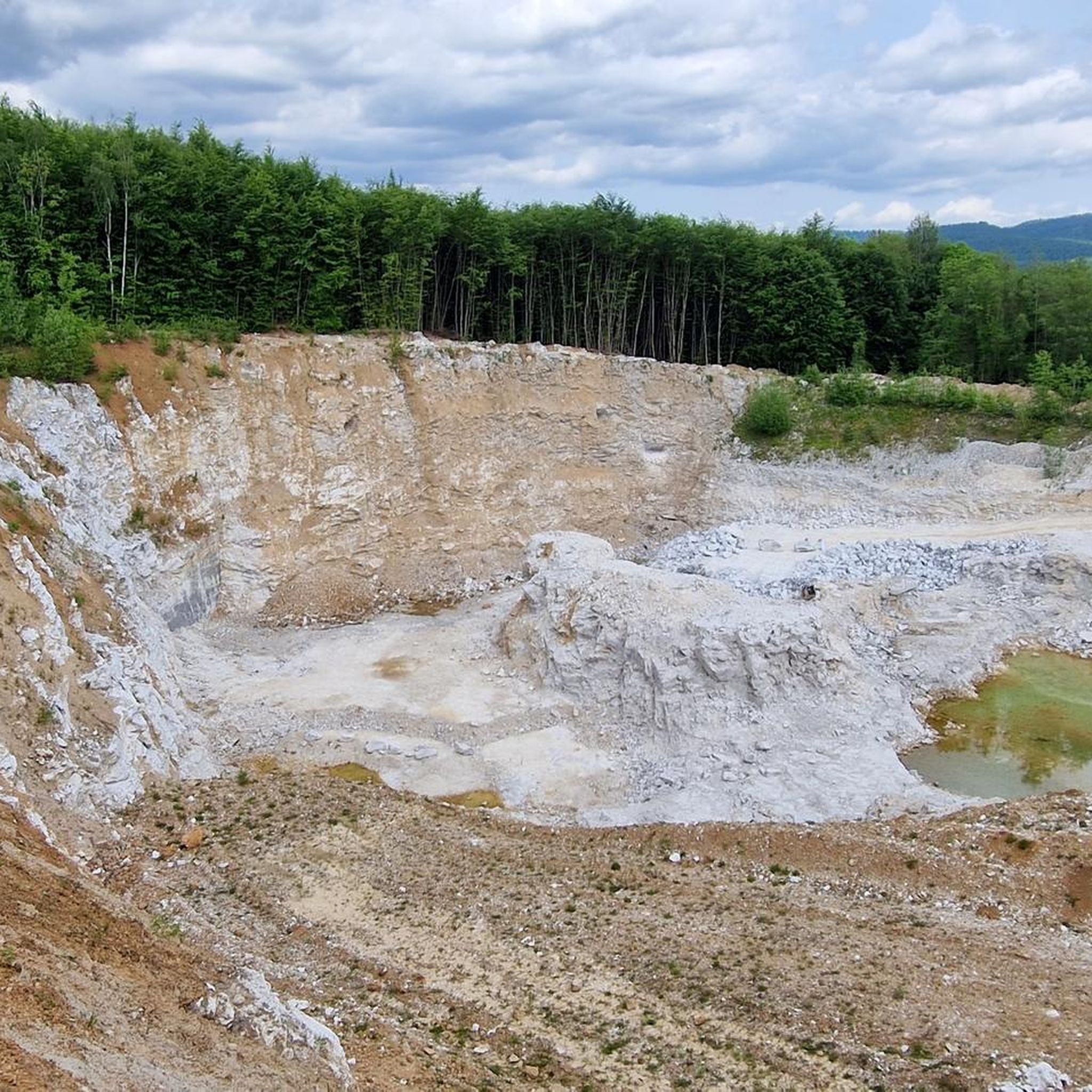
Hiking in Gipskarstlandschaft Bad Sachsa Und Walkenried
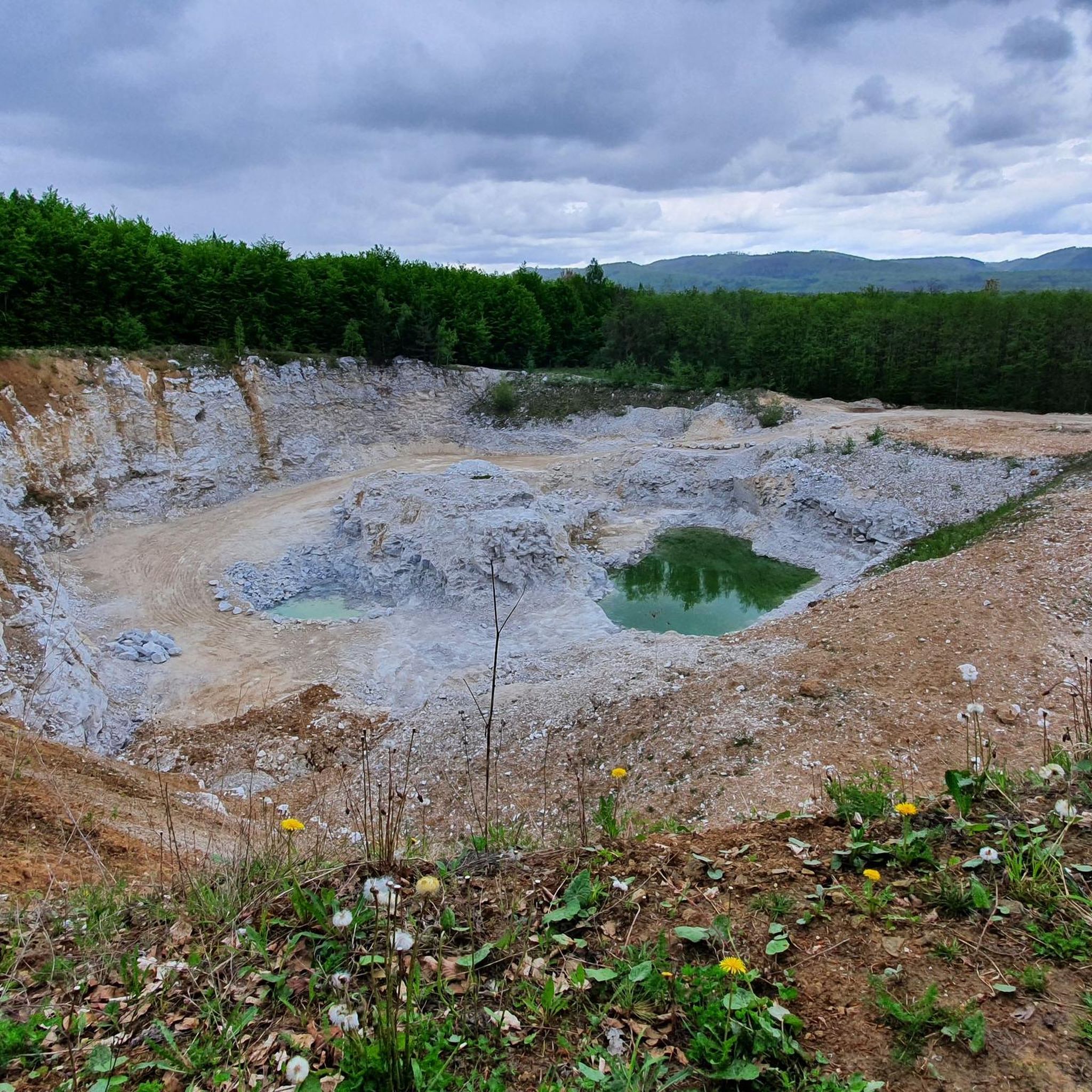
Cycling in Gipskarstlandschaft Bad Sachsa Und Walkenried
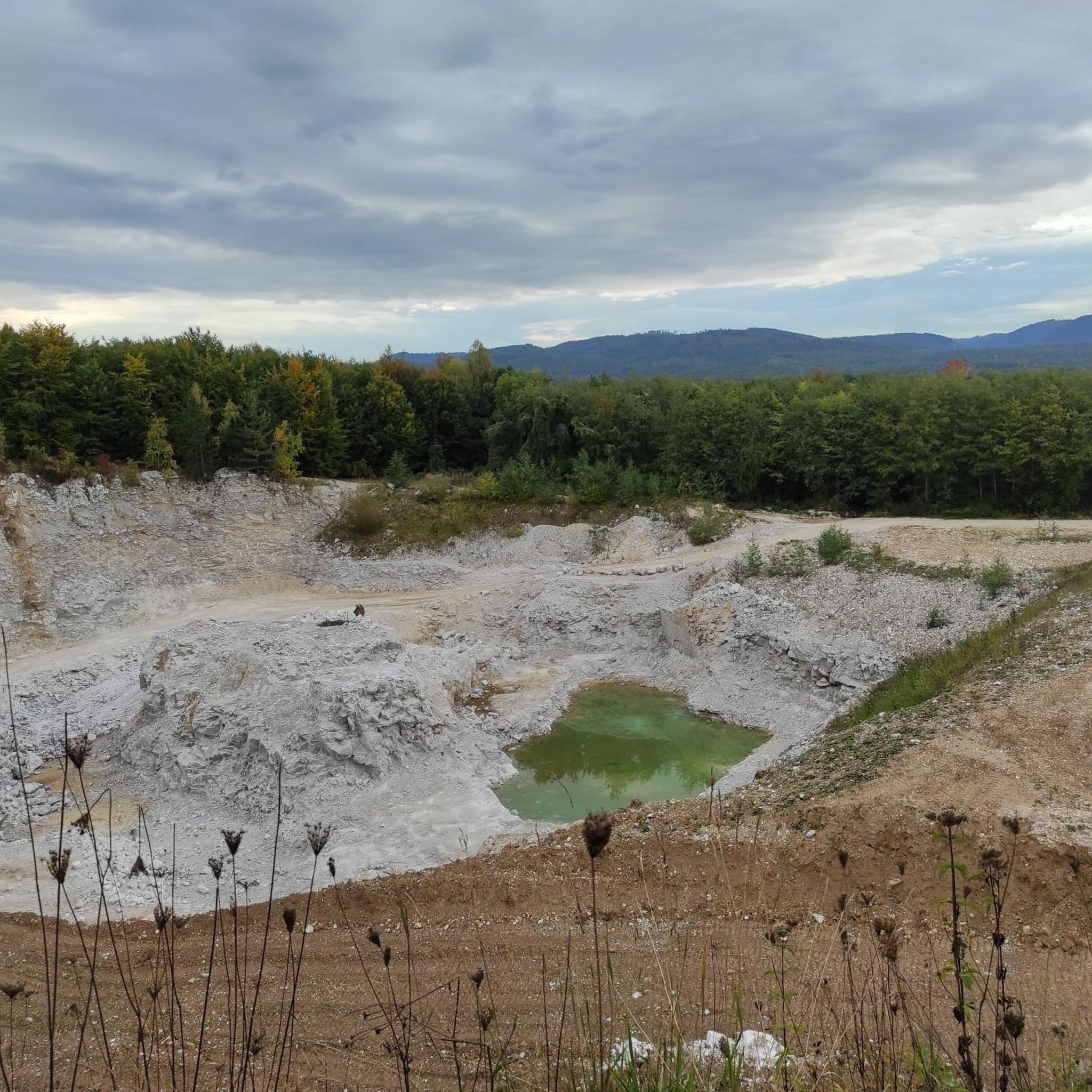
MTB Trails in Gipskarstlandschaft Bad Sachsa Und Walkenried
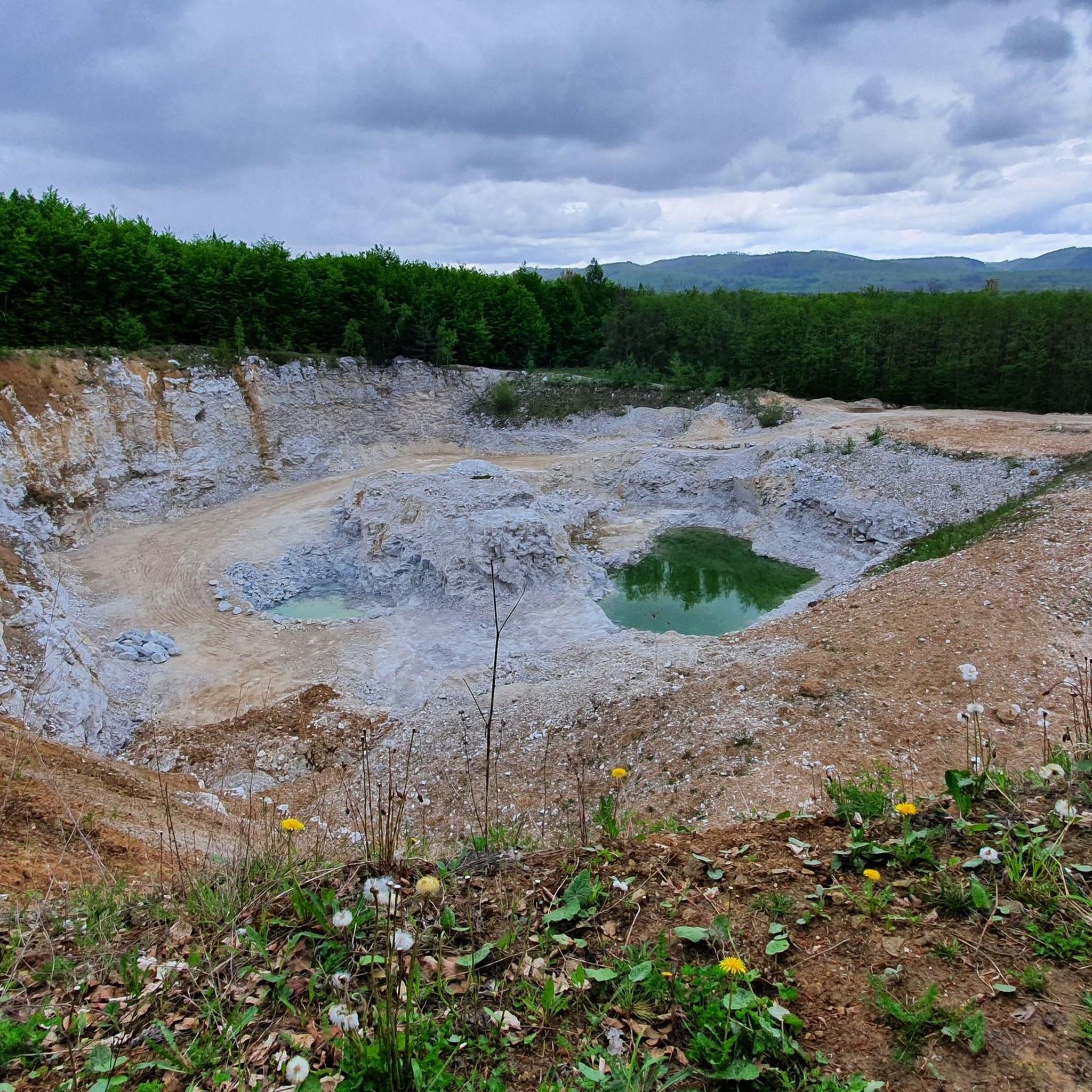
Road Cycling Routes in Gipskarstlandschaft Bad Sachsa Und Walkenried
Running Trails in Gipskarstlandschaft Bad Sachsa Und Walkenried

Gravel biking in Gipskarstlandschaft Bad Sachsa Und Walkenried

Mountain Hikes in Gipskarstlandschaft Bad Sachsa Und Walkenried
Tips from the Community

Great monastery ruins. In the intact buildings there is a museum and gastronomy. Located directly on the Harzer Grenzweg long-distance hiking trail.
12
1

an interesting stamp location of the HWN, there is a lot to discover
10
3
a nice and clean shelter at the crane ponds, it's not far from here to the "HIstorical gypsum kiln".
4
0
The crane ponds offer some great photo opportunities, a circular route leads around them, and it's not far from here to the "Historic Gypsum Kiln" stamping point
3
1

The historic gypsum kiln is located west of Neuhof on the nature trail around the crane pond and was put into operation for the first time on October 21, 2006. These meadows, which originally belonged to Sachsa, were sold to the nearby Walkenried monastery in 1238. The monks of the monastery created ponds here for self-sufficiency in fish, as they did not eat meat. The monastery rebuilt the village of Neuhof, which had been devastated in the power struggles between the Klettenberg and the Hohnstein counts, as a business right outside the gates of the monastery. Due to the population decline in the 13th and 14th centuries, the number of lay brothers also decreased and the agricultural land was cultivated by farmers who paid rent to the monastery and lived in Neuhof. After leaving the monastery in 1668, the Duke of Brunswick inherited the monastery properties and incorporated them into a foundation. Even today, many lands here belong to the Brunswick monastery property. The 3 km long crane pond nature trail leads from the start at the village community center and through the three interconnected pond systems. The Prieststein nature reserve and the historic gypsum kiln are on the route.
7
0
The two ponds are located near Bad Sachsa, west of the Neuhof district, and were created by the monks of the Cistercian monastery of Walkenried starting in the 12th century. A nature trail – a hiking trail – leads from the parking lot at the Crane Ponds in Neuhof around the Upper and Lower Crane Ponds, as well as the remains of other ponds. Because of their proximity to nature, the ponds are now part of the "Gypsum Karst Area near Bad Sachsa" nature reserve, which extends in several areas from Tettenborn to the Thuringian border; the area is also part of the European Natura 2000 protected area network. Crystal algae thrive in the clean, calcareous water of the ponds. The still waters also provide good conditions as a partial habitat for great crested newts. The marsh harrier also lives in the water-rich landscape near Neuhof and can occasionally be observed. Short detours from the trail lead to special features of the area: the Kranichstein quarry, where raw gypsum has been mined since the early 20th century, a historic gypsum kiln, and the Priestersteinhöhle natural monument, a shallow cave in the gypsum of the Kranichstein. The Lower Kranichteich is approximately 300 m long and 130 m wide, while the Upper Kranichteich is approximately 150 m long and 200 m wide. Both ponds are a true fishing paradise: In addition to the main species, trout, anglers can look forward to eel, pike, carp, and tench.
5
0

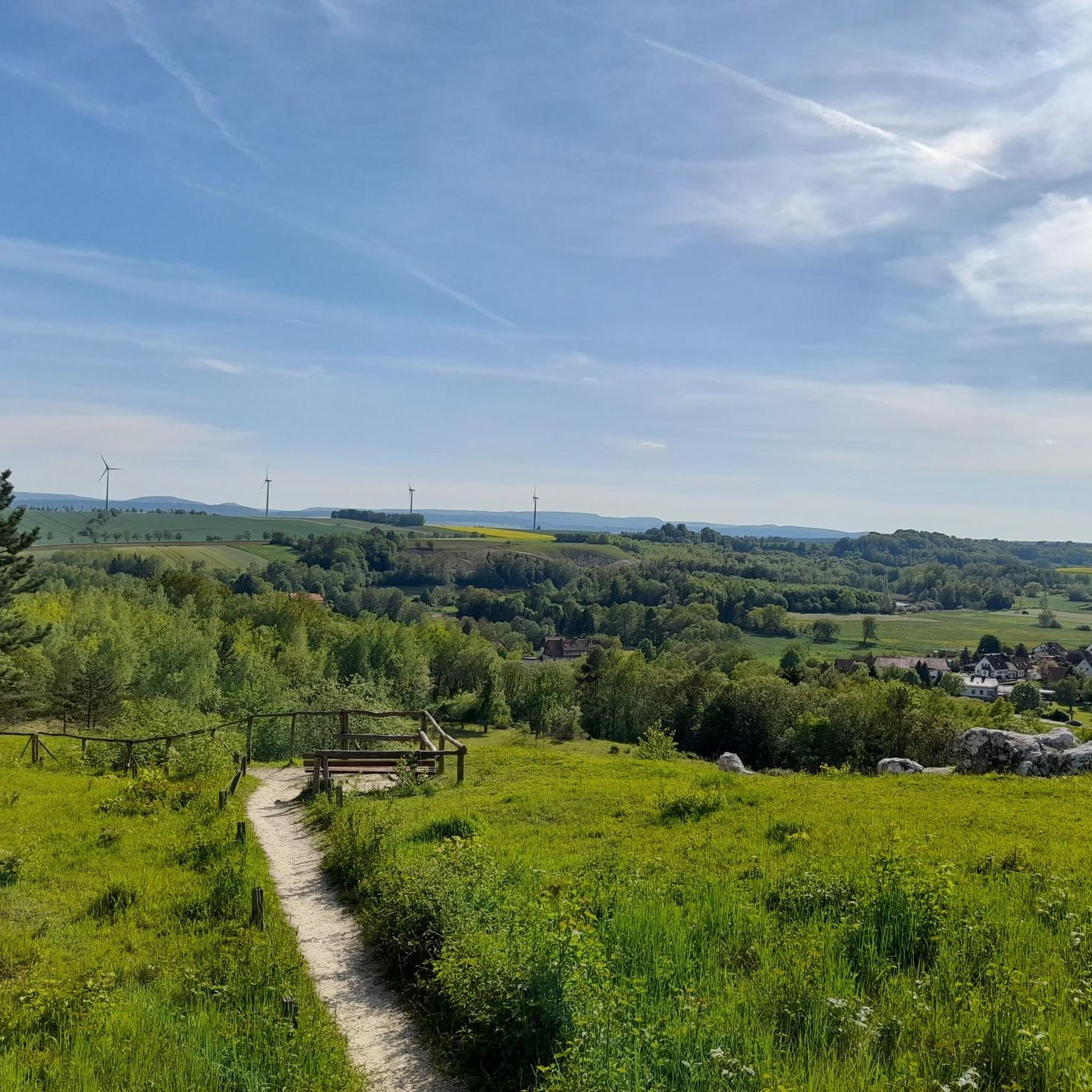
After the slight ascent to the refuge (HWN 166), you can sit down for a short rest and enjoy the first view of the valley. From then on the wonderful Karst hiking trail begins. Unfortunately not suitable for visitors with prams or walking aids.
6
1

If you come from below, you cannot see the stamping point, but you can see a very nice view from the Sachsenstein
2
0
Frequently Asked Questions
What historical and cultural sites can I explore in the Gipskarstlandschaft Bad Sachsa Und Walkenried region?
The region is rich in history. You can visit Walkenried Abbey Ruins, a UNESCO World Heritage site and one of Europe's largest Cistercian museums. Other notable sites include the Scharzfels Castle Ruins with their unique rock integration, the Grenzlandmuseum Bad Sachsa detailing the former inner-German border, and the historic Historic Gypsum Kiln (HWN 192) which offers insights into the region's industrial past.
What natural features define the Gipskarstlandschaft, and where can I experience them?
The entire region is part of the unique South Harz Karst Landscape Biosphere Reserve. It's characterized by distinctive gypsum formations, including sinkholes, dolines, underground streams, and karst springs. You can explore these features along the Karstwanderweg (Karst Hiking Trail), which passes directly through Bad Sachsa. Don't miss the Sachsenstein Rock Formation or the tranquil Lower Crane Pond Bad Sachsa, both showcasing the area's natural beauty.
Are there family-friendly attractions in Bad Sachsa and Walkenried?
Yes, the region offers several family-friendly options. Salztal Paradise in Bad Sachsa is an adventure pool park with swimming pools, a wave pool, and an ice-skating rink. The Märchenpark (Fairy Tale Park) is also a delightful attraction for children. Additionally, the Historic Gypsum Kiln (HWN 192) is an informative and engaging stop for families.
Where can I find the best viewpoints in the Gipskarstlandschaft?
For rewarding views, head to the Scharzfels Castle Ruins, which offer panoramas of the southern Harz foothills and the Thuringian mountains. The Sachsensteinhütte (HWN 166) provides wonderful views of Neuhof and the Harz Foreland. For more expansive vistas, consider climbing Mount Ravensberg (659 m) or the Red Shot mountain, which offers views of the southern Harz foreland, the karst landscape, and the Kyffhäuser.
What outdoor activities and trails are available near these attractions?
The region is excellent for outdoor enthusiasts. You can find numerous hiking trails, including the Karstwanderweg. For specific routes, explore the Hiking in Gipskarstlandschaft Bad Sachsa Und Walkenried guide. Cyclists can enjoy the Volksbank Arena Harz mountain bike network or find road cycling routes in the Road Cycling Routes in Gipskarstlandschaft Bad Sachsa Und Walkenried guide. There are also gravel biking options available in the Gravel biking in Gipskarstlandschaft Bad Sachsa Und Walkenried guide.
Are there any unique natural monuments or geological formations to visit?
Absolutely. Beyond the general gypsum karst landscape, you can visit the Unicorn Cave (Einhornhöhle) for insights into geological history. The Bauerngraben is a fascinating depression known for its periodic lake formation. Don't miss the ancient Wendeleiche (Reversible Oak) and Kleine Harz (Little Horse), which are notable natural monuments and popular stamping stations for hikers.
What are some recreational activities available in the area, especially around water?
For water-based recreation, the Priorteich, located between Bad Sachsa and Walkenried, features a popular outdoor swimming area. In Bad Sachsa, the Schmelzteich in the spa park offers boat rentals during warmer months. The Salztal Paradise also provides extensive swimming facilities and a wave pool.
What is the best time of year to visit Gipskarstlandschaft Bad Sachsa Und Walkenried?
The region offers attractions year-round. Spring and autumn are ideal for hiking and exploring the natural landscape with pleasant temperatures. Summer is perfect for water activities at Priorteich or Salztal Paradise. In winter, Mount Ravensberg transforms into a ski paradise with downhill runs and cross-country trails, making it suitable for winter sports enthusiasts.
Can I learn about the history of the inner-German border in this region?
Yes, the Grenzlandmuseum Bad Sachsa in Tettenborn provides a comprehensive historical overview of the GDR border fortifications between 1949 and 1990, featuring original exhibits and documentation of escapes. Additionally, The Green Belt, stretching along the former inner-German border, offers opportunities to learn about this history while experiencing untouched flora and fauna.
What do visitors enjoy most about the attractions in Gipskarstlandschaft Bad Sachsa Und Walkenried?
Visitors frequently highlight the unique geological formations and the rich history. Many appreciate the well-preserved Walkenried Abbey Ruins and its museum, often recommending time for a monastery tour. The rewarding views from spots like the Sachsensteinhütte (HWN 166) and the informative nature of sites like the Historic Gypsum Kiln (HWN 192) are also highly praised by the komoot community.
Are there any specific wildlife or nature conservation areas to observe?
The entire region is part of the South Harz Karst Landscape Biosphere Reserve, which is an important refuge for many endangered plant and animal species. The Lower Crane Pond Bad Sachsa and its surrounding area are part of the "Gypsum Karst Area near Bad Sachsa" nature reserve, where you might spot marsh harriers and great crested newts. The Harzfalkenhof (Bird of Prey Park) also offers a chance to see various birds of prey.
What are some easy walking trails suitable for beginners or families?
Many trails in the region are suitable for various fitness levels. The nature trail around the crane pond, which includes the Historic Gypsum Kiln (HWN 192) and the Lower Crane Pond Bad Sachsa, is generally considered easy and family-friendly. For more options, consult the Hiking in Gipskarstlandschaft Bad Sachsa Und Walkenried guide for routes with 'easy' difficulty grades.
Most popular routes in Gipskarstlandschaft Bad Sachsa Und Walkenried
Most popular attractions in Gipskarstlandschaft Bad Sachsa Und Walkenried

Get inspired with the komoot mobile app


Explore more
Still not found the Highlight you’re looking for? See guides of the top attractions in other regions:
