Attractions and Places To See in Dreiländereck - Top 14
Best attractions and places to see in Dreiländereck are defined by their unique geographical position where three national borders converge. This region encompasses diverse landscapes, from historical border areas in Bavaria and Saxony to significant natural features like the Green Belt. Visitors can explore monuments, historical sites, and natural areas that reflect centuries of European history and conservation efforts. The area provides opportunities for understanding border regions and their past.
Best attractions and places to see in Dreiländereck
- The most…
Last updated: August 2, 2026

Dreiländereck on the German Green Belt
Highlight • Monument
Showing Translation
Tip by

Sign up now to discover places like this
Get recommendations on the best single tracks, peaks, & plenty of other exciting outdoor places.
Sign up for free
Waldkühlschrank Dreiländereck
Highlight • Rest Area
Translated by Google •
Tip by

Memorial for the displaced inhabitants of Pabstleithen
Highlight • Monument
Showing Translation
Tip by
Kilometer 0 of the Green Belt Germany (Kolonnenweg / Signálka)
Highlight • Trail
Translated by Google •
Tip by

Sign up for free to discover even more attractions in Dreiländereck.
Sign up for free
Already have an account?
Start today with a free account
Your next adventure awaits.
Login or Signup
Tips from the Community

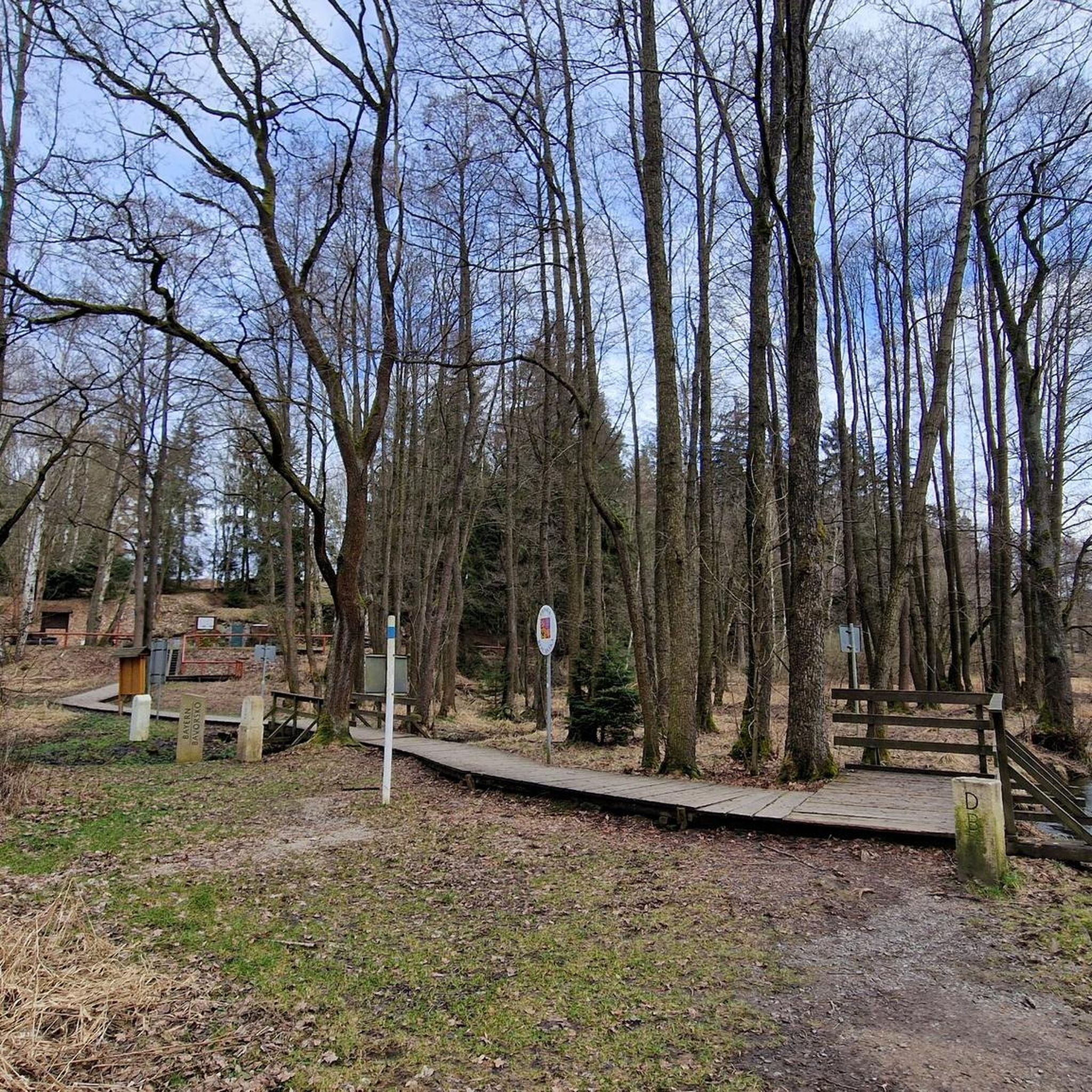
A moving place that invites you to pause and reflect. The memorial plaque and information point at Pabstleithen commemorate the fate of 57 families who were forcibly resettled between the 1950s and 1970s due to the proximity to the border. Where hikers now walk in the silence of the Green Belt, entire livelihoods were destroyed in the past.
14
0
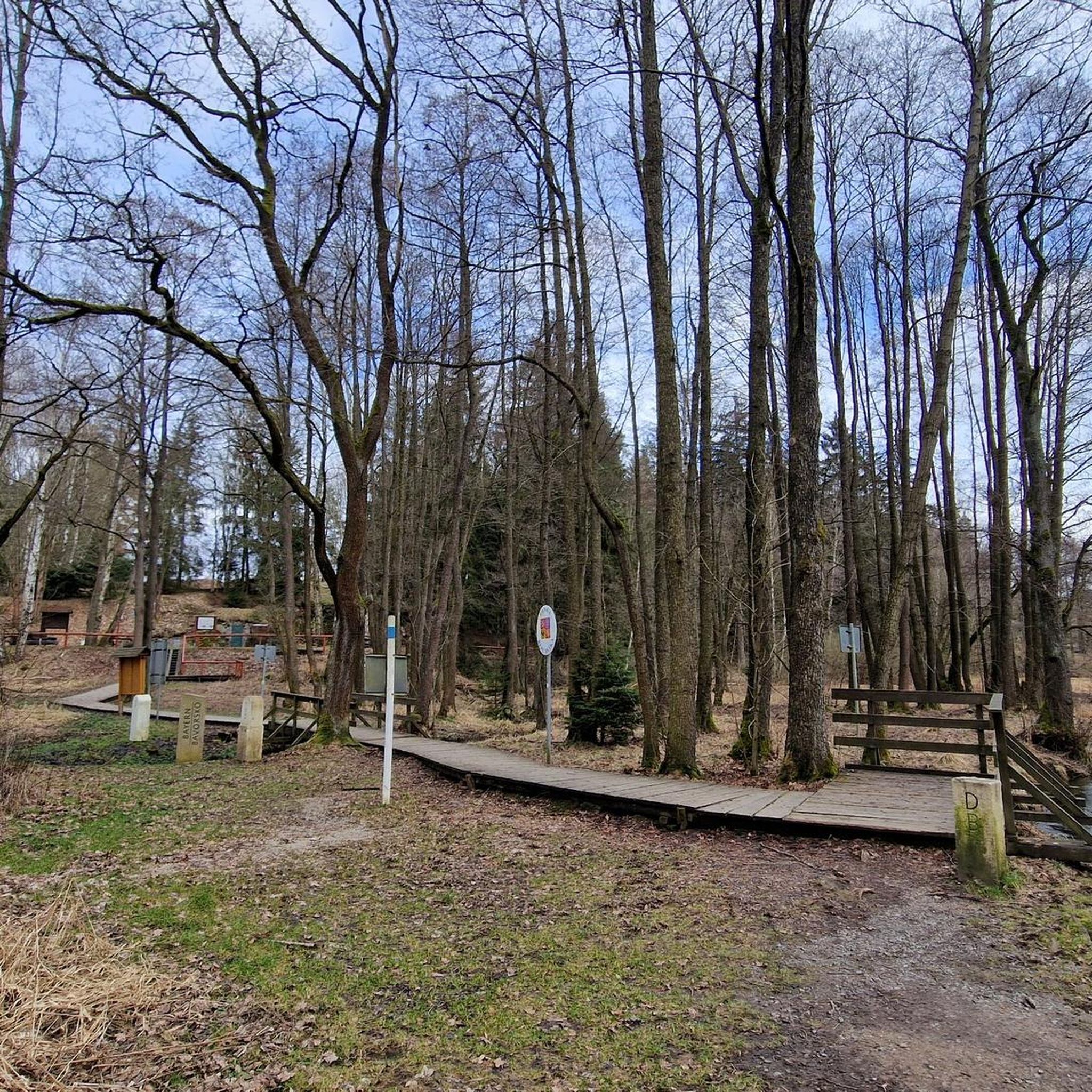
A highlight on the former death strip, which today connects the countries as the "Green Belt" lifeline. In addition to the historical border stones, the lovingly maintained soldier's grave on the German side is a silent witness to the past. The information boards on site provide a very clear explanation of the history of the surrounding deserted settlements.
15
0

You can easily take the on-demand bus to Papstleiten, then it's only a few kilometers to walk to km O.
2
0

Meanwhile, the money has been transferred to a Czech account, as the cash register has apparently been plundered several times. There is beer and snacks in it, as well as firewood.
4
0
The green belt or the Kolonnenweg is not an ideal hiking trail. The slabs with the partially unfilled holes are difficult to walk on. In addition, the border follows the terrain and is not well adapted to it. There are steep passages. The green belt has developed into a nature reserve and is therefore popular with hikers. Nevertheless, it is advisable not to just follow the slabs and instead meander around the hiking trails.
2
2
The green belt or the patrol path is not an ideal hiking trail. The slabs with the partially unfilled holes are difficult to walk on. In addition, the border follows the terrain and is not well adapted to it. There are steep passages. The green belt has developed into a nature reserve and is therefore popular with hikers. Nevertheless, it is advisable not to just follow the slabs and instead to meander around them.
3
1
People were driven out of their homes and villages everywhere along the inner-German border and the Czech border. On the GDR side, this was to build and secure the Iron Curtain. On the Czech side, this often happened after the end of the war, as the German border had moved westwards here. As a rule, the buildings were razed to the ground and not rebuilt. The fate of the family that lived here is well described and documented. Unfortunately, this was not an isolated case. From here, a detour to the vanished villages on the Czech side is recommended. Only two war memorials remain from one of the villages, and from the other, only a vault and the expiatory cross south of the border triangle.
3
1

Here you will find information about the expulsion, expropriation and fate of the former inhabitants of this region.
3
1
Frequently Asked Questions
What historical significance does the Dreiländereck region hold?
The Dreiländereck (Bavaria, Saxony, Czech Republic) is rich in history, particularly as a former border point between Austria-Hungary and the German Empire until 1918, and later as part of the Iron Curtain. You can visit the Tripoint Bavaria–Saxony–Czech Republic, which features information panels and a boundary stone from 1844. The area also includes the Dreiländereck on the German Green Belt, a significant ecological network along the former Iron Curtain, highlighting its past as a fortified border.
Are there specific monuments or landmarks marking the tripoint?
Yes, at the tripoint of Bavaria, Saxony, and the Czech Republic, you'll find a historic boundary stone from 1844 and information panels detailing the area's past. Another notable landmark is the Dreiländereck on the German Green Belt, where historical border stones and information boards explain the history of surrounding settlements that were affected by the border regime.
What is the Green Belt and its connection to Dreiländereck?
The Green Belt is an ecological network along the former Iron Curtain, and the Dreiländereck region marks its beginning. You can visit Kilometer 0 of the Green Belt Germany (Kolonnenweg / Signálka), which highlights its historical and ecological significance. This area, once a restricted border zone, is now a vibrant natural landscape offering opportunities for hiking and enjoying nature.
What kind of outdoor activities can I do near the Dreiländereck attractions?
The Dreiländereck area offers various outdoor activities, especially hiking and cycling. You can explore numerous trails that lead through the historic border landscape. For detailed routes, check out the guides for easy hikes in Dreiländereck, gravel biking in Dreiländereck, and road cycling routes in Dreiländereck.
Are there easy hiking trails suitable for all skill levels?
Yes, the region offers several easy hiking trails. For example, you can find routes like the 'Wayside cross near Gottmannsgrün – View of the Old Border Tower loop' or the 'Dreiländereck Signpost – Stream at the State Border loop' which are considered easy. These trails allow you to experience the natural beauty and historical sites without strenuous effort. You can find more options in the easy hikes in Dreiländereck guide.
Can I go cycling in the Dreiländereck area?
Absolutely! The Dreiländereck region is well-suited for cycling, with options for both gravel and road biking. You can find routes that take you through scenic landscapes and past historical points. Explore guides such as gravel biking in Dreiländereck and road cycling routes in Dreiländereck for detailed tour suggestions.
Are there family-friendly attractions in Dreiländereck?
Yes, several attractions in Dreiländereck are suitable for families. The Tripoint Bavaria–Saxony–Czech Republic offers an interesting historical lesson in a natural setting. The Memorial Plaque for Displaced Residents of Pabstleithen provides a poignant educational experience. Additionally, the unique Waldkühlschrank Dreiländereck, an honesty-box refreshment cabinet, can be a fun and surprising stop for all ages.
What natural features can I expect to see in Dreiländereck?
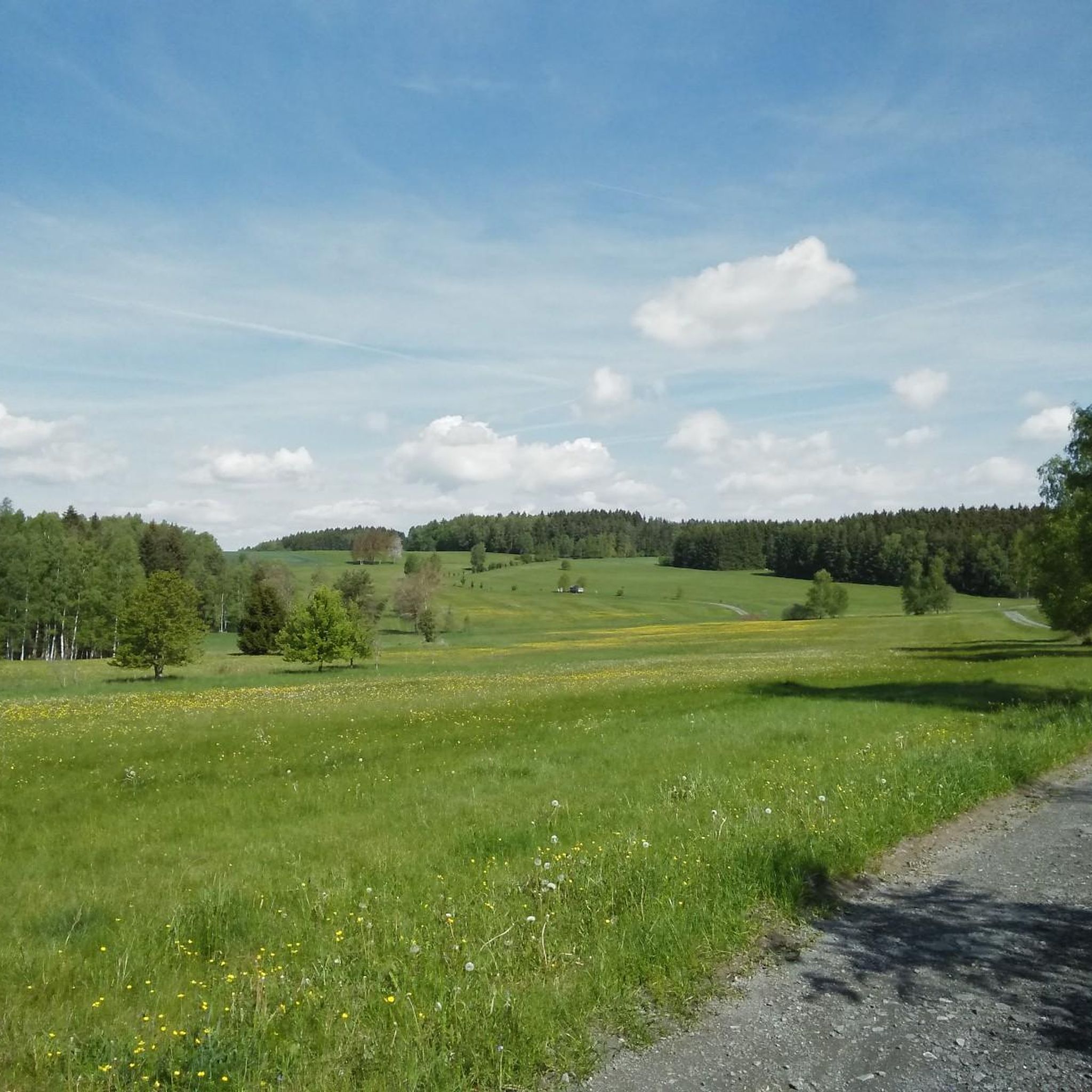
The Dreiländereck region is characterized by its natural beauty, particularly as part of the German Green Belt. You'll find forests, open landscapes, and the Rhine River in the Basel tripoint area. The region offers scenic views and opportunities to enjoy untouched nature, especially along the former border areas that have been reclaimed by wildlife.
What do visitors enjoy most about the Dreiländereck attractions?
Visitors particularly appreciate the historical significance and the natural beauty of the Dreiländereck. Many find the Tripoint Bavaria–Saxony–Czech Republic to be a very beautiful and historical place with well-preserved boundary stones and information panels. The Dreiländereck on the German Green Belt is valued for its historical context and the peaceful, untouched nature it now offers. The Memorial Plaque for Displaced Residents of Pabstleithen is often described as a moving place for reflection.
Are there any unique or 'hidden gem' attractions in the area?
A unique and charming 'hidden gem' is the Waldkühlschrank Dreiländereck. This forest refrigerator operates on an honesty-box system, offering drinks and snacks to hikers. It's a testament to local trust and a delightful surprise along the trails.
Is there a specific Dreiländereck location near Basel with attractions?
Yes, there is a prominent Dreiländereck near Basel where the borders of Switzerland, France, and Germany meet in the Rhine River. This location features a striking monument on the Swiss side and the Dreiländerbrücke (Three Countries Bridge), a pedestrian and bicycle bridge connecting Germany and France. The area around the monument has developed into a leisure spot with a bar and terrace overlooking the river.
What is the best time of year to visit Dreiländereck?
The Dreiländereck region can be enjoyed in various seasons. Spring and autumn offer pleasant temperatures for hiking and cycling, with beautiful foliage in the fall. Summer is ideal for outdoor activities and enjoying the leisure areas, such as the one near the Basel tripoint with its 'seaside spirit.' Even in late winter, the natural beauty of the historical sites is appreciated by visitors.
Most popular routes in Dreiländereck

Get inspired with the komoot mobile app


Explore more
Still not found the Highlight you’re looking for? See guides of the top attractions in other regions:
