The best MTB trails in Kerngebiet Im Nationalpark Bayerischer Wald
4.6
(5229)
16,394
riders
545
rides
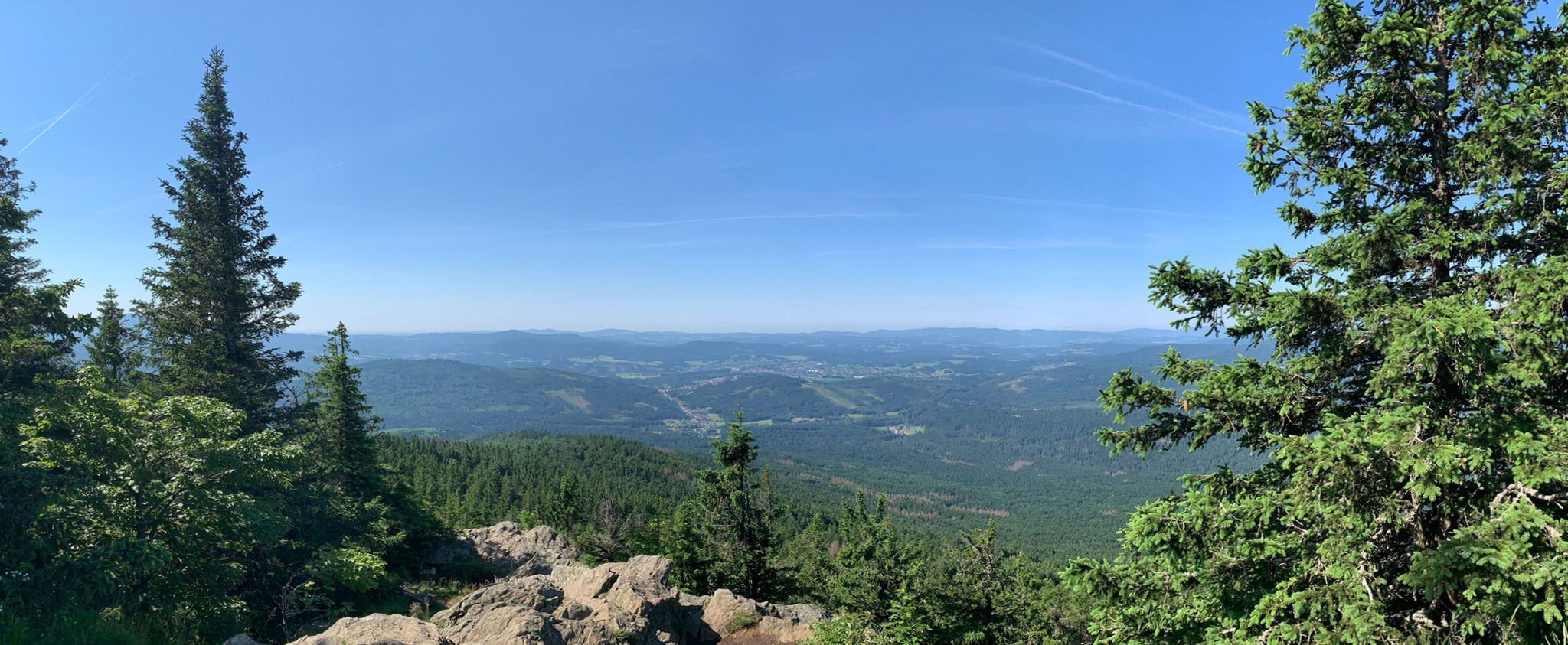
Mountain bike trails in Kerngebiet Im Nationalpark Bayerischer Wald traverse Germany's first and largest forest national park, characterized by expansive, wild forest landscapes. The region features ancient mixed mountain forests of fir, beech, and spruce, high-altitude spruce forests, and high moors. Impressive granite formations, such as the granite kuppe at the summit of the Lusen, are also prominent. This natural setting, guided by the philosophy of "Natur Natur sein lassen," offers varied terrain for mountain biking.
Best mountain bike trails…
Last updated: November 10, 2026
4.7
(333)
824
riders
Moderate mountain bike ride. Good fitness required. Advanced riding skills necessary.
4.5
(67)
194
riders
Moderate mountain bike ride. Good fitness required.

5.0
(10)
67
riders
15.9km
01:42
600m
600m
Moderate mountain bike ride. Good fitness required.
4.2
(9)
51
riders
38.3km
03:30
650m
650m
Hard mountain bike ride. Good fitness required. Advanced riding skills necessary. Some portions of the route may require you to push your bike.
4.7
(9)
21
riders
Easy mountain bike ride.
Get access to more routes and recommendations from other explorers.
Already have an account?
Our route recommendations are based on thousands of hikes, rides, and runs completed by other people on komoot.
Start today with a free account
Your next adventure awaits.
Popular around Kerngebiet Im Nationalpark Bayerischer Wald
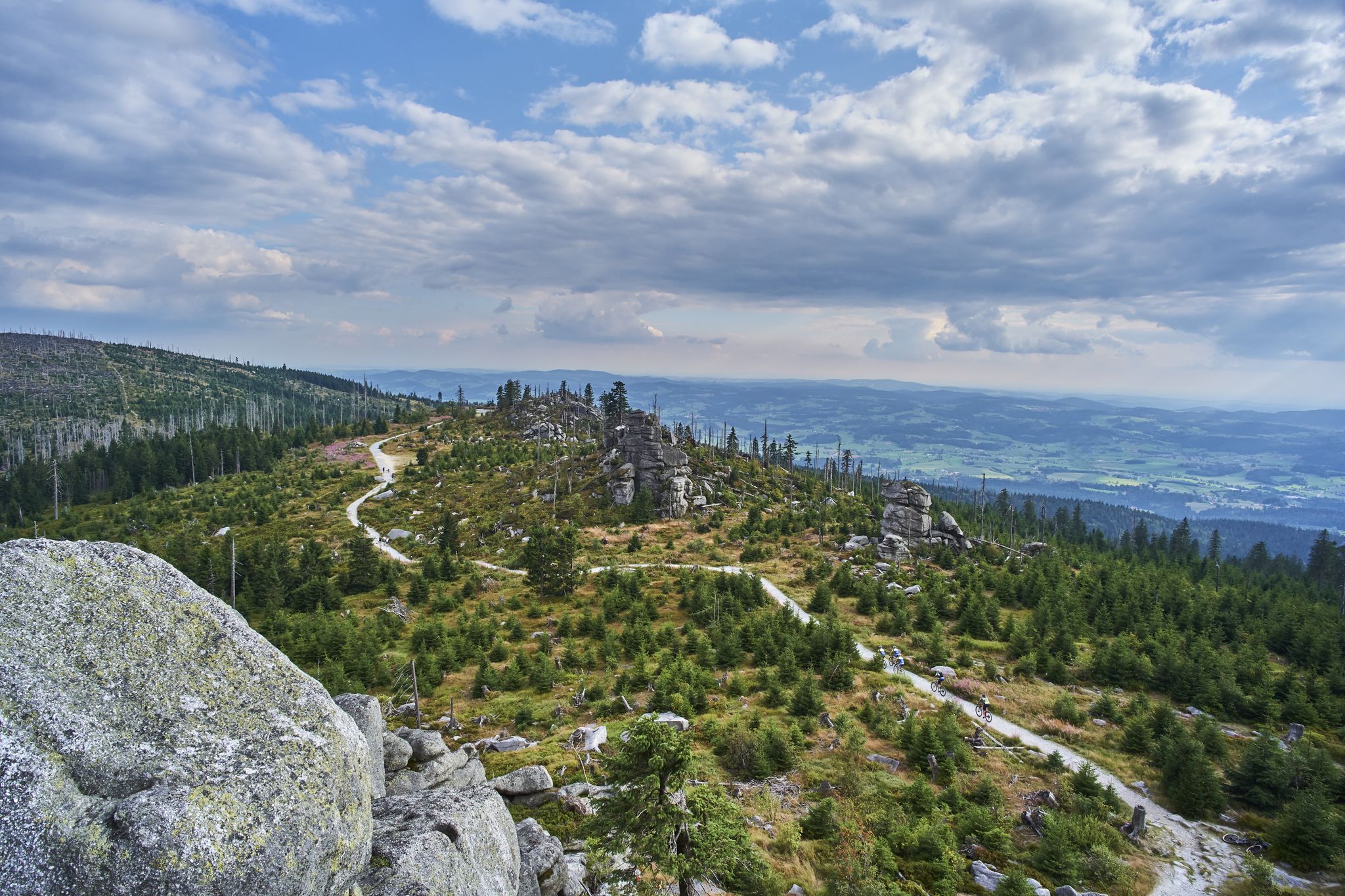
Trans Bayerwald – A mountain bike adventure through Bavaria's finest nature
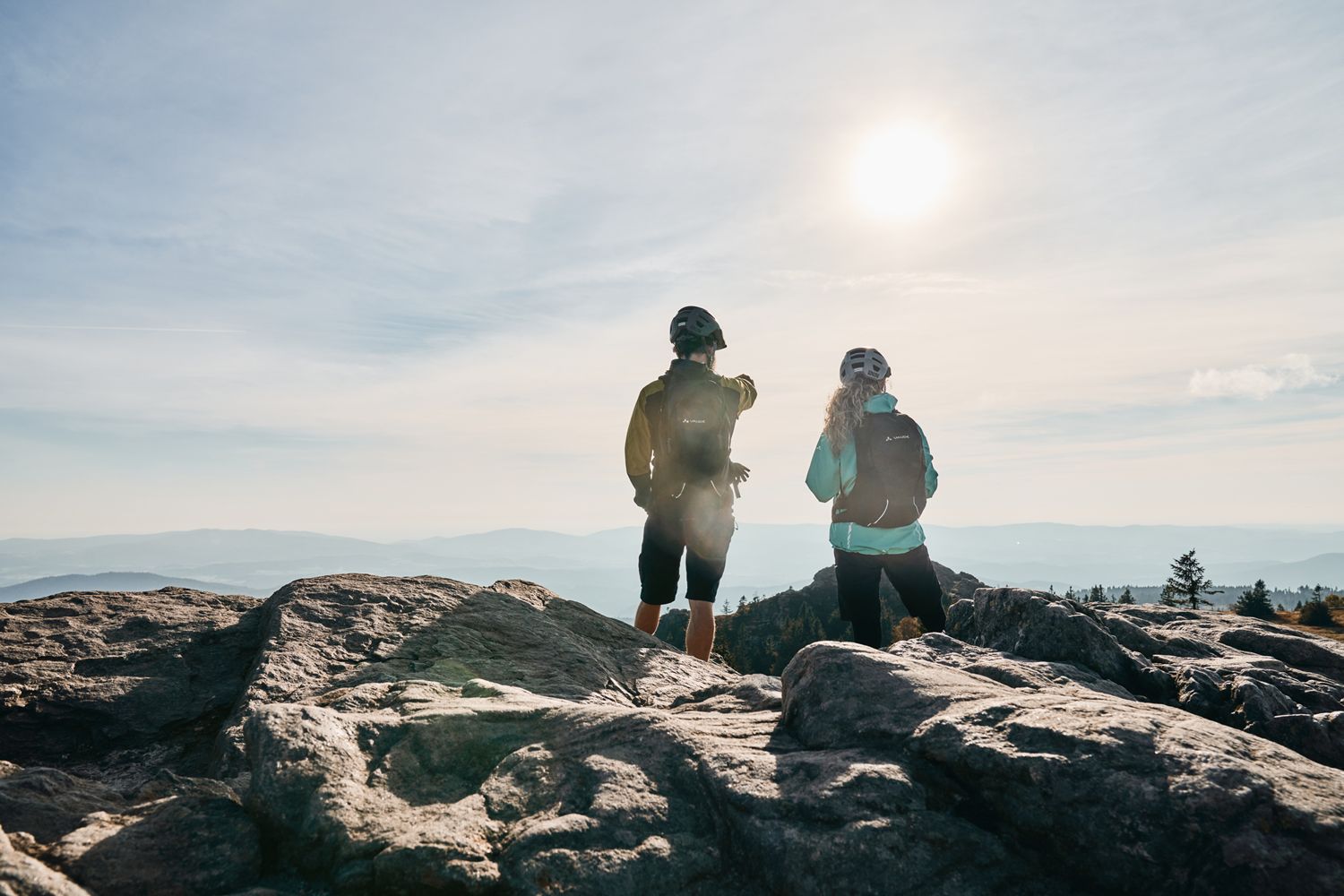
Trans Bayerwald Kurztour: Hüttentour, Romantik und wilde Natur
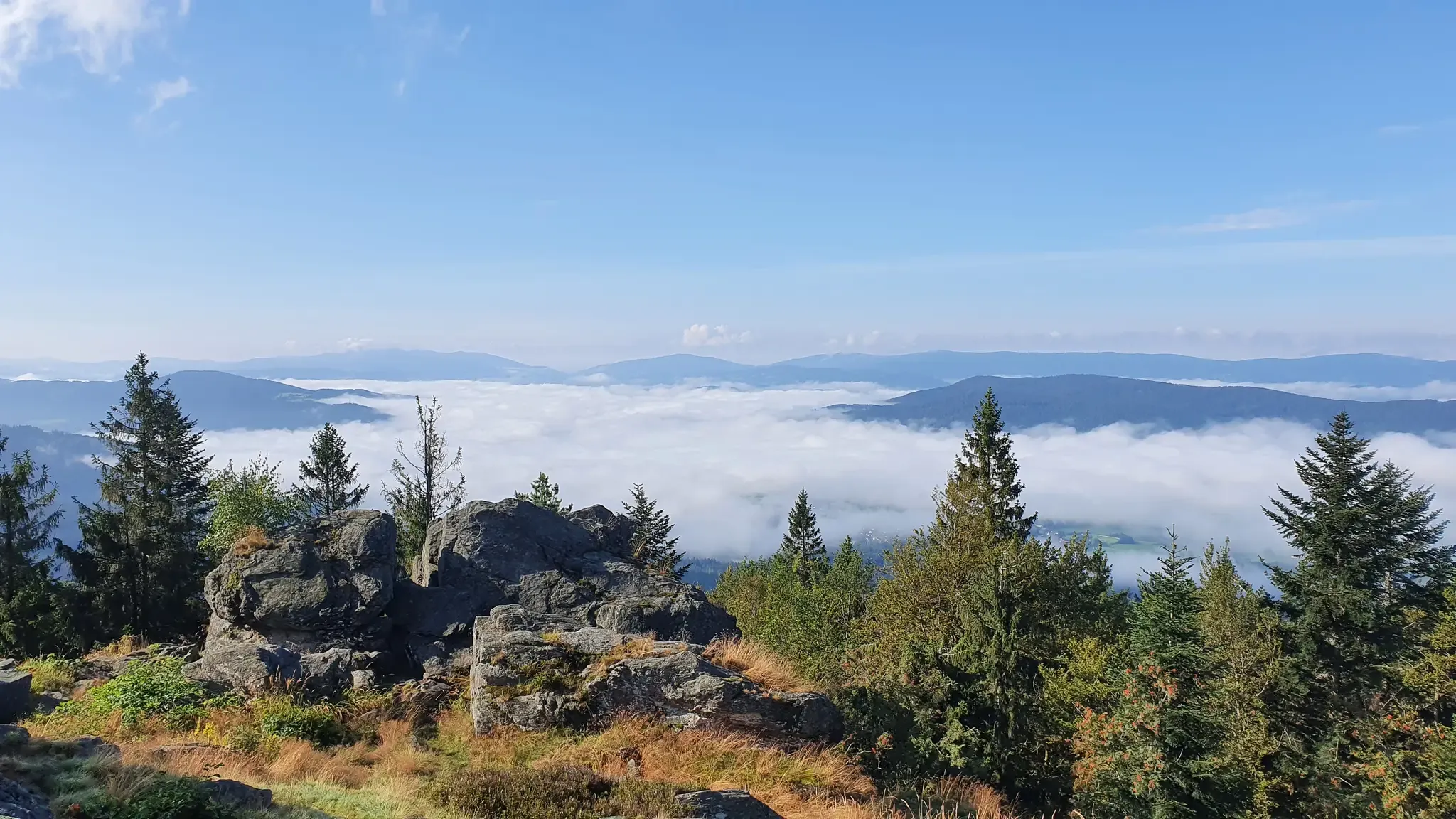
The Goldsteig – 38 stages between Upper Palatinate and Passau
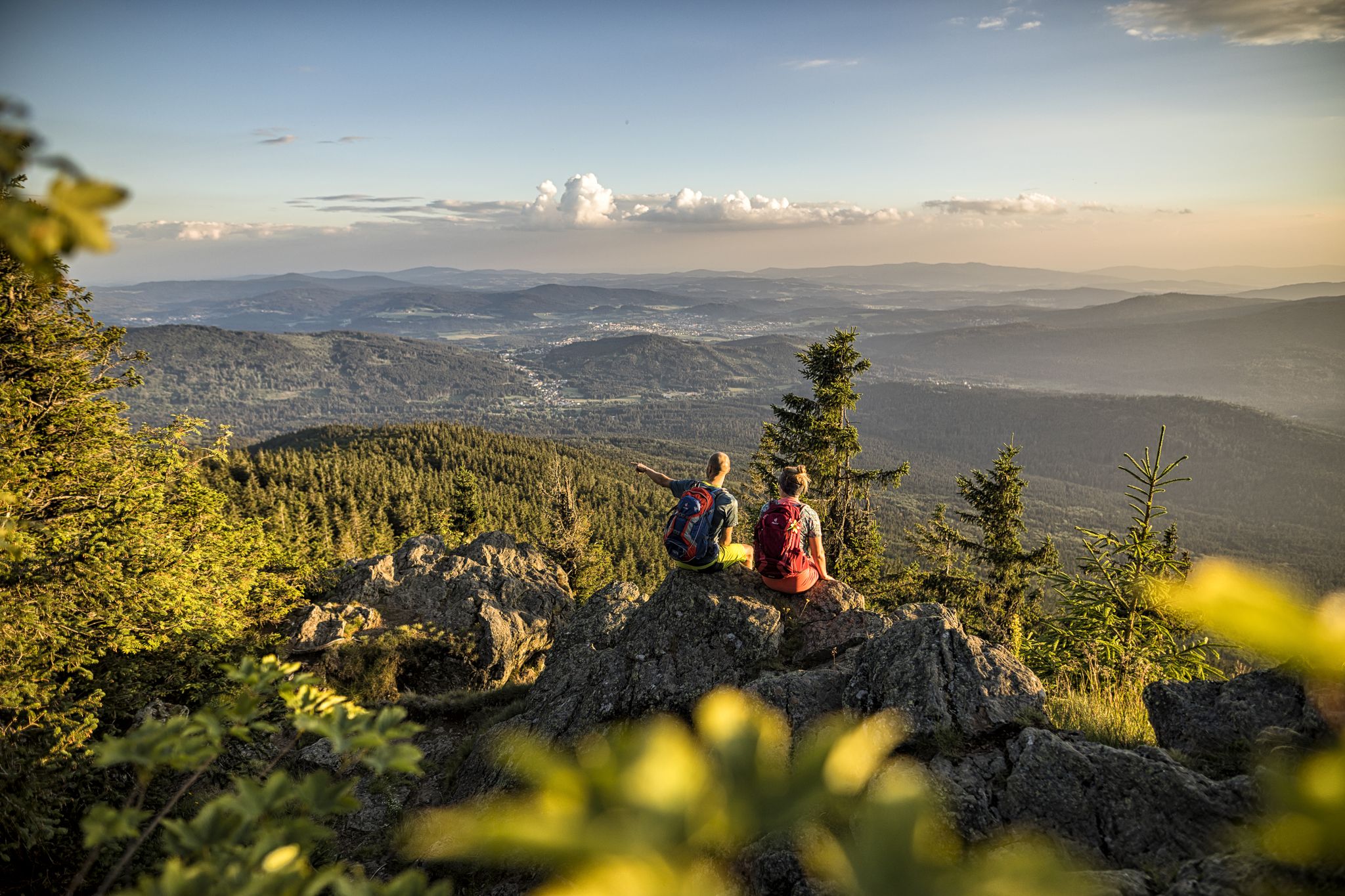
Hiking tips for the Bavarian Forest
Classic Dahoam in the Bavarian Forest
Triathlon around Germany
Discover the wild nature in the Bavarian Forest National Park on leisurely hikes
Lovely hikes in the Bavarian Forest National Park
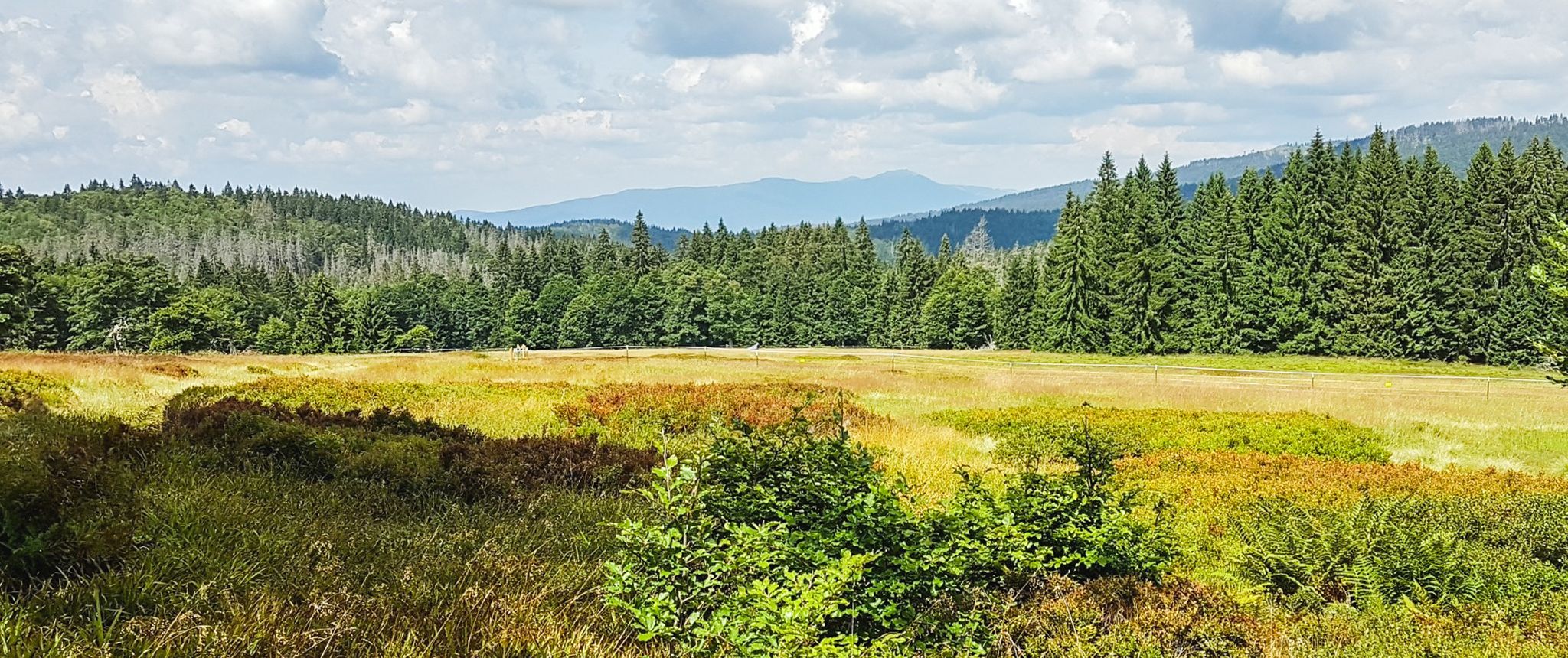
Let nature be nature – hiking in the Bavarian Forest
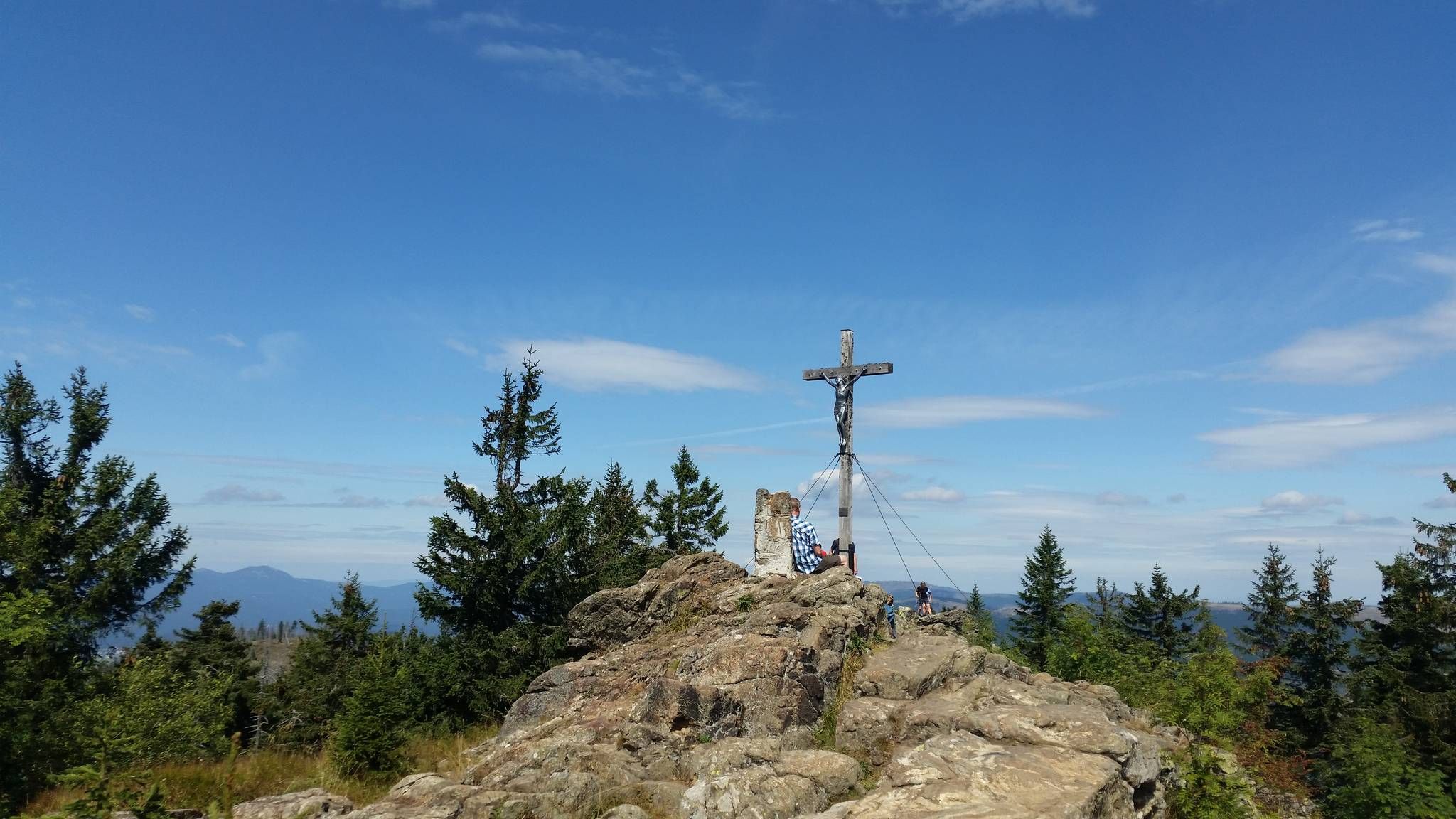
Eight thousand meter high mountains in the Bavarian Forest
Other adventures in Kerngebiet Im Nationalpark Bayerischer Wald


Tips from the Community

Buchenau Castle The estate was built starting in 1840 for the glass manufacturer and Imperial Knight Benedikt von Poschinger. After his death in 1856, he was succeeded by his son Ferdinand Friedrich Wilhelm, who expanded the estate between 1868 and 1870 in the Historicist style. After the glassworks went bankrupt in 1932, the castle remained unused for nine years. In 1942, it was purchased by the couple Erna Horn and Dr. Julius Arndt, who established an experimental kitchen and a cultural center there. After Erna Horn's death in 1982, the estate was inherited by two of her employees, the cook and the secretary. In 2006, the "Förderkreis Schloß Buchenau" (Friends of Buchenau Castle) acquired the castle. Following a renovation, it is now used as a cultural center, which includes the "Garden Market with Wild Garlic Festival" at the end of May, the "Gourmet Market" on October 3rd, and an annual Advent market. The castle is a two-story, neo-Gothic style building with a gable roof, stepped gables, corner oriels, and a roof turret. To the west, there is a columned portico. The ensemble includes the former administrator's house, a two-story gable-roofed building with gable balconies, built in a country house style. An associated washhouse with an ice cellar was built around 1900; it is a single-story, two-wing building with a hipped roof and corner rustication. The palm house dates from around 1870 and is a building with a half-hipped roof and a glazed south side. The greenhouse was also built around 1870, a long, flat gable-roofed building with a glass roof. Furthermore, it includes a bowling alley, a long, flat gable-roofed building constructed with timber framing over quarry stone walls, as well as a bee house. On the property, there is a grotto built of quarry stone. The courtyard wall is also made of quarry stone. The estate is embedded in a park in the style of an English landscape garden, which was laid out around 1870. Source: Excerpts from www.wikipedia.de
6
0

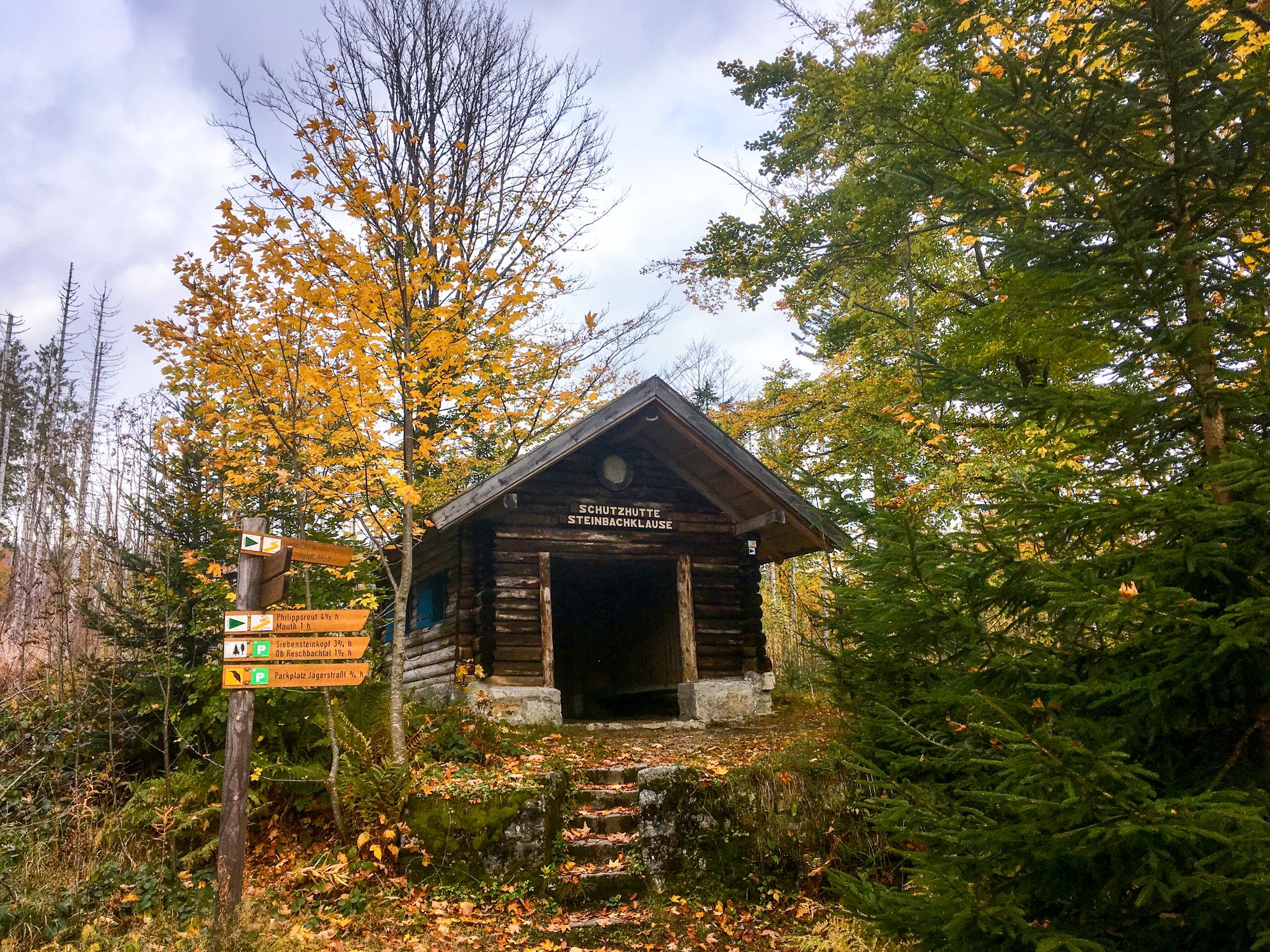
At an altitude of about 850 meters above sea level, there is this wooden hiking hut, open on one side, with a bench as shelter in bad weather. As the hut is located in the national park, overnight stays are strictly forbidden.
8
0
Centuries ago, an important trade route led across the border between Bavaria and Bohemia. During the Cold War, this came to an end: The Iron Curtain sealed the border. Barbed wire, barriers, and border guards separated the two countries. Today, the border is open again, and the Ferdinandsthal crossing connects the Bavarian Forest with the Šumava National Park. You can easily cross the border here on foot, by bike, or on skis.
9
0

Small waterfall with a bench for resting.
1
0

Unfortunately, the water level is now much lower.
0
0
A welcome opportunity to cool off a bit.
1
0
Nice to ride, not too strenuous but still nice through the forest
0
0

Enjoy with all senses
0
0
Frequently Asked Questions
How many mountain bike trails are available in Kerngebiet Im Nationalpark Bayerischer Wald?
There are 10 mountain bike trails in Kerngebiet Im Nationalpark Bayerischer Wald, offering a variety of experiences for different skill levels. Six of these routes are considered easy, while four are moderate.
What kind of terrain can I expect on mountain bike trails in Kerngebiet Im Nationalpark Bayerischer Wald?
The terrain is characterized by expansive, wild forest landscapes, including ancient mixed mountain forests, high-altitude spruce forests, and high moors. You'll also encounter impressive granite formations, such as the granite kuppe at the summit of the Lusen. The routes offer varied natural landscapes, from endless forest roads to more challenging trails.
Are there any easy mountain bike trails suitable for beginners?
Yes, there are several easy trails. For a pleasant ride, consider the Trifter Inn Schwellhäusl – Zwieseler Forest House loop from Zwieslerwaldhaus, which is about 17 km long and features gentle ascents and descents through the forest.
What are some of the longer mountain bike routes in the area?
For a longer ride, the Frauenau Drinking Water Reservoir – Frauenau Drinking Water Reservoir loop from Zwieslerwaldhaus covers 46.1 km, offering a moderate ride through diverse forest scenery. Another option is the Zwieseler Forest House – Schwell Pond loop from Zwieslerwaldhaus, which is 46.4 km long.
What are the regulations for mountain biking in Kerngebiet Im Nationalpark Bayerischer Wald?
The National Park operates under the philosophy of 'Natur Natur sein lassen' ('let nature be nature'). This means a strict 'Wegegebot' (path-only rule) applies in the core zone and sensitive areas to protect wildlife. Mountain biking is only permitted on designated and marked trails. Off-path mountain biking is strictly prohibited, especially between November 16th and July 14th.
Are there any circular mountain bike routes?
Yes, many of the trails are designed as loops. For example, the Zwieseler Forest House – Ruckowitzschachten loop from Zwieslerwaldhaus is a moderate 29.6 km circular trail leading through dense woodlands and open clearings.
What can I see along the mountain bike trails in Kerngebiet Im Nationalpark Bayerischer Wald?
While riding, you can experience the wild forest landscapes and potentially spot local wildlife. Notable natural attractions include the Lusen Summit, known for its granite kuppe, and the Großer Rachel Summit. You might also encounter the mystical Teufelsloch, a granite boulder field with an underground stream.
Are there any viewpoints accessible by mountain bike?
While direct mountain bike access to the highest summits might be restricted to hiking paths, many trails offer scenic vistas. For example, the View of Großer Arber – Schwellhäusl Trifter Inn loop from Zwieslerwaldhaus provides views towards the prominent Großer Arber mountain.
What do other mountain bikers enjoy most about the trails here?
The mountain bike trails in Kerngebiet Im Nationalpark Bayerischer Wald are highly rated by the komoot community, with an average score of 4.6 stars from over 4200 reviews. Riders often praise the immersive experience within the untouched forest wilderness, the well-maintained paths, and the opportunity to explore Germany's first and largest forest national park.
Can I bring my dog on the mountain bike trails?
The National Park's 'Natur Natur sein lassen' philosophy emphasizes wildlife protection. While dogs are generally allowed on designated trails, they must be kept on a leash at all times to prevent disturbance to the rich biodiversity, which includes rare animals like the lynx and capercaillie. Always check specific trail regulations before you go.
Are there any lakes or water features along the mountain bike routes?
Yes, the region features several beautiful lakes and weirs. You might encounter highlights such as Lake Rachel or the Höllbach Weir, offering picturesque spots to pause during your ride. However, access to some sensitive areas might be restricted to protect the natural environment.
Is the Kerngebiet Im Nationalpark Bayerischer Wald suitable for family mountain biking?
With six easy routes available, the area offers options for families. These trails typically feature less challenging terrain and shorter distances, allowing for a more relaxed experience. Always choose a route that matches the skill level and endurance of all family members.
What is the best season for mountain biking in Kerngebiet Im Nationalpark Bayerischer Wald?
The best season for mountain biking is generally from spring to autumn. During these months, the weather is more favorable, and the trails are typically clear of snow and ice. Be aware of the 'Wegegebot' regulations, especially between November 16th and July 14th, which are in place to protect wildlife during sensitive periods.
Most popular routes in Kerngebiet Im Nationalpark Bayerischer Wald
Most popular attractions in Kerngebiet Im Nationalpark Bayerischer Wald

Get inspired with the komoot mobile app


Explore more
Browse the best MTB trails in other regions.
