Naturschutzgebiet Wildnisgebiet Dürrenstein
Naturschutzgebiet Wildnisgebiet Dürrenstein
Attractions and Places To See in Naturschutzgebiet Wildnisgebiet Dürrenstein - Top 6
Best attractions and places to see in Naturschutzgebiet Wildnisgebiet Dürrenstein, officially known as Wildnisgebiet Dürrenstein-Lassingtal, is a UNESCO World Heritage site in Austria. This region is home to Central Europe's largest remaining primeval forest, the Rothwald, and features karstic alpine landscapes. The area offers diverse ecosystems, including ancient forests, meandering streams, and moors, supporting a rich biodiversity. It is primarily focused on preserving its pristine natural environment.
Best attractions and places to see in Naturschutzgebiet Wildnisgebiet Dürrenstein
- The most popular…
Last updated: August 2, 2026
Dürrenstein
Highlight • Summit
Translated by Google •
Tip by

Ringkogel
Highlight • Summit
Translated by Google •
Tip by

Sign up now to discover places like this
Get recommendations on the best single tracks, peaks, & plenty of other exciting outdoor places.
Sign up for free
Owl Trail in Dürrenstein-Lassingtal Wilderness Area
Highlight (Segment) • Trail
Translated by Google •
Tip by

End of the Eulenweg Trail
Highlight • Trail
Translated by Google •
Tip by
Mountain Rescue Hut with Landing Site
Highlight • Mountain Hut
Translated by Google •
Tip by
Start today with a free account
Your next adventure awaits.
Login or Signup
Popular around Naturschutzgebiet Wildnisgebiet Dürrenstein
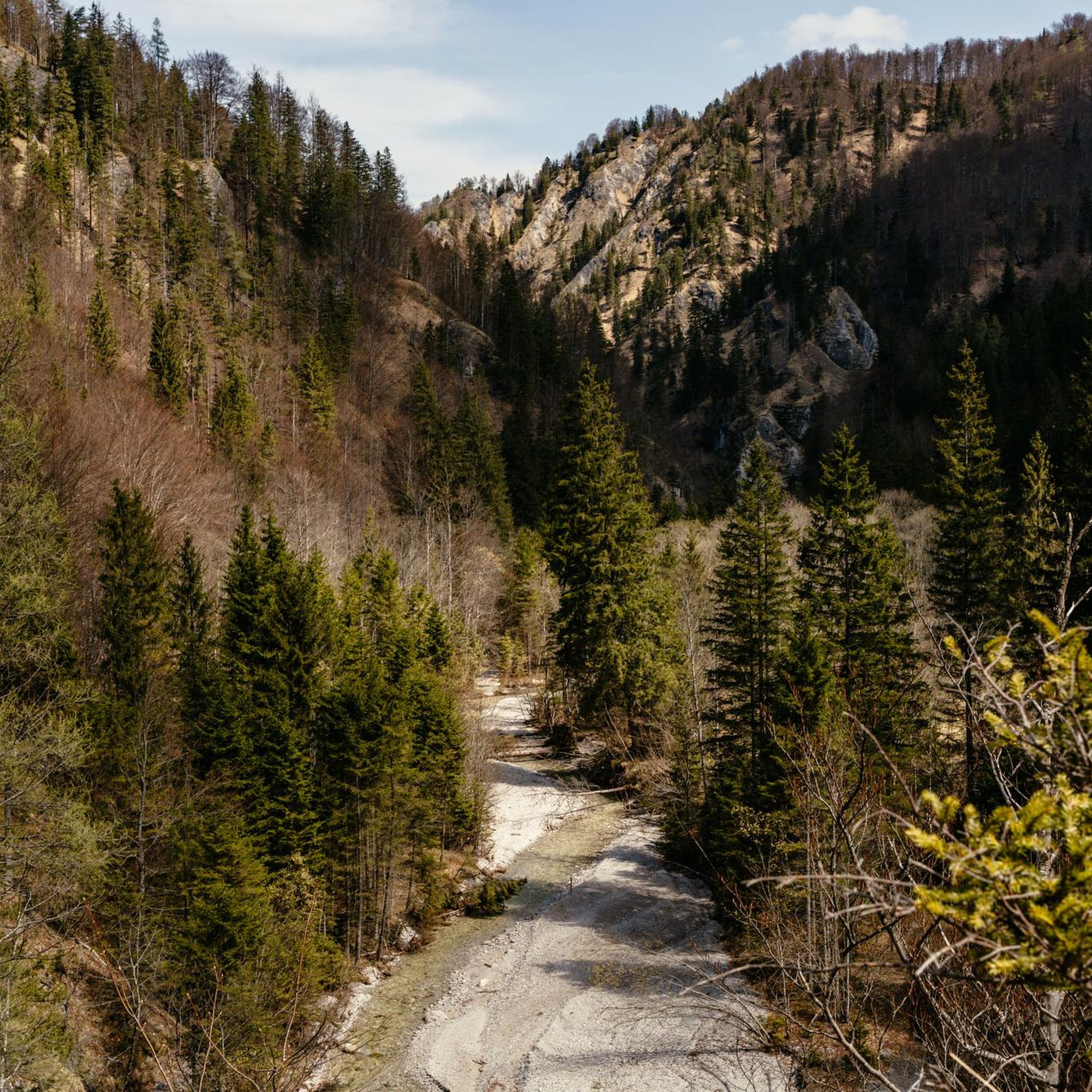
Cycling in Naturschutzgebiet Wildnisgebiet Dürrenstein
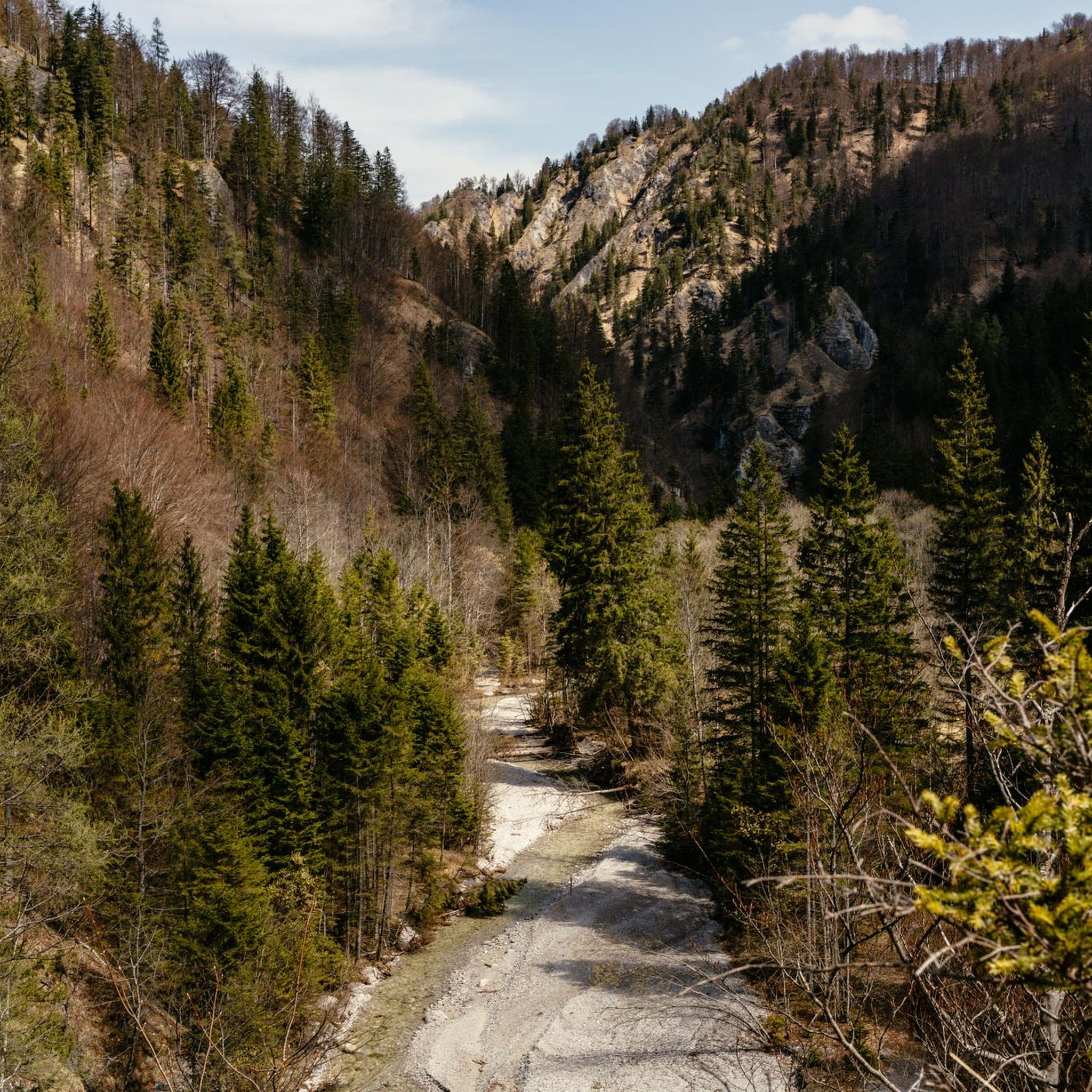
MTB Trails in Naturschutzgebiet Wildnisgebiet Dürrenstein
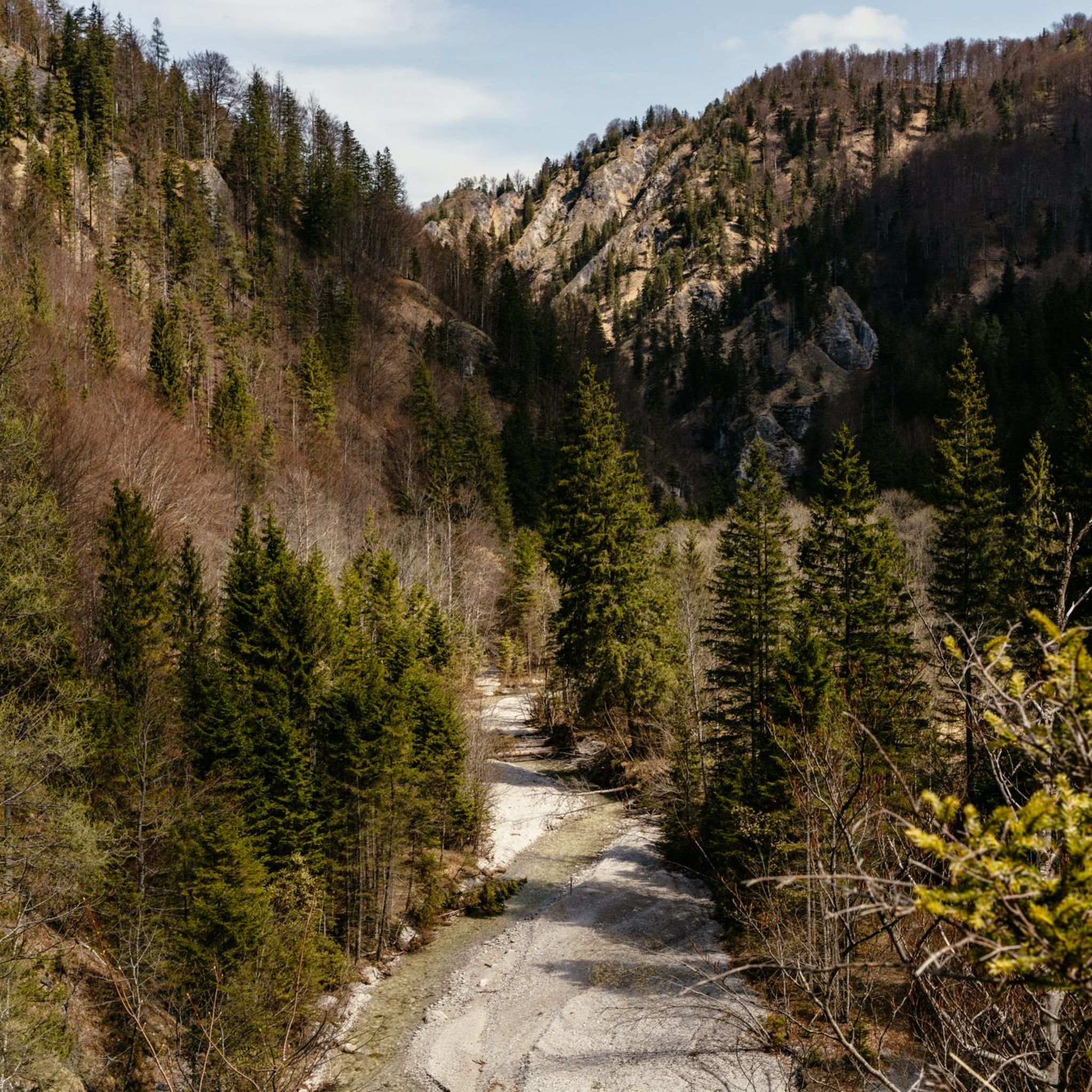
Hiking in Naturschutzgebiet Wildnisgebiet Dürrenstein
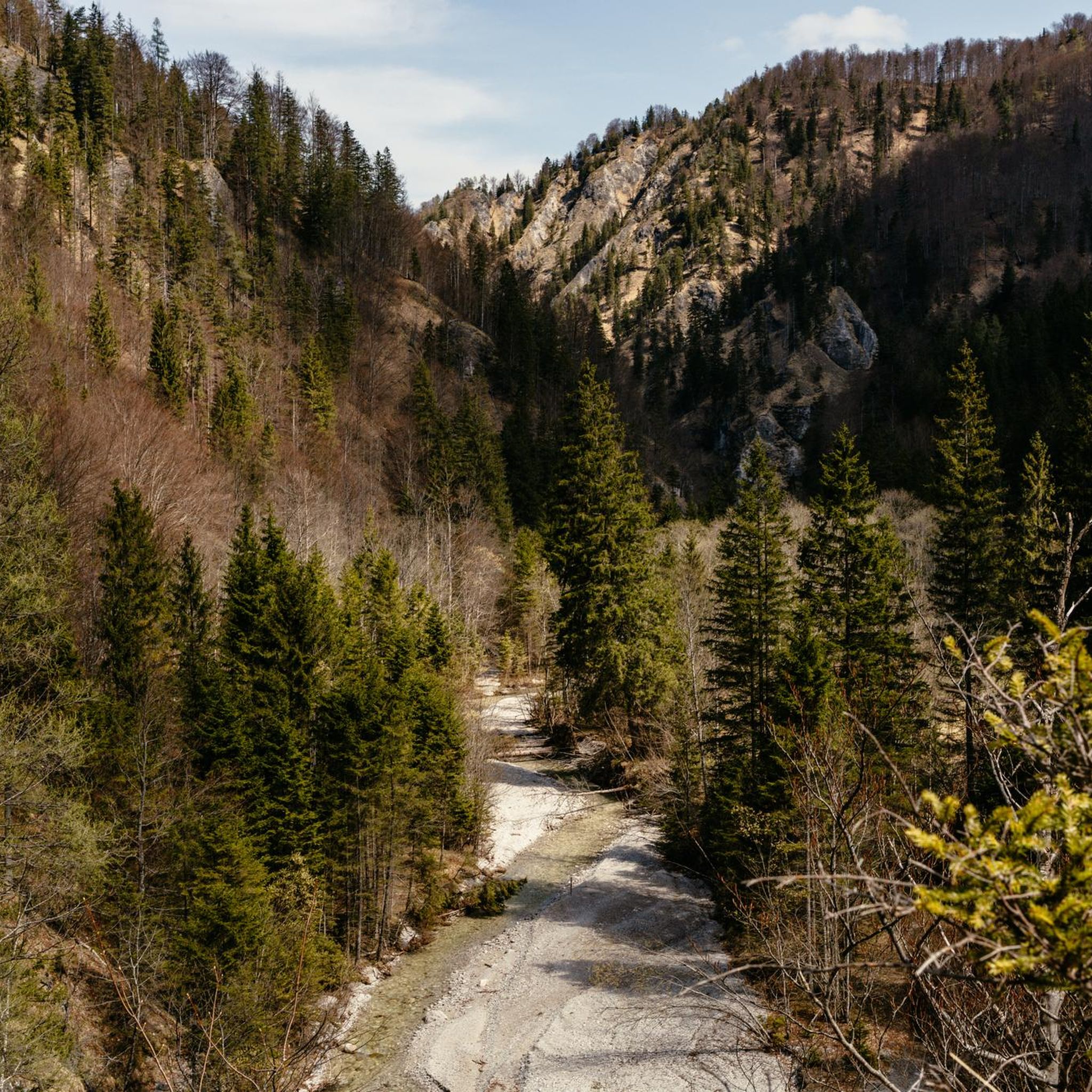
Road Cycling Routes in Naturschutzgebiet Wildnisgebiet Dürrenstein
Mountain Hikes in Naturschutzgebiet Wildnisgebiet Dürrenstein
Running Trails in Naturschutzgebiet Wildnisgebiet Dürrenstein
Tips from the Community

The German narrator and poet Reinhold BRAUN (1879-1959) recommended a deep, blissful summit rest to the mountain hiker in the following poem: „Some climb the mountain in haste and take too short a summit rest and see neither beauty nor sunshine, they just want to have been 'up there', and return with everyday senses and outlook to the valleys of life. Do you truly want to be blessed, your soul to wander bright and pure: Enjoy what you have hiked for, in a deep, blissful summit rest!“
0
0

Even further back at the end of the valley at Freiengraben and Geißgraben is the wonderful nature cinema
0
0

The Dürrenstein, at 1878 m high, is located in the UESCO World Heritage Site of the Dürrenstein Wilderness Area. The 11th stage of the Luchstrail leads from Göstling over the Dürrenstein to Lunz/See. It is a lonely mountain with a very long climb. There is the possibility of spending the night at the Ybbstalhütte to split up the long climb.
0
0

Beautiful place to take a little break
1
0
very nice place for a rest!
1
0


A good opportunity to take a short break here before the steeper part of the ascent to the Dürrenstein begins.
5
0
dream summit. And not as crowded as the Ötscher.
6
1
Frequently Asked Questions
What are some prominent natural features to explore in the Naturschutzgebiet Wildnisgebiet Dürrenstein?
The region is renowned for its unique natural environment. You can explore the karstic alpine landscapes around the Dürrenstein summit, ancient forests with firs and spruces over 500 years old, and copper beeches over 400 years old. The area also features meandering streams, gravel banks, and original moors. While the Rothwald Primeval Forest is strictly protected, nearby natural attractions like Lake Lunz (Lunzer See) are popular for their scenic beauty.
Are there any specific viewpoints offering panoramic vistas in the wilderness area?
Yes, the Dürrenstein summit, at 1,878 meters, offers an impressive 360° panorama and is a key feature of the landscape. Another excellent spot is Ringkogel, known for its superb views of the surrounding mountains, including Dürrenstein, Gesäuse, Hochkar, and Schneeberg.
What kind of hiking trails are available for visitors in the Naturschutzgebiet Wildnisgebiet Dürrenstein?
While access to the deepest primeval forest is restricted, there are designated hiking trails that allow visitors to experience the wilderness. Popular options include the Owl Trail in Dürrenstein-Lassingtal Wilderness Area, which features stations explaining owl habitats, and the 'Moorweg' (Moor Trail). The long-distance Lynx Trail also passes through a section of the wilderness area, leading up to the Dürrenstein summit.
Are there easy or family-friendly hiking options in the wilderness area?
Yes, the Owl Trail in Dürrenstein-Lassingtal Wilderness Area is specifically designed to be family-friendly, with interactive stations. For other easy hikes, you can explore routes like the Rothschild Pond loop or the Leckermoor Boardwalk, which are suitable for beginners and families. You can find more details on easy hikes in the region on the Easy hikes in Naturschutzgebiet Wildnisgebiet Dürrenstein guide.
What is the best time of year to visit the Naturschutzgebiet Wildnisgebiet Dürrenstein?
The best time to visit largely depends on your preferred activities. Spring and autumn offer pleasant temperatures for hiking and vibrant natural colors. Summer is ideal for exploring the higher alpine areas and enjoying the lush greenery. Winter provides opportunities for snowshoeing or ski touring, particularly on routes like the Ringkogel, though some areas may be less accessible due to snow.
Is it possible to visit the Rothwald Primeval Forest?
The Rothwald Primeval Forest is a strictly protected area and access is limited to preserve its unique ecosystem. Entry is primarily available through guided hikes with trained rangers, which offer insights into its ecology and biodiversity. These guided tours ensure minimal disturbance to this ancient, undisturbed forest.
Where can I learn more about the primeval forest and its ecology?
The House of Wilderness (Haus der Wildnis) in Lunz am See serves as an information and education center. It's an interactive museum and research hub that provides unique insights into the primeval forest through modern technology, making complex natural interrelationships accessible to all ages.
Are there opportunities for other outdoor activities besides hiking?
Yes, the region offers various outdoor activities. You can find numerous road cycling routes, such as the 'Lunzer See – Ybbstal Cycle Path loop', which is a moderate ride. There are also running trails, including challenging routes like the 'Noten – Ybbstaler Hütte loop'. For more options, explore the Road Cycling Routes and Running Trails in Naturschutzgebiet Wildnisgebiet Dürrenstein guides.
What facilities are available for hikers, such as mountain huts?
The Ybbstalerhütte is a notable mountain hut in the area, providing a place for refreshment and overnight stays, especially after hiking to the Dürrenstein or Notengipfel. There is also a Mountain Rescue Hut with Landing Site, which offers a good opportunity for a short break before more challenging ascents.
What wildlife might I encounter in the Naturschutzgebiet Wildnisgebiet Dürrenstein?
The untouched nature of the wilderness area provides a habitat for diverse wildlife. You might spot rare species such as lynx, golden eagles, snow voles, Alpine shrews, brown long-eared bats, black grouse, and white-backed woodpeckers. The abundance of deadwood also supports a rich population of mushroom, moss, lichen, and beetle species.
What do visitors particularly enjoy about the Naturschutzgebiet Wildnisgebiet Dürrenstein?
Visitors frequently praise the breathtaking panoramic views from summits like Dürrenstein and Ringkogel. The tranquility and pristine nature are highly valued, with many finding the area perfect for recharging and enjoying quiet moments. The educational aspects of trails like the Owl Trail are also appreciated, especially by families.
Are there any specific rules or permits required to enter certain parts of the wilderness area?
Yes, to protect the unique ecosystem, access to strictly protected areas, particularly the Rothwald Primeval Forest, is limited and generally requires participation in guided hikes with trained rangers. For other designated hiking trails, standard rules of nature conservation apply, such as staying on marked paths and not disturbing wildlife.
Most popular routes in Naturschutzgebiet Wildnisgebiet Dürrenstein

Get inspired with the komoot mobile app


Explore more
Still not found the Highlight you’re looking for? See guides of the top attractions in other regions:
