Attractions and Places To See around Glücksburg - Top 20
Best attractions and places to see around Glücksburg include a blend of historical sites, natural landscapes, and coastal features. Situated on the Flensburg Fjord in northern Germany, the region offers diverse attractions. Visitors can explore a historic water castle, extensive forests, and the scenic fjord coastline. The area provides opportunities for both cultural exploration and outdoor activities.
Best attractions and places to see around Glücksburg
- The most popular attractions is Schusterkate Border Crossing (Germany–Denmark), a bridge that connects Germany…
Last updated: July 21, 2026
Flensburg Museum Harbor
Highlight • Historical Site
Translated by Google •
Tip by

Schusterkate Border Crossing (Germany–Denmark)
Highlight • Bridge
Translated by Google •
Tip by

Sign up now to discover places like this
Get recommendations on the best single tracks, peaks, & plenty of other exciting outdoor places.
Sign up for free
Glücksburg Castle
Highlight • Castle
Translated by Google •
Tip by

Langballigau Harbour
Highlight • Structure
Translated by Google •
Tip by

Bike path along the Flensburg Fjord
Highlight • Cycleway
Translated by Google •
Tip by

Sign up for free to discover even more attractions around Glücksburg.
Sign up for free
Already have an account?
Start today with a free account
Your next adventure awaits.
Login or Signup
Popular around Glücksburg
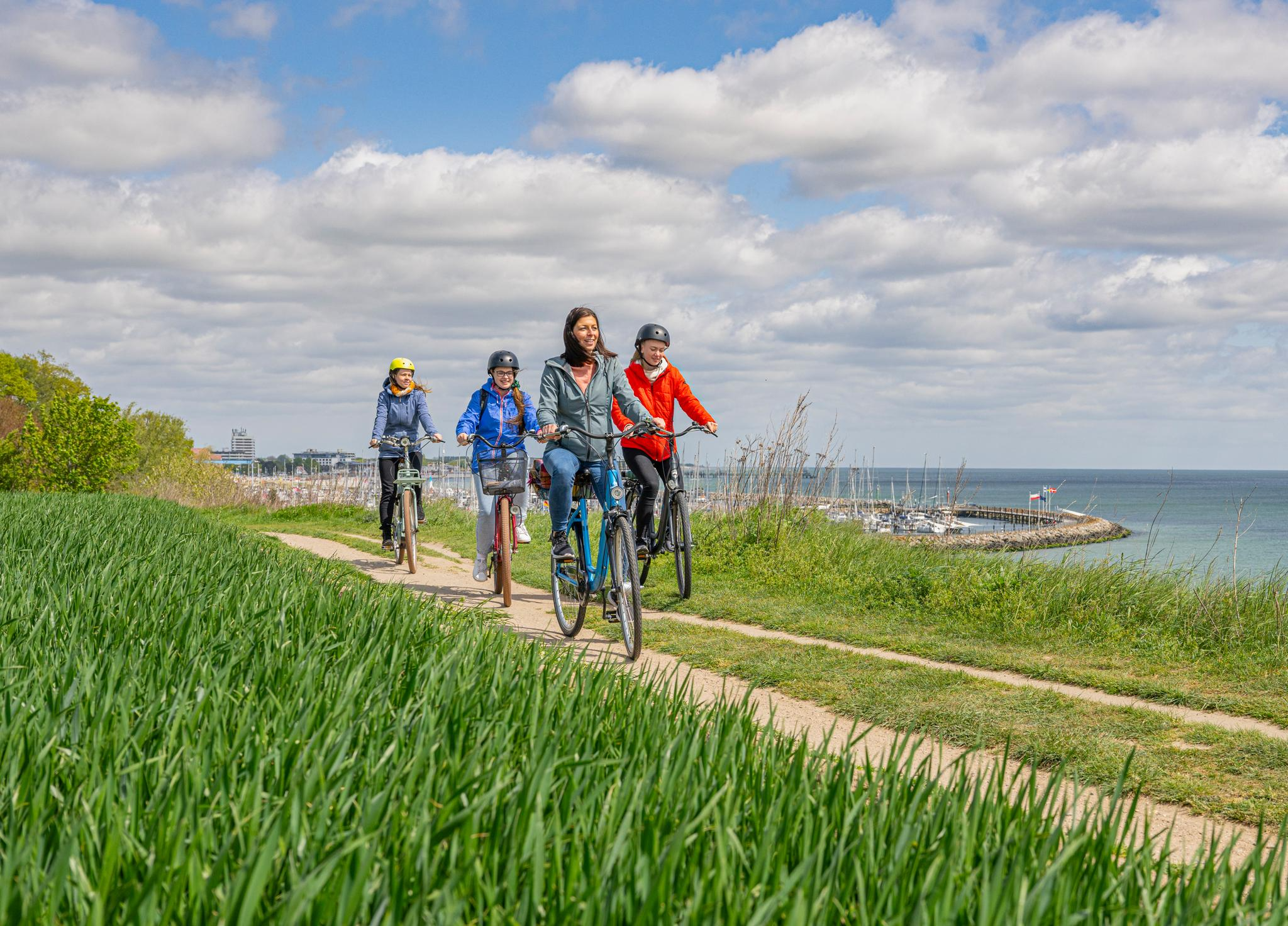
Baltic Sea Coast Cycle Route – Schleswig-Holstein's most popular long-distance cycle route
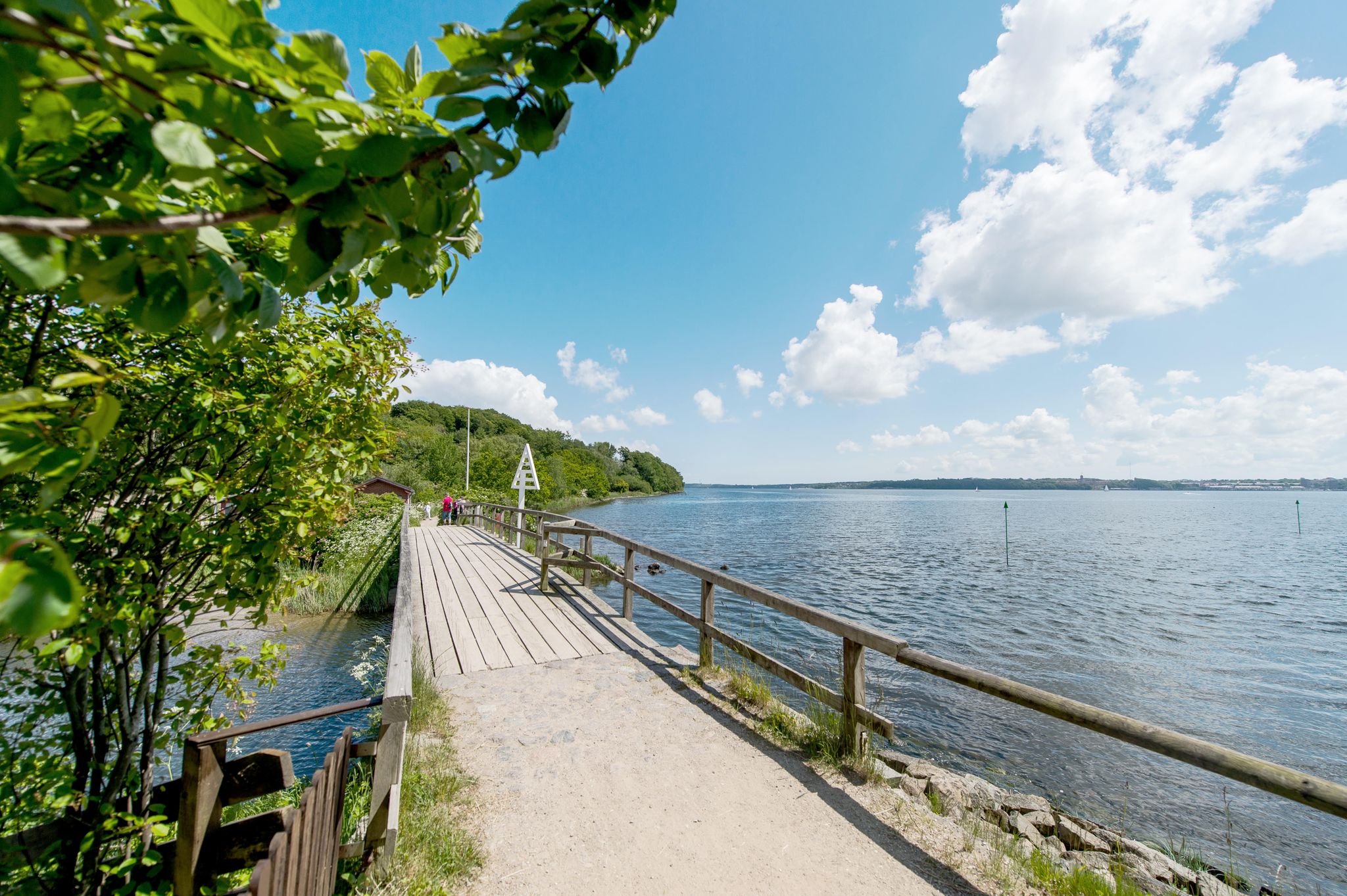
Two countries, one region – cycling Tours on the Flensburg Fjord
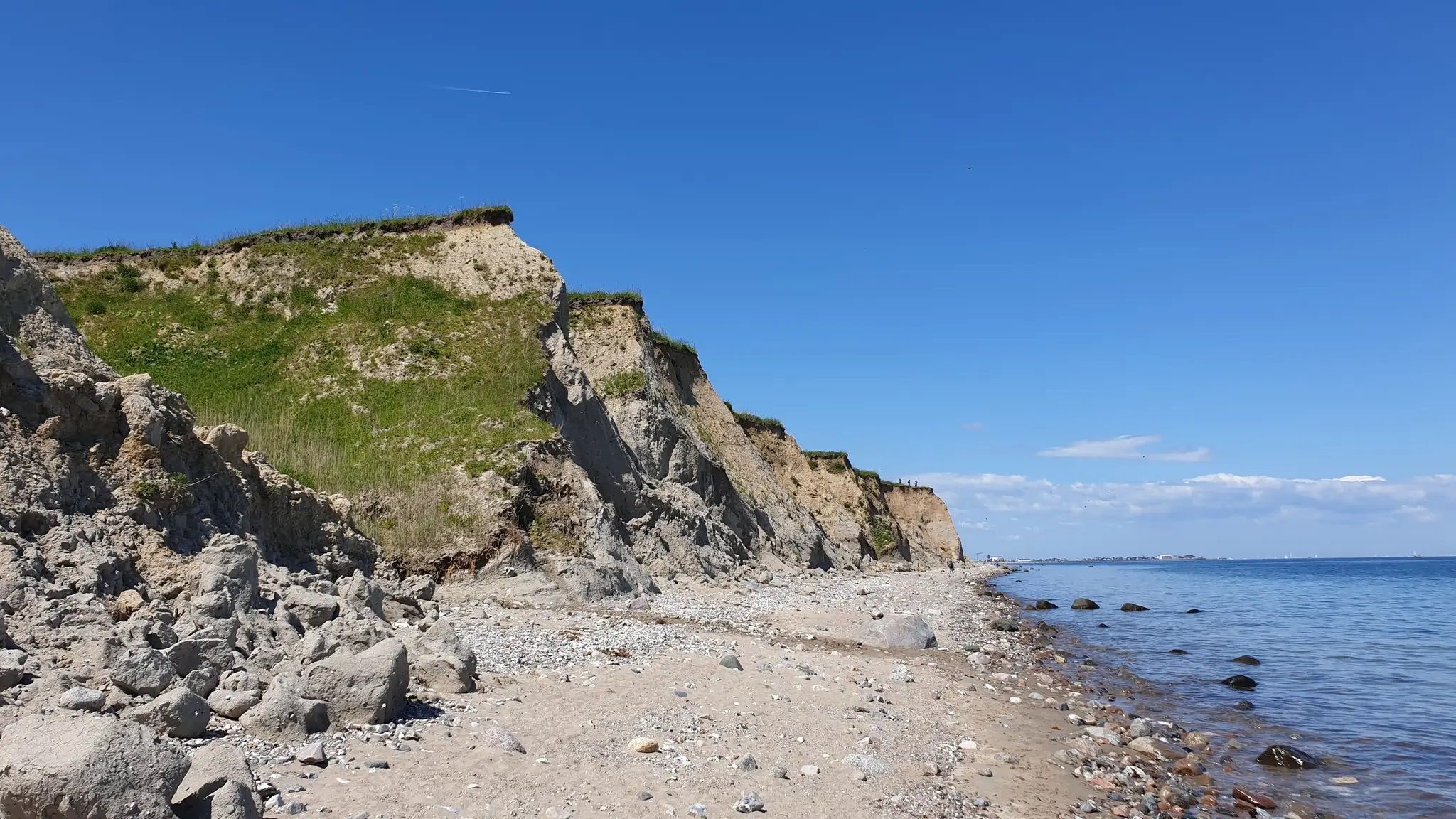
Baltic Sea – wanderlust by the coast
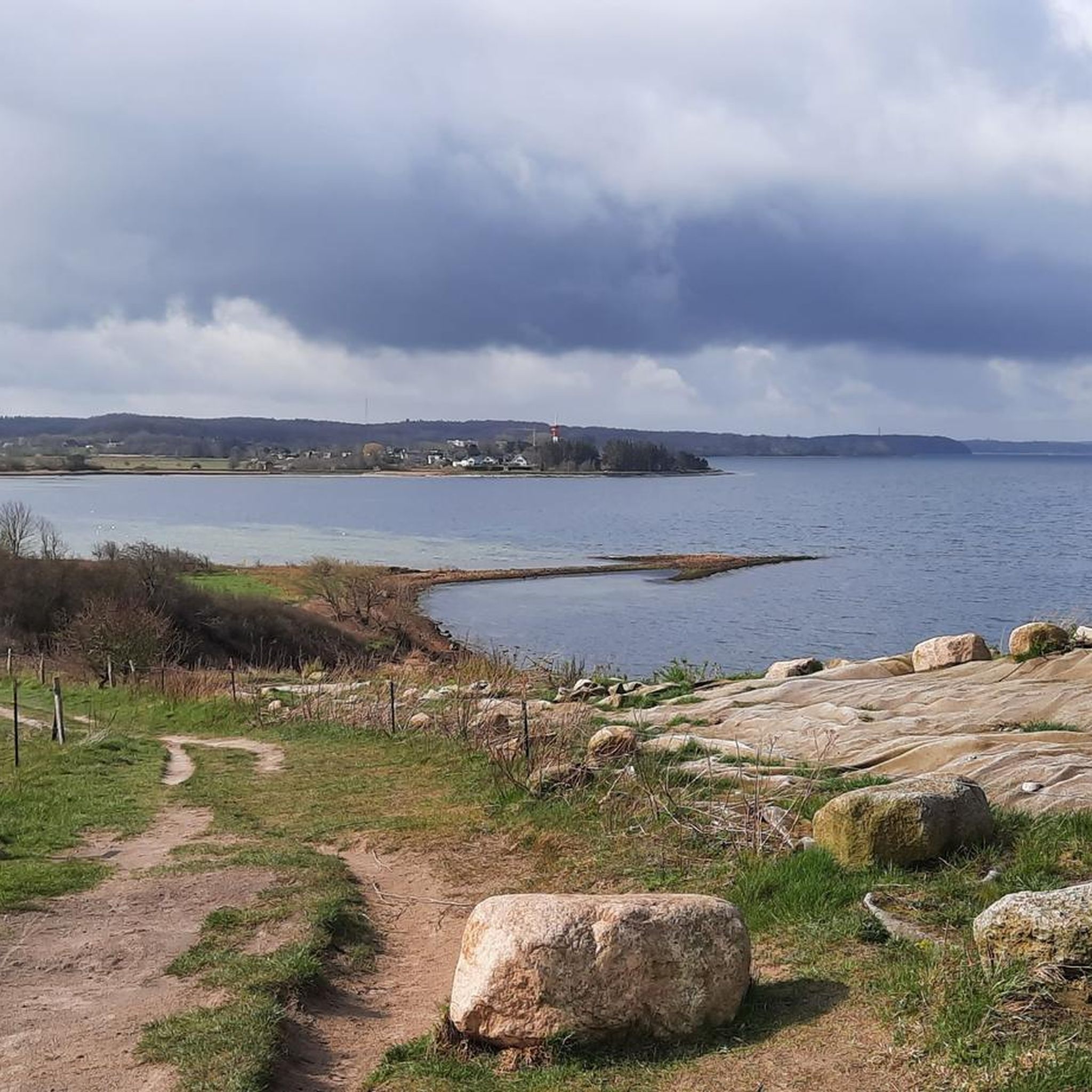
Hiking around Glücksburg
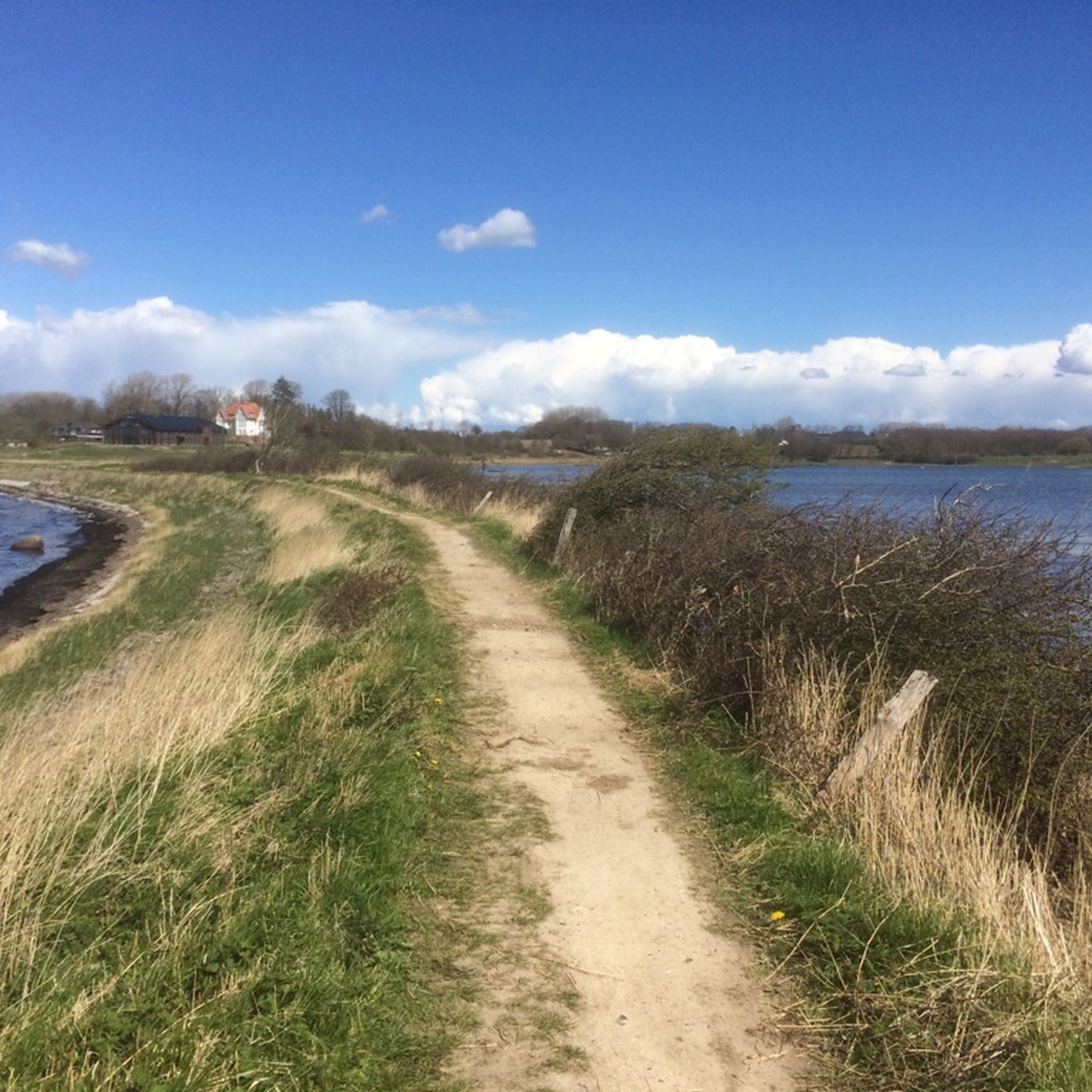
Cycling around Glücksburg
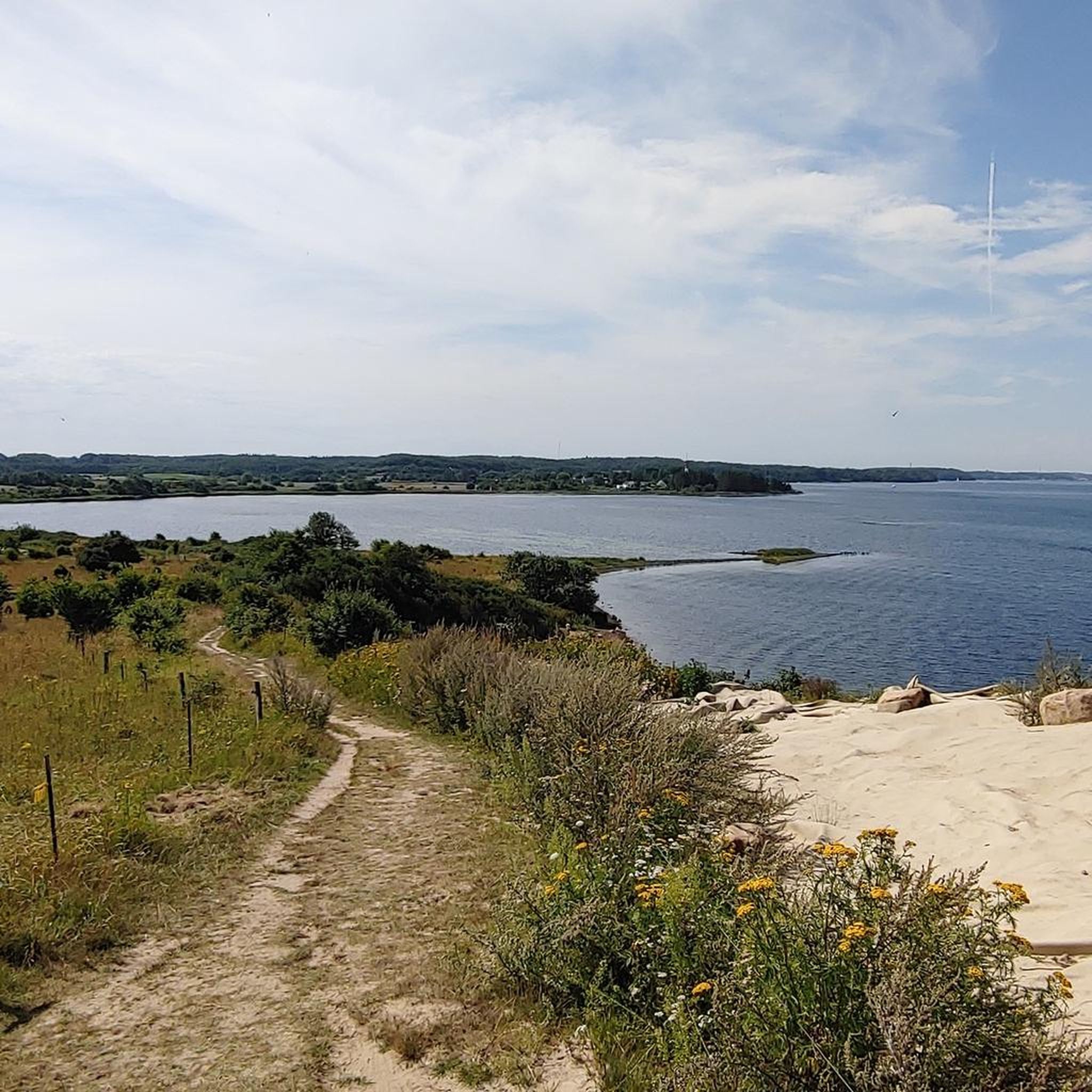
Running Trails around Glücksburg
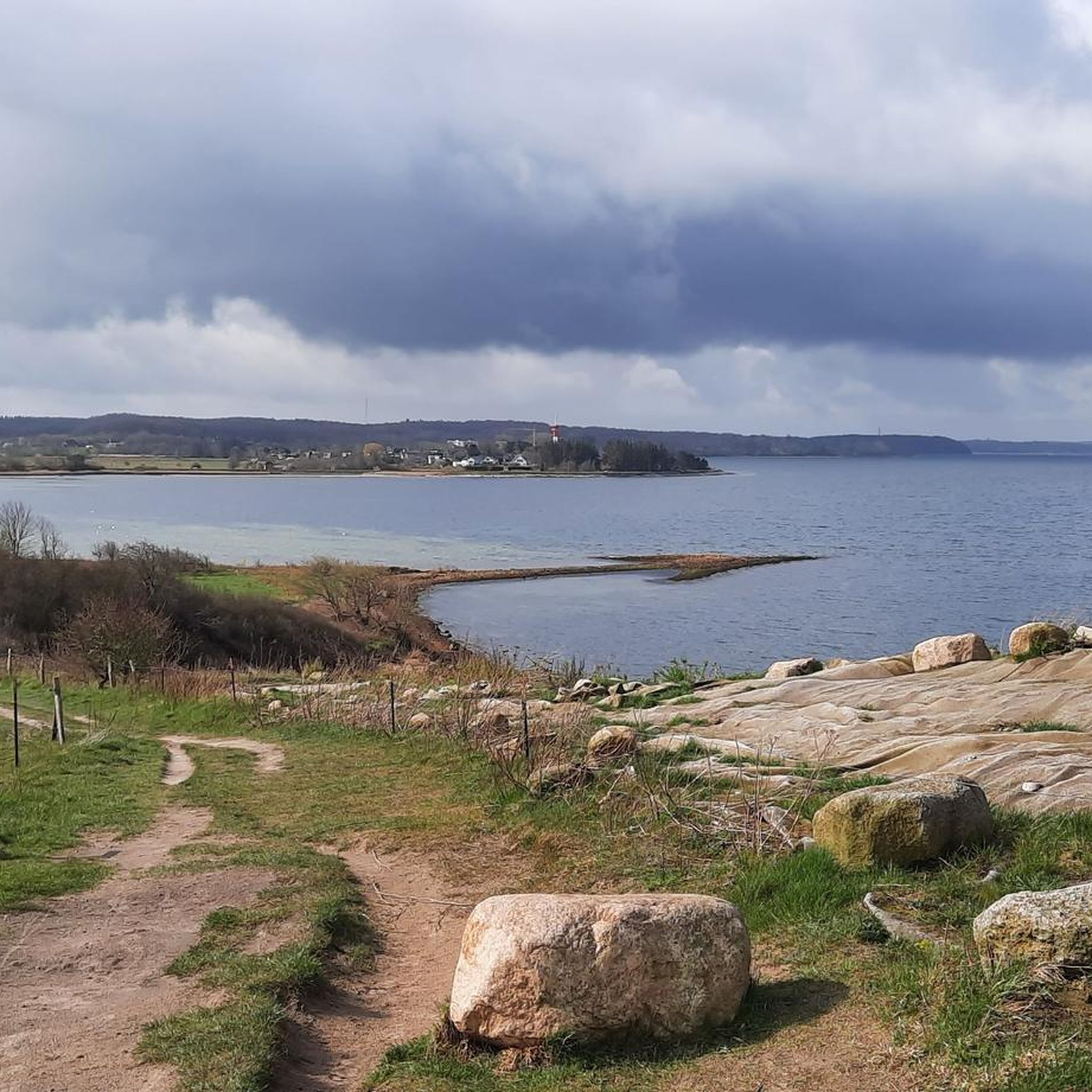
Road Cycling Routes around Glücksburg
MTB Trails around Glücksburg

Gravel biking around Glücksburg
Other adventures around Glücksburg


Tips from the Community

This beautiful (firm and easy to drive) gravel path runs between Flensburg and Wasserleben. One side is surrounded by forest, on the other side you can see the Flensburg Fjord!
4
1

Here you can drive from the Baltic Sea resort to the beach in Wassersleben directly along the water, a beautiful path.
5
1

The moated castle is an absolute highlight.
15
0

Great bike path along the fjord
8
1


The gravel road is also easy to drive on.
9
1

Very nice view over the fjord. In good weather and on weekends, however, it is also very well attended.
7
1

Very nice bike path right on the Baltic Sea! Definitely recommendable to drive from Flensburg to the Danish border. 🇩🇰
7
2
Frequently Asked Questions
What are the main historical attractions in Glücksburg?
Glücksburg is rich in history, with its most prominent landmark being Glücksburg Castle. This impressive Renaissance water castle, built between 1582 and 1587, now functions as a museum showcasing art, historical treasures, and its original Renaissance chapel. Another significant historical site is the Flensburg Museum Harbor, where you can experience maritime heritage with historic ships and a museum. The Schusterkate Border Crossing (Germany–Denmark) also holds historical significance as Europe's smallest border crossing.
What natural features can I explore around Glücksburg?
The region around Glücksburg offers diverse natural beauty. The Glücksburg Castle is surrounded by picturesque parklands and a rose garden, perfect for leisurely strolls. The extensive Glücksburg Forest, divided into sections like Schlosswald, Friedeholz, and Tremmerup Forest, provides lush landscapes, hiking trails, and ancient trees. The town is also ideally situated on the scenic Flensburg Fjord, offering beautiful coastal views and opportunities for walks along the promenade. Further afield, the Holnis Peninsula features a nature reserve with rustic forests and coastal paths.
Are there family-friendly activities in Glücksburg?
Yes, Glücksburg offers several family-friendly options. The Friedeholz forest features a fantastic nature playground and information boards about the local environment. Within Friedeholz, the Wild Boar Enclosure is a popular attraction where families can observe wild boars, especially in spring when piglets are present. Many of the highlights, such as Glücksburg Castle and Langballigau Harbour, are also categorized as family-friendly.
What outdoor activities are available near Glücksburg's attractions?
Glücksburg is excellent for outdoor enthusiasts. You can enjoy cycling along the Flensburg Fjord, with routes like the Bike path along the Flensburg Fjord. There are numerous cycling routes, including easy loops like the "Holnis Beach – Holnis Peninsula loop from Glücksburg" and moderate ones such as the "View of Glücksburg Castle – Langballigau Harbour loop from Schloss Glücksburg." For hikers, the Glücksburg Forest and Holnis Peninsula offer trails. Popular hiking routes include the "Glücksburg Marina – View of Glücksburg Castle loop from Glücksburg" and the "Roikiersee Water Lilies – Western shore of Lake Roikier loop from Schloss Glücksburg." You can find more details on these activities in the Cycling around Glücksburg and Hiking around Glücksburg guides.
When is the best time to visit Glücksburg for sightseeing and outdoor activities?
The best time to visit Glücksburg largely depends on your preferred activities. For outdoor activities like cycling and hiking, the warmer months from spring to early autumn (May to September) offer pleasant weather. During this period, you can fully enjoy the Flensburg Fjord, forest trails, and castle grounds. The castle also hosts special events and guided tours, including night tours, which are often more frequent in the warmer seasons. The rose garden around the castle is particularly beautiful in bloom during summer.
Can I visit Glücksburg Castle?
Yes, Glücksburg Castle is open to visitors as a museum. This moated Renaissance water castle is considered one of Northern Germany's most important residential castles. You can explore its magnificent corridors, salons, and the original Renaissance chapel. The castle also hosts various guided tours and special events. For more detailed information on its history, you can visit Wikipedia.
Where can I experience the local maritime heritage?
To experience Glücksburg's maritime heritage, head to the Flensburg Museum Harbor. Here, you can see a diverse collection of historic motor, sailing, and steamships, including the famous saloon steamer Alexandra. The harbor also features a museum shipyard and the Captain's Walk, offering a glimpse into the region's seafaring past. Additionally, Langballigau Harbour provides a charming atmosphere with a touch of Danish flair and serves as a departure point for ferries to Sønderborg, Denmark.
Are there good cycling routes along the Flensburg Fjord?
Absolutely. The Flensburg Fjord offers excellent cycling opportunities. A popular choice is the Bike path along the Flensburg Fjord, a firm and easy-to-ride gravel path running between Flensburg and Wasserleben, offering beautiful views of the fjord. You can find various cycling routes, including easy and moderate options, in the Cycling around Glücksburg guide, such as the "Schausende Lighthouse – View of Glücksburg Castle loop from Halbinsel Holnis".
What is unique about the Schusterkate Border Crossing?
The Schusterkate Border Crossing (Germany–Denmark) is notable for being the smallest border crossing in Europe. It features a charming wooden bridge that leads over the Kruså, directly connecting Germany and Denmark. It's a picturesque spot, often described as almost inconspicuous and hidden by reeds, making it a unique point of interest for those exploring the German Baltic Sea coast.
Are there any forests to explore near Glücksburg?
Yes, Glücksburg is surrounded by an extensive forest area of 600 hectares. This includes the Schlosswald (Castle Forest) immediately near Glücksburg Castle, offering diverse flora and fauna. The Friedeholz, stretching from the town center to Schausende, is a 300-hectare forest with a peaceful atmosphere, diverse vegetation, and hiking trails. Further southwest, the Tremmerup Forest is an impressive mixed forest with ancient beech and oak trees, featuring around 20 kilometers of riding and hiking trails and the unique Lake Roikier at its center.
Where can I observe wildlife in Glücksburg?
For wildlife observation, the Wild Boar Enclosure located within the Friedeholz forest is a popular spot. Visitors can easily observe wild boars, especially in May when young piglets are often present. The extensive Glücksburg Forest areas, including Schlosswald, Friedeholz, and Tremmerup Forest, also provide habitats for diverse local wildlife, and the Holnis Peninsula nature reserve is rich in fauna and flora along its coastal paths.
Are there any ancient historical sites in the Glücksburg forests?
Yes, the Friedeholz forest offers a glimpse into ancient history with its Dolmen Path. This trail leads past Neolithic burial mounds, providing an opportunity to connect with the region's distant past while enjoying the natural surroundings of the forest.
Are there dog-friendly activities or walks in Glücksburg?
Many of Glücksburg's natural areas are suitable for dog walks. The extensive Glücksburg Forest, particularly the Tremmerup Forest, offers around 20 kilometers of riding and hiking trails, including designated dog walking areas. The scenic paths along the Flensburg Fjord and within the Holnis Peninsula nature reserve are also popular choices for walks with dogs, allowing you to enjoy the beautiful coastal and forest landscapes together.
Where can I find cafes or places to eat near Glücksburg Castle?
There are cafes and restaurants available near Glücksburg Castle. The castle itself has facilities, and the surrounding area, including the town center and the nearby Flensburg Fjord promenade, offers various options for refreshments and meals. For example, Langballigau Harbour, a short distance away, is known for its abundant gastronomy, making it a good place to rest and enjoy a meal.
Most popular routes around Glücksburg
Most popular attractions around Glücksburg

Get inspired with the komoot mobile app


Explore more
Still not found the Highlight you’re looking for? See guides of the top attractions in other regions:
