Attractions and Places To See around Immerath - Top 20
Best attractions and places to see around Immerath include a landscape shaped by volcanic activity, featuring maars and scenic valleys. The region, situated in the Vulkaneifel district, offers natural features and cultural sites. While the original village of Immerath was relocated, the broader area provides diverse points of interest for visitors. This makes Immerath a destination for exploring geological formations and historical remnants.
Best attractions and places to see around Immerath
- The most popular attractions is Calmont via ferrata,…
Last updated: November 6, 2026
Calmont via ferrata
Highlight (Segment) • Climb
Translated by Google •
Tip by

View of the Moselle Loop from Calmont Summit Cross
Highlight • Viewpoint
Translated by Google •
Tip by

Sign up now to discover places like this
Get recommendations on the best single tracks, peaks, & plenty of other exciting outdoor places.
Dronke Tower on the Mäuseberg
Highlight • Viewpoint
Translated by Google •
Tip by

Panoramic view of the Moselle bend below the Calmont summit
Highlight • Viewpoint
Translated by Google •
Tip by

View of the Weinfelder Maar (Totenmaar)
Highlight • Lake
Translated by Google •
Tip by

Sign up for free to discover even more attractions around Immerath.
Already have an account?
Start today with a free account
Your next adventure awaits.
Other adventures around Immerath

Tips from the Community

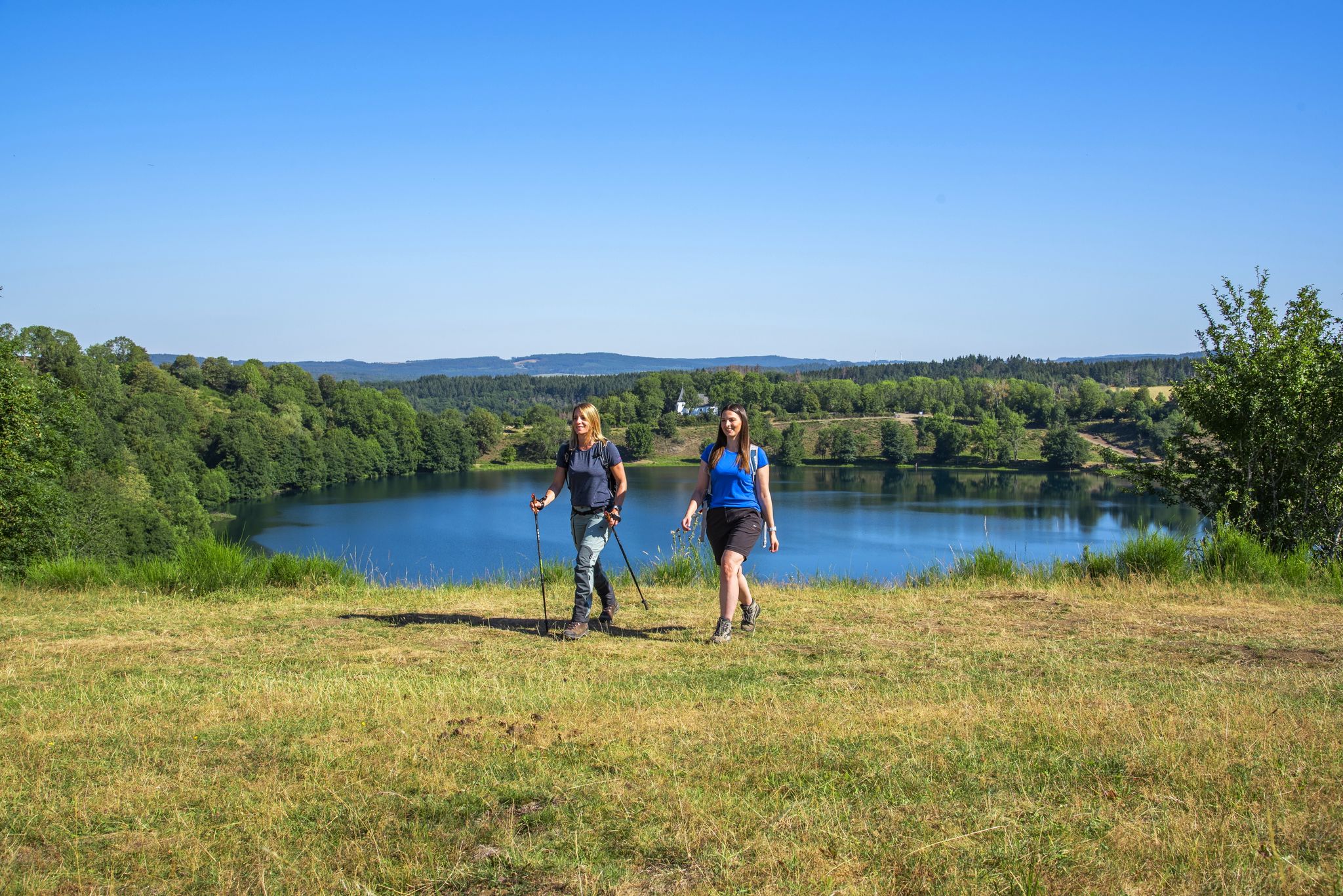
The Daun Maars - 10,000-Year-Old Volcanic Lakes The Daun Maars were formed around 10,000 years ago from volcanic steam explosions. Hot lava rises from the Earth's interior and meets water, which suddenly evaporates. This blasts away entire mountain peaks. What remains is a deep crater that fills with water over the years and a wall of boulders surrounding the lake. The Daun Maars include the Gemünden Maar, the Weinfelder Maar, and the Schalkenmehrener Doppelmaar. One crater of the Schalkenmehren Maar has silted up over the millennia. The area is a nature reserve and a refuge for waterfowl and rare dragonfly species. Text / Source: deutschland-outdoor.der https://deutschland-outdoor.de/eifel/dauner-maare
13
0
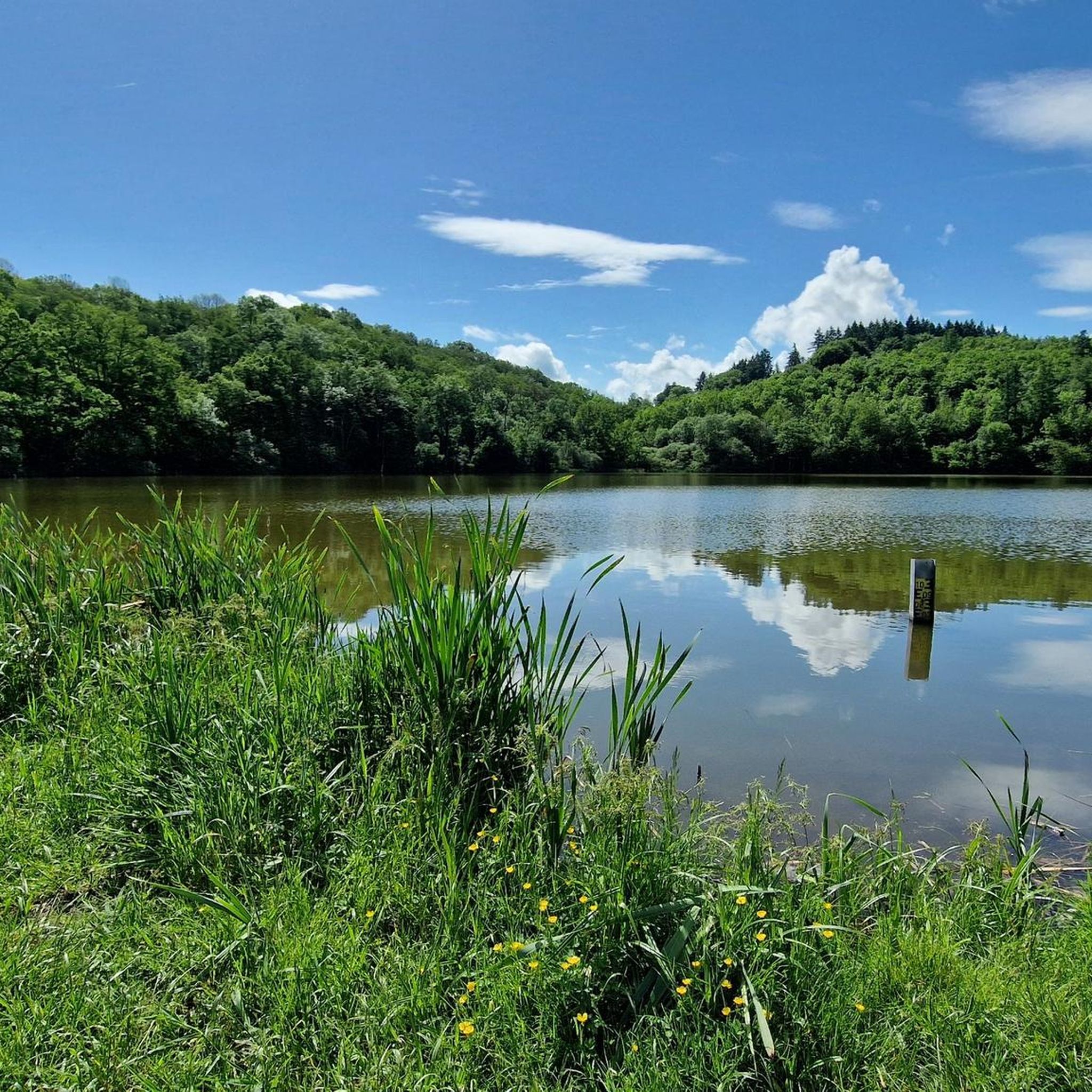
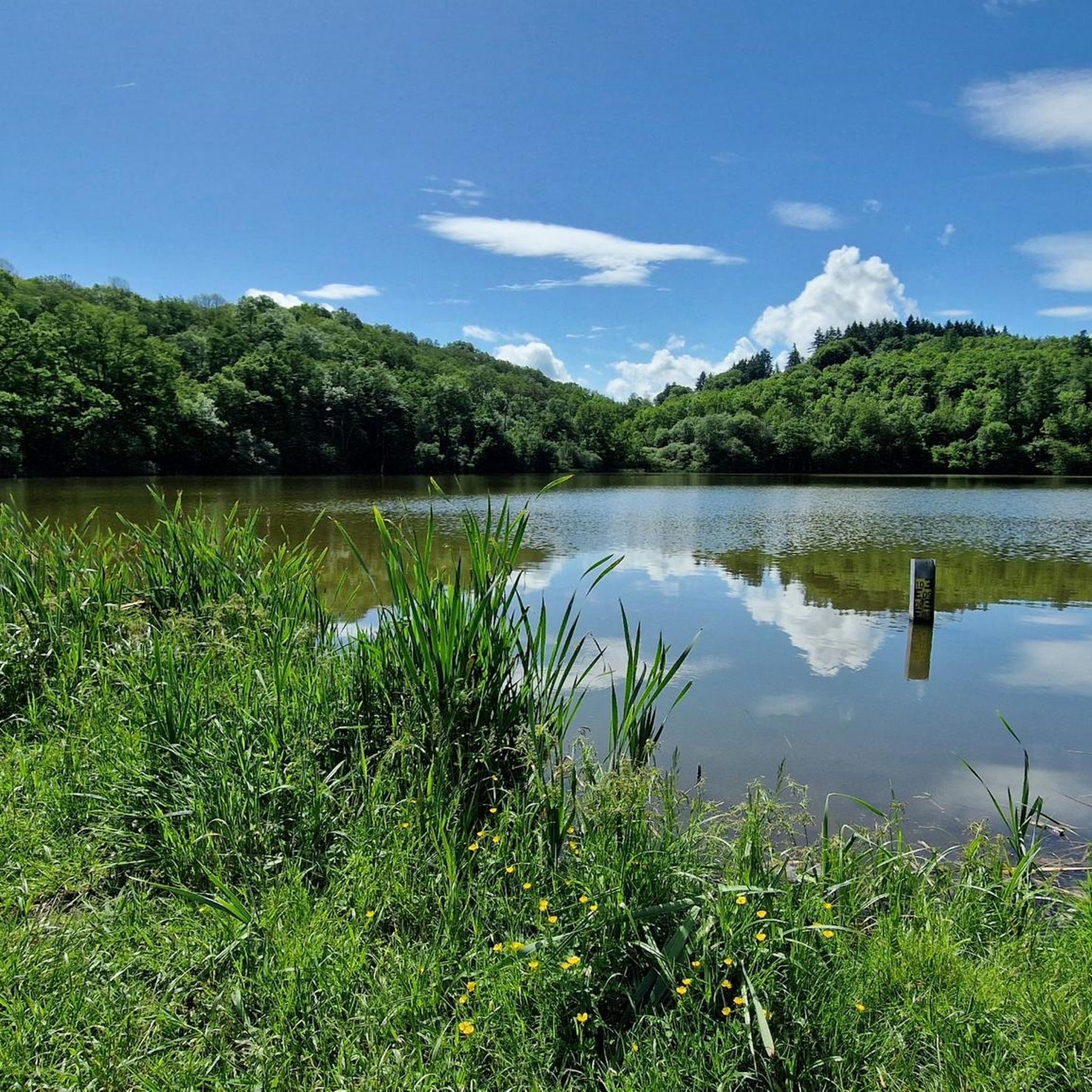
Weinfelder Maar The Weinfelder Maar, formed by volcanic activity around 20,000 to 30,000 years ago, is the highest of the three Daun Maars at 487 meters above sea level. The lake is 51 meters deep and has a diameter of 396 to 429 meters. An almost melancholic atmosphere surrounds the maar. Many legends surround the tranquil Eifel eye. A castle is said to have once stood on the site of the crater, where a count lived with his wife and only child. After returning home from a hunt, the castle had sunk as punishment for the woman's nastiness, and he found only a lake where a cradle miraculously floated his child safely to the shore. If you look at the dark surface of the water long enough, it is said that you can make out the outline of the castle. The German landscape painter Fritz von Wille was so fascinated by the Weinfelder Maar that he repeatedly immortalized it in his paintings. Among his favorite motifs was the small chapel on the north bank, dedicated to Saint Martin. It was once the parish church of the village of Weinfeld, which was ravaged by the plague in the 16th century. Anyone who rings the bells inside by pulling the ropes can make a wish. To this day, the associated cemetery is maintained and used by the local community of Schalkenmehren. This is also where its second name, Totenmaar, comes from. Donkeys and goats have been introduced to the Weinfelder Maar to regulate vegetation. The maar's unique flora and fauna are protected. Swimming and other water sports are prohibited in the Weinfelder Maar, but a nearly two-kilometer-long path makes it a wonderful place to explore on foot. Parking: Guests can park along the L64 either in the parking lot at the Weinfelder Maar or on the Maarsattel between the Weinfelder Maar and the Schalkenmehrener Maar. Text / Source: GesundLand Vulkaneifel GmbH, Leopoldstr. 9 A, 54550 Daun https://www.eifel.info/a-weinfelder-maar
15
0

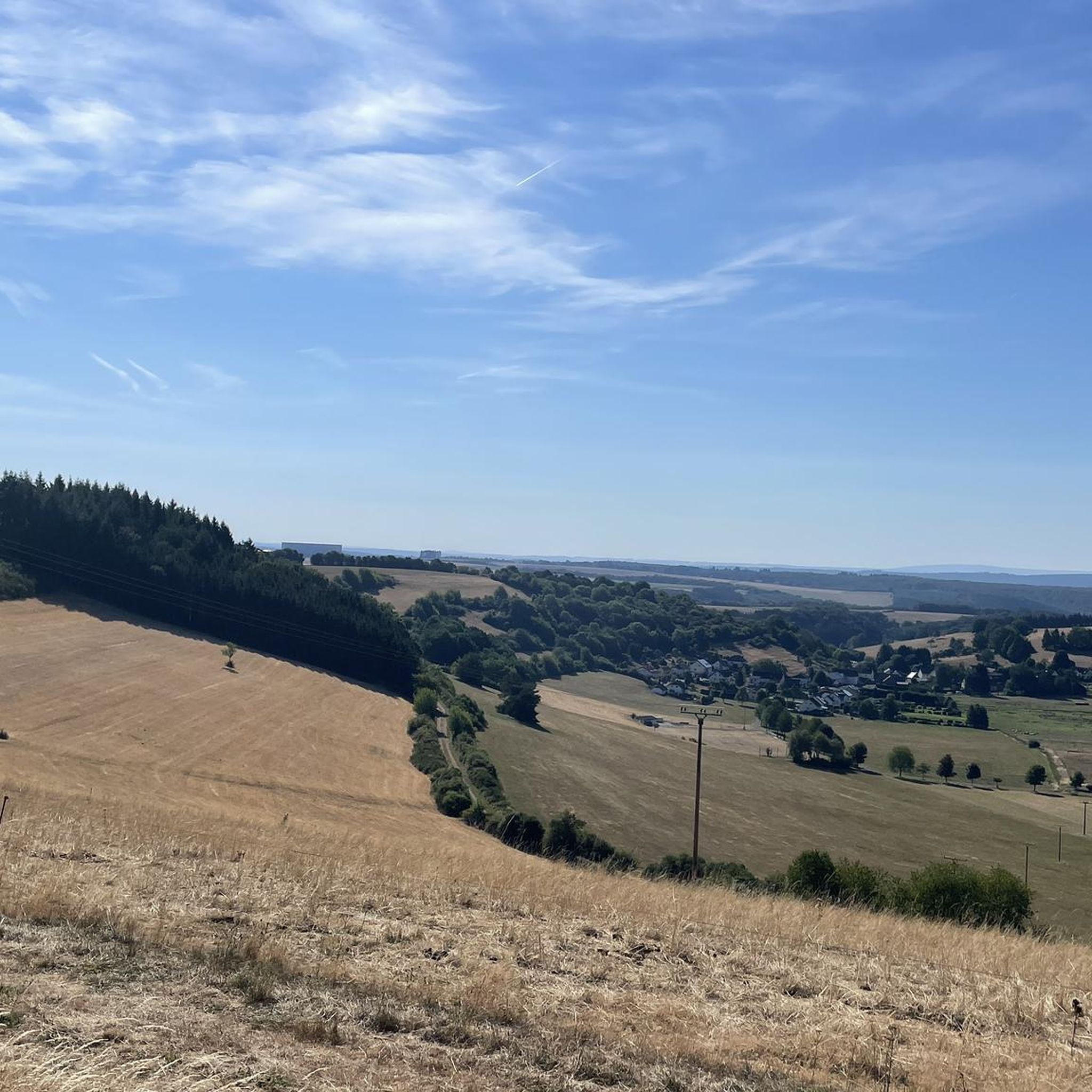
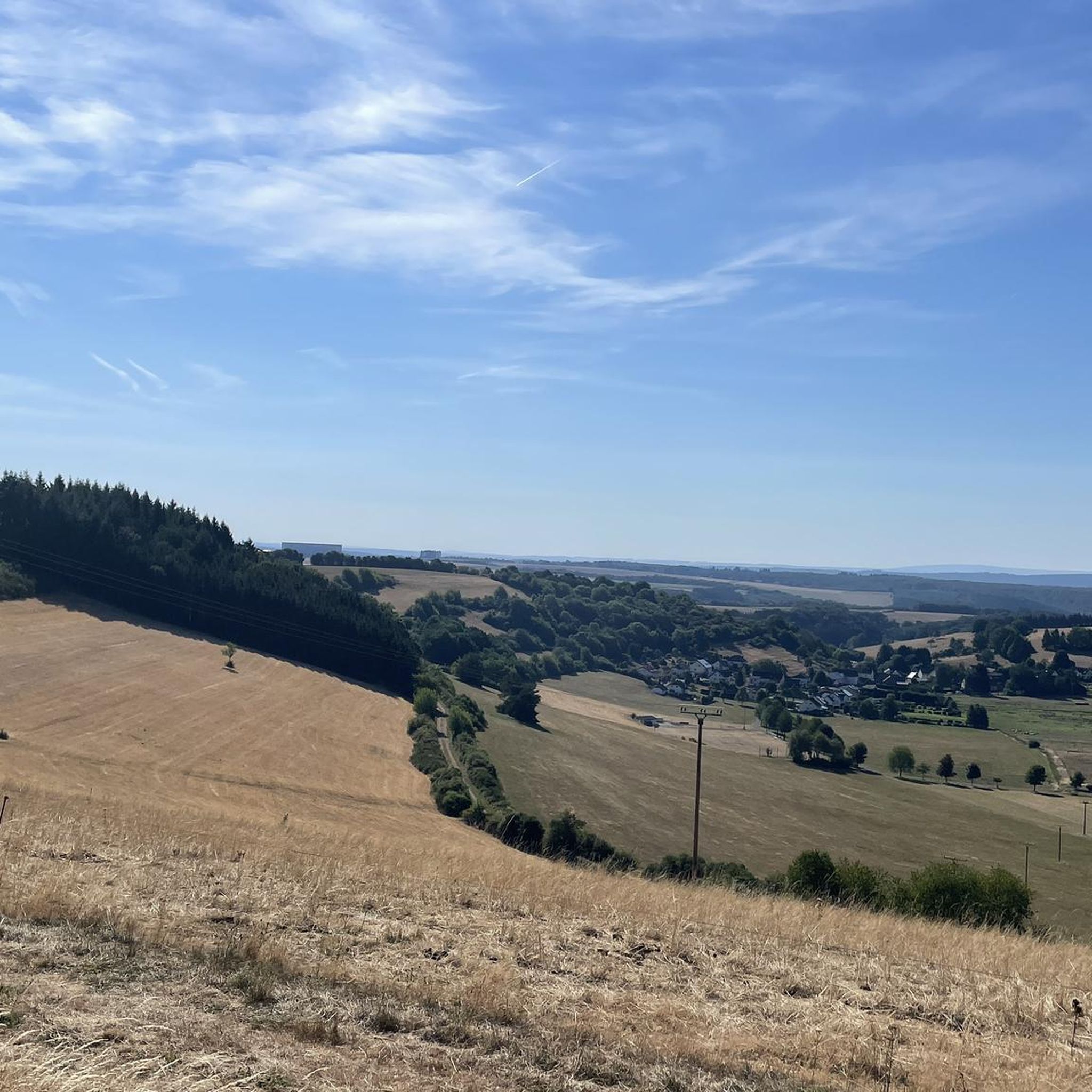
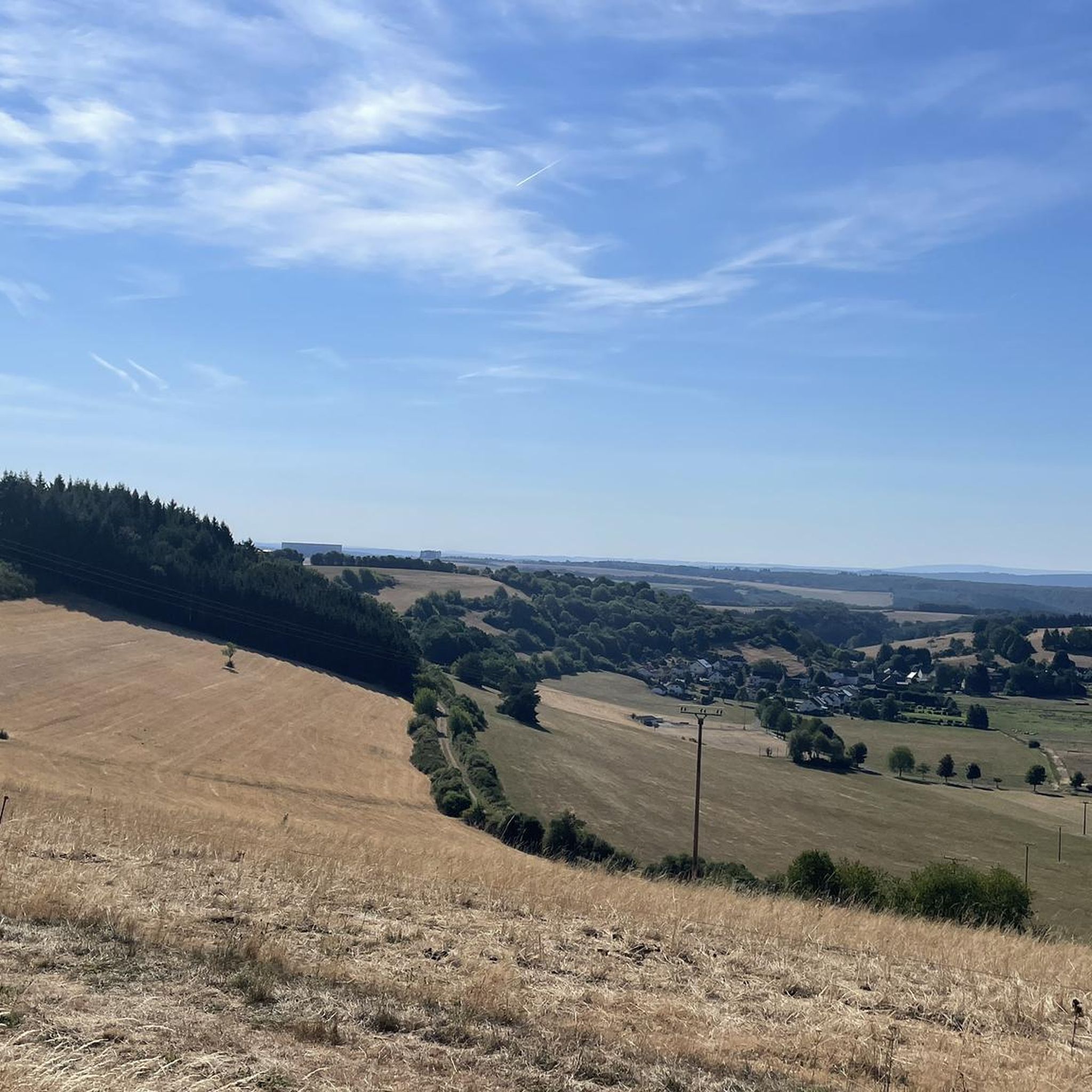
From this vantage point you have one of the best valley views of the Moselle loop.
76
0
The Calmont is a prominent peak on the Moselle. The highest elevation is 380 meters high. Interestingly, the Calmont summit cross is not at the highest point, but below it. This may be because the Calmont is a ridge above the Moselle. The location of the summit cross offers a prominent view of the Moselle - better than from the highest point. Therefore, the summit cross makes much more sense at this point. Source: https://www.calmont-klettersteig-moselschleife.de/calmont/
78
0
The Calmont via ferrata is more of a mountain trail than a via ferrata. Passages of the "via ferrata" are made safer with handrails, ladders, step bars and stepping pins. However, hikers who are not sure-footed also have the option of bypassing the short section of the "via ferrata".
73
10

It is particularly beautiful in October when the leaves change color. Shortly after 10 a.m. we walked from Eidiger-Eller, first over the Todesangst and the Höhenweg, so we were above the Moselle loop at the right time. There is a rest area with a bench, from where we could watch how the fog revealed the colorful landscape.
13
0

Beautiful hiking tour with a view of the Moselle loop. 😍
13
0

You can also enjoy the view without hiking up. Drive up with the car. Drive quite far, then comes a gravel road, this approx. 2km comes a parking lot for hikers. From there it is not far to the summit cross and Vierseenblick. Together about 2km. Above are great wide hiking trails. Well suited for beginners. Then down to Bremm where the second vantage point is easily accessible on foot. So everyone has something.
14
0
Frequently Asked Questions
What natural features are prominent in the Immerath area?
The Immerath area is renowned for its volcanic landscape, featuring several maars (crater lakes). Key natural attractions include the Schalkenmehrener Maar, the largest of the Dauner Maars, which offers a beautiful circular path. You can also visit the Immerather Maar, a peaceful volcanic crater lake with a three-kilometer circular path, and the nearby Pulvermaar. The scenic Üßbach Valley and the wider Eifel Hills also contribute to the area's natural charm.
Are there any historical sites or cultural landmarks to visit near Immerath?
Yes, despite the relocation of the original village, the broader Immerath area offers several historical and cultural points of interest. You can find the Dreifaltigkeitskapelle (Trinity Chapel) on the northern edge of the Immerather Maar, which is considered a local landmark. Other sites include the Small School Museum, housed in a historical bakehouse, remnants of a Roman Villa, and the St. Anna Chapel dating back to 1744. For those interested in deeper history, the Roman aqueduct and the old cemetery of Immerath with 18th-century gravestones are also points of interest.
What kind of outdoor activities can I do around Immerath?
The picturesque landscape around Immerath is ideal for various outdoor activities. Hiking and cycling are very popular, with numerous trails winding through rolling hills, lush vineyards, and forests. You can find detailed routes for these activities in the Hiking around Immerath, Road Cycling Routes around Immerath, and Cycling around Immerath guides. Popular hiking routes include the 'Immerath Maar – Pulvermaar loop' and the 'Strohner Lava Bomb – Strohner Switzerland loop'.
Where can I find the best panoramic views in the Immerath region?
For stunning panoramic views, consider climbing the Dronke Tower on the Mäuseberg, which offers a wonderful vista over the maars and the volcanic landscape of Eifel. Another exceptional spot is the View of the Moselle Loop from Calmont Summit Cross, providing a prominent perspective of the Moselle's course. Additionally, the Immerather Aussichtsturm offers broad views of the Eifel hills.
Are there family-friendly attractions or activities in the Immerath area?
Yes, Immerath offers several options for families. The Schalkenmehrener Maar has a pleasant circular path suitable for family walks. Pinnow Park provides a tranquil spot with playgrounds for children and ample green space for picnics. The Vulkanhaus Strohn offers interactive exhibits about the Eifel's volcanic past, making for an entertaining and educational experience. Geoland Erlebnispark also provides hands-on activities for learning about geology.
What is the Calmont via ferrata and what should I know before attempting it?
The Calmont via ferrata is a challenging trail that offers a narrow path with spectacular views of the Moselle. It's considered more of a mountain trail, with sections made safer by handrails, ladders, and step bars. While not always requiring special equipment in dry weather, it's recommended to be in good physical condition, have a head for heights, and wear sturdy hiking shoes. It can get very warm in summer, so cooler days or early mornings are suggested.
What are some unique experiences or 'hidden gems' around Immerath?
Beyond the main attractions, you can discover unique experiences like the Elfengrotte, a natural scenery attraction. For a taste of local life, visit the Wengenroth Orchard to pick your own fruits. History enthusiasts might enjoy exploring the Roman aqueduct and the old cemetery of Immerath. The region also offers opportunities for wine tours and cultural events in the surrounding villages.
Can I find places to relax and unwind after exploring the area?
Absolutely. For relaxation, the Vulkaneifel Thermal Bath provides soothing warm waters, perfect for unwinding after a day of exploration. Many of the maars, like Immerather Maar, offer peaceful settings for picnics and leisurely walks. You can also indulge in local Eifel cuisine at charming village restaurants.
What do visitors enjoy most about the attractions around Immerath?
Visitors particularly appreciate the breathtaking views, especially from spots like the View of the Moselle Loop from Calmont Summit Cross and the Dronke Tower on the Mäuseberg. The challenging yet rewarding experience of the Calmont via ferrata is also highly rated. The natural beauty of the maars, such as the Schalkenmehrener Maar, and the well-maintained circular paths around them are frequently praised for their tranquility and scenic charm.
Are there any castles or significant historical buildings nearby?
While the original Immerath village structures are gone, a short drive away you can visit Burg Manderscheid. This historic castle features impressive medieval architecture and offers breathtaking views of the surrounding valleys, providing an educational experience for all ages.
What is the best time of year to visit Immerath for outdoor activities?
The picturesque landscape of Immerath is enjoyable throughout much of the year. Spring and autumn are particularly pleasant for hiking and cycling, with milder temperatures and beautiful scenery, including blooming flowers or vibrant fall foliage. Summer offers warmer weather ideal for water activities at the maars, though some trails like the Calmont via ferrata can be very warm. Winter hiking is also possible, offering a different, serene perspective of the Eifel landscape.
Most popular routes around Immerath
Most popular attractions around Immerath

Get inspired with the komoot mobile app


Explore more
Still not found the Highlight you’re looking for? See guides of the top attractions in other regions:
