Top 8 Castles around Demerath
Best castles around Demerath are found in the Vulkaneifel district of Rhineland-Palatinate, Germany. This area is known for its historical castles within a reasonable distance, offering insights into medieval history. Visitors can explore various sites that showcase the region's rich past and architectural heritage. The landscape provides a historical backdrop for these structures.
Best castles around Demerath
- The most popular castles is Steffenswarte viewing tower at the Entersburg ruins, a man_made_monument that marks the location of a former spur…
Last updated: November 1, 2026
Steffenswarte viewing tower at the Entersburg ruins
Highlight • Monument
Translated by Google •
Tip by

Upper Castle of Ulmen
Highlight • Castle
Translated by Google •
Tip by

Sign up now to discover places like this
Get recommendations on the best single tracks, peaks, & plenty of other exciting outdoor places.
View of Ulmen, Ulmen Castle and the Ulmener Maar
Highlight • Viewpoint
Translated by Google •
Tip by

Geisenburg Ruins
Highlight • Historical Site
Translated by Google •
Tip by
Forum Daun Tourist Information and Pillory
Highlight • Rest Area
Translated by Google •
Tip by

Sign up for free to discover even more castles around Demerath.
Already have an account?
Start today with a free account
Your next adventure awaits.
Tips from the Community

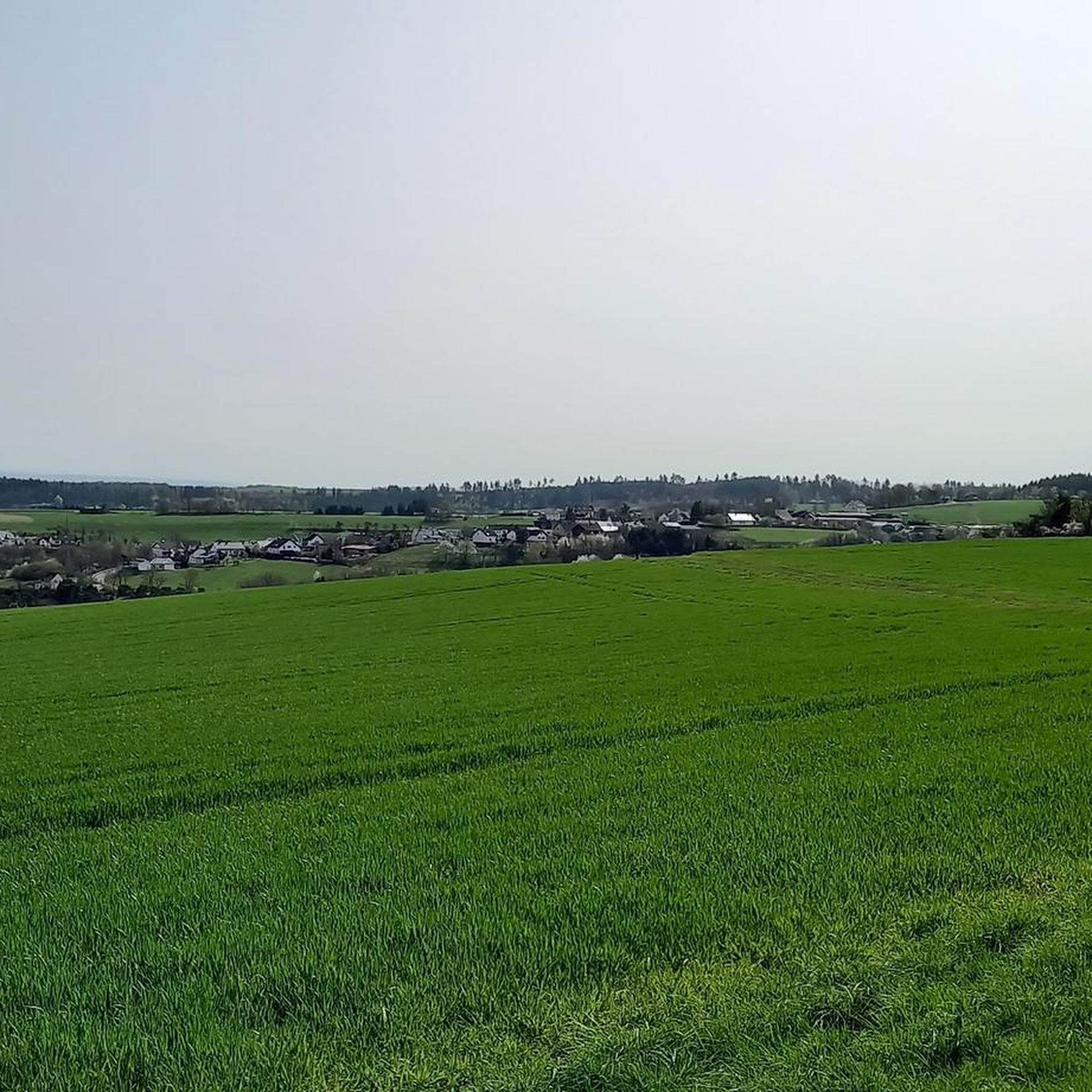
A few foundation walls can be seen here. The "Drei Dörfer" local trail leads past here.
2
0

Idyllic location with high geological information value regarding Eifel volcanism.
1
0

One of the youngest maars in the Eifel region nestles picturesquely against the small town of Ulmen with its castle ruins and church right on the shore - idyllic and simply beautiful!
1
0

The lower castle has completely disappeared. You can still see the beginning of the ring that connected the lower castle and the Ulmen city wall, a two-story outer wall of the palace, as well as a cistern and some foundation walls of other buildings. The old part of Ulmen Castle was built around 1074 AD and likely rests on the remains of a Roman settlement. In the Middle Ages, Ulmen Castle was further expanded and divided into the upper castle, whose remains of the walls still exist, and the lower castle, which extended to the banks of the maar river. Two knightly families lived in the castle, which is believed to have never been attacked or destroyed until 1673 due to its size. Only the Sun King's troops succeeded. It was rebuilt, but fell again in 1689 during the War of the Succession. However, Ulmen Castle was also rebuilt this time, with only the city wall being abandoned. With the invasion of Napoleon's soldiers, Ulmen also became French and later Prussian. The empty castle, whose last descendant died in 1801, was auctioned to a merchant from Cochem, who sold it as a quarry. When a devastating fire burned Ulmen to the ground in the 19th century, the residents of Ulmen rebuilt their houses with stones from the castle. That's why you can still see a coat of arms on some of the stables today. It wasn't until the early twentieth century that Ulmen Castle was declared a listed building and became the property of the municipality of Ulmen. The castle is always freely accessible.
7
0

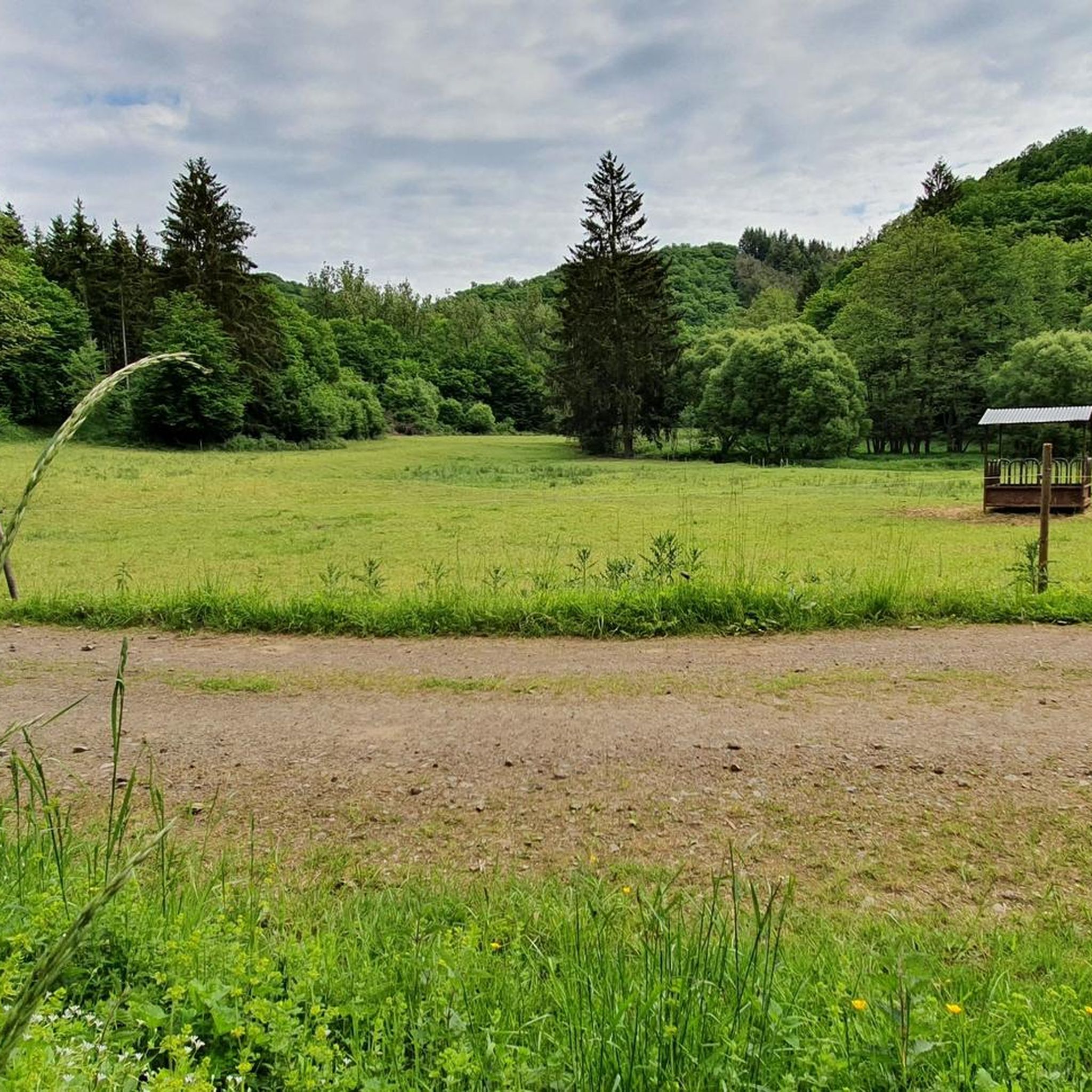
Here is a nice rest area with a view of the Ulmener Maar.
4
0

Here you can relax with a great view of the Ulmener Maar
3
0

The Ulmener Maar is 420 meters high, covers 5.5 hectares, is up to 37 meters deep and is surrounded by a 20-meter-high wall made of tuff. At 11,000 years old, it is the youngest maar in the Eifel.
5
0

Good seat with a view of the maar.
2
0
Frequently Asked Questions
What are some of the most popular castles and historical sites around Demerath?
The region offers a mix of impressive castles and historical ruins. Highly rated by visitors are the Steffenswarte viewing tower at the Entersburg ruins, which marks a former spur castle, and the Upper Castle of Ulmen, offering great views. You can also explore the Geisenburg Ruins, where only foundations remain of a once mighty fortress.
Are there any well-preserved medieval castles near Demerath that offer guided tours?
Yes, within a reasonable distance from Demerath, you can visit two exceptionally well-preserved castles. Cochem Castle (Reichsburg Cochem), a beautifully restored Neo-Gothic fortress, offers guided tours and stunning views over the Moselle River. Even more unique is Eltz Castle (Burg Eltz), a medieval gem that has never been conquered or destroyed and has been inhabited by the same family for over 900 years, also offering guided tours through its historic interiors.
What kind of historical sites can I explore besides castles and ruins?
Beyond the castles, the region offers other historical insights. For example, the Genoveva Castle in Mayen not only houses the Eifel Museum but also includes the German Slate Mine, providing a look into regional geology and history. The area itself, including sites like the Entersburg, has evidence of Celtic and Roman fortifications.
Are there family-friendly castles to visit near Demerath?
Many of the castles and their surrounding areas are suitable for families. The Upper Castle of Ulmen is noted as family-friendly, and its location near the Ulmen Maar offers additional activities. Castles like Cochem and Eltz, with their fairytale appearance and guided tours, are also popular with families.
Can I find good viewpoints at the castles around Demerath?
Absolutely. The Steffenswarte viewing tower at the Entersburg ruins provides a historical viewpoint. From the Upper Castle of Ulmen, you get beautiful views of Ulmen and the surrounding area. The View of Daun and Daun Castle offers a fantastic panorama of the district town. Additionally, View of Ulmen Old Town and St. Matthias Church provides a scenic perspective of the town, castle, and church.
What outdoor activities can I do near these castles?
The region around Demerath is excellent for outdoor activities. You can find numerous hiking, mountain biking, and road cycling routes. For hiking, explore options like the HeimatSpur Keltenrundweg or the Geisert Juniper Heath – Demerather Drees loop. For more details on routes, check out the Hiking around Demerath guide, MTB Trails around Demerath guide, and Road Cycling Routes around Demerath guide.
Are there hiking trails directly accessible from the castles?
Yes, many castles are integrated into or near hiking networks. For instance, a tour around the Ulmener Maar and the Upper Castle of Ulmen is a popular option. The area around the Entersburg ruins also features great, narrow paths for exploration. You can find more hiking routes in the Hiking around Demerath guide.
What is the best time of year to visit the castles in the Demerath region?
The castles in the Eifel region are beautiful year-round. Spring and autumn offer pleasant temperatures for exploring and vibrant natural scenery. Summer is ideal for combining castle visits with outdoor activities, while winter can provide a magical, quieter experience, though some facilities or access might be limited. Always check specific castle opening hours before your visit.
What do visitors enjoy most about the castles around Demerath?
Visitors appreciate the rich history and the stunning views offered by these sites. The blend of well-preserved castles like Eltz and Cochem with ancient ruins such as the Entersburg and Geisenburg provides a diverse historical experience. Many also enjoy the scenic integration of these castles with the natural landscapes of the Vulkaneifel, often combining visits with hikes or bike rides.
Are there any castle ruins to explore near Demerath?
Yes, the region is home to several intriguing castle ruins. The Entersburg ruins, marked by the Steffenswarte viewing tower, are the remains of a spur castle from the Middle Ages. The Geisenburg Ruins are another significant historical site where you can see the foundations of a fortress built in 1340. Additionally, the Manderscheid Lower Castle is a notable ruin in the vicinity.
Are there options for food and drink near the castles?
While specific pubs or cafes directly at every ruin might be limited, the towns and villages near the more prominent castles, such as Cochem, Ulmen, and Mayen, offer various dining options. It's advisable to check local listings for restaurants and cafes in these towns when planning your visit.
How long should I plan for a visit to these castles?
For larger, well-preserved castles like Eltz or Cochem, plan for at least 2-3 hours, especially if you intend to take a guided tour and explore the grounds. For ruins such as the Entersburg or Geisenburg, 1-2 hours might suffice, allowing time to explore the site and enjoy the views. If you plan to visit multiple sites or combine with hiking, a full day or more is recommended.
Are the castles around Demerath accessible for visitors with limited mobility?
Accessibility varies significantly between castles. Historic sites, especially ruins like the Entersburg, often involve uneven terrain, stairs, and natural paths that may not be suitable for visitors with limited mobility. Larger, more tourist-oriented castles like Cochem or Eltz may offer some accessible areas or specific tours, but it's always best to check their official websites directly for detailed accessibility information before your visit.
Most popular routes around Demerath
Most popular attractions around Demerath

Get inspired with the komoot mobile app


Explore more
Looking for the best castles somewhere else? Discover other guides around Demerath:
