Top 20 Caves around Hiltpoltstein
Caves around Hiltpoltstein are a prominent feature of the Franconian Switzerland region, known for its Jura Karst landscape. This area offers a variety of subterranean attractions, from natural rock formations to extensive stalactite caves. Visitors can explore diverse geological features and historical sites within a short distance of Hiltpoltstein. The region provides opportunities for discovering unique natural monuments and significant cave systems.
Best caves around Hiltpoltstein
- The most popular caves is Devil's Cave, Pottenstein, a cave that is one…
Last updated: October 9, 2026
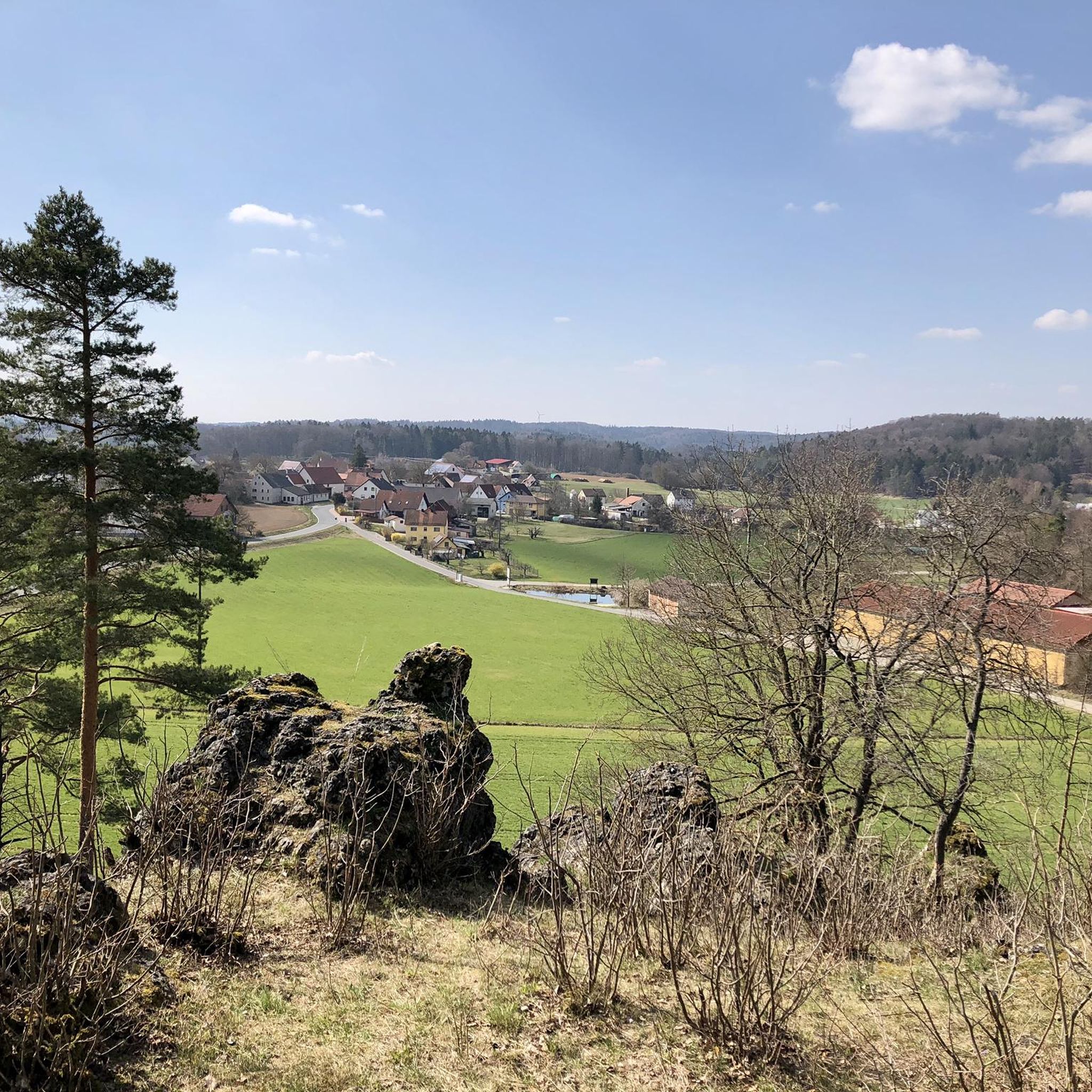
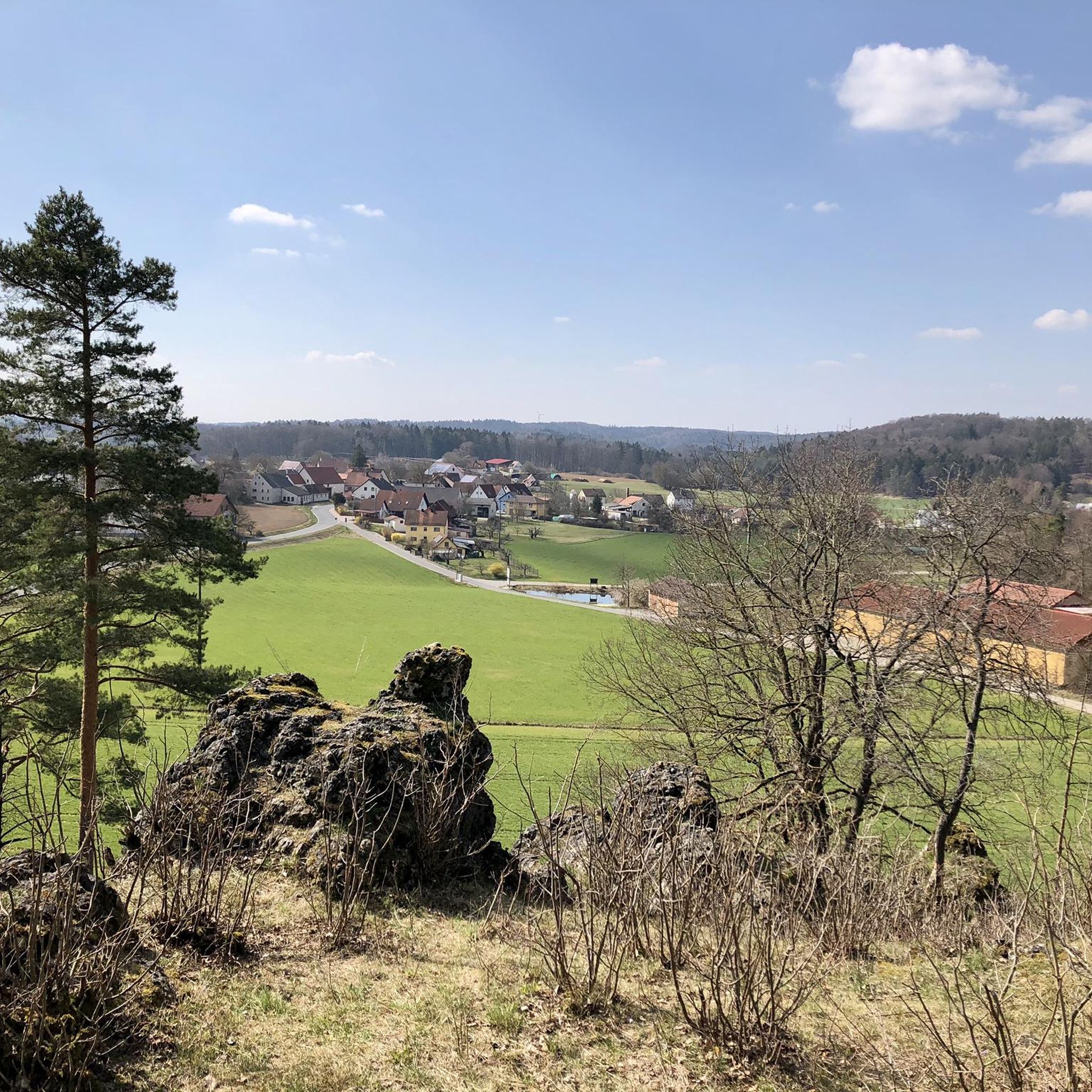
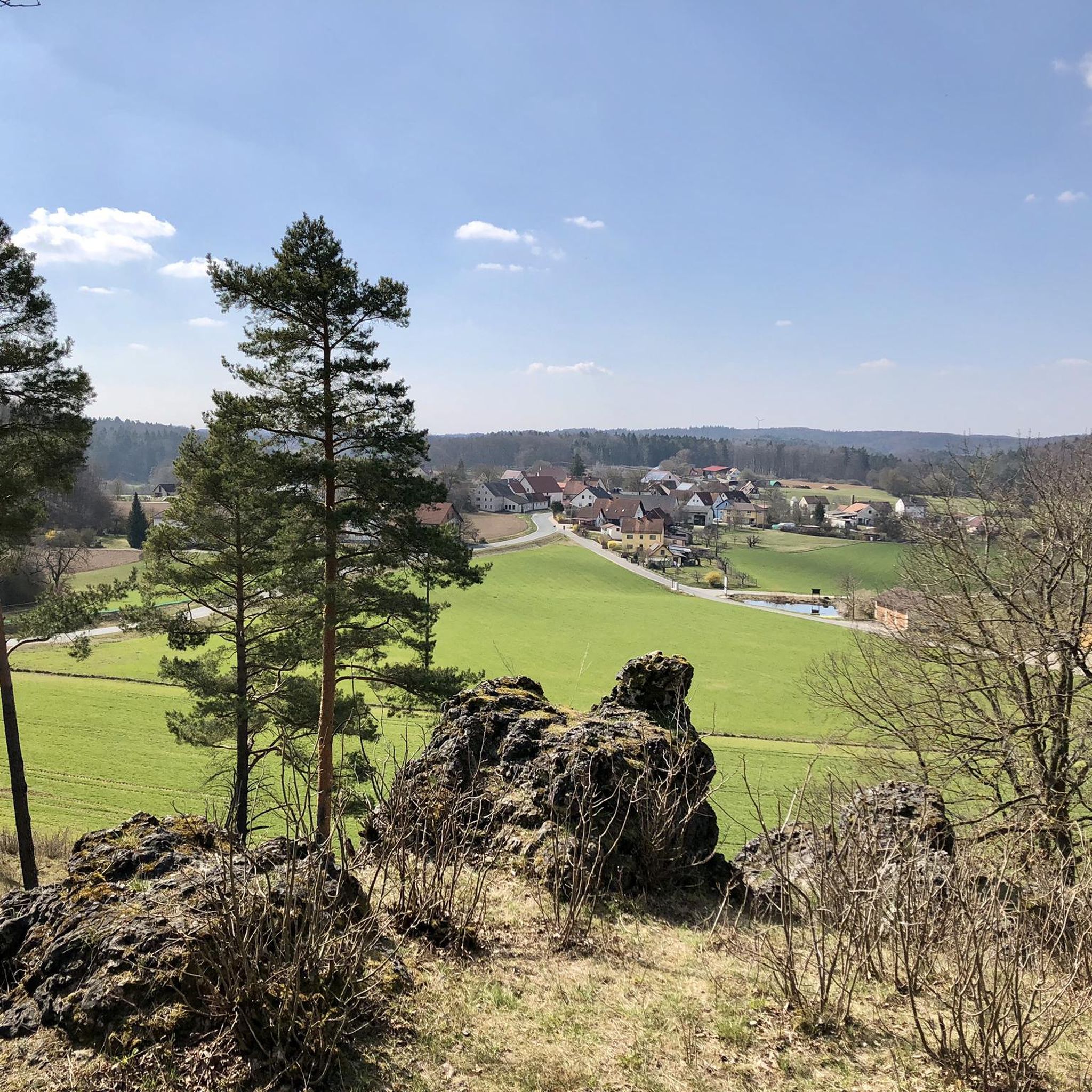
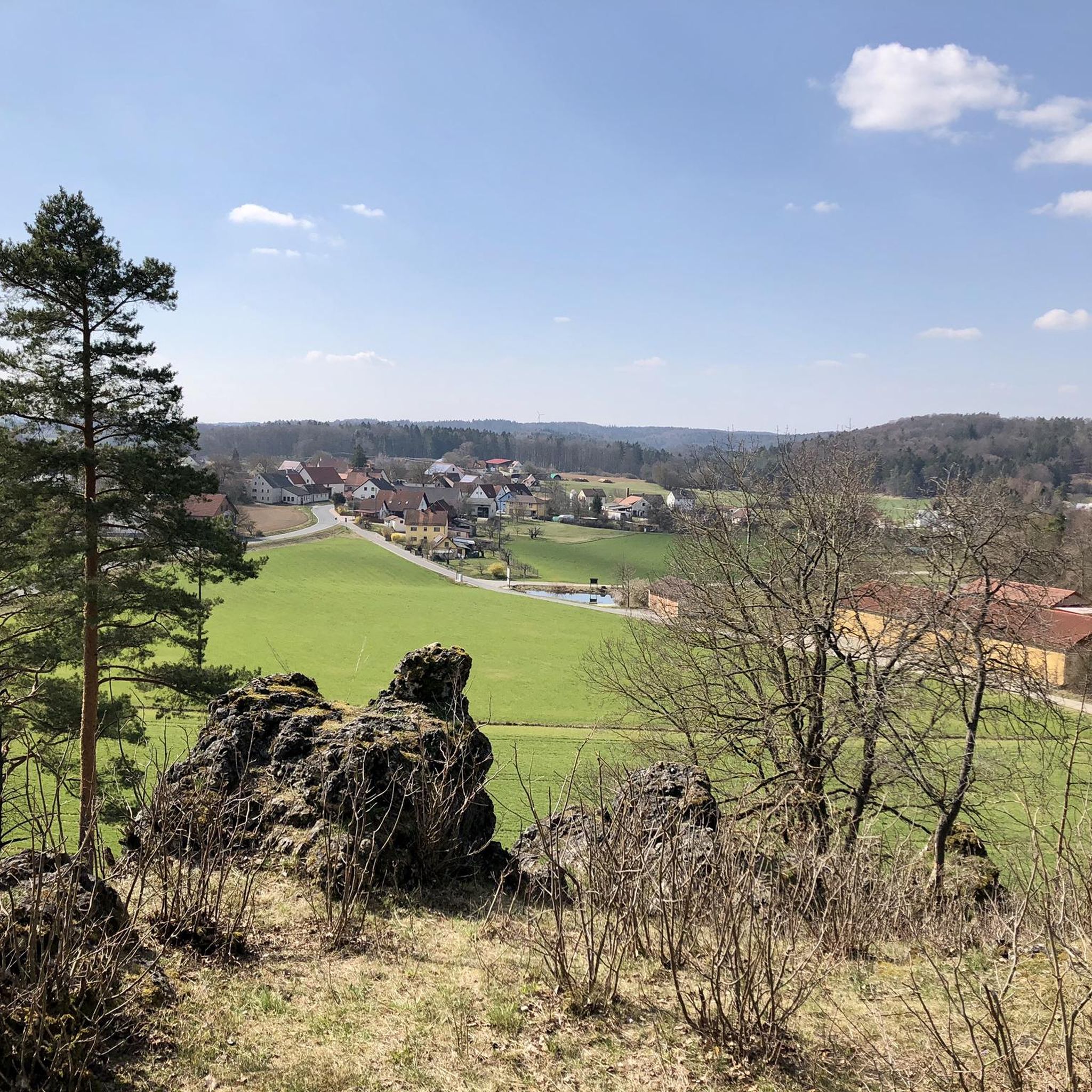
Rock formations on the Jägersteig
Highlight • Natural Monument
Translated by Google •
Tip by

Gößweinstein Rock Trail
Highlight • Trail
Translated by Google •
Tip by

Sign up now to discover places like this
Get recommendations on the best single tracks, peaks, & plenty of other exciting outdoor places.
Devil's Cave, Pottenstein
Highlight • Cave
Translated by Google •
Tip by
Klauskirche Cave
Highlight • Cave
Translated by Google •
Tip by
Wasserstein Gate
Highlight • Natural Monument
Especially when the sun is falling through the gate and the trees
Translated by Google •
Tip by

Sign up for free to discover even more caves around Hiltpoltstein.
Already have an account?
Start today with a free account
Your next adventure awaits.

Tips from the Community

From November 9, 2025, the cave will be in winter mode, meaning it will only be open on Sundays. Guided tours will take place on Sundays at the following fixed times: 11:00 AM, 12:20 PM, 1:40 PM, and 3:00 PM. Between December 26 and January 6, the cave will be open daily at the same tour times.
10
0

A hiking trail that couldn't have been more beautiful... and apart from a few corners... everything was easy going
5
1

A beautifully situated place in Franconian Switzerland, the tour through this place is highly recommended.
14
1

Wanderful, many attractions make this place attractive.
19
1

The “Klauskirche” The name “Klauskirche” has become established for the passage cave that dominates the rocky reef of the Klauskirchenberg. Actually, this name refers to the entire hallway. Formerly, scientifically proven but missing, there was a “St. Nicholas Chapel” (see Georg Kolbmann, 1973: Betzensteiner historical images”). It is assumed that this chapel is the namesake of the field name “Klauskirchenberg”. The “Klauskirche” is a 32 meter long passage cave. It is built in the reef dolomite of the Upper Malm. The mighty dolomite reefs formed in the Jurassic Sea around 150 million years ago. The weathering process began as the land mass rose and the sea retreated. During the Quaternary karstification phase (within the last 2.4 million years) the cave was formed by leaching of a vertically dipping fissure. This gap is still clearly visible in the ceiling area of the cave. The cave formation took place in what was then the groundwater area. As a result of the progressive deepening of the valley, the “Klauskirche” is now above the karst water level. Source: information board
6
0

The Gößweinsteiner Felsentor fascinates visitors with its impressive size. A few steps lead up to the passage. There is a small cave in the gate to the right.
10
2
The Felsensteig is a short but spectacular path that is built into a deep, particularly impressive rocky gorge. The path can be walked without any safety measures, but you should wear good hiking boots and be sure-footed. There are several steps to climb, and in some places there are railings. This is usually not a problem for dogs either.
17
2

Romantic, daring and different around every corner.
4
0
Frequently Asked Questions
What types of caves can I explore around Hiltpoltstein?
The Hiltpoltstein region, part of Franconian Switzerland, offers a variety of subterranean attractions. You can find extensive stalactite caves like Devil's Cave, Pottenstein, tunnel-like passage caves such as Klauskirche Cave, and natural rock arches like the Hexentor. There are also historical subterranean features, such as the cistern within Hiltpoltstein Castle.
Are there family-friendly caves in the Hiltpoltstein region?
Yes, several caves and rock formations are suitable for families. Devil's Cave, Pottenstein is a popular show cave with guided tours that are generally family-friendly. Klauskirche Cave and Wasserstein Gate are also accessible natural monuments that can be enjoyed by families, often as part of a hike.
What is unique about the Klauskirche Cave?
The Klauskirche Cave is a distinctive tunnel-like passage cave, approximately 32 meters long and 7 meters high. It's known for its mystical atmosphere, especially in winter when it can be adorned with icicles. A display board at its southern entrance provides information about this through-cave, which is part of the Jura Karst landscape.
What should I know before visiting the Devil's Cave near Pottenstein?
The Devil's Cave, Pottenstein is one of the largest stalactite caves in Franconian Switzerland, featuring impressive formations and a cave bear skeleton. Guided tours typically last 45 minutes to an hour. The cave maintains a constant temperature of around 3°C, so dress warmly. It can get crowded during peak times, so visiting during less busy periods is recommended. A terrace cafe is available at the entrance for refreshments.
Can I see historical features related to caves in Hiltpoltstein?
Yes, the region has historical subterranean features. Hiltpoltstein Castle contains a large cavern that served as a cistern, historically important for drinking water. Additionally, the Wasserstein Gate, a natural rock arch, was likely a refuge for Stone Age hunters, with archaeological finds supporting this.
What are the geological characteristics of the caves in Franconian Switzerland?
The caves in Franconian Switzerland, including those around Hiltpoltstein, are primarily formed in the Jura Karst landscape. This means they are characterized by soluble rock, typically limestone, leading to the formation of sinkholes, underground rivers, and impressive stalactite and stalagmite formations, as seen in the Devil's Cave.
Are there hiking opportunities near the caves around Hiltpoltstein?
Absolutely. The caves are often integrated into scenic hiking trails. For example, the Klauskirche Cave is recommended for hiking. You can find various routes, including the 'Three Peaks of Großenohe – Hohle Kirche Cave loop' or the 'Lillach Spring – Lillach Valley Trail loop'. Explore more options on the Hiking around Hiltpoltstein guide.
What other natural rock formations can I visit besides caves?
Beyond traditional caves, the area boasts several impressive rock formations. The Hexentor (Witches' Gate) is a natural monument with an almost circular rock arch, considered a Celtic place of power. You can also explore the Rock formations on the Jägersteig, which lead through a beautiful world of bizarre rocks and offer great views.
What is the best time of year to visit the caves?
Many caves, like the Devil's Cave, maintain a constant cool temperature year-round, making them suitable for visits in any season. The Klauskirche Cave is particularly impressive in winter when icicles form, adding to its unique charm. For outdoor rock formations and hiking, spring and autumn offer pleasant weather.
Are there any challenging trails that feature caves or rock formations?
Yes, for those seeking a more challenging experience, the Rock formations on the Jägersteig offer a route through bizarre rock formations. It requires sturdy shoes and surefootedness. Similarly, the Gößweinstein Rock Trail, also known as Teufelsstieg, provides a beautiful climb with stairs, ladders, and switchbacks between the village and the castle.
What do visitors enjoy most about the caves and rock formations in this area?
Visitors frequently praise the impressive natural beauty and unique geological features. The lush stalactite decorations in caves like the Devil's Cave are often highlighted. The mystical atmosphere of places like Klauskirche Cave and the imposing scale of natural rock gates like Wasserstein Gate are also popular points of interest, often serving as great photo opportunities.
Can I find refreshments or amenities near the caves?
Yes, for instance, after a tour through the Devil's Cave, Pottenstein, you can enjoy coffee and cake at the terrace cafe located at its entrance. For other locations, amenities might be found in nearby villages or towns, often integrated with hiking routes.
Most popular routes around Hiltpoltstein
Most popular attractions around Hiltpoltstein

Get inspired with the komoot mobile app


Explore more
Extend your search for the best caves by checking out these guides of the top ones around Hiltpoltstein:
