Top 20 Castles around Hauptsmoor
Castles around Hauptsmoor are found in the region surrounding this large forest area near Bamberg, Germany. Hauptsmoor is an unincorporated area located east of Bamberg and is part of the Nuremberg Metropolitan Region. While Hauptsmoor itself is primarily forest, the vicinity offers a diverse range of historical periods and architectural styles in its castles. These sites are notable for their history, art, and scenic views.
Best castles around Hauptsmoor
- The most popular castles is 🏛️ Giechburg, a castle that…
Last updated: August 3, 2026
🏛️ Giechburg
Highlight • Castle
Translated by Google •
Tip by

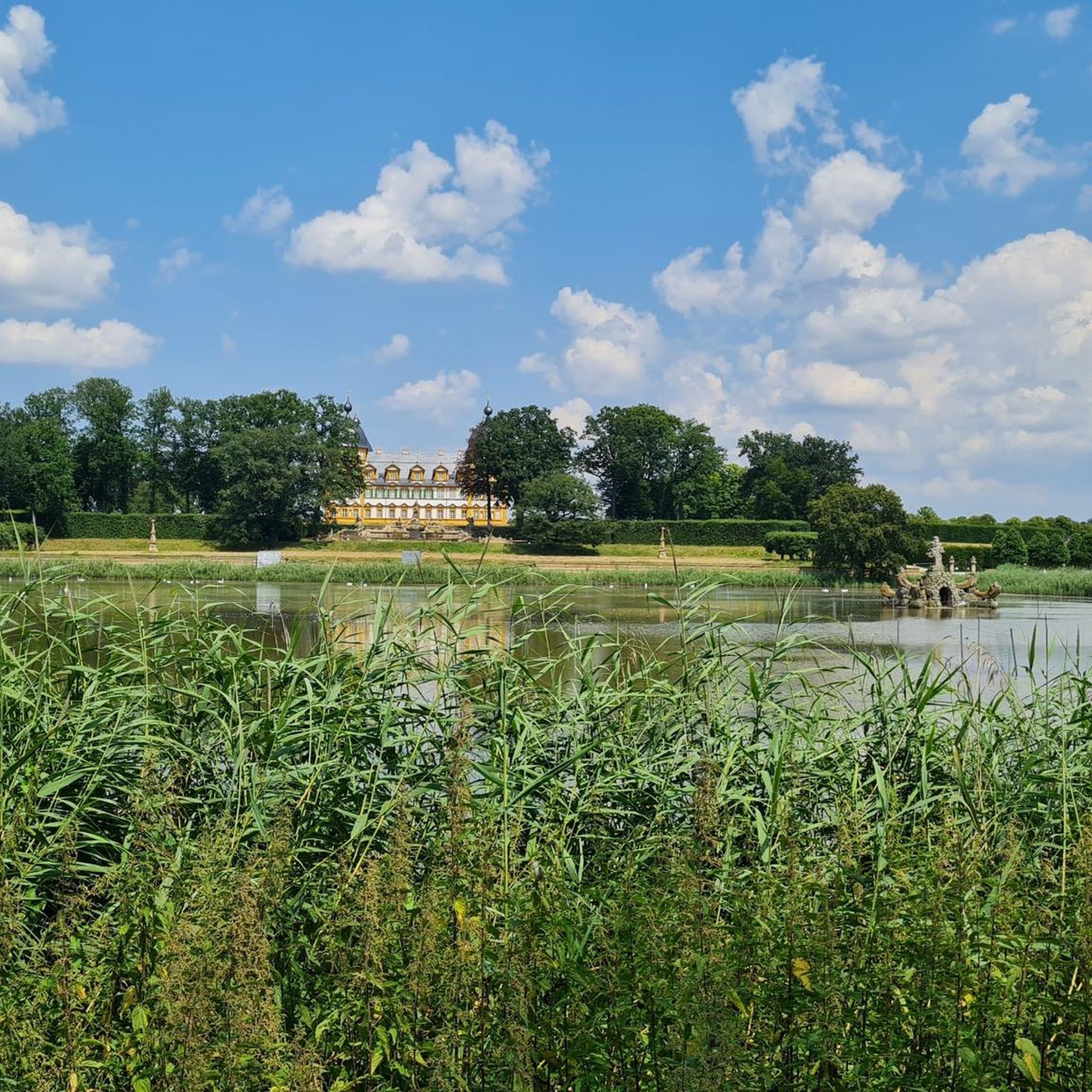
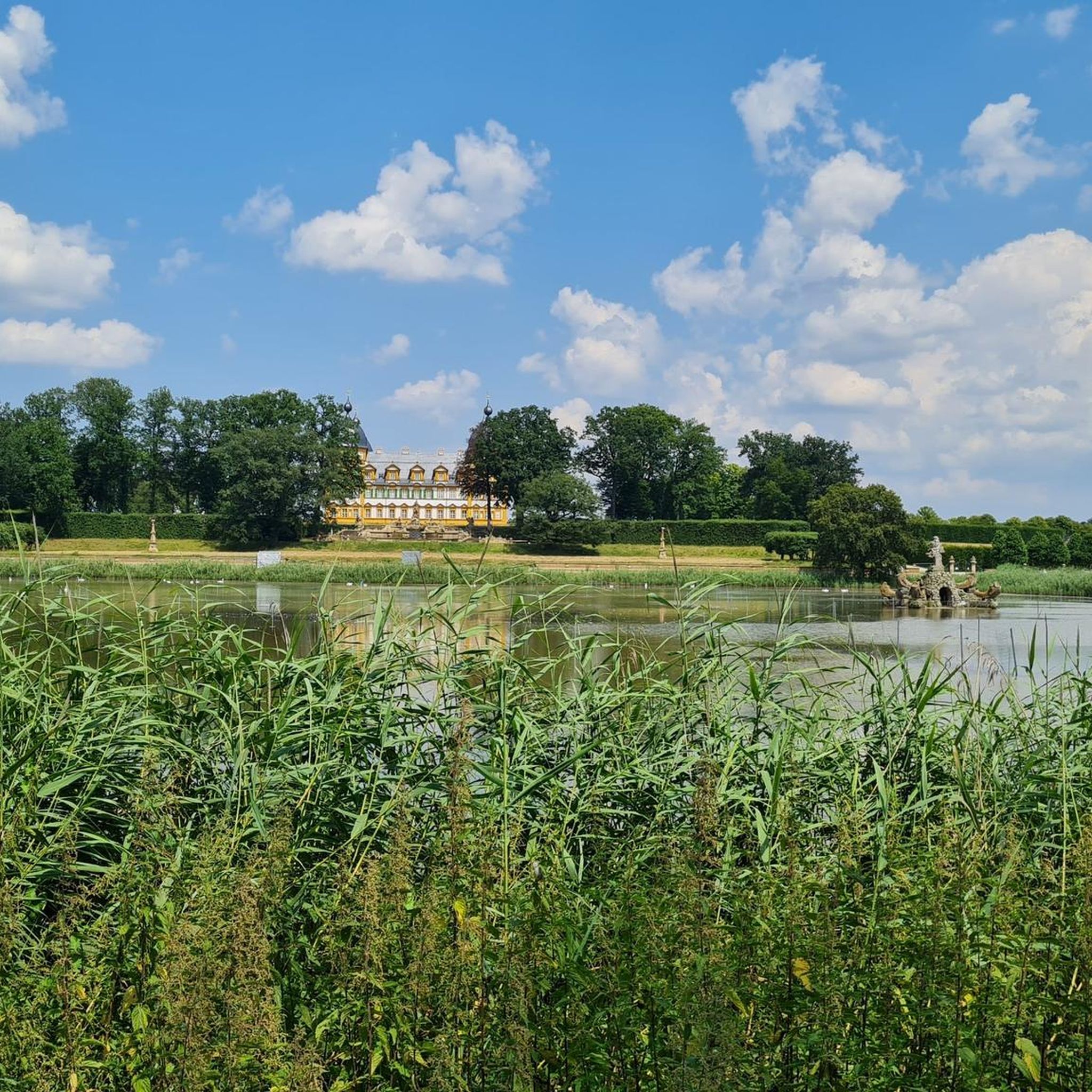
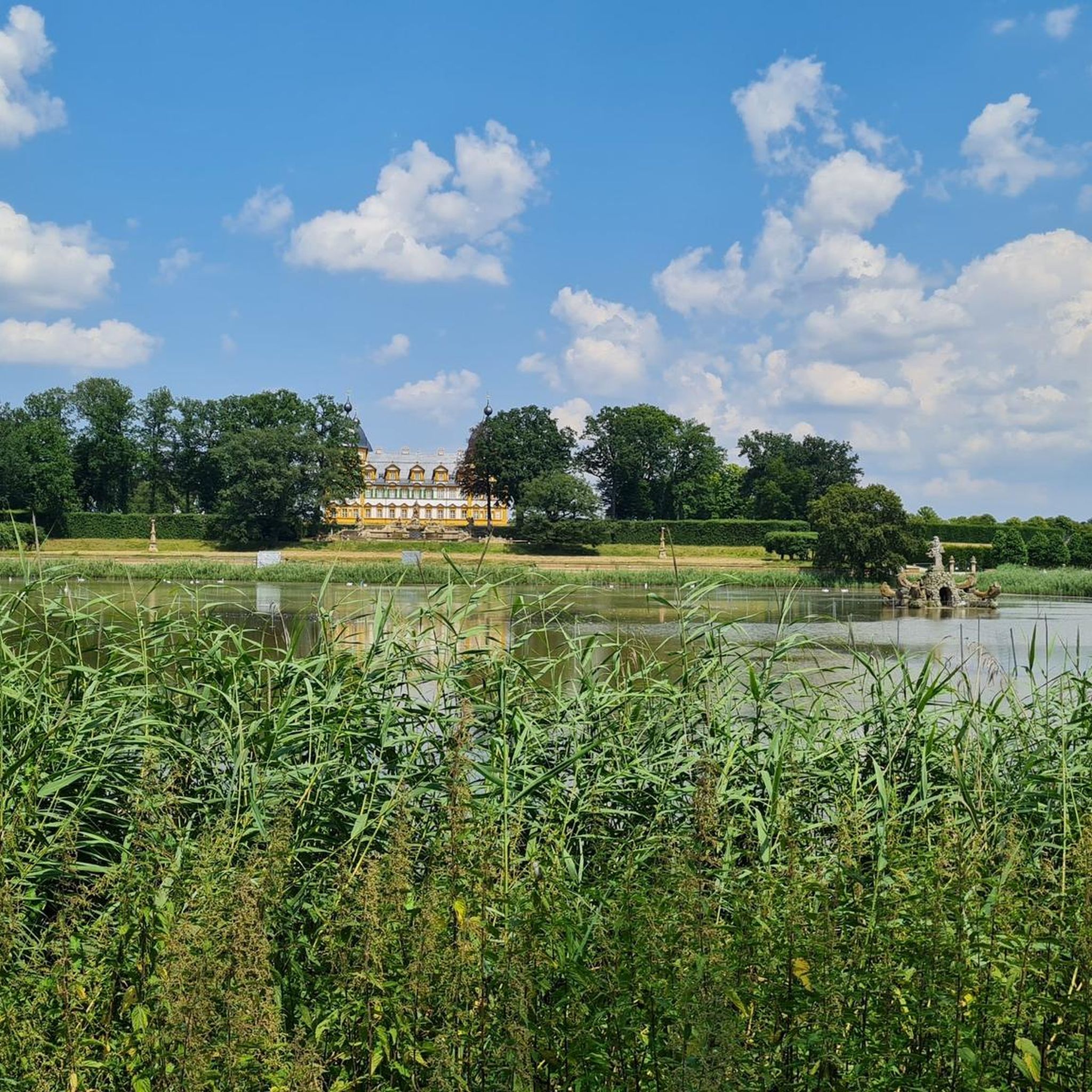
Seehof Palace
Highlight • Castle
Translated by Google •
Tip by

Sign up now to discover places like this
Get recommendations on the best single tracks, peaks, & plenty of other exciting outdoor places.
Sign up for free
New Residence, Bamberg
Highlight • Historical Site
Translated by Google •
Tip by

Pilgrimage Church of St. Pankratius (Gügel Church)
Highlight • Religious Site
Translated by Google •
Tip by

Old courtyard
Highlight • Historical Site
Translated by Google •
Tip by

Sign up for free to discover even more castles around Hauptsmoor.
Sign up for free
Already have an account?
Start today with a free account
Your next adventure awaits.
Login or Signup
Tips from the Community

Interesting building ensemble from different eras. Somehow everything fits together harmoniously. An absolute must when visiting Bamberg.
7
0

Together with the cathedral and the new residence in Bamberg, the old court forms a historically grown square ensemble of European importance in the heart of the world heritage city of Bamberg. Emperor Henry II made Bamberg a bishopric in 1007. The old court was the bishops' first residence. The half-timbered buildings that have survived to the rear were built from 1475, and from 1568 the council chamber building and the beautiful gate were added to the cathedral square. Source: https://www.schloesser.bayern.de/deutsch/schloss/objects/bam_hof.htm
12
2

Seehof Castle is always worth a visit
7
0

The old court is the former imperial and bishop's palace and impresses with its half-timbered and Renaissance buildings. The courtyard with these buildings exudes a great atmosphere.
10
1

A Babenberg fort, the Castrum Babenberg, used to stand here on Bamberg's Domberg. In 1003 it became the Palatinate of the Duke of Bavaria and later Roman-German Emperor Heinrich II. After the founding of the Diocese of Bamberg, it became the residence of the Bamberg bishops in 1007. After the buildings on Domberg were completed, the old court, which at its core still contains the remains of the palace and the chapel from the 11th century, stood between the cathedral in the south and the new residence in the north. After the prince-bishop moved to a new palace, the buildings were used as an office, library and council chamber. Today the city's historical museum is housed there and the cathedral building hut is housed in the Henneberg wing. In the summer, the Calderon Festival takes place in the courtyard. Source: Wikipedia
12
3

The magnificent facades of the New Residence show how the baroque prince-bishops resided. A highlight of the baroque interior is the Kaisersaal. The Tyrolean-born painter Melchior Steidl frescoed the walls and ceiling of the hall from 1707 to 1709 with a complex pictorial program that shows the connection between the prince-bishopric and the rulers of the Old Kingdom. In addition to the showrooms of the palace administration, the New Residence also houses the State Gallery of the Bavarian State Painting Collections with masterpieces of old German and Baroque painting. Source: Castle Administration
21
3
The Old Court houses the Historical Museum and the Catherine Chapel. The Katharinenkapelle offers space for civil weddings and since 2004 the 1000-year history of the city, which has become a cult piece, has been performed there under the title "Light and Shadow" on weekends from May to October.
16
2

The New Residence is a multi-wing, listed building on Domplatz in Bamberg in Upper Franconia. Neue Residenz is situated 250 meters south of St. Mark's Bridge.
24
2
Frequently Asked Questions
Which castles offer the best panoramic views of the region?
For breathtaking views, visit Altenburg Bamberg, perched on Bamberg's highest hill. Its keep offers an excellent vantage point. Another great option is Giechburg, which provides a beautiful all-round view from its elevated position.
Are there any family-friendly castles to visit near Hauptsmoor?
Yes, several castles are suitable for families. Giechburg is considered family-friendly and offers a restaurant. Seehof Palace has well-kept facilities and water features that children might enjoy. The Pilgrimage Church of St. Pankratius (Gügel Church), originally a castle, has narrow corridors and stairs that can be fun for kids to explore.
What historical significance do the castles around Hauptsmoor hold?
The castles in the region offer a rich history. For example, Altenburg Castle dates back to 1109 and served as a refuge and residence for Bamberg's bishops. The New Residence, Bamberg was the seat of the Bamberg prince-bishops until 1802, showcasing lavish Baroque architecture and historical interiors. Schloss Weißenstein, also known as Pommersfelden Castle, is a foundational example of Franconian Baroque architecture from the early 18th century.
Can I visit castles near Hauptsmoor using public transport?
While specific public transport routes to every castle vary, Bamberg itself is well-connected. From Bamberg, you can often find local buses or other transport options to reach castles like Altenburg Castle and the New Residence, which are within or very close to the city. For castles further afield, checking local bus schedules from Bamberg is recommended.
Are there hiking or walking trails that lead to these castles?
Yes, many castles in the region are accessible via hiking trails. For instance, there are several ways to climb Giechburg, including hiking. You can find various hiking routes in the broader area, such as those listed in the Hiking around Hauptsmoor guide, which may connect to or pass near some castle locations.
What are the best times of year to visit the castles around Hauptsmoor?
The spring and autumn months are generally ideal for visiting the castles, offering pleasant weather for exploring both the castle grounds and any surrounding trails. Summer can also be enjoyable, especially for castles with extensive gardens like Seehof Palace, though it can be busier. Some castles, like Seehof Palace, have specific opening hours from April to October.
Are there dining options available at or near the castles?
Yes, some castles offer dining facilities. Giechburg has a restaurant and accommodation. Altenburg Castle also houses a restaurant, 'Hoffmannsklause,' known for being Bamberg's highest beer garden. Additionally, Seehof Palace has a café with cakes and lunch options.
Can I bring my dog to the castle grounds or nearby trails?
While specific castle policies for dogs vary, many outdoor areas and trails around the castles are dog-friendly. It's always best to check individual castle regulations before your visit. For nearby outdoor activities, you can explore the hiking routes around Hauptsmoor, many of which are suitable for walks with dogs.
What kind of architecture can I expect to see among the castles?
The region showcases a diverse range of architectural styles. You'll find medieval fortresses like parts of Altenburg Castle, which retains a 13th-century keep. In contrast, the New Residence, Bamberg, and Schloss Seehof are prime examples of impressive Baroque palaces. Greifenstein Castle also features a medieval core with later Baroque redesigns.
Are there any lesser-known or 'hidden gem' castles worth exploring?
While the main highlights are well-known, exploring the broader region can reveal other interesting sites. Geyerswörth Castle in Bamberg, for instance, is a historic site that has undergone several renovations over centuries, offering a glimpse into the archbishops' residences. These smaller, less-frequented sites often provide a more intimate historical experience.
What outdoor activities are available near the castles around Hauptsmoor?
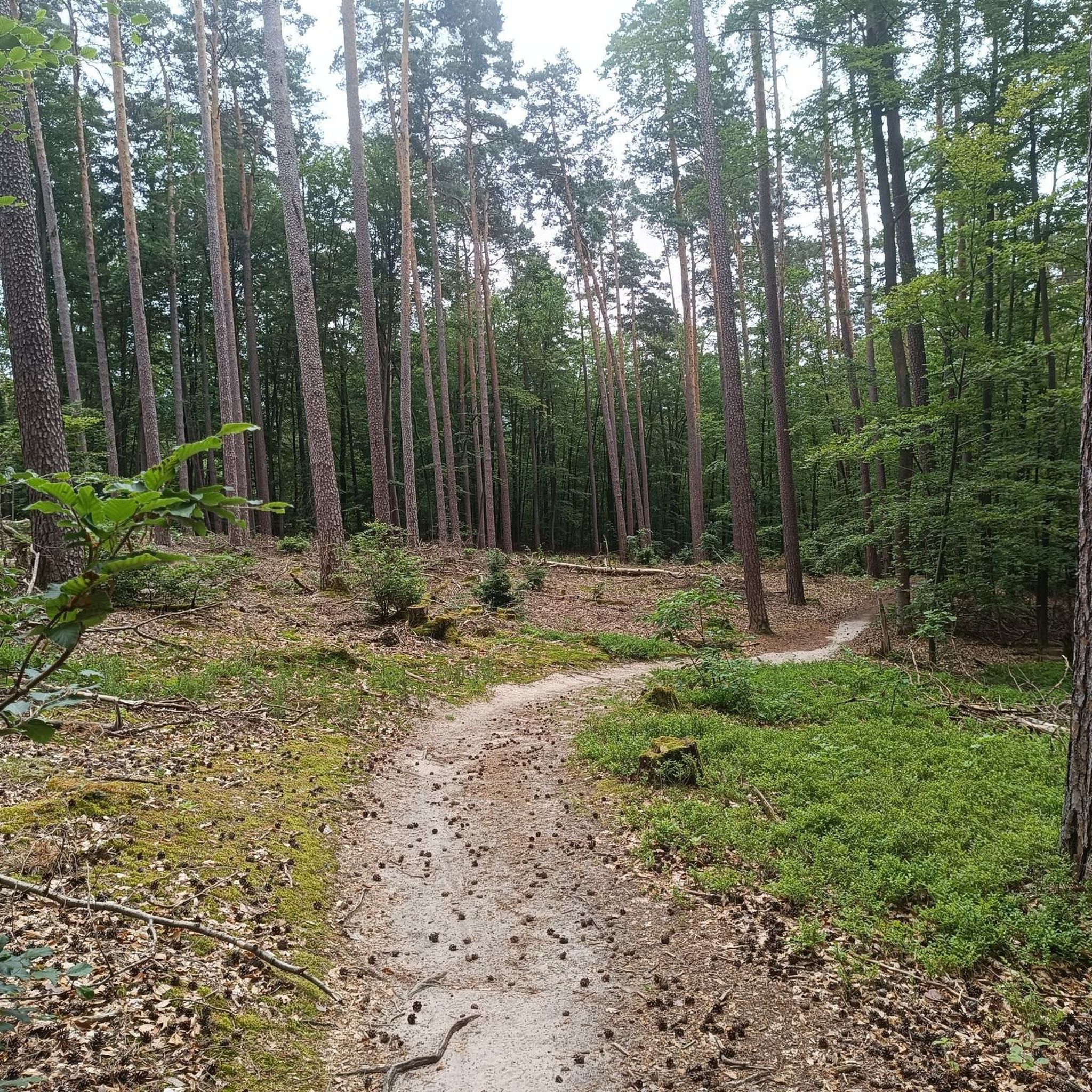
Beyond castle visits, the Hauptsmoor region offers various outdoor activities. You can find numerous hiking trails, running routes, and mountain biking trails in the Hauptsmoor forest itself, which is adjacent to many of these historical sites. These routes range from easy to moderate difficulty.
What do visitors enjoy most about the castles in this region?
Visitors frequently appreciate the combination of historical depth, stunning architecture, and panoramic views. The well-preserved interiors of places like the New Residence, the unique features of Gügel Church, and the scenic beauty from Altenburg are often highlighted. The opportunity to combine cultural exploration with outdoor activities like hiking is also a major draw.
Most popular routes around Hauptsmoor
Most popular attractions around Hauptsmoor

Get inspired with the komoot mobile app


Explore more
Looking for the best castles somewhere else? Discover other guides around Hauptsmoor:
