Attractions and Places To See around Speinshart - Top 20
Best attractions and places to see around Speinshart include a blend of historical, cultural, and natural sites in the northern Upper Palatinate region of Germany. The area is centered around its Premonstratensian monastery, considered a significant monument in Southern Germany. Visitors can explore historical landmarks, cultural sites, and natural features like the distinct basalt mountain Rauher Kulm. The surrounding countryside offers landscapes for outdoor activities such as hiking and cycling.
Best attractions and places to see around Speinshart
- The most popular attractions is Waldeck Castle Ruins, a castle that is one of the oldest in the Upper Palatinate. The lovingly restored castle ruin offers panoramic views of the surrounding area.
- Another must-see spot is Tauritzmühle Beer Garden and Inn, a restaurant and pub. This secluded spot provides a place to stop with food and a beer garden, and is located near hiking and biking trails.
- Visitors also love Circular rampart at Rauher Kulm, a historical site and natural monument. This site features remains of a rampart from the time of the Celts and offers a network of paths through varied forests.
- Speinshart is known for its historical sites, natural monuments, and religious buildings. The area offers a variety of attractions to see and explore, from ancient ruins to cultural hubs and scenic landscapes.
- The attractions around Speinshart are appreciated by the komoot community, with more than 440 upvotes and 280 photos shared by visitors.
Last updated: May 11, 2026
Rauher Kulm Lookout Tower
Highlight • Viewpoint
Nicolaus Apel built a wooden observation tower as early as 1807. There was a movable gold-plated sun above a hall, which is why the tower was also called the Sun Temple. Apple's tower existed until 1895 when the dilapidated structure was replaced by a new tower.
This second tower was replaced in 1937 by a third tower 6 meters higher. Due to the weather, this platform had to be replaced by a new one in 1962; henceforth a 25 meter high steel construction with larch wood cladding was enthroned over the town of Neustadt am Kulm.
On June 30, 1984, this fourth tower burned down within half an hour after being set on fire; the perpetrator has not yet been identified. In the following years, a fifth tower was built, which is still standing today.
Source: de.wikipedia.org/wiki/Rauher_Kulm_(Oberpfalz)
Translated by Google •
Tip by

Circular rampart at Rauher Kulm
Highlight • Historical Site
The exposed basalt slopes are a valuable habitat for numerous animals and rare plants. Around 90 different lichens and mosses grow and thrive on the heat-storing basalt boulders. The Rauhe Kulm has been protected as a natural monument since 1909 and has been a nature reserve in accordance with European standards (FFH) for several years. In 2013, the Rauhe Kulm was voted Germany's most beautiful natural wonder.
Translated by Google •
Tip by

Sign up now to discover places like this
Get recommendations on the best single tracks, peaks, & plenty of other exciting outdoor places.
Sign up for free
Tauritzmühle Beer Garden and Inn
Highlight • Restaurant
Opening hours:
Closed on Mondays and Tuesdays
Wednesday, Thursday, Friday 16 to 22 o'clock
Saturday 11.30am to 10pm
Sunday 9am to 9pm
Translated by Google •
Tip by

Waldeck Castle Ruins
Highlight • Castle
The village of Waldeck was rebuilt around the pilgrimage church of St. Johannes Nepomuk, which was built north of Schlossberg in 1731. The climb to the lovingly restored castle ruin is worth it simply because of the phenomenal view.
Translated by Google •
Tip by

Speinshart Monastery and Monastic Village
Highlight • Religious Site
Translated by Google •
Tip by

Sign up for free to discover even more attractions around Speinshart.
Sign up for free
Already have an account?
Start today with a free account
Your next adventure awaits.
Login or Signup

Tips from the Community

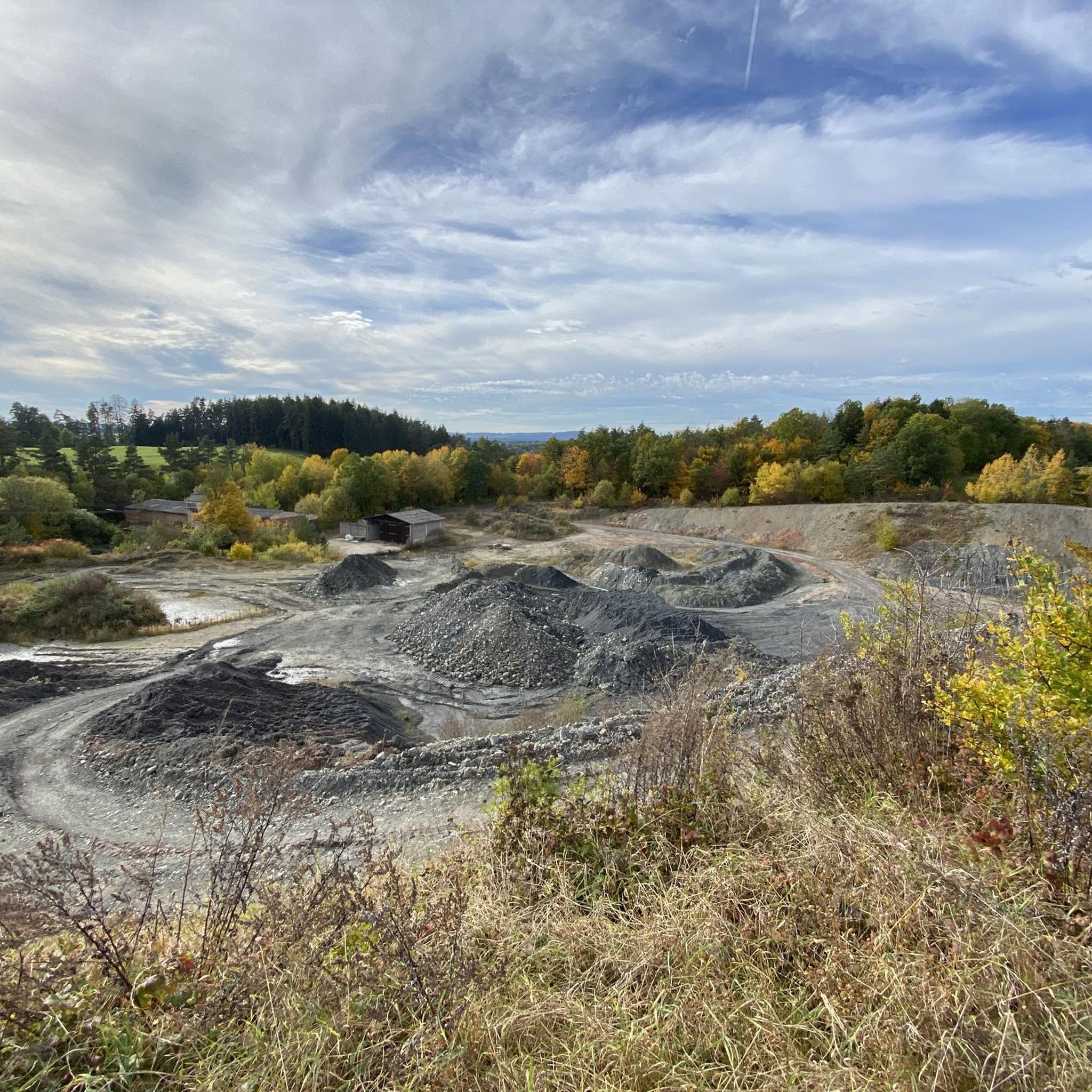
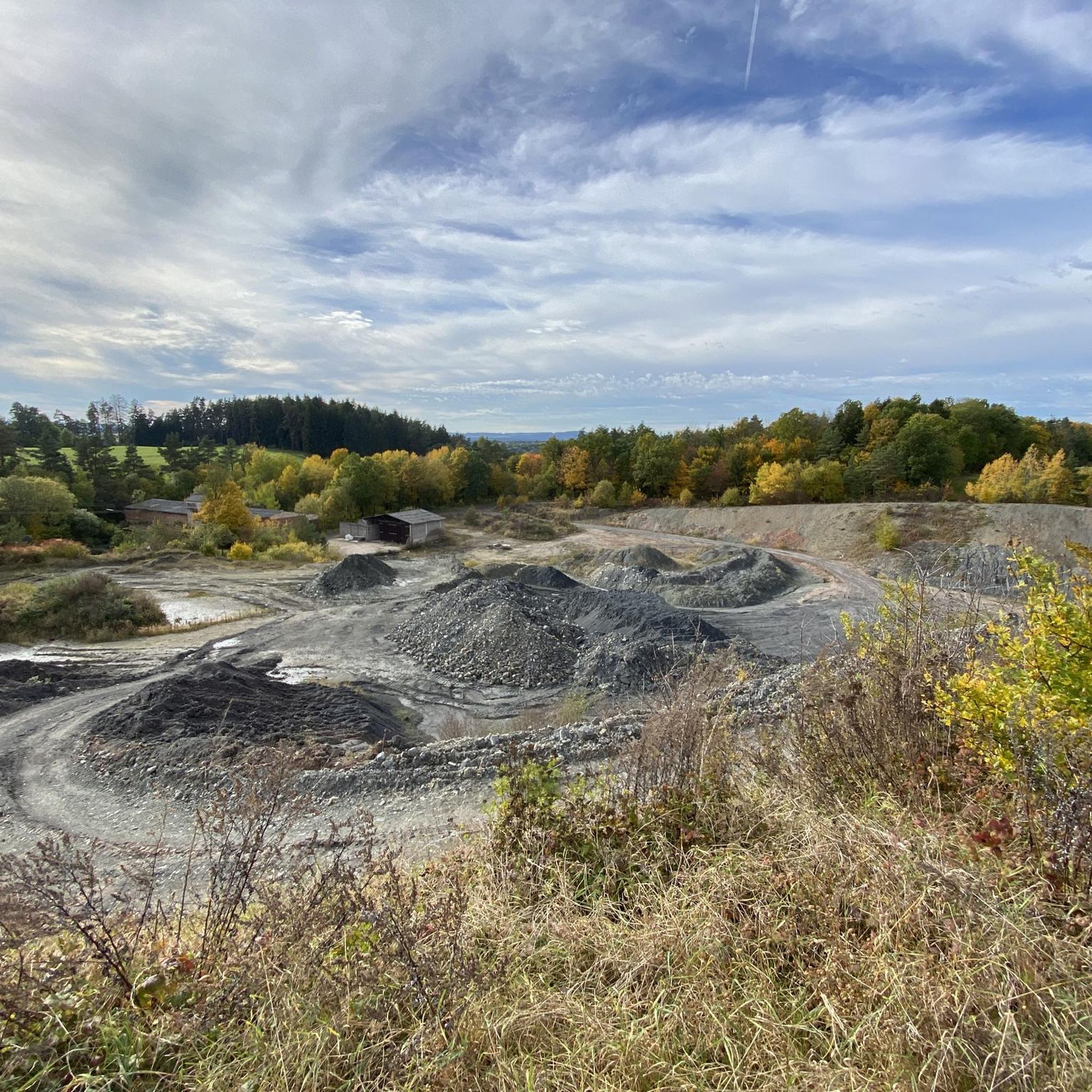
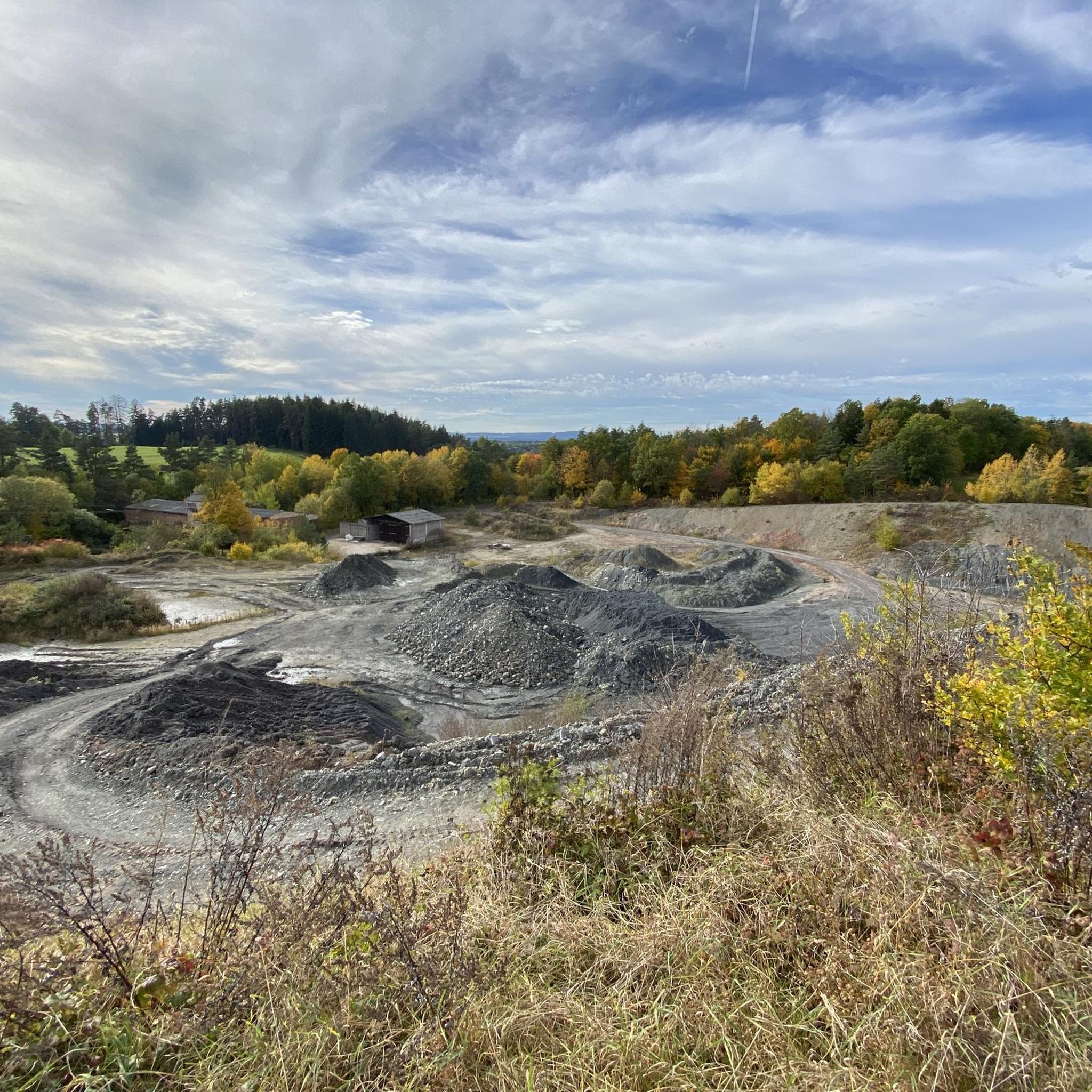
The rampart on the Rauher Kulm is a fortification at the foot of the Rauher Kulm. Gate area of the rampart Area disturbed by quarrying The Rauher Kulm, as a basalt mountain in the otherwise flat surroundings, was already visited by people in prehistoric times. The rampart made of basalt blocks runs around the foot of the mountain. Finds point to the Bronze Age, the Celts, the time of the Carolingians and the Slavic settlement chambers. Fighting took place during the time of the Hungarian invasions. Even if the rampart has been disturbed by later interventions, including the creation of an English garden across the entire mountain or the mining of the basalt in quarries, the course can be recognized from the basalt boulders. There is a lower main rampart with at least two gate areas and another fortified area at medium height. The hilltop castle is, however, classified as largely late medieval. Several burial mounds are also known. It is assumed that the settlement was located within the protective wall, so that it was not just a refuge. The predominantly stone remains were reinforced by wooden structures, among other things. There is evidence of post-and-slot walls, kennel-shaped walls and additionally secured gate areas. The cartographer Johann Christoph Stierlein made a drawing of the Rauher Kulm and recorded both the rampart and the hilltop castle.[1] The rampart was researched at the beginning of the 20th century by Adalbert Neischl on behalf of the Nuremberg Natural History Society and Hugo Obermaier, who completed Neischl's work. Hans Losert has been carrying out excavations for over ten years and is responsible for the scientific analysis.
1
0

The ring wall itself dates back to the time of the Celts and probably served as a refuge or place of worship. The remains of the ramparts are still clearly visible and make for an exciting exploration tour. The climb to the summit is a bit strenuous, but the view and the historic atmosphere definitely make the effort worthwhile.
4
0

Speinshart Monastery was built in the 12th century as a Romanesque monastery complex. The monastery and church are one of the most important and beautiful monuments in the Upper Palatinate. The monastery itself is not open to visitors for viewing the interior, but the church itself, built in the 17th century in a Baroque style, is worth a visit.
5
0

A basalt cone about 641 meters high around five kilometers east of Kemnath made history. One of the oldest castles in the Upper Palatinate was located on its summit. Waldeck Castle was first mentioned in documents in 1124. The castle complex has been excavated and restored for several decades. The Waldeck Local History and Culture Association has contributed a large part to this. Regular services are held at the St. Ägidius open-air chapel, and theater performances are also held here every year on an open-air stage with 300 seats. Performances by the Upper Palatinate State Theater are now part of the permanent cultural program.
19
0

Around the cone, hikers will find a well-developed network of paths through varied mixed forest and old beech forest stands. The newly marked paths mostly lead along well-paved forest paths, but also along natural hiking trails. The exposed basalt slopes are a valuable habitat for numerous animals and rare plants. Around 90 different lichens and mosses grow and thrive on the heat-storing basalt boulders. The Rauhe Kulm has been protected as a natural monument since 1909 and has been a nature reserve in accordance with European standards (FFH) for several years. In 2013, the Rauhe Kulm was voted Germany's most beautiful natural wonder.
8
0
Around the cone, hikers will find a well-developed network of paths through varied mixed forest and old beech forest stands. The newly marked paths mostly lead along well-paved forest paths, but also along natural hiking trails. The exposed basalt slopes are a valuable habitat for numerous animals and rare plants. Around 90 different lichens and mosses grow and thrive on the heat-storing basalt boulders. The Rauhe Kulm has been protected as a natural monument since 1909 and has been a nature reserve in accordance with European standards (FFH) for several years. In 2013, the Rauhe Kulm was voted Germany's most beautiful natural wonder.
6
1
The Rauhe Kulm rises 682 metres high from the middle of the landscape and is visible from all directions. It is surrounded by the Fichtel Mountains to the north, the Steinwald to the east, the heights of the Franconian Jura to the south and the Franconian Switzerland to the west. It owes its striking shape to its volcanic origins around 20 million years ago. The exposed basalt slopes are a valuable habitat for numerous animals and rare plants. Around 90 different lichens and mosses grow and thrive on the heat-storing basalt boulders. The Rauhe Kulm has been protected as a natural monument since 1909 and has been a nature reserve in accordance with European standards (FFH) for several years. In 2013, the Rauhe Kulm was voted Germany's most beautiful natural wonder.
9
1

The monastery complex was first mentioned as early as the 12th century. Today there is a delicious restaurant next to the collegiate church!
6
0
Frequently Asked Questions
What historical sites can I explore in Speinshart?
Speinshart is rich in history. You can visit the impressive Speinshart Monastery, a Premonstratensian abbey founded in 1145, known for its Baroque church and historic monastic village. Another significant site is Waldeck Castle Ruins, one of the oldest castles in the Upper Palatinate, offering panoramic views. Don't miss the Circular rampart at Rauher Kulm, which features remains from the Celtic era.
Are there any natural landmarks or viewpoints in the Speinshart area?
Absolutely. Speinshart lies at the foot of the distinct basalt mountain, Rauher Kulm, which is protected as a natural monument and was voted Germany's most beautiful natural wonder in 2013. You can explore the Circular rampart at Rauher Kulm, which offers a network of paths through varied forests and exposed basalt slopes. The Waldeck Castle Ruins also provide a phenomenal view of the surrounding area.
What outdoor activities are popular around Speinshart?
The region around Speinshart, part of the Oberpfälzer Wald, is ideal for outdoor activities. You'll find numerous opportunities for hiking, cycling, and mountain biking. For hiking, explore routes like the 'Rauher Kulm Lookout Tower loop' or the 'View of Speinshart Abbey loop'. Mountain bikers can enjoy trails such as the 'Speinshart Abbey – Eschenbach Old Town loop'. You can find more details and routes in the Hiking around Speinshart and MTB Trails around Speinshart guides.
Are there family-friendly attractions or activities in Speinshart?
Yes, Speinshart offers several family-friendly options. The Tauritzmühle Beer Garden and Inn is a great stop with a water playground for children. The Waldeck Castle Ruins are also considered family-friendly, offering an engaging historical exploration. Additionally, the Speinshart Monastery and Monastic Village provides an interesting cultural experience for all ages.
Where can I find places to eat or stay near Speinshart's attractions?
For culinary breaks and accommodation, the Kloster-Gasthof, located within the Speinshart Monastery complex, is a convenient option. The Tauritzmühle Beer Garden and Inn is another excellent choice, offering delicious food, a beautiful beer garden, and a cozy lounge, especially after a hike or bike ride.
What is the best time to visit Speinshart for outdoor activities?
The area around Speinshart is beautiful for outdoor activities like hiking and cycling throughout the warmer months, typically from spring to autumn. The varied mixed and old beech forests around Rauher Kulm are particularly pleasant during these seasons. While specific winter activities are not detailed, the natural beauty can be appreciated year-round.
Are there any unique museums or cultural experiences in the area?
Beyond the monastery, you can discover the unique Wurzelmuseum Donhauser (Root Museum Donhauser) in the district of Tremmersdorf, which showcases over 800 natural tree roots creating an 'animal paradise'. The Speinshart Monastery also hosts an International Meeting Center, which organizes concerts, exhibitions, lectures, and workshops, making it a vibrant cultural hub.
Can I find easy hiking trails near Speinshart?
Yes, there are several easy hiking trails suitable for various fitness levels. For instance, you can enjoy the 'View of Rauher Kulm – Waldeslust Inn loop' or the 'Speinshart Monastery Village – Speinshart Monastery loop', both rated as easy. These routes offer pleasant walks through the scenic countryside. More options are available in the Hiking around Speinshart guide.
Is Speinshart Monastery accessible for visitors?
The Speinshart Monastery and its Monastery Church are generally accessible for visitors. Guided tours can be arranged by appointment to explore the richly adorned Baroque interior. The Klosterdorf (monastic village) surrounding the abbey is also open for strolls, allowing visitors to experience its historic flair.
What do visitors enjoy most about the attractions around Speinshart?
Visitors particularly appreciate the blend of historical significance and natural beauty. The panoramic views from Waldeck Castle Ruins and the well-preserved Speinshart Monastery are highly rated. The network of paths around the Circular rampart at Rauher Kulm through varied forests is also a favorite for hikers. Many also enjoy the welcoming atmosphere and good food at places like the Tauritzmühle Beer Garden and Inn.
Are there any specific religious buildings to visit besides Speinshart Monastery?
Yes, in addition to the main monastery, you can visit the ruins of a large pilgrimage church dedicated to St. Barbara on Barbaraberg. Although mostly in ruins, its west facade was restored, and a new chapel honoring St. Barbara was added. There's also the St. Ägidius Chapel, an open-air chapel at Waldeck Castle, which was the first parish church in Waldeck dating back to the 12th century.
Can I find routes for running or jogging near Speinshart?
Yes, the area offers several routes suitable for running and jogging. You can find options like the 'Monastery Inn – View of Speinshart Monastery loop' from Speinshart, which is a moderate 10.8 km route. For more running trails, refer to the Running Trails around Speinshart guide.
Most popular routes around Speinshart
Most popular attractions around Speinshart

Get inspired with the komoot mobile app


Explore more
Still not found the Highlight you’re looking for? See guides of the top attractions in other regions:
