The best walks and hikes around Speinshart
4.6
(144)
613
hikers
80
hikes
Hiking around Speinshart offers diverse landscapes in the northern Upper Palatinate, situated at the foothills of the Fichtelgebirge mountains. The region features prominent natural landmarks such as the basalt mountain Rauher Kulm and the granite ridge of Steinwald Nature Park. Hikers can explore picturesque areas like the Waldnaabtal nature reserve, characterized by a clear water gorge. The terrain includes a mix of hills, forests, and open countryside, providing varied hiking experiences.
Best hiking trails around Speinshart
- The most popular hiking…
Last updated: October 7, 2026
4.8
(36)
81
hikers
17.1km
04:52
370m
370m
Moderate hike. Good fitness required. Easily-accessible paths. Suitable for all skill levels.
4.9
(12)
34
hikers
7.56km
02:05
120m
120m
Moderate hike. Good fitness required. Easily-accessible paths. Suitable for all skill levels.

4.5
(6)
13
hikers
6.06km
01:42
110m
110m
Easy hike. Great for any fitness level. Easily-accessible paths. Suitable for all skill levels.
5.0
(4)
23
hikers
5.22km
01:20
20m
20m
Easy hike. Great for any fitness level. Easily-accessible paths. Suitable for all skill levels.
4.9
(9)
54
hikers
5.98km
01:41
120m
120m
Easy hike. Great for any fitness level. Easily-accessible paths. Suitable for all skill levels.
Get access to more routes and recommendations from other explorers.
Already have an account?
Our route recommendations are based on thousands of hikes, rides, and runs completed by other people on komoot.
Start today with a free account
Your next adventure awaits.
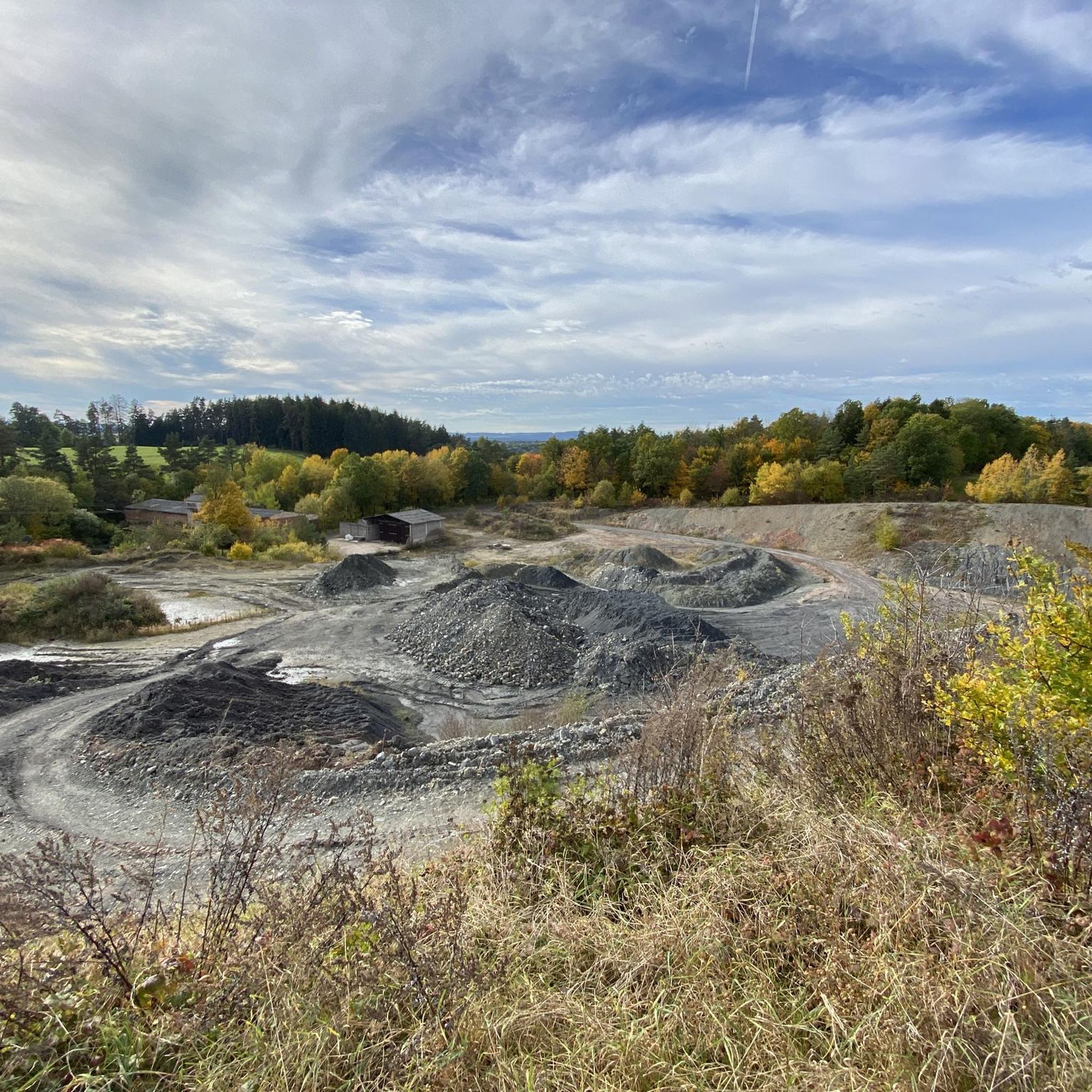
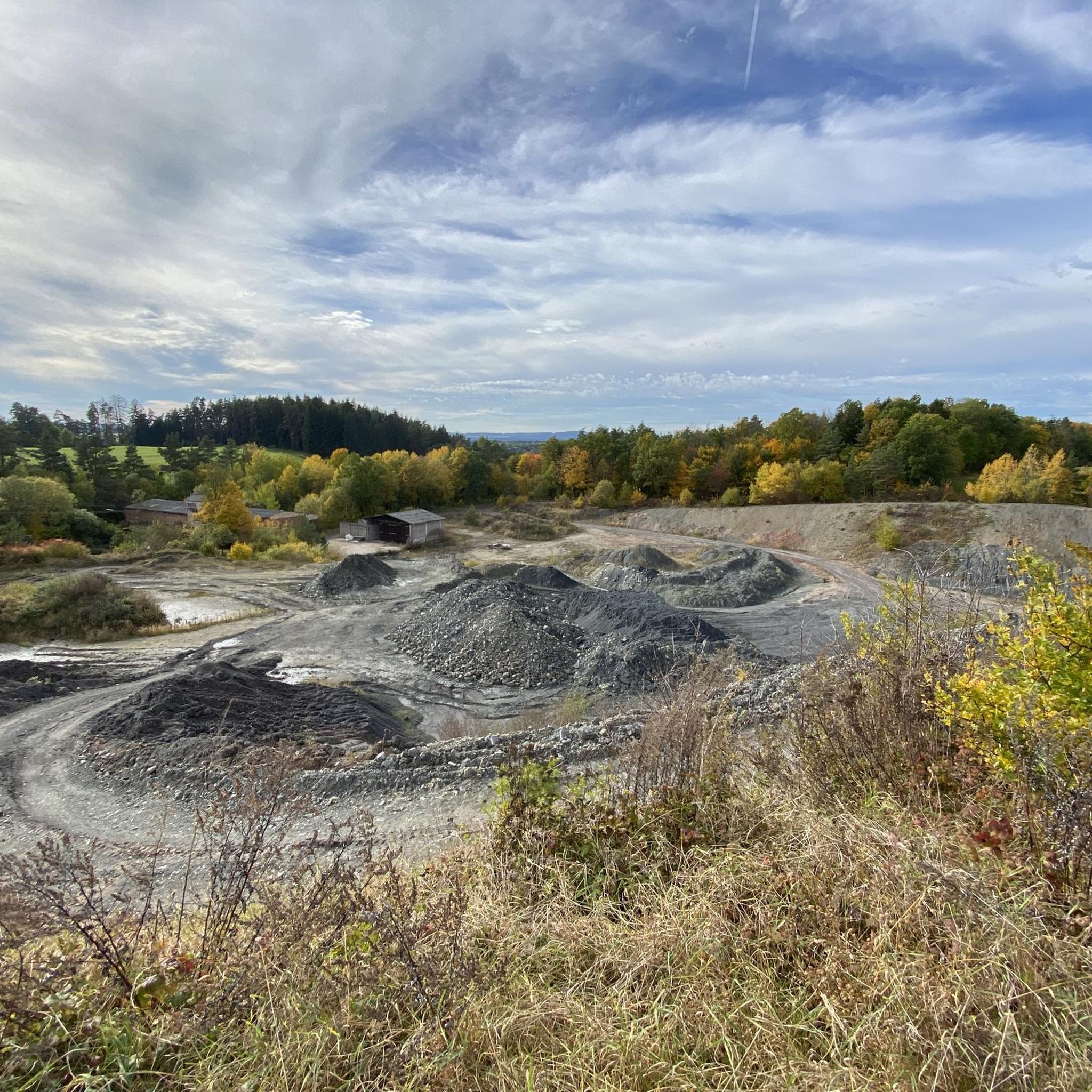
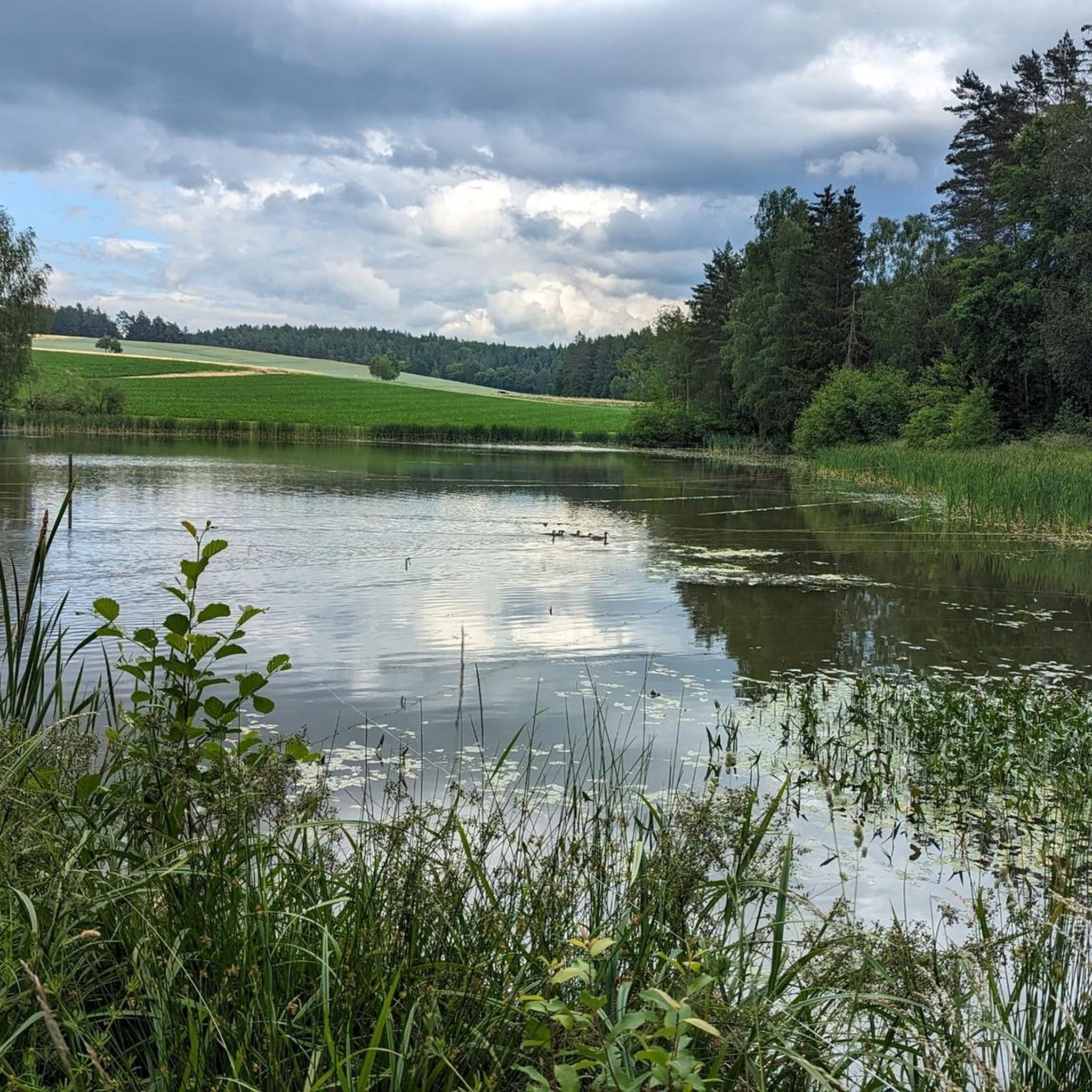
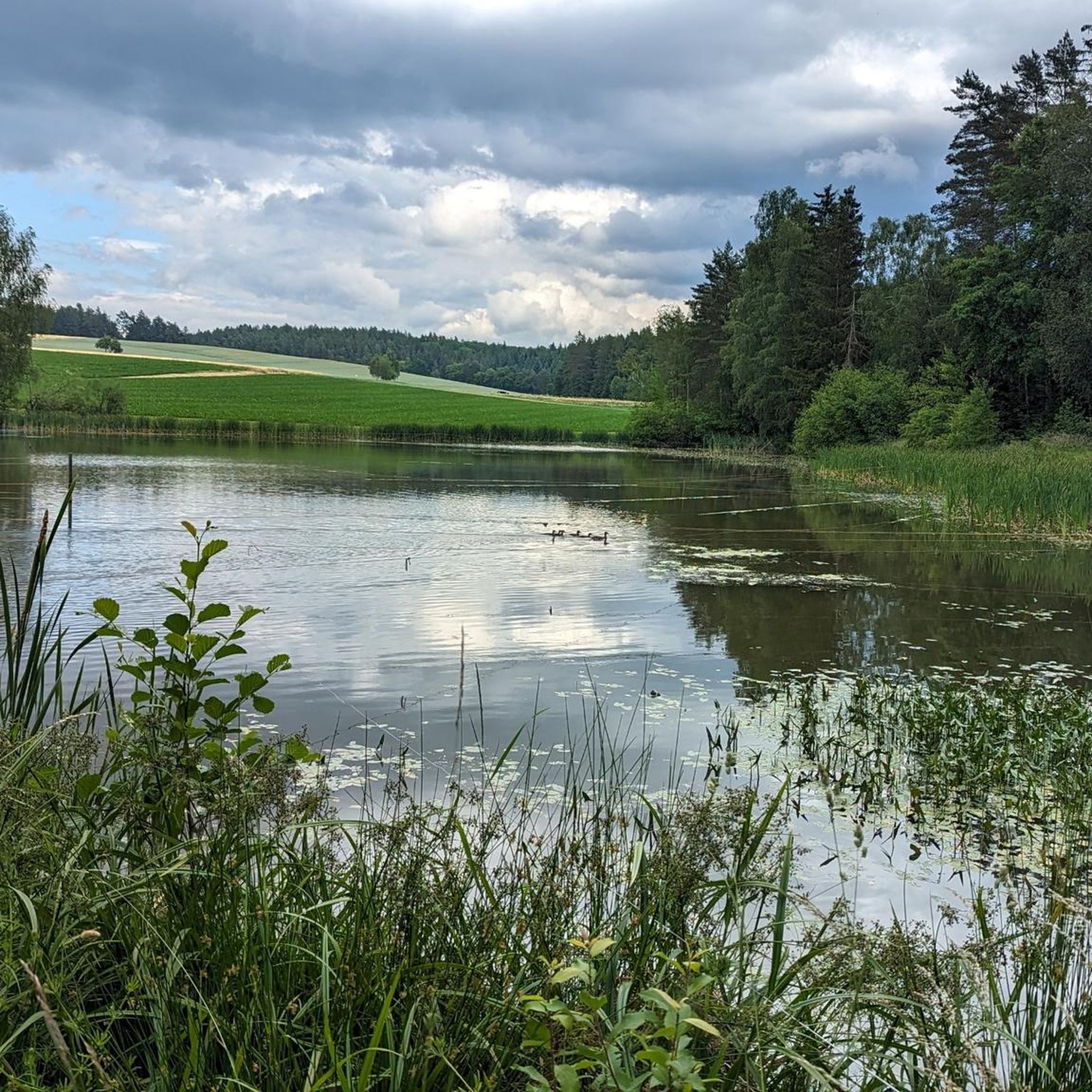

Tips from the Community

Burgstall Rauhenkulm There are no reliable sources regarding the origin of the high medieval castle. Although the deed of foundation of the Benedictine monastery Michelfeld from 1119 states that Bucco de Culmen of Leuchtenberg had a residence on one of the two Kulms. He would thus be the first scientifically documented lord of the castle. However, it is unclear whether Rauhe Kulm or Kleine Kulm is meant. It is conceivable, but unlikely, that it was a building in the village of Kulmain. Excavations have brought shards, arrowheads, crosses, and coins from this period to light. According to Losert, the construction of the Rauher Kulm rampart was part of Emperor Otto I the Great's strategy to contain the impending danger from the Hungarians. Sandstone, timber framing, and bricks were used in the construction of the castle around 950. In addition to military use, the castle was also inhabited by women and children, as evidenced by various finds, including several spindle whorls, a weaving sword, and a large iron knife. Burgrave Friedrich III of Nuremberg acquired the castle, including the associated places, from the Landgraves of Leuchtenberg in 1281. The former tower was part of the margravial signaling system. During the Second Margravial War under Margrave Albrecht Alcibiades, the castle, as well as the Schlechtenkulm castle on Kleine Kulm, was destroyed in 1554. Before the destruction, both castles were besieged for about a year by troops from the imperial cities of Nuremberg, Bamberg, Würzburg, and Bavaria under the command of the electoral district administrator Hans Umseher von Waldeck, and the inhabitants were starved. The fortress commander von Heydenab surrendered the fortress on Rauhen Kulm on June 28, 1554. Afterwards, it was blown up with screws, the triple walls were razed and destroyed. Stones from the medieval ramparts of both castle sites were later used in part to reinforce the city walls of Neustadt. Today, only traces of the terrain are visible of the Burgstall Rauhenkulm. Remains of the surrounding rampart and the location of the tower in close proximity to the current observation tower are recognizable. The cartographer Johann Christoph Stierlein created the first very accurate topographical map of the mountain with the ruin. Source: www.wikipedia.de
5
0
Pilgrimage Church of St. Barbara Traces of prehistoric settlements can be found on the Barbaraberg. In pre-Christian times, a Slavic cemetery with 161 documented graves, discovered in 1972 during excavations, was located here. Archaeologically secured is a Romanesque hall church from around the year 1000. It is reported that pilgrimages to the "Church of St. Barbara" and to the wooden carved image of St. Barbara took place as early as the end of the 14th century. During the Reformation, these pilgrimages were forbidden, which led to decay. In 1661, at the instigation of the Kemnath parish priest Balthasar Grosch, the chapel was rebuilt and adorned with the miraculous image that had been found buried in a stable. Under Abbot Dominikus I. von Lieblein, a church in the Rococo style was built here between 1741 and 1756 in honor of St. Barbara. The church building was cruciform and had five altars. The vaults of the nave were decorated with images from the life of St. Barbara. Pilgrimages to the Barbaraberg were resumed. In the course of secularization, the Barbara Church was also closed and sold in 1803. The miraculous image and the relics of St. Barbara remained on site, while the rest of the furnishings were sold to other parishes. The church space was converted into a barn. Due to damage to the roof, the crossing dome and the interior were demolished in 1888. In 1914, the church was partially incinerated by a lightning strike. The Barbara statue in the gable of the facade, which has been headless ever since, still commemorates this. In 1919, the Munich cathedral chapter canon Michael Hartig acquired the remains and had a small chapel built, which was consecrated in 1921. Originally, he wanted to establish a recreational home for the diocesan priests of Munich here. However, the association founded for this purpose was dissolved in 1929. He then donated the buildings to the Speinshart Monastery, in whose possession they remain to this day. In 1976/77, an external renovation took place, followed by interior restoration from 1992 to 1994. What remains of the church is the still magnificent facade, flanked by buildings that formerly served for the accommodation of monastery members and later for agricultural purposes. Sparse remains of the walls of the former church are still preserved. Source: Excerpts from www.wikipedia.de
5
0
Klosterkirche „Zur unbefleckten Empfängnis“ Im späten 12. Jahrhundert wurden die Grundmauern für eine dreischiffige romanische Basilika gelegt, Teile dieser Grundmauern, nämlich die der Chorapsiden, konnten bei Grabungen im Klostergarten gefunden werden. Am Mauerwerk sind Spolien der romanischen Basilika zu erkennen. Als die alte romanische Klosterkirche 1691 abgebrochen war, begann der Neubau nach den Plänen von Wolfgang und Georg Dientzenhofer, der Rohbau wurde 1696 vollendet. Bei der Prämonstratenser-Klosterkirche zur Unbefleckten Empfängnis Mariä handelt es sich um eine Emporen-Wandpfeilerhalle mit eingezogenem Chor. Sowohl Kapellen wie Emporen sind mit Quertonnen gewölbt. Den Saalraum deckt eine abgeflachte Stichkappentonne. An den Stirnen der Wandpfeiler stehen Doppelpilaster. Diese tragen ein kräftiges Gebälk. Typisch für die Klosterkirche ist, daß die Kapellen deutlich höher sind als die darüber liegenden Emporen. Die Oberkante der Emporenbrüstung liegt oberhalb der Oberkante der Gebälkzone. Ein aus Doppelpilastern und einem gedrückten Bogen gebildeter Triumphbogen leitet als Würdeformel vom Saalraum zum Chor. Charakteristisch sind insbesondere die gedrückten, wuchtigen Raumproportionen. Für die Gestaltung und Ausstattung des Innenraums beauftragte Abt Gottfried Blum die italienischen Brüder Carlo Domenico (Stuckateur) und Bartolomeo (Maler) Lucchese. Sie gaben dem Raum mit der schweren barocken Ausgestaltung eine italienische Prägung. Die durch Pilaster und stark hervortretende Gesimse gegliederten Wände gehen scheinbar fließend in die mit schweren Frucht- und Blütengirlanden dekorierte Decke über. Kunstvoll umrahmt heben sich im Langhaus drei großformatige Deckenfresken hervor, die von kleinen, ebenfalls freskierten Medaillons umgeben sind. Im Chorraum ist die Deckendekoration noch dichter und enger zusammengefügt. Carlo Domenico Lucchese fertigte auch den Hochaltar aus Stuck, dieser wurde erst 1714 farbig gefaßt. Das Bild der Immaculata im Hochaltar stammt vermutlich von Antonio Triva, also ebenfalls von einem italienischen Künstler. Nach der Weihe des neuen Gotteshauses 1706 nahm der Innenraum erst nach einigen Jahren seine heutige Gestalt an. In der repräsentativen Vorhalle des eigentlichen Kirchenraums ist das Gründungsereignis des Klosters an der Decke in Szene gesetzt. Flankiert wird die Vorhalle links von der Nepomuk-Kapelle und rechts von der Tauf- oder Silvesterkapelle. Quelle: Auszüge aus www.wikipedia.de
2
0
Kloster Speinshart In the year 1145, the childless couple Adelvolk and Richenza von Reifenberg founded Speinshart Monastery. A confirmation document for the monastery was issued by Emperor Frederick Barbarossa in 1163. The first Premonstratensians came to Speinshart from the Premonstratensian monastery of Wilten near Innsbruck in Tyrol. In a protection letter from Pope Alexander II in 1181, the Premonstratensians in Speinshart were officially mentioned for the first time. Twice the monastery was severely damaged: in 1310, a royal army heavily damaged it, and in 1429, the Hussites plundered the monastery. The monastery experienced its first flourishing period in the 15th century under Provost Georg Ochs von Gunzendorf. At that time, Pope Pius II elevated the monastery to an abbey. For a time, Speinshart was the mother abbey for the Tepl Monastery in Bohemia. The Reformation period marked the first turning point in its history. Under Elector Ottheinrich, the Catholic doctrine was replaced by the new Lutheran doctrine throughout the Upper Palatinate in 1556; all Catholic rites and practices were forbidden. With the transfer of the Upper Palatinate to the Calvinist Elector Frederick III, the Speinshart Abbey collapsed, was eventually secularized, and became state property. In 1661, during the reign of Elector Ferdinand Maria of Bavaria, Premonstratensians returned to Speinshart from Steingaden Monastery. In the following decades, the new convent strove for the structural renewal of the collegiate church and the aging convent tract. In 1691, the monastery regained the status of an abbey. Around 1684, the canons of Speinshart responded to the general Baroque popular piety by reviving the medieval pilgrimage to Barbaraberg. In Speinshart, the veneration of the Flagellated Savior also began in the 18th century, as in the Wieskirche near Steingaden. Through secularization in 1803, the monastery and its possessions fell to secular power for the second time. In the following period, the monastery housed, among other things, the rectory, a school, and the forestry office. On September 30, 1921, the Premonstratensian Order bought the monastery complex back from the Bavarian state. On October 2, 1921, Premonstratensians from the Tepl Abbey in Egerland moved in. In 1923, the Apostolic See confirmed the monastery again as an abbey with all rights. Excerpts from www.wikipedia.de
2
0

It's always wonderful to be here again
0
0
Magnificent landscape with many beautiful impressions
0
0
Magnificent landscape with many beautiful impressions
0
0

Kloster Speinshart, good monastery beer, delicious schnitzel and a charging station for e-bikes.
0
0
Frequently Asked Questions
How many hiking trails are available around Speinshart?
Speinshart offers a wide variety of hiking experiences, with over 70 routes available. These range from easy strolls to more challenging moderate climbs, ensuring options for different ability levels.
What is the best time of year to go hiking in Speinshart?
The best seasons for hiking in Speinshart are spring and autumn. During these times, the weather is mild, and the landscape is either in full bloom or displaying vibrant colors, making for particularly scenic walks.
What kind of terrain can I expect on hikes around Speinshart?
The region features diverse landscapes, including prominent natural landmarks like the basalt mountain Rauher Kulm and the granite ridge of Steinwald Nature Park. You'll find a mix of hills, forests, and open countryside, with picturesque areas such as the Waldnaabtal nature reserve, known for its clear water gorge.
Are there hiking trails suitable for beginners or families in Speinshart?
Yes, Speinshart has many easy trails perfect for beginners or families. For example, the Speinshart Monastery Village – Speinshart Monastery loop is an easy 5.2 km trail, often completed in about 1 hour 20 minutes, offering a gentle walk through the historic village.
Are there any notable natural landmarks or viewpoints to see while hiking?
Absolutely. The prominent basalt mountain Rauher Kulm features a lookout tower with expansive views. The nearby Steinwald Nature Park also offers the Oberpfalzturm, providing panoramic vistas. The Waldnaabtal nature reserve is another impressive natural area with crystal-clear water and abundant wildlife.
What cultural or historical sites can I explore on a hike?
The impressive Speinshart Monastery, an 12th-century building with significant Baroque renewal, is a central cultural highlight. You can explore it on hikes like the Speinshart Monastery Village – Speinshart Monastery loop. The monastery also features a peaceful Klostergarten.
Are there any circular hiking routes in Speinshart?
Many trails in Speinshart are designed as loops. For instance, the View of Rauher Kulm – Waldeslust Inn loop is an easy 6.1 km path offering views of Rauher Kulm, and the View of Speinshart Abbey loop from Barbaraberg is another easy circular option.
Can I bring my dog on the hiking trails in Speinshart?
Many trails in the Speinshart region are suitable for dogs, provided they are kept on a leash and you clean up after them. It's always a good idea to check specific trail regulations or local signage, especially in nature reserves.
Are there places to eat or drink along the hiking routes?
Yes, there are options for refreshments. Some routes may pass by inns or restaurants. For example, the View of Rauher Kulm – Waldeslust Inn loop includes the Waldeslust Inn. You can also find places like the Tauritzmühle Beer Garden and Inn nearby.
What interesting places can I visit near the hiking trails?
Beyond the trails, you can explore several interesting spots. Consider visiting the Kahrweiher Recreation Area or the Osprey and White-tailed Eagle Observation Point at Großer Rußweiher for nature viewing. There are also various huts like the Steinkreuz and Kreuzsteinhütte Shelter.
What do other hikers say about the trails in Speinshart?
The hiking routes in Speinshart are highly rated by the komoot community, with an average score of 4.6 stars from over 140 reviews. Hikers often praise the diverse landscapes, well-maintained paths, and the variety of options for different skill levels.
Where can I park when hiking in Speinshart?
Parking is generally available at common trailheads and popular starting points for hikes around Speinshart. Specific parking information can often be found on individual route descriptions or local signage near attractions like the Speinshart Monastery or Rauher Kulm.
Most popular routes around Speinshart
Most popular attractions around Speinshart

Get inspired with the komoot mobile app


Explore more
Browse the best Hikes in other regions.
