Top 20 Castles around Birgland
Castles around Birgland are found in the scenic Amberg-Sulzbach district of Bavaria. This region features historical castles, many of which are ruins, providing insight into the area's rich past. Situated within the Bavarian Jura, these sites often offer panoramic views of the surrounding landscape. The area combines historical exploration with natural beauty, making it a destination for outdoor enthusiasts.
Best castles around Birgland
- The most popular castles is Lichtenegg Castle Ruins, a castle ruin that was first mentioned over…
Last updated: September 26, 2026
Lichtenegg Castle Ruins
Highlight • Castle
Translated by Google •
Tip by

Lichtenstein castle ruins with viewpoint
Highlight • Viewpoint
Translated by Google •
Tip by

Sign up now to discover places like this
Get recommendations on the best single tracks, peaks, & plenty of other exciting outdoor places.
Neidstein Castle
Highlight • Castle
Translated by Google •
Tip by
Kastl Monastery Castle
Highlight • Castle
Translated by Google •
Tip by

Hartenfels Summit and Castle Ruins
Highlight • Summit
Translated by Google •
Tip by
Sign up for free to discover even more castles around Birgland.
Already have an account?
Start today with a free account
Your next adventure awaits.
Popular around Birgland
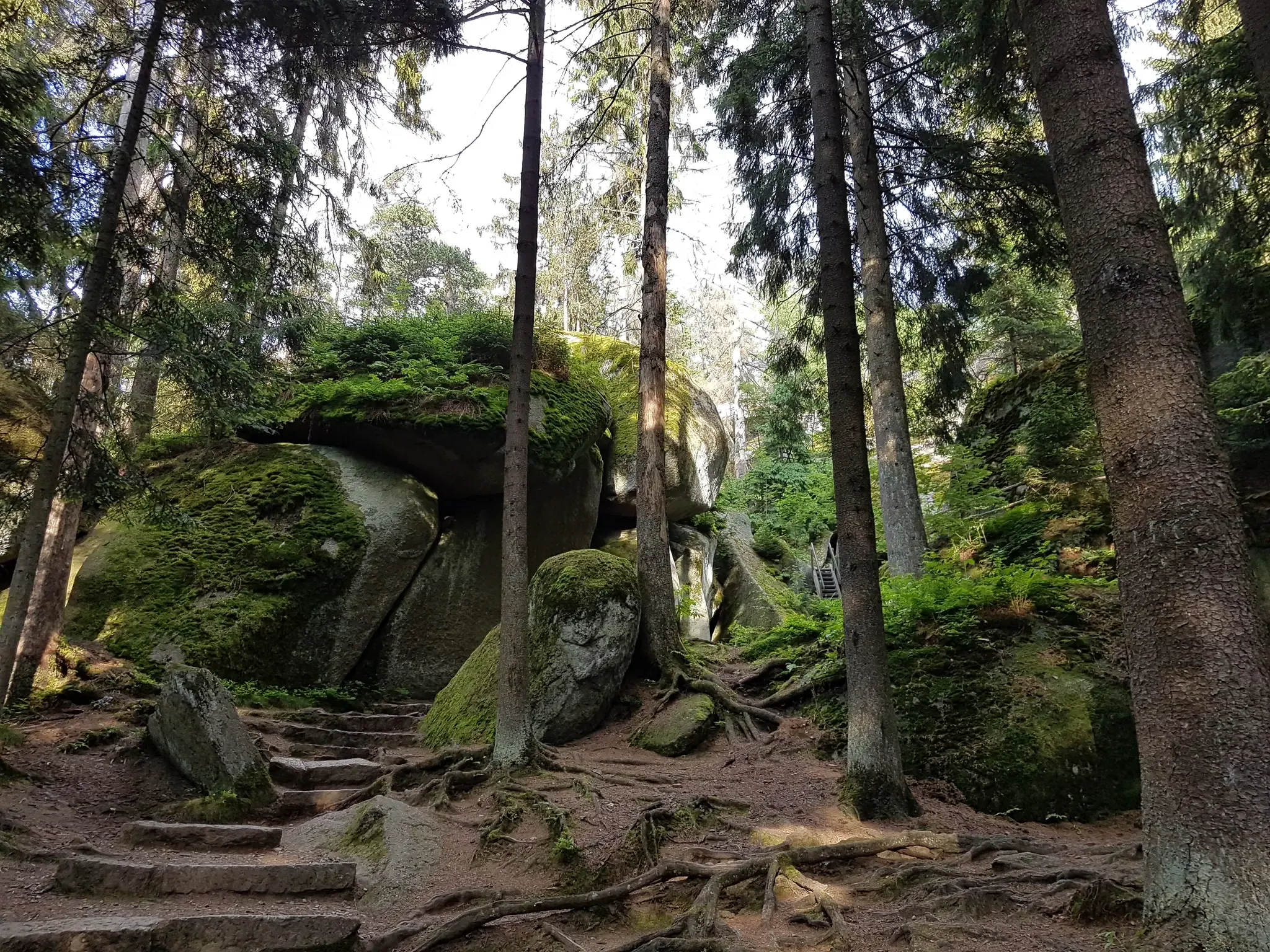
Nature, the outdoors and adventure – hiking through the VGN's nature parks
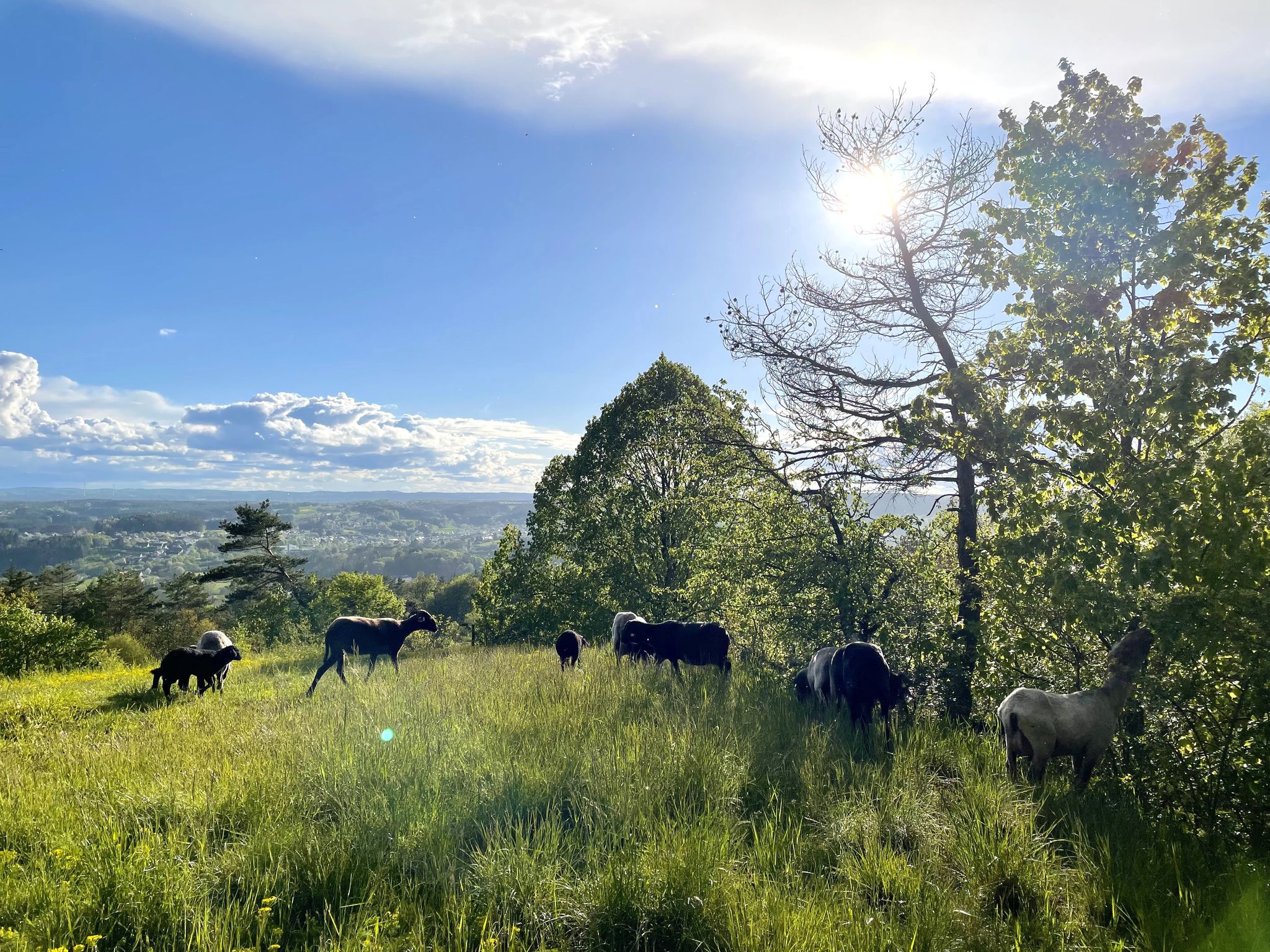
11 Days on the Erzweg Quality Hiking Trail
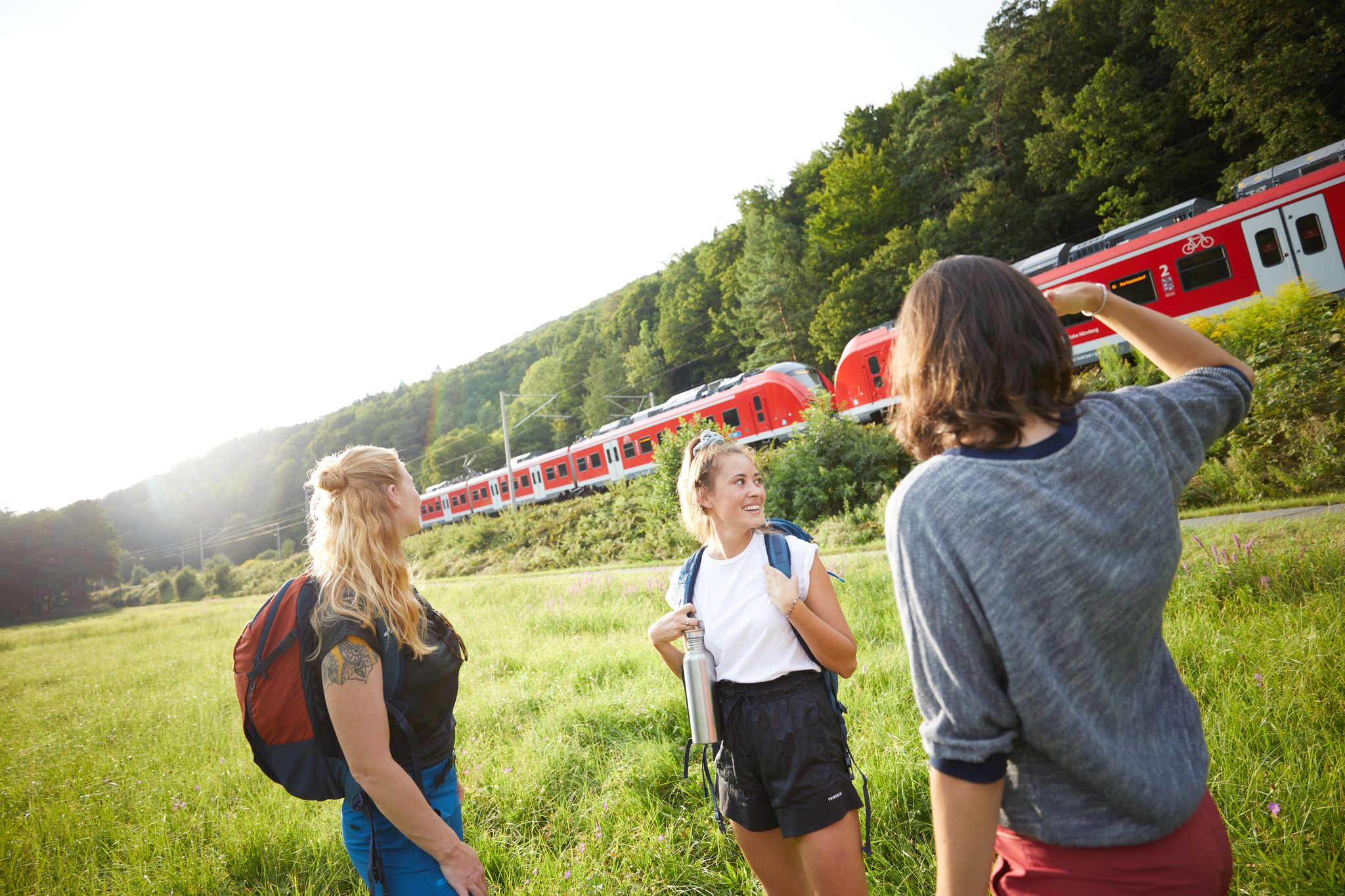
All aboard for summer hiking with Germany’s VGN
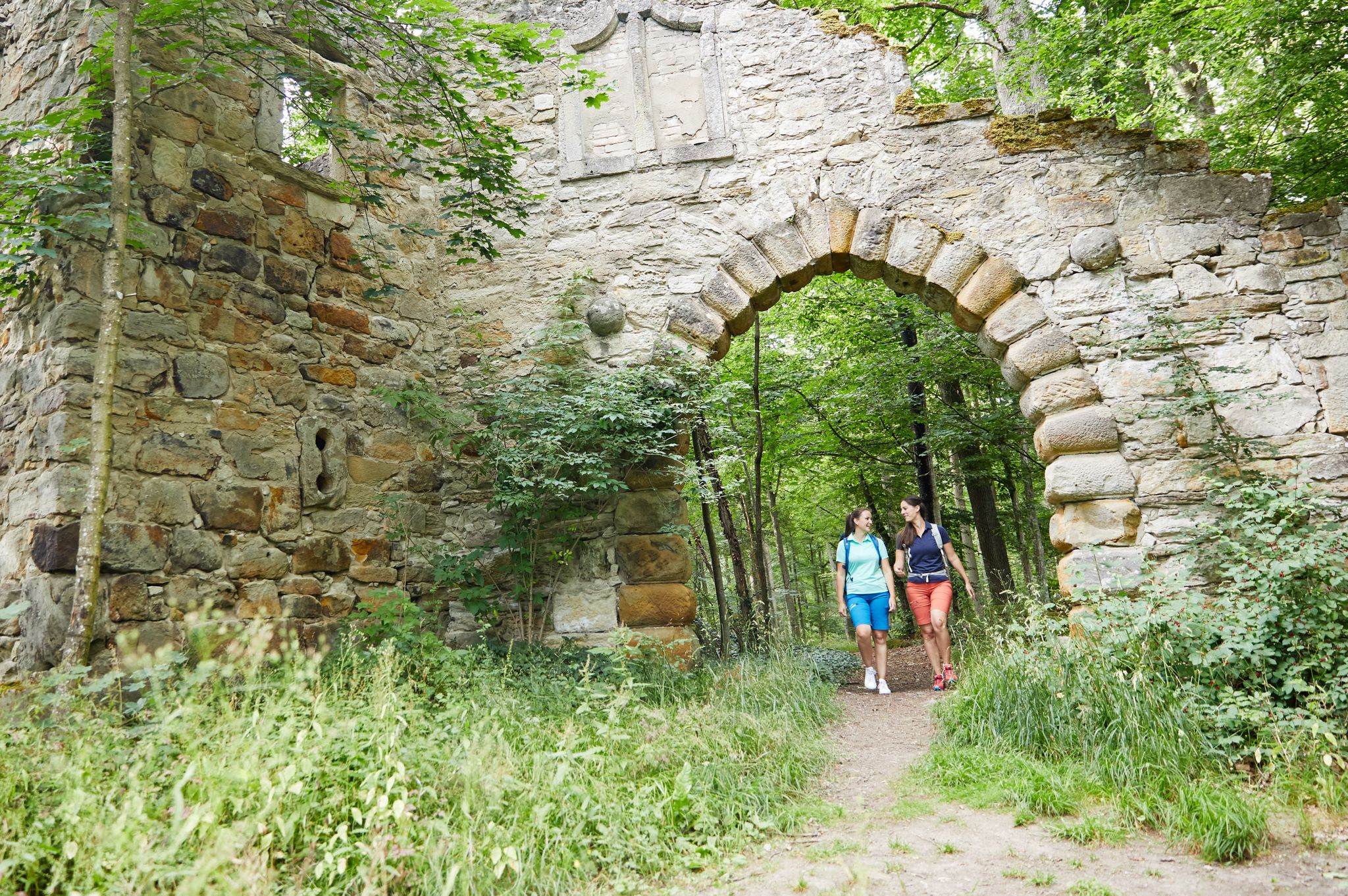
Full of views and fun – VGN leisure tips 2022
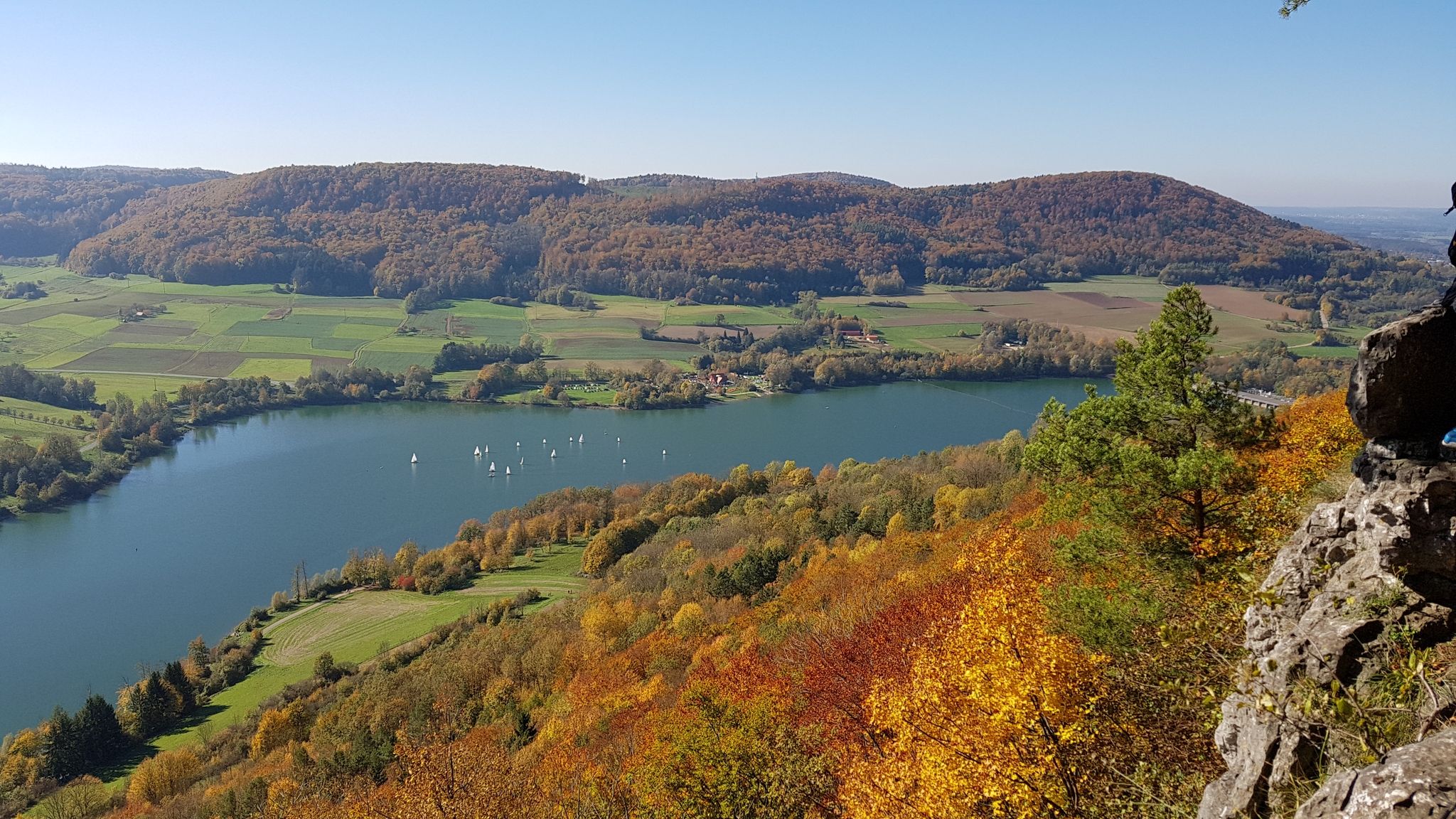
Colourful leaves & gentle hills – hiking in autumn in Franconia
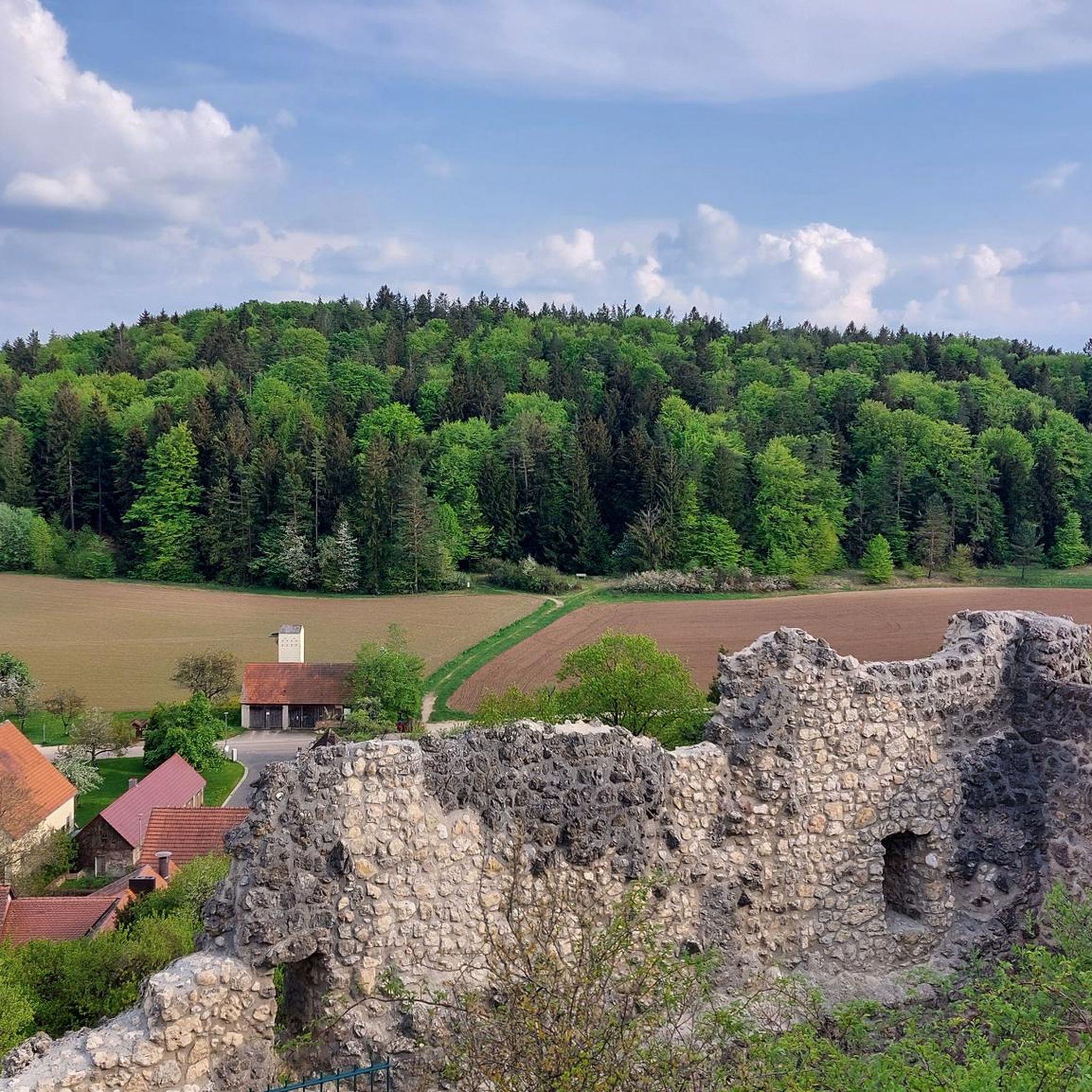
Hiking around Birgland
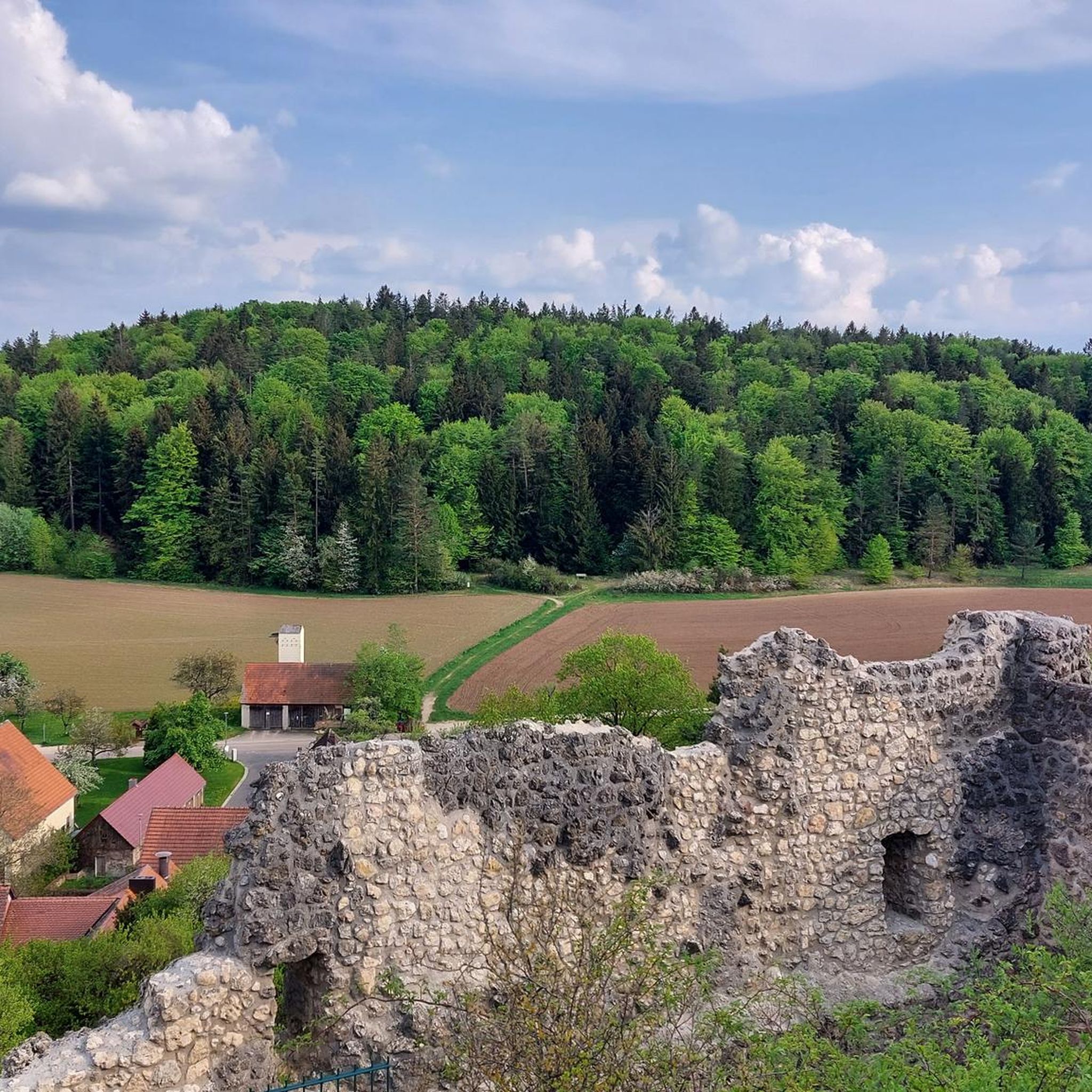
Cycling around Birgland
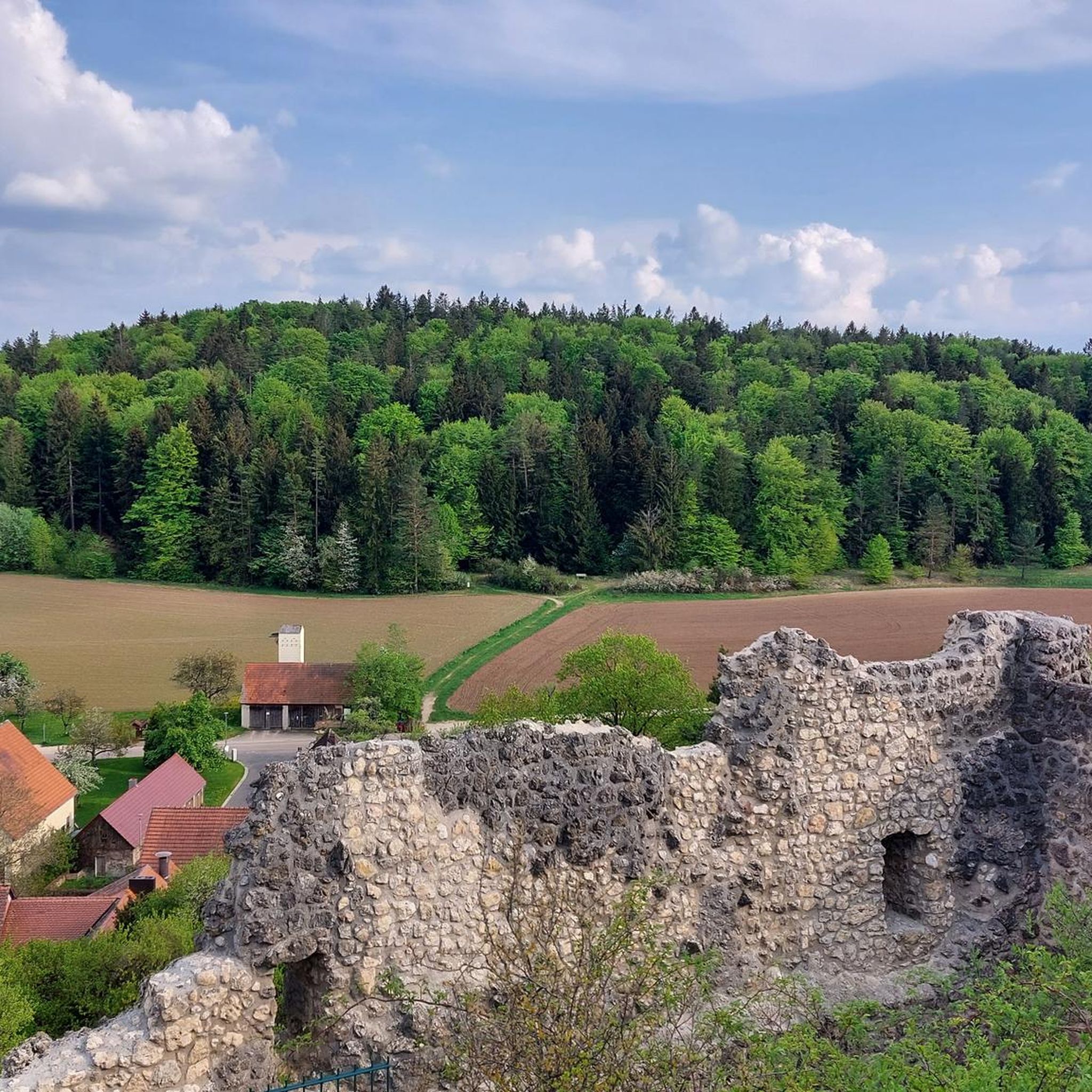
Road Cycling Routes around Birgland
MTB Trails around Birgland
Running Trails around Birgland
Other adventures around Birgland


Tips from the Community

An old hilltop castle, long used as a monastery by various religious orders. Today it houses the police academy. It lies on a dolomite spur above the valley. This is also where the "Hochholz Trail" begins, which is not to be missed.
0
0

The Kastl castle complex has towered over the Lauterach Valley since the 10th century. In 1098, it was decided to convert the castle into a monastery. Description: It was founded in 1103, and the choir and St. Egidius Chapel were consecrated in 1129. Construction of the monastery church was completed at the end of the 12th century. Through constant renovations and expansions, the church acquired its present appearance. In 1782, it became the property of the Knights of Malta. The basilica has been used as a parish church since 1808. A late Gothic main portal, a four-bay barrel vault, the alternating support of columns and pillars in the nave, and the Gothic stone tomb in the vestibule, which was once the tomb of the deceased Princess Anna, make the church a true gem. Princess Anna was the daughter of King Ludwig the Bavarian and died in 1319. The mummy of the one-and-a-half-year-old "Kastl Child" was preserved until the end of 2013 and can be viewed again. The antechamber also houses the sarcophagus of General Schweppermann. [ Source: https://www.ostbayern-tourismus.de/attraktionen/klosterburg-kastl-fd22a56fae ]
1
0

Very beautiful monastery castle currently serves as a police training center
0
0

Small, privately owned castle located on the Neidstein. Was briefly owned by Nicolas Cage, the Hollywood actor. Unfortunately, it cannot be easily visited.
0
0

Great monastery castle with an amazing view - be sure to take the small juniper hiking trail!
0
0

Burgstall Hartenfels The site of the abandoned spur castle is located in the Middle Franconian Jura, on a southwest-facing rocky spur of the Great Hartenfels at 530.6 m above sea level. The castle was probably built during the 13th century by the Lords of Neidstein, but there is no mention of the castle itself. It is only mentioned indirectly in a document dated February 21, 1268, in the name of Heinrich von Hertenvels. In addition to the high medieval fortification on the Hartenfels, there are also the remains of a prehistoric structure at the same location. A long section of the rampart, about half a meter high, has been preserved, which arches around the mountain spur outside the moat of the medieval castle and thus sealed it off. Today, the site of the former castle is completely overgrown with forest, and only two ditches and the remains of the foundation walls of the former ring wall have survived. The former hilltop castle was once divided into two areas, an outer bailey at the transition from the spur to the flat summit area or plateau of the Hartenfels, and a main castle at the rocky tip of the mountain spur, in the best protected place by nature. The outer bailey was protected by a two-meter-deep and about ten-meter-wide moat. The area of the outer bailey is irregularly shaped, as it was adapted to the rocky terrain between the plateau and the rocky spur. As it was easily attacked from the plateau, it had to be protected on its north-east side by a strong wall, of which a 4.50-meter-wide and one-meter-high rampart still remains. Approximately in the middle of this rampart, a 3.80-meter-wide break gives an idea of the former entrance to the castle, and even today you enter the castle grounds at this point. The main castle has a trapezoidal area about 50 meters long and 25 meters wide. On its west and south sides it is well protected by the vertical drop of the rocks by several meters and the steep eastern slope also offered sufficient protection. Only at the northwest corner is a small remnant of a wall still visible above ground. There are no further traces of construction on the flat surface of the main castle, apart from an almost square pit in the middle of the area. This pit measures 4 by 3.50 meters and could be the remains of a cistern or a cellar room. Source: Excerpts from www.wikipedia.de
2
0

Kastl Abbey Castle is the largely preserved hilltop castle and later Kastl Monastery, located on a long dolomite peak above the Lauterach Valley, high above Kastl in the Amberg-Sulzbach district of Bavaria. It is listed as an architectural monument under the file number D-3-71-132-21. "Archaeological findings from the Middle Ages and the early modern period in the area of the former Benedictine Abbey of Kastl" are also listed as an archaeological monument under the file number D-3-6636-0070. The castle complex was probably founded in the Carolingian period. In 954, Margrave Luitpold of Austria is said to have received Kastl Castle as a fief. In the same year, Luitpold owned the entire Heubischgau region, including Kastl, Habsberg, Illschwang, and Sulzbach. In 1098, the castle had three owners: Count Berengar of Sulzbach, Frederick I of Habsberg-Kastl with his son Count Otto of Habsberg-Kastl, and Luitgard of Zähringen, wife of Margrave Diepold II of Vohburg. Between 1098 and 1102, the owners agreed to convert the castle into a Benedictine monastery.[1] On May 12, 1102, Pope Paschal II confirmed the founding of the monastery. Source: Wikipedia
3
0
In 1391 the castle was pledged to Linhard von Henfenfeld by the Wittelsbach dukes, after which other pledge holders and caretakers appeared. In 1419 it was ceded to the brothers Hans, Eberhart and Wilhelm von Mistelbeck, who had claims against Duke Ludwig of Bavaria-Ingolstadt. The handover did not take place because of the Bavarian War. In the Bavarian War between Duke Ludwig of Bavaria-Ingolstadt and his cousins, the Bavarian Dukes of Landshut and Munich, Lichtenstein Castle was conquered and destroyed in June 1421 by Count Palatine Johann von Neumarkt-Neunburg, who was allied with Ludwig's opponents. In the terrain exploration of the imperial city of Nuremberg from 1503 to 1504, in which all castles and fortifications are listed in relation to the Landshut War of Succession that soon followed, Lichtenstein is described as “an old, traditional castle”. An entry in the Salbuch from 1516 also states that Lichtenstein was only a castle stable. The Sulzbach regional court granted the Mistelbeck brothers their right to compensation in 1421 and again in 1422. The castle ruins fell into disrepair; In 1851 the Bavarian state sold it to Paul Willhelm Freiherr Ebner von Eschenbach. Around 1855, in the spirit of the awakening romanticism of castles, he had the pseudo-ruins built on the upper castle using rising masonry and an English landscape garden set up in the area of the lower castle, which, however, also fell into disrepair.[5] Today there is forest around the castle ruins and it is partly overgrown with bushes. Several hiking trails from Pommelsbrunn and the surrounding area lead to the ruins. The medieval remains of Lichtenstein Castle, especially those of the lower castle, are at great risk of decay. Source: Wikipedia
6
0
Frequently Asked Questions
What kind of castles can I expect to find around Birgland?
The Birgland region is primarily known for its historical castle ruins, many of which offer a captivating glimpse into the past. While some are well-preserved ruins with observation platforms, others are privately owned historical estates. For example, Lichtenegg Castle Ruins is a prominent medieval ruin, and Kastl Monastery Castle is a largely preserved hilltop castle that has undergone recent renovations.
Which castles offer the best panoramic views?
Several castles around Birgland are renowned for their stunning views. Lichtenegg Castle Ruins, perched majestically, provides magnificent sweeping views across the Bavarian Jura, extending to the Fichtel Mountains on clear days. Similarly, Lichtenstein castle ruins with viewpoint towers above Pommelsbrunn, offering fantastic views of the town and the Nuremberg region. The Hartenfels Summit and Castle Ruins also provides a beautiful vista over Neukirchen and the surrounding area.
Are there family-friendly castles to visit in the Birgland area?
Yes, several castles are suitable for families. Lichtenegg Castle Ruins is freely accessible and offers showcases with found objects, which can be interesting for children. The surrounding area also features a magic and fairytale forest. Kastl Monastery Castle is another option, having been renovated in recent years and offering a historical experience.
Can I visit castles with my dog?
Many outdoor areas around the castles are dog-friendly. For instance, the trails leading to Lichtenstein castle ruins with viewpoint are suitable for walks with dogs. Always ensure your dog is on a leash and that you clean up after them, especially in historical and natural areas.
What hiking opportunities are available near the castles?
The castles around Birgland are excellent starting points for hikes. Lichtenegg Castle Ruins is a popular hiking destination with various trails winding through surrounding forests. You can find numerous hiking routes in the region, such as the 'Hansel and Gretel Rocks – Turk's Rock loop from Burgruine Lichtenegg' or the 'Turk's Rock – Lichtenegg Castle Ruins loop from Wurmrausch'. Explore more options on the Hiking around Birgland guide.
Are there any castles with significant historical importance?
Absolutely. Lichtenegg Castle Ruins dates back to the 12th century and was first mentioned over 700 years ago, offering a tangible connection to centuries of history. Neidstein Castle, a 16th-century castle, has origins around 1050 and a rich history of ownership changes. Kastl Monastery Castle, originally a hilltop castle, was converted into a Benedictine monastery in the early 12th century.
What is the best time of year to visit the castles in Birgland?
The castles and their surrounding natural areas are enjoyable throughout much of the year. Spring and autumn offer pleasant temperatures for hiking and exploring the ruins, with vibrant foliage or blooming nature. Clear days, regardless of the season, are best for enjoying the panoramic views from sites like Lichtenegg Castle Ruins.
Are there any castles that are privately owned and not accessible to the public?
Yes, some castles in the region are privately owned. For example, Neidstein Castle is currently privately owned and unfortunately cannot be visited internally. Burgruine Poppberg, while offering extensive views, is also privately owned. However, many ruins like Lichtenegg Castle Ruins are freely accessible.
What other outdoor activities can I do near the castles?
Beyond hiking, the Birgland region offers various outdoor activities. You can find mountain hikes, such as the 'Hollederer Bridge – Luginsland Summit View loop from Hirschbach', detailed in the Mountain Hikes around Birgland guide. There are also running trails, including the 'Poppberg Village – Poppberg Castle Ruins loop from Schwend', which you can explore in the Running Trails around Birgland guide.
Are there any cafes or places to eat near the castles?
Yes, some castle locations offer nearby amenities. Directly below Lichtenegg Castle Ruins, you'll find the 'Alter Schloss-Wirt Lichtenegg', an inn offering regional specialties and a beer garden. Kastl Monastery Castle also has a cafe nearby.
How long should I plan for a visit to a castle ruin?
The duration of your visit depends on the specific castle and your interests. For ruins like Lichtenegg Castle Ruins, which are freely accessible and offer panoramic views, you might spend anywhere from 1 to 2 hours exploring the site and enjoying the scenery. If you combine it with a hike, your visit could extend to half a day or more.
What makes Lichtenegg Castle Ruins a popular destination?
Lichtenegg Castle Ruins is highly popular due to its magnificent panoramic views across the Bavarian Jura, its rich historical significance dating back to the 12th century, and its free and constant accessibility. Restoration efforts have also made parts of the former keep into an observation platform, enhancing the visitor experience. It's also a favored spot for hikers.
Most popular routes around Birgland
Most popular attractions around Birgland

Get inspired with the komoot mobile app


Explore more
Looking for the best castles somewhere else? Discover other guides around Birgland:
