The best cycling routes in Panamá
3.0
(4)
114
riders
6
rides
Touring cycling in Panamá offers diverse landscapes, from urban coastal routes to challenging mountain trails through tropical rainforests. The country's unique geography, connecting two continents, provides varied ecosystems including cloud forests and coastlines. Cyclists can explore areas near the iconic Panama Canal, experience hilly terrain, and discover protected natural parks. This blend of urban and natural environments makes Panamá a compelling destination for touring cyclists.
Best touring cycling routes in Panamá
- The most popular touring cycling route is View of…
Last updated: May 20, 2026
50
riders
Hard bike ride. Very good fitness required. Mostly paved surfaces. Suitable for all skill levels.
29
riders
44.2km
03:37
1,080m
1,080m
Hard bike ride. Very good fitness required. Mostly paved surfaces. Suitable for all skill levels.

Sign up for free
5.0
(3)
20
riders
60.5km
04:04
950m
950m
Hard bike ride. Very good fitness required. Mostly paved surfaces. Suitable for all skill levels.
1.0
(1)
10
riders
Moderate bike ride. Good fitness required. Mostly paved surfaces. Suitable for all skill levels.
4
riders
20.8km
01:20
200m
200m
Moderate bike ride. Good fitness required. Mostly paved surfaces. Suitable for all skill levels.
Our route recommendations are based on thousands of hikes, rides, and runs completed by other people on komoot.
Start today with a free account
Your next adventure awaits.
Login or Signup


Other adventures in Panamá

Tips from the Community

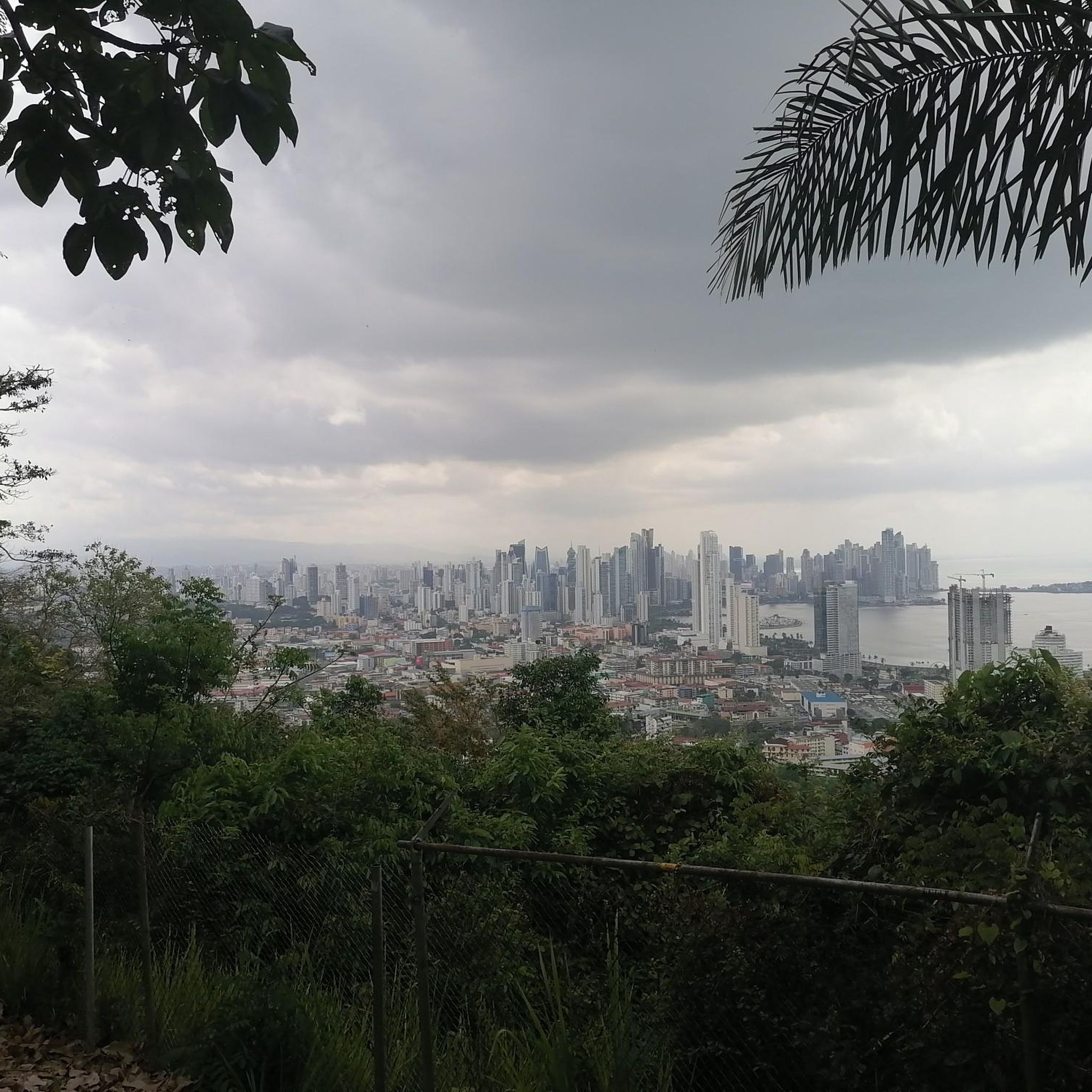
The skyline of Panama City is one of the most impressive in Latin America, often referred to as the Dubai of Central America, and offers a spectacular mix of glittering skyscrapers and historic charm.
1
0
Absolutely impressive skyline, thanks to the newly laid out road, you drive an arc over the sea and from there you have a view of the old town on the left and the new town on the right.
2
0
The museum's controversial design is the only one of its kind in the entire region. Designed by the famous architect Frank Gehry in his first foray into Latin America, the Biomuseo opened its doors to the public on October 2, 2014, with five of its eight galleries. This first part of the permanent exhibition's story tells the story of the importance and development of the Isthmus of Panama – both in natural and cultural terms. The last three permanent exhibitions will open in May 2019, completing the construction of the original project. https://biomuseo.org
2
0
The Biomuseo is a natural history museum dedicated to Panama, exploring the relationship between the country's biodiversity and culture. The museum was designed by architect Frank Gehry. Admission costs USD 18.00
2
0

On the rooftop terrace of the Sands Hotel (36th floor), adrenaline junkies can enjoy a breathtaking view of the coast via a zipline ride.
0
0

The Biomuseo—a powerful conjunction of science and art—is a natural history museum dedicated to Panama that explores the relationship between its biodiversity and culture. In eight exhibits, it tells the story of the emergence of the Isthmus of Panama 3 million years ago, and how that emergence united continents and divided seas, changing the world forever. The museum's controversial design is the only one of its kind in the entire region. Designed by famed architect Frank Gehry, in his first foray into Latin America, the Biomuseo opened its doors to the public on October 2, 2014, with five of its eight galleries. This first part of the Permanent Exhibition's history tells the story of the importance and evolution, both natural and cultural, of the Isthmus of Panama. The final three permanent exhibitions will be inaugurated in May 2019, completing the construction of the original project. https://biomuseo.org
3
0
Frequently Asked Questions
What are the general difficulty levels for touring cycling routes in Panamá?
Panamá offers a range of touring cycling routes, from moderate urban rides to difficult climbs through mountainous terrain. According to komoot data, there are 3 moderate routes and 3 difficult routes available, catering to different experience levels.
Are there any family-friendly or beginner touring cycling routes in Panamá?
For beginners and families, the urban coastal routes are generally the most accessible. The Cinta Costera Cycling Route offers a moderate 17.7-mile (28.5 km) path along the city's waterfront with scenic views, providing a pleasant and less challenging experience.
Where can I find more challenging touring cycling routes in Panamá?
If you're looking for a challenge, Panamá's hilly terrain and mountainous regions offer difficult routes. The View of Panama City skyline loop from Vía Argentina is a difficult 56.2-mile (90.5 km) route with significant elevation changes. Another challenging option is the El Lago de Cerro Azul loop from Nuevo Tocumen, which takes you through mountainous terrain.
Are there options for long-distance touring cycling in Panamá?
While Panamá has routes like the 56.2-mile (90.5 km) View of Panama City skyline loop, true long-distance touring across the country involves navigating the Pan-American Highway, which has varying conditions. Cyclists planning to travel between North and South America should be aware of the Darién Gap, a roadless jungle expanse that requires alternative transport like flying or a multi-day boat trip.
Are there any circular touring cycling routes in Panamá?
Yes, many of the touring cycling routes in Panamá are designed as loops. Examples include the View of Panama City skyline loop from Vía Argentina, the Cinta Costera Cycling Route loop, and the El Lago de Cerro Azul loop from Para de buses N°1 Juan Gil.
What is the best time of year for touring cycling in Panamá?
Panamá has a tropical climate. While specific best times aren't detailed, be prepared for heat and humidity, especially on hilly routes. The dry season (typically December to April) might offer more consistent weather for cycling, though it can still be very warm.
Can I expect to see wildlife while touring cycling in Panamá?
Absolutely. Panamá is known for its extraordinary biodiversity. Cycling routes, especially those near national parks like Soberanía or Metropolitan Natural Park, offer opportunities for birdwatching and spotting other wildlife amidst lush rainforests and cloud forests. The country has over 34.5% of its land protected, making wildlife encounters common.
What interesting landmarks or attractions can I see along touring cycling routes in Panamá?
Many routes offer views of significant landmarks. In Panama City, you can cycle past the Plaza de Francia, the Metropolitan Cathedral of Panama, and the Panama Canal Museum. The Metropolitan Natural Park Visitor Center is also accessible, offering trails and viewpoints overlooking the city and canal.
What are the best areas for urban touring cycling in Panama City?
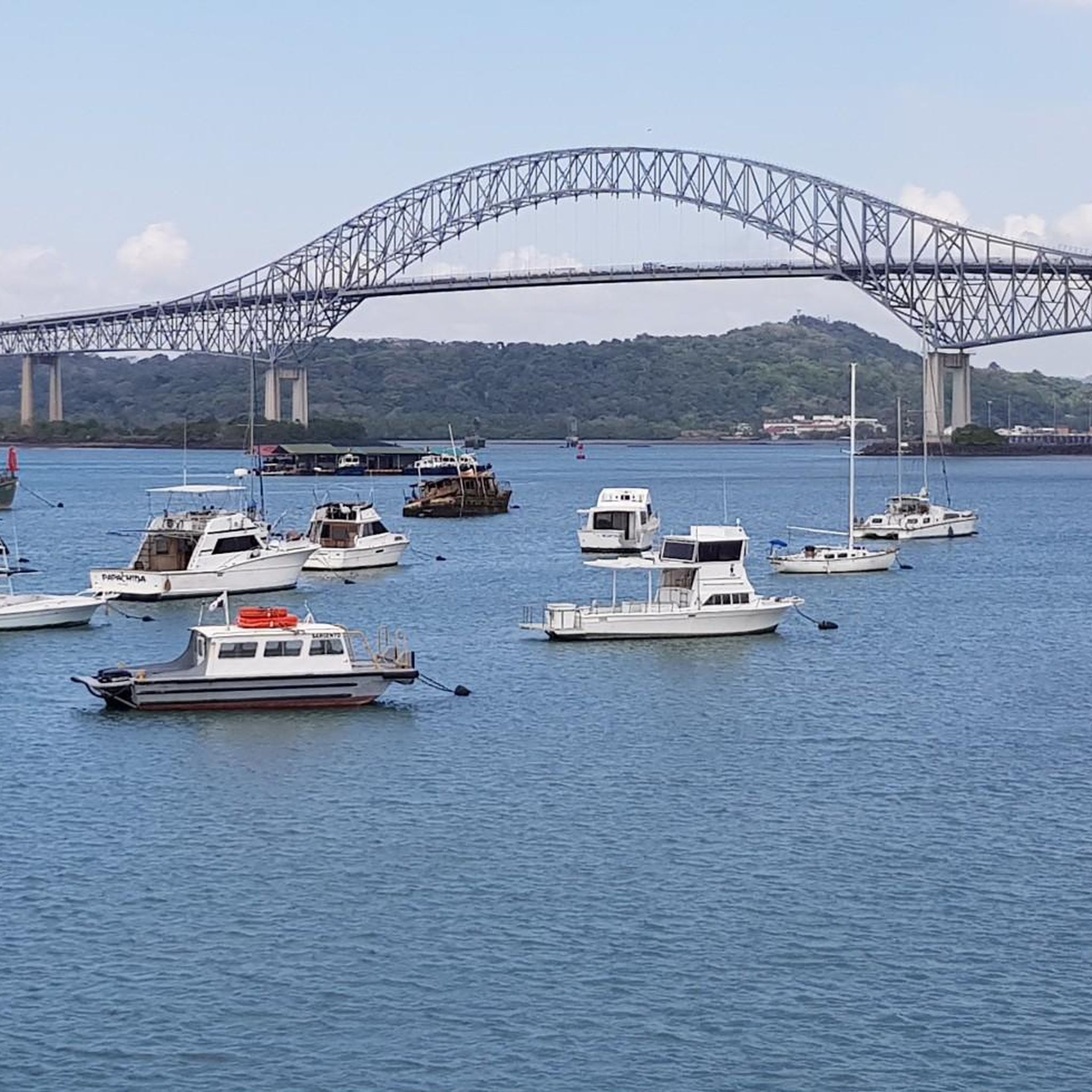
Panama City offers excellent urban cycling opportunities. The Cinta Costera and Amador Causeway are standout features with dedicated bike lanes, providing breathtaking views of the city skyline, the Pacific Ocean, and the Bridge of the Americas. You can also explore the historic Casco Viejo district by bike to see its charming colonial architecture.
What should I know about safety when touring cycling in Panamá?
Rural areas in Panamá are generally considered safe for cyclists. In Panama City, while tourist areas are usually patrolled, it's advisable to be vigilant, especially with traffic. The Pan-American Highway can be congested near the city, so consider alternative routes like those in the Azuero Peninsula for a quieter experience.
What are the options for food and accommodation during a touring cycling trip in Panamá?
Cyclists can find a range of accommodation options, from hotels in urban centers to more rustic stays in rural areas. Camping at rural schools or well-equipped truck stops (which often provide showers and meals) can be a viable and friendly option. Supermarkets are readily available, and roadside eateries offer affordable and generous meals throughout the country.
Are permits required for touring cycling on trails in Panamá?
The region research does not explicitly mention permits required for general touring cycling routes. However, if you plan to cycle within specific protected areas or national parks, it's always best to check with the local park authorities for any entry fees or regulations that might apply.
How do other touring cyclists rate their experience in Panamá?
The touring cycling routes in Panamá are highly rated by the komoot community, with an average score of 5.0 stars from 3 reviews. Over 100 touring cyclists have used komoot to explore the varied terrain, indicating a positive experience among those who have ventured out.
Most popular attractions in Panamá

Get inspired with the komoot mobile app


Didn’t find what you were looking for?
Check out more Cycling routes throughout Panamá below and find the perfect route in your destination.
Explore more
Browse the best Cycling routes in other regions.
