The best cycling routes around Gründau
4.6
(397)
1,950
riders
79
rides
Touring cycling routes around Gründau navigate a landscape characterized by rolling hills, river valleys, and agricultural areas within the Main-Kinzig district of Hesse. The region features a network of paths, including sections along the Kinzigtal and former railway lines like the Vogelsberg Southern Railway. These routes often pass through forests and connect various villages, offering diverse terrain for touring cyclists.
Best touring cycling routes around Gründau
- The most popular touring cycling route is Vogelsberg Southern Railway Cycle Path – The…
Last updated: July 16, 2026
4.7
(56)
195
riders
Hard bike ride. Very good fitness required. Mostly paved surfaces. Suitable for all skill levels.
4.8
(33)
159
riders
29.8km
01:48
110m
110m
Easy bike ride. Great for any fitness level. Mostly paved surfaces. Suitable for all skill levels.

Sign up for free
4.7
(33)
151
riders
41.7km
02:28
230m
230m
Moderate bike ride. Good fitness required. Mostly paved surfaces. Suitable for all skill levels.
4.8
(21)
91
riders
138km
08:02
420m
420m
Hard bike ride. Very good fitness required. You may need to push your bike for some segments of this route.
5.0
(11)
45
riders
82.2km
04:49
300m
300m
Moderate bike ride. Good fitness required. Mostly paved surfaces. Suitable for all skill levels.
Get access to more routes and recommendations from other explorers.
Sign up for free
Already have an account?
Our route recommendations are based on thousands of hikes, rides, and runs completed by other people on komoot.
Start today with a free account
Your next adventure awaits.
Login or Signup
Tips from the Community

Great underpass that you can admire here.
1
0

Depending on the time of day, there are great views over the Main river.
1
0

Even invites you to swim on hot days ;)
1
0
Now it just needs to get warmer and then there will be a lot of activity here.
0
0

Storks can often be observed!
2
0
Well done.
1
0
There are some interesting things to discover here.
2
0
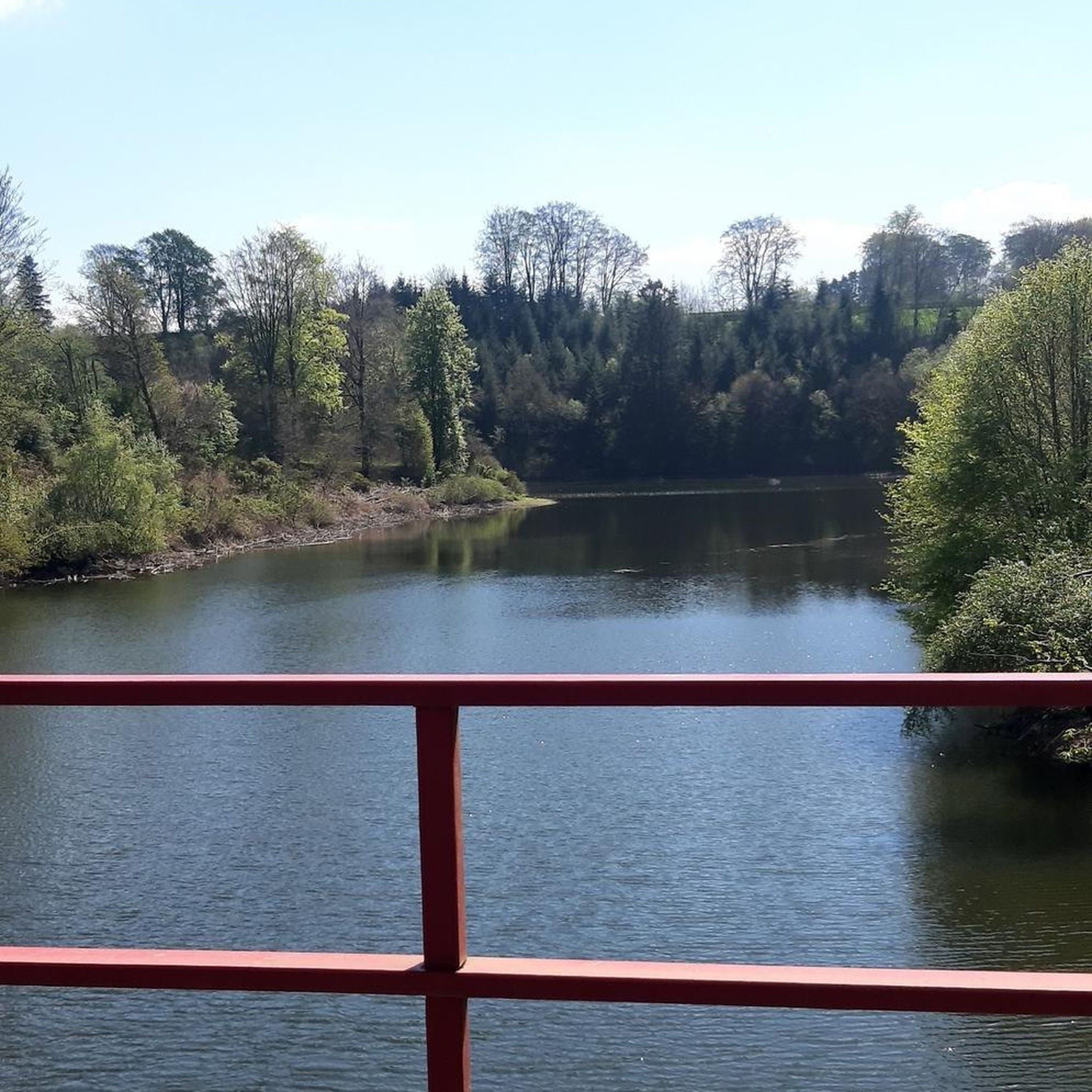
The reservoir was built between 1976 and 1979 to prevent flooding and inundation in the Kinzig valley.
2
0
Frequently Asked Questions
How many touring cycling routes are available in Gründau?
Gründau offers a wide selection of touring cycling routes, with over 70 options available. These routes navigate a diverse landscape of rolling hills, river valleys, and agricultural areas, providing varied experiences for cyclists.
Are there easy touring cycling routes suitable for beginners or families in Gründau?
Yes, Gründau is very welcoming for beginners and families, with 36 easy touring cycling routes. A great option is the Laurentius Chapel – Obermühle loop from Hain-Gründau, which is an 18.4-mile (29.7 km) trail leading through rural landscapes and past local landmarks, typically completed in under two hours.
What kind of terrain can I expect on touring cycling routes around Gründau?
The terrain around Gründau is characterized by a mix of rolling hills, picturesque river valleys, and agricultural lands. Many routes utilize former railway lines, such as sections of the Vogelsberg Southern Railway, offering relatively flat and scenic paths through forested areas. You'll also find routes along the Kinzig river valley.
Are there any longer or more challenging touring cycling routes for experienced riders?
Absolutely. For experienced touring cyclists, Gründau offers 14 difficult routes. The Vogelsberg Southern Railway Cycle Path – The bridge in the forest loop from Mittel-Gründau is a challenging 68.9-mile (111.0 km) trail that follows a historic railway line through forested areas, taking around 6 hours 37 minutes to complete.
What are some interesting places or landmarks to see along the touring cycling routes?
Many routes pass by notable attractions. For instance, the Kinzigtal Cycle Path – Rückinger Mill loop from Mittel-Gründau offers views along the Kinzig river valley and passes by the historic Rückinger Mill. Other highlights in the broader region include the Buchberg Tower, offering panoramic views, and the Bad Orb Graduation House.
Are there circular touring cycling routes in Gründau?
Yes, many of the touring cycling routes in Gründau are designed as loops, allowing you to start and end at the same point. Examples include the Martinsruh Memorial Oak loop from Lieblos, which is a 33.9-mile (54.6 km) challenging ride, and the moderate Hofgut Maisenhausen – Alpaca Farm in Westerngrund loop from Lieblos.
What is the best time of year to go touring cycling in Gründau?
The spring, summer, and early autumn months (April to October) generally offer the most pleasant conditions for touring cycling in Gründau. During these periods, the weather is typically mild, and the natural landscapes are at their most vibrant. The region's network of paths is well-suited for cycling throughout these seasons.
What do other touring cyclists enjoy most about cycling in Gründau?
The touring cycling routes in Gründau are highly rated by the komoot community, with an average score of 4.6 stars from over 290 reviews. Cyclists often praise the varied terrain, which includes scenic river valleys and converted railway paths, as well as the well-maintained network of paths that connect various charming villages.
Are there options for e-bike users in Gründau?
Gründau's touring cycling routes are generally well-suited for e-bikes, especially given the presence of rolling hills. E-bikes can make longer routes or those with more elevation gain, such as the 14 difficult trails, more accessible and enjoyable for a wider range of cyclists.
Where can I find parking for touring cycling routes in Gründau?
Many touring cycling routes in Gründau start from local villages like Mittel-Gründau, Hain-Gründau, or Lieblos. These villages typically offer public parking facilities, often near community centers or train stations, making it convenient to access the trails. It's advisable to check local signage for specific parking regulations.
Are there places to stop for refreshments or food along the routes?
Yes, as many routes connect or pass through various villages in the Gründau region, you'll often find opportunities to stop for refreshments. Look out for local cafes, bakeries, or traditional Gasthäuser (inns) in the villages, which are perfect for a break and to experience local hospitality.
What is the typical duration of a touring cycling route in Gründau?
The duration of touring cycling routes in Gründau varies significantly depending on the distance and difficulty. You can find shorter, easy loops like the Laurentius Chapel – Obermühle loop, which takes about 1 hour 45 minutes, to more challenging, longer routes such as the Vogelsberg Southern Railway Cycle Path, which can take over 6 hours.
Most popular attractions around Gründau

Get inspired with the komoot mobile app


Explore more
Browse the best Cycling routes in other regions.
