Top 9 Castles around Ötigheim
Best castles around Ötigheim are found in the surrounding Baden-Württemberg region, which is rich in historical castles and palaces. While Ötigheim itself does not feature prominent castles within its village boundaries, the area offers various historical sites. These include impressive Baroque palaces and medieval castle ruins. The region provides opportunities to explore a diverse range of historical architecture and cultural heritage.
Best castles around Ötigheim
- The most popular castles is Favorite Palace Park, a historical site that was the…
Last updated: September 26, 2026
Alt-Eberstein Castle Ruins
Highlight • Castle
Translated by Google •
Tip by

Rotenfels Castle
Highlight • Castle
Translated by Google •
Tip by

Sign up now to discover places like this
Get recommendations on the best single tracks, peaks, & plenty of other exciting outdoor places.
Rastatt Palace
Highlight • Castle
Translated by Google •
Tip by

Favorite Palace Park
Highlight • Historical Site
Translated by Google •
Tip by

Ochsenstall Ruins
Highlight • Historical Site
Translated by Google •
Tip by

Sign up for free to discover even more castles around Ötigheim.
Already have an account?
Start today with a free account
Your next adventure awaits.
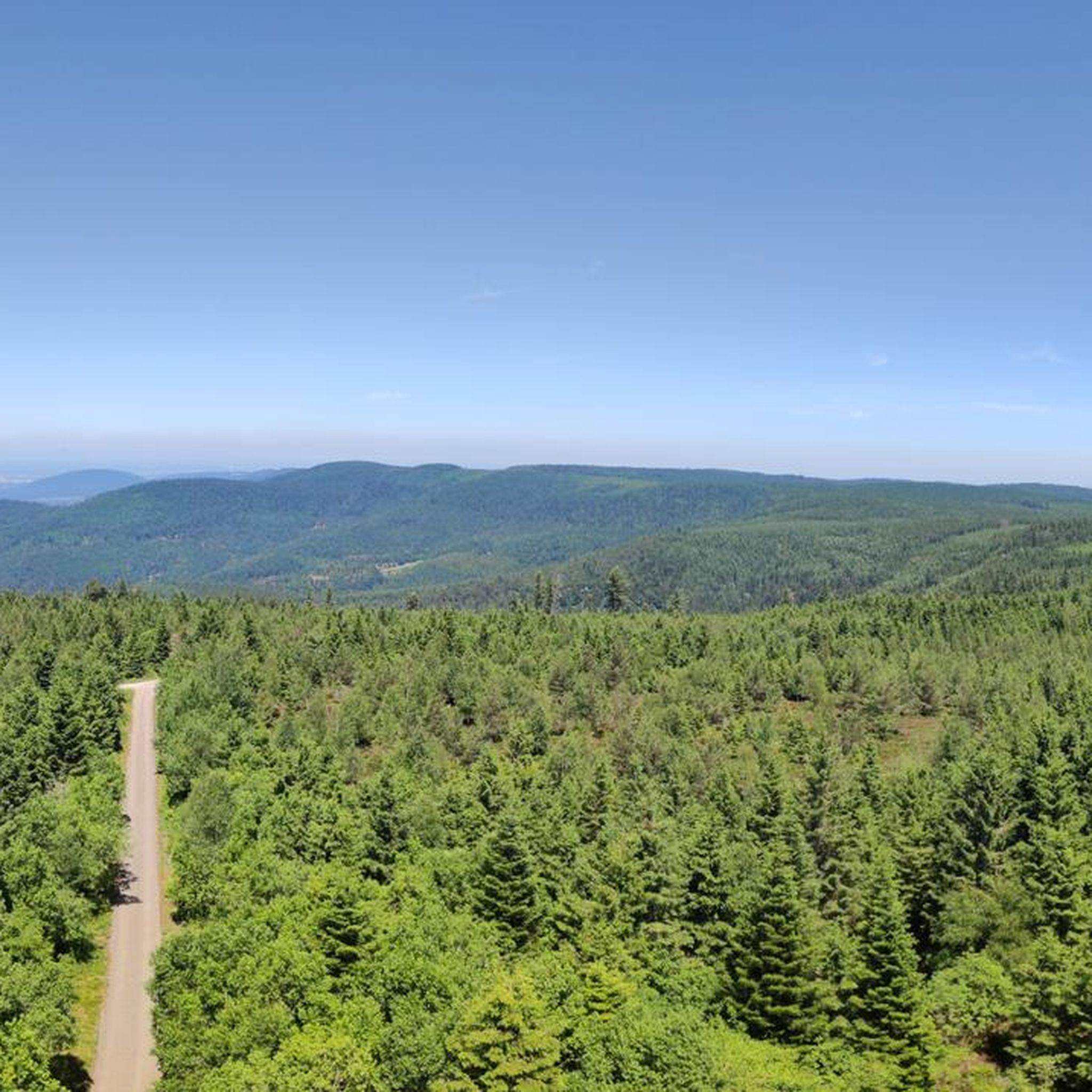
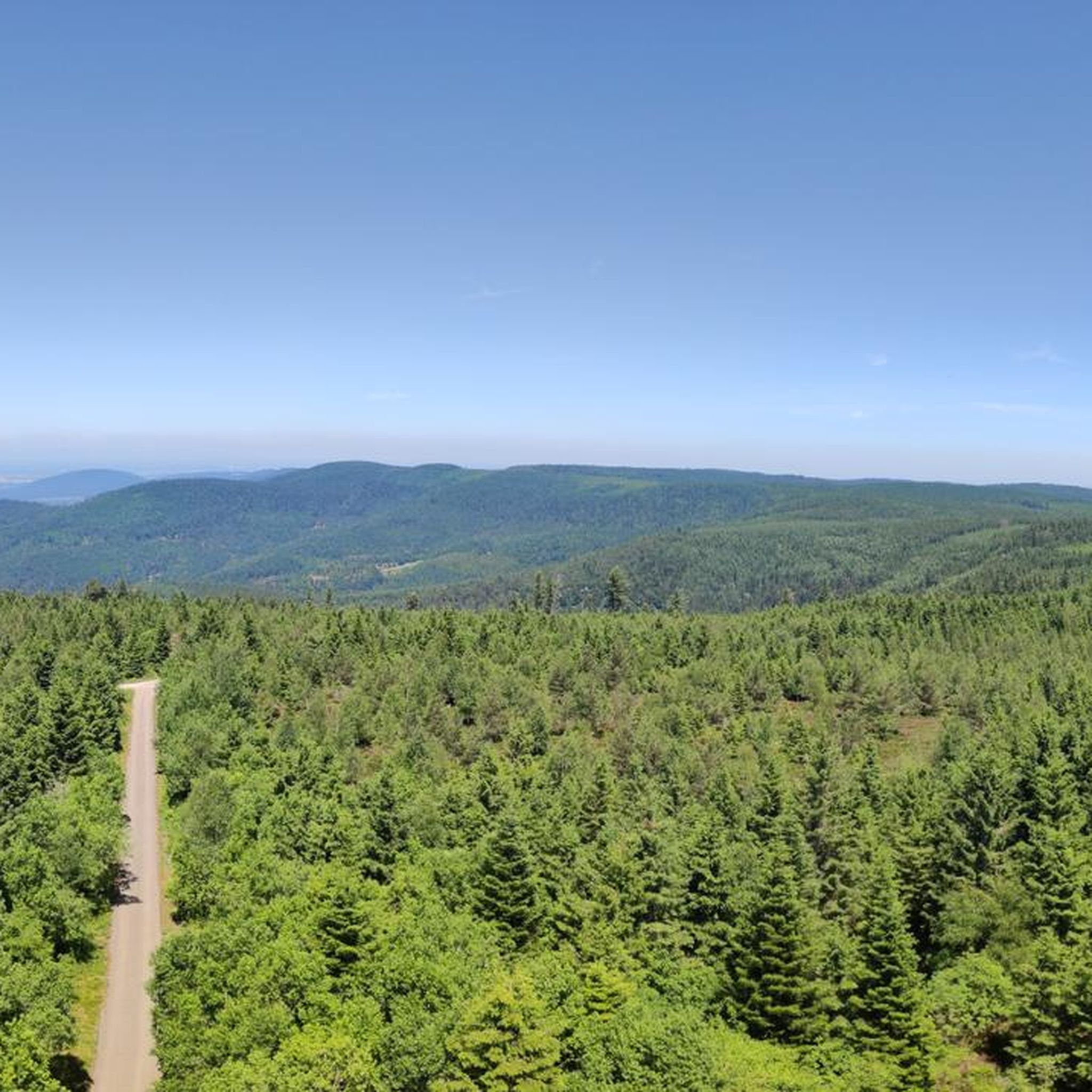
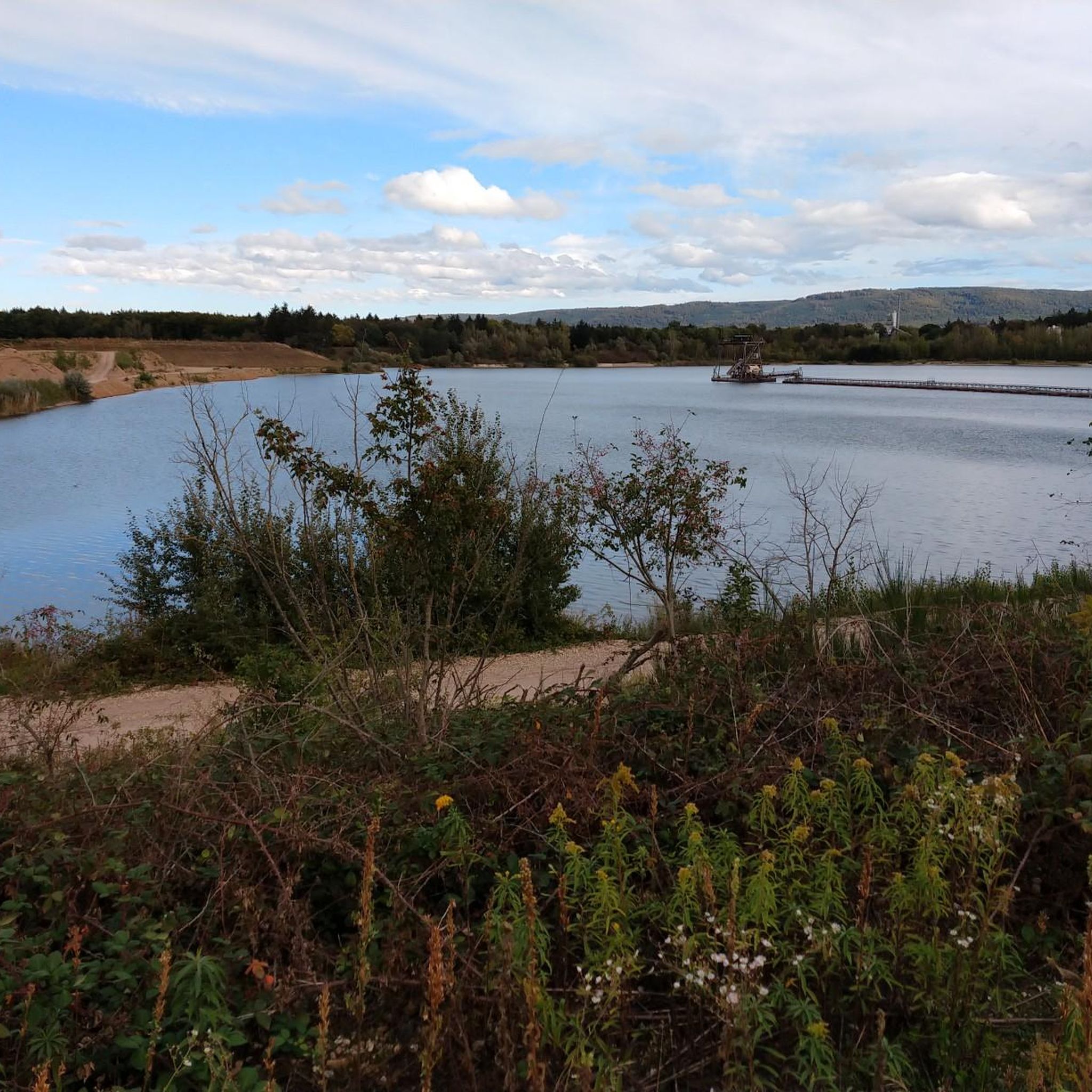
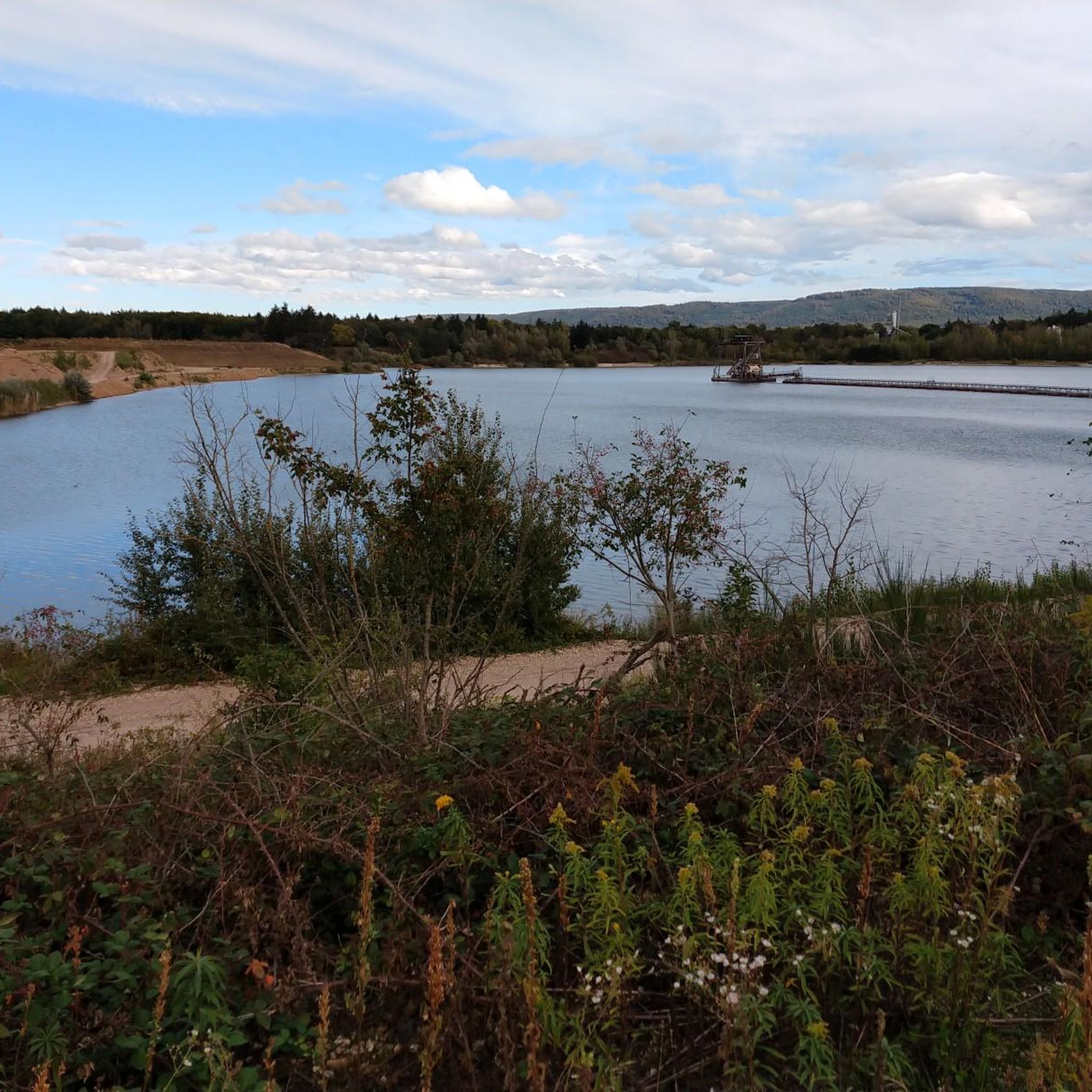
Tips from the Community

The castle park combines baroque geometry with elements of a landscape park. Skillfully designed, very well-maintained, and with many beautiful old trees.
4
0

The impressive Rastatt Residential Palace is worth a stop, and not just because of the beautiful park. You can also visit the castle itself, the castle church and the military history museum or stop off at the park restaurant. Further information about opening times and admission prices can be found at https://www.schloss-rastatt.de.
2
0

Favorite Castle was built by Johann Michael Ludwig Rohrer between 1710 and 1730 in Rastatt-Förch. The builder was Margravine Sibylla Augusta of Baden-Baden (1675–1733), widow of the so-called Türkenlouis, Margrave Ludwig Wilhelm of Baden-Baden (1655–1707), who had very clear ideas about what this baroque work of art with rich decorative interior furnishings should look like . In addition to the residence in Rastatt, it was intended to serve as a country pleasure palace for princely entertainment, socializing and games, hunting, masquerades, studies and raising children. The castle was, so to speak, the “pleasure castle”, while in the city it served more formal purposes. The park at the castle is - as befits a castle park - very attractive.
4
0


The former margravial property known as Rotenfels Castle is made up of various parts: firstly, there is a margravial ironworks founded in 1729, which was then replaced by a crucible and stoneware factory, which was then converted into today's Rotenfels country castle. In its immediate vicinity is a rock cellar created in 1753, which was built over in 1804 with a count's pleasure house (its remains are now known as the "Witches' Dance Ground"), when there were still no plans for a castle. And finally, there is the former extensive castle park with various architectural relics, which today is partly continued as a spa park, but partly has become overgrown and converted into forest, as well as agricultural and forestry areas that formerly belonged to Rotenfels. The Great Schanzenberg and the Little Schanzenberg with their respective ramparts from the High Middle Ages are also located within this property, although they have no direct historical connection with the castle (and today, despite their proximity to the castle, they belong administratively to the neighboring municipality of Kuppenheim). The current castle itself was largely built by converting the previous crucible and earthenware factory, to which the majority of its building fabric can be traced back, both in the main building and in the two commercial buildings flanking the castle square (former horse stables and coach houses). It was ultimately only used as a stately castle for just under 100 years, and during this time mostly only occasionally, for example as a summer or hunting residence, and after the discovery of the thermal spring after 1839, for a few decades as a private spa for the count's family with its own bathhouse built for this purpose (no longer exists). Source: https://www.alleburgen.de/bd.php?id=11875
5
0

Top excursion destination, especially on the WE you can hike very well here
1
0

I think it's great that the parks are still freely accessible.
2
1

An art academy is located here today
4
1
Frequently Asked Questions
What historical castles can I visit near Ötigheim?
While Ötigheim itself doesn't have prominent castles, the surrounding Baden-Württemberg region is rich in historical sites. You can explore the impressive Baroque architecture of Rastatt Palace, which was modeled after the Palace of Versailles. Another notable site is Favorite Palace Park, a beautiful Baroque summer residence with preserved decor and idyllic gardens.
Are there any castle ruins to explore around Ötigheim?
Yes, you can visit the Alt-Eberstein Castle Ruins, which offer fantastic views over the Black Forest, the Rhine plain, and the Vosges Mountains. Another ruin is the Ochsenstall Ruins, a smaller but historically significant wall remnant.
What kind of architecture can I expect to see at these castles?
The region showcases a blend of architectural styles. You'll find opulent Baroque architecture, such as at Rastatt Residential Palace, and elements of medieval and Renaissance design, particularly in castles like Ettlingen Palace, which has a history dating back to the 13th century with later reconstructions.
Are there family-friendly castles around Ötigheim?
Many castles in the area are suitable for families. Rastatt Palace and Favorite Palace Park are both listed as family-friendly, offering spacious grounds and historical exploration. Alt-Eberstein Castle Ruins also provide an engaging outdoor experience for all ages.
What outdoor activities can I do near the castles around Ötigheim?
The area around Ötigheim offers various outdoor activities. You can find numerous running trails, road cycling routes, and mountain biking trails that pass by or are close to these historical sites, allowing you to combine nature and culture.
Are there scenic viewpoints near these castles?
Yes, the Alt-Eberstein Castle Ruins are particularly known for their fantastic views over the Black Forest, the Rhine plain, and the Vosges Mountains. Favorite Palace Park also offers beautiful scenic spots within its landscaped gardens.
What is the best time of year to visit castles near Ötigheim?
The spring and summer months (April to September) are generally ideal for visiting, as the weather is pleasant for exploring castle grounds and parks. Many outdoor restaurants and beer gardens, like the one at Alt-Eberstein Castle, are also open during this period. However, the historical sites can be enjoyed year-round, with each season offering a different charm.
How can I get to the castles near Ötigheim using public transport?
Public transport options vary for each castle. For Rastatt Palace, the town of Rastatt is well-connected by train. For other sites like Ettlingen Palace, local buses or trams might be available from larger towns. It's best to check the specific public transport connections for each castle you plan to visit, as details can change.
Is parking available at the castles?
Parking is generally available at or near the major castle attractions. For instance, Favorite Palace Park has parking facilities. For other sites, designated parking areas are usually provided, though it's advisable to check the specific castle's website for detailed parking information before your visit.
Are any castles near Ötigheim wheelchair accessible?
Accessibility varies greatly between historical sites. Modern palaces like Rastatt Residential Palace may offer some accessible routes, especially in their ground floor areas and parks. However, older ruins or castles with many stairs might have limited accessibility. It is recommended to contact the specific castle directly for detailed information on wheelchair accessibility.
What do visitors enjoy most about the castles around Ötigheim?
Visitors frequently praise the stunning views, especially from sites like Alt-Eberstein Castle Ruins. The opulent Baroque architecture and well-preserved historical details of palaces like Favorite Palace Park are also highly appreciated. Many enjoy the combination of historical exploration with the beautiful natural surroundings and opportunities for outdoor activities.
Are there any less crowded 'hidden gems' among the castles?
While major sites like Rastatt Palace are popular, you might find a more tranquil experience at places like Rotenfels Castle, which now houses the State Academy for Art, Theater and Culture, offering a unique blend of history and contemporary use. Similarly, the Ochsenstall Ruins provide a quiet spot for reflection.
Most popular routes around Ötigheim
Most popular attractions around Ötigheim

Get inspired with the komoot mobile app


Explore more
Looking for the best castles somewhere else? Discover other guides around Ötigheim:
