The best cycling routes around Gräfenthal
4.5
(1285)
4,407
riders
325
rides
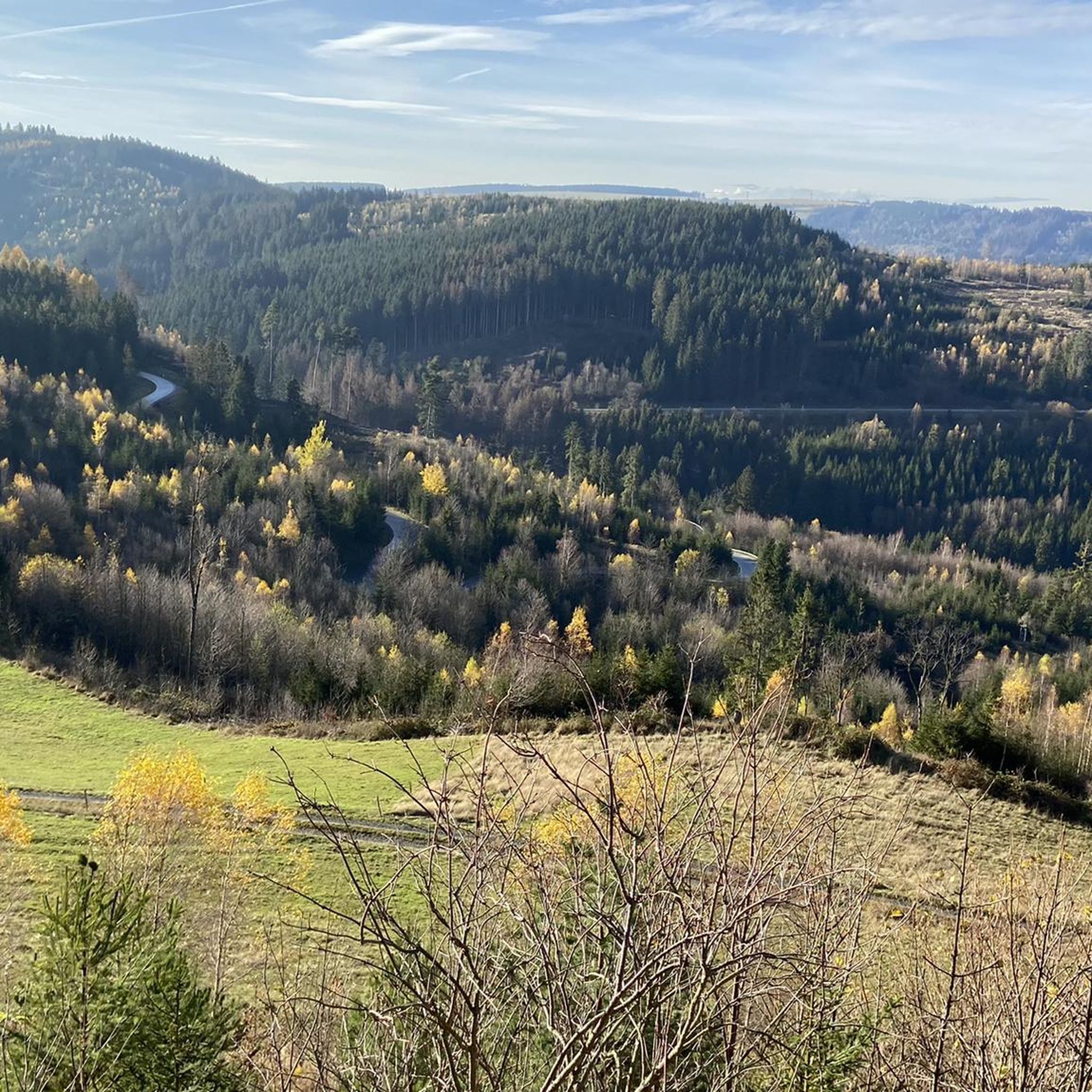
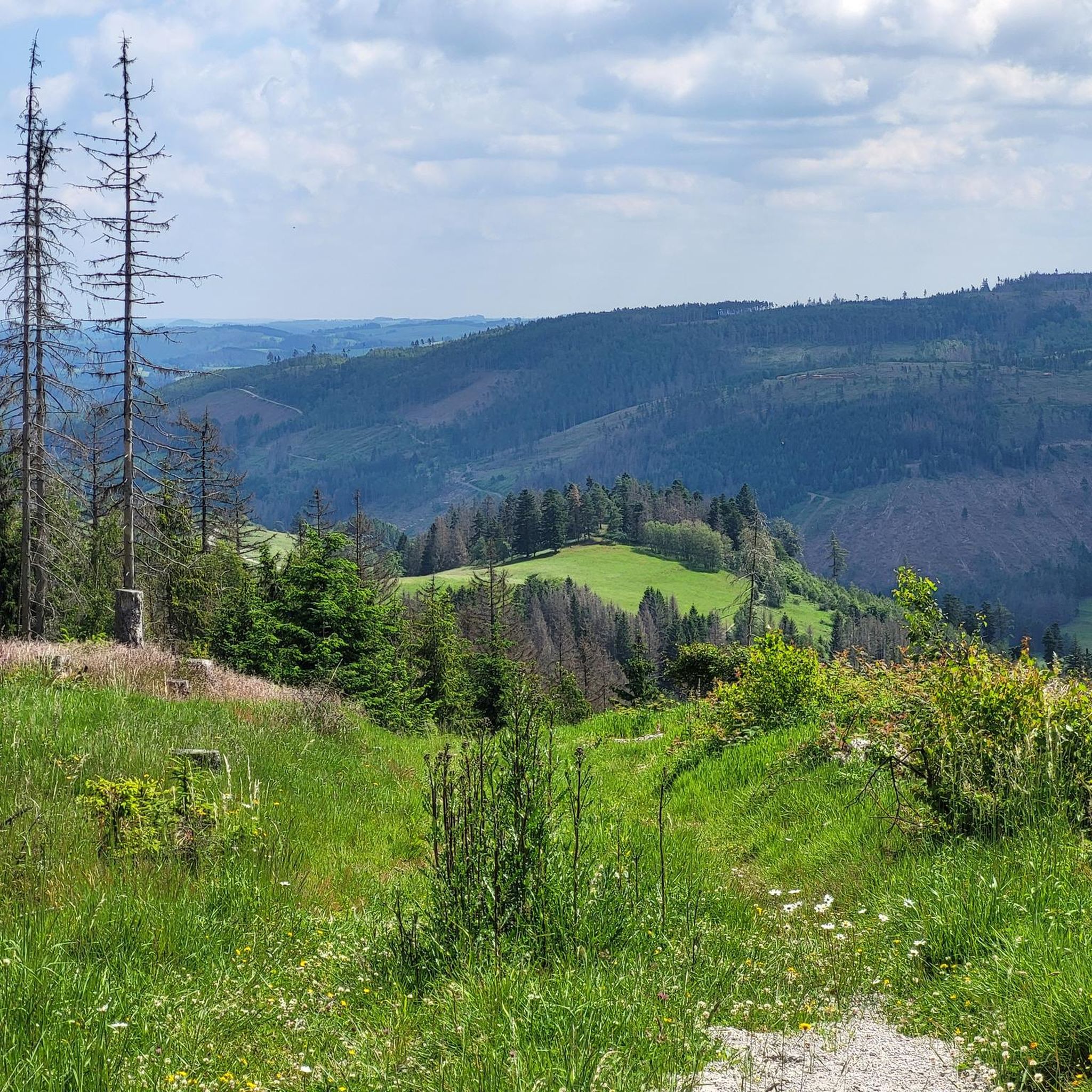
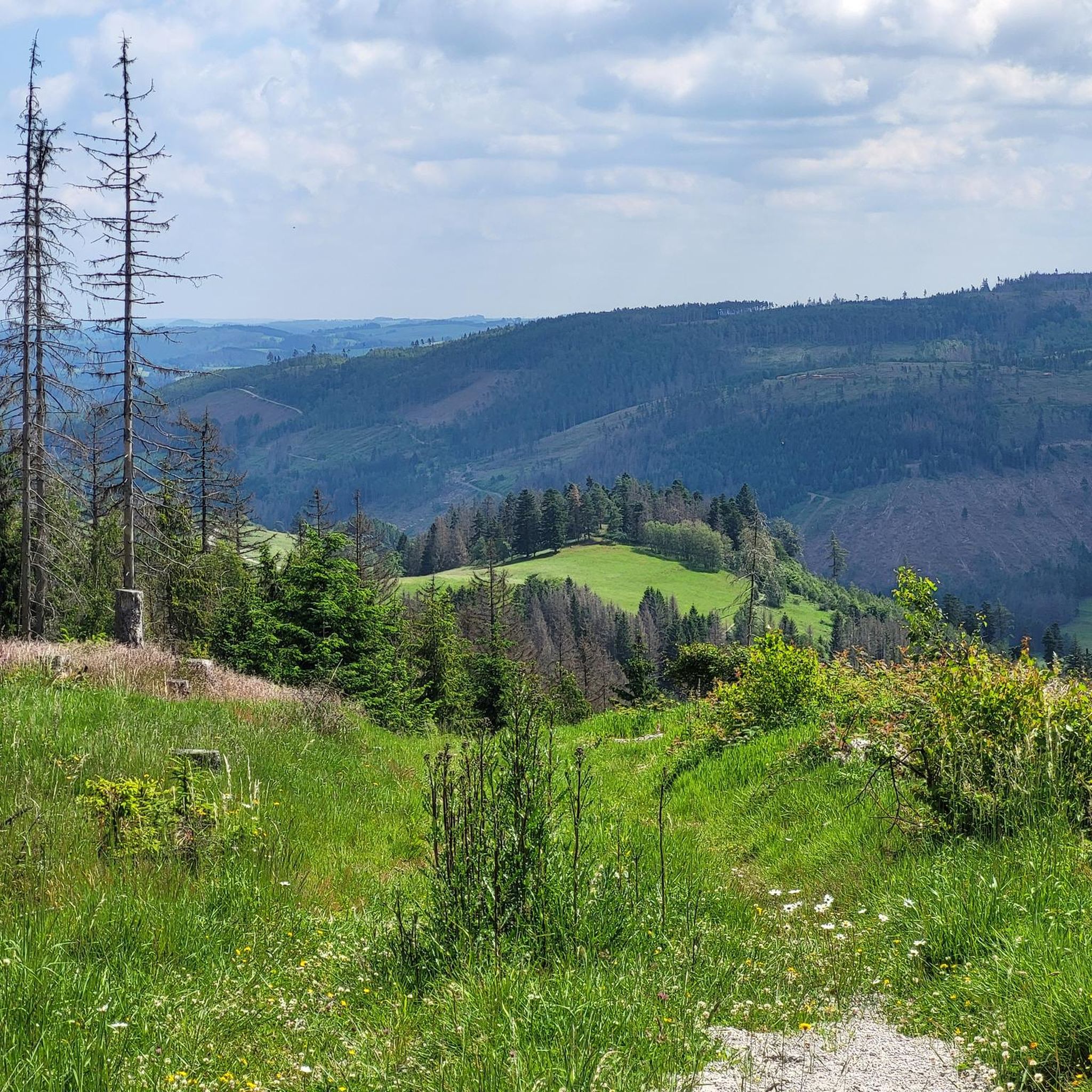
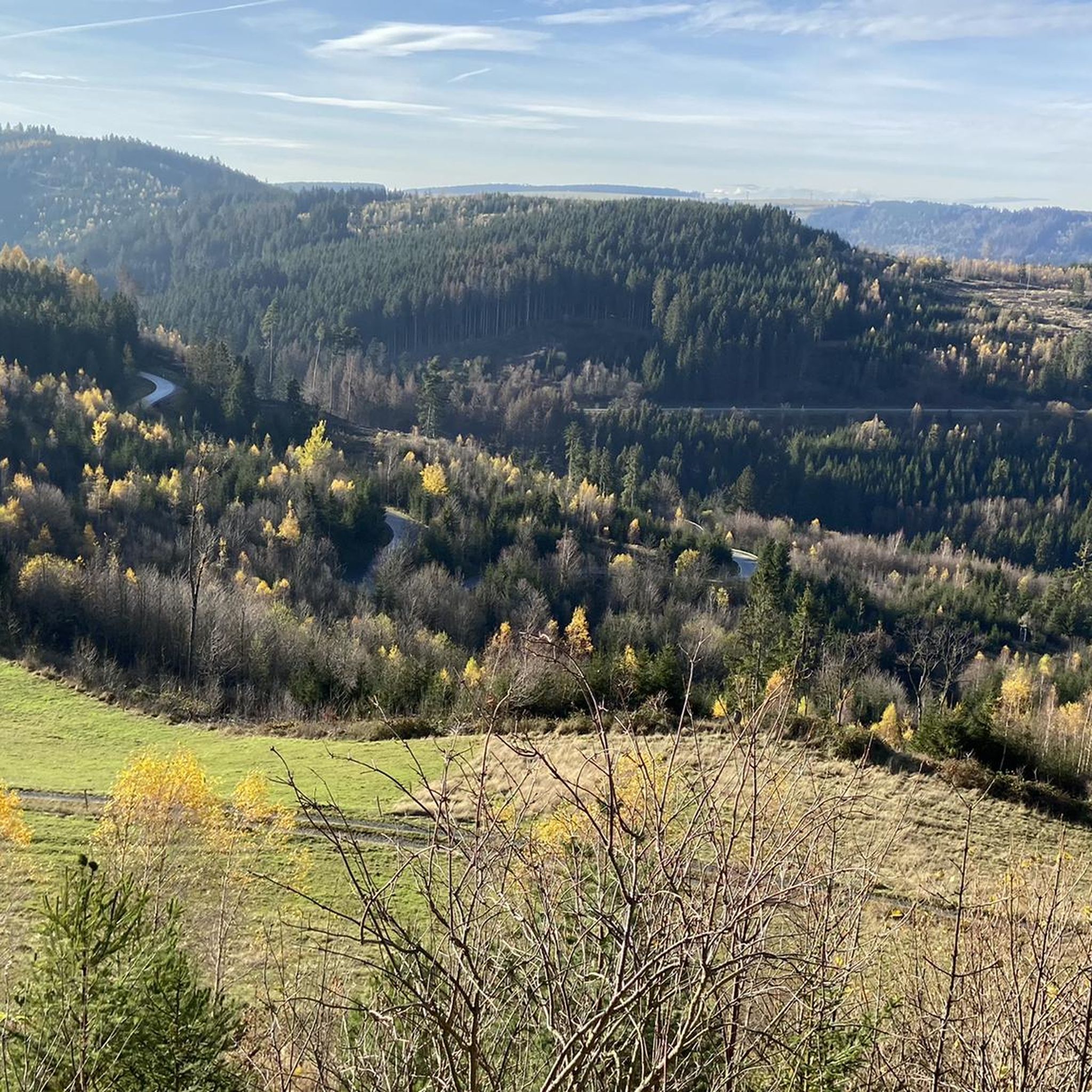
Touring cycling around Gräfenthal offers routes through varied terrain, characterized by rolling hills and river valleys. The region features historical elements such as former border traces and railway viaducts, alongside natural landscapes like the Thuringian Slate Mountains. Elevations on routes indicate a hilly environment, providing diverse cycling experiences.
Best touring cycling routes around Gräfenthal
- The most popular touring cycling route is Eisfelder Resting Place – Werra Spring Hut loop from Tettau, a 48.5 miles (78.0 km) trail that takes…
Last updated: September 28, 2026
4.1
(7)
68
riders
71.5km
05:34
910m
910m
Hard bike ride. Very good fitness required. Mostly paved surfaces. Suitable for all skill levels.
4.8
(11)
44
riders
Hard bike ride. Very good fitness required. Mostly paved surfaces. Suitable for all skill levels.

4.9
(19)
48
riders
16.6km
01:08
210m
210m
Moderate bike ride. Good fitness required. Mostly paved surfaces. Suitable for all skill levels.
5.0
(3)
20
riders
35.7km
02:54
650m
650m
Hard bike ride. Very good fitness required. You may need to push your bike for some segments of this route.
2.0
(1)
18
riders
41.7km
03:18
560m
560m
Hard bike ride. Very good fitness required. Mostly paved surfaces. Suitable for all skill levels.
Get access to more routes and recommendations from other explorers.
Already have an account?
Our route recommendations are based on thousands of hikes, rides, and runs completed by other people on komoot.
Start today with a free account
Your next adventure awaits.
Tips from the Community

At the Schildwiese rest stop, there is a very special piece of Rennsteig history: a small customs house that is reminiscent of the former division of Germany. It was created by Günther Schmidt from Spechtsbrunn. With a lot of humor, he has designed a place here that recalls the time when the Rennsteig was actually divided by the border. Today, you can hike here without any passport control.
10
0
Through the construction of the GDR border facilities in 1962, the residents of Kleinlichtenhain found themselves in the curious situation of having to live in no man's land between the two German states. The Thuringian village with three houses and twenty inhabitants officially belonged to the GDR. However, because it was located in the narrow "Kleintettauer Winkel", which protruded like a spur into Bavarian territory, it was separated from GDR territory by the newly created death strip. The GDR citizens of Kleinlichtenhain could move freely to the West, but there was no way to get into the "Eastern Zone". The memorial with information boards and documentary photos commemorates this unusual situation.
17
0
The border between the Free States of Bavaria and Thuringia is around 400 kilometers long. During the division of Germany, this was the most heavily guarded and deadliest part of the Iron Curtain, with sharp dogs on long leashes, landmines, and self-firing systems on meter-high border fences. Today, the border can only be recognized by a line of paving stones in the asphalt. The former death strip has become the "Green Belt", a unique nature reserve that stretches across Germany from the Baltic Sea to the Fichtel Mountains.
14
0
During the Rennsteig Church Day on June 20, 2009, the memorial at Schildwiese was inaugurated. The metal cross, over four meters high, was designed by the builders from original parts of the old border fence. In front of it, a plaque on a stone block commemorates the people who died in this section of the inner-German border, and all victims of the wall and barbed wire during the German division.
7
0
The "Zollhaus" at the Rennsteig border monument is not a restored historical building. The hut was erected and equipped in autumn 2016 by the Frankenwaldverein Kleintettau. It is intended to commemorate the vibrant customs history of this border region and the era of German division. The monument also includes a historical border stone and two posts with the coats of arms of the Free State of Bavaria and the district of Kronach on one side, and the Free State of Thuringia and the district of Saalfeld-Rudolstadt on the other.
13
0


Rest stop at the old Griffelschiefer slate quarry. Although the black rock has not been mined there for decades, the surreal landscapes of sharp edges and steps, the huge dumps of black slabs still bear witness to the work of generations of Spechtsbrunn residents. The rock was processed immediately on-site by the quarry workers in huts into raw griffels, then turned, ground, and packed in the village – home work primarily for the women and children of the place.
1
0
The historic customs house on the border between Bavaria and Thuringia near Kleintettau (Markt Tettau) is a reconstructed historic customs station. It is located directly on the legendary Rennsteig hiking trail on the so-called Schildwiese. Today, the small building serves as a historical site and border memorial, commemorating the decades-long inner-German division.
5
0
Frequently Asked Questions
How many touring cycling routes are available in Gräfenthal?
Gräfenthal offers a wide variety of touring cycling routes, with over 320 options available. These routes cater to different skill levels, from easy paths to challenging long-distance tours through the Thuringian Slate Mountains.
Are there touring cycling routes suitable for beginners in Gräfenthal?
Yes, Gräfenthal has several touring cycling routes suitable for beginners. There are 29 easy routes, often featuring less elevation and shorter distances. A good option to start with is the View of Schmiedefeld – Thuringian Slate Mountains loop from Reichmannsdorf, which is an easy 11.1 km path.
What options are there for experienced touring cyclists looking for a challenge?
Experienced touring cyclists will find plenty of challenging routes in Gräfenthal, with 144 difficult tours available. These routes often feature significant elevation changes and longer distances. Consider the Cursdorf train station – Oberweißbach Mountain Railway loop from Piesau, a demanding 35.9 km route with notable climbs and views of the historic mountain railway.
Are there any circular touring cycling routes around Gräfenthal?
Many of the touring cycling routes in Gräfenthal are designed as loops, allowing you to start and end at the same point. For example, the Gräfenthal Railway Viaduct – Traces of the GDR Border loop from Schiefergebirge is a moderate 22 km circular route that explores historical elements of the region.
What kind of scenery can I expect on touring cycling routes in Gräfenthal?
The touring cycling routes in Gräfenthal offer diverse scenery, characterized by rolling hills, picturesque river valleys, and the natural beauty of the Thuringian Slate Mountains. You'll encounter historical elements like former border traces and impressive railway viaducts, providing a blend of natural and cultural landscapes.
What are some interesting landmarks or natural attractions to see along the routes?
Gräfenthal's routes pass by several interesting landmarks and natural attractions. You might encounter the Lehesten Slate Quarry Industrial Heritage Site, the unique Meurasteine Rock Formation, or the Schwarza Spring. Many routes also offer scenic viewpoints like Schneiderfelsen.
What do other touring cyclists enjoy most about cycling in Gräfenthal?
The touring cycling routes in Gräfenthal are highly rated by the komoot community, with an average score of 4.5 stars from over 1100 reviews. Cyclists often praise the varied terrain, the blend of natural landscapes and historical sites, and the well-maintained paths that cater to different skill levels.
Are there any long-distance touring cycling routes in the Gräfenthal region?
Yes, for those seeking longer rides, Gräfenthal offers several extensive touring cycling routes. The region's network includes routes that can be combined for longer distances, or you can tackle challenging tours like the Eisfelder Resting Place – Werra Spring Hut loop from Tettau, which spans 78 km and takes over 6 hours to complete.
Is Gräfenthal suitable for family-friendly touring cycling?
Gräfenthal offers a selection of easier routes that can be suitable for families, especially those with some cycling experience. Look for routes categorized as 'easy' which typically have less elevation and shorter distances, allowing for a more relaxed family outing. Always check the route details for specific suitability.
What is the best time of year to go touring cycling in Gräfenthal?
The best time for touring cycling in Gräfenthal is generally from spring to autumn. During these seasons, the weather is typically mild, and the natural landscapes are at their most vibrant. Summer offers longer daylight hours, while spring and autumn provide pleasant temperatures and beautiful foliage.
Are there routes that incorporate historical elements of the region?
Absolutely. Gräfenthal's history is woven into its landscape, and many touring cycling routes feature historical elements. You can explore former border traces, impressive railway viaducts, and other remnants of the region's past, offering a unique cultural dimension to your ride. The Former border – Tettautal Valley Cycle Path loop from Tettau is a prime example.
Most popular routes around Gräfenthal
Most popular attractions around Gräfenthal

Get inspired with the komoot mobile app


Explore more
Browse the best Cycling routes in other regions.
