Attractions and Places To See around Bad Segeberg - Top 20
Attractions and places to see around Bad Segeberg include a prominent gypsum mountain, expansive lakes, and significant historical sites. The town, located in Schleswig-Holstein, Germany, is characterized by its unique karst topography and natural reserves. Visitors can explore natural landmarks, cultural events, and serene natural areas. The region offers a diverse range of experiences for those interested in history, nature, and local culture.
Best attractions and places to see around Bad Segeberg
- The most popular attractions is Kalkberg, Bad Segeberg…
Last updated: October 10, 2026
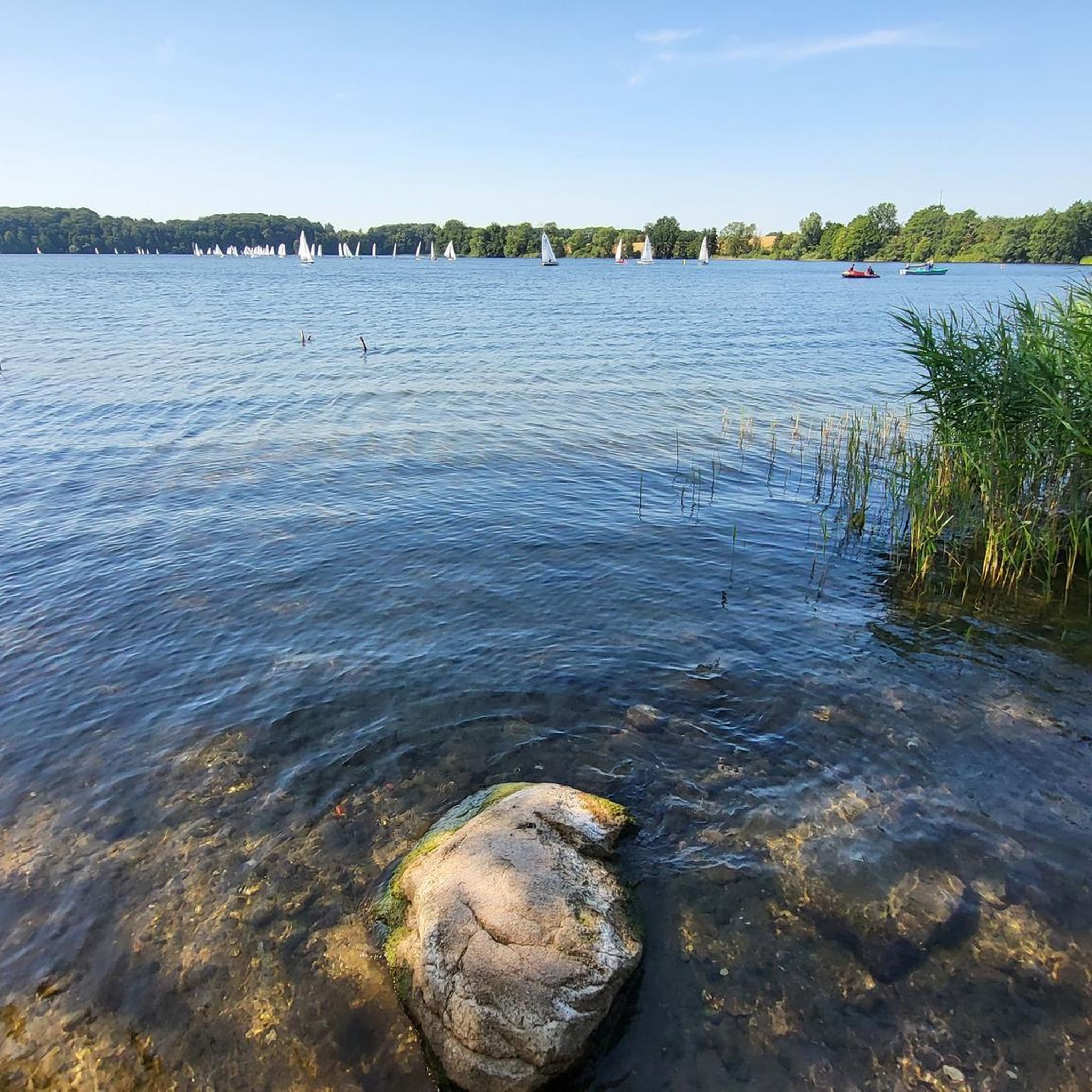
Lakeside promenade at the Great Segeberg Lake
Highlight • Lake
Translated by Google •
Tip by

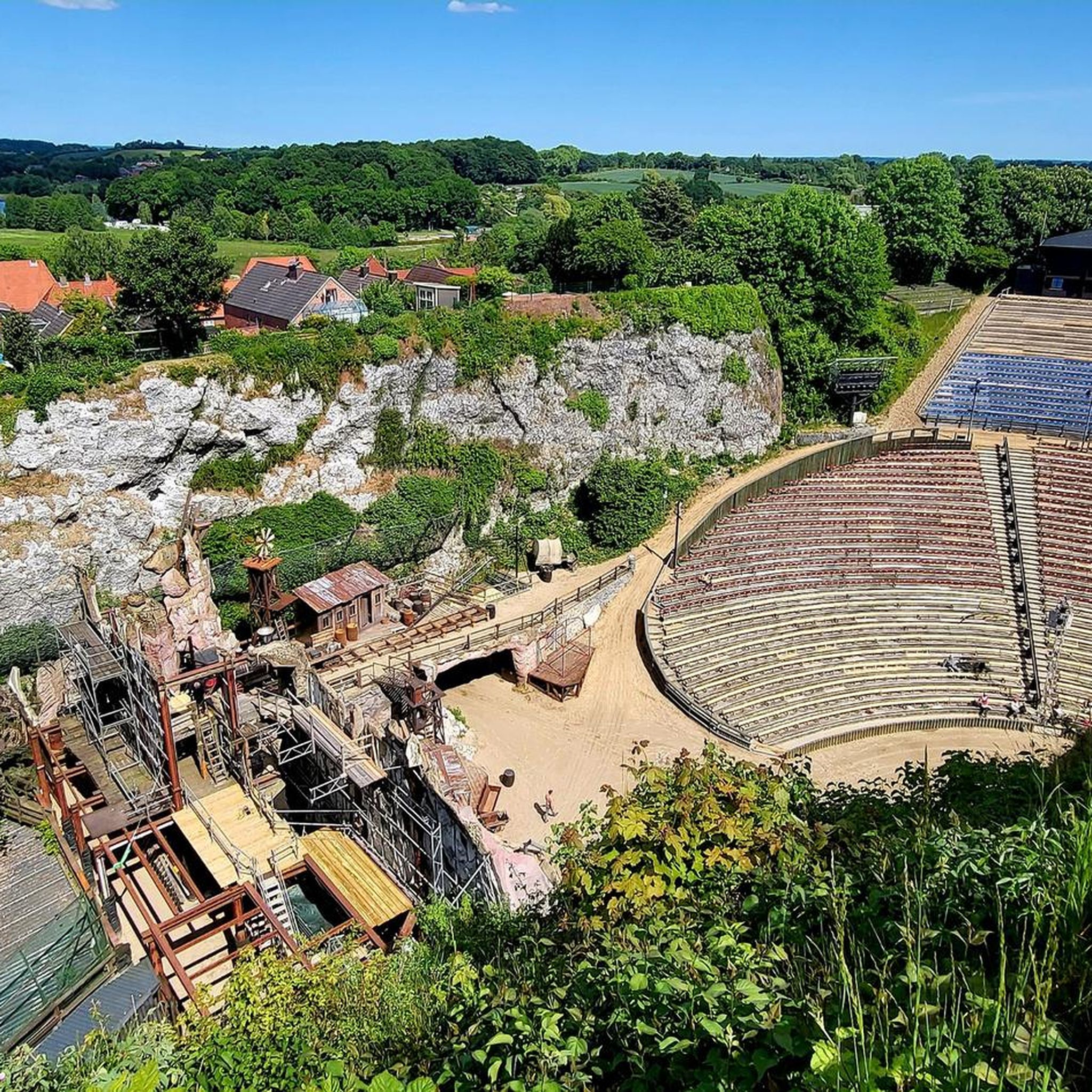
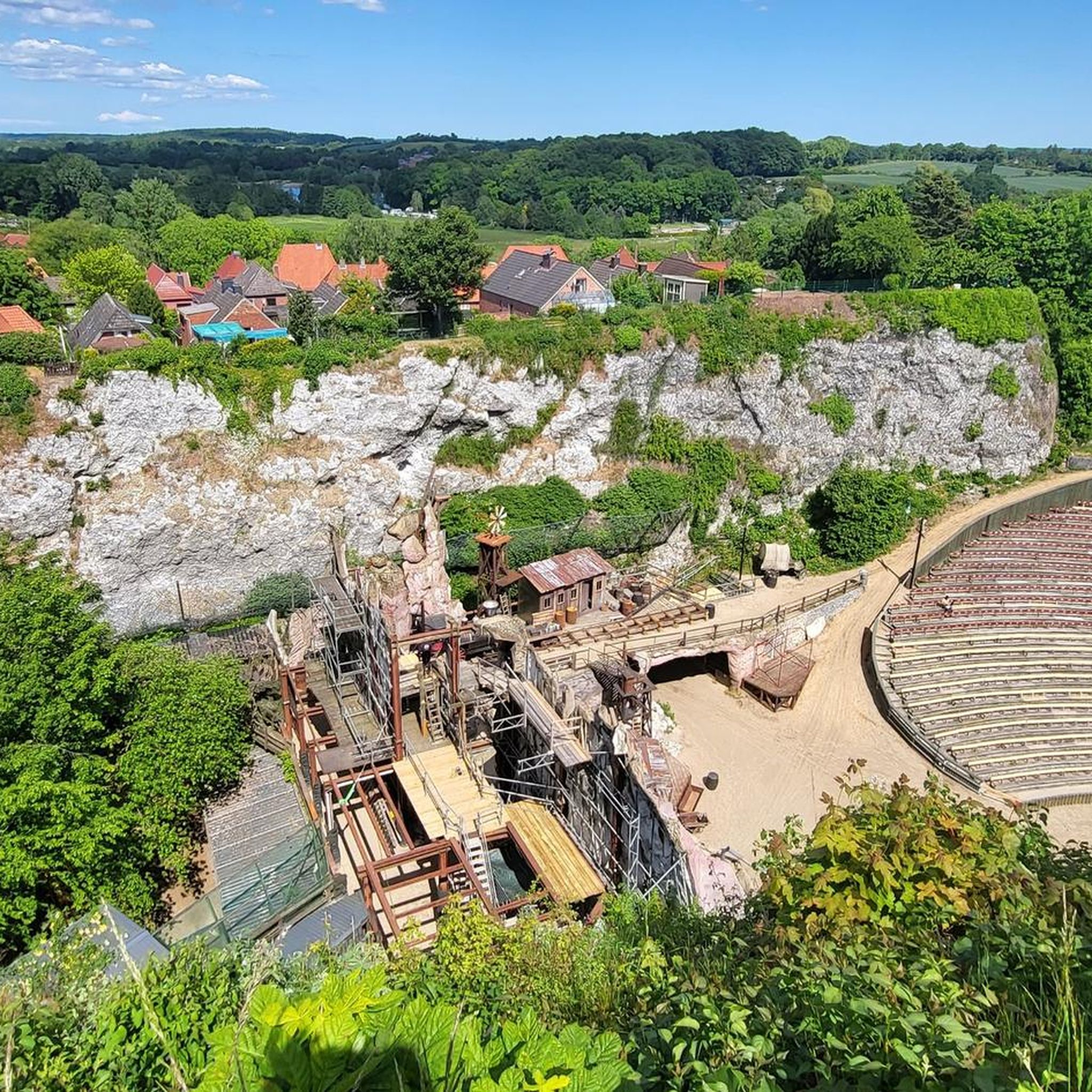
Kalkberg, Bad Segeberg
Highlight • Natural Monument
The view in good weather is fantastic.
And it is the only rock mountain in the big circle! The next one should be in the Harz …
Translated by Google •
Tip by

Sign up now to discover places like this
Get recommendations on the best single tracks, peaks, & plenty of other exciting outdoor places.
Trail along the north shore of Großer Segeberger See
Highlight • Trail
Translated by Google •
Tip by

Old railway bridge over the Trave River at Groß Rönnau
Highlight • Bridge
Translated by Google •
Tip by
Lake Ihl
Highlight • Lake
Showing Translation
Tip by
Sign up for free to discover even more attractions around Bad Segeberg.
Already have an account?
Start today with a free account
Your next adventure awaits.
Popular around Bad Segeberg
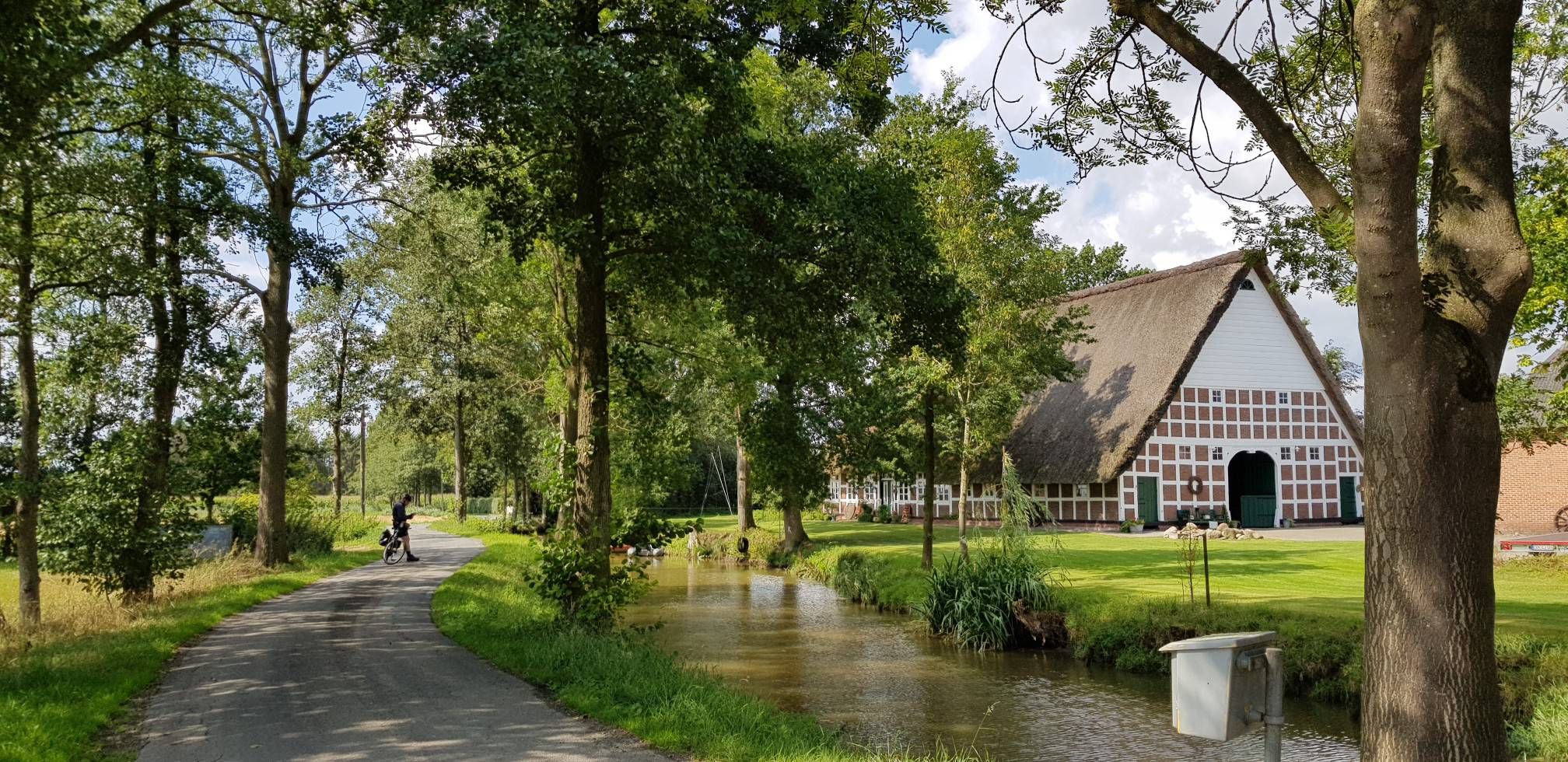
The Monks' Trail – From Bremen to the Baltic Sea
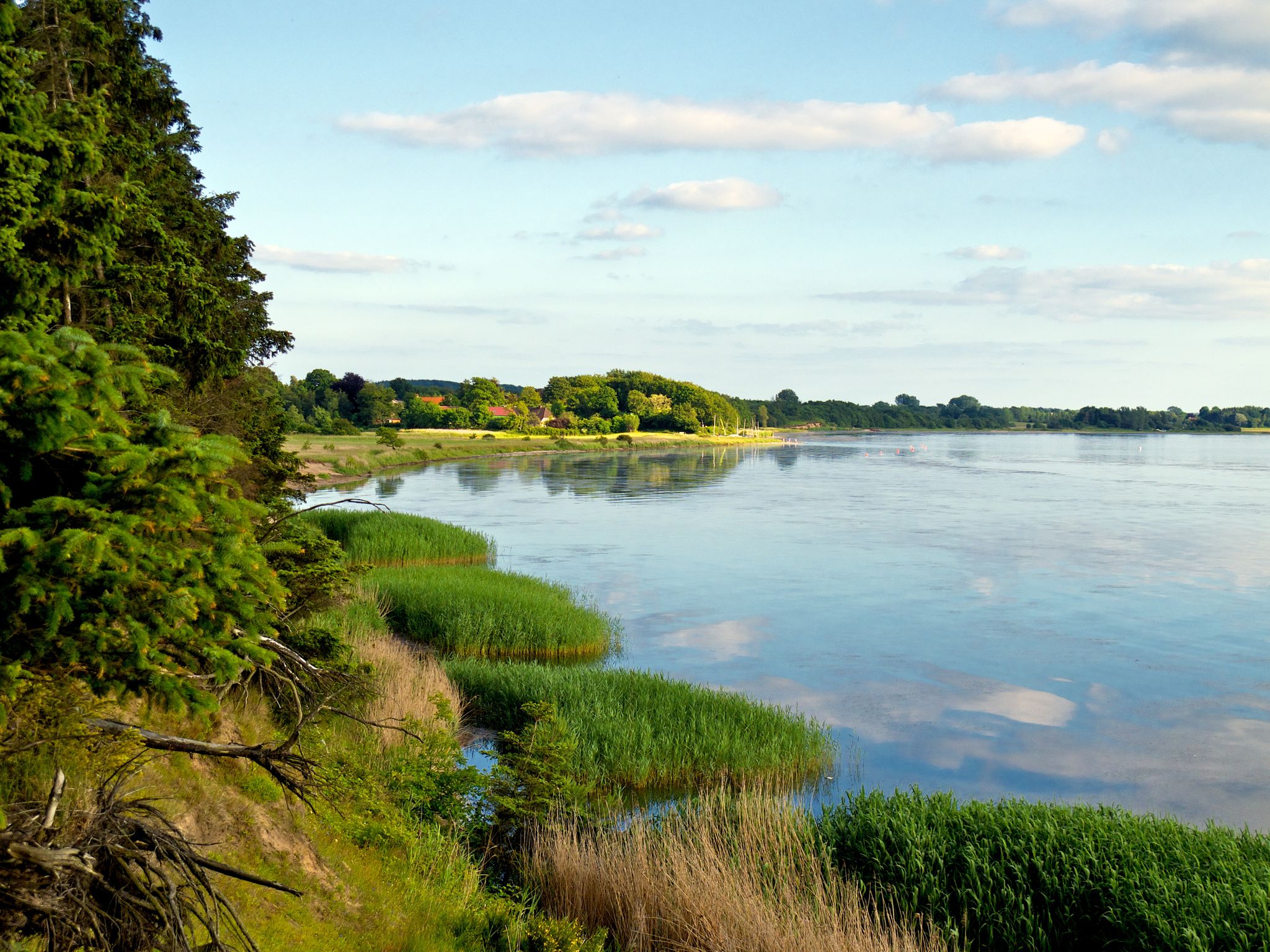
Germany’s blossoming inland — marsh, lakes and fjords in spring
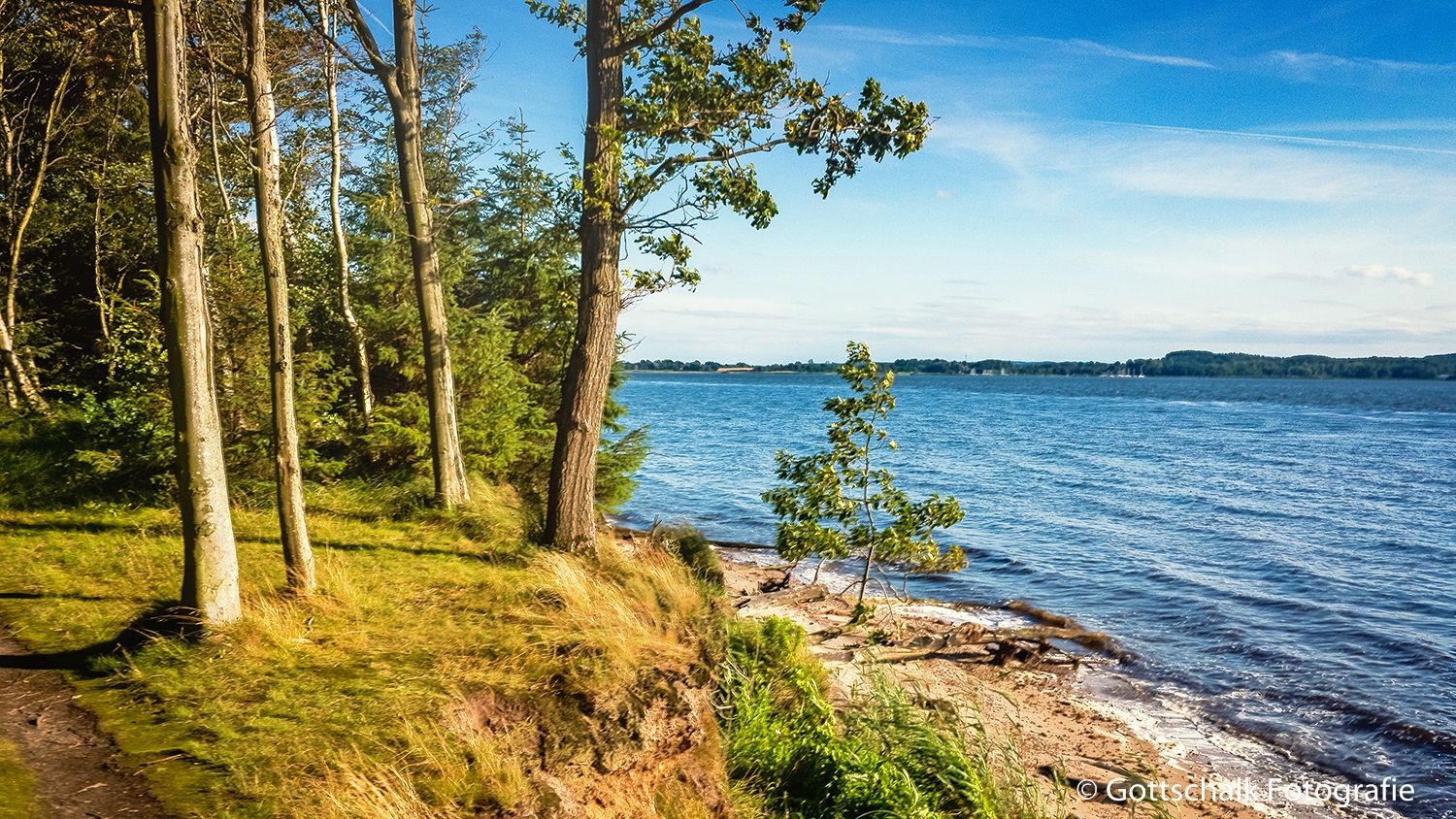
Germany’s golden inland – hike marsh, lakes and fjords in autumn
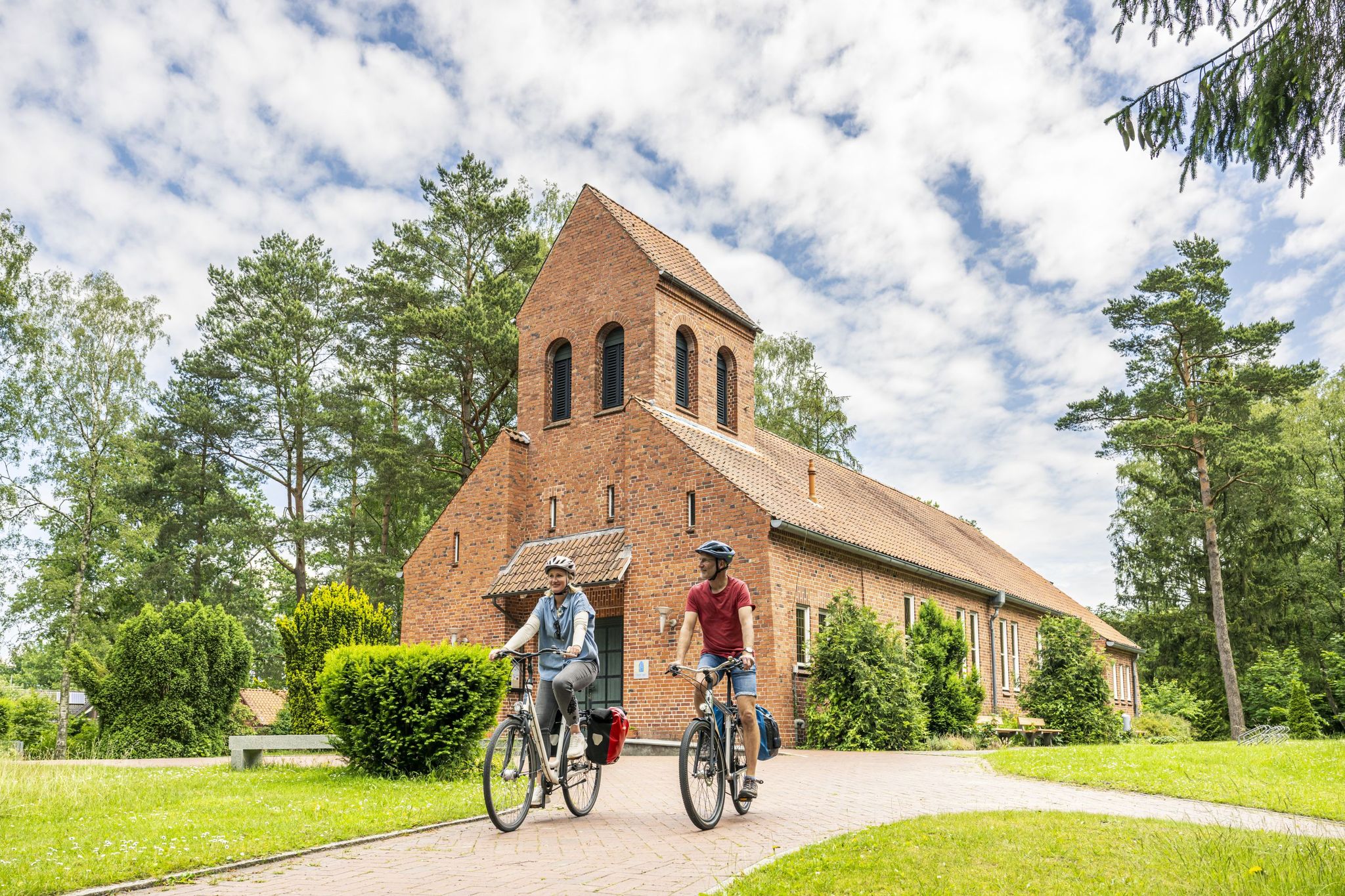
Mönchsweg – Radeln auf den Spuren der Mönche in Schleswig-Holstein
Wandern im Kreis Segeberg und Mittelholstein
Hiking around Bad Segeberg
Cycling around Bad Segeberg
Road Cycling Routes around Bad Segeberg
Running Trails around Bad Segeberg
MTB Trails around Bad Segeberg
Other adventures around Bad Segeberg


Tips from the Community

The further you get from Bad Segeberg, the quieter and more secluded the path becomes – at least in winter. After rain or during thaws, it can sometimes be very muddy.
2
0

On hot days, the shady paths are a welcome change 😉...
3
0

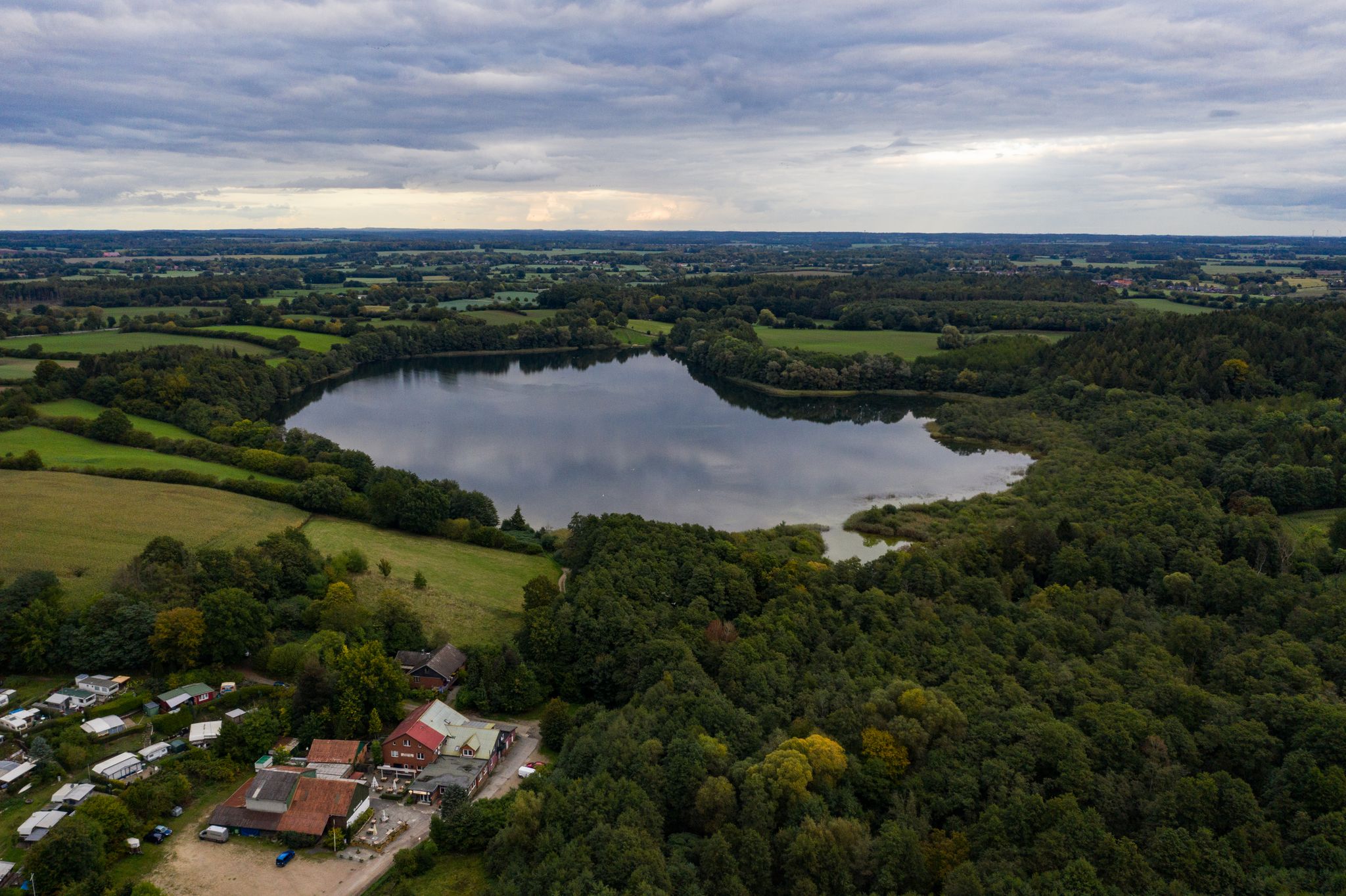
The Ihlsee is located in the northwestern part of the town of Bad Segeberg, on the northern edge of the Kleinniendorf district, and is part of the designated Ihlsee and Ihlwald nature reserve. The formation of the lake has not been fully investigated. Either the depression formed after the Ice Age due to dead ice, or it originated as a sinkhole through the collapse of a cave in the Segeberg salt dome. Today, the lake has an area of approximately 29 hectares and extends 450 m in a north-south direction and approximately 850 m in a west-east direction; the shoreline length is 2.25 km. Along with the Bültsee and the Garrensee, the lake is one of the few nutrient-poor lakes in Schleswig-Holstein. The lake lies in a depression and has no inflow. It is fed only by groundwater and inflowing surface water (precipitation). North of the bathing area is the outflow, which connects the lake with the Großer Segeberger See. The lake can be circumnavigated, but there is no path directly along the shore. On the eastern shore, there is a bathing area that has existed for decades; the bathing water quality is regularly monitored and has been rated very good to good in recent years. A residential area is located on the northern shore. On the western and southern sides, the Ihlwald, a swamp forest, determines the shoreline strip. From 1911 to 1961, there was a train station at the Ihlsee for the Kiel–Segeberg narrow-gauge railway, the tracks of which were removed as early as 1962. The Ihlsee was designated a nature reserve in 1950 due to its special characteristics. The lake is a particularly nutrient-poor body of water, which results in a rare flora. Today, the lake is part of the Ihlsee and Ihlwald nature reserve and, since 2006, part of the Natura 2000 protected area network. https://de.wikipedia.org/wiki/Ihlsee
3
0

Beautiful hiking trail around the lake.
6
0

A bit of variety on the whole federal highway.
3
1

Tip: The evening Karl May events end with fireworks.
7
0
Tip: The 91 m high limestone mountain is not made of lime (calcium carbonate) but of gypsum (calcium sulphate).
7
0

Interesting
4
2
Frequently Asked Questions
What natural attractions can I explore in Bad Segeberg?
Bad Segeberg is rich in natural beauty. The most prominent is the Kalkberg, Bad Segeberg, a 91-meter-high gypsum rock offering panoramic views. Inside, you'll find the Kalkberghöhle, Northern Europe's largest natural bat roost. The Großer Segeberger See is perfect for relaxation, swimming, and features a 7.5 km circular trail. Don't miss the serene Ihlsee und Ihlwald Nature Reserve for swimming and hiking, or the diverse landscapes of the Wittenborner Heide Nature Reserve.
Are there any historical sites to visit in Bad Segeberg?
Yes, Bad Segeberg has a rich history. The Marienkirche, built in 1156, is the oldest brick church north of the Elbe and a significant Romanesque building. You can also visit the Segeberger Bürgerhaus, the town's oldest residential building from 1541, which now houses the local history museum.
What cultural experiences does Bad Segeberg offer?
Bad Segeberg is famous for the annual Karl-May-Spiele, a Wild West-themed festival held in an open-air theater against the backdrop of the Kalkberg during summer. Adjacent to the arena, the Indian Village and LaGrande Western Town offer an immersive experience. For art enthusiasts, the Kunsthalle Otto Flath showcases wooden sculptures by local artist Otto Flath.
What activities are available for families with children?
Families will enjoy the Karl-May-Spiele for its spectacular shows. Next to the Kalkberg cave, NOCTALIS World of Bats offers an interactive exhibition about these fascinating animals. The West Shore of Great Segeberg Lake is also family-friendly, with comfortable benches and scenic views.
Where can I go for a relaxing walk or hike around the lake?
The Großer Segeberger See offers several pleasant options. You can stroll along the Lakeside promenade at the Great Segeberg Lake for wide views over the water. For a more immersive experience, the Trail along the north shore of Großer Segeberger See leads under shady trees with beautiful lake views.
Are there any accessible attractions for visitors with mobility needs?
Yes, the Lakeside promenade at the Great Segeberg Lake is noted as wheelchair accessible, offering a pleasant experience along the water's edge.
What outdoor activities, such as hiking or cycling, can I do near Bad Segeberg's attractions?
Bad Segeberg is excellent for outdoor activities. For hiking, consider routes like the Großer Segeberger See Loop or the Ihlsee Beach – Ihlwald Nature Reserve loop. Cyclists can explore routes such as the View of Bad Segeberg – Gatehouse of Gut Pronstorf loop. You can find more detailed routes and guides for hiking at Hiking around Bad Segeberg and for cycling at Cycling around Bad Segeberg.
What is the Kalkberghöhle and can I visit it?
The Kalkberghöhle, located inside the Kalkberg, Bad Segeberg, is Northern Europe's largest natural bat roost, housing up to 30,000 bats in winter. Guided tours are available during the summer months, offering a unique experience in a constant temperature of around 10 degrees Celsius.
What is the best time of year to visit Bad Segeberg?
The summer months are particularly vibrant due to the annual Karl-May-Spiele festival. However, the natural attractions like the lakes and nature reserves are enjoyable throughout spring, summer, and autumn for hiking, cycling, and relaxation. Winter offers a unique experience with the bat roost in the Kalkberghöhle.
Are there any hidden gems or lesser-known spots worth visiting?
Beyond the main attractions, the Ihlsee und Ihlwald Nature Reserve is often overlooked but offers a pristine lake and lush forest perfect for quiet swimming and hiking. The Wittenborner Heide Nature Reserve, a short drive away, also provides varied landscapes and wildlife for exploration.
What do visitors enjoy most about the Great Segeberg Lake?
Visitors particularly enjoy the serene atmosphere and beautiful views. The comfortable benches along the West Shore of Great Segeberg Lake are a highlight, inviting people to linger and enjoy the natural surroundings. The wide views from the Lakeside promenade at the Great Segeberg Lake are also highly appreciated.
Can I bring my dog to attractions in Bad Segeberg?
Many outdoor areas in Bad Segeberg are dog-friendly. For instance, the West Shore of Great Segeberg Lake is noted as dog-friendly, allowing you to enjoy the scenic views with your canine companion.
Most popular routes around Bad Segeberg
Most popular attractions around Bad Segeberg

Get inspired with the komoot mobile app


Explore more
Still not found the Highlight you’re looking for? See guides of the top attractions in other regions:
