Top 20 Huts and Cabins around Schwarzenberg/Erzgebirge
Best huts around Schwarzenberg/Erzgebirge are situated in the German Ore Mountains, a region characterized by its forested peaks and historical mining landscape. The area offers a mix of traditional mountain houses and prominent summits, providing points of interest for outdoor enthusiasts. Visitors can explore diverse terrain, from challenging trails to more accessible paths, with several notable viewpoints. The region's natural features and cultural landmarks make it a destination for hiking and exploring.
Best huts around Schwarzenberg/Erzgebirge
- The most popular huts…
Last updated: October 11, 2026
Fichtelberghaus Restaurant & Hotel
Highlight • Restaurant
Translated by Google •
Tip by

Fichtelberg Peace Bell
Highlight • Monument
Translated by Google •
Tip by

Sign up now to discover places like this
Get recommendations on the best single tracks, peaks, & plenty of other exciting outdoor places.
Auersberg Summit and Observation Tower
Highlight • Summit
Translated by Google •
Tip by

Auersberghaus and Stoneman Miriquidi checkpoint
Highlight • Mountain Hut
Translated by Google •
Tip by

Wurzelhütte Rote Grube
Highlight • Mountain Hut
Translated by Google •
Tip by

Sign up for free to discover even more huts and cabins around Schwarzenberg/Erzgebirge.
Already have an account?
Start today with a free account
Your next adventure awaits.
Popular around Schwarzenberg/Erzgebirge
Triathlon around Germany
Hiking with heart in the Ore Mountains
Wonderful Silberberg – Day Tours to the Digital Hiking Badge with SummitLynx
Weekend tours in the Ore Mountains
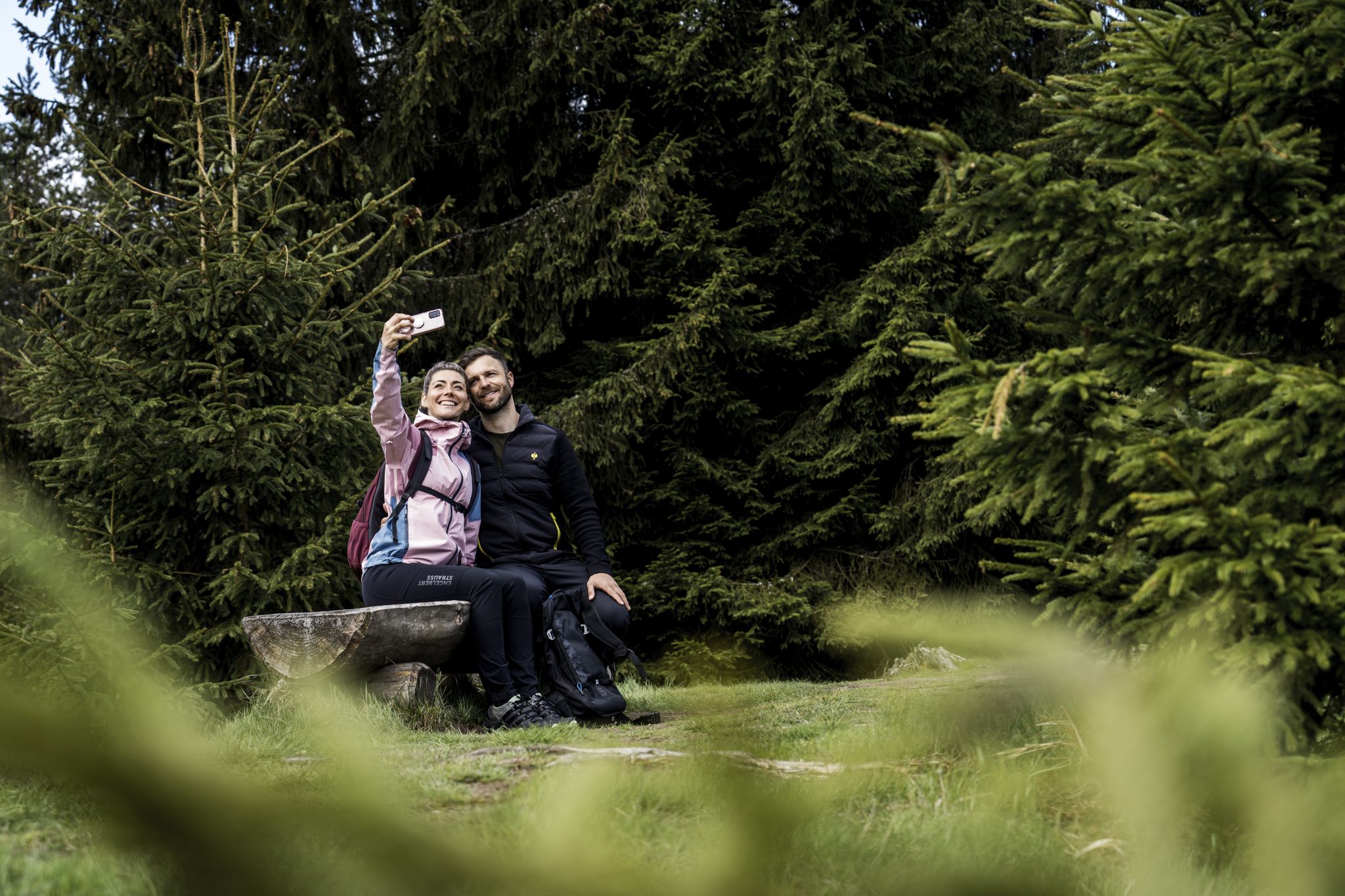
Digitale Wandernadel
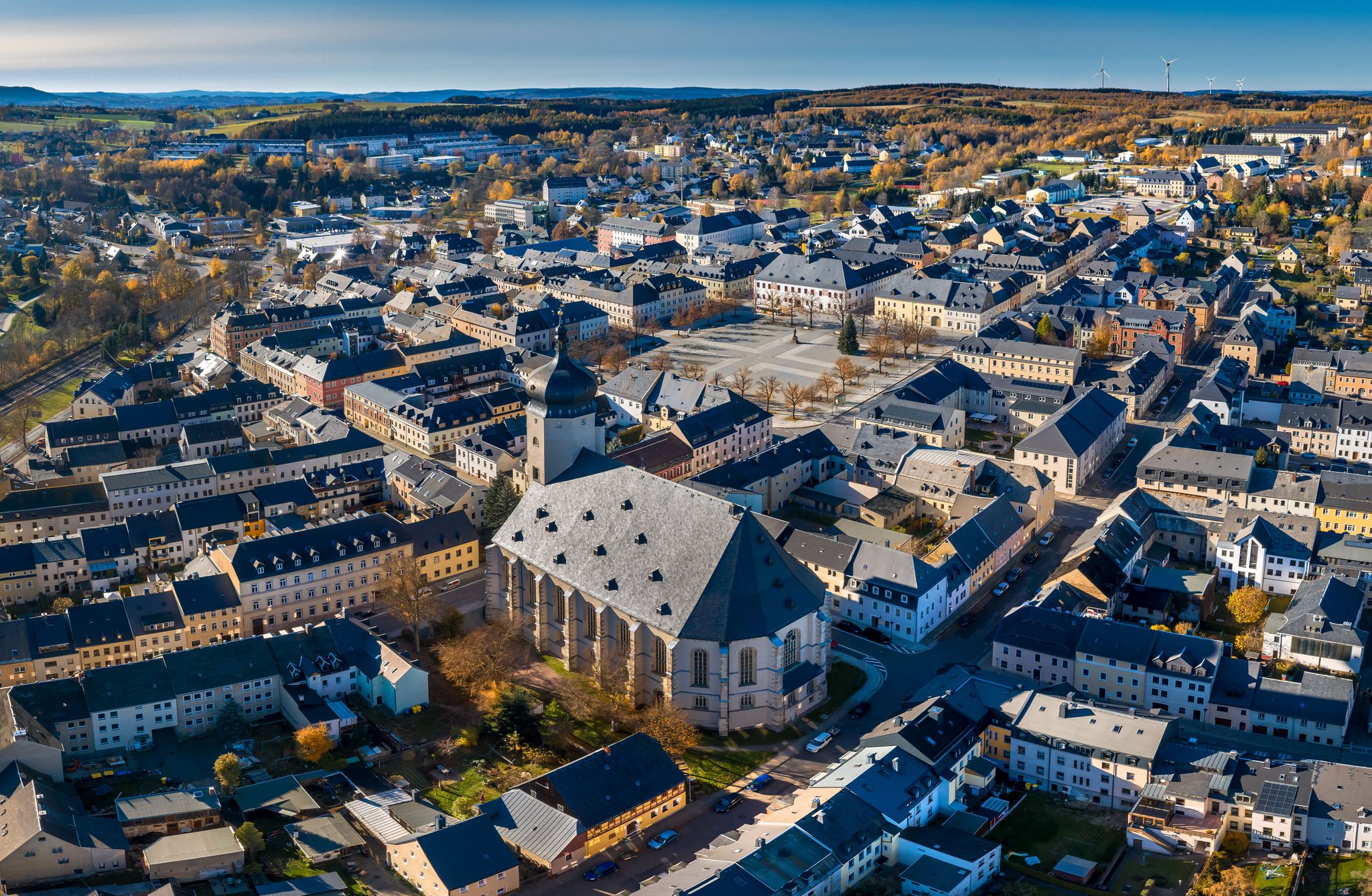
Wandertouren - "Glück Auf" im Welterbe
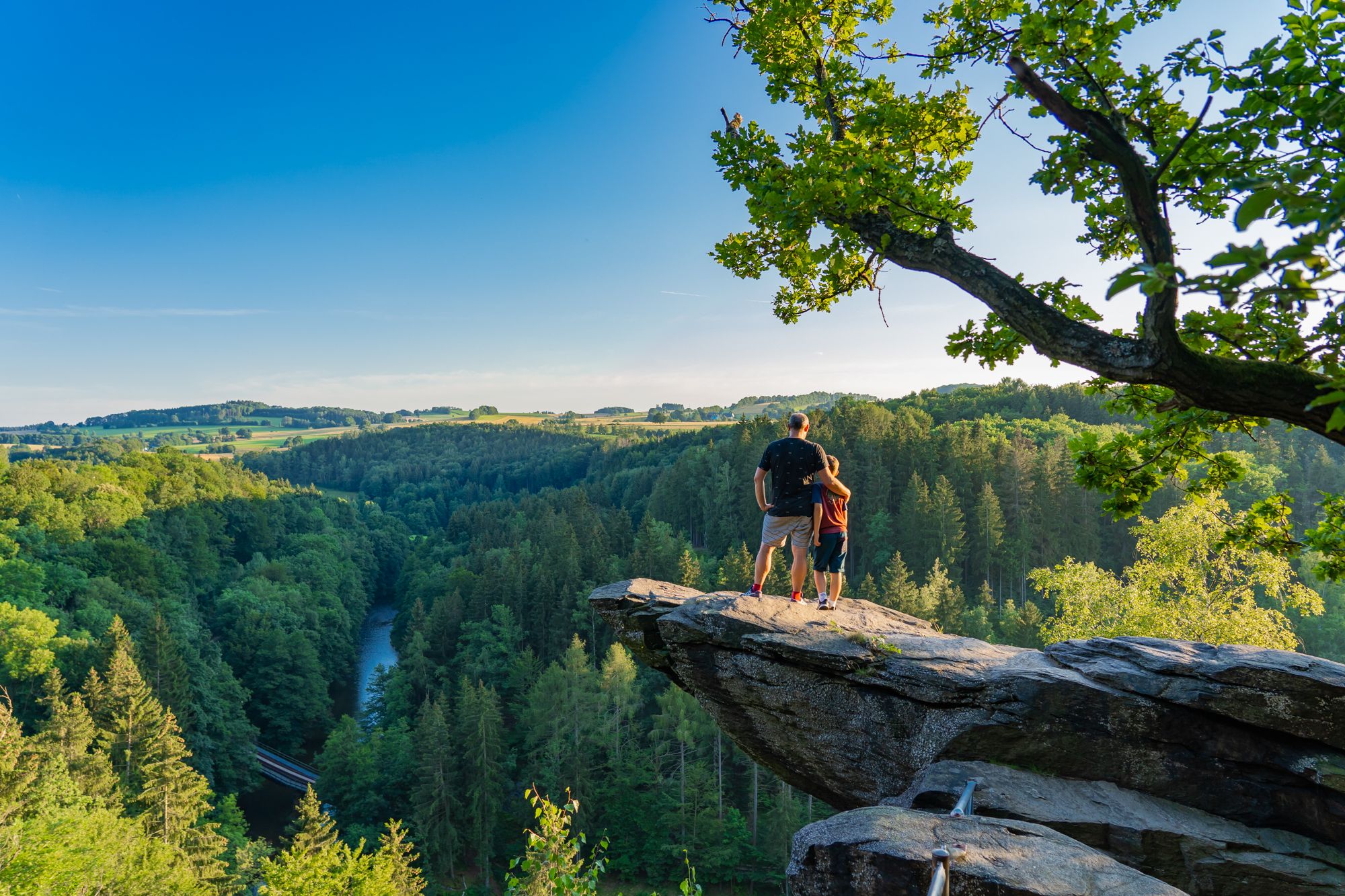
Wandertouren - Gipfelglück
Hiking around Schwarzenberg/Erzgebirge
Cycling around Schwarzenberg/Erzgebirge
MTB Trails around Schwarzenberg/Erzgebirge
Other adventures around Schwarzenberg/Erzgebirge


Tips from the Community

The large peace bell on the Fichtelberg had to remain silent for six months in 2024. Stone throwing in May 2022 had so badly damaged the bell that its sound suffered. It was decided to stop ringing it and replace it with a new one. The old bell rang for the last time on Easter Monday 2024. Just in time for the mountain service on German Unity Day on October 3, the new bell was officially rung for the first time in the fall of 2024. The idea of using a peace bell to commemorate the peaceful revolution of 1989 in the GDR and German reunification in 1990 came from watchman Gerd Schlesinger and night watchman Jörg Eller from the Ore Mountains town of Schwarzenberg. The bell was also intended to be heard in neighboring Czechia and thus ring for a united Europe. The cast steel bell, already ninety years old at the time, was rung for the first time in 2010. The new bell was cast in Innsbruck by the Grassmayr company. At 2,700 kilograms, it is about 1,100 kilograms heavier than the old bell.
17
1

On October 3, 2024, about 11 months after its consecration, a new bell rang for the first time and has since replaced the previous bell from 2010. This had been damaged by vandalism. The new bell was cast in Innsbruck. It is made of bronze and weighs about 2700 kg. The bell is rung on Sundays and public holidays.
6
0

☆ The oldest stone observation tower in the Ore Mountains. More information can be found at the tower.
10
0

In many cities there are monuments in the shape of a bell that are intended to serve as a memorial for peace. Examples of this are: - the Chorweiler peace bell, - the Peace Bell (Bad Neustadt an der Saale) - the Peace Bell (Dessau) in Dessau-Roßlau - the Peace Bell (Frankfurt (Oder)) m - the peace bell on the Fichtelberg in the Ore Mountains and many more. In 2009, Gerd Schlesinger, tower keeper of the city of Schwarzenberg, suggested setting up a ringable church bell on the Fichtelberg, which would be considered a monument to the unity of Germany. Its bells should be heard as far away as the neighboring Czech Republic and thus also ring for a united Europe. Many private individuals and companies were active in the project or contributed donations.
9
0

The tower is a good vantage point but everything is well marketed.
16
0

The bell was erected as a memorial on the summit of the Fichtelberg to mark 20 years of German unity. It weighs 1.6 t, is 1.35 m high and has a diameter of almost 1.6 m.
5
0

In 2009, Gerd Schlesinger, tower warden of the town of Schwarzenberg, suggested setting up a ringable bell on the Fichtelberg, which should serve as a monument to German unity and could ring for peace, unity, justice and love.
8
0

The peace bell on the Fichtelberg plateau - as a monument to the unity of Germany, it rings for peace, unity, justice and love. Their bells can be heard as far away as the neighboring Czech Republic and therefore also ring for a united Europe. The tower keeper Gerd Schlesinger from Schwarzenberg rings the peace bell every Sunday at 4 p.m. on the Fichtelberg. During Advent and Christmas, as well as New Year's Eve, New Year's Day and Epiphany, there are additional dates for ringing the Peace Bell.
20
1
Frequently Asked Questions
What unique experiences do the huts around Schwarzenberg/Erzgebirge offer?
The huts in the region provide diverse experiences. For panoramic views and a significant landmark, visit the Fichtelberghaus on the highest mountain in the German Ore Mountains. The Auersberg Summit and Observation Tower offers breathtaking vistas, including the Sosa and Eibenstock dams. For mountain biking enthusiasts, the Auersberghaus serves as a checkpoint for the challenging Stoneman Miriquidi route and is known as Saxony's highest hotel.
What is the best time to visit the huts and surrounding areas?
The region is appealing year-round, but the best time depends on your preferred activities. For hiking and enjoying nature, the months from May to September are ideal. If you're interested in winter sports like cross-country skiing and winter hikes, December to February offer excellent opportunities.
Are there family-friendly huts or routes suitable for families?
Yes, several huts and their surrounding areas are family-friendly. Both the Fichtelberghaus and the Auersberg Summit and Observation Tower are noted as family-friendly. The Auersberg even has a small playground for children, and many seating areas for resting. The Fichtelberg Peace Bell is also a family-friendly historical site.
What kind of facilities can I expect at the huts around Schwarzenberg/Erzgebirge?
Many huts in the region, such as the Fichtelberghaus and the Auersberghaus, offer restaurants where you can rest and refuel. The Auersberghaus also functions as Saxony's highest hotel, providing overnight stays. You can often find panoramic views and observation towers at these locations.
What natural features and viewpoints can I discover near the huts?
The region is rich in natural beauty and offers stunning viewpoints. From the Fichtelberghaus, you get a panoramic view over the Erzgebirge into the Bohemian Basin. The Auersberg Summit and Observation Tower provides views towards the Sosa and Eibenstock dams. The Ottomar Zahm Trail also offers wide views of the Erzgebirge and unique basalt columns.
Are there historical or cultural sites near the huts?
Yes, the region has historical significance. The Fichtelberg Peace Bell, located near the Fichtelberghaus, is a monument to German unity and rings for a united Europe. The Auersberg Summit and Observation Tower is also considered a historical site, with the first inn on Auersberg opening in 1907.
What outdoor activities can I do near these huts?
The area around Schwarzenberg/Erzgebirge is excellent for various outdoor activities. You can find numerous hiking trails, including moderate options like 'Wanderbarer Silberberg – Erla, Pöhla, Grünstädtel and Schwarzenberg'. For road cycling, routes like 'Fichtelberg Weather Station – Fichtelberg Ascent loop' are available. Running trails, such as 'View of Schwarzwassertal loop', also offer great options. You can explore more routes on the respective guide pages for hiking, road cycling, and running.
Are there mountain biking opportunities near the huts?
Absolutely. The Auersberghaus is a well-known checkpoint for the Stoneman Miriquidi, a challenging mountain biking route. This indicates the presence of significant mountain biking trails in the vicinity, catering to enthusiasts looking for an adventure.
What do visitors enjoy most about the huts in this region?
Visitors frequently praise the stunning panoramic views from the summits, especially from the Fichtelberghaus and Auersberg Summit. The well-maintained trails, like the Ottomar Zahm Trail, are appreciated for their beauty and photo opportunities. The presence of restaurants and facilities at the huts also adds to the enjoyment, providing a place to rest and refuel after exploring.
Can I find accommodation options near the huts?
While some mountain houses like the Auersberghaus offer overnight stays as Saxony's highest hotel, the wider region around Schwarzenberg/Erzgebirge also features various vacation rentals and chalets. These range from cozy chalets like Domecheck Boží Dar to holiday homes such as Hütte Direkt Am Wald, offering comfortable retreats for visitors.
Are there easy trails to reach the huts around Schwarzenberg/Erzgebirge?
While some routes to the prominent huts involve intermediate climbs, there are also easier paths in the broader Schwarzenberg/Erzgebirge area. For instance, the 'Hirschenstein – Slate Mosaic House loop' is an easy hiking route. When planning your visit, it's advisable to check specific trail descriptions for difficulty levels to match your preference.
Are there options for winter activities near the huts?
Yes, the region is well-suited for winter activities. From December to February, you can enjoy cross-country skiing and winter hikes, especially around the Fichtelberghaus, which is a popular destination for winter sports enthusiasts. The snowy landscape offers a beautiful backdrop for outdoor adventures during the colder months.
Most popular routes around Schwarzenberg/Erzgebirge
Most popular attractions around Schwarzenberg/Erzgebirge

Get inspired with the komoot mobile app


Explore more
Find more beautiful huts and cabins around Schwarzenberg/Erzgebirge by checking out the top ones in these nearby places:
