Attractions and Places To See around Pölchow - Top 20
Attractions and places to see around Pölchow include a blend of historical sites and natural landscapes. This municipality in the Rostock district of Mecklenburg-Vorpommern, Germany, is situated near the Mecklenburg Elbe Valley Nature Park and the Warnow River Valley. Pölchow offers access to diverse outdoor activities and cultural points of interest, including its proximity to Rostock.
Best attractions and places to see around Pölchow
- The most popular attractions is Rostock City Harbor, a settlement that offers various cultural and…
Last updated: May 9, 2026
Rostock City Harbor
Highlight • Settlement
Translated by Google •
Tip by

Main Building, University of Rostock
Highlight • Historical Site
Translated by Google •
Tip by

Sign up now to discover places like this
Get recommendations on the best single tracks, peaks, & plenty of other exciting outdoor places.
Sign up for free
New Market, Rostock
Highlight • Historical Site
Translated by Google •
Tip by

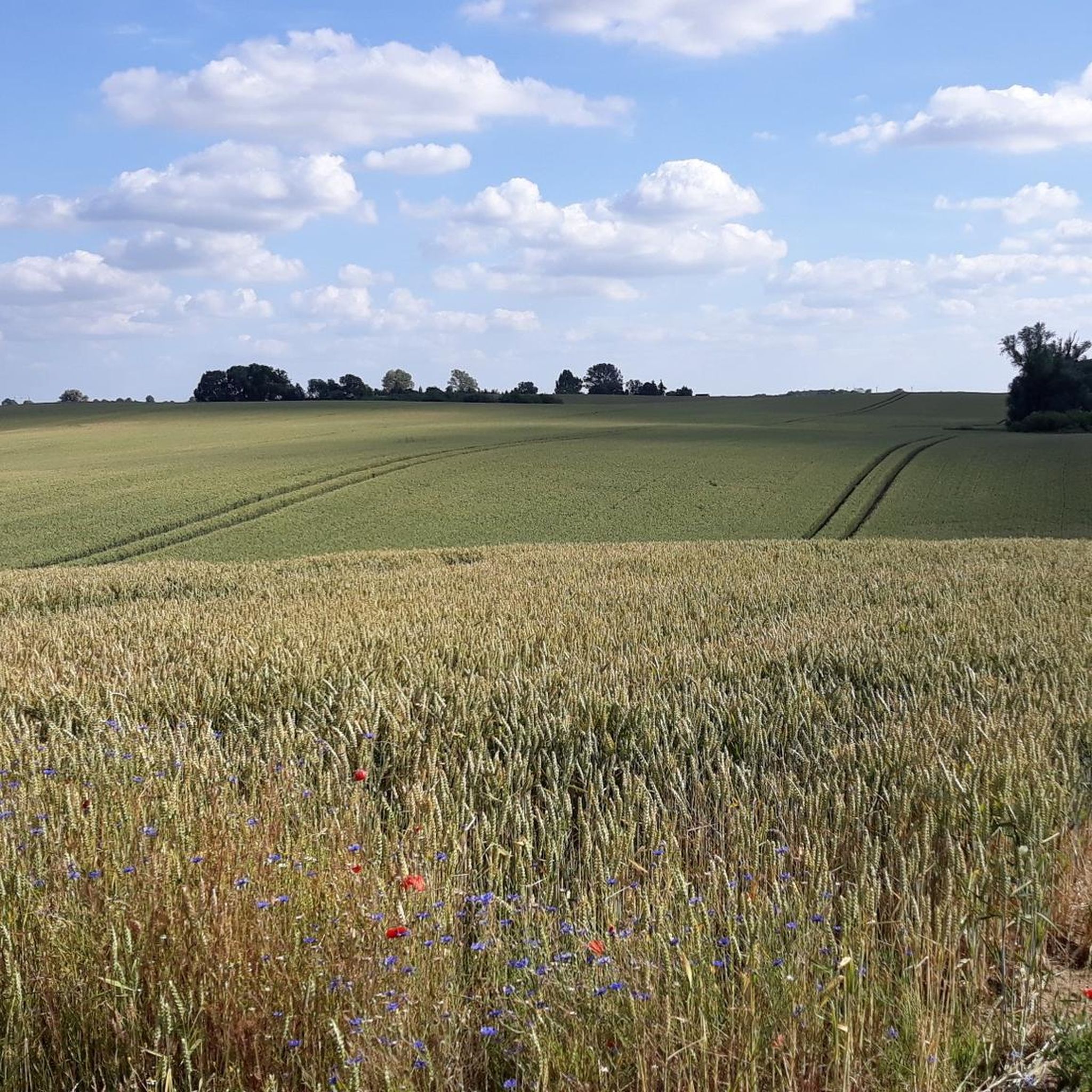
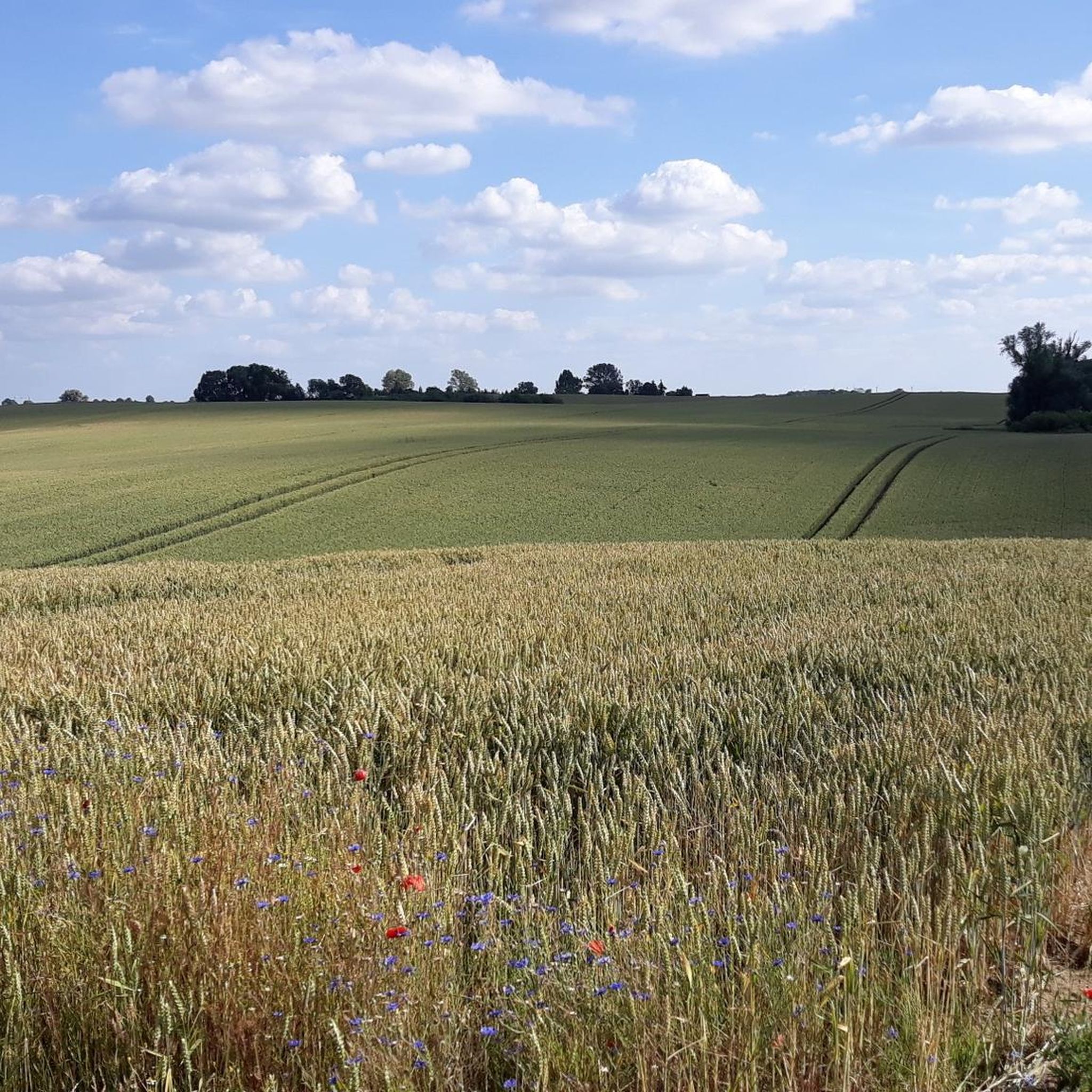
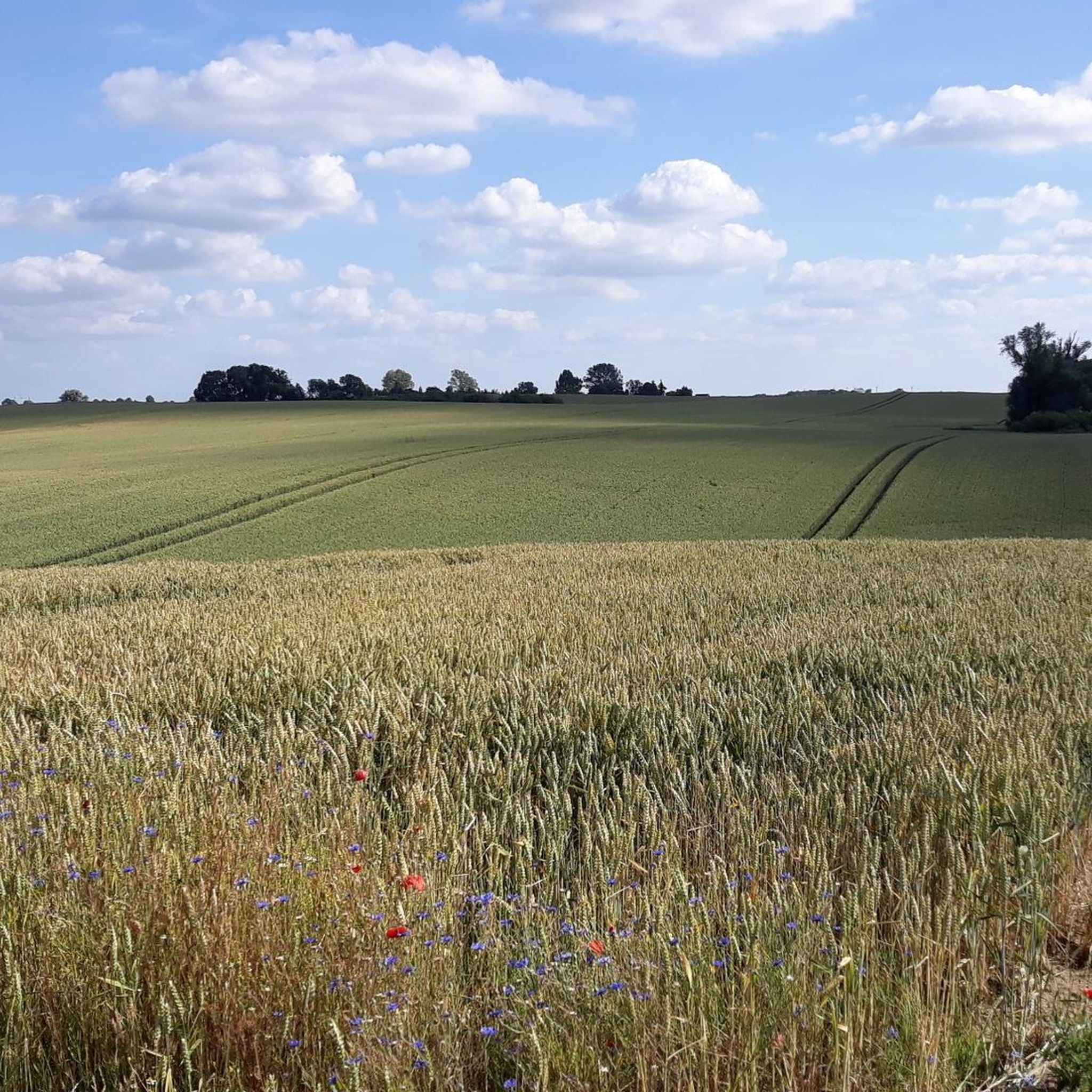
Berlin–Copenhagen Cycle Route: Schwaan to Pölchow
Highlight (Segment) • Cycleway
Translated by Google •
Tip by

Rostock Town Hall
Highlight • Monument
Translated by Google •
Tip by

Sign up for free to discover even more attractions around Pölchow.
Sign up for free
Already have an account?
Start today with a free account
Your next adventure awaits.
Login or Signup
Tips from the Community

At over 700 years old, it is probably the oldest town hall in Germany built in the Gothic brick style. Between 1270 and 1290 there were already two connected gabled houses, to which a third was soon added. Later, these three houses were visually combined into one building by a high display wall with seven towers. A richly decorated Gothic porch with a portico soon followed. From the roof of this portico, the "Burspraken", the regulations issued by the council, were once read out to the Rostock residents gathered in the market, while court sessions took place below. The town hall also served as a trading center for the citizens. Both floors were used for commercial purposes. At the foot of the town hall, on the entrance column, lies a snake. The first records of it date from the early 19th century. Its meaning has not yet been clearly established. As a symbol of wisdom, it could have helped the councillors in difficult situations, been a measure of eel for the fish trade on the New Market, or it served journeymen as proof that they had also been to Rostock on their travels. The snake was damaged or stolen several times over the years. In 1998, the artist Erhard John created the mythical creature out of bronze: a snake with an eel's tail. The new snake was presented to the city on its 780th anniversary and was named "Johannes". Stroke the snake Johannes on the head - that is supposed to bring good luck! https://www.ostsee.de/rostock/rathaus.php
13
1

Beautiful town hall - there is a restaurant in the town hall cellar. If you stand in front of it and look down, you can see the glass windows in the cellar from the outside. The color scheme alone shows that people wanted to show off their wealth here.
9
1

Today's main building of the University of Rostock essentially consists of two parts. The southern wing, the New Museum, was built in 1844 as a "museum for the University of Rostock". On the site of the old university, the White College, the central building and the right wing were built between 1867 and 1870.
5
0
The transition in the street "Hinter dem Rathaus" connects the Stadthaus with the Rathaus. The Rostock griffin with the year 1907 is depicted on the façade.
7
0
Used as a car park for many years, since 2000 the Neuer Markt has been what it was for centuries: Rostock's central market square in front of the town hall. There is also a weekly market here - Tuesday to Friday 10 a.m. to 5 p.m. and Saturday 8 a.m. to 1 p.m.
10
0

Rostock's town hall dates back to the 13th century and is therefore one of the oldest town halls in Germany. In any case, the Gothic brickwork is one of the most magnificent buildings on the Baltic Sea. The ensemble originally consisted of two houses connected by arcades. In the 18th century, the facade was damaged by a storm and replaced by a new baroque design; only the seven Gothic turrets on the roof are reminiscent of the original. The sculpture of a snake that seems to crawl between the pillars of the entrance is remarkable. There are various stories surrounding the Rostock town hall snake. One of them says that it was once donated to the councilors as a symbol of wisdom for their decisions. In any case, stroking its head is said to bring visitors luck... Source: https://fritzguide.com/top-sehenswuerdigkeiten-in-rostock/
12
1
Until its destruction in 1942, the New Market was surrounded on all sides by magnificent gabled houses from four centuries. Only six houses on the west side retained their original appearance. The Renaissance house no. 16 is particularly striking with its decorative elements on the gable stairs and the lion on the building. "Gaff heads" look down on passers-by. House no. 12 contains features from various styles. It is fascinating with its rich sculptural decoration and the small turrets on the gable. Used as a car park for many years, since 2000 the New Market has once again become what it was for centuries: Rostock's central market square in front of the town hall. The Seagull Fountain on the New Market was created in 2001 by the well-known Worpswede sculptor Waldemar Otto. Four ancient bronze sea gods are grouped around a column with a seagull: Neptune with a trident, Nereus, Triton blowing on a conch shell and Protheus, the walking one. On the north side of the New Market stands the town hall with its seven turrets, directly opposite begins Kröpeliner Straße, the main shopping street of the Hanseatic city. The New Market and Kröpeliner Straße are reserved for pedestrians. Source: https://www.ostsee.de/rostock/neuermarkt.html
8
1

It's worth poking around behind the town hall
13
1
Frequently Asked Questions
What historical landmarks can I explore in and around Pölchow?
Pölchow itself features a historic old town with half-timbered houses and the impressive 18th-century Pölchow Manor House (Gut Polchow), which has been extensively renovated and offers a small exhibition on its history. Nearby in Rostock, you can visit the Main Building, University of Rostock, one of Germany's oldest universities, the 13th-century Rostock Town Hall, and the historic Kröpeliner Gate, part of the old city fortifications.
Are there any natural attractions or parks near Pölchow?
Yes, Pölchow is ideally located on the edge of the Mecklenburg Elbe Valley Nature Park, offering diverse hiking and cycling trails. East of the municipality, the Warnow River Valley is a designated landscape conservation area with picturesque scenery. The region is also dotted with numerous lakes, such as Lake Schwerin and Lake Kummerow, suitable for swimming and boating.
What cycling opportunities are available around Pölchow?
The area provides ample opportunities for cycling. A notable route is the Berlin–Copenhagen Cycle Route: Schwaan to Pölchow, which offers a pleasant ride through meadows and fields away from traffic. You can also find various road cycling and gravel biking routes, including options like the Warnemünde Church – Heiligendamm Seaside Resort loop or the Cliffs near Ahrenshoop. For more routes, explore the Road Cycling Routes around Pölchow or Gravel biking around Pölchow guides.
Where can I find easy hiking trails near Pölchow?
For easy hikes, consider routes like the Niexer Bridge – Railway Bridge over the Warnow loop or the Village Pond Pölchow loop, which offers a pleasant walk around the village pond and past the War Memorial at Friedenseiche. Many trails in the Mecklenburg Elbe Valley Nature Park are also suitable for relaxed walks. You can find more options in the Easy hikes around Pölchow guide.
What family-friendly activities are available in the Pölchow area?
Many attractions are family-friendly, including the Rostock City Harbor with its cultural and historical points of interest and the annual Hansesail event. The Berlin–Copenhagen Cycle Route: Schwaan to Pölchow is also suitable for families, offering a safe ride away from traffic where you can observe local wildlife. The Pölchow Manor House with its spacious park and riding facility can also be an enjoyable visit for families.
Are there any unique natural features in Pölchow itself?
Yes, Pölchow is home to one of the oldest lime trees in Mecklenburg-Western Pomerania, located in the village cemetery. This ancient tree is a notable point of interest within the municipality.
What is the <a href="https://www.komoot.com/highlight/81064" target="_blank" rel="noopener">Rostock City Harbor</a> known for?
The Rostock City Harbor is a vibrant settlement offering various cultural and historical points of interest, including a theater and a museum harbor. It is particularly famous for hosting the annual Hansesail event, a major maritime festival where sailing ships of all sizes gather.
Can I find wheelchair-accessible attractions near Pölchow?
Yes, several attractions in nearby Rostock are noted as wheelchair accessible, including the Main Building, University of Rostock, Rostock Town Hall, and Kröpeliner Gate. When planning your visit, it's always recommended to check specific accessibility details for individual sites.
What is the best time of year to visit Pölchow for outdoor activities?
The region is generally pleasant for outdoor activities from spring through autumn. Spring and summer offer ideal conditions for cycling, hiking, and enjoying the lakes, while autumn provides beautiful foliage. The annual Hansesail event in Rostock typically takes place in the second week of August, which is a popular time to visit the wider area.
What kind of architecture can I expect to see in Pölchow's old town?
Pölchow's historic old town is characterized by traditional German architecture, featuring charming half-timbered houses and narrow streets that offer a glimpse into traditional village life.
What are some lesser-known outdoor activities or scenic viewpoints around Pölchow?
Beyond the main trails, exploring the tranquil Warnow valley by bike or on foot offers picturesque scenery and a chance to pass through small villages and secluded estates. The higher elevation of Pölchow (about 40 meters above the Warnow valley) can also provide some scenic views of the surrounding landscape. The spacious park of the Pölchow Manor House is also a peaceful spot with old trees.
Where can I find information about the Pölchow Manor House?
The Pölchow Manor House (Gut Polchow) is an impressive 18th-century Neo-Baroque building that has been privately owned and renovated, offering holiday apartments. It includes a spacious park and a riding facility. A small exhibition detailing its history and the region through documents and objects is also available on-site. More information can be found on sites like visit-mv.com.
Most popular routes around Pölchow
Most popular attractions around Pölchow

Get inspired with the komoot mobile app


Explore more
Still not found the Highlight you’re looking for? See guides of the top attractions in other regions:
