Attractions and Places To See around Żyrardów - Top 20
Best attractions and places to see around Żyrardów include a unique 19th-century industrial town located approximately 45 kilometers west of Warsaw. This area is recognized for its well-preserved red-brick architecture and rich textile history, having been designated a Polish national Historic Monument. Visitors can explore historical industrial complexes, cultural sites, and natural features like reservoirs and nature reserves. The region offers a blend of historical exploration and outdoor activities.
Best attractions and places to see around Żyrardów
- The most popular attractions is Radziejowice Palace and Park, a historical site that hosts an exhibition of Józef Chełmoński paintings and serves as a cultural and artistic center. This palace complex, rebuilt in the 18th and 19th centuries, features a landscape park and a neo-Gothic castle.
- Another must-see spot is Rokita Nature Reserve, a gorge with a leafy forest and a steel footbridge over a deep ravine. Visitors can expect a unique natural adventure, especially after a snowy winter when the ravine is filled with water.
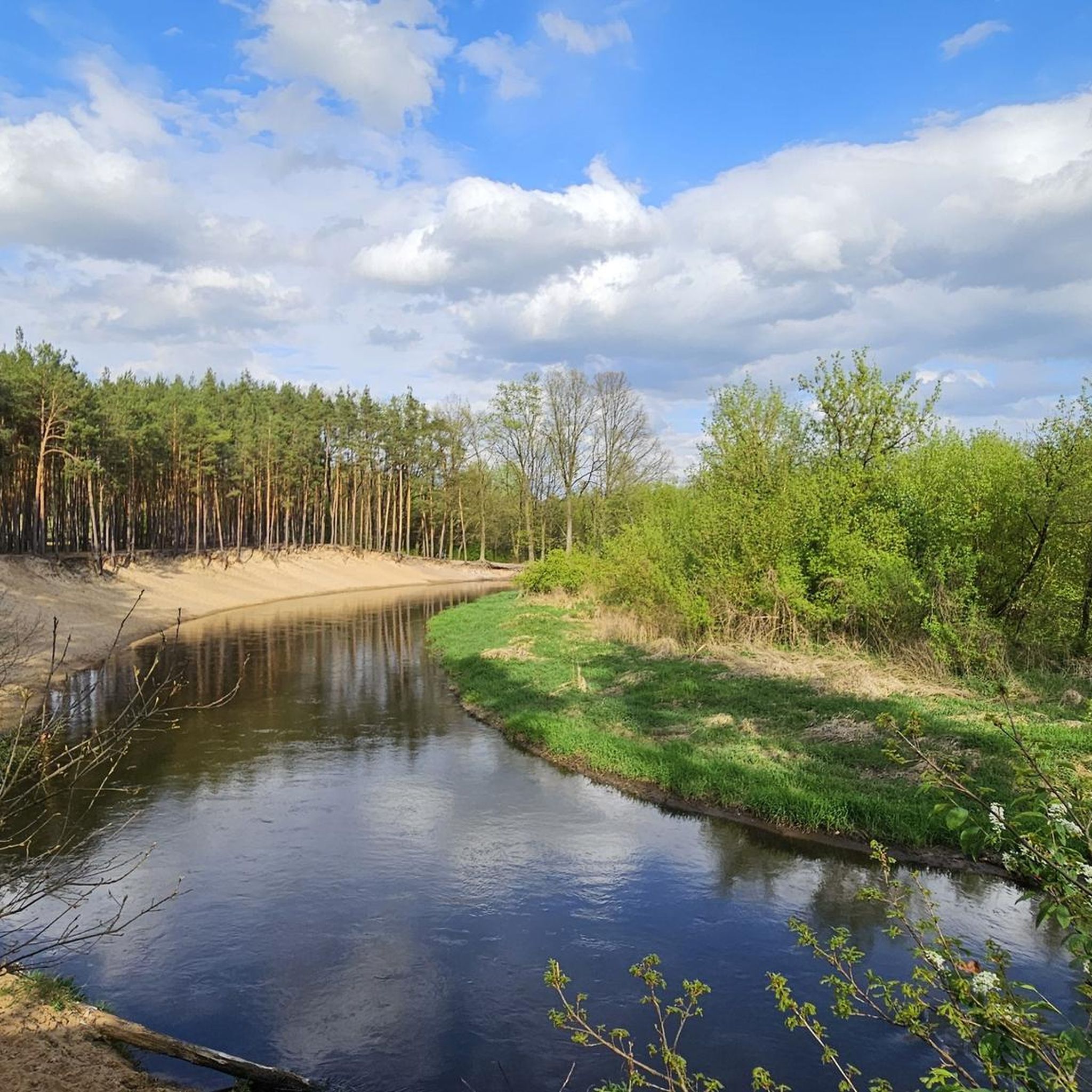
- Visitors also love Oberwanka Beach on the Rawka River, a wide sandy bank on a bend of the Rawka River. This location offers a place for relaxation by the water and walks along the picturesque edge of the Bolimów Landscape Park.
- Żyrardów is known for its industrial heritage, historical sites, and natural landscapes. The area offers a variety of attractions, from museums detailing textile history to serene nature reserves and recreational reservoirs.
- The attractions around Żyrardów are appreciated by the komoot community, with more than 60 highlights, over 70 photos, and more than 100 upvotes.
Last updated: October 5, 2026
Radziejowice Palace and Park
Highlight • Historical Site
Tip by

Rokita Nature Reserve
Highlight • Gorge
Translated by Google •
Tip by

Sign up now to discover places like this
Get recommendations on the best single tracks, peaks, & plenty of other exciting outdoor places.
St. Anne's Ponds and Chapel
Highlight • Lake
The patron of the ponds is Saint Anna, whose figure rises above the larger of the two reservoirs. The first chapel of Saint Anna was built in the 18th century. Currently, there is not even a trace of it. The historic figure burned down in the 1960s and a copy of it was stolen. The current chapel differs from the original in almost everyone. Its wooden case has been completely changed. The historical figure has been preserved only in the photos from the twenties of the last century, which have been preserved to this day in the album of the Poles from Badowo Mścisk. There is a theory according to which the chapel was erected as a memorial to the battle, from the time of the Bar Confederation, in which Polish troops led by General Sawa (of Cossack origin) clashed with the tsarist troops. The general was wounded there, and later hid in the vicinity of Mszczonów. Count Henryk Rzewuski described this story in his short story "Sawa", included in the collection entitled "Souvenirs of Soplica".
St. Anna, from their sources, supply the nearby Pisia Gągolina, the sources of which are located in the nearby Dwórzno. Going for a walk from "Święta Anka" along the river, you will reach the equally beautiful Grzegorzewice ponds after about a kilometer. The Gnojna ponds are also located nearby, where a fauna reserve was established in 2004. The whole area is therefore rich in beautiful water reservoirs, surrounded by forests and areas with charming landscapes, typical of Mazovia.
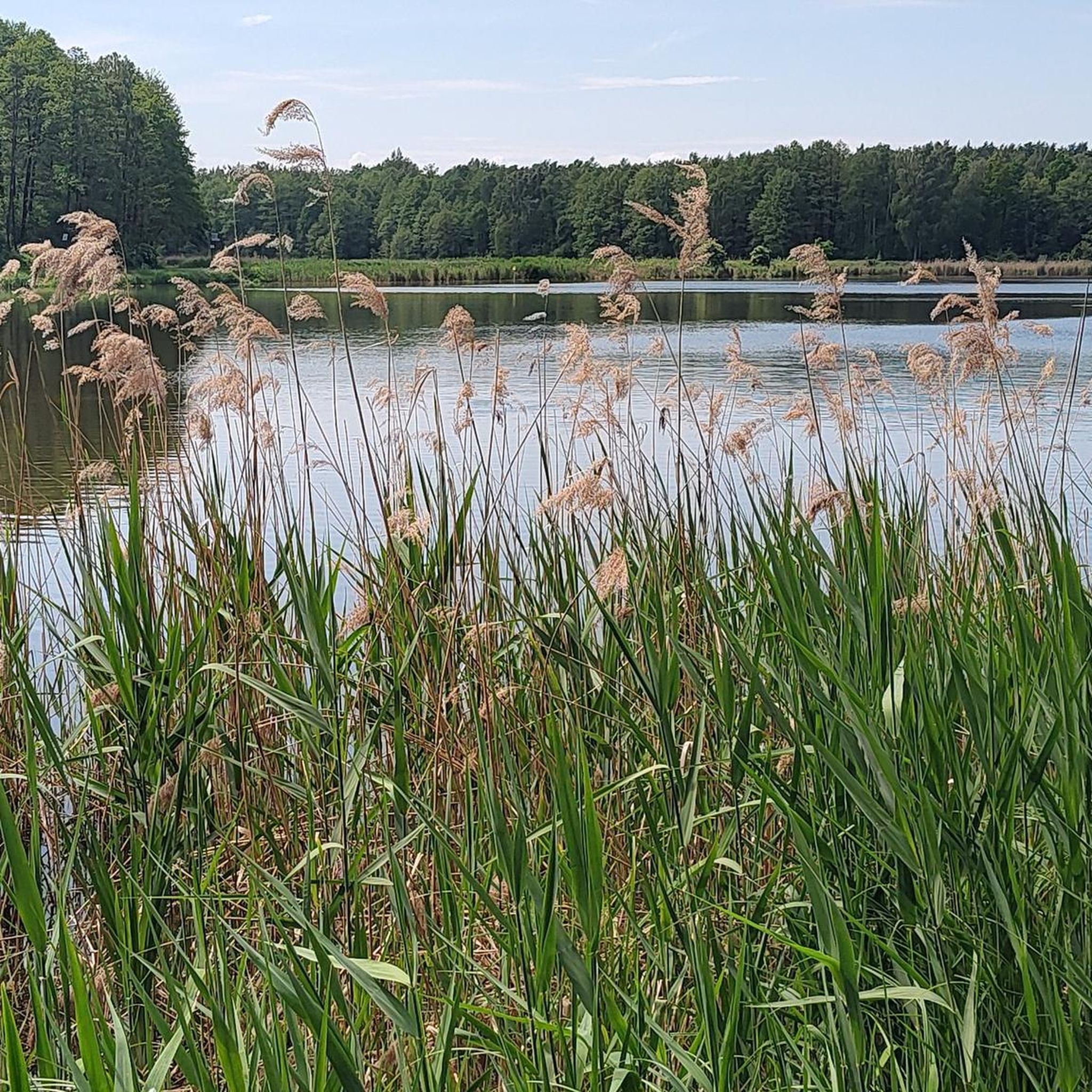
The larger of the two ponds of St. Anna is a place that the inhabitants of Mszczonów use for recreation, although it does not formally have the status of a swimming pool. The second, smaller pond has been left entirely to nature. Swimming and fishing are strictly forbidden there. This reservoir is an oasis of all birds and fish. Both ponds are separated by a dyke, which is often used by hikers.
The ponds and the bathing area at the St. Anne's chapel are owned by the commune, although the entire facility is directly supervised by the Mszczonów district of the Polish Angling Association.
Translated by Google •
Tip by

Sanctuary of Our Lady of the Holy Family in Miedniewice
Highlight • Religious Site
W roku 1674 r. jeden z gospodarzy z miedniewickiej wsi – Jakub Trojańczyk – przyniósł do swego domu zakupiony na odpuście w Studziannej drzeworytowy obrazek (50x50 cm) z wizerunkiem Świętej Rodziny. Umieścił go na drewnianym słupie w stodole, albowiem tu najwięcej pracował w ciągu dnia. Mieszkańcy wsi codziennie rano i wieczorem dostrzegali dziwny blask nad jego stodołą. Nawet sądzili, że to pożar, ale gdy wszystko się wyjaśniło, sami bardzo chętnie przychodzili tu na modlitwę. Wtedy zaczęły się również dziać cuda, np. uzdrowienia. A najbardziej tajemnicze okazały się być ślady stóp widoczne każdego ranka na piasku, dwóch dorosłych osób i dziecka… Wieść o niezwykłych wydarzeniach szybko dotarła do ówczesnego właściciela Miedniewic – Mikołaja Wiktoryna Grudzińskiego, który wystąpił z prośbą do biskupa poznańskiego Stefana Wierzbowskiego o powołanie komisji, która zbadałaby ich prawdziwość. Komisja odwiedziła Miedniewice trzykrotnie w latach 1675-77. Potwierdzono autentyczność cudów, a biskup Wierzbowski w 1677 r. ogłosił obrazek za cudowny. Grudziński natomiast już w 1676 r. na miejscu stodoły ufundował drewnianą kapliczkę, oraz sprowadził OO. Reformatów. Z powodu coraz bardziej licznie przybywających do Miedniewic pielgrzymów powstawała konieczność budowania nowszych, większych świątyń. Obecna murowana pochodzi z 1737 r., a zaprojektowali ją najprawdopodobniej Józef Fontanna wraz z Tomaszem II Bellottim. Poprzedni drewniany kościół rozebrano i przeniesiono staraniem Goszczyńskiego generała wojsk polskich do Kurdwanowa oddalonego o 8 km od Miedniewic. Kamień węgielny pod nową świątynie wmurował w 1737 roku Prymas Teodor Potocki. Budowa trwała do 1748 roku. Środki na budowę sanktuarium pochodziły z datków magnaterii, szlachty i mieszczaństwa (np. Izabela Czartoryska, przekazała dary na ten cel). Uroczysta konsekracja odbyła się 28 września 1755 roku pod przewodnictwem Prymasa Adama Ignacego Komorowskiego. Biskup sam ciężko chorując doznał uzdrowienia za sprawą cudownego obrazu. Niebawem podjęto też starania o koronację cudownego obrazu. 8 lipca 1764 r. Kapituła Watykańska wydała odpowiedni dekret. Uroczystości przewodniczył biskup Ignacy Krasicki. Warto w tym miejscu zaznaczyć, że koronacja miedniewickiego obrazu-kopii miała miejsce 100 lat wcześniej niż jego oryginału ze Studziannej. W latach 1793-94 przeprowadzono gruntowny remont dachu – wymieniono strop i więźbę dachową. W 1864 r. miała miejsce kasata klasztoru OO. Reformatów jako kara za pomoc udzieloną powstańcom styczniowym. Przed ucieczką zakonnicy pomalowali wnętrze świątyni na czarno. Od tego momentu sanktuarium pozostawało pod opieką dwóch zakonników (ostatni zmarł w 1900 r., potem opiekę przejęli księża diecezjalni do 1919 r., kiedy to na nowo utworzono tu parafię). Przez ten czas świątynię poddawano remontom.
W 1878 r. świątynię poddano remontowi, który objął głównie skrzydło południowe i był połączony z jego częściową rozbiórką. Przebudowano zakrystię. Kolejny remont przeprowadzono w 1929 r. Zachowały się oryginalne zdjęcia (przechowywane w Instytucie Sztuki PAN), które pozwalają odtworzyć przebieg wykonanych prac. Przede wszystkim przerobiono dwie przybudówki przylegające do prezbiterium od północy i południa wieńczone absydami. W zakrystii Chwalisław Zieliński wykonał polichromię (konserwowano ją w 1971 r.). W 1930 r. odnawiano fasadę, przebudowano taras przed wejściem głównym (tu znajdowała się piwnica, której strop się zawalił podczas odpustu), wzmacniając go żeliwnymi płytami. Przeprowadzono remont południowego krużganku. Zburzono walącą się kapliczkę św. Antoniego przy południowo-zachodnim narożu fasady kościoła i zbudowano tu zejście do krypt pod kościołem. Również odmalowano na nowo świątynię we wnętrzu na czarno. W roku 1962 zespół kościelno-klasztorny wpisano do rejestru zabytków. W 1966 r. kardynał Stefan Wyszyński przekazał parafię w Miedniewicach i pieczę nad sanktuarium OO. Franciszkanom. Od 1986 r. znajduje się tu również zakon klauzurowy sióstr klarysek, przybyłych ze Starego Sącza.
Tip by
Rawka River Nature Reserve
Highlight • River
Translated by Google •
Tip by

Museum of Linen in Żyrardów
Highlight • Monument
Tip by
Entrance Gate – Dom Łowczego Gnoyna
Highlight • Monument
Description of the host, Mr. Jacek:
"Gnoyna Park is about an hour by car from Warsaw, and the area resembles the landscape of Masuria or Roztocze. I came here for the first time in the company of my aunt in 1990. She lived in the estate nearby before the war and knew well the then owners of Gnoyna of the Bielecki family. Charity activities. Mrs. Eugenia and her husband Henryk were permanently remembered by the inhabitants. They founded a medical center in the village, one of the most modern dairies in pre-war Poland was established on the estate. idyllic life in the countryside. Nationalization and division of the estate finally closed this chapter. Political harassment, death of his wife and final eviction caused Mr. Henryk to move to Warsaw, where he died in poverty. ".
In 1992, I bought 1.5 ha of land from the commune with the remains of manor buildings and the devastated remains of the manor park surrounding the property. The manor turned out to be irresistible, the old granary and farm buildings were rebuilt from the ruins. The preserved materials used, such as bricks and wooden elements, allowed to maintain the authentic character of the ensemble. Over time, in cooperation with a group of enthusiasts, devastated former state-owned fish ponds were bought and the first private Nature Reserve in Poland, Stawy Gnojna im. The Bielecki family, with many species of rare birds.
Bricks from the old manor house, field stones and wood were used to finish the Hunting House, which blends in nicely with the landscape. A charming park with many unusual trees and shrubs attracts attention
Guests from all over the world have left numerous comments in the fat guest book, proving their positive impressions from the visits. "
Translated by Google •
Tip by
Watermill on the Rawka River in Suliszew
Highlight • Monument
Translated by Google •
Tip by

Church of St. Joseph, Spouse of the Blessed Virgin Mary
Highlight • Religious Site
The two-story building was built in a modern style. Most services are held in the upper church. In the main altar there is a wooden cross with a figure of Christ surrounded by an arch. The side altar was dedicated to Saint. Józef, whose image is a copy of the image from the side altar in Biała Rawska; it was painted by Adam Kalica. Our Lady of Częstochowa is worshiped in the side chapel. Since 2004, the windows on the south side have been filled with stained glass, designed and made by the Glass company from Gdańsk, depicting, among others: scenes from the life of the Holy Family, St. John Paul II, Primate of Poland - Servant of God Cardinal Stefan. Wyszyński and Józef Cardinal. Glemp, and the bishops of Łowicz and the history of the creation of the church.
Translated by Google •
Tip by

Manor in Wola Pękoszewska
Highlight • Historical Site
Translated by Google •
Tip by

Sign up for free to discover even more attractions around Żyrardów.
Already have an account?
Start today with a free account
Your next adventure awaits.

Tips from the Community

wonderful place, I highly recommend it
0
0

Actually, there are two chapels, both rebuilt. The originals were stolen, and one even burned down; their tangled history is described on a plaque nearby.
0
0

There's a large tree growing by the café behind the palace. I remember it being a rare species, and I think it's a Ginkgo biloba. Such a specimen is unique in Poland. It might be a tulip tree, though. I can't remember exactly, but I think someone might be interested in this tree, especially if they're as interested in plants and trees as she is.
1
0

An old roadside chapel with a cool history
0
0

The Filip de Girard Linen Museum is one of the most interesting places cultivating the linen traditions of Żyrardów, illustrating the history of the linen industry in Poland. It is located in one of the factory halls of the former Bielnik, which was once part of the production complex of the Żyrardów factory. The nature of the exhibition makes it the only facility of its kind in Mazovia and one of the few in the country, worthy of the attention of Polish and foreign tourists. The monumental post-industrial spaces of the Linen Museum in Żyrardów are closely linked to the over 180-year-old tradition of the linen industry. The building once housed a branch of the printing house of the Żyrardów Linen Plant, which by the end of the 19th century had become the most powerful linen factory in Europe at that time, and its products were known and appreciated all over the world. The building housing the Museum is a historic building, part of the 19th-century factory settlement in Żyrardów, recognised as a historical monument, i.e. the highest form of monument protection in Poland. The Filip de Girard Linen Museum Filip de Girard in Żyrardów evokes the memory of the times when the Żyrardów factory was working at full steam, employing from 5 to 9 thousand workers. The exhibition consists of several dozen historic machines, constituting a complete technological sequence, presenting the most important elements of the process of processing textile raw material and fabric production. Most of the machines come from the 1970s and 1980s, but the collection also includes unique exhibits from the beginning of the 20th century. The exhibition of machines is complemented by a permanent exhibition ,,Żyrardów. The city woven with linen”, which consists of large-format prints of archival photographs of textile machines, information presenters, and multimedia devices. The aim of the facility is to conduct scientific-research and cultural-educational activities in the field of the history of linen, the history of the linen industry in Poland and the history of the city of Żyrardów. The current offer of the Museum is a starting point for further work archiving and documenting the history of the Żyrardów factory. Due to the nature and type of activity conducted, the Museum is a unique attraction for tourists from Poland and Europe. The lack of a similar museum facility in Mazovia, combined with a modern form of presentation, is the main reason to visit this place.
0
0

The Rawka River Nature Reserve, located in the Łódź province, covers 97 km of the naturally meandering Rawka River and adjacent areas with a total area of approximately 487 ha. It is one of the few reserves in Poland protecting the entire length of the river from its source to its mouth, along with the lower sections of tributaries and oxbow lakes. For road cyclists, the asphalt routes in the vicinity of Bolimów and Skierniewice are attractive, offering picturesque views of the river valley. It is worth remembering, however, that some sections may lead through roads with a poorer surface, so it is recommended to plan the route in advance. The reserve also offers the opportunity to observe a variety of fauna and flora, which makes it an interesting place for cycling trips combined with admiring nature.
1
0

The "Rokita" reserve is a reserve whose main subject of protection is a fragment of the natural, deeply incised valley of the Rokita River with valuable forest communities. The "Rokita" nature reserve is located in the Skierniewice commune, in the Skierniewice district, on the area managed by the Skierniewice Forest District, the Ruda Forest District, as well as the lands of the State Treasury - the mouth section of the Rokita River. Its area is 14.47 ha, the buffer zone area: 58.18 ha. The Rokita River is a right-hand tributary of the Rawka and currently only periodically carries water, usually only in early spring, after thaws or after heavy, long-lasting rainfall. Most of the time, the valley, which in places reaches even 7 m in depth, remains dry. Water appears in its source section, where increased activity of the European beaver Castor fiber is observed.
0
0
The current palace was built between the tower and the early Baroque palace (currently non-existent) and received its current form at the turn of the 18th and 19th centuries after a classicist reconstruction carried out by Kazimierz Krasiński, the Crown Campiander, according to the design of Jakub Kubicki. At that time, a columned porch with a terrace in front of the main entrance was also built. The expansion of the palace complex was later continued by Józef Wawrzyniec Krasiński, who created a landscape park around the palace that exists to this day and rebuilt the small castle in the neo-Gothic style, which is the remains of the former Radziejowski tower. Over the following decades, Radziejowice was visited by people of culture, including Juliusz Kossak, Henryk Sienkiewicz, Lucjan Rydel, Jarosław Iwaszkiewicz, Józef Chełmoński, Stanisław Masłowski.
1
0
Frequently Asked Questions
What historical sites can I explore in Żyrardów?
Żyrardów is rich in 19th-century industrial heritage. You can explore the former Linen Factory Complex, which is a massive area of red-brick industrial buildings, many now repurposed. The town itself is considered the only complete 19th-century urban industrial complex preserved in Europe. Don't miss the Museum of Linen in Żyrardów, located within the factory complex, which delves into the town's textile history. Additionally, the Radziejowice Palace and Park offers a glimpse into historical architecture and art.
Are there any natural attractions or outdoor recreation spots near Żyrardów?
Yes, Żyrardów offers several natural escapes. The Rokita Nature Reserve features a leafy forest and a steel footbridge over a deep ravine, offering a unique natural adventure. You can also relax by the water at Oberwanka Beach on the Rawka River, a wide sandy bank perfect for walks. The Zalew Żyrardowski (Żyrardów Reservoir) provides opportunities for swimming, kayaking, and pedal boarding.
What kind of outdoor activities can I do around Żyrardów?
The area around Żyrardów is great for various outdoor activities. You can find numerous routes for hiking, including easy loops like the 'Sandy Bank on the Rawka River loop from Samice'. For more active pursuits, there are running trails and challenging MTB trails, such as the 'Bridge and ravine over the Rokita River – Bolimowski Reservoir loop'.
Are there family-friendly attractions in Żyrardów?
Absolutely! Many attractions are suitable for families. The Radziejowice Palace and Park is a historical site with beautiful grounds for children to explore. St. Anne's Ponds and Chapel offer a recreational area with forests and water reservoirs, perfect for a family outing. The Zalew Żyrardowski also has a beach, playgrounds, and water sports rentals.
Where can I learn about the local history and culture?
To dive into the local history and culture, visit the Museum of Linen in Żyrardów, which showcases the town's industrial past. The Museum of Western Mazovia Region, located in the former palace of Karol Dittrich within Dittrich Park, presents the history of the wider region. The Sanctuary of Our Lady of the Holy Family in Miedniewice is another significant historical and religious site nearby.
What is the best time of year to visit Żyrardów for outdoor activities?
The spring and summer months are generally ideal for outdoor activities in Żyrardów, offering pleasant weather for hiking, running, and enjoying the reservoirs and beaches. After a snowy winter, the ravines in places like the Rokita Nature Reserve can be particularly scenic when filled with water.
Are there any unique architectural landmarks in Żyrardów?
Żyrardów is renowned for its unique 19th-century industrial architecture. The entire town center, with its well-preserved red-brick buildings of the former Linen Factory Complex, is a landmark in itself. The Neo-Gothic Church of Our Lady of Consolation, with its tall twin spires, is another dominant and impressive architectural feature in the town's skyline.
Can I find places to eat or stay near the attractions?
Yes, the revitalized Old Spinning Mill (Stara Przędzalnia) within the former Linen Factory Complex now houses a hotel and restaurants, offering convenient options for dining and accommodation right in the heart of Żyrardów's historic district. You'll also find cafes, like the one at the back of the Radziejowice Palace and Park.
What are some lesser-known natural spots worth visiting?
Beyond the main attractions, consider visiting the Rawka River Nature Reserve for its pristine natural environment. The Watermill on the Rawka River in Suliszew offers a picturesque historical viewpoint along the river, providing a tranquil experience away from more crowded areas.
What do visitors enjoy most about the attractions around Żyrardów?
Visitors particularly appreciate the unique blend of industrial heritage and natural beauty. The well-preserved 19th-century factory town offers a fascinating historical journey, while nearby nature reserves and rivers provide peaceful escapes. The community highlights the 'mysterious, interesting' nature of places like the Rokita Nature Reserve and the 'beautiful place' of Oberwanka Beach.
Are there any religious sites of interest in the area?
Yes, the Sanctuary of Our Lady of the Holy Family in Miedniewice is a significant religious site with a rich history of miracles dating back to the 17th century. The Church of Our Lady of Consolation in Żyrardów is also a prominent Neo-Gothic religious building.
Most popular routes around Żyrardów
Most popular attractions around Żyrardów

Get inspired with the komoot mobile app


Didn’t find what you were looking for?
Are you keen on exploring more awesome places nearby? Browse our guides:
Explore more
Still not found the Highlight you’re looking for? See guides of the top attractions in other regions:
