Attractions and Places To See around powiat płocki - Top 20
Best attractions and places to see around powiat płocki include a blend of historical landmarks, natural beauty, and cultural experiences. Located in Poland, the region features the Vistula River, offering scenic views and recreational opportunities. Its landscape combines riverine areas with historical sites, providing diverse exploration options for visitors.
Best attractions and places to see around powiat płocki
- The most popular attractions is Bridge over the Bzura River in Kamion, a bridge that has been rebuilt multiple times since…
Last updated: May 4, 2026
Palace in Nowy Duninów
Highlight • Castle
Translated by Google •
Tip by

Bridge over the Bzura River in Kamion
Highlight • Bridge
Translated by Google •
Tip by

Sign up now to discover places like this
Get recommendations on the best single tracks, peaks, & plenty of other exciting outdoor places.
Sign up for free
Sanniki Palace
Highlight • Historical Site
Translated by Google •
Tip by

St. Leonard's Church in Troszyn Polski
Highlight • Religious Site
Translated by Google •
Tip by

Holy Trinity Church in Wyszogród
Highlight • Religious Site
Translated by Google •
Tip by
Church of St. Michael the Archangel and St. Anne
Highlight • Religious Site
Translated by Google •
Tip by
Driveway in Cierszewo (up to 13%)
Highlight (Segment) • Bridge
Translated by Google •
Tip by

Sikórz Bridge
Highlight • Bridge
Translated by Google •
Tip by

Trail by Lake Zdworskie
Highlight (Segment) • Trail
Translated by Google •
Tip by
There on Lake Soczewka
Highlight • Bridge
Translated by Google •
Tip by
Sign up for free to discover even more attractions around powiat płocki.
Sign up for free
Already have an account?
Start today with a free account
Your next adventure awaits.
Login or Signup

Tips from the Community

Very cleanly maintained place. And a nice park-like atmosphere. You have to be careful not to miss this church. Because it stands off to the side and the road encourages faster riding :)
0
0

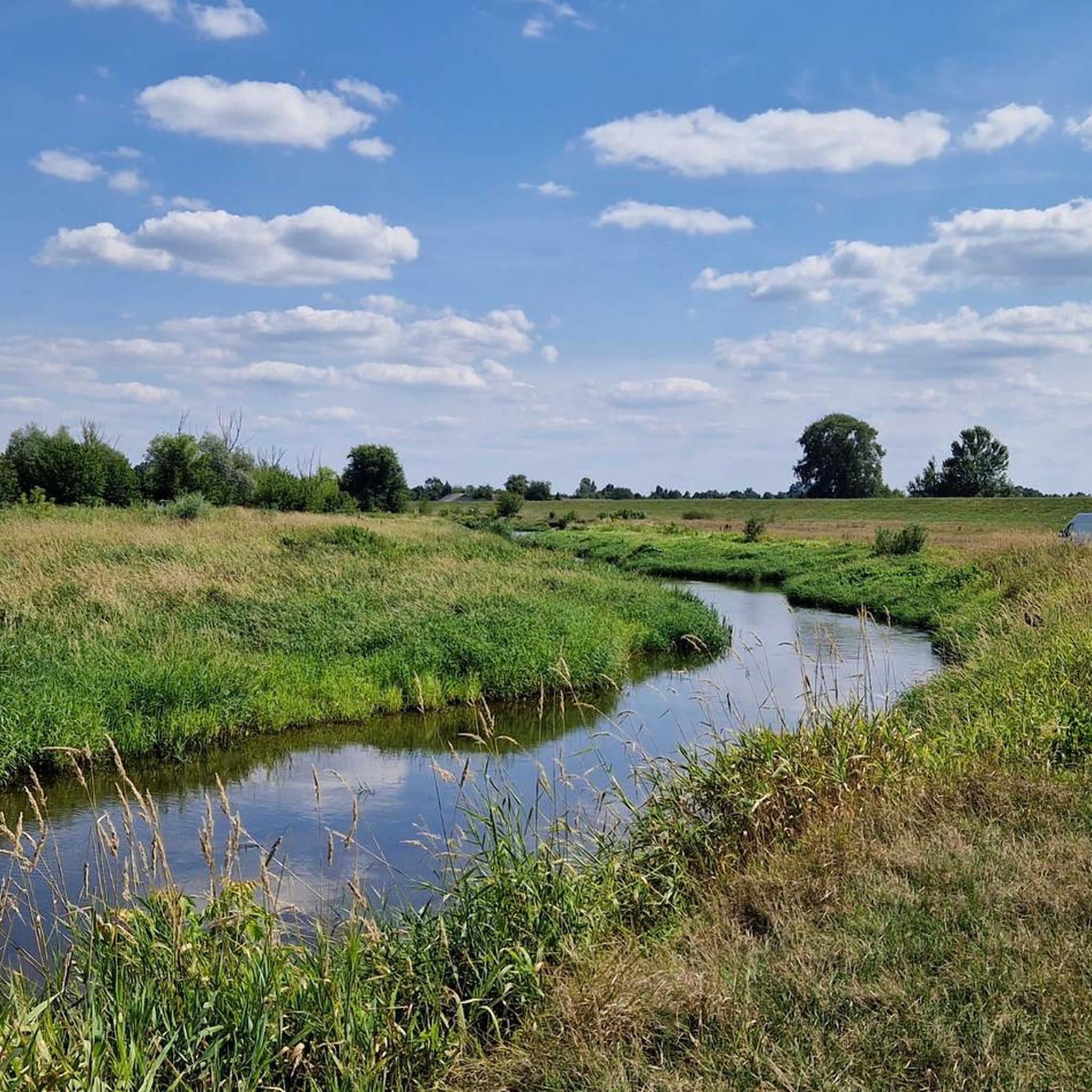
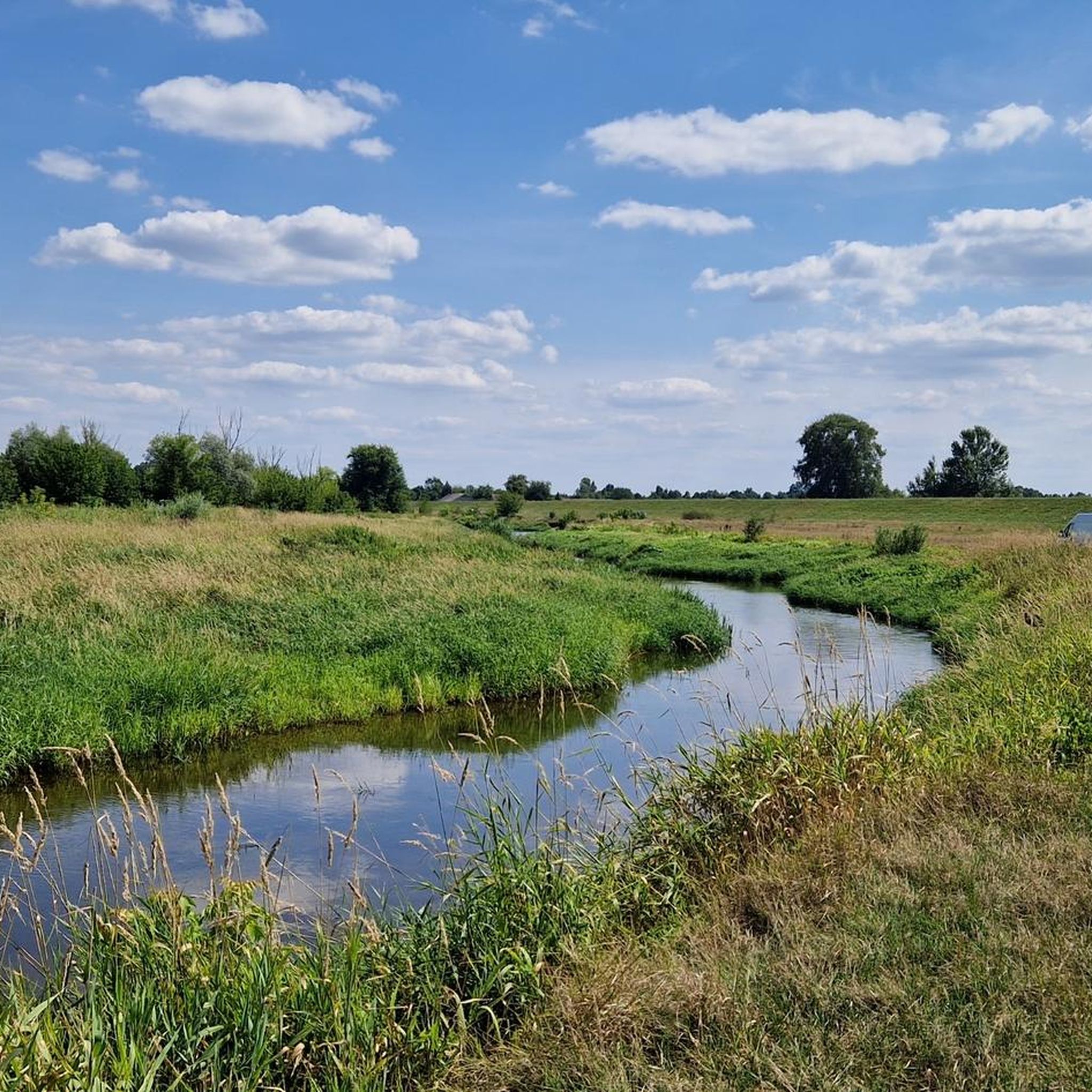
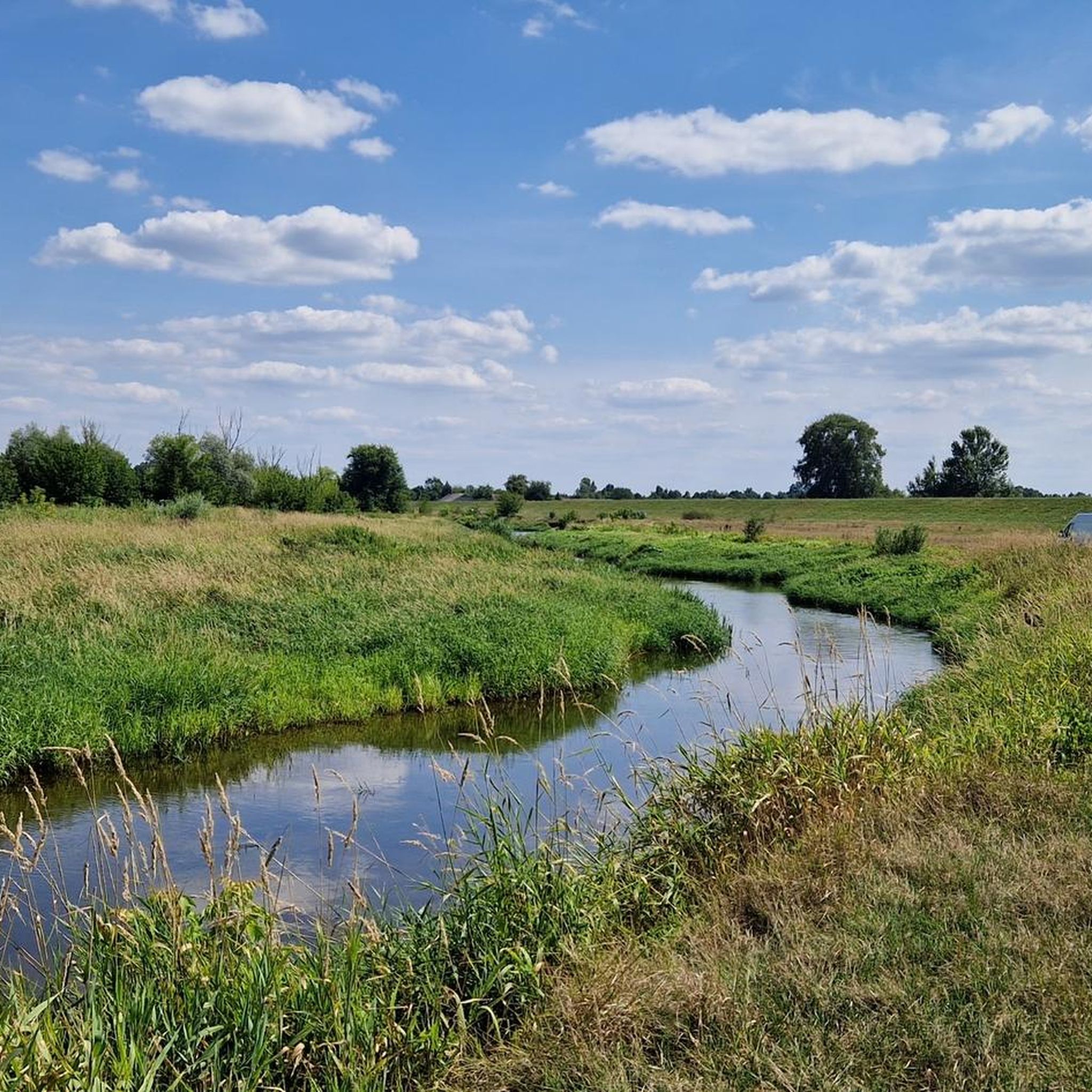
Lake Soczewka, through which the Skrwa Lewa River flows. Unfortunately, due to the harmful activities of nearby towns and villages (including Gostynin), the lake is polluted. It was once a major resort for Orlen refinery workers.
0
0
Hydrotechnical construction on Lake Soczewka and Skrwia Lewa.
0
0

The Palace in Sanniki is one of two registered historic monuments in the town of Sanniki, in Gostynin County, Masovian Voivodeship. The palace is located in the town center.
0
0

descent to the lake via a ladder
0
0

NEO-GOTHIC CASTLE The neo-Gothic castle was built in the first half of the 19th century (1835-1840). Never fully completed. Irregular, two-storey with a residential attic, with a basement. Built on a T-shaped plan with a circular four-storey tower on the east, connected to the body by a short perpendicular connector. The castle's storeys are separated by string-course cornices, apart from that, the detail is used very sparingly. The hallmarks of the Gothic style are primarily pointed arch openings, a stepped gable in the façade facing south and a tower topped with pseudo-machicolations. Inside, there are barrel vaults on the ground floor, and a staircase in the tower. Surrounded by ponds, it is an exceptional part of the palace and park complex. The castle has fulfilled many functions in the past. For example, the hall on the first floor was used as an Evangelical-Augsburg chapel. After World War II, it was used as a PTTK hotel and a cinema. Entered into the register of monuments in 1959. Since 1992, the castle has been privately owned and serves as a residential building. Source: Local information
0
0

Until the mid-17th century, there was a wooden church here. Around 1670, another wooden church was built in the immediate vicinity of the Bzura River. Due to frequent floods, it was moved to its current location in 1841. The temple built at the initiative of Father Józef Krawczykowski existed until 1916. It burned down during World War I. A wooden temple was built on the foundations of the old church in 1917. After World War II, it turned out to be too small for the growing community. In 1978, the then parish priest, Father Paweł Flaszczyński, unable to obtain the appropriate permits to build a new temple, undertook to build it with the help of the parishioners without consent or designs. On April 8, 1978, in one day, about one hundred and fifty parishioners built the walls of the new temple, enclosing the wooden church with them, which was then demolished. The construction works that had begun were continued despite the penalty imposed, and as a result, the church in its present form was built. It was consecrated on July 26, 1980 by the auxiliary bishop of Warsaw, Jerzy Modzelewski.
0
0

The palace in Sanniki is a classicist residence from the late 18th century, located in the center of the town, surrounded by a picturesque landscape park. In 1828, the young Fryderyk Chopin stayed here, composing and giving concerts during his stay with his friend Konstanty Pruszak. Currently, the palace houses the Fryderyk Chopin European Artistic Center, which organizes concerts, exhibitions and cultural events. For road cyclists, it is an attractive destination for a trip - access via asphalt roads from Płock or Sochaczew is convenient, and the area around the palace offers places to rest and explore. It is worth taking a bike lock to safely explore the interior of the palace and the park.
1
0
Frequently Asked Questions
What historical landmarks can I explore in Powiat Płocki?
Powiat Płocki is rich in history. You can visit the impressive Palace in Nowy Duninów, a neo-Gothic castle from the 19th century. Other significant sites include the Płock Cathedral, one of Poland's oldest, and the Płock Castle, which now houses the Diocesan Museum with its valuable collections. The Old Market Square in Płock also features the historic Town Hall and 18th-19th century tenement houses.
Are there any significant cultural sites related to famous personalities?
Yes, the Sanniki Palace is a notable cultural site. Fryderyk Chopin stayed here in 1828, composing and performing concerts. Today, it serves as the Fryderyk Chopin European Artistic Center, hosting various cultural events and exhibitions.
Where can I learn about the traditional life and history of the Mazovian region?
The Museum of the Mazovian Countryside in Sierpc (Skansen w Sierpcu) is an excellent place to experience traditional Mazovian life. This open-air museum is known for its ethnographic park and a still-operating 'koźlak' windmill, showcasing beautiful ultramarine huts.
What natural features and scenic views can I find in Powiat Płocki?
The region offers several natural attractions. Tumskie Hill in Płock provides stunning panoramic views over the Vistula River. You can also enjoy leisurely strolls along the Vistula River Promenade and its unique 358-meter-long pier. Sobótka Lagoon, an old Vistula riverbed, is a popular spot for walking and cycling, while Lake Soczewka is another picturesque lake in the area.
Are there family-friendly attractions around Powiat Płocki?
Absolutely! The Płock Zoo is a popular attraction for families, home to a wide variety of animals. Sobótka Lagoon offers clear water, a sandy beach, a playground, and rentals for canoes and pedal boats. Several historical sites like Sanniki Palace and Palace in Nowy Duninów are also considered family-friendly.
What outdoor activities can I do near these attractions?
Powiat Płocki is great for outdoor enthusiasts. You can find numerous cycling and hiking routes throughout the region. For specific routes, explore the Road Cycling Routes around Powiat Płocki, Cycling around Powiat Płocki, and Running Trails around Powiat Płocki guides for detailed tour suggestions.
Are there hiking trails near these attractions?
Yes, the region offers various hiking opportunities. You can find trails around natural features like Lake Zdworskie, which features an educational path with beautiful landscapes and viewpoints. For more options, check out the Running Trails around Powiat Płocki guide, which includes routes suitable for walking and hiking.
What is the best time to visit Powiat Płocki?
The best time to visit Powiat Płocki generally depends on your preferred activities. Spring and summer offer pleasant weather for exploring historical sites, enjoying outdoor activities like cycling and hiking, and relaxing by the lakes or the Vistula River. Autumn also brings beautiful scenery, especially in the landscape parks.
Are there any wheelchair-accessible attractions?
Yes, the Bridge over the Bzura River in Kamion is noted as wheelchair accessible. This modern steel girder structure, rebuilt in 2012-2013, is a significant engineering landmark.
What are some notable religious sites in the area?
Beyond the Płock Cathedral, you can visit the wooden St. Leonard's Church in Troszyn Polski, dating from the 16th century, which offers a serene setting. The Holy Trinity Church in Płock is another impressive example of medieval Gothic architecture from the 12th century.
Can I find places to eat or drink near the attractions?
Yes, for instance, the Sanniki Palace has a cafe on-site known for good cakes. The Vistula River Pier in Płock also features a restaurant at its end, offering beautiful views.
What do visitors enjoy most about Powiat Płocki?
Visitors appreciate the blend of historical depth and natural beauty. The scenic views from Tumskie Hill, the cultural richness of sites like Sanniki Palace, and the recreational opportunities along the Vistula River and local lakes are frequently highlighted. The region's diverse attractions offer something for every interest.
Most popular routes around powiat płocki
Most popular attractions around powiat płocki

Get inspired with the komoot mobile app


Didn’t find what you were looking for?
Are you keen on exploring more awesome places nearby? Browse our guides:
Explore more
Still not found the Highlight you’re looking for? See guides of the top attractions in other regions:
