Attractions and Places To See around Świdnica - Top 20
Attractions and places to see around Świdnica include a mix of historical sites and natural landscapes in southwestern Poland. The city is situated on the Bystrzyca River and is known for its well-preserved Old Town and proximity to the Sudety Mountains. This region offers access to several landscape parks, including Książański and Ślężański. Świdnica's history as a medieval center in Silesia is reflected in its architecture and landmarks.
Best attractions and places to see around Świdnica
- The most popular attractions is Grodno Castle, a castle located on Mount Choina. It is partly in ruins but features preserved Renaissance decorations and offers views overlooking Bystrzyckie Lake.
- Another must-see spot is Daisy Lake Ruins, a historical site in a reserve with a lake and impressive ruins. This location was once part of hunting outlooks.
- Visitors also love Peace Church in Świdnica (Schweidnitz), a religious building and UNESCO World Heritage site. It is one of the largest half-timbered churches in Europe, built in the 17th century.
- Świdnica is known for its historical sites, castles, and religious buildings. The area offers a variety of attractions to see and explore, from ancient ruins to significant architectural landmarks.
- The attractions around Świdnica are appreciated by the komoot community, with more than 70 upvotes and over 140 photos shared.
Last updated: November 15, 2026
Grodno Castle
Highlight • Castle
The picturesque location of the castle is enhanced by the Bystrzyckie Lake located at the foot of the mountain.
Translated by Google •
Tip by

Peace Church in Świdnica (Schweidnitz)
Highlight • Religious Site
The decor is magnificent and exuberant. The pulpit and altar were created in the mid-18th century and the great organ in the 1660s. A Bach festival has been held here every year since 2000.
Translated by Google •
Tip by

Sign up now to discover places like this
Get recommendations on the best single tracks, peaks, & plenty of other exciting outdoor places.
Daisy Lake Ruins
Highlight • Historical Site
Translated by Google •
Tip by

Świdnica Market Square
Highlight • Historical Site
Translated by Google •
Tip by

Cathedral of St. Stanislaus and St. Wenceslaus, Świdnica
Highlight • Religious Site
Translated by Google •
Tip by

Sign up for free to discover even more attractions around Świdnica.
Already have an account?
Start today with a free account
Your next adventure awaits.
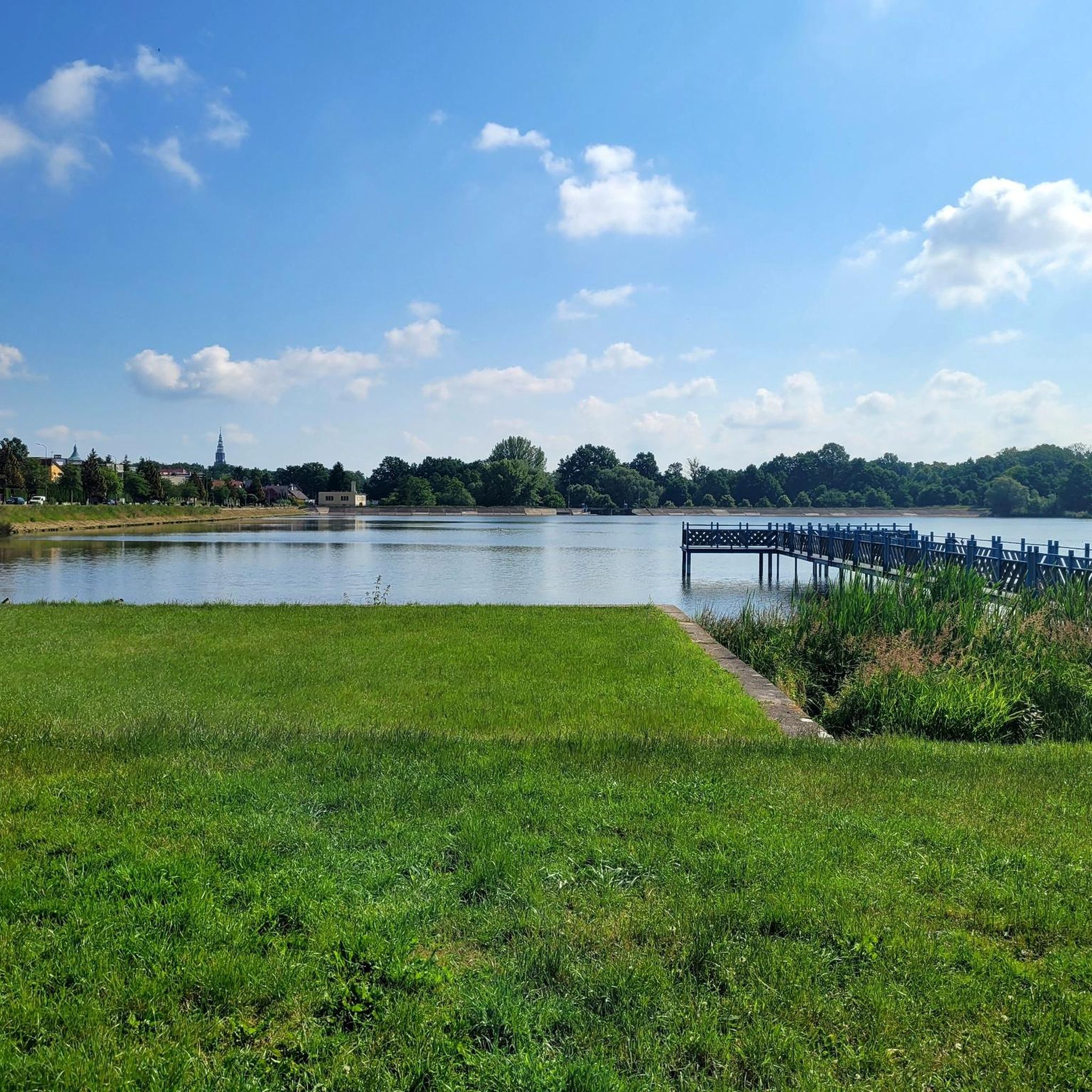
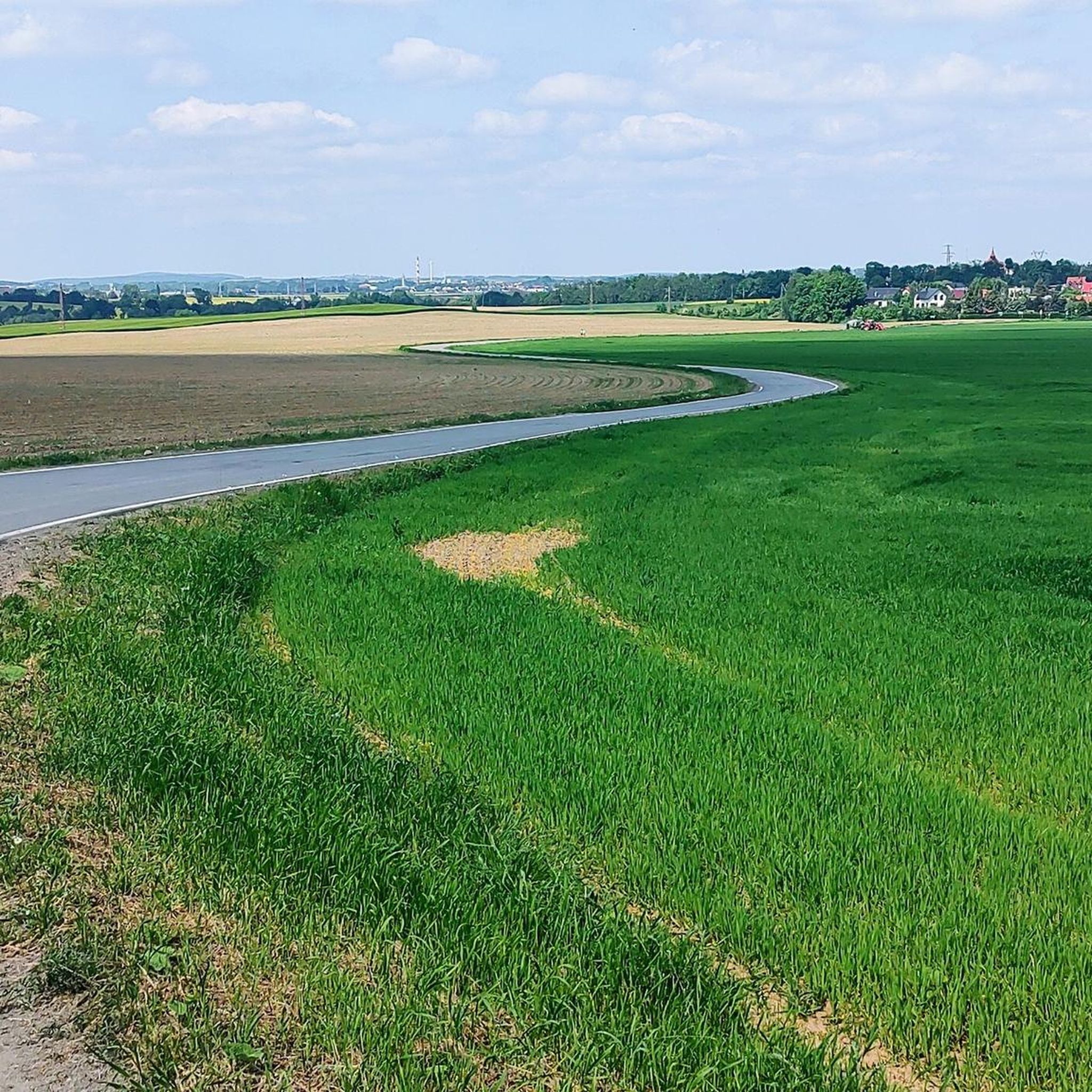

Other adventures around Świdnica

Tips from the Community

The Old Town in Świdnica is an urban masterpiece and one of the most magnificent, best-preserved historical complexes in all of Poland. For centuries, Świdnica was the second most important and wealthiest city in historical Silesia after Wrocław. Świdnica merchants dominated European trade, and their biggest export hit was the iconic Świdnica beer. It was such a powerful brand that in the Middle Ages, dedicated "Świdnica Cellars" were opened (including in Wrocław, Toruń, Kraków, or Prague) to serve this exclusive drink, and severe municipal penalties were threatened for counterfeiting it. Interestingly, the urban layout of the local Market Square with its central mid-market block has survived in almost intact, medieval form, creating a unique enclave that, as one of the few in Silesia, avoided war destruction in 1945.
0
0
Around the construction of the temple, there is an incredible legend about its first architect [The legend of the sculpture above the portal of the Świdnica Cathedral]. He was said to have committed a spectacular suicide by jumping straight from the scaffolding onto the cobbled square, because he had convinced himself that he had miscalculated the statics and that the massive vault of the main nave would collapse under its own weight (the vault, of course, still stands today) [The legend of the sculpture above the portal of the Świdnica Cathedral]. A real image revolution was brought to the church in the 17th century, when the Jesuits took over the facility. They found a stark, Gothic church and created inside a dripping-with-gold, theatrical Baroque spectacle with a gigantic main altar modeled on the famous Parisian church of Val-de-Grâce.
0
0
The Church of Peace in Świdnica was built in the mid-17th century under the terms of the Peace of Westphalia, which ended the Thirty Years' War. The most interesting aspect is the absolute, malicious conditions imposed on the Evangelicals by the Catholic Emperor Ferdinand III Habsburg: the church had to be built outside the city walls, using only non-durable materials (wood, straw, clay, and sand), without the use of nails, and the construction could not take longer than a year Church of Peace in Świdnica. However, the engineer Albrecht von Säbisch achieved the impossible – he erected a massive timber-framed structure with an area of 1090 m², which can accommodate up to 7500 people and, in defiance of the emperor, has stood proudly for nearly 370 years Church of Peace in Świdnica – Wikipedia, the free encyclopedia. The interior is stunning, with gold-dripping Baroque splendor, multi-level galleries, and monumental paintings illustrating the Apocalypse Church of Peace in Świdnica.
0
0

you have to see this
0
0


The Old Town of Świdnica is second only to Wrocław in terms of the number of historic buildings.
0
0

One of the organ players was a pupil of Bach.
0
0

I saved myself the entrance fee, which now costs 40 zlotys (or 35 zlotys for a reduced rate), and the climb. Instead, I spent the extra money eating nalesniki and drinking a coffee at the "Ritter Restaurant." A digital tour of the castle flashed across the screen. I'll have to refrain from the main attraction, climbing the castle tower, anyway, due to my fear of heights.
0
0
Frequently Asked Questions
What historical landmarks can I explore in Świdnica?
Świdnica is rich in history. You can visit the impressive Peace Church in Świdnica (Schweidnitz), a UNESCO World Heritage site and one of Europe's largest half-timbered churches. The city's Market Square features the historic Town Hall and the Neptune Fountain in Świdnica. Don't miss the St. Stanislaus and St. Wenceslaus Cathedral, known for its soaring Gothic tower, or the Old Railway Viaducts showcasing 19th-century engineering.
Are there any castles or ruins to visit near Świdnica?
Yes, the region boasts several historical castles. The most popular is Grodno Castle, perched on Mount Choina with views over Bystrzyckie Lake. You can also explore the atmospheric Ruins of Panków Castle, which has a rich history dating back to the 14th century. Further afield, the spectacular Książ Castle, one of Poland's largest, is also within easy reach.
What natural attractions can I find around Świdnica?
Świdnica is surrounded by natural beauty. The city itself is located on the Bystrzyca River, which flows through Central Park. Nearby, you can discover the mysterious Daisy Lake Ruins, a historical site set within a reserve with a lake and forest. The region also offers access to the Sudety Mountains and several landscape parks, including Książański, Ślężański, and Sowie Mountains, with Ślęża Mountain being a popular spot for walks and views.
What kind of outdoor activities can I do near Świdnica?
The area around Świdnica is excellent for outdoor enthusiasts. You can find numerous routes for jogging, gravel biking, and hiking. For example, there are several running trails around Świdnica, including loops around Zalew Witoszówka. If you prefer cycling, explore the gravel biking routes that take you past sights like the Lubachów Dam. For a more relaxed pace, consider the easy hikes around Świdnica, such as the Witoszówka Reservoir loop.
Are there family-friendly attractions in Świdnica?
Yes, several attractions are suitable for families. The Peace Church in Świdnica (Schweidnitz) and the Neptune Fountain in Świdnica are both listed as family-friendly. The Daisy Lake Ruins also offer a pleasant, easy-to-access natural setting for a family outing. Exploring the Market Square and Central Park provides open spaces for children to enjoy.
What is the best time to visit Świdnica's attractions?
The best time to visit Świdnica generally depends on your preferred activities. Spring and summer (May to September) offer pleasant weather for exploring historical sites, enjoying outdoor activities like hiking and biking, and experiencing the city's parks. The region's natural beauty, including the surrounding landscape parks, is particularly vibrant during these months.
What can I expect when visiting the Church of Peace in Świdnica?
The Peace Church in Świdnica (Schweidnitz) is a UNESCO World Heritage site and a must-see. It's one of the largest half-timbered churches in Europe, built in the 17th century. Visitors are often impressed by its monumental interior, richly decorated galleries, and elaborate altarpiece. It can accommodate 7,500 people, with 3,000 seated, all within an area of just 1,100 square meters.
Are there any viewpoints offering panoramic views of the region?
Yes, for panoramic views, you can climb the Town Hall Tower in Świdnica's Market Square, which offers two observation decks with views of the city and Ślęża Mountain. Additionally, Grodno Castle, situated on Mount Choina, provides picturesque views overlooking Bystrzyckie Lake and the surrounding landscape.
What is the Museum of Old Merchants in Świdnica?
The Museum of Old Merchants (Muzeum Dawnego Kupiectwa) is located within the historic Town Hall in Świdnica's Market Square. It offers insights into the city's trading history, with exhibits showcasing the decor of old pharmacies and inns, providing a glimpse into Świdnica's past as a significant medieval commercial center.
How long should I allocate to visit the main attractions around Świdnica?
To fully appreciate the main attractions, consider dedicating at least a full day, or even a weekend. The Peace Church and the Market Square area with the Town Hall and Cathedral can take a few hours. Visiting Grodno Castle or the Daisy Lake Ruins would typically require a half-day trip each, especially if combined with some walking or cycling in the surrounding natural areas.
What do visitors enjoy most about the attractions around Świdnica?
Visitors frequently praise the historical depth and architectural beauty of the region. The Peace Church is often highlighted for its magnificent and exuberant decor. The picturesque setting of Grodno Castle and its preserved Renaissance decorations are also highly appreciated. Many enjoy the atmospheric quality of sites like the Daisy Lake Ruins and the charm of Świdnica's Old Town.
Are there any easy hiking trails suitable for beginners near Świdnica?
Yes, there are several easy hiking options. You can explore the easy hikes around Świdnica, which include routes like the Witoszówka Reservoir loop or a shorter walk connecting the Neptune Fountain in Świdnica to the Świdnica Water Tower. These trails are generally well-suited for those looking for a gentle stroll to enjoy the local scenery.
Most popular routes around Świdnica
Most popular attractions around Świdnica

Get inspired with the komoot mobile app


Explore more
Still not found the Highlight you’re looking for? See guides of the top attractions in other regions:
