The best walks and hikes around Świdnica
4.7
(197)
3,457
hikers
103
hikes
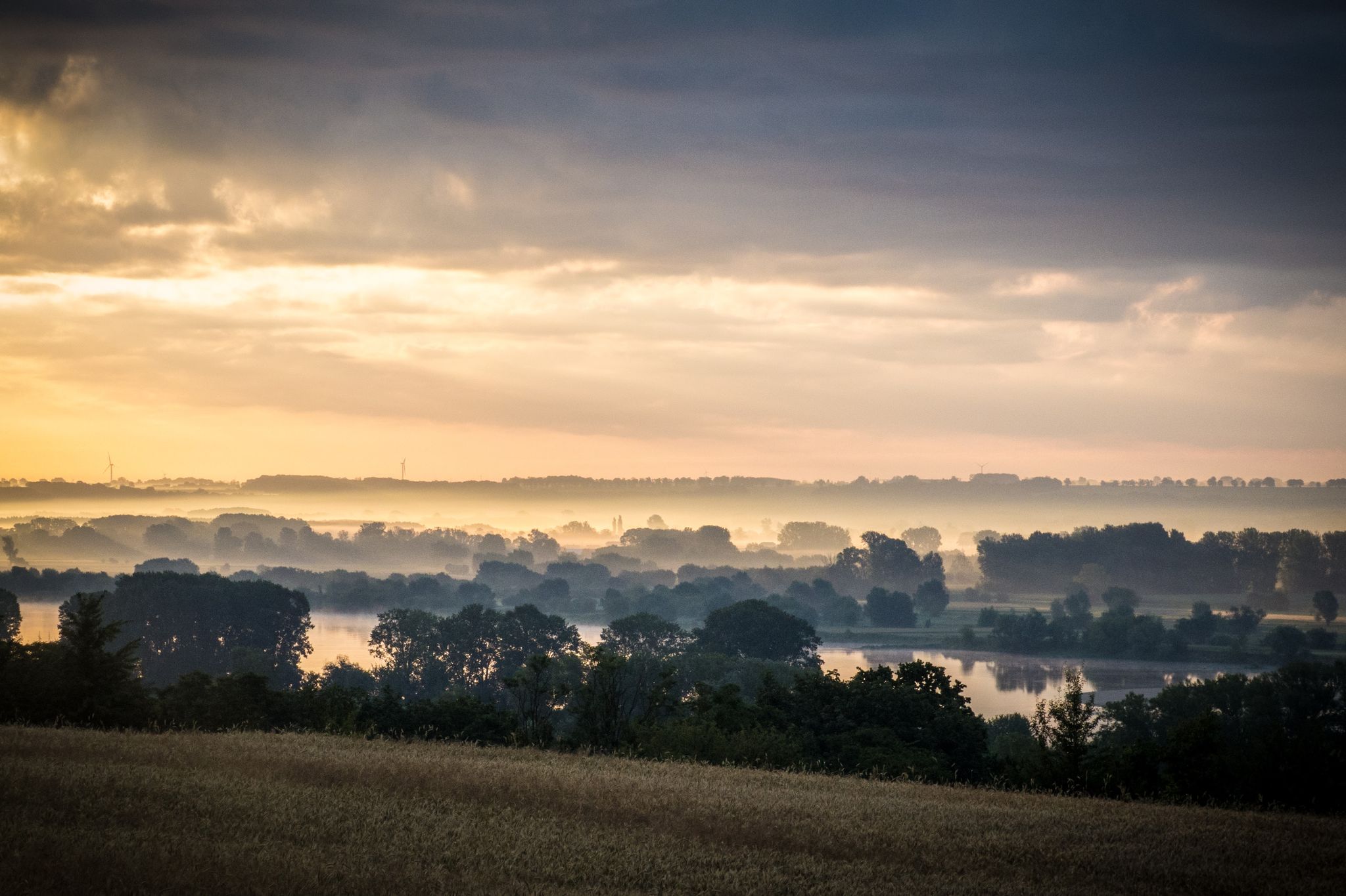
Hiking around Świdnica offers access to diverse landscapes in Lower Silesia, Poland. The region is characterized by the scenic Sowie Mountains, featuring peaks like Wielka Sowa and Kalenica, alongside extensive spruce forests. Nearby, Ślęża Mountain provides a significant natural and cultural landmark. The area also includes the Witoszówka Reservoir and the picturesque Bystrzyca River Valley, offering varied terrain for outdoor activities.
Best hiking trails around Świdnica
- The most popular hiking route is Witoszówka Reservoir loop from Świdnica, a 4.0…
Last updated: November 1, 2026
2.0
(2)
27
hikers
6.36km
01:38
30m
30m
Easy hike. Easily walkable paths.
5.0
(4)
20
hikers
Easy hike. Easily walkable paths.

7
hikers
Easy hike. Easily walkable paths.
10
hikers
Easy hike. Easily walkable paths.
5.0
(1)
12
hikers
Moderate hike. Good fitness required. Easily walkable paths.
Get access to more routes and recommendations from other explorers.
Already have an account?
Our route recommendations are based on thousands of hikes, rides, and runs completed by other people on komoot.
Start today with a free account
Your next adventure awaits.



Other adventures around Świdnica

Tips from the Community

The Old Town in Świdnica is an urban masterpiece and one of the most magnificent, best-preserved historical complexes in all of Poland. For centuries, Świdnica was the second most important and wealthiest city in historical Silesia after Wrocław. Świdnica merchants dominated European trade, and their biggest export hit was the iconic Świdnica beer. It was such a powerful brand that in the Middle Ages, dedicated "Świdnica Cellars" were opened (including in Wrocław, Toruń, Kraków, or Prague) to serve this exclusive drink, and severe municipal penalties were threatened for counterfeiting it. Interestingly, the urban layout of the local Market Square with its central mid-market block has survived in almost intact, medieval form, creating a unique enclave that, as one of the few in Silesia, avoided war destruction in 1945.
0
0
Around the construction of the temple, there is an incredible legend about its first architect [The legend of the sculpture above the portal of the Świdnica Cathedral]. He was said to have committed a spectacular suicide by jumping straight from the scaffolding onto the cobbled square, because he had convinced himself that he had miscalculated the statics and that the massive vault of the main nave would collapse under its own weight (the vault, of course, still stands today) [The legend of the sculpture above the portal of the Świdnica Cathedral]. A real image revolution was brought to the church in the 17th century, when the Jesuits took over the facility. They found a stark, Gothic church and created inside a dripping-with-gold, theatrical Baroque spectacle with a gigantic main altar modeled on the famous Parisian church of Val-de-Grâce.
0
0
The greatest and most characteristic curiosity of the building is the crown of its massive, green dome – at the very top, the figure of Hermes (known in Roman mythology as Mercury), the god of travelers, merchants, and also... thieves, stands proudly. His presence here was not accidental, as the tenement house was built by wealthy tobacco merchants from Świdnica, who ran a luxury cigar shop on the ground floor, and this corner was known in the city for decades as "Merkure Ecke".
0
0
The Church of Peace in Świdnica was created in the mid-17th century under the terms of the Peace of Westphalia, which ended the Thirty Years' War. The most interesting aspect is the absolute, malicious conditions that the Catholic Emperor Ferdinand III Habsburg imposed on the Protestants: the church had to be built outside the city walls, exclusively from non-durable materials (wood, straw, clay, and sand), without the use of nails, and the construction could not last longer than a year Church of Peace in Świdnica. Engineer Albrecht von Säbisch, however, achieved the impossible – he erected a powerful timber-framed structure with an area of 1090 m², which accommodates up to 7500 people and, in defiance of the emperor, has stood proudly for nearly 370 years Church of Peace in Świdnica – Wikipedia, the free encyclopedia. The interior stuns with gold-drenched Baroque splendor, multi-story galleries, and monumental paintings illustrating the Apocalypse Church of Peace in Świdnica.
0
0
The Church of Peace in Świdnica was built in the mid-17th century under the terms of the Peace of Westphalia, which ended the Thirty Years' War. The most interesting aspect is the absolute, malicious conditions imposed on the Evangelicals by the Catholic Emperor Ferdinand III Habsburg: the church had to be built outside the city walls, using only non-durable materials (wood, straw, clay, and sand), without the use of nails, and the construction could not take longer than a year Church of Peace in Świdnica. However, the engineer Albrecht von Säbisch achieved the impossible – he erected a massive timber-framed structure with an area of 1090 m², which can accommodate up to 7500 people and, in defiance of the emperor, has stood proudly for nearly 370 years Church of Peace in Świdnica – Wikipedia, the free encyclopedia. The interior is stunning, with gold-dripping Baroque splendor, multi-level galleries, and monumental paintings illustrating the Apocalypse Church of Peace in Świdnica.
0
0

you have to see this
0
0


A charming place where you can observe ducks and swans.
0
0
Frequently Asked Questions
How many hiking trails are available around Świdnica?
There are nearly 100 hiking routes around Świdnica, offering a wide range of options for different skill levels and preferences. The komoot community has rated these routes highly, with an average score of 4.7 stars.
What kind of terrain can I expect on hikes near Świdnica?
The terrain around Świdnica is diverse. You'll find forested mountain ranges, particularly in the scenic Sowie Mountains, as well as serene reservoir paths like the one around Witoszówka Reservoir, and picturesque river valleys. The area features a mix of easily accessible paths and more challenging mountain ascents.
Are there easy hiking trails suitable for beginners or casual walkers?
Yes, Świdnica offers many easy trails. Over 75 of the routes are classified as easy. An example is the Neptune Fountain in Świdnica – Świdnica Water Tower loop, which explores urban green spaces and historical landmarks within the city.
Where can I find hikes with great viewpoints around Świdnica?
For panoramic views, consider hiking in the Sowie Mountains. Wielka Sowa, the highest peak, has an observation tower offering expansive views of the Sudetes. Grodno Castle also provides scenic vistas overlooking the Bystrzyca River valley.
Are there any family-friendly hiking options near Świdnica?
For easier walks suitable for families, the loop trail around the Witoszówka Reservoir near Kraszowice is a pleasant option. Many of the easy routes are also suitable for families looking for a gentle outing.
What historical attractions can I visit while hiking in the region?
The region is rich in history. You can visit Grodno Castle, located on Mount Choina, or explore the mysterious 'Riese' project underground complexes in the Sowie Mountains. The Peace Church in Świdnica is also a significant historical landmark.
Are there any circular hiking routes available?
Yes, many routes around Świdnica are circular. For instance, the Neptune Fountain in Świdnica loop from Słotwina is a popular circular trail that takes you through local surroundings.
What is the best time of year to go hiking around Świdnica?
The region offers hiking opportunities throughout the year. While spring and autumn provide vibrant colors and pleasant temperatures, winter hiking in the Sowie Mountains, especially to Wielka Sowa, transforms the area into a beautiful snowy landscape for those seeking a more challenging experience.
Can I find more challenging or longer hikes near Świdnica?
Yes, for more challenging routes, the Sowie Mountains offer moderate mountaineering routes and harder trails requiring good to very good fitness. Peaks like Wielka Sowa and Kalenica provide rewarding ascents with significant elevation gain.
Are there any natural landmarks or bodies of water to explore?
Absolutely. The Witoszówka Reservoir offers pleasant walks, and the picturesque Bystrzyca River Valley forms a natural border between mountain ranges. The Bystrzyckie Lake, created by a dam, is another beautiful spot to visit.
What do other hikers enjoy most about hiking in Świdnica?
The area is highly rated by the komoot community, with an average score of 4.7 stars. Reviewers often praise the diverse terrain, from serene reservoir paths to forested mountain ranges, and the well-marked trails that cater to various ability levels.
Most popular routes around Świdnica
Most popular attractions around Świdnica

Get inspired with the komoot mobile app


Explore more
Browse the best Hikes in other regions.
