Attractions and Places To See around Oświęcim - Top 20
Best attractions and places to see around Oświęcim encompass a diverse landscape, from historical sites to natural reservoirs and cycling routes. The region is situated along the Vistula River, offering a mix of cultural exploration and outdoor activities. With 48 highlights, Oświęcim provides opportunities for visitors to explore its unique character. These tourist attractions cater to various interests, including those seeking easy walking trails near Oświęcim or historical insights.
Best attractions and places to see around Oświęcim
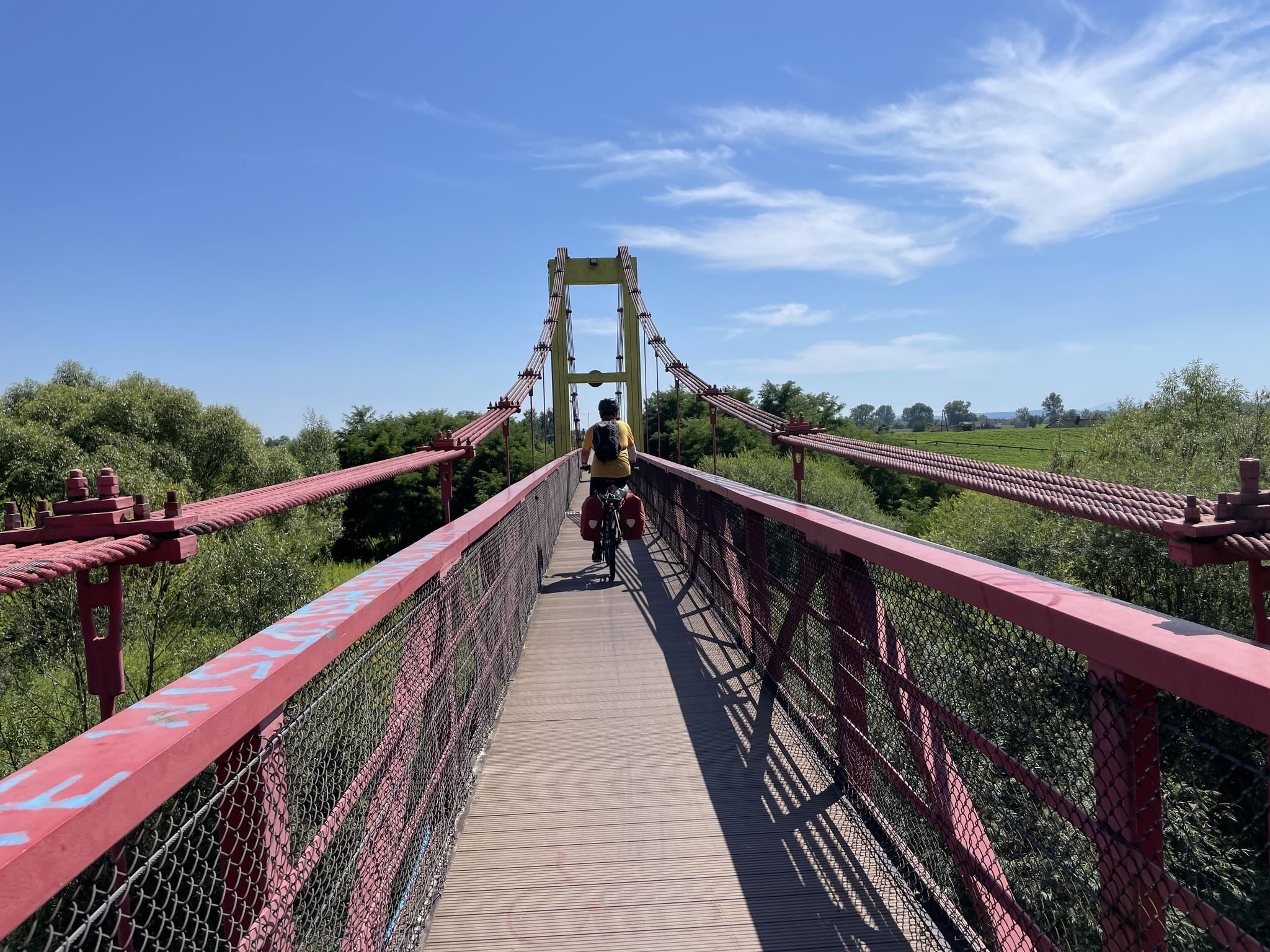
- The most popular attractions is Vistula Cycling Route WTR Oświęcim–Miętków, a cycle way that features an asphalt section along the Vistula embankments. This route offers views of the Vistula River and is known for its well-maintained surface.
- Another must-see spot is Ruins of Crematorium III, Auschwitz-Birkenau, a historical site. This location represents a significant part of history, documenting the scale of extermination facilities developed in the 1940s.
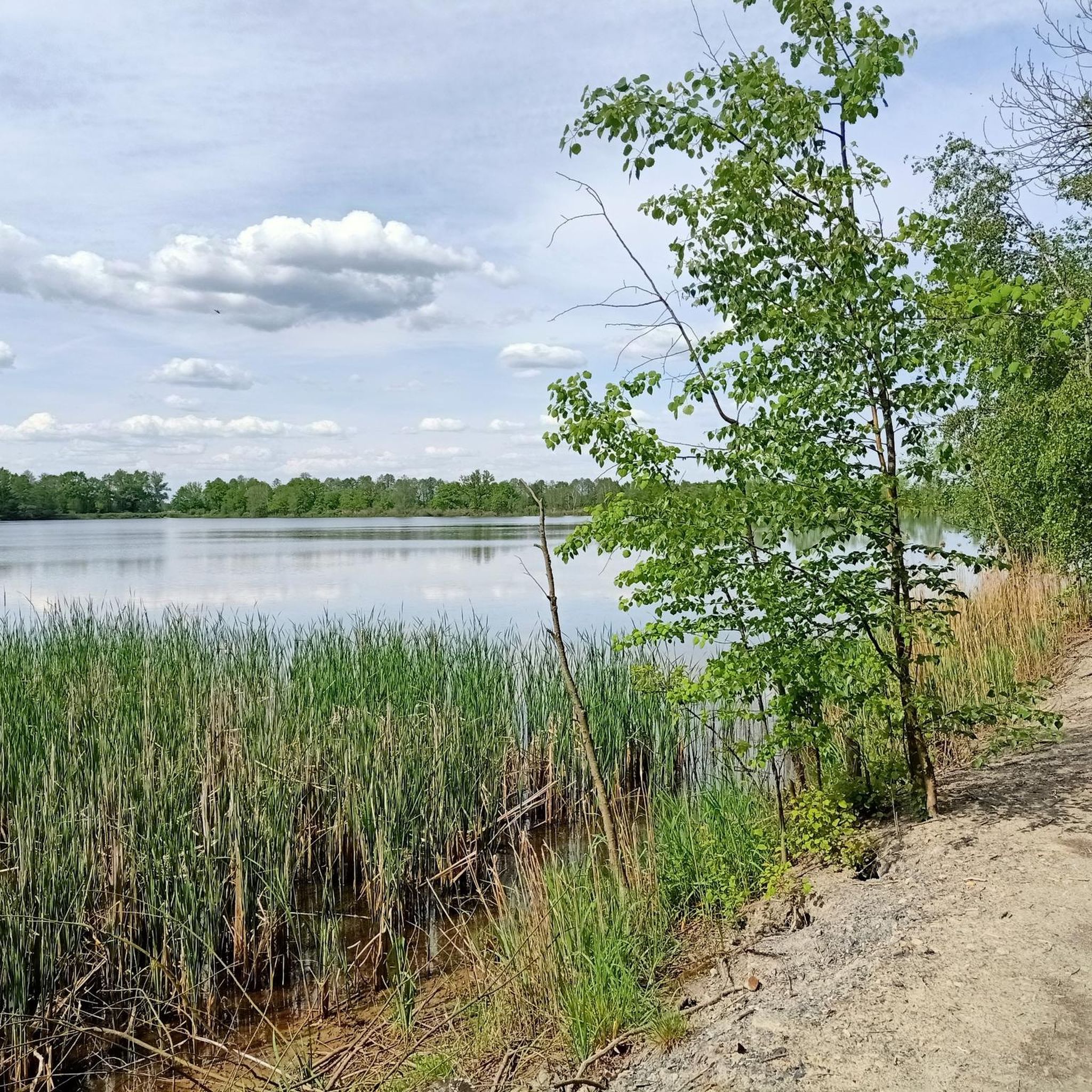
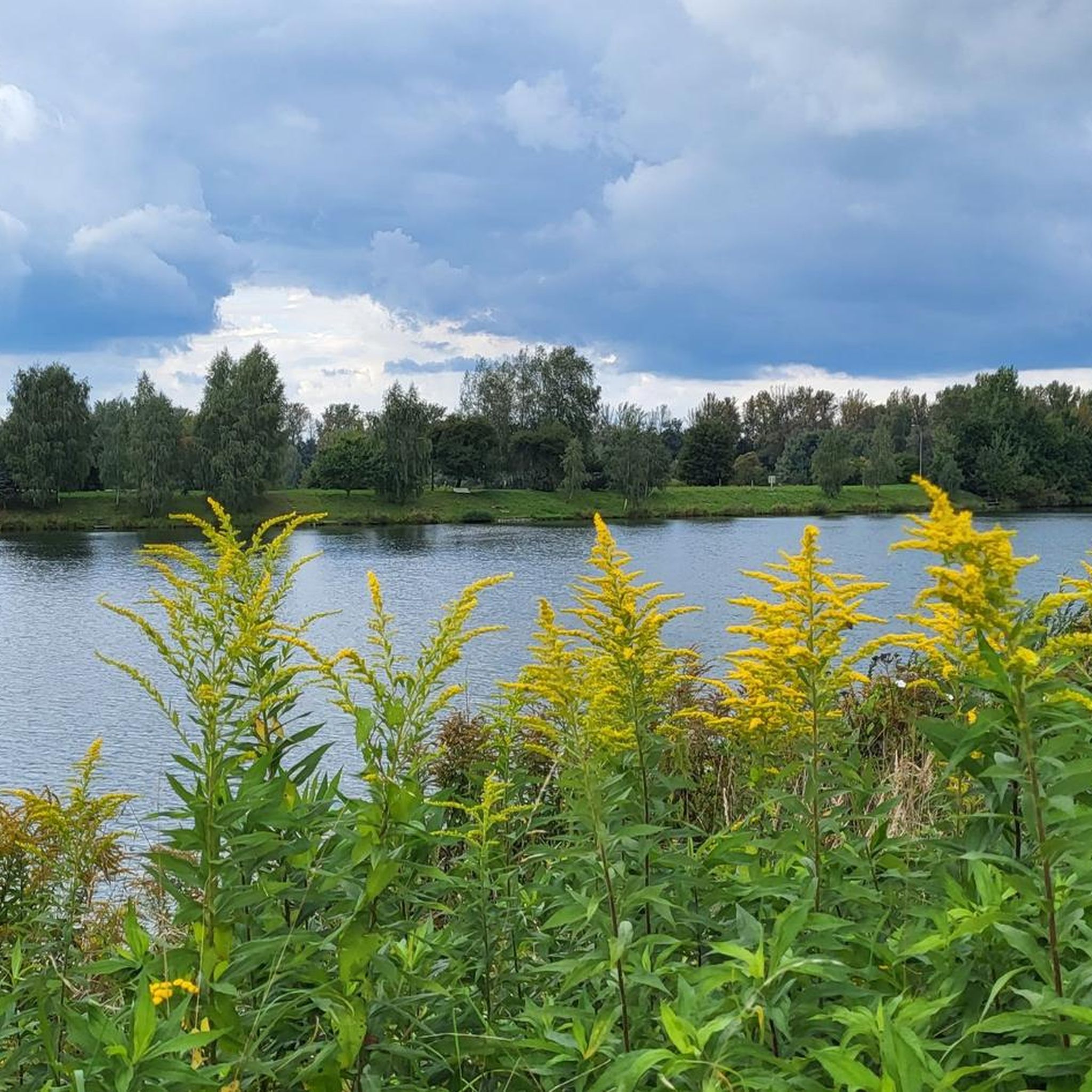
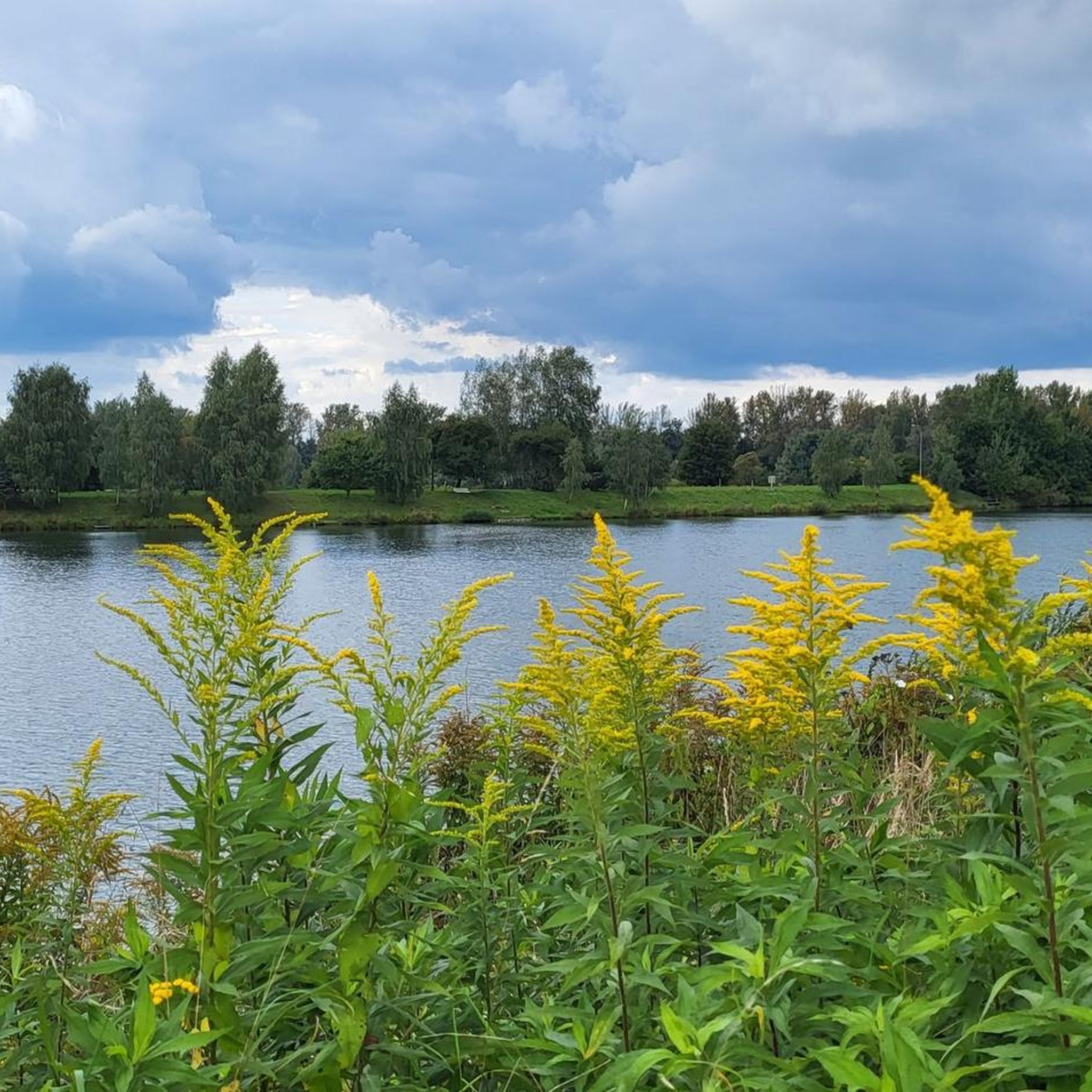
- Visitors also love Dziećkowice Reservoir, a lake created from a former sand exploitation area. It is one of the cleanest reservoirs in the Silesia Province and serves as a drinking water reservoir.
- Oświęcim is known for its historical sites, natural reservoirs, and cycling routes. The area offers a variety of attractions, from medieval castles to modern cycling paths and significant memorial sites.
- The attractions around Oświęcim are appreciated by the komoot community, with 273 upvotes and 138 photos shared by users.
Last updated: August 11, 2026
Vistula Cycling Route WTR Oświęcim–Miętków
Highlight (Segment) • Cycleway
There is a view of the Vistula River from the route.
We liked the stage from Oświęcim the most - the first-class surface on the Vistula embankment is a recipe for the success of this route. On both sides of the embankment, my eyes were filled with vigorous green, and my nose was dizzy with the scent of blooming trees and flowers. The area around the route is a kingdom of nature due to the limited human interference in the floodplain.
In the meadows we searched for pheasants absorbed in courtship, hares flashed in the fields, and we accidentally scared a herd of deer out of the bushes. Sometimes the route rubbed against the forest wall, other times it approached small towns, but we still saw the thin thread of the Vistula and the spring nature exploding in its surroundings.
polskapogodzinach.pl/wislana-trasa-rowerowa-oswiecim-krakow
Translated by Google •
Tip by

Dziećkowice Reservoir
Highlight • Lake
The dam is 7 meters high, the maximum depth is 12 meters, and its area is 7.3 km², while the total capacity is 52.8 million m³, the average width is about 1.8 kilometers, the length of the reservoir is 4.3 kilometers.
This reservoir was created in the mid-1970s, in an excavation that is a remnant of the former sand exploitation area, and was used in mining for backfilling purposes, for the Maczki-Bór mine in Sosnowiec. The mine was extracting sand to fill the mine workings.
Earlier in this area there was a forest with many ponds and very clean spring water - the so-called riparian forest. It is powered mainly by water, discharged from the distant system of the Skawa - Soła rivers.
It is one of the cleanest reservoirs in the Silesia Province and serves as a drinking water reservoir.
polskie-jeziora.pl/jezioro-dzieckowice
Translated by Google •
Tip by
Sign up now to discover places like this
Get recommendations on the best single tracks, peaks, & plenty of other exciting outdoor places.
Sign up for free
Oświęcim Castle
Highlight • Castle
The castle consists of an early gothic bergfried tower built at the end of the 13th century and a two-storey, basement building erected on a rectangular plan (old castle wing from the beginning of the 16th century) and a link from 1929–1931 built on the site of older buildings. A significant part of the fortifications was taken by the river - which changed its course for centuries.
On the castle hill there are remains of defensive walls and bastions. The royal castle was located in the second half of the 16th century in the Silesian poviat of the Kraków voivodeship. There are two tunnels under the castle: the older one (built before 1914) and the other one drilled by the Germans (1940–1944). This tunnel served as an air-raid shelter.
The first mentions of the Oświęcim castellany come from the period when it was incorporated into the Duchy of Opole (1177–1179). The reconstruction and fortification of the castle are attributed to the son of Mieszko Plątonogi, Prince Kazimierz. This is evidenced by archaeological discoveries near the tower confirming the existence of a brick structure on the castle hill in the first half of the 13th century.
pl.wikipedia.org/wiki/Zamek_w_O%C5%9Bwi%C4%99cimiu
malopolska.szlaki.pttk.pl/1568-pttk-malopolska-zamek-w-oswiecimiu
Translated by Google •
Tip by
Ruins of Crematorium III, Auschwitz-Birkenau
Highlight • Historical Site
In the summer of 1942, the German company Hoch und Tiefbau AG, with its Katowice branch, began building four massive crematoria complexes (II, III, IV and V). Crematoria II and III had underground undressing rooms and gas chambers. Crematoria IV and V were entirely above-ground buildings. The crematorium furnaces were built by the company Topf i Synowie from Erfurt. These facilities were put into use between March and June 1943.
The people dying there died painful deaths, in humiliation, intensified by the sight of their dying loved ones.
pl.wikipedia.org/wiki/Auschwitz_II_%E2%80%93_Birkenau
Translated by Google •
Tip by
Auschwitz-Birkenau State Museum and Memorial
Highlight • Historical Site
From 2020, you also need a ticket to enter Camp Birkenau.
Sometimes the number of visitors is so large that it may turn out that they do not issue tickets on a given day, so if you want to be sure of entry, it is best to order such a ticket online in advance.
There is a bus between the camps Auchwitz and Birkenau.
Translated by Google •
Tip by
Sign up for free to discover even more attractions around Oświęcim.
Sign up for free
Already have an account?
Start today with a free account
Your next adventure awaits.
Login or Signup

Other adventures around Oświęcim

Tips from the Community

The Castle in Oświęcim is a medieval defensive stronghold located on a hill on the right bank of the Soła River. Currently, the site is home to the Museum of the Castle in Oświęcim, which presents the rich history of the city, the former Duchy of Oświęcim, and valuable historical and archaeological collections. It was here that a great diplomatic turning point occurred: in 1454, the last Piast duke of this region, Jan IV, bowed to the might of Poland and ceded the castle and his entire duchy as a fief to King Casimir Jagiellon. Three years later (in 1457), he completely sold these lands to him. The castle ceased to be a Silesian borderland and became Polish royal property for centuries. It is worth taking a look at the mighty, 13th-century Gothic tower, which remembers those events and that agreement! The history of the castle in Oświęcim dates back to the 11th century, when there was an early medieval agricultural settlement on the hill above the Soła. After it burned down, a fortified castellany stronghold was erected here. The first official documentary mention of it dates from 1179. It was then that King Casimir the Just transferred these lands to the Duke of Opole, Mieszko Plątonogi. Early Gothic tower – dates from the end of the 13th century, it is a defensive building type (bergfried) and is one of the oldest preserved brick structures in Lesser Poland. Royal history – the castle hosted prominent historical figures, including the future Queen of Poland, Bona Sforza. Underground tunnels – there are two corridors under the castle, including an air-raid shelter built by the Germans during World War II. Address: ul. Zamkowa 1, 32-600 Oświęcim Opening hours: Tuesday to Sunday from 10:00 AM to 6:00 PM (the museum is closed on Mondays).
1
0

Very picturesque cycle path along the Vistula river embankment
0
0

A special and indefinable place, not for its history, but which is nevertheless worth visiting.
0
0
A superb cycle path which is, among other things, the EuroVelo 4 which crosses Poland. I realize that I can take it all the way to Krakow, my final destination, but the wind is blowing hard today and the path is elevated, so I am not at all sheltered from the wind. I decide to leave it further on to follow my initial itinerary.
0
0
The castle in Oświęcim is the royal castle of King Casimir IV Jagiellon.
2
0
whenever I go, it's windy.. such a boring route for one time ok
1
0

Auschwitz II, the actual extermination camp. The "platform" visible behind the entrance is the so-called new Jewish ramp, built for the extermination of Hungarian Jews. Selections took place here, which meant immediate death for the majority of the deportees. The extermination campaign began in May 1944. In 56 days, over 400,000 people died. https://www.yadvashem.org/de/holocaust/about/fate-of-jews/hungary.html
0
0

Must see to fully understand the suffering endured by millions of people and the atrocious indifference with which other people carried out the work of extermination
0
0
Frequently Asked Questions
What are some easy walking trails around Oświęcim?
For easy walks, consider routes listed in the Easy hikes around Oświęcim guide. Options include a 7.5 km loop from the German Nazi Concentration Camp Auschwitz (Auschwitz I) or a shorter 2.6 km loop around the Market Square in Oświęcim, which also passes the Court and Ślebarski House.
Are there family-friendly attractions in the Oświęcim area?
Yes, several attractions are suitable for families. The Vistula Cycling Route WTR Oświęcim–Miętków is a well-maintained asphalt path perfect for family bike rides. Oświęcim Castle is another family-friendly historical site to explore. The Auschwitz-Birkenau State Museum and Memorial is also listed as family-friendly, though visitors should consider the sensitive nature of the site when visiting with children.
What historical sites can I visit in Oświęcim?
Oświęcim is rich in history. The most significant historical sites include the Auschwitz-Birkenau State Museum and Memorial, which encompasses the former concentration and extermination camps, and the Ruins of Crematorium III, Auschwitz-Birkenau. Additionally, the medieval Oświęcim Castle offers insights into the region's earlier past.
Are there any accessible attractions for wheelchair users?
The Vistula Cycling Route WTR Oświęcim–Miętków is noted for its accessibility, featuring a high-quality asphalt surface along the Vistula embankments, making it suitable for wheelchair users.
Where can I enjoy nature and scenic views around Oświęcim?
For natural beauty and scenic views, visit the Dziećkowice Reservoir, one of the cleanest reservoirs in the Silesia Province, offering picturesque surroundings. The Vistula Cycling Route WTR Oświęcim–Miętków also provides excellent views of the Vistula River and its natural floodplain.
What cycling opportunities are available near Oświęcim?
Oświęcim offers diverse cycling routes. The Vistula Cycling Route WTR Oświęcim–Miętków is a popular choice with a first-class asphalt surface. For more options, explore the Road Cycling Routes around Oświęcim guide or the MTB Trails around Oświęcim guide, which include routes like the Vistula Oxbow Lake loops.
What do visitors enjoy most about the attractions around Oświęcim?
Visitors frequently appreciate the well-maintained infrastructure of routes like the Vistula Cycling Route WTR Oświęcim–Miętków, praising its smooth surface and natural surroundings. Historical sites like the Auschwitz-Birkenau State Museum and Memorial are considered profoundly important, despite their somber nature. The natural beauty of areas like the Dziećkowice Reservoir is also highly rated.
Are there any less-known historical sites or 'hidden gems' in the Oświęcim region?
While not entirely hidden, the Oświęcim Castle, with its medieval origins and two tunnels (one pre-1914, another from WWII), offers a fascinating historical experience that might be less frequented than the major memorial sites. It stands on a hill overlooking the Soła river.
What is the best season for outdoor activities in Oświęcim?
Spring and summer are generally ideal for outdoor activities around Oświęcim, with pleasant temperatures for cycling, hiking, and enjoying the natural landscapes around the Vistula River and Dziećkowice Reservoir. The tips for the Vistula Cycling Route mention 'vigorous green' and 'scent of blooming trees and flowers' in spring, suggesting it's a beautiful time to visit.
Is public transport available to reach attractions in Oświęcim?
While specific routes vary, Oświęcim is generally well-connected by local buses and trains. For the Auschwitz-Birkenau State Museum and Memorial, there is a dedicated bus service that operates between Auschwitz I and Birkenau. It's advisable to check local transport schedules for specific routes to other attractions.
Are there any circular walking routes available?
Yes, the Easy hikes around Oświęcim guide features several circular routes. For example, you can find a 2.6 km 'Market Square in Oświęcim – Court - Ślebarski House loop' or a 3.2 km 'Court - Ślebarski House – Oświęcim Castle loop', both starting and ending in Oświęcim.
Most popular routes around Oświęcim
Most popular attractions around Oświęcim

Get inspired with the komoot mobile app


Explore more
Still not found the Highlight you’re looking for? See guides of the top attractions in other regions:
