Attractions and Places To See around gmina Nowy Żmigród - Top 20
Best attractions and places to see around gmina Nowy Żmigród, nestled in the Beskid Niski mountain range, offers a diverse range of natural and historical sites. This region, situated within the Magurski National Park buffer zone and the upper Wisłoka river basin, features picturesque landscapes and cultural heritage. Historically, it served as a crossroads for Jewish, Lemko, and Polish influences, evident in its landmarks. Visitors can explore ancient settlements, historic churches, and scenic trails.
Best attractions and places to see…
Last updated: July 29, 2026
Nieznajowa Abandoned Village
Highlight • Historical Site
Translated by Google •
Tip by

St. John of Dukla hermitage
Highlight • Religious Site
Translated by Google •
Tip by

Sign up now to discover places like this
Get recommendations on the best single tracks, peaks, & plenty of other exciting outdoor places.
Sign up for free
PTTK mountain hut in Bartne
Highlight • Mountain Hut
Translated by Google •
Tip by

Golden Spring (Holy Spring of St. John of Dukla)
Highlight • Religious Site
Translated by Google •
Tip by
Diabli Kamień Rock Formation
Highlight • Natural Monument
Translated by Google •
Tip by
Sign up for free to discover even more attractions around gmina Nowy Żmigród.
Sign up for free
Already have an account?
Start today with a free account
Your next adventure awaits.
Login or Signup
Popular around gmina Nowy Żmigród
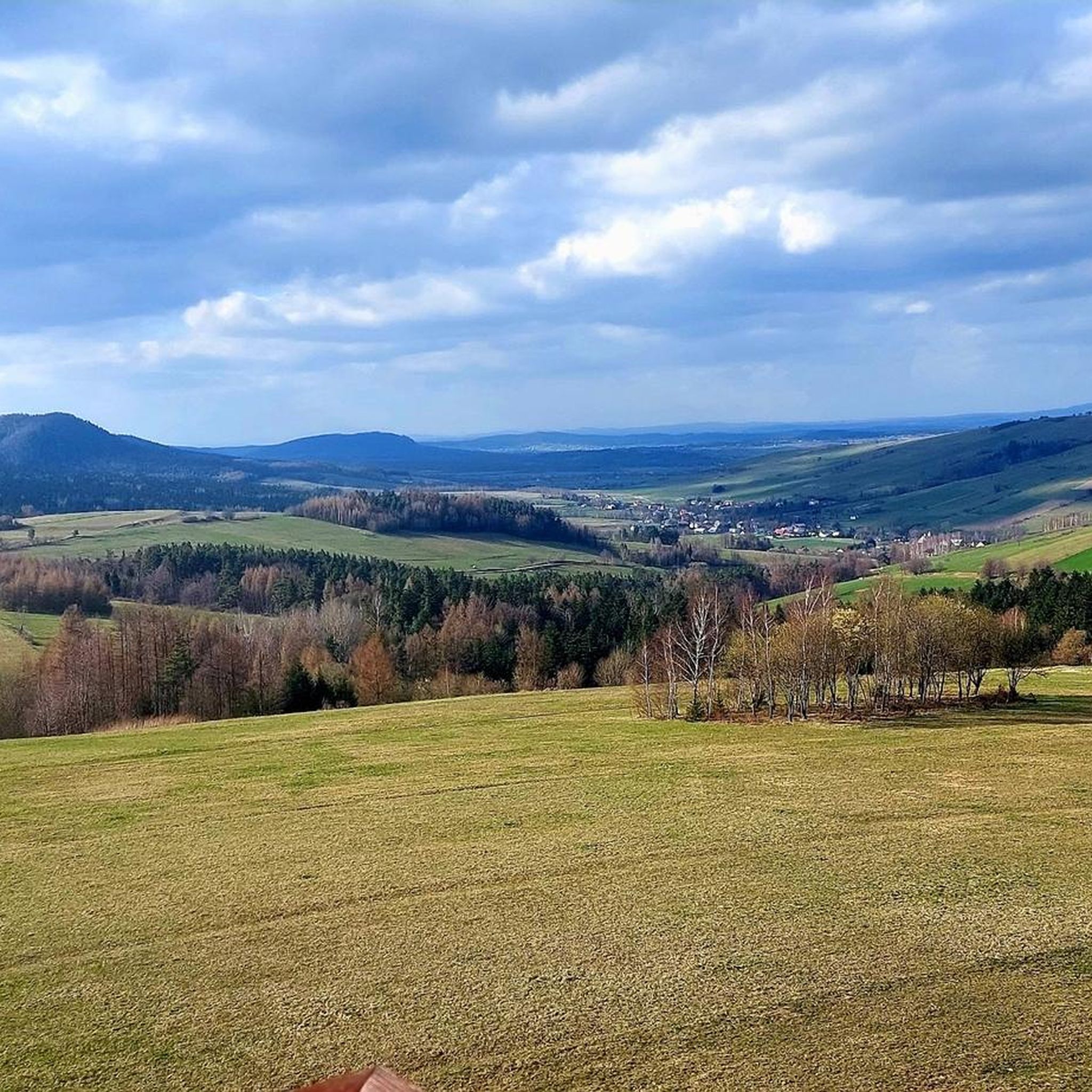
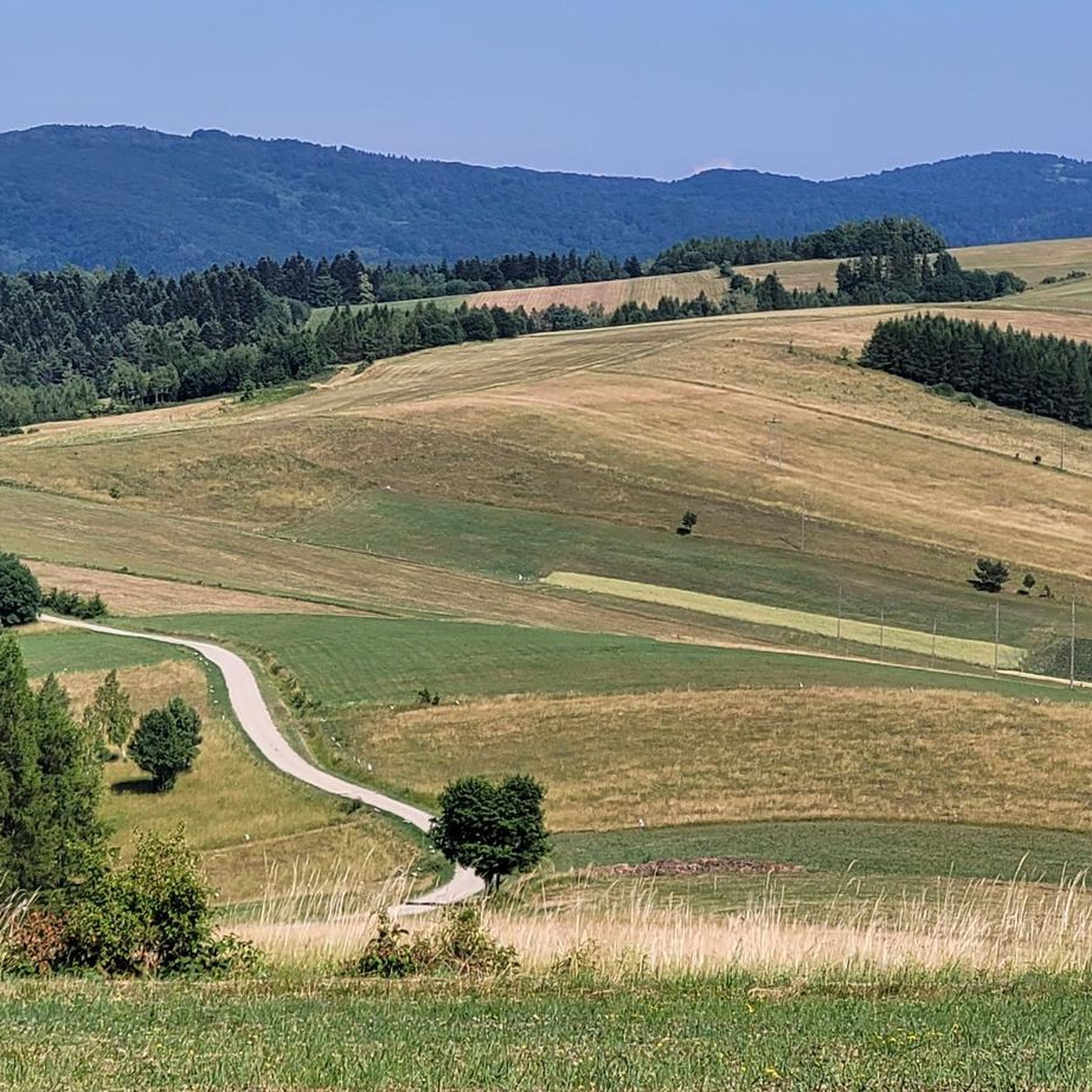

Other adventures around gmina Nowy Żmigród

Tips from the Community

More information and photos: http://www.pttkgorlice.pl/o-nas/schroniska-gorskie/schronisko-w-bartnem/ https://pttk.pl/accommodations/bacowka-bartne/ https://agroturystyka.edu.pl/bacowka-pttk-w-bartnem-idealne-miejsce-na-gorski-wypoczynek https://mapa-turystyczna.pl/route/dgg5#49.54843/21.35716/14
0
0
PTTK Shepherd's Hut in Bartne - a tourist shelter located at an altitude of 655 meters above sea level on the slopes of Mareszka (801 meters above sea level) in Magura National Park. The hut was opened in 1977 and is currently managed by the Gorlice branch of the PTTK.
0
0

This shelter is open 24 hours a day, year-round. Located on the edge of the forest, it's perfect for relaxing in the shade after a long hike. A buffet, hot meals, and stunning views from the balcony are available!
0
0

a route for everyone, at any time of the year
0
0

A good place to stop and grab a bite. Payment in cash or by phone.
0
0

From 2024, there is a new team running the shelter. After entering, at first glance you can see that the shelter has come to life. It's worth taking a look.
0
0

On the Zaśpit hill there is the third temple dedicated to Saint. John of Dukla, also known as the Church in the Forest. The history of this place began with a brick temple built in 1769 on the initiative of Maria Amelia Mniszchowa née Brühl after the beatification of the saint. After the ceremonial consecration, accompanied by salvos from 24 mortars, a procession took place from the Dukla parish church to the Zaśpit hill. Unfortunately, both the chapel and the hermitage burned down in a fire in 1883. In 1887, thanks to the foundation of Cezary Męciński, a new wooden chapel was built. The third neo-Gothic brick chapel, still present today, was built in the years 1906-1908 thanks to the efforts of the guardian of the Bernardines of Dukla, Ambroży Ligas. The project was created by a Saint Bernard named Kamil Żarnowski, and the polychrome depicting the life of Blessed John was painted by Władysław Lisowski. The neo-Gothic oak altar was made by Kazimierz Konieczkowski from Strzyżów.
2
0
Diabli Kamień is a rock group constituting a natural monument on the edge of the Magurski National Park in the Low Beskids. It is located in the town of Folusz, it is one of the stops on the nature trail. It consists of numerous large boulders of coarse-grained Magura sandstone, with the highest rising to over 10 meters. The rocks are originally shaped and divided by numerous crevices. This place owes its name to a local legend. According to her, devils wanted to destroy the church in Cieklin by moving a huge boulder from Magura Wątkowska. However, when the rooster crowed over Mount Cosmas, the devils lost their power and the boulder fell from their clutches, breaking into smaller rocks and saving the church. Apparently there are traces of devil's claws on the rock...
2
0
Frequently Asked Questions
What natural features and viewpoints can I explore in gmina Nowy Żmigród?
The region offers several natural highlights. You can visit Diabli Kamień Rock Formation, a natural monument with large Magura sandstone boulders, some over 10 meters high, shaped by natural forces and local legend. For panoramic views, consider ascending Grzywacka Góra, which features the Papal Millennium Cross and offers expansive vistas from Mount Liwocz to Mount Cergowa. Another notable spot is Góra Trzech Krzyży near Mytarz, known for its three crosses and local legend.
Are there any historical or cultural sites to visit in the area?
Yes, gmina Nowy Żmigród is rich in history and culture. Explore the remnants of the past at Nieznajowa Abandoned Village, a former Lemko settlement where only traces of buildings, stone roadside crosses, and cemetery tombstones remain. You can also visit the historic St. John of Dukla hermitage, a religious site on Zaśpit hill with a neo-Gothic chapel. The region also features numerous historic churches, some converted from Greek Catholic, and World War I cemeteries.
What kind of outdoor activities can I do around gmina Nowy Żmigród?
The area is ideal for various outdoor activities. You can find numerous walking and cycling routes that allow you to appreciate the natural landscape of the Wisłoka river basin. For specific routes, explore options like easy hikes, cycling tours, or MTB trails around gmina Nowy Żmigród. The Papal Trail leading to Grzywacka Góra is a popular hiking option.
Are there any family-friendly attractions or facilities?
Yes, there are options suitable for families. The Diabli Kamień Rock Formation is considered family-friendly and offers an engaging natural experience. For a comfortable stop during your adventures, the PTTK mountain hut in Bartne provides accommodation, a buffet, hot meals, and stunning views, making it a great spot for families to relax.
Where can I find information about the region's Jewish heritage?
Gmina Nowy Żmigród has a significant Jewish heritage. You can visit a Jewish cemetery (kirkut) in Nowy Żmigród, which dates back to the 16th century. There is also a mass grave of Jews from World War II in Hałbów. Historically, Żmigród had a strong Jewish community, with a synagogue once noted for its Renaissance interior.
What are some notable religious sites or pilgrimage destinations?
The region is home to several important religious sites. The St. John of Dukla hermitage is a significant pilgrimage destination. Additionally, the Golden Spring (Holy Spring of St. John of Dukla), accessible via a nature path from Cergowa, is associated with the saint's eremitic life and remains a pilgrimage site where indulgence masses are held. The Sanctuary of Władysław Findysz in Nowy Żmigród and the Sanctuary of Our Lady Queen of the Mountains in Skalnik are also important.
Are there any easy hiking trails in gmina Nowy Żmigród?
Yes, there are several easy hiking trails. For example, you can find routes like the Grzywacka Góra Loop from Kąty, which is an easy 4.6 km hike, or shorter loops around Kąty and Desznica. These trails are perfect for enjoying the scenery without strenuous effort. You can find more details on easy hikes around gmina Nowy Żmigród.
What is the significance of Grzywacka Góra?
Grzywacka Góra, located in Kąty, is a significant peak featuring the Papal Millennium Cross. This cross commemorates the treks of Karol Wojtyła (Pope John Paul II) through the Beskid trails. From its observation deck, visitors can enjoy extensive views. A Stations of the Cross path, known as the Beskid Calvary of Divine Mercy, leads to the summit, with the ascent typically taking one to one and a half hours.
Can I find any historical fortifications or ancient settlements?
Yes, the region has traces of ancient fortifications. Wzgórze Walik (Walik Hill) in Brzezowa features the remains of an early medieval fortified settlement. Similarly, the 'Zamczysko' (Castle Hill) in Stary Żmigród also holds remnants of ancient strongholds, offering a glimpse into the area's defensive past.
What do visitors particularly enjoy about the attractions in gmina Nowy Żmigród?
Visitors appreciate the diverse experiences offered, from the historical insights of the Nieznajowa Abandoned Village to the natural beauty and local legends surrounding the Diabli Kamień Rock Formation. The serene and reflective atmosphere of the St. John of Dukla hermitage is also highly valued. Many enjoy the opportunities for relaxation and good food at places like the PTTK mountain hut in Bartne.
Are there any museums in gmina Nowy Żmigród?
Yes, the Leon Karciński Museum in Nowy Żmigród, housed in the former 'Old Commune' building, offers valuable exhibits documenting the history of the Żmigród region. It is typically open from May to October, providing a deeper understanding of the local heritage.
What is the best way to explore the natural landscapes of the region?
The best way to explore the natural landscapes is by utilizing the numerous walking and cycling routes available. These trails wind through the valleys and mountains of the Wisłoka river basin and the buffer zone of Magurski National Park. Consider a hike or bike ride to fully immerse yourself in the picturesque scenery.
Most popular routes around gmina Nowy Żmigród
Most popular attractions around gmina Nowy Żmigród

Get inspired with the komoot mobile app


Explore more
Still not found the Highlight you’re looking for? See guides of the top attractions in other regions:
