Attractions and Places To See around Studzienice - Top 20
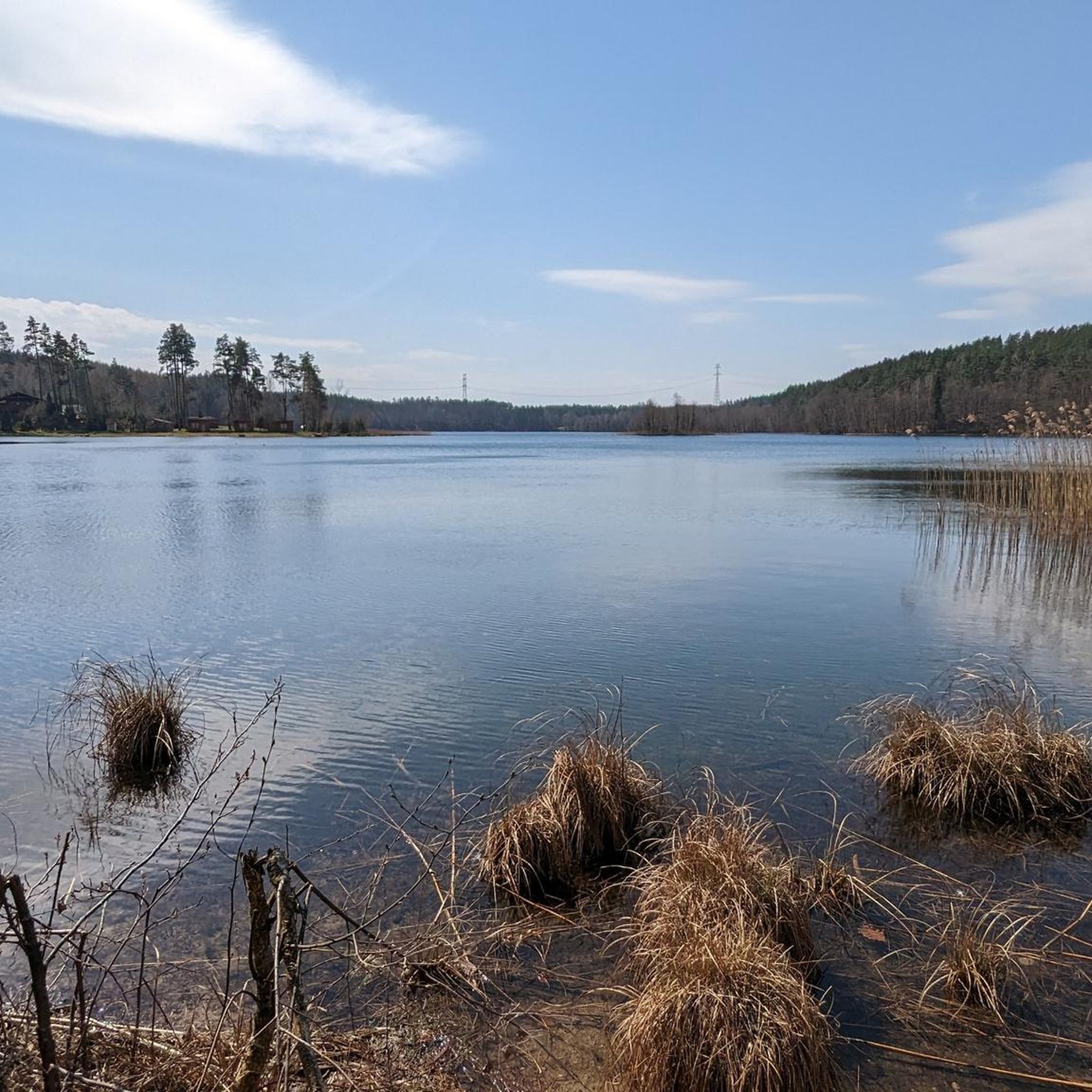
Best attractions and places to see around Studzienice include a variety of historical sites and natural features within the picturesque Kashubian region. This area, particularly the village in Bytów County, is situated by Lake Kłączno and is known for its forests and cultural heritage. Visitors can explore significant historical monuments and enjoy the natural landscape of the Kashubian countryside.
Best attractions and places to see around Studzienice
- The most popular attractions is Bytów Teutonic Castle, a castle and historical…
Last updated: July 29, 2026
Wooden Church of Our Lady Queen of Poland
Highlight • Religious Site
Translated by Google •
Tip by

Bytów Castle
Highlight • Castle
From the castle we could not see everything …
Translated by Google •
Tip by

Sign up now to discover places like this
Get recommendations on the best single tracks, peaks, & plenty of other exciting outdoor places.
Sign up for free
Gothic Tower of St. Catherine in Bytów
Highlight • Historical Site
Translated by Google •
Tip by
Guarded Beach at Lake Jeleń
Highlight • Beach
Translated by Google •
Tip by

Hamer Młyn Historic Watermill
Highlight • Historical Site
in the commune of Lipnica in the region called Gocha. Far northeast
the village in the commune …
Translated by Google •
Tip by
Sign up for free to discover even more attractions around Studzienice.
Sign up for free
Already have an account?
Start today with a free account
Your next adventure awaits.
Login or Signup
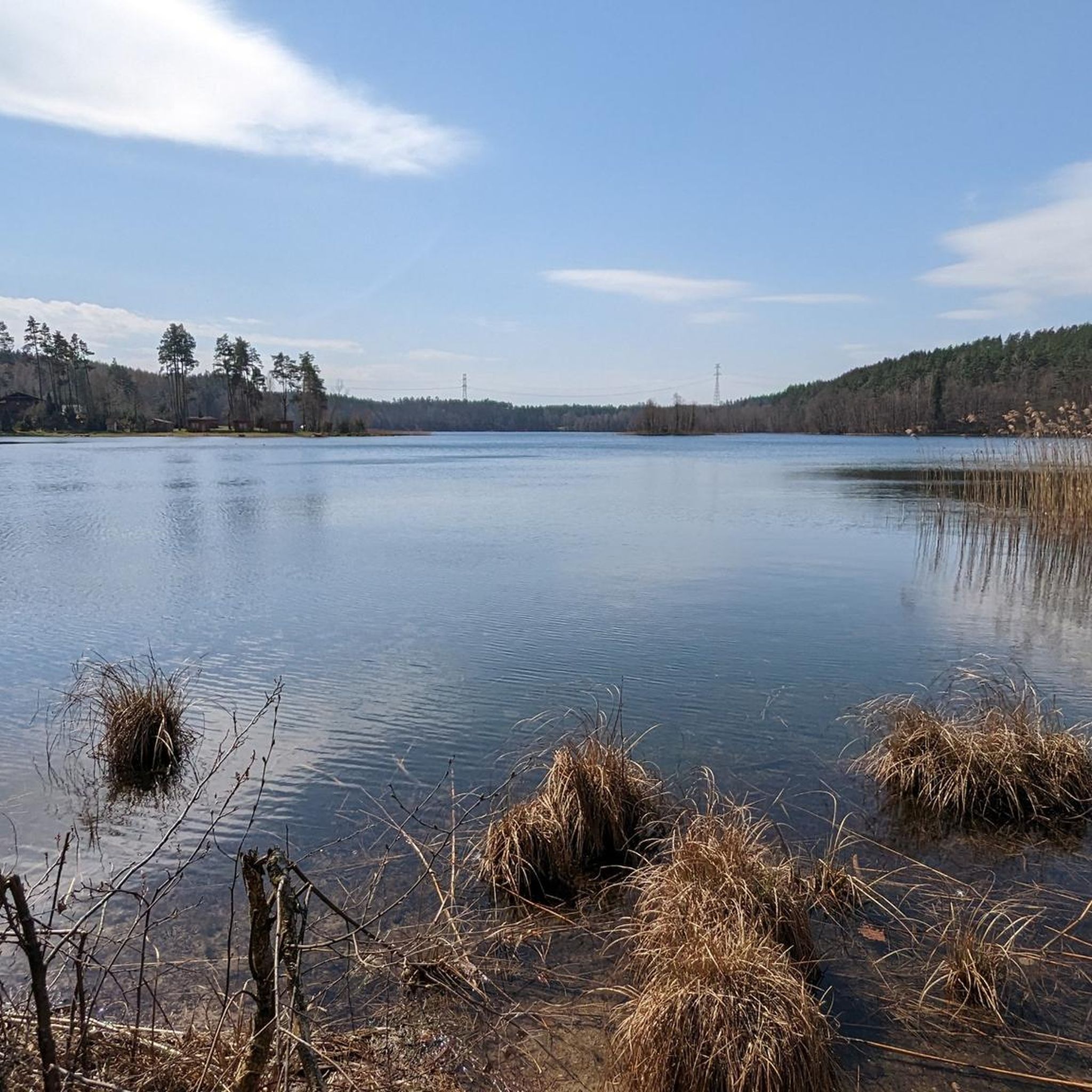
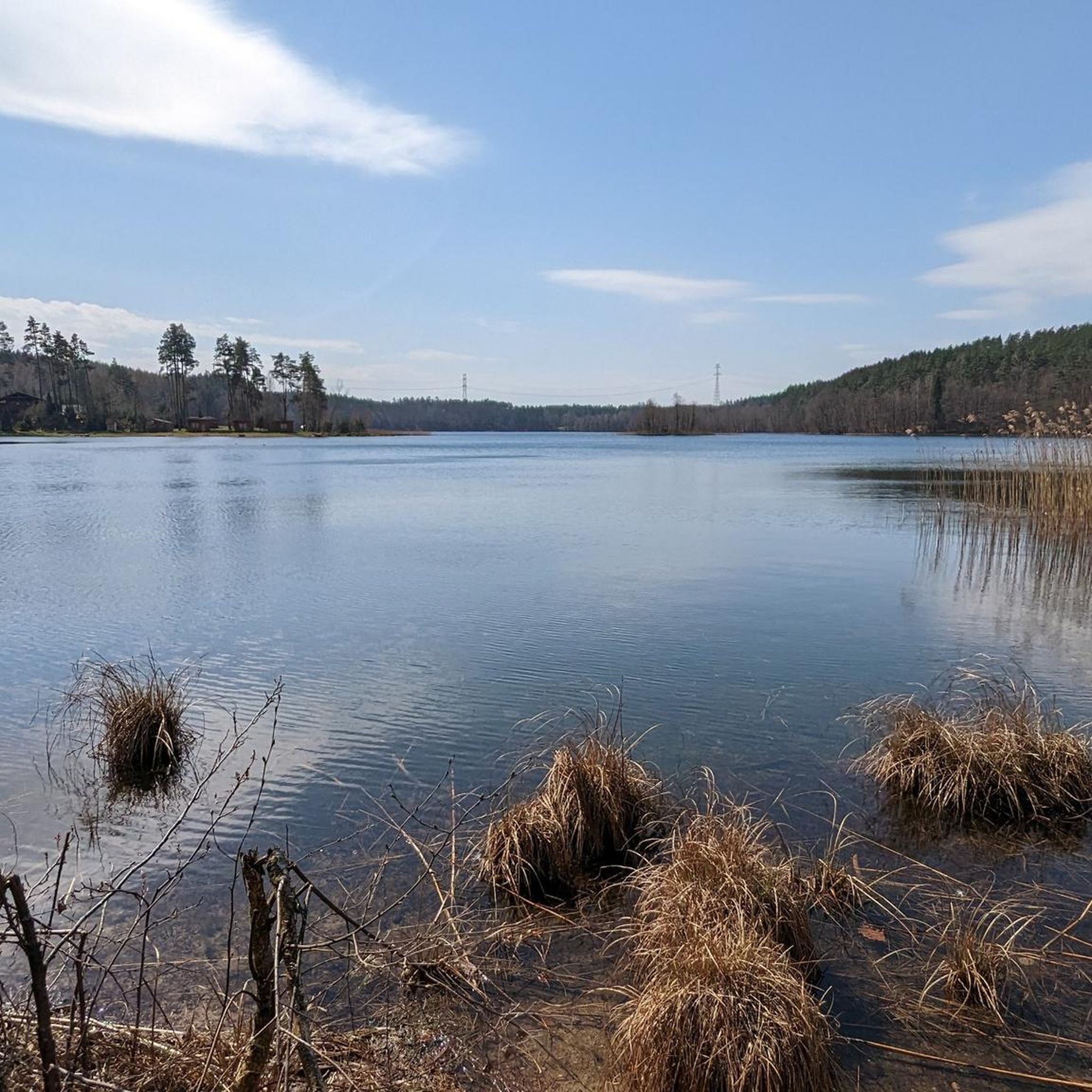
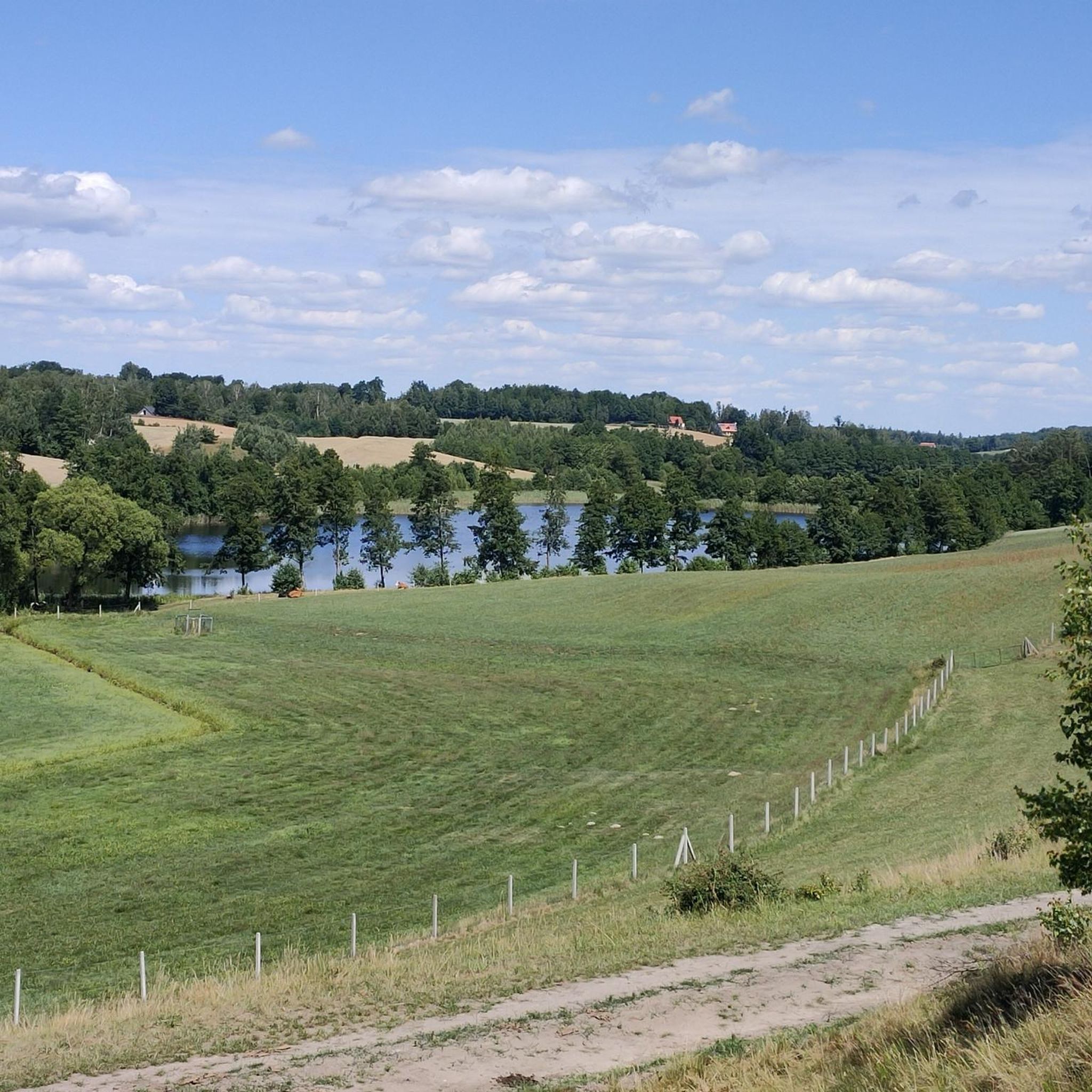
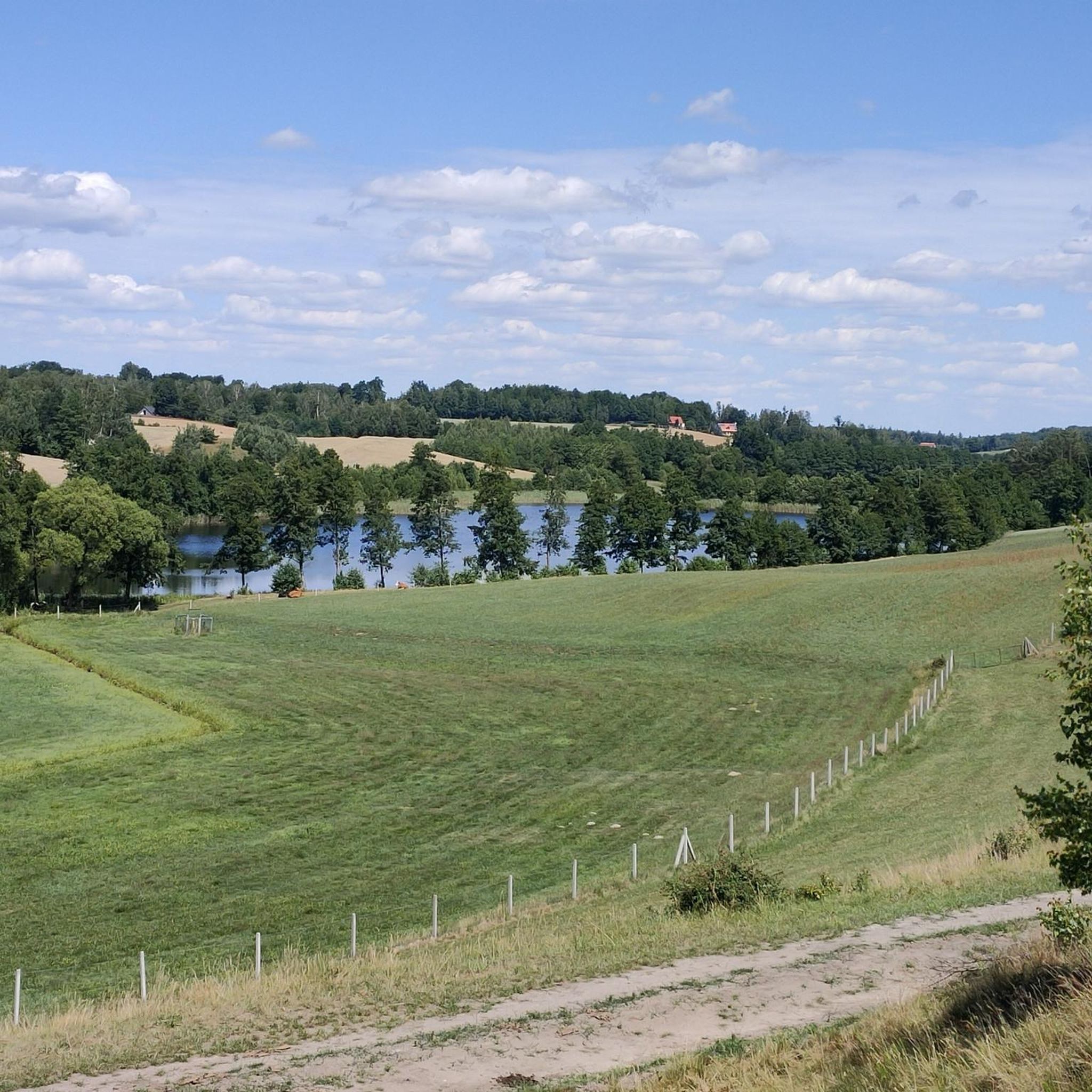

Tips from the Community

To see the mill it's okay, but the road from Prądzonka, Hamer młyn, Luboń, Smołdzice to Lipnica I advise against, unless you work with a pneumatic hammer, then this route will not make a big impression on you.
0
0

It looks like there is a small, local sawmill operating by the old mill
0
0

In 1836 it was expanded with a tower by the carpenters Voss and Golmer. In the years 1910–11 it was restored and expanded with a sacristy.
0
0

Lake Jeleń (Kaszb. Jezoro Jeléń or Gëlink) is a lobelia lake located in the northern urban area of Bytów and is primarily used for recreation and tourism. It is a very clean lake. This is evidenced by the numerous lobelia and quillwort, as well as waterweed and hornwort, and fish such as pike, eel, perch and roach. The lake covers an area of 88.9 ha. It is the largest and deepest reservoir in the Bytów commune. Lake Jeleń is a municipal swimming area, which is why it is often visited not only by Bytów residents, but also by tourists vacationing in the Bytów region. Lake Jeleń is a place for active and safe recreation with a functional and permanent playground, a place for a bonfire, a promenade, a green gym and sanitary facilities adapted for the disabled. There is a year-round hotel with a restaurant on the premises of the resort. https://www.bytow.com.pl/Jezioro-Jelen-,154,349
3
0

After the end of the war, from March to May 1945, the castle was a transit camp, a torture chamber for Poles established by the Russian NKVD, many citizens of the Bytów region lost their health and lives here.
1
0
Next to the ruins there are information boards and a visualization of the history of this building over many centuries.
1
0
Currently, the Bytów castle houses the Western Kashubian Museum, the "W zamek" hotel, the "W zamek" restaurant, and the "Nisza" billiard club. In the museum, you can see a permanent exhibition on the material culture of the Bytów Kashubians, a hunting exhibition, and there is also an archaeological and crafts section. In the historical section, you can visit, among other things, the refectory, the prosecutor's chamber, the chapel, and the dormitory.
2
0
The Gothic Teutonic Castle in Bytów is the most important attraction in the city. It was built in the early 15th century. The Teutonic Knights did not live there for long, as the castle was captured by the troops of Władysław Jagiełło in 1410. It was then given to new owners thanks to the First Peace of Toruń. During these turbulent times, the castle often changed owners, so its history is extremely interesting and it is definitely worth visiting it with a guide.
2
0
Frequently Asked Questions
What historical sites can I explore around Studzienice?
The region offers several significant historical sites. You can visit the impressive Bytów Teutonic Castle, built between 1398 and 1405, which now houses the Western Kashubian Museum. Another notable site is the Wooden Church of Our Lady Queen of Poland, an 18th-century former Lutheran church known for its unique wooden construction. Don't miss the Church of the Exaltation of the Holy Cross in Leśno, one of Kashubia's best-preserved wooden temples, dating back to the 17th century. Additionally, the Gothic Tower of St. Catherine in Bytów, a remnant of a 14th-century church, offers a glimpse into the area's past.
Are there any natural attractions or features to see near Studzienice?
Yes, Studzienice is nestled in a picturesque natural setting. You can explore the area around Lake Kłączno, which the village borders, offering opportunities for water activities. The region is also home to the impressive Glacial Erratic Boulder "Pod Zielonym Dworem", one of Poland's largest natural monuments. For recreation, the Guarded Beach at Lake Jeleń provides a clean and accessible spot for swimming and relaxation.
What kind of outdoor activities can I do around Studzienice?
The Studzienice area is excellent for various outdoor pursuits. You can enjoy hiking on trails like the 'Versailles Border Stone loop' or the 'Carpet – Dywan Walking Trail'. Cycling enthusiasts can explore routes such as the 'Lobelia Cycling Route' or the 'Zbrzyca River at Sominy Bridge' loop. For runners, there are several loops including 'Jeleń – Stary Staw' and 'Running loop from Bytów'. Find more details and routes on the dedicated guides for hiking, cycling, and running around Studzienice.
Are there family-friendly attractions in the Studzienice area?
Absolutely! Many attractions cater to families. The Bytów Teutonic Castle is a great historical site that often engages children. The Guarded Beach at Lake Jeleń is a popular spot with a playground, bonfire area, and green gym, making it ideal for a family day out. Additionally, the "Słoneczna Przystań" (Sunny Harbor) by Lake Kłączno offers water sports equipment, volleyball, basketball courts, and grilling areas for family fun.
What are some unique cultural experiences or 'hidden gems' near Studzienice?
Beyond the main historical sites, consider visiting the historic cottage (18th/19th-century) in Studzienice itself. The Gmina Studzienice also encourages exploring the historic school and the old Shepherd's Hut (Chata Owczarza) with its sheepfold and carriage house in Sominy. For a poignant historical site, the German Foresters' Cemetery in the "Bukowa Góra nad Pysznem" reserve offers both historical and natural value, with a nearby picturesque glacial lake.
Is there a good place for swimming or water activities?
Yes, the Guarded Beach at Lake Jeleń is a highly recommended spot. It's known for its clean water and offers a functional playground, a promenade, and sanitary facilities. Lake Kłączno, adjacent to Studzienice, also provides opportunities for water activities, with "Słoneczna Przystań" offering equipment rentals.
What is the best time of year to visit Studzienice?
The best time to visit Studzienice largely depends on your interests. For water activities, hiking, and cycling, the warmer months from late spring to early autumn (May to September) are ideal. This period also allows for mushroom picking in the surrounding forests. If you're interested in cultural sites, they are generally accessible year-round, though the natural landscapes are most vibrant in spring and summer.
Are there any accessible attractions for visitors with mobility needs?
Yes, the Guarded Beach at Lake Jeleń is noted for being wheelchair accessible, including its sanitary facilities. While specific information on other attractions' accessibility is limited, this beach provides a good option for an enjoyable outdoor experience.
Where can I find information about local traditions or Kashubian culture?
The region around Studzienice is part of Kashubia, known for its distinct culture. The Bytów Teutonic Castle, housing the Western Kashubian Museum, is an excellent place to delve into the history and traditions of the Kashubian people. Exploring the historic wooden churches like the Wooden Church of Our Lady Queen of Poland also offers insight into the region's heritage.
What do visitors enjoy most about the attractions around Studzienice?
Visitors frequently praise the well-preserved historical sites, particularly the Bytów Teutonic Castle, for its beauty and the interesting museum it houses. The unique wooden churches, such as the Wooden Church of Our Lady Queen of Poland and the Church of the Exaltation of the Holy Cross in Leśno, are appreciated for their architectural charm and historical significance. The natural beauty of the lakes and forests also receives high marks for recreation and relaxation.
Are there opportunities for wildlife spotting or nature observation?
The forests and lakes surrounding Studzienice, particularly around Lake Kłączno and Lake Jeleń, offer good opportunities for nature observation. The region is known for fishing and mushroom picking, indicating a rich natural environment. While specific wildlife spotting tours aren't detailed, the general natural landscape provides a habitat for various local flora and fauna.
Most popular routes around Studzienice
Most popular attractions around Studzienice

Get inspired with the komoot mobile app


Explore more
Still not found the Highlight you’re looking for? See guides of the top attractions in other regions:
