Attractions and Places To See around gmina Cedry Wielkie - Top 20
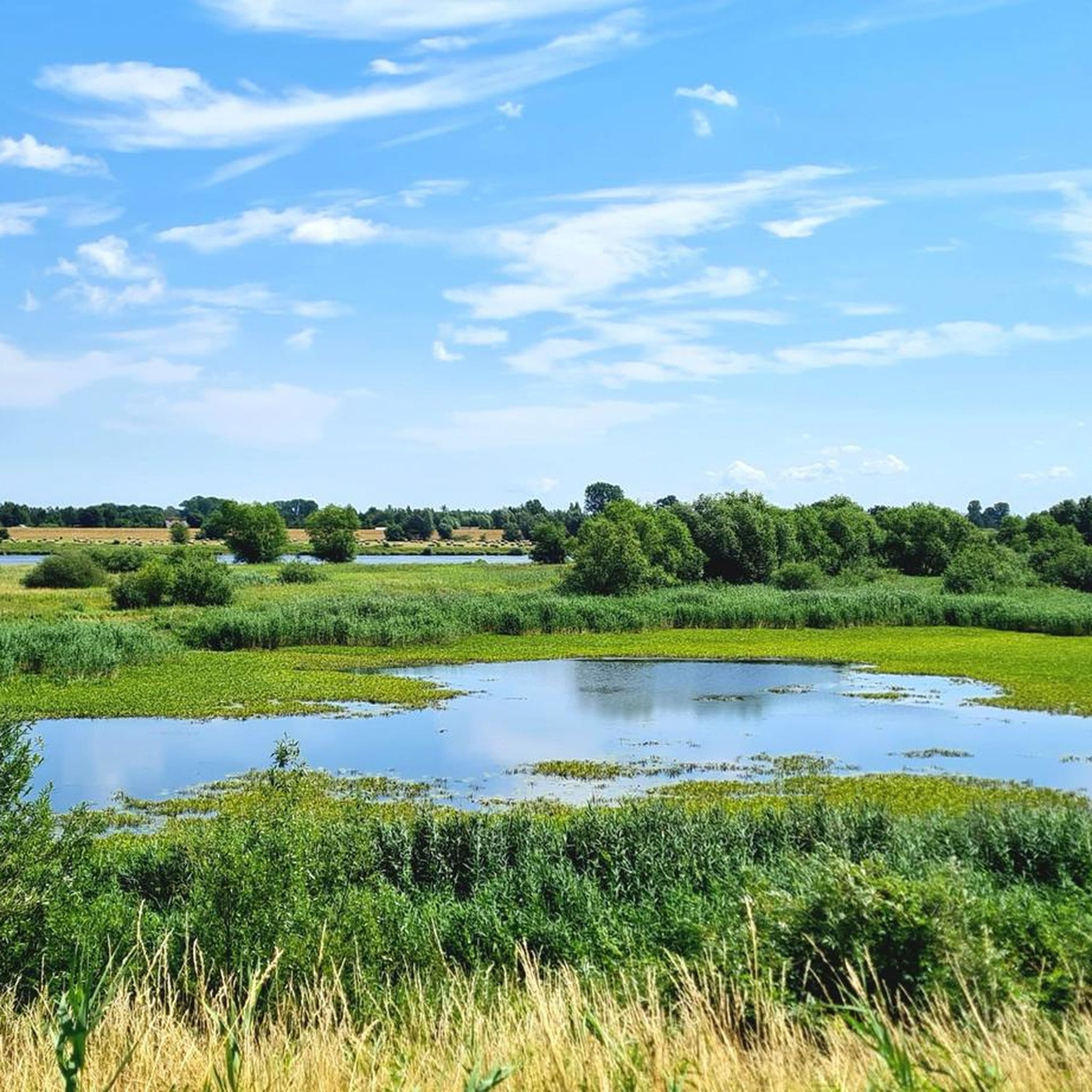
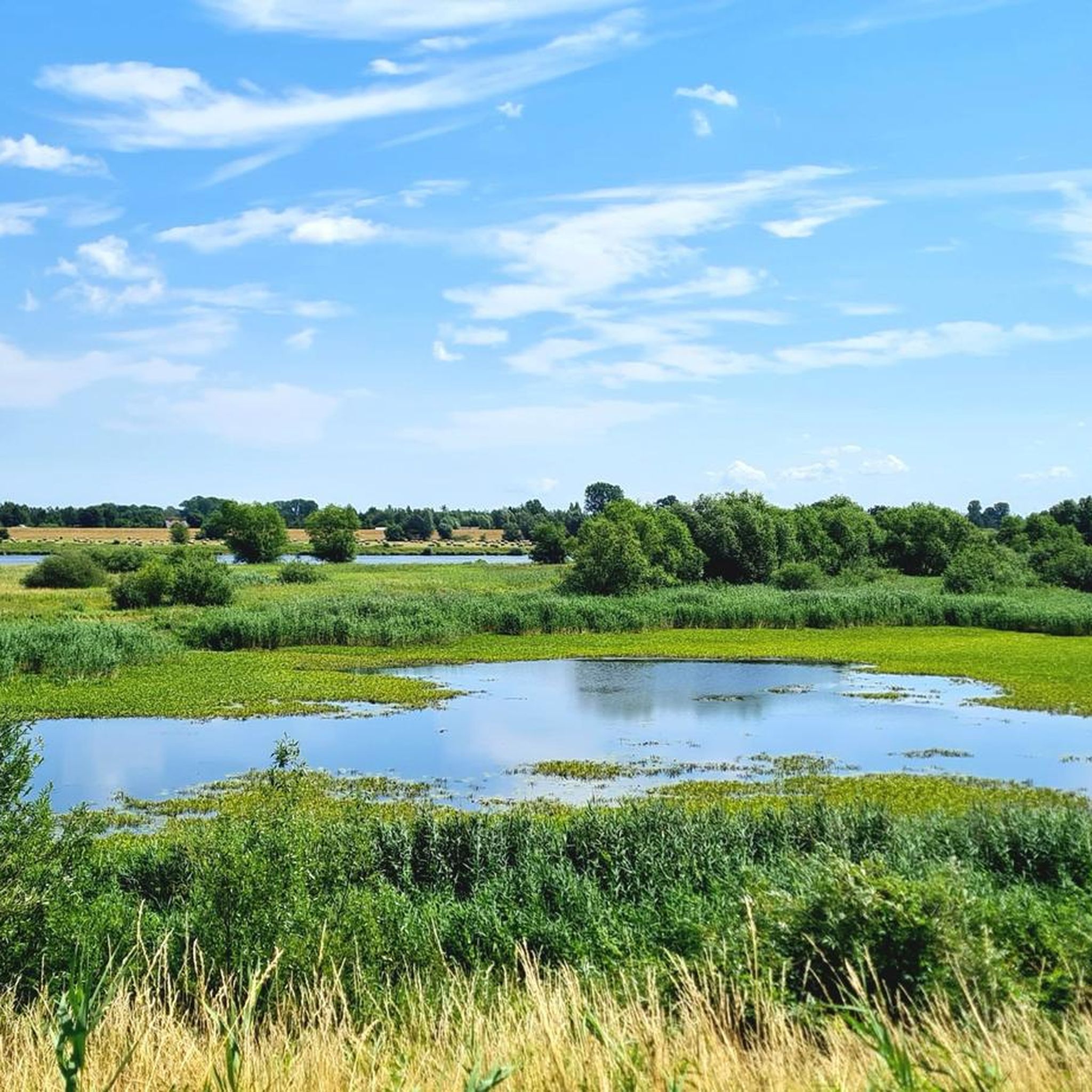
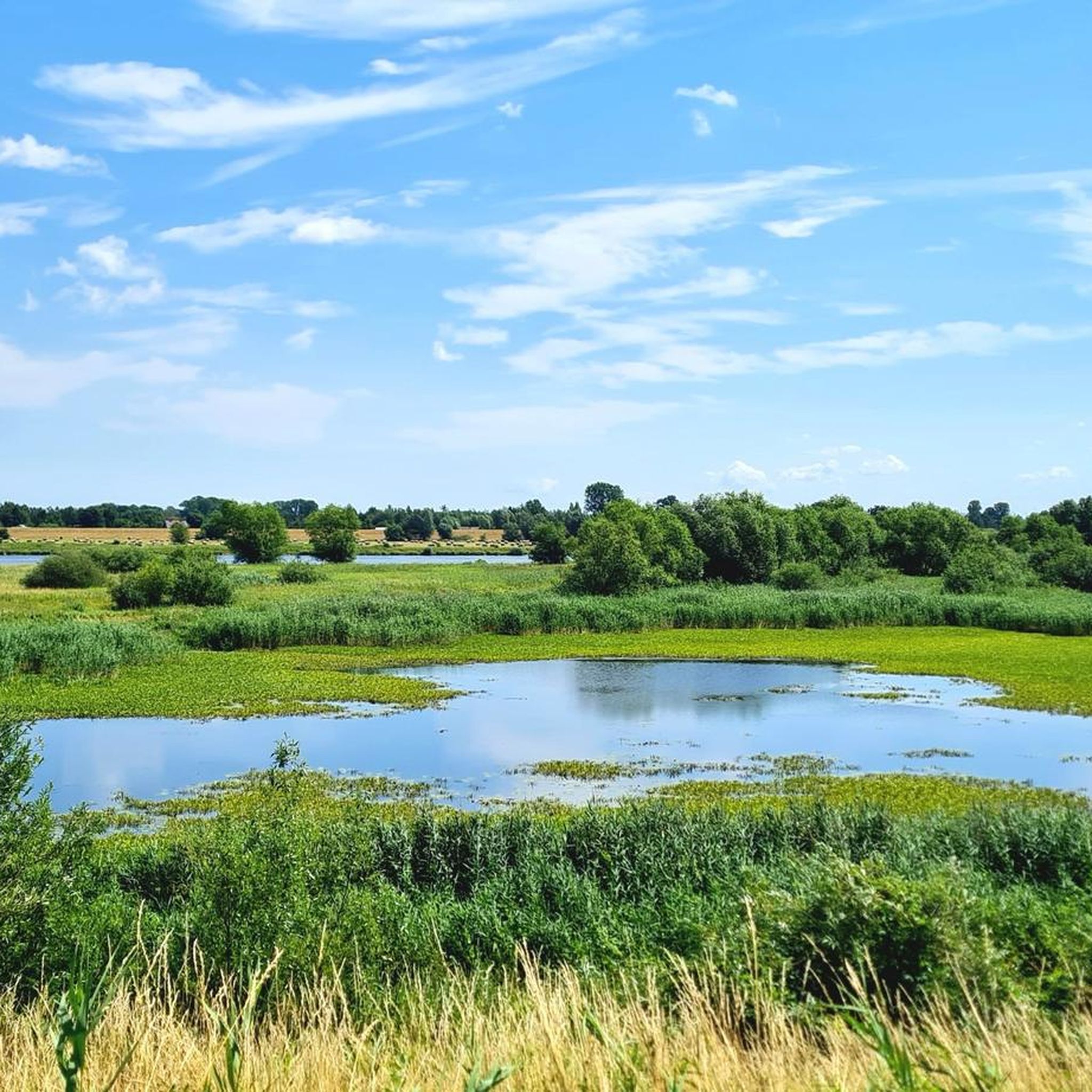
Attractions and places to see around gmina Cedry Wielkie are situated within the Żuławy Gdańskie region, characterized by its flat terrain, extensive network of canals, and willow alleys. This area, once a sea bay, is known for its unique polder landscape. The gmina is located approximately 15 kilometers east of Pruszcz Gdański and 20 kilometers southeast of Gdańsk. Visitors can explore historical architecture and cultural sites that reflect the region's heritage.
Best attractions and places to see around gmina Cedry…
Last updated: May 20, 2026
Neptune Fountain (Fontanna Neptuna), Gdańsk
Highlight • Monument
Translated by Google •
Tip by

Green Gate (Zielona Brama)
Highlight • Monument
Translated by Google •
Tip by

Sign up now to discover places like this
Get recommendations on the best single tracks, peaks, & plenty of other exciting outdoor places.
Sign up for free
Gdańsk Crane (Żuraw)
Highlight • Monument
Translated by Google •
Tip by
Mariacka Street (Frauengasse — Women's Lane), Gdańsk
Highlight • Historical Site
Translated by Google •
Tip by
100th Anniversary of Polish Independence Bridge over the Dead Vistula
Highlight • Bridge
Translated by Google •
Tip by

Sign up for free to discover even more attractions around gmina Cedry Wielkie.
Sign up for free
Already have an account?
Start today with a free account
Your next adventure awaits.
Login or Signup

Tips from the Community

The street begins at St. Mary's Church and leads eastward to the Motlawa River, the medieval Mariacka Gate, and the adjacent House of the Natural History Society. Away from the through traffic of Long Street, the alleys around St. Mary's Church, and especially in Mariacka Street, often offered a quiet atmosphere reminiscent of the "tranquility of old Gdańsk days." With its narrow, richly decorated town houses and the "beischläge" (raised terraces located in front of the actual front door, often reached via ornate staircases), it is an example of Gdańsk's former street architecture. In 1945, Mariacka Street was completely destroyed and rebuilt in the 1950s and 1960s. One architectural critic has stated that today's Mariacka Street "contains the design quintessence of the entire city." Mariacka Street has served as the backdrop for several film productions. For example, in Buddenbrocks, where she portrayed "the beautiful world of Lübeck's patricians." "Yet, one has never seen additions of such grandeur and decorative opulence on the Trave." Several well-known personalities lived or worked in Frauengasse at various times: Frauengasse No. 2 During the Weimar Republic, the Protestant pastor and writer Artur Brausewetter (1864–1946) lived here. He was a deacon from 1893 and archdeacon from 1908 at St. Mary's Church in Gdansk, and wrote around 50 novels. House No. 2 in Frauengasse, a 17th-century building, served as the rectory of St. Mary's Church and, from the church's perspective, was the second house on the right side of the street. Frauengasse No. 3 From around 1934, the Karl Formell printing and publishing house was located here, run by Karl Formell, a trade union official and senator in Gdansk (Central City). The publishing house primarily published Catholic publications. Frauengasse No. 11 Between 1807 and 1814, this was the residence of Dagobert von Vegesack, a Prussian major who also served as resident and police chief in Danzig. Frauengasse No. 52 From 1909, the Protestant pastor Hermann Daniel lived here. Daniel, who was a deacon at St. Mary's Church in Danzig at the same time as Archdeacon Artur Brausewetter, who lived at Frauengasse No. 2. Source: Wikipedia
4
0

There used to be a metal structure on buoys instead of this bridge. Just thinking about it makes this bridge look like it's falling over the rock. It's nice that the bike path is on the opposite side of the road from the sidewalk.
0
0

Gdańsk has many attractions to offer visitors. One of such places is Bursztynowa Street.
5
0

The Green Gate divides the beautiful old town with the part of the city on the waterfront of the Motlawa.
7
0

One of the most famous streets/alleys in Gdansk.
4
0
This alley is very fascinating. The beautiful houses with the cellar shops that offer everything possible made of amber.
5
0

The city gate was built between 1564 and 1568 in the opulent Flemish Mannerist style and is the successor to the 14th-century Coggentor (Cogg Gate). The plans were drawn up by Hans Kramer, and construction was overseen by the renowned architect Regnier of Amsterdam. Four equally high and wide passageways were incorporated into the front of the building. The structure contains several rooms, and its layout gives it the appearance of a castle. It was named the "Green Gate" because its facade was painted green. Originally intended as a city residence for Polish kings, only Luisa Maria Gonzaga stayed at the Green Gate before her marriage to King Władysław IV Vasa. After being destroyed in World War II, the gate was rebuilt. In 2002, it suffered a partial collapse, which was quickly repaired. Source: https://de.wikipedia.org/wiki/Gr%C3%BCnes_Tor_(Danzig)
9
1
Buildings and facades are beautiful to look at. Definitely include this road in your tour.
5
0
Frequently Asked Questions
What defines the unique landscape of Gmina Cedry Wielkie?
Gmina Cedry Wielkie is situated within the Żuławy Gdańskie region, characterized by its distinctive flat terrain, extensive network of canals, and long willow alleys. This unique polder landscape was formed over thousands of years from river sediments and was once a sea bay.
What historical architectural sites can I explore in Gmina Cedry Wielkie?
The region is known for its unique historical arcaded houses (Domy Podcieniowe), with notable examples found in Trutnowy and Koszwały. You can also visit several historical churches, including the Church of St. Michael the Archangel in Miłocin and the Church of St. Brother Albert in Cedry Wielkie.
Are there any cultural centers or points of interest in the area?
Yes, the Żuławy Cultural and Sports Center (Żuławski Ośrodek Kultury i Sportu) in Cedry Wielkie offers various educational activities and workshops. The Gminna Public Library is also located within this center. Additionally, the Lapidarium in Koszwały provides insight into the region's past through its collection of stone artifacts.
What are some of the most popular attractions near Gmina Cedry Wielkie?
Visitors frequently enjoy exploring historical sites and monuments. Highly rated attractions include the Green Gate (Zielona Brama), which marks the royal route to Motlawa, and the iconic Neptune Fountain (Fontanna Neptuna) in Gdańsk. Another favorite is Mariacka Street (Frauengasse — Women's Lane) in Gdańsk, known for its unique architecture and amber shops.
Are there family-friendly attractions around Gmina Cedry Wielkie?
Many of the historical sites and monuments in the broader region are considered family-friendly, such as the Green Gate and Neptune Fountain. The Gdańsk Crane (Żuraw), a medieval port crane, also offers an interesting historical experience for all ages.
What outdoor activities can I do near these attractions?
The flat terrain of Żuławy Gdańskie is ideal for cycling and hiking. You can find various routes for gravel biking and mountain biking, as well as hiking trails. For detailed routes and guides, explore options like Gravel biking around gmina Cedry Wielkie, MTB Trails around gmina Cedry Wielkie, and Hiking around gmina Cedry Wielkie.
Are there hiking trails suitable for different difficulty levels?
Yes, the area offers hiking trails ranging from easy to difficult. For example, the Mewia Łacha Nature Reserve near Świbno has an easy 6.6 km loop, while other routes in the reserve can be moderate or difficult, extending up to 22 km. You can find more details in the Hiking around gmina Cedry Wielkie guide.
What do visitors enjoy most about the attractions near Gmina Cedry Wielkie?
Visitors frequently praise the historical charm and unique architecture, especially in Gdańsk's old town. Many highlight the beauty of places like Mariacka Street and the impressive views from landmarks such as the 100th Anniversary of Polish Independence Bridge over the Dead Vistula. The blend of historic sites and the distinctive natural landscape of Żuławy Gdańskie is also highly appreciated.
What is the best time to visit Gmina Cedry Wielkie for outdoor activities?
The region's outdoor activities, particularly cycling and hiking, are best enjoyed during the warmer months, typically from spring through early autumn, when the weather is mild and the landscape is lush. This allows for comfortable exploration of the flat terrain and waterways.
Can I find any unique natural viewpoints or features in the area?
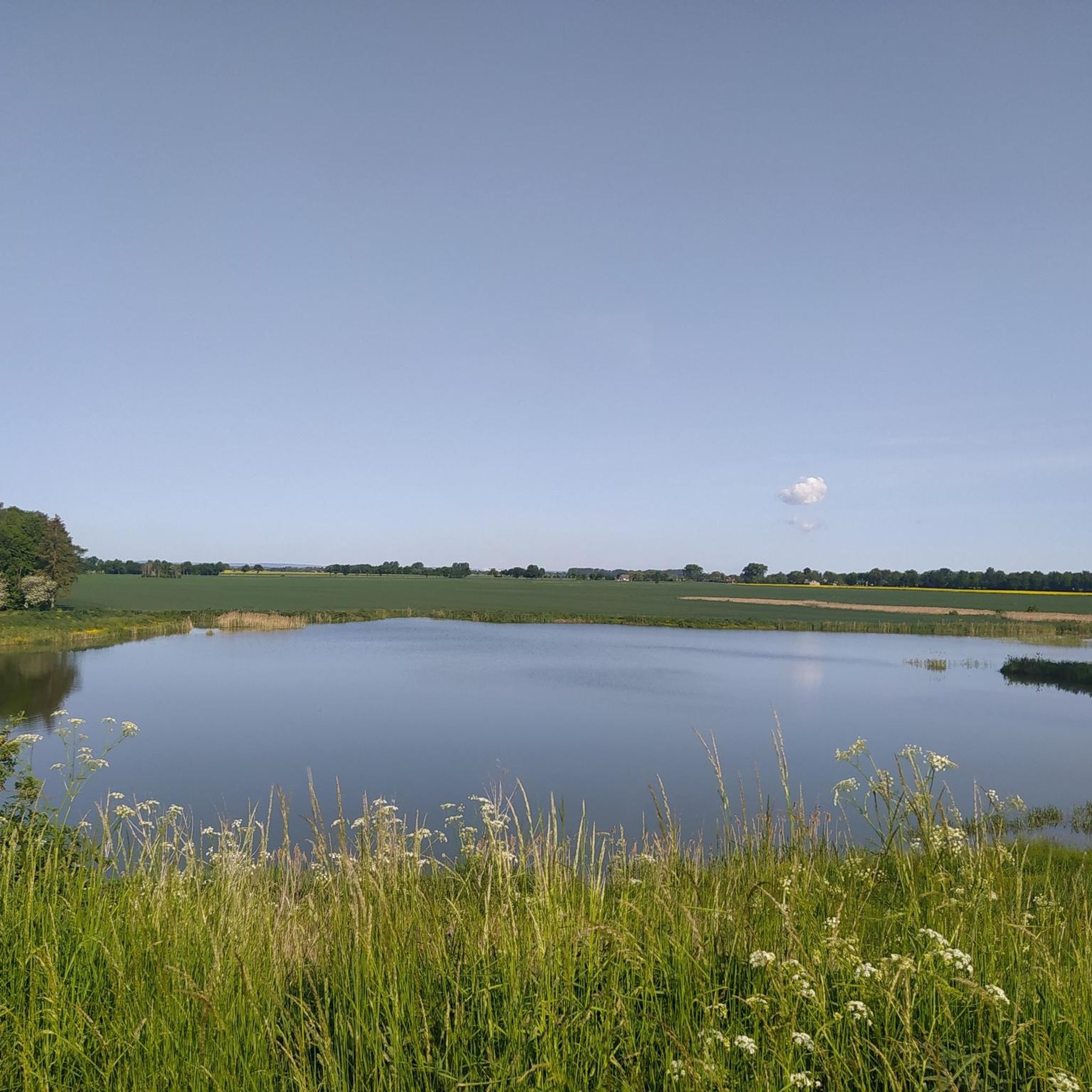
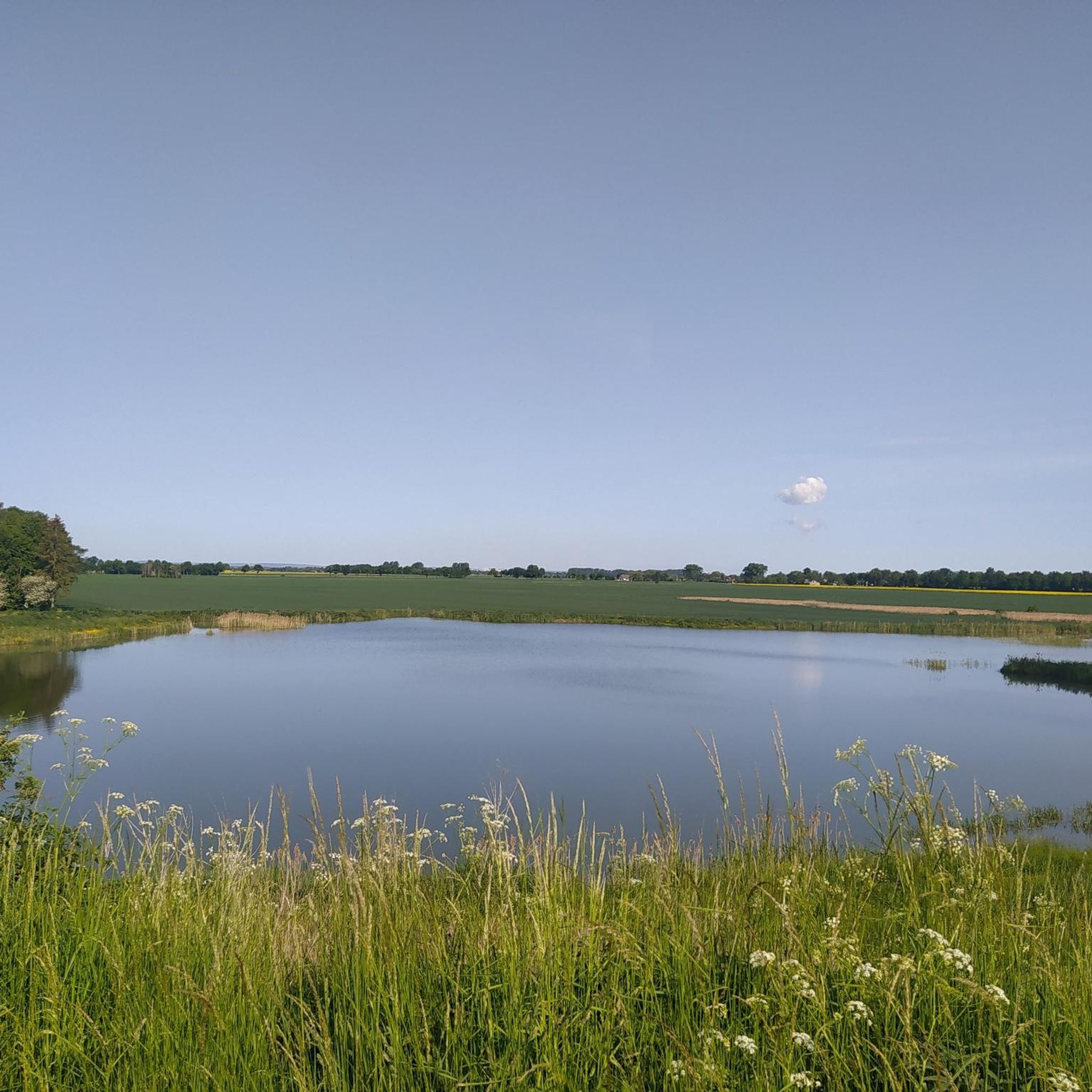
Beyond the general Żuławy landscape with its canals and willows, the area offers views of the Dead Vistula, especially from the 100th Anniversary of Polish Independence Bridge. The flat terrain itself provides expansive vistas, characteristic of a polder region.
Is Cedry Wielkie village itself a point of interest?
Yes, Cedry Wielkie is a historic street-and-square village established in 1353, though it existed even earlier. It was originally organized around two parallel streets with a broad square that featured a parish church, residential buildings, and fire-fighting ponds, many of which are still present today, offering a glimpse into its historical layout.
Most popular routes around gmina Cedry Wielkie
Most popular attractions around gmina Cedry Wielkie

Get inspired with the komoot mobile app


Explore more
Still not found the Highlight you’re looking for? See guides of the top attractions in other regions:
