Attractions and Places To See around gmina Tczew - Top 20
Best attractions and places to see around gmina Tczew include a variety of historical landmarks, cultural sites, and natural features situated on the Vistula River in northern Poland. The region, part of the ethnocultural area of Kociewie, offers a mix of medieval urban layouts, historic bridges, and significant religious buildings. Gmina Tczew is characterized by its riverine landscape, post-glacial lakes, and extensive forest complexes. These diverse offerings provide opportunities to explore both historical heritage and natural environments.
Best attractions and…
Last updated: May 20, 2026
Starogard Gdański Market Square
Highlight • Historical Site
Translated by Google •
Tip by

Church of the Finding of the Holy Cross
Highlight • Religious Site
Translated by Google •
Tip by

Sign up now to discover places like this
Get recommendations on the best single tracks, peaks, & plenty of other exciting outdoor places.
Sign up for free
Żelisławki–Sobowidz Rail Trail
Highlight (Segment) • Cycleway
Translated by Google •
Tip by

Betonowy Las Memorial in Szpęgawski Forest
Highlight • Monument
Translated by Google •
Tip by
Joannite Castle in Skarszewy
Highlight • Castle
More information: pl.wikipedia.org/wiki/Zamek_joannit%C3%B3w_w_Skarszewach and de.wikipedia.org/wiki/Skarszewy
Translated by Google •
Tip by
Sign up for free to discover even more attractions around gmina Tczew.
Sign up for free
Already have an account?
Start today with a free account
Your next adventure awaits.
Login or Signup

Tips from the Community

Small park near the church, here you can rest.
0
0

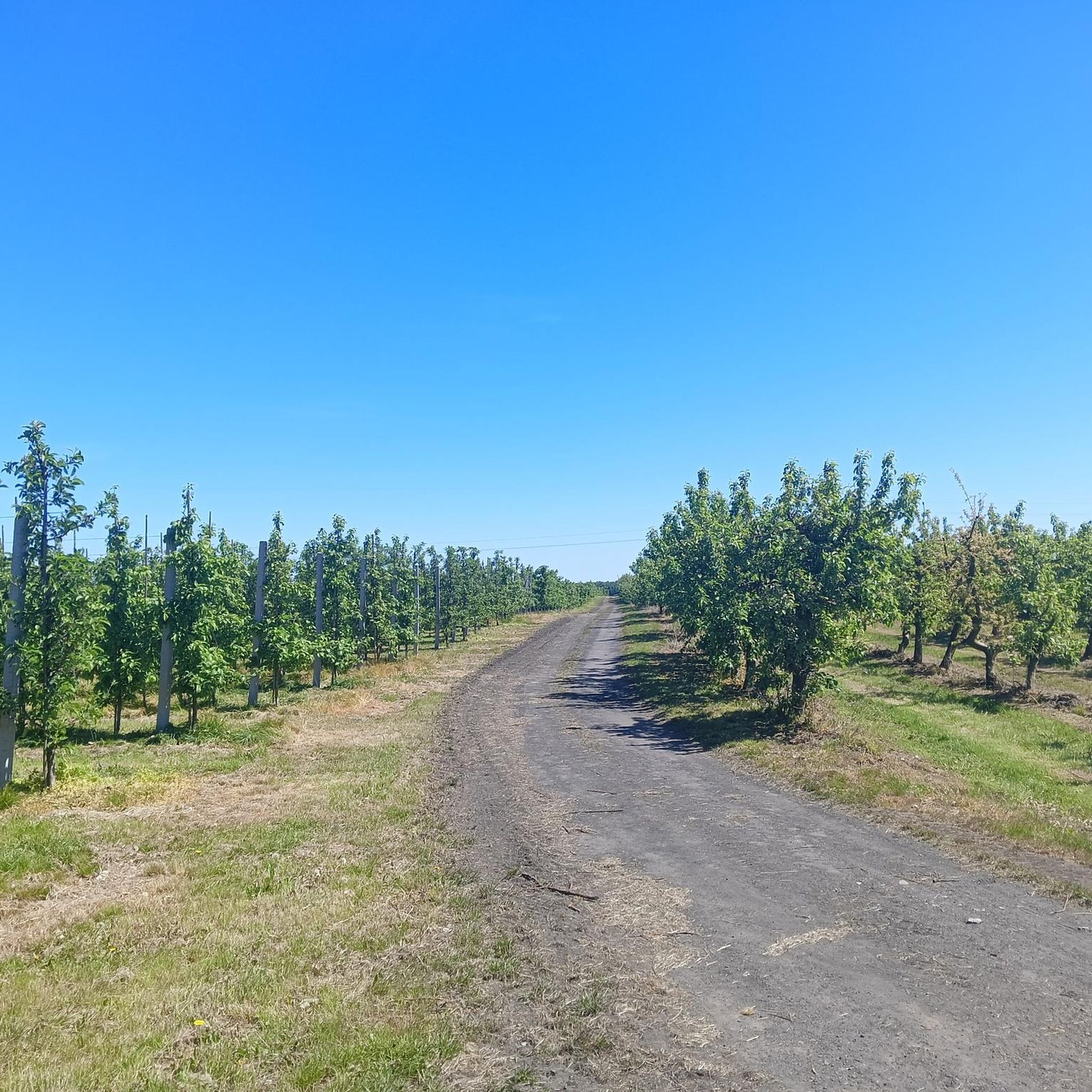
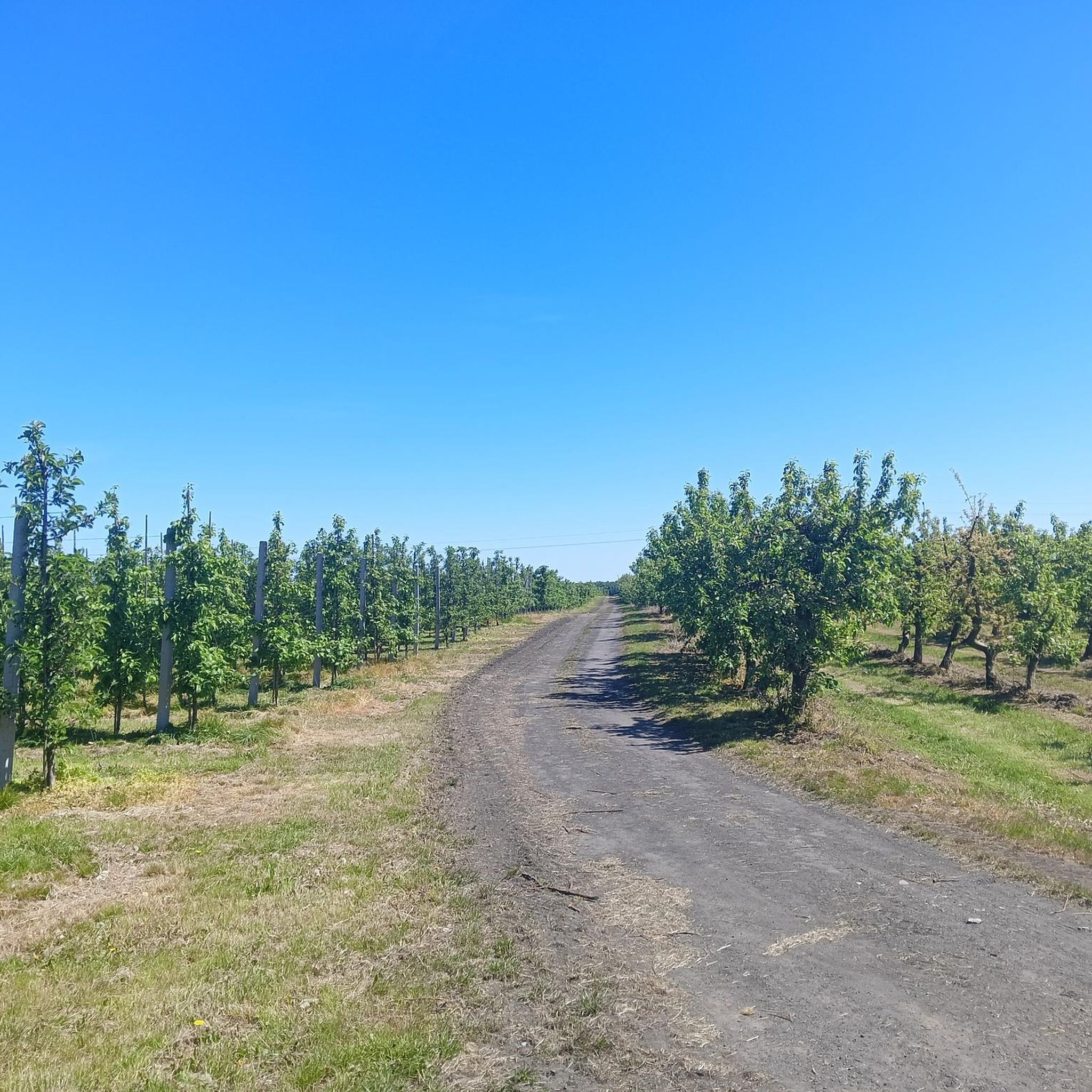
A very nice section of the bicycle path, running along the former railway track. Unfortunately, some time ago part of the path was washed away, which caused the trail to lower by several dozen centimeters over a distance of about 20 meters. This section is specially marked, but someone who does not pay attention to the signs and does not follow the signs prohibiting entry can get seriously hurt.
0
0

The church was built in the 14th century, thoroughly rebuilt in 1685-1686. A brick temple, with a single nave, with a wooden tower added in 1747, covered with slate and topped with a soaring dome, and a southern chapel from the 19th century. Above the entrance to the porch there is the coat of arms of Gdańsk on a shield surrounded by a wreath of leaves. The church has rich, baroque interior furnishings: an altar, a pulpit and an organ. What attracts attention is the unusual benches with kneelers and backrests, called choir stalls, in which wealthy settlers from the Netherlands, the so-called neighbors, sat during services. On the back of the benches there are paintings depicting the 12 apostles and Jesus. In each painting, above the head of the figure of the saint, there is a coat of arms painted in gold paint, i.e. the ownership mark of the farm, and above it the date and name of the founder. The same markings can be found on the decorative doorframes of thirteen women's benches on the opposite side of the nave, above which portraits of biblical women are painted. The church is surrounded by a brick wall, which is a remnant of the cemetery. (https://fotopolska.eu/Krzywe_Kolo/b54332,Kosciol_Znalezienia_Krzyza_Swietego.html)
0
0

The Knights Hospitaller Castle in Skarszewy - a Gothic, 14th-century castle located in Skarszewy, Pomeranian Voivodeship. The castle towers over a bend of the Wietcisa River. It was built in the years 1320-1334 by the Order of St. John, on the site of an older stronghold.
0
0
The oldest part of the city - on this side of the Wierzyca River, there used to be a farm and a village belonging to Piotr Święca. Shortly after he sold the local lands to the Teutonic Knights, in 1305, under the direction of Theodotus from Florence, they began to mark out the area for the development of a new settlement. In this way, a spatial layout was created with a regular network of streets radiating from the centrally located square market square, which is larger than the Old Town Square in Warsaw.
0
0

A great idea to use an old railway route for a bicycle path.
0
0
The market square in Starogard Gdański is the oldest part of the city. In the Middle Ages, on the left bank of the Wierzyca River, there was a farm and a village that belonged to Piotr Święca. After selling them to the Teutonic Knights, around 1305, they began to mark out the area for the development of a fortified settlement. At that time, the construction works were supervised by Theodotus from Florence, to whom Starogard owes its spatial shape with a regular network of streets radiating from the centrally located market square, whose square of 107 m × 107 m is larger than the Old Town Square in Warsaw. Without a doubt, the Teutonic Order contributed to the economic development of the town.
0
0
The cemetery in the Szpęgawski Forest is a place where Germans committed war crimes at the beginning of World War II. It is estimated that as part of the German extermination of the population in Pomerania, in the Szpęgawski Forest alone, 4,000 to 7,000 people died. people
2
0
Frequently Asked Questions
What historical landmarks can I explore in Gmina Tczew?
Gmina Tczew is rich in history. You can visit the iconic Tczew Bridges over the Vistula River, an engineering marvel from the 19th century with significant historical importance. The Old Town of Tczew retains its medieval urban layout, with narrow streets and 19th and 20th-century Art Nouveau tenements. Fragments of 14th-century defensive walls can still be seen along various streets. Another notable historical site is the Starogard Gdański Market Square, which is older and larger than Warsaw's Old Town Square, and the Joannite Castle in Skarszewy, a Gothic castle with a rich past involving the Knights Hospitaller and Teutonic Knights.
Are there any significant cultural or religious sites to visit in Gmina Tczew?
Yes, Gmina Tczew offers several cultural and religious sites. The Vistula River Museum in Tczew is dedicated to the history of the Vistula River, showcasing archaeological findings and boatbuilding techniques. Adjacent to it is the Shipwreck Conservation Centre. The Regional Exhibition Centre of the Lower Vistula (Factory of Arts) promotes the heritage of the Kociewie region. For religious sites, you can visit the 13th-century Parish Church of the Exaltation of the Holy Cross and the 14th-century Post-Dominican Church of Saint Stanislaus Kostka in Tczew. Outside the city, the Church of the Finding of the Holy Cross in Krzywe Koło, dating back to the 14th century, features rich Baroque interiors and unique choir stalls.
What natural attractions are there in Gmina Tczew?
Gmina Tczew boasts diverse natural landscapes. The Vistula River Boulevard offers scenic views of the Tczew bridges and is perfect for strolls. The Municipal Park in Tczew provides a green oasis with an amphitheater. The gmina is also rich in forest complexes like Las Szpęgawski and Lasy Lubiszewskie, dominated by oak-pine and beech-pine woods, home to various wildlife. Additionally, you can find post-glacial lakes, such as Jamertal Lake, known for its picturesque setting and a past connection to a fictional castle from a film.
What cycling opportunities are available in Gmina Tczew?
Gmina Tczew offers excellent cycling routes. A highlight is the Żelisławki–Sobowidz Rail Trail, a flat, asphalt path over 7 km long built on a former railway line, running through forests. For more options, you can explore various routes listed in the cycling guides for the area. For example, there are easy routes like the 'Dutch windmill in Tczew – Scenic Dike Bike Path loop' and moderate routes such as the 'Tczew Bridge – Tczew Market Square loop'. You can find more details and routes in the Cycling around gmina Tczew guide.
Are there hiking trails suitable for different skill levels in Gmina Tczew?
Yes, Gmina Tczew provides hiking trails for various preferences. Many trails are considered easy, perfect for a leisurely walk. Examples include the 'Wooden Shelter loop from Ciecholewy' or the 'Szpęgawskie Lake loop from Szpęgawsk'. These routes often take you through the region's forest complexes and near its lakes, offering a chance to enjoy nature. For a comprehensive list of easy hikes, refer to the Easy hikes around gmina Tczew guide.
Are there family-friendly attractions in Gmina Tczew?
Absolutely! Many attractions in Gmina Tczew are suitable for families. The Vistula River Boulevard features playgrounds for children, making it a pleasant spot for family outings. The Municipal Park in Tczew also offers space for recreation. Natural sites like Jamertal Lake and the forest complexes provide opportunities for outdoor family adventures. Additionally, the Osiedle Witosa - Jeziorko na Górkach area has a small square with a pond, gazebo, and playground, ideal for walks with children.
When is the best time of year to visit Gmina Tczew?
The best time to visit Gmina Tczew largely depends on your preferred activities. Spring and summer (May to September) offer pleasant weather for outdoor activities like cycling, hiking, and exploring the natural landscapes and historical sites. The Municipal Park often hosts concerts and cultural events during the summer. Autumn brings beautiful foliage to the forest complexes, while winter can offer a different, quieter charm, though some outdoor activities might be limited by weather conditions.
What unique or lesser-known attractions can I discover in Gmina Tczew?
Beyond the main highlights, Gmina Tczew holds some unique spots. The 19th-century Dutch-style windmill, notable for its rare five sails, offers a distinctive sight. The 40-meter-high Water Tower, built in 1905, is an interesting example of early 20th-century municipal architecture. The ethnocultural Kociewie region, where Tczew is the largest town, offers a rich cultural heritage to explore, often through cycling routes. You might also find historical palaces like the Palace in Łukocin or manorial parks such as Park Poddworski in Swarożyn.
Are there any wheelchair-accessible attractions in Gmina Tczew?
While specific accessibility details for all attractions are not always available, the Starogard Gdański Market Square is listed as wheelchair-accessible, suggesting its central areas are navigable. For other sites, it's advisable to check specific conditions or contact local tourist information for the most up-to-date accessibility information, especially for historical buildings or natural trails.
Can I find dog-friendly places or trails in Gmina Tczew?
Many of Gmina Tczew's natural areas, such as the extensive forest complexes and the Vistula River Boulevard, are generally suitable for walks with dogs, provided they are kept on a leash and owners clean up after them. The various hiking and cycling routes, particularly those through forests and along lakes, can be excellent options for dog owners looking to enjoy the outdoors. Always ensure to follow local regulations regarding pets in public spaces.
What is the history behind the Tczew Bridges?
The Tczew Bridges are iconic landmarks with a fascinating history. The road bridge, constructed between 1851 and 1857, was once one of the world's longest bridges, spanning 837 meters, and is recognized as a Historic Civil Engineering Landmark. Originally adorned with ten turrets and two elaborate entrance gates, four turrets still stand today. A parallel railway bridge was added between 1888 and 1890. These bridges also hold historical significance as the site where World War II is considered by some to have begun, as Polish sappers blew them up on September 1, 1939, to impede German advances.
What do visitors enjoy most about Gmina Tczew?
Visitors to Gmina Tczew often appreciate the blend of historical significance and natural beauty. The historic Tczew Bridges are a major draw, offering stunning views over the Vistula. The peaceful atmosphere of places like Jamertal Lake and the surrounding forests provides a welcome break from urban life. The well-maintained Żelisławki–Sobowidz Rail Trail is highly praised by cyclists for its comfortable ride through scenic forests. The rich cultural heritage, including the Vistula River Museum and the charming Old Town, also leaves a lasting impression.
Most popular routes around gmina Tczew
Most popular attractions around gmina Tczew

Get inspired with the komoot mobile app


Explore more
Still not found the Highlight you’re looking for? See guides of the top attractions in other regions:
