Attractions and Places To See around Szydłowo - Top 20
Best attractions and places to see around Szydłowo include a range of historical, cultural, and natural sites. The region, particularly Gmina Szydłowo, is characterized by its historical depth and numerous monuments. Visitors can explore significant religious sanctuaries, unique timber-frame churches, and historical railway infrastructure. The area also offers opportunities for outdoor activities like cycling and discovering hidden gems.
Best attractions and places to see around Szydłowo
- The most popular attractions is Zamkowe Lake in Wałcz, a lake that serves…
Last updated: May 20, 2026
Ruins of the Wałcz–Złotów Railway Bridge over the Gwda River
Highlight • Bridge
Translated by Google •
Tip by

Wałcz Market Square
Highlight • Settlement
Translated by Google •
Tip by

Sign up now to discover places like this
Get recommendations on the best single tracks, peaks, & plenty of other exciting outdoor places.
Sign up for free
Zamkowe Lake in Wałcz
Highlight • Lake
Translated by Google •
Tip by

Piła Główna railway station
Highlight • Rest Area
Translated by Google •
Tip by

Pila railroad station
Highlight • Monument
Translated by Google •
Tip by

Sign up for free to discover even more attractions around Szydłowo.
Sign up for free
Already have an account?
Start today with a free account
Your next adventure awaits.
Login or Signup
Tips from the Community

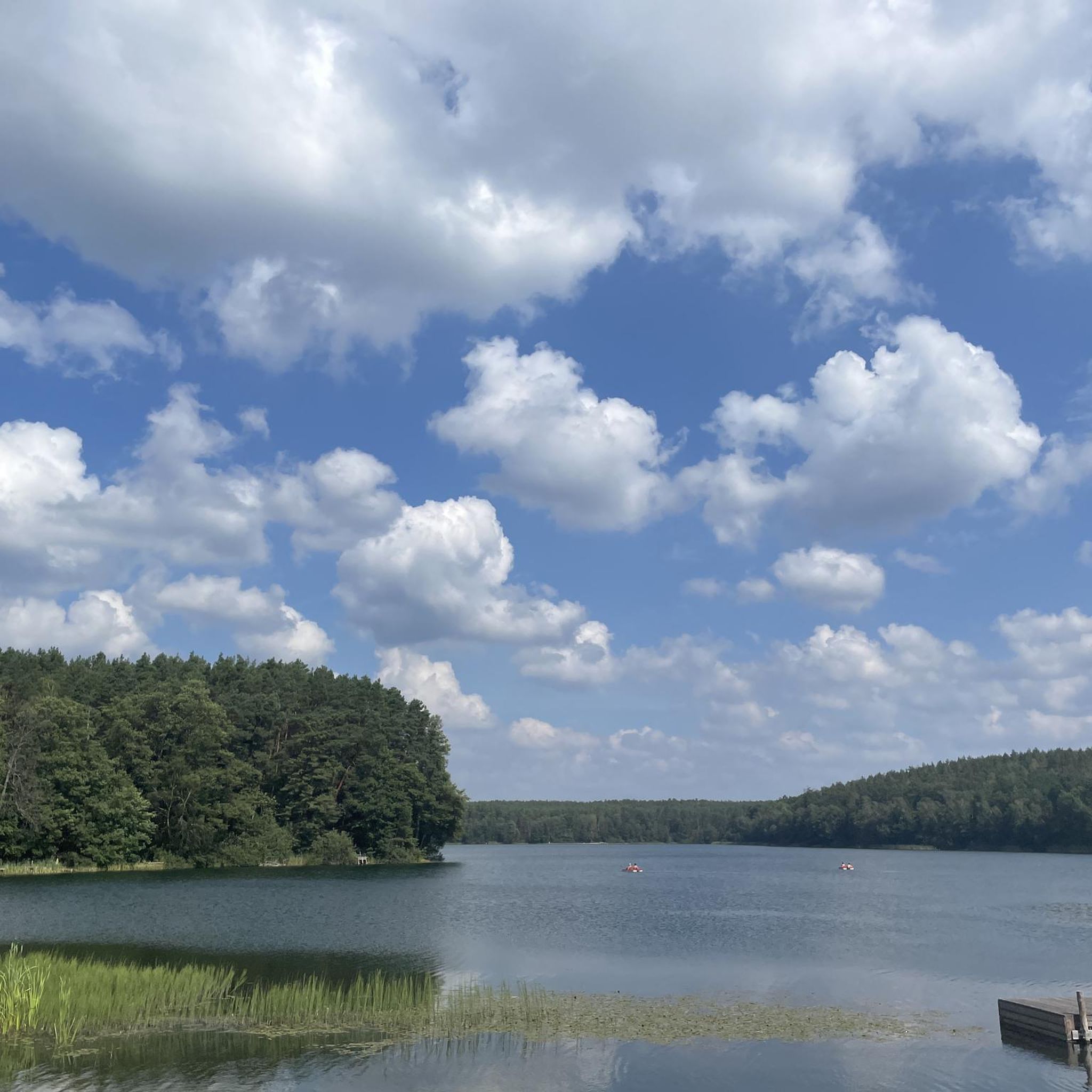
Lake Zamkowe in Wałcz is an attractive reservoir with an area of 133 ha and a depth of up to 41 m. The proximity of the city makes it a popular place for recreation and water sports - there is a marina here, and the use of motorboats is allowed. Anglers will find many interesting sites here, and the lake is regularly stocked. It is worth combining a visit to the water with a visit to the nearby church of St. Anthony. Cyclists will appreciate the easy access and interesting views, especially on the northern side of the lake.
3
0


The bridge was built in 1914. It was blown up by retreating German troops in 1945.
0
0

The two-span bridge over the Gwda was built in 1914 during the construction of the Płytnica - Złotów railway line. In February 1945, retreating German troops blew up the western bridgehead. The bridge was not completely destroyed. The eastern span remained intact, while the western one slid down onto the embankment. It survived in this condition until 2004. Despite the damage, the bridge still allowed people to cross (on foot) to the other side of the river. Unfortunately, scrap metal thieves took up the damaged span, which caused it to collapse and, as a result, to be demolished. To this day, only the eastern span remains, with the sleepers cut up so that no one would think of climbing the bridge.
1
1
The railway station in Piła, one of the largest in the Wielkopolska province. It is a junction station; five railway lines cross here. The first railway connection from Krzyż Wielkopolski and Berlin, extended towards Bydgoszcz, was received by Piła in 1851. Two years later, construction of the railway station began, which was put into service in 1876 and later rebuilt many times. Subsequent connections were opened: in 1871 to Złotów, in 1879 to Poznań and Szczecinek, and in 1881 to Wałcz.
3
0

Remains of a steel, two-span bridge of the former Wałcz–Złotów railway line. Blown up in 1945 by retreating German troops. The western part of the bridge collapsed in 2004 and was demolished, while the rest hangs 25 m above the river level and is the best view of the structure.
2
0

Piła Główna – passenger and freight train station in Piła, one of the largest in the Greater Poland Voivodeship. It is a junction station; Five railway lines cross here (18, 203, 354, 374, 405). In addition, connecting track No. 999 provides additional access to the station from the north and a connection with line 403 towards Wałcz.
2
0

The present Plac Wolności was the center of the city in the early centuries of Wałcz's existence. The layout of the streets of the Old Town is similar to the plans of Lübeck and Freiburg. Legend has it that this project was prepared for Wałcz, but it was stolen, and therefore both cities were built earlier than Wałcz, which was built only after the plan was recovered. The streets of the Old Town, which still exist today, started from the market square. In the middle of the market square there used to be a wooden, two-story town hall built around 1683, and in the north-eastern part of the market there was a fire station. The proximity of the fire station, however, did not save the town hall - it burned down in 1841. The new seat of the authorities was built on the edge of the market square in 1890, the building now serves as the City Hall. For centuries, the town square was one of the most important places in the city, it was the official, religious and commercial center, markets and fairs were held here, and shops and stalls were built around it. From time to time, the market lost its commercial function, because the place of the fair was moved to other regions, but these traditions returned. Even after the war, there was a city market here, only in the 1960s the market finally became a city square. Trees, shrubs, lawns and flower beds were planted, and benches were erected. In the years 2003 - 2004, the square was revitalized, now its appearance refers to the beginning of the 20th century. The surface was paved with cubes, a fountain appeared again, which, according to initial plans, was supposed to resemble its pre-war predecessor, but in the end it was decided that it would have the shape of a cup. A pump was placed near the fountain, masts with flags near the town hall and a stone mosaic depicting the city's coat of arms right next to them. There are also benches where you can rest while listening to the sound of the fountain. On the outskirts of the square there is a parking place for passenger cars. In the south-western frontage of the market square, pre-war tenement houses have been preserved, their ground floors serve commercial and service functions.
0
2
Frequently Asked Questions
What historical and cultural sites can I visit around Szydłowo?
The region offers a rich history with several notable sites. You can explore the significant Wałcz Market Square, which has been the city's center for centuries. Other historical highlights include the Ruins of the Wałcz–Złotów Railway Bridge over the Gwda River and the Piła Główna railway station, a major historical junction.
Are there any significant religious sites in the area?
Yes, the Sanctuary of Our Lady of Sorrows in Skrzatusz, also known as the "Jasna Góra of the North," is a prominent pilgrimage site. It houses precious papal souvenirs and a valuable Pietà. Additionally, the 17th-century Wooden Church in Zawada is a unique timber-frame construction with a late-Renaissance main altar.
Where can I see unique historical architecture?
For unique historical architecture, visit the 17th-century Wooden Church in Zawada, which is a rare example of timber-frame construction in the Wielkopolska region. Another interesting site is the Eclectic Palace in Stara Łubianka, surrounded by a manor park, which has been restored and now functions as a hotel and event venue.
What historical railway infrastructure can be explored?
You can visit the Ruins of the Wałcz–Złotów Railway Bridge over the Gwda River, which are the remains of a steel, two-span railway bridge blown up in 1945. The eastern span still hangs 25 meters above the river. Also, the Piła Główna railway station is one of the largest and most historically significant railway junctions in the Greater Poland Voivodeship.
What natural attractions are there for recreation?
The most popular natural attraction is Zamkowe Lake in Wałcz. This attractive reservoir, with an area of 133 ha and a depth of up to 41 m, is a popular spot for recreation, water sports, and fishing. Its proximity to the city makes it easily accessible for visitors.
Are there opportunities for hiking near Szydłowo?
Yes, there are several hiking opportunities. You can find easy hikes around Szydłowo, including routes like the Jezioro Płocie – Plaża Płotki loop or the Rezerwat Kuźnik loop. For more details and route options, refer to the Easy hikes around Szydłowo guide.
Can I go cycling around Szydłowo?
Absolutely! The area around Szydłowo is great for cycling. There are various routes available, such as the Marksmen's House – Szydłowo Church loop or the Hydroelectric Power Plant on the Gwda loop. For detailed cycling routes, check out the Cycling around Szydłowo guide. If you prefer off-road, there are also gravel biking options.
Are there any easy walking trails suitable for everyone?
Yes, the region offers easy walking trails. For example, the Park on the Island, Piła loop from Pila, and various loops around Jezioro Rudnickie are considered easy. These trails are generally suitable for a relaxed stroll. You can find more options in the Easy hikes around Szydłowo guide.
Are there family-friendly attractions in the Szydłowo area?
Yes, Zamkowe Lake in Wałcz is considered family-friendly, offering recreation and water sports. Its accessible nature and various activities make it a good choice for families.
Are there any attractions accessible for visitors with mobility needs?
Some attractions, such as the Wałcz Market Square and the Piła Główna railway station, are noted as wheelchair accessible. It's always advisable to check specific site details for the most up-to-date accessibility information.
What are some unique or less-known places to discover around Szydłowo?
Beyond the main attractions, you might find the Ruined Tomb Chapel of the Żychliński Family in Klęśnik to be a unique historical and architectural site, despite its ruined state. The Gmina Szydłowo itself is known for its potential to explore hidden gems, particularly through cycling routes.
What do visitors particularly enjoy about the attractions near Szydłowo?
Visitors appreciate the diverse experiences offered, from the historical significance of sites like the Ruins of the Wałcz–Złotów Railway Bridge to the recreational opportunities at Zamkowe Lake. The Pila railroad station is particularly enjoyed by rail enthusiasts for its historical and functional importance.
Is there parking available at the main attractions?
Yes, for example, the Wałcz Market Square has parking available on its outskirts for passenger cars. The Pila railroad station also offers parking facilities. For other specific attractions, it's recommended to check local signage or information upon arrival.
What is the best time of year to visit Szydłowo for outdoor activities?
While specific seasonal details are not provided, regions with lakes and cycling opportunities like Szydłowo are generally best enjoyed during the warmer months, from late spring through early autumn (May to September), when the weather is most favorable for hiking, cycling, and water sports.
Most popular routes around Szydłowo
Most popular attractions around Szydłowo

Get inspired with the komoot mobile app


Explore more
Still not found the Highlight you’re looking for? See guides of the top attractions in other regions:
