Attractions and Places To See around Açoreira - Top 18
Attractions and places to see around Açoreira include a blend of historical sites, natural beauty, and cultural points of interest within the Bragança district of Portugal. The village is situated near the Alto Douro Vinhateiro, a UNESCO World Heritage site known for its terraced vineyards. The region offers diverse landscapes, from river valleys to almond groves, providing a variety of exploration opportunities.
Best attractions and places to see around Açoreira
- The most popular attractions is Côa Museum, a historical…
Last updated: July 29, 2026
Côa Museum
Highlight • Historical Site
Translated by Google •
Tip by

Old Douro Railway Bridge
Highlight • Bridge
Translated by Google •
Tip by

Sign up now to discover places like this
Get recommendations on the best single tracks, peaks, & plenty of other exciting outdoor places.
Sign up for free
Ruins of the Pocinho Railway District 🇵🇹
Highlight • Historical Site
Translated by Google •
Tip by

Sabor Greenway: Carviçais–Torre de Moncorvo
Highlight (Segment) • Cycleway
Tip by

End of N222 in Almendra
Highlight (Segment) • Trail
Tip by

Sign up for free to discover even more attractions around Açoreira.
Sign up for free
Already have an account?
Start today with a free account
Your next adventure awaits.
Login or Signup
Popular around Açoreira
Tips from the Community

The Pocinho Road-Railway Bridge, also known as the Pocinho Bridge, is a road-rail infrastructure of the Linha do Sabor, which crosses the Douro River in the Municipality of Vila Nova de Foz Côa, in Portugal; it is closed to service, for both types of traffic. The construction of a bridge at this location, with two superimposed decks, was foreseen by the Plan of the Complementary Network North of Mondego, dated February 15, 1900.
0
0

Pocinho is a village in the municipality of Vila Nova de Foz Côa, located on the left bank of the Douro River. Its railway station is the current terminus of the Linha do Douro. The small town developed with the construction of the station in the 19th century, which served as a warehouse for goods such as minerals and agricultural products. The Pocinho Dam is located next to the village, which currently provides a road connection between the districts of Guarda and Bragança. Places to visit: Pocinho Railway Station Pocinho Dam Pocinho High Performance Rowing Centre
4
0

From a distance, the building resembles a large outcrop emerging from the ground, and its facade is composed of mineral pigments in concrete, mimicking the natural irregularities of the region's metamorphic rocks. The Côa Museum does not replace a visit to the rock art sites in the Côa Valley Archaeological Park, but it is a gateway that allows visitors to discover the artistic richness of the Côa and Douro valleys. Furthermore, the museum houses the largest library in Portugal dedicated to rock art. 😊
12
0
The Côa Museum opened on July 30, 2010, and is located on one of the slopes where the Douro and Côa rivers meet. Designed by architects Camilo Rebelo and Tiago Pimentel, the museum is one of the largest in Portugal. Its design is inspired by the notion that "Paleolithic art in the Côa Valley is perhaps the earliest manifestation of 'Land art.'"
13
0

Coa Valley is the largest Paleolithic open-air museum in the world. The museum provides a nice insight with replicas and screens
7
0

This is an ecopista (old railway converted into a greenpath) on one of the most isolated regions of Portugal. The track is mostly gravel and ends in Torre de moncorvo, a nice city with all services (food, accomodation, etc).
1
0

The train ride to Pocinho is definitely worth it. The place and the bridge can safely be left out.
6
1

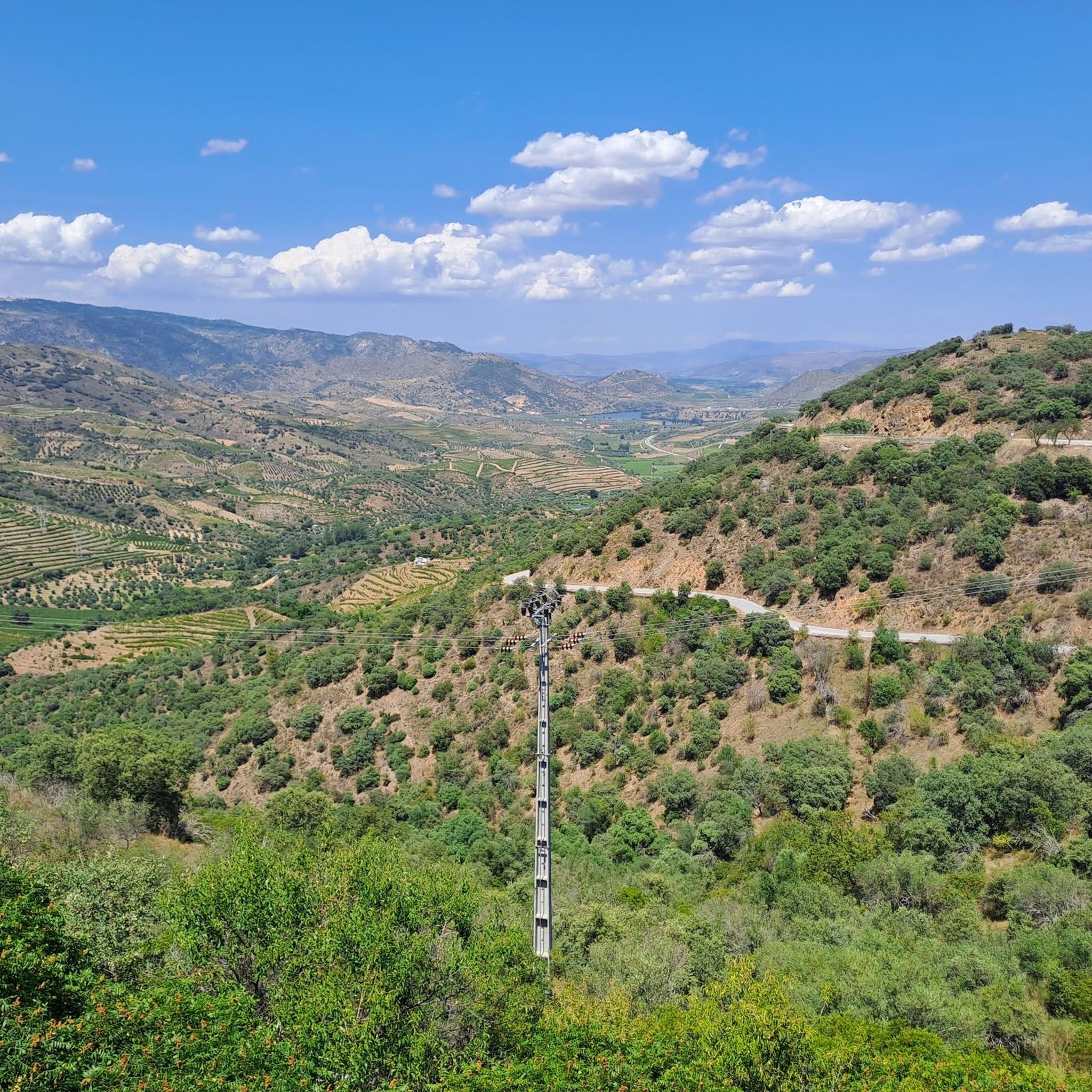
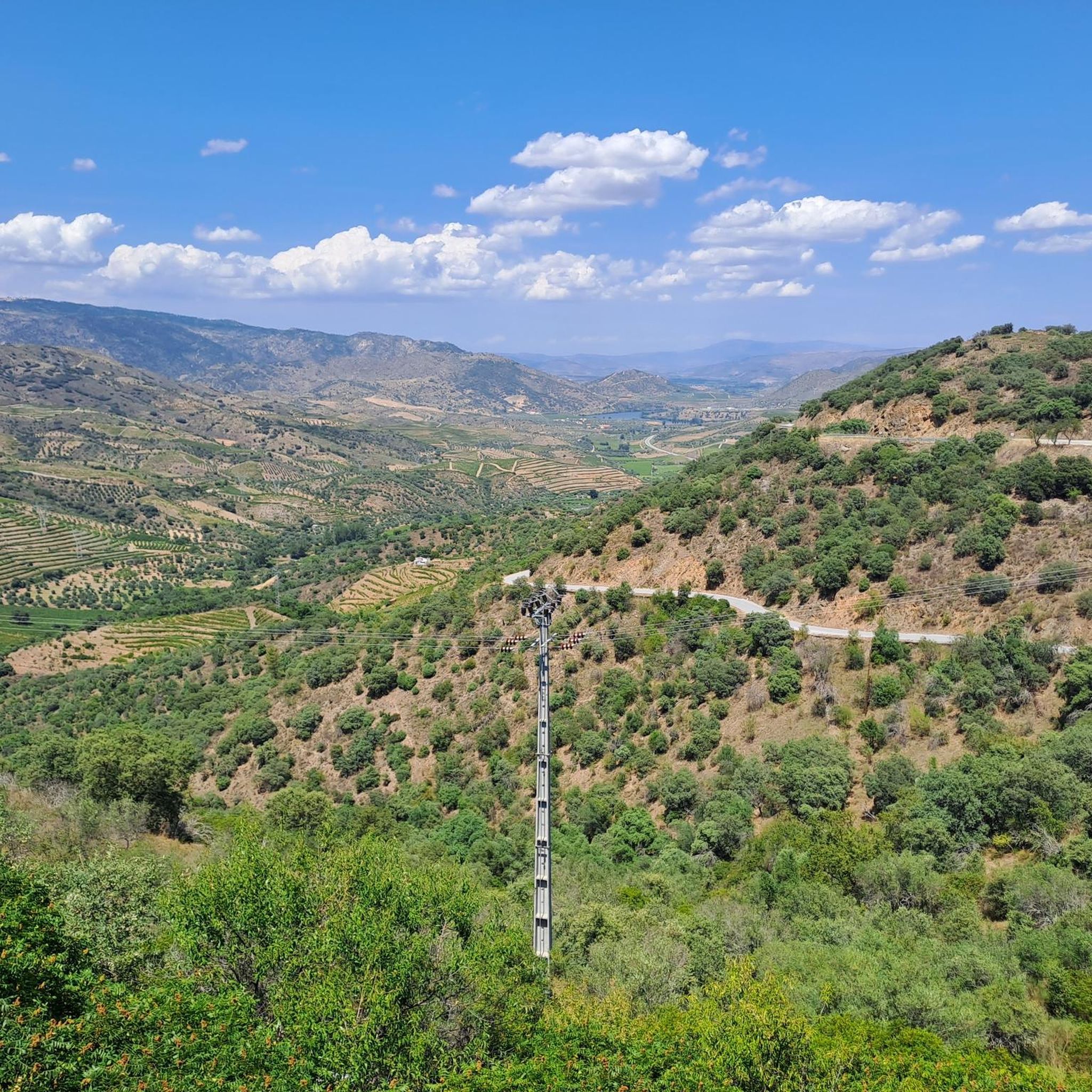
Final kilometers of N222 going along Rio Duoro. Monument at the start of N222 and Cafe in Almendra. Protected area to both sides of the road, fantastic views. Route also passes by museum with early human rock drawings.
0
0
Frequently Asked Questions
What historical sites can I visit around Açoreira?
The region around Açoreira is rich in history. A must-visit is the Côa Museum, located at the confluence of the Douro and Côa rivers, which showcases Paleolithic art. You can also explore the Ruins of the Pocinho Railway District 🇵🇹, an important 19th-century hub for goods, with the Pocinho Dam nearby. The broader Vale do Coa Archaeological Park is also renowned for its prehistoric rock art.
Where can I find the best panoramic views around Açoreira?
For breathtaking vistas, visit the São Gabriel Viewpoint in Castelo Melhor, offering panoramic views of the Côa Valley, the Douro River, and even Spanish territories. Directly in Açoreira, the Barca Velha Viewpoint provides stunning views of the vineyard landscapes along the Douro River and the mouth of the Sabor River.
What natural features are prominent in the Açoreira area?
Açoreira is nestled within a region of remarkable natural beauty. It is part of or in close proximity to the Alto Douro Vinhateiro, a UNESCO World Heritage site famous for its terraced vineyards. The area also features the beautiful Sabor Lakes (Lagos do Sabor) and extensive almond groves, which are a significant part of the local landscape and economy.
Are there any river beaches or swimming spots near Açoreira?
Yes, near Cabeca Boa, you can find a natural river beach in the Sabor River, offering a spot for relaxation and recreation. The Barca Velha Viewpoint also overlooks a nearby river beach.
What outdoor activities are available around Açoreira?
The region offers a variety of outdoor activities, particularly cycling. You can explore numerous routes for mountain biking, road cycling, and touring. For example, there are challenging MTB routes like the 'Albufeira do Feiticeiro – Praia Fluvial de Foz do Sabor loop' and scenic road cycling routes such as 'Rio Duero along the Ribera do Arroio'. You can find more details on these and other routes in the MTB Trails around Açoreira, Road Cycling Routes around Açoreira, and Cycling around Açoreira guides.
Are there cycling routes suitable for different skill levels near Açoreira?
Yes, the area provides cycling routes ranging from moderate to difficult. For road cycling, you can find moderate routes like 'Moncorvo, Miradouro de São Gregório e Lagos do Sabor' or more challenging ones such as 'Rio Duero along the Ribera do Arroio'. Mountain biking also offers a mix, including moderate loops from Vila Nova de Foz Coa and difficult options like the 'Albufeira do Feiticeiro – Praia Fluvial de Foz do Sabor loop'. Check the specific cycling guides for detailed difficulty ratings.
Are there family-friendly attractions or activities in Açoreira?
The Côa Museum is categorized as family-friendly, offering an engaging way to learn about Paleolithic art through replicas and screens. Exploring the natural river beach in the Sabor River also provides a pleasant family outing. The region's cycle ways, such as the Sabor Greenway, can be adapted for family rides depending on the chosen section and children's ages.
What is the best time of year to visit Açoreira for outdoor activities?
The region experiences warm summers, making spring and autumn ideal for outdoor activities like hiking and cycling. During these seasons, the weather is generally milder, and the landscapes, especially the almond groves, are particularly beautiful, either in bloom or with autumn colors. Summers can be very hot, so early mornings or late afternoons are recommended if visiting then.
Is there parking available at the main attractions in Açoreira?
While specific parking details for every attraction are not always listed, major sites like the Côa Museum typically offer visitor parking. For other viewpoints and historical ruins, roadside parking or designated small lots are often available nearby. It's advisable to check local signage upon arrival.
How can I reach the attractions around Açoreira by public transport?
Açoreira is a rural area, and public transport options might be limited. The Pocinho Railway Station, part of the Ruins of the Pocinho Railway District 🇵🇹, is the current terminus of the Linha do Douro, which can provide rail access to the general vicinity. However, reaching specific attractions from the station may require local taxis or personal transport. Planning ahead is recommended.
What do visitors particularly enjoy about the attractions around Açoreira?
Visitors appreciate the blend of historical significance and natural beauty. The Côa Museum is highly regarded for its insightful presentation of Paleolithic art and its impressive architecture. The scenic viewpoints, like São Gabriel Viewpoint, are loved for their expansive panoramic views. The opportunity to explore ancient ruins and traverse converted railway paths also adds to the appeal, with the community sharing many photos and upvotes for these experiences.
Are there any unique cultural highlights in the Açoreira region?
Beyond historical sites, Açoreira has a rich cultural heritage. It is the birthplace of composer Domingos Semedo (1892), known for his philharmonic marches and traditional Portuguese music. The region is also famous for the 'Amêndoa Coberta de Moncorvo', a Protected Designation of Origin (DOP) almond variety, highlighting its unique agricultural and culinary traditions.
Most popular routes around Açoreira

Get inspired with the komoot mobile app


Explore more
Still not found the Highlight you’re looking for? See guides of the top attractions in other regions:
