The best walks and hikes around Lousa
4.6
(14)
99
hikers
6
hikes
Hiking around Lousa offers a diverse landscape characterized by the Serra da Lousã mountain range, dense woodlands, and river valleys. The region features rugged terrain, rolling hills, and numerous water features like streams and waterfalls. Hikers can explore paths winding through forests of cork oaks, chestnut trees, and pines, often leading to traditional schist villages. This varied topography provides a range of experiences for outdoor enthusiasts.
Best hiking trails around Lousa
- The most popular hiking route is Côa Museum –…
Last updated: July 25, 2026
4.7
(6)
73
hikers
3.10km
01:08
200m
200m
Easy hike. Great for any fitness level. Easily-accessible paths. Suitable for all skill levels.
4.2
(5)
9
hikers
9.07km
02:42
270m
270m
Moderate hike. Good fitness required. Easily-accessible paths. Suitable for all skill levels.

Sign up for free
4.5
(2)
8
hikers
5.29km
01:32
140m
140m
Easy hike. Great for any fitness level. Easily-accessible paths. Suitable for all skill levels.
5.0
(1)
3
hikers
13.1km
04:06
520m
520m
Moderate hike. Good fitness required. Easily-accessible paths. Suitable for all skill levels.
6
hikers
14.5km
04:14
390m
390m
Moderate hike. Good fitness required. Easily-accessible paths. Suitable for all skill levels.
Our route recommendations are based on thousands of hikes, rides, and runs completed by other people on komoot.
Start today with a free account
Your next adventure awaits.
Login or Signup
Popular around Lousa
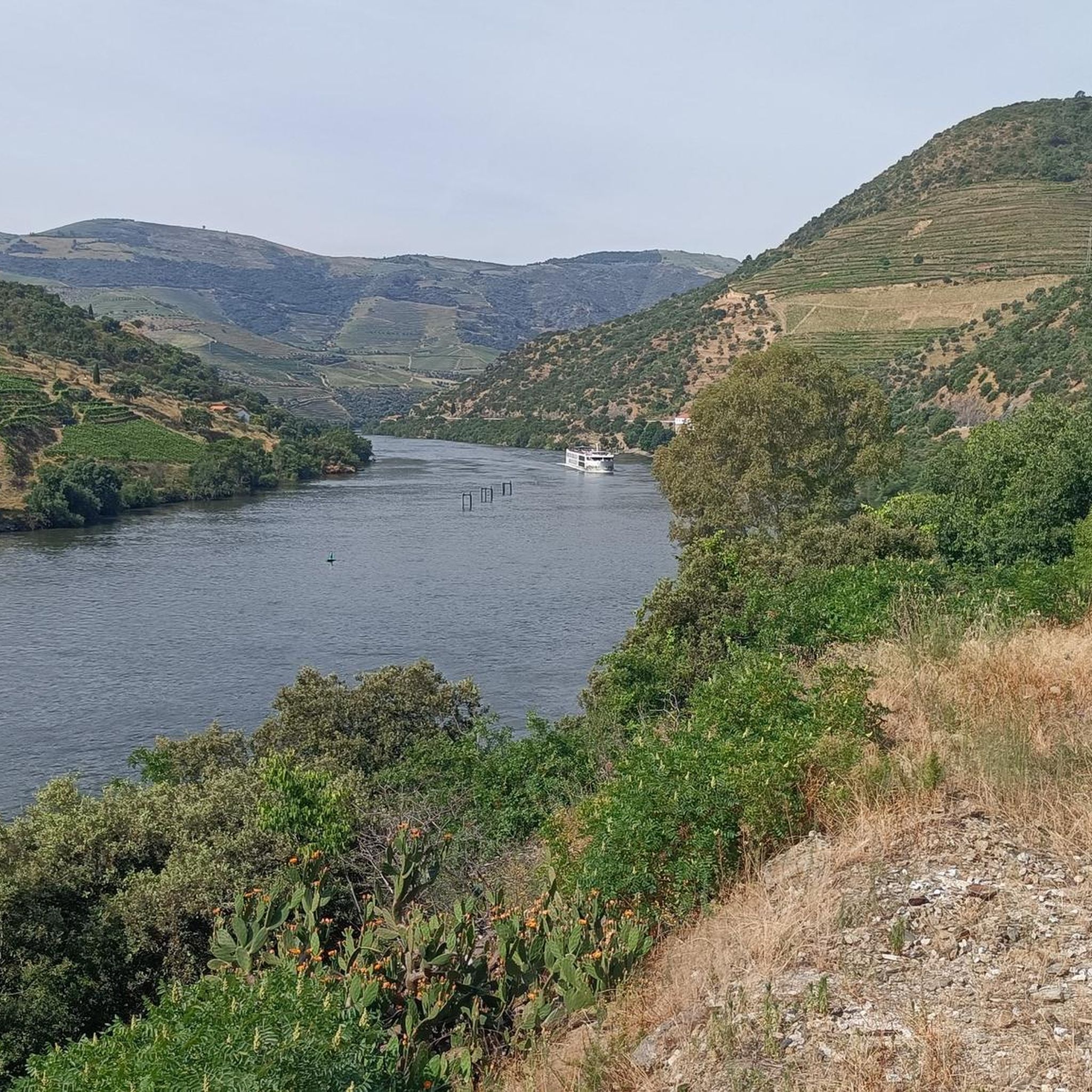
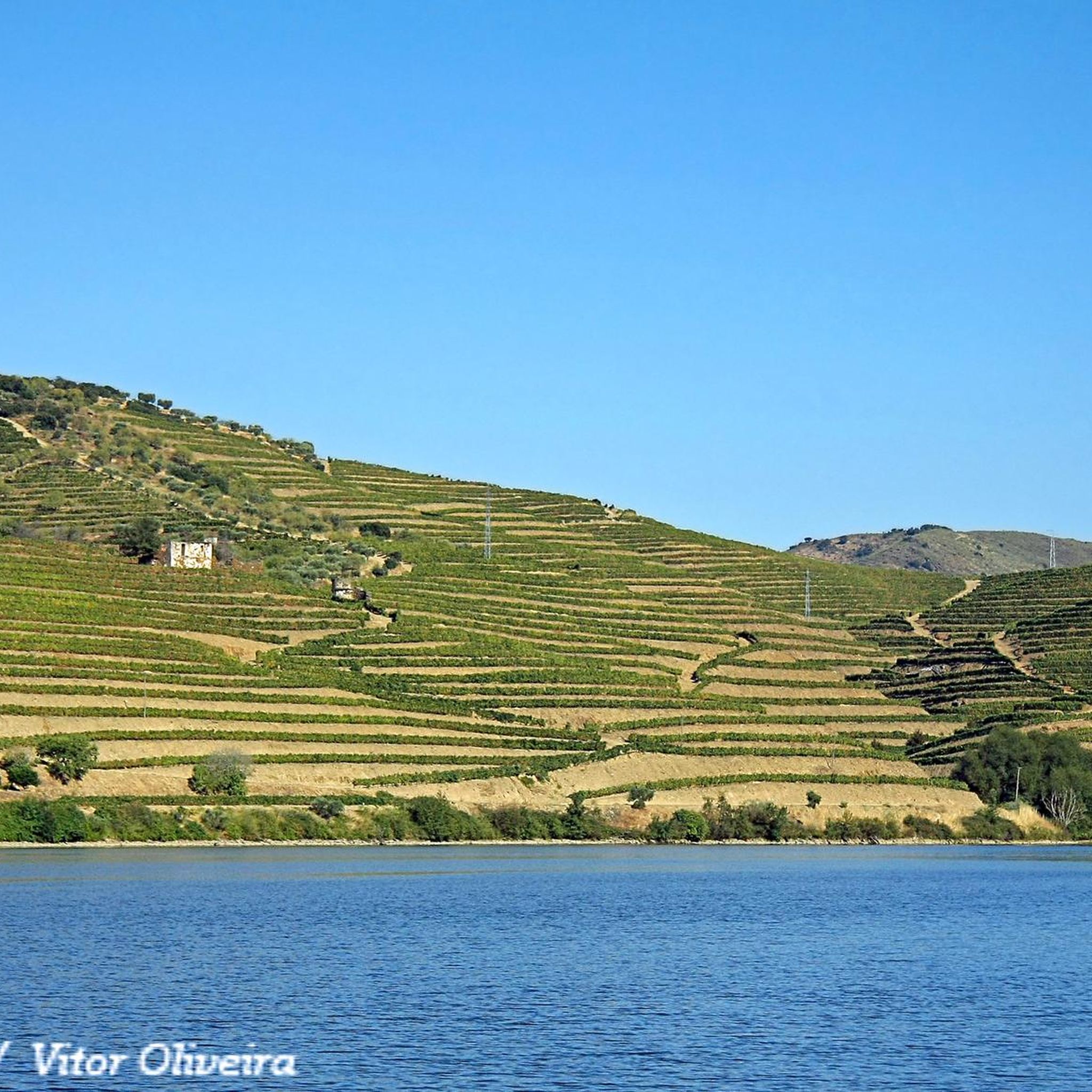

Tips from the Community

The Pocinho Road-Railway Bridge, also known as the Pocinho Bridge, is a road-rail infrastructure of the Linha do Sabor, which crosses the Douro River in the Municipality of Vila Nova de Foz Côa, in Portugal; it is closed to service, for both types of traffic. The construction of a bridge at this location, with two superimposed decks, was foreseen by the Plan of the Complementary Network North of Mondego, dated February 15, 1900.
0
0

The Prazo Archaeological Station, located in Freixo de Numão, in the municipality of Vila Nova de Foz Côa (Guarda district, Portugal), is one of the most fascinating sites in the north of the country, with remains spanning from the Neolithic to the Middle Ages.
4
0

Pocinho is a village in the municipality of Vila Nova de Foz Côa, located on the left bank of the Douro River. Its railway station is the current terminus of the Linha do Douro. The small town developed with the construction of the station in the 19th century, which served as a warehouse for goods such as minerals and agricultural products. The Pocinho Dam is located next to the village, which currently provides a road connection between the districts of Guarda and Bragança. Places to visit: Pocinho Railway Station Pocinho Dam Pocinho High Performance Rowing Centre
4
0
From a distance, the building resembles a large outcrop emerging from the ground, and its facade is composed of mineral pigments in concrete, mimicking the natural irregularities of the region's metamorphic rocks. The Côa Museum does not replace a visit to the rock art sites in the Côa Valley Archaeological Park, but it is a gateway that allows visitors to discover the artistic richness of the Côa and Douro valleys. Furthermore, the museum houses the largest library in Portugal dedicated to rock art. 😊
12
0
The Linha do Douro is one of the most scenic railway routes in Europe, running along the Douro River Valley in northern Portugal. This train departs from central Porto and follows the Douro River eastwards, passing vineyards and stunning scenery. The full journey runs from Porto to Pocinho and takes approximately three and a half hours. Along the way, you can see some of the most beautiful scenery in the Douro Valley, especially between Régua and Pocinho1. In addition, there is a historic train operating on this line, offering a unique experience with carriages from the 1920s. 🚂😎🚶♀️🌄
2
0

The museum offers elixir guides to see Paleolithic and Neolithic rock carvings by road and by boat. Enticed of Universal Mondial Value recognized by UNESCO
0
0
The Côa Museum opened on July 30, 2010, and is located on one of the slopes where the Douro and Côa rivers meet. Designed by architects Camilo Rebelo and Tiago Pimentel, the museum is one of the largest in Portugal. Its design is inspired by the notion that "Paleolithic art in the Côa Valley is perhaps the earliest manifestation of 'Land art.'"
13
0

The stairs go all the way to the water, especially nice when it is not so hot
3
0
Frequently Asked Questions
What types of landscapes can I expect to see while hiking in Lousã?
Lousã is dominated by the Serra da Lousã mountain range, featuring lush greenery, rolling hills, and rugged terrain. You'll hike through dense woodlands of cork oaks, chestnut trees, and pines, often encountering cascading waterfalls, crystal-clear streams, and tranquil ponds. The region also boasts charming traditional schist villages tucked into the landscape.
Are there any easy hiking trails suitable for beginners or families in Lousã?
Yes, Lousã offers several easy trails. For instance, the Côa Museum – Stairway to Douro loop from Antigo apeadeiro de Coa is an easy 3.1 km route that takes just over an hour to complete, featuring gentle gradients and scenic views. Another easy option is the Prazo Archaeological Site loop from Freixo de Numão, which is 5.3 km long.
What historical or cultural sites can I visit along the hiking routes in Lousã?
Lousã is rich in cultural heritage. Many hiking routes pass through the famous Aldeias do Xisto (Schist Villages) like Talasnal, Cerdeira, Casal Novo, and Chiqueiro, offering a glimpse into traditional Portuguese life. You can also explore the historic Côa Museum or the Ruins of the Pocinho Railway District, which are integrated into some trails.
Are there any circular hiking routes available in Lousã?
Yes, many of the trails in Lousã are designed as circular routes, allowing you to start and end at the same point. Examples include the Côa Museum – Stairway to Douro loop from Antigo apeadeiro de Coa and the Old Douro Railway Bridge loop from Pocinho. The region's well-flagged pathways make these loops easy to navigate.
What do other hikers say about the trails in Lousã?
The hiking trails in Lousã are highly regarded by the komoot community, with an average rating of 4.6 stars from over 14 reviews. Hikers often praise the diverse terrain, from mountain paths to dense forests and river trails, as well as the well-marked routes and the opportunity to discover charming schist villages.
Can I find any trails that feature waterfalls or river beaches in Lousã?
Absolutely. The Serra da Lousã is known for its abundant water features. You can find cascading waterfalls like the Cascata da Senhora da Piedade and the impressive Ribeira das Quelhas. The region also boasts natural river beaches such as Praia Fluvial da Senhora da Piedade, Foz d'Égua, and Cabril do Ceira, which are perfect for cooling off and enjoying nature.
Are there any trails that offer panoramic views of the Lousã region?
Yes, for panoramic views, consider trails that ascend to higher elevations within the Serra da Lousã. The Alto do Trevim, the highest peak in the range, is renowned for offering expansive vistas of the surrounding landscapes. Many routes winding through the mountains will provide stunning viewpoints.
What kind of wildlife might I encounter while hiking in Lousã?
The dense woodlands of Lousã are home to diverse wildlife. Hikers might spot red deer, wild boar, and roe deer. The region also has conservation efforts, such as the Biological Park of Lousã Mountain, which preserves Portuguese fauna, including endangered species like the Iberian wolf and lynxes.
Are there any longer, more challenging hikes in Lousã?
Yes, Lousã offers moderate trails for those seeking a longer challenge. The Hiking loop from Torre de Moncorvo is a moderate 13.1 km route, typically taking over 4 hours to complete. Another moderate option is the Old Douro Railway Bridge loop from Pocinho, which is 9.1 km.
What is the best time of year to go hiking in Lousã?
Lousã is an excellent destination for hiking throughout much of the year. Spring and autumn offer pleasant temperatures and vibrant natural colors. Even on warmer days, the region's numerous waterfalls, streams, and river beaches provide opportunities to cool down. The mystical atmosphere of the peaks and valleys, often shrouded in mist, can be enjoyed in various seasons.
Are there any specific natural reserves or protected areas to explore in Lousã?
Yes, the Mata da Margaraça Nature Reserve is a notable protected area within Lousã. It features dense woodlands with well-maintained paths that lead past clear streams and tranquil ponds, offering a pristine natural experience. Additionally, the Biological Park of Lousã Mountain focuses on preserving local flora and fauna.
Most popular routes around Lousa
Most popular attractions around Lousa

Get inspired with the komoot mobile app


Explore more
Browse the best Hikes in other regions.
