The best walks and hikes around Urros e Peredo dos Castelhanos
4.6
(53)
267
hikers
9
hikes
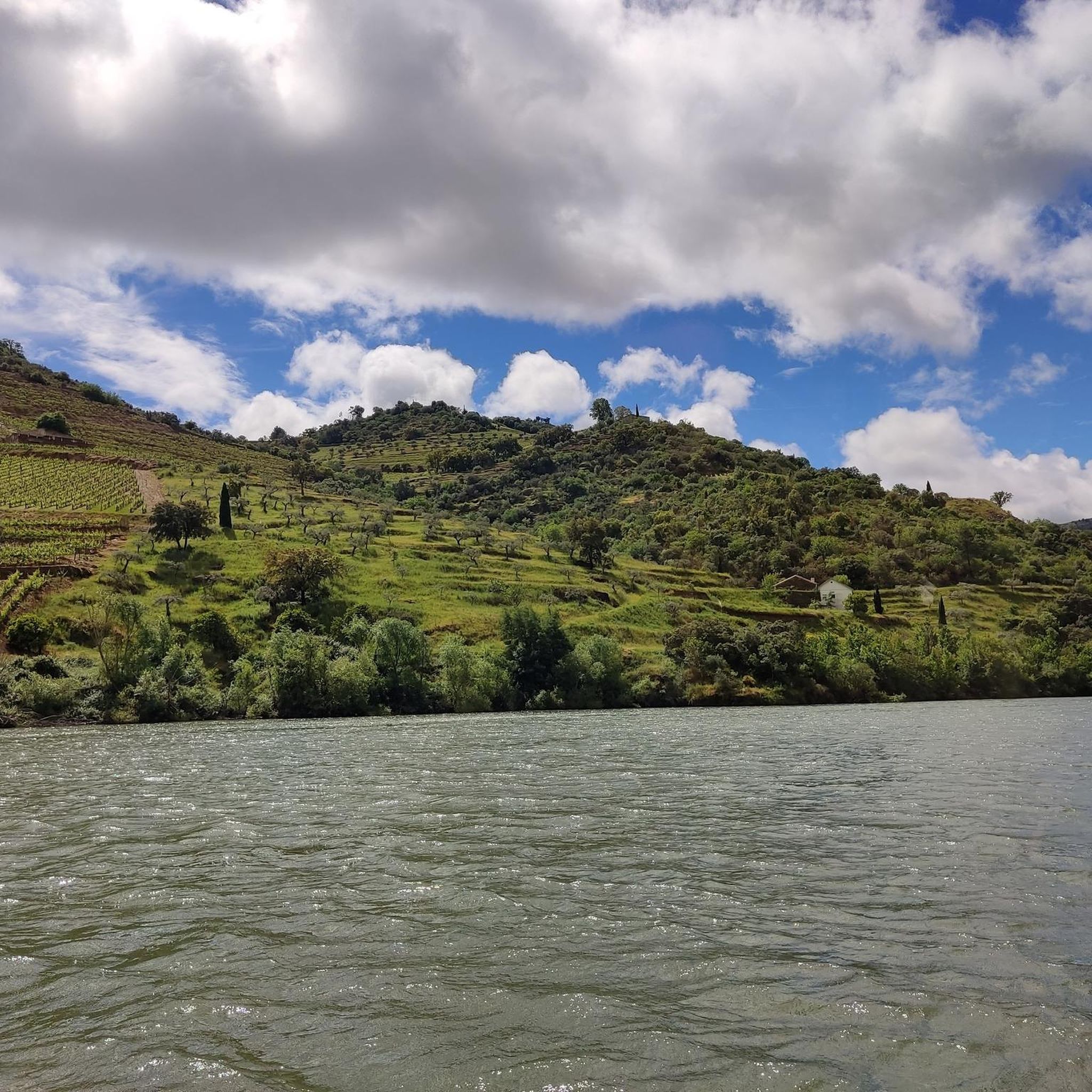
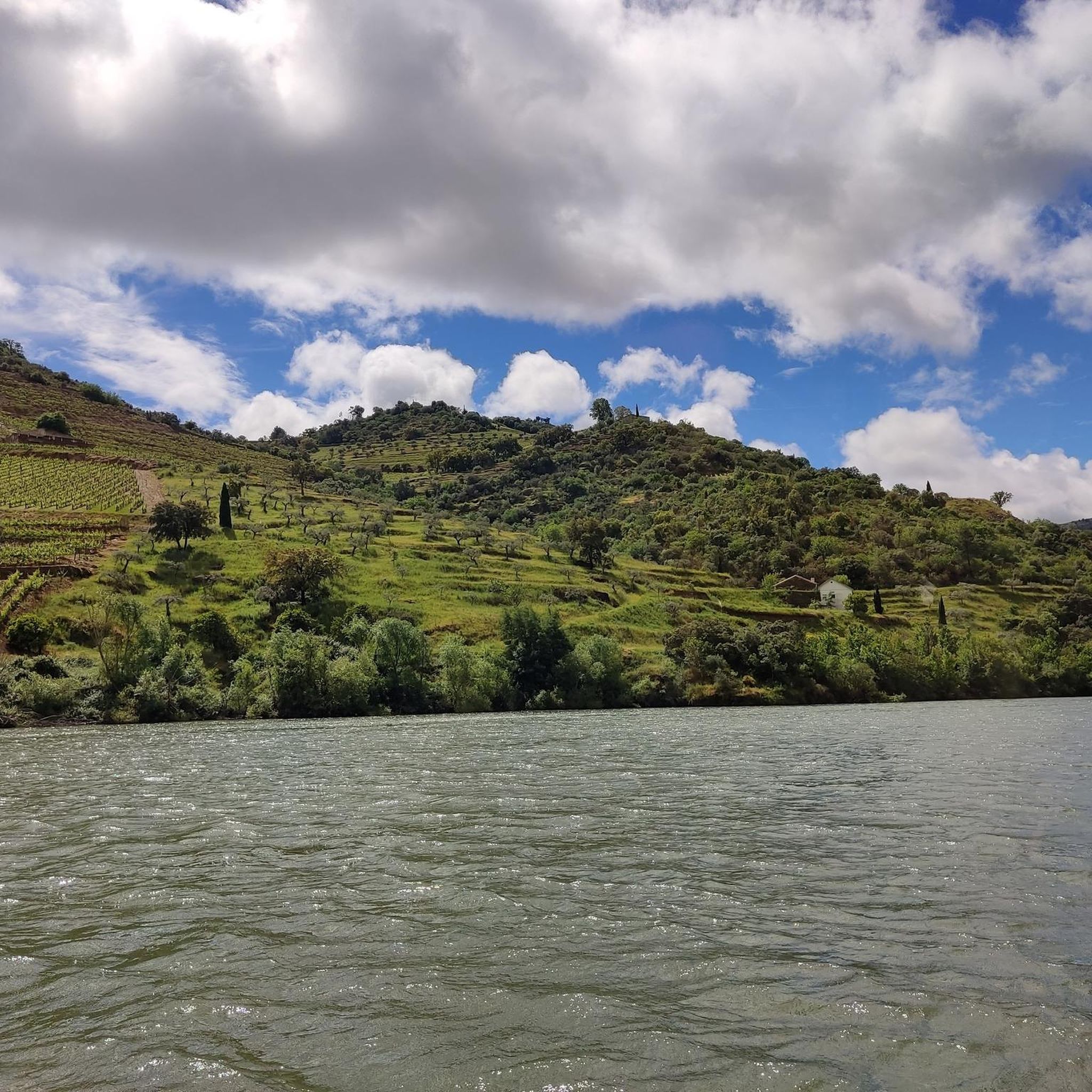
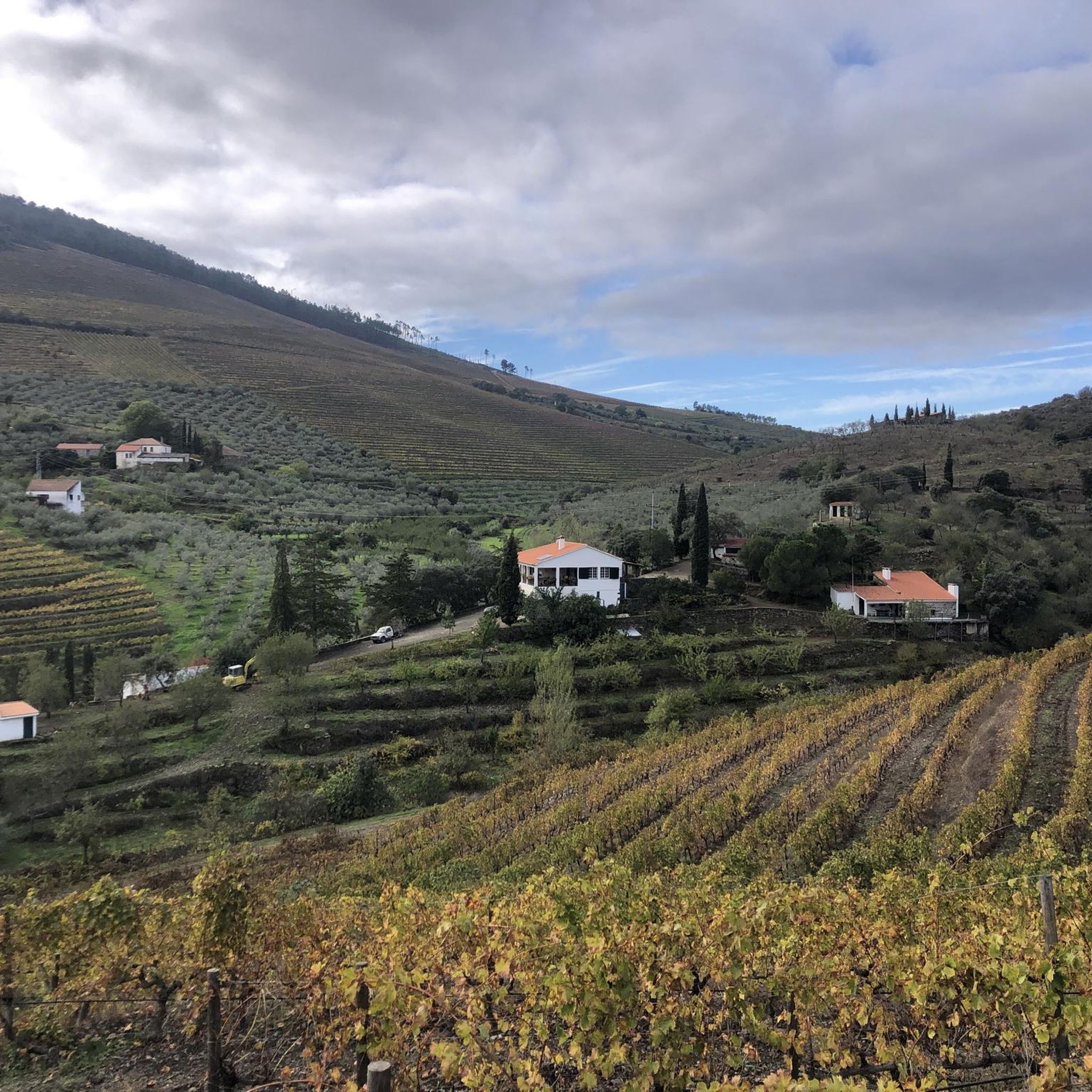
Hiking trails around Urros e Peredo dos Castelhanos are situated within the municipality of Torre de Moncorvo, Portugal, bordering the Douro River and the International Douro Natural Park. The landscape is characterized by dramatic riverine valleys, terraced vineyards, and olive groves, reflecting centuries of agricultural activity. Hikers can expect varied terrain, from river-level paths to rolling hills and viewpoints offering panoramas over the Douro. The region's biodiversity includes diverse flora and fauna, particularly within the natural park.
Best hiking trails…
Last updated: October 1, 2026
4.9
(20)
63
hikers
Moderate hike. Good fitness required. Easily-accessible paths. Suitable for all skill levels.
5.0
(6)
79
hikers
33.2km
09:07
540m
540m
Hard hike. Very good fitness required. Easily-accessible paths. Suitable for all skill levels.

4.7
(6)
73
hikers
3.10km
01:08
200m
200m
Easy hike. Great for any fitness level. Easily-accessible paths. Suitable for all skill levels.
4.2
(5)
9
hikers
9.07km
02:42
270m
270m
Moderate hike. Good fitness required. Easily-accessible paths. Suitable for all skill levels.
4.5
(6)
16
hikers
11.1km
03:07
220m
220m
Moderate hike. Good fitness required. Easily-accessible paths. Suitable for all skill levels.
Get access to more routes and recommendations from other explorers.
Already have an account?
Our route recommendations are based on thousands of hikes, rides, and runs completed by other people on komoot.
Start today with a free account
Your next adventure awaits.
Popular around Urros e Peredo dos Castelhanos
Tips from the Community

The Pocinho Road-Railway Bridge, also known as the Pocinho Bridge, is a road-rail infrastructure of the Linha do Sabor, which crosses the Douro River in the Municipality of Vila Nova de Foz Côa, in Portugal; it is closed to service, for both types of traffic. The construction of a bridge at this location, with two superimposed decks, was foreseen by the Plan of the Complementary Network North of Mondego, dated February 15, 1900.
0
0

The bridge was designed and built in 1955 by the renowned Portuguese engineer Edgar Cardoso. It is considered the first motorway bridge in the Portuguese section of the Douro River and is a concrete arch bridge with a length of approximately 300 meters. It is named after the Portuguese naval officer and colonial administrator Almirante Manuel Maria Sarmento Rodrigues, who served as governor of Guinea and Mozambique under the Salazar dictatorship and later became Minister of Colonies.
1
0
When it was closed in 1985, the region lost its direct connection; the bridge fell into disrepair for decades and was inaccessible for a long time. Only in recent years has the entire route been reopened to hikers and visitors as the "Camino de Hierro" (Iron Way). Crossing the bridge offers spectacular views of the Águeda Gorge and the terraced landscapes of olive, almond, and vineyards. Today, it is an industrial monument and also a tourist highlight in the Arribes del Duero Natural Park.
1
0
The bridge was built as an iron truss structure following the French school's model (inspired by Gustave Eiffel) and spans the deeply cut Río Águeda, approximately 250 meters long and about 20 meters high above the river. The supporting structure consists of riveted steel girders resting on massive stone piers. It was part of the cross-border connection between Spain and Portugal, connecting Salamanca to Porto. Due to its challenging topography—gorges, steep mountain slopes, and narrow valleys—the line was considered one of the most spectacular railway lines in Europe, with a total of 20 tunnels and 13 bridges, of which the Águeda Bridge was the most famous. It served as the gateway to the La Fregeneda–Barca d'Alva border station, where the crossing into Portugal took place.
1
0
The former railway bridge over the Río Águeda near La Fregeneda is one of the most impressive structures on the disused La Fuente de San Esteban – Barca d’Alva railway line (opened in 1887, closed in 1985).
1
0
San Martín was a village in the municipality of La Fregeneda (Salamanca Province) on the Águeda River, directly on the border with Portugal, which was abandoned. Starting in the mid-20th century, as in many peripheral areas, a strong rural exodus began here. This was exacerbated by the closure of the cross-border railway line La Fuente de San Esteban – Barca d'Alva (a spectacular route with 20 tunnels and seven bridges along the Águeda River). After its closure, the area lost infrastructure and jobs, and the remote hamlets were abandoned.
1
0

The Barca d'Alva train station retains some traditional Portuguese tiles decorating its main building, despite its state of disrepair. These tiles, typical of Portugal's railway heritage, often depict rural scenes, landscapes of the Douro River, or classic decorative motifs in blue and white.
6
0

Pocinho is a village in the municipality of Vila Nova de Foz Côa, located on the left bank of the Douro River. Its railway station is the current terminus of the Linha do Douro. The small town developed with the construction of the station in the 19th century, which served as a warehouse for goods such as minerals and agricultural products. The Pocinho Dam is located next to the village, which currently provides a road connection between the districts of Guarda and Bragança. Places to visit: Pocinho Railway Station Pocinho Dam Pocinho High Performance Rowing Centre
4
0
Frequently Asked Questions
How many hiking trails are available in Urros e Peredo dos Castelhanos?
There are over 10 hiking trails in Urros e Peredo dos Castelhanos, offering a range of experiences. These routes are highly regarded by the komoot community, with an average rating of 4.5 stars from nearly 50 reviews.
What kind of landscapes and natural features will I encounter on hikes here?
Hikers in Urros e Peredo dos Castelhanos will experience dramatic riverine landscapes with expansive views of the Douro River, often flanked by ancient terraced vineyards and olive groves. The region also features diverse flora and fauna, particularly within the International Douro Natural Park, and includes areas of rugged hills and mountainous terrain like Serra do Reboredo.
Are there any easy hiking trails suitable for families or beginners?
Yes, there are 5 easy hiking trails in the area. A great option for a shorter, accessible walk is the Côa Museum – Stairway to Douro loop from Antigo apeadeiro de Coa, which is 3.1 km long and takes about 1 hour and 8 minutes to complete, offering riverine views.
What are some notable viewpoints or landmarks to visit along the trails?
The region is rich in stunning viewpoints. You can find exceptional panoramas over the Douro River from the São João das Arribas viewpoint, or visit the Senhora do Castelo Viewpoint near Urros. Other points of interest include the Côa Museum and the historic Barca d'Alva settlement.
Are there any circular hiking routes in Urros e Peredo dos Castelhanos?
Yes, several routes offer a circular experience. An example is the Côa Museum – Stairway to Douro loop from Antigo apeadeiro de Coa, which provides a convenient loop through riverine landscapes.
What is the best time of year to go hiking in this region?
The region offers pleasant hiking conditions throughout much of the year. The Sabor Ecotrail, for instance, is suitable for walks year-round. However, for comfortable temperatures and to fully appreciate the natural beauty, spring and autumn are often ideal, avoiding the peak heat of summer.
Can I bring my dog on the hiking trails?
While specific dog-friendly regulations for every trail are not detailed, the natural environment of Urros e Peredo dos Castelhanos, particularly within the International Douro Natural Park, generally welcomes well-behaved dogs on leash. Always ensure to respect local wildlife and clean up after your pet.
Are there any challenging hikes for experienced trekkers?
Yes, for those seeking a more demanding adventure, the region offers challenging routes. The Iron Way Trail is a difficult 33.2 km route that takes over 9 hours to complete, traversing varied and rugged terrain.
Where can I find parking for trailheads in Urros e Peredo dos Castelhanos?
Parking availability varies by trailhead. For routes starting near villages or popular attractions like the Côa Museum or Barca d'Alva, you can often find designated parking areas. It's advisable to check specific route details or local signage upon arrival.
Are there opportunities to see wildlife or unique flora?
Absolutely. The area's inclusion in the International Douro Natural Park signifies a rich biodiversity. You might encounter various bird species, including birds of prey, and observe diverse flora such as juniper forests, beech, cork, and holm oaks, especially along trails like Vale da Ribeira do Mosteiro (PR 1) — Parque Natural do Douro Internacional.
What historical or cultural elements can be explored while hiking?
The region is steeped in history. Peredo dos Castelhanos itself dates back to the 13th century. Hikers can discover cultural landmarks such as the Capela da Senhora da Glória, and witness ancient traditions through the terraced vineyards and olive groves that define the landscape. The Old Douro Railway Bridge loop from Pocinho also offers a glimpse into the area's past.
Are there any long-distance trails or ecotrails in the vicinity?
Yes, the Sabor Ecotrail is a significant attraction, offering a 34 km route along a former railway line on the north bank of the Douro, stretching from Pocinho to Carviçais. This trail provides a scenic and relatively flat option for longer walks or cycling.
Most popular routes around Urros e Peredo dos Castelhanos
Most popular attractions around Urros e Peredo dos Castelhanos

Get inspired with the komoot mobile app


Explore more
Browse the best Hikes in other regions.
