Attractions and Places To See around Castelo Rodrigo - Top 15
Best attractions and places to see around Castelo Rodrigo include a historic hilltop village in northeastern Portugal, known for its medieval character. The region features a strategic location near the Spanish border, offering views of the Serra da Marofa mountain range and the Douro River Valley. It is recognized as one of Portugal's twelve "Historic Villages," providing a blend of cultural significance and natural landscapes.
Best attractions and places to see around Castelo Rodrigo
- The most popular attractions is Camino de Hierro, a trail that is a 17-kilometer-long pedestrian path along a renovated railway line. It features 19th-century civil engineering, including tunnels and viaducts, combined with natural scenery.
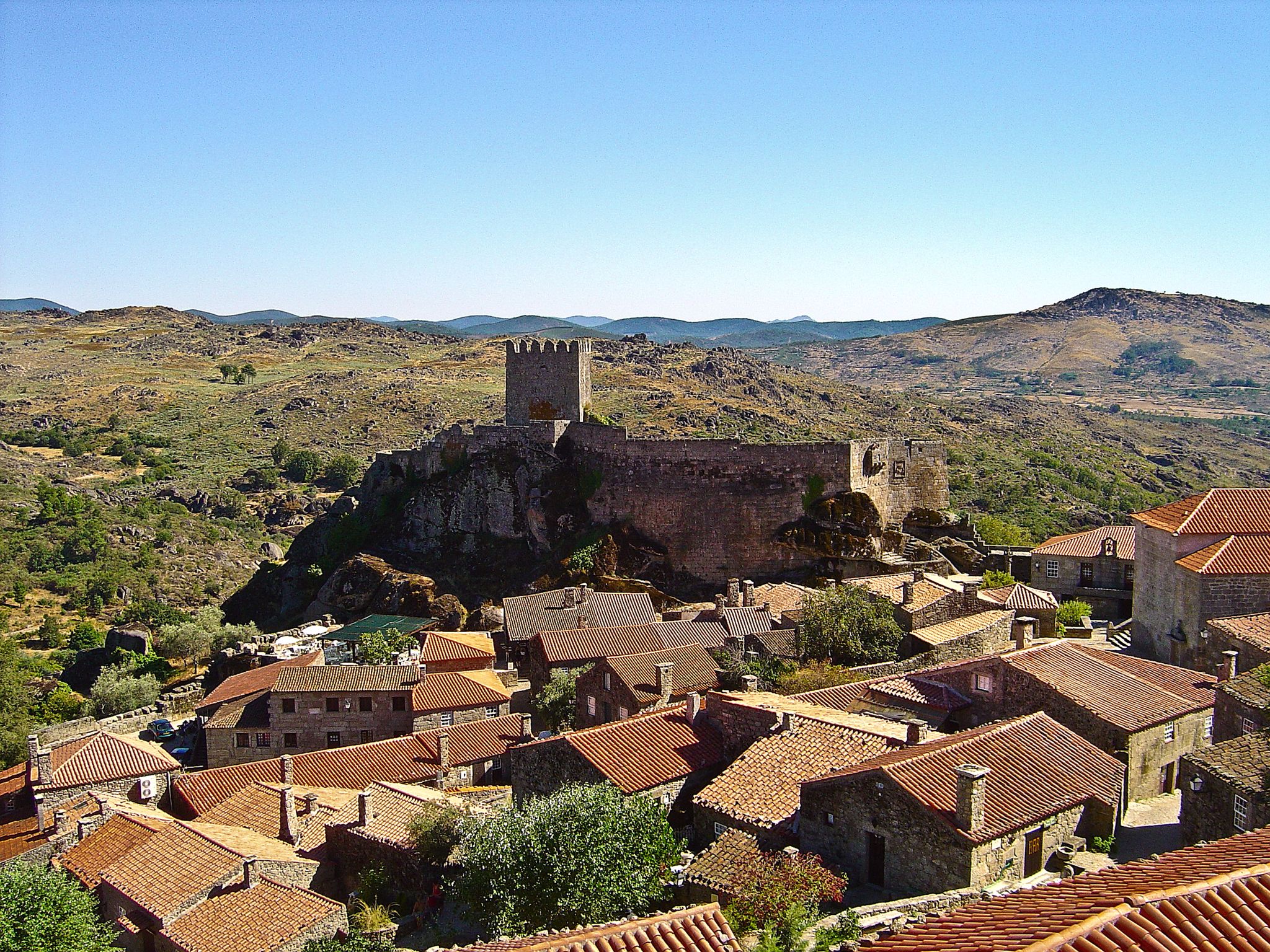
- Another must-see spot is Castelo Rodrigo Discovery Trail, a historical site that preserves marks of territorial disputes. This village, built around 500 BC, was conquered and inhabited by various cultures over centuries and is protected by a city wall with 13 defense towers.
- Visitors also love Igreja de Nossa Senhora do Rocamador, a Romanesque-style religious building constructed in the 13th century. It features carved wooden altars, some covered in gold, and was founded by Hospitaller friars.
- Castelo Rodrigo is known for historical sites, religious buildings, and scenic trails. The area offers a variety of attractions to explore, from ancient castles and churches to natural viewpoints.
- The attractions around Castelo Rodrigo are appreciated by the komoot community, with 9 upvotes and 30 photos shared by visitors.
Last updated: May 4, 2026
Castelo Rodrigo Discovery Trail
Highlight (Segment) • Historical Site
Translated by Google •
Tip by

Camino de Hierro
Highlight • Trail
Translated by Google •
Tip by
Sign up now to discover places like this
Get recommendations on the best single tracks, peaks, & plenty of other exciting outdoor places.
Sign up for free
Igreja de Nossa Senhora do Rocamador
Highlight • Religious Site
Translated by Google •
Tip by

Castelo Rodrigo Historic Village and Castle Ruins
Highlight • Historical Site
Translated by Google •
Tip by

Park House - Sobradillo Tower
Highlight • Castle
Translated by Google •
Tip by

Sign up for free to discover even more attractions around Castelo Rodrigo.
Sign up for free
Already have an account?
Start today with a free account
Your next adventure awaits.
Login or Signup
Other adventures around Castelo Rodrigo

Tips from the Community

Castelo Rodrigo is one of the twelve historic villages, the Aldeias Históricas de Portugal.
2
1

Camino de Hierro is a 17-kilometer-long pedestrian path that runs along a section of a closed-to-traffic, renovated railway line. It combines the grandeur of the most representative civil engineering (tunnels and viaducts) of the 19th century with spectacular natural beauty.
10
1

Impressive town that is located on this hilltop and the ruins in the center are also worth seeing.
0
0

A symbol of the town of Sobradillo, the tower was built in the 15th century and was part of the network of defensive fortifications and castles that made it possible to monitor and secure the border against Portuguese attacks. This particular tower belonged to the fortification of the castle of San Felices de los Gallegos.
1
0

Romanesque-style church built in the 13th century with several carved wooden altars, some covered in gold.
1
1
Nice walk through a well-preserved, very historic place.
2
1
Castelo Rodrigo preserves the marks of some episodes of territorial disputes.
12
1

Castelo Rodrigo was built around 500 BC. It was conquered, inhabited and partially destroyed by different cultures (Iberians, Romans, Arabs, Castile, Spain and Portugal) over the centuries. It is protected by a city wall with 13 defense towers, some of which are now occupied by houses. Some buildings can be seen from the outside or can also be visited. It is fun to walk through the village on a discovery tour. There is also a small craft shop, a café and a gourmet shop that sells specialties made from olives, almonds or cork. Ideal as a small souvenir.
4
1
Frequently Asked Questions
What historical sites can I explore within Castelo Rodrigo village?
Within the historic village of Castelo Rodrigo, you can explore the imposing ruins of the Castelo Rodrigo Discovery Trail, which includes the medieval castle, its ancient corridors, and three remaining gates. Don't miss the ruins of the Cristóvão de Moura Palace, the 16th-century Manueline Pelourinho, and the Medieval Cistern. The village itself is a historical site, preserving marks of territorial disputes and featuring cobbled streets with traditional houses.
Are there any significant religious buildings to visit in the area?
Yes, a prominent religious site is the Igreja de Nossa Senhora do Rocamador, a Romanesque-style church founded in the 13th century by Hospitaller friars. It features carved wooden altars, some covered in gold, and 18th-century blue-and-white azulejos. Additionally, about 3 kilometers away, you can find the Sta. Maria de Aguiar Church and Convent, a Cistercian foundation showcasing early Gothic and Romanesque styles.
Where can I find the best panoramic views around Castelo Rodrigo?
For spectacular panoramic views, head to the Marofa Viewpoint in the Serra da Marofa mountain range. From here, you can see the region, including Figueira de Castelo Rodrigo, and on clear days, even the Salamanca province in Spain. Castelo Rodrigo's elevated position also offers views northwards over the deep valley of the Douro River, with its terraced vineyards and olive groves.
Are there any unique trails for outdoor enthusiasts near Castelo Rodrigo?
Absolutely. One unique trail is the Camino de Hierro, a 17-kilometer-long pedestrian path along a renovated 19th-century railway line. It combines impressive civil engineering, like tunnels and viaducts, with spectacular natural beauty.
What kind of hiking or cycling routes are available around Castelo Rodrigo?
The region offers a variety of routes for different sports. For cycling, you can explore options like the 'Green Tour of Castelo Rodrigo' or the 'Almeida Castle – Castelo Rodrigo Village loop'. Mountain biking enthusiasts can try routes such as 'Castelo Rodrigo Village – Cristo Rei da Marofa loop'. For more details and specific routes, you can check the cycling guide, MTB trails guide, and road cycling routes guide for Castelo Rodrigo.
What natural parks or reserves are nearby for exploration?
Close to Castelo Rodrigo, you can explore the Douro International Natural Park, which offers ample opportunities for outdoor activities and discovering the region's diverse flora and fauna. Another natural area in the surroundings is the Faia Brava Natural Reserve Private Protected Area.
What is the best time of year to visit Castelo Rodrigo for natural beauty?
For a truly beautiful natural spectacle, consider visiting Castelo Rodrigo during February and March. This is when the almond trees, along with fig trees and camellias, are in bloom, transforming the landscape into a stunning display of color.
Are there any other historical settlements or sites worth visiting nearby?
Yes, the nearby settlement of Mata de Lobos, mentioned since 1165, preserves centuries of history, including the Chapel of Santa Marinha and a memorial to the 1664 battle against the Spanish. You can also visit the Park House - Sobradillo Tower, a 15th-century defensive fortification that was part of the border monitoring network against Portuguese attacks.
What do visitors enjoy most about exploring Castelo Rodrigo?
Visitors frequently highlight the village's well-preserved, very historic atmosphere. They enjoy walking through the village on a discovery tour, appreciating the ancient city wall with its defense towers, and finding small craft shops, cafes, and gourmet shops selling local specialties.
Is Castelo Rodrigo considered a family-friendly destination?
Yes, Castelo Rodrigo offers several family-friendly aspects. The historic village itself, with its medieval alleys and castle ruins, provides an engaging environment for exploration. The Castelo Rodrigo Discovery Trail is categorized as family-friendly, as is the nearby settlement of Mata de Lobos.
What is the historical significance of Castelo Rodrigo?
Castelo Rodrigo holds significant historical importance due to its strategic location near the Spanish border. It was built around 500 BC and has been conquered, inhabited, and partially destroyed by various cultures over centuries, including Iberians, Romans, Arabs, Castile, Spain, and Portugal. It is recognized as one of Portugal's twelve 'Historic Villages,' reflecting its rich and turbulent past.
Most popular routes around Castelo Rodrigo

Get inspired with the komoot mobile app


Explore more
Still not found the Highlight you’re looking for? See guides of the top attractions in other regions:
