Attractions and Places To See around Chãs - Top 14
Best attractions and places to see around Chãs, Portugal, encompass a variety of historical sites, natural landscapes, and cultural experiences. The region, particularly areas like Chãs d'Égua and Chãs de Tavares, is known for its rich heritage and picturesque scenery. Visitors can explore ancient villages, significant museums, and scenic trails that highlight the area's diverse offerings. Chãs provides opportunities to discover both man-made monuments and natural viewpoints.
Best attractions and places to see around Chãs
- The most popular attractions is…
Last updated: October 4, 2026
Côa Museum
Highlight • Historical Site
Translated by Google •
Tip by

Historic Village of Marialva
Highlight • Historical Site
Translated by Google •
Tip by

Sign up now to discover places like this
Get recommendations on the best single tracks, peaks, & plenty of other exciting outdoor places.
End of N222 in Almendra
Highlight (Segment) • Trail
Tip by

Final Marker of N222 (Almendra)
Highlight • Monument
Translated by Google •
Tip by

São Gabriel Viewpoint
Highlight • Viewpoint
Panoramic views encompass:
Translated by Google •
Tip by
Sign up for free to discover even more attractions around Chãs.
Already have an account?
Start today with a free account
Your next adventure awaits.

Tips from the Community

Next to the viewing platform is a small 19th-century chapel, built of granite and situated on a schist outcrop. The interior is simple with a granite altar and a tile panel depicting the Annunciation, donated in 1951 by Maria Vitória Albuquerque Soares.
2
0
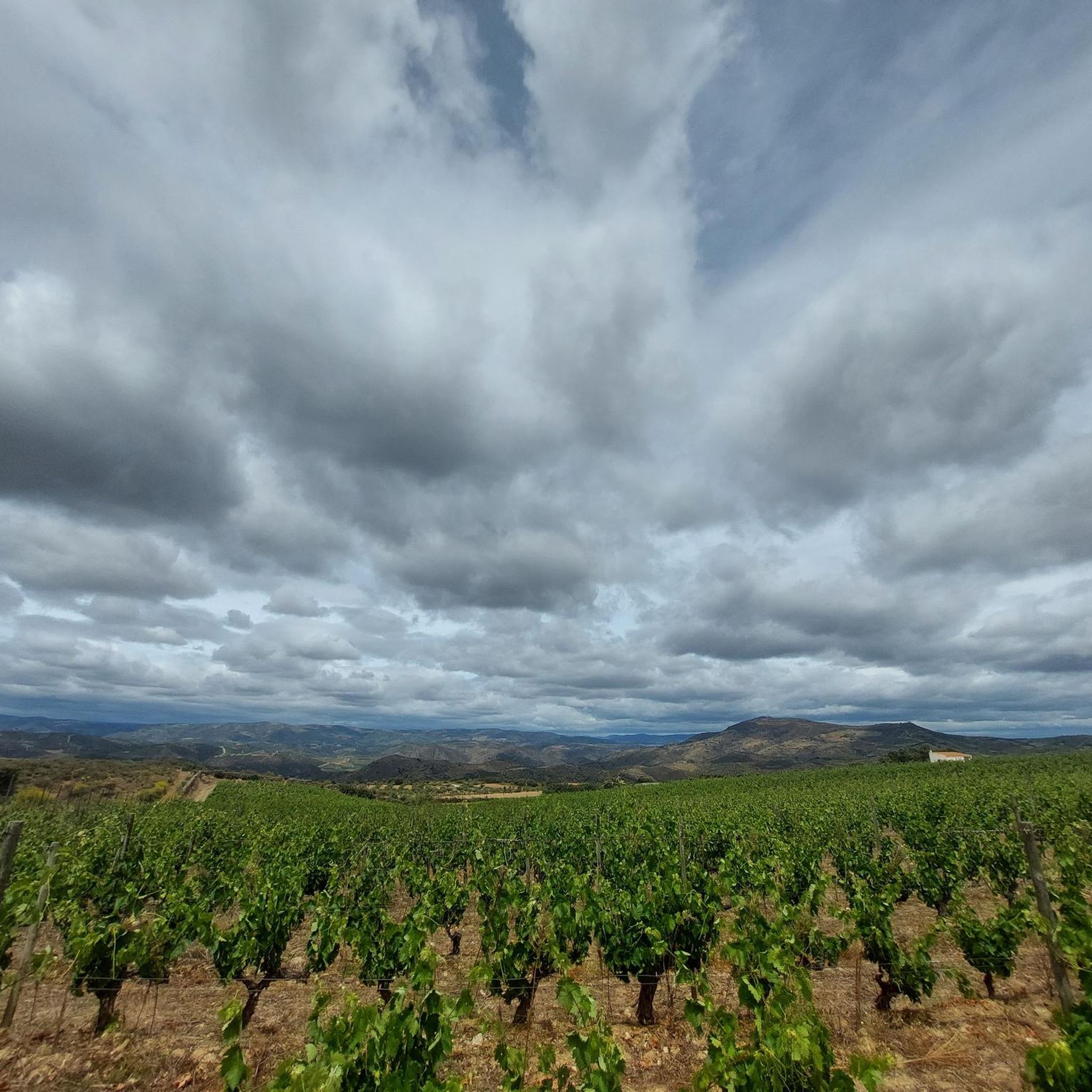
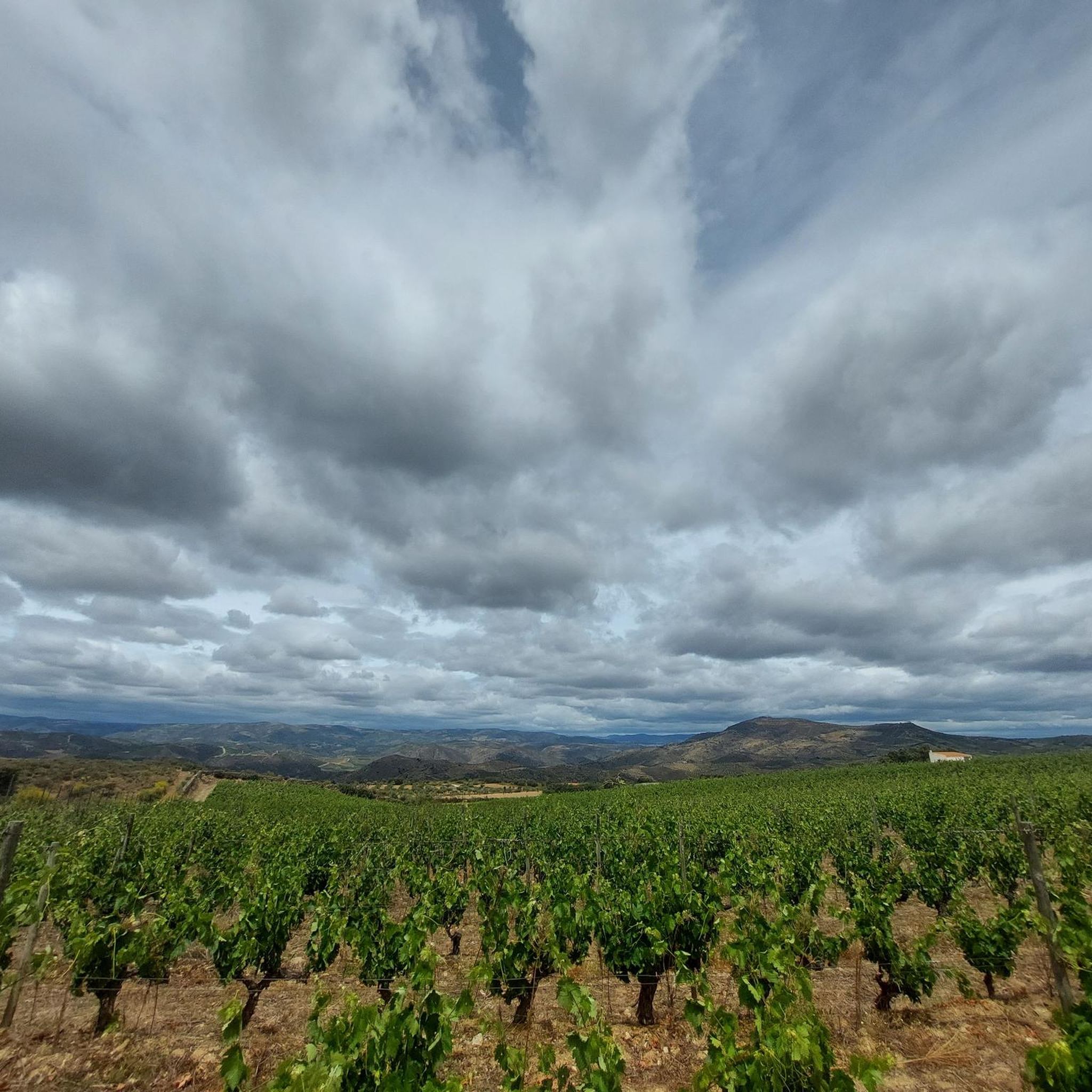
The São Gabriel Viewpoint, located in Castelo Melhor, within the municipality of Vila Nova de Foz Côa, is one of the most spectacular panoramic points in northern Portugal. Panoramic views encompass: The Côa Valley and the Douro River. Municipalities such as Torre de Moncorvo, Mêda, Trancoso, Pinhel, Figueira de Castelo Rodrigo, and Freixo de Espada à Cinta. Spanish territories such as Urros, Peredo dos Castelhanhos, and the Castilian Plateau. The Serra da Marofa, Castelo Melhor, Almendra, and even the Historic Village of Castelo Rodrigo.
2
0

Marialva is a jewel among Portugal's Historic Villages. High above, the castle watches over centuries of conquests and legends, while within the walls still echo the memory of kings, fairs, and battles. Strolling its cobblestone streets is like traveling back in time: from the keep to the Church of Santiago, every detail tells a story. Outside the walls, vineyards and flavors of Beira Alta complete the landscape: roast kid, sheep's cheese, and sweets that preserve the taste of tradition. Here, the village is experienced as much on foot as at the table.
3
0
From a distance, the building resembles a large outcrop emerging from the ground, and its facade is composed of mineral pigments in concrete, mimicking the natural irregularities of the region's metamorphic rocks. The Côa Museum does not replace a visit to the rock art sites in the Côa Valley Archaeological Park, but it is a gateway that allows visitors to discover the artistic richness of the Côa and Douro valleys. Furthermore, the museum houses the largest library in Portugal dedicated to rock art. 😊
12
0
The Côa Museum opened on July 30, 2010, and is located on one of the slopes where the Douro and Côa rivers meet. Designed by architects Camilo Rebelo and Tiago Pimentel, the museum is one of the largest in Portugal. Its design is inspired by the notion that "Paleolithic art in the Côa Valley is perhaps the earliest manifestation of 'Land art.'"
13
0

Coa Valley is the largest Paleolithic open-air museum in the world. The museum provides a nice insight with replicas and screens
7
0

Final kilometers of N222 going along Rio Duoro. Monument at the start of N222 and Cafe in Almendra. Protected area to both sides of the road, fantastic views. Route also passes by museum with early human rock drawings.
0
0

Representative landmark at the end of national road 222. The original landmark is found a few meters before.
1
0
Frequently Asked Questions
What historical sites can I explore around Chãs?
The region around Chãs is rich in history. You can visit the Historic Village of Marialva, a true gem with an ancient castle and cobblestone streets. Another significant site is the Côa Museum, which showcases the Paleolithic art of the Côa Valley.
Where can I find the best panoramic views around Chãs?
For breathtaking vistas, head to the São Gabriel Viewpoint in Castelo Melhor, offering panoramic views of the Côa Valley, the Douro River, and even Spanish territories. The End of N222 in Almendra also provides fantastic views along the Rio Douro.
What kind of outdoor activities are available near Chãs?
The area offers various outdoor activities. You can find numerous cycling routes, including challenging loops around the Historic Village of Marialva. There are also running trails, such as the easy 'Running loop from Mêda' or the more moderate 'Santa Columba loop'. For more details, explore the cycling and running guides for Chãs.
Are there family-friendly attractions in the Chãs area?
Yes, the Côa Museum is categorized as family-friendly, offering an engaging experience for all ages with its insights into Paleolithic art. Exploring the charming villages like Piódão or Chãs d'Égua can also be a delightful family outing.
Can I find hiking trails suitable for different skill levels around Chãs?
While specific hiking trail data isn't detailed, the region is known for its scenic trails. Chãs d'Égua is connected to Piódão by a small trail, offering an appealing route for hikers. The Rio Dão also provides picturesque scenery, particularly appealing for hiking. For more structured routes, check the running guide which includes various distances and difficulties.
Are there any unique villages to visit near Chãs?
Absolutely. The Historic Village of Marialva is a must-see, with its ancient castle and traditional charm. Nearby, Piódão, often called the 'Crib Village,' is famous for its distinctive schist houses, and Chãs d'Égua offers rustic beauty and natural pools.
What natural features are prominent in the landscape around Chãs?
The landscape around Chãs is characterized by the confluence of the Douro and Côa rivers, as seen from the Côa Museum. The Rio Dão, originating in the Serra da Estrela mountains, also flows through the region, offering picturesque scenery. Chãs d'Égua is known for its natural pools.
Is there anything for visitors interested in ancient art or archaeology?
Yes, the Côa Museum is dedicated to the Paleolithic art found in the Côa Valley, which is considered the largest open-air Paleolithic museum in the world. The area around Chãs d'Égua also has archaeological significance, with Neolithic and Bronze Age rock paintings discovered.
What is the best way to experience the scenic Rio Douro near Chãs?
You can experience the scenic Rio Douro by following the final kilometers of the N222, specifically the section near Almendra, which offers fantastic views. This route, known as the End of N222 in Almendra, also passes by a museum featuring early human rock drawings.
Are there any attractions around Chãs that are wheelchair accessible?
Yes, the Final Marker of N222 (Almendra) is noted as being wheelchair accessible, providing an opportunity to enjoy a representative landmark at the end of this national road.
What do visitors generally appreciate most about the attractions around Chãs?
Visitors particularly enjoy the blend of historical sites, scenic trails, and viewpoints. The region's ancient monuments and natural panoramas are highly appreciated, with attractions like the Côa Museum and the Historic Village of Marialva receiving positive feedback for their unique cultural and historical value.
When is the best time to visit Chãs for outdoor activities?
The region's natural beauty, including rivers and trails, suggests that spring and autumn would be ideal for outdoor activities, offering pleasant temperatures for hiking, cycling, and exploring the villages without the intense heat of summer or the chill of winter.
Most popular routes around Chãs

Get inspired with the komoot mobile app


Explore more
Still not found the Highlight you’re looking for? See guides of the top attractions in other regions:
