The best cycling routes around Muxagata
5.0
(2)
77
riders
1
ride
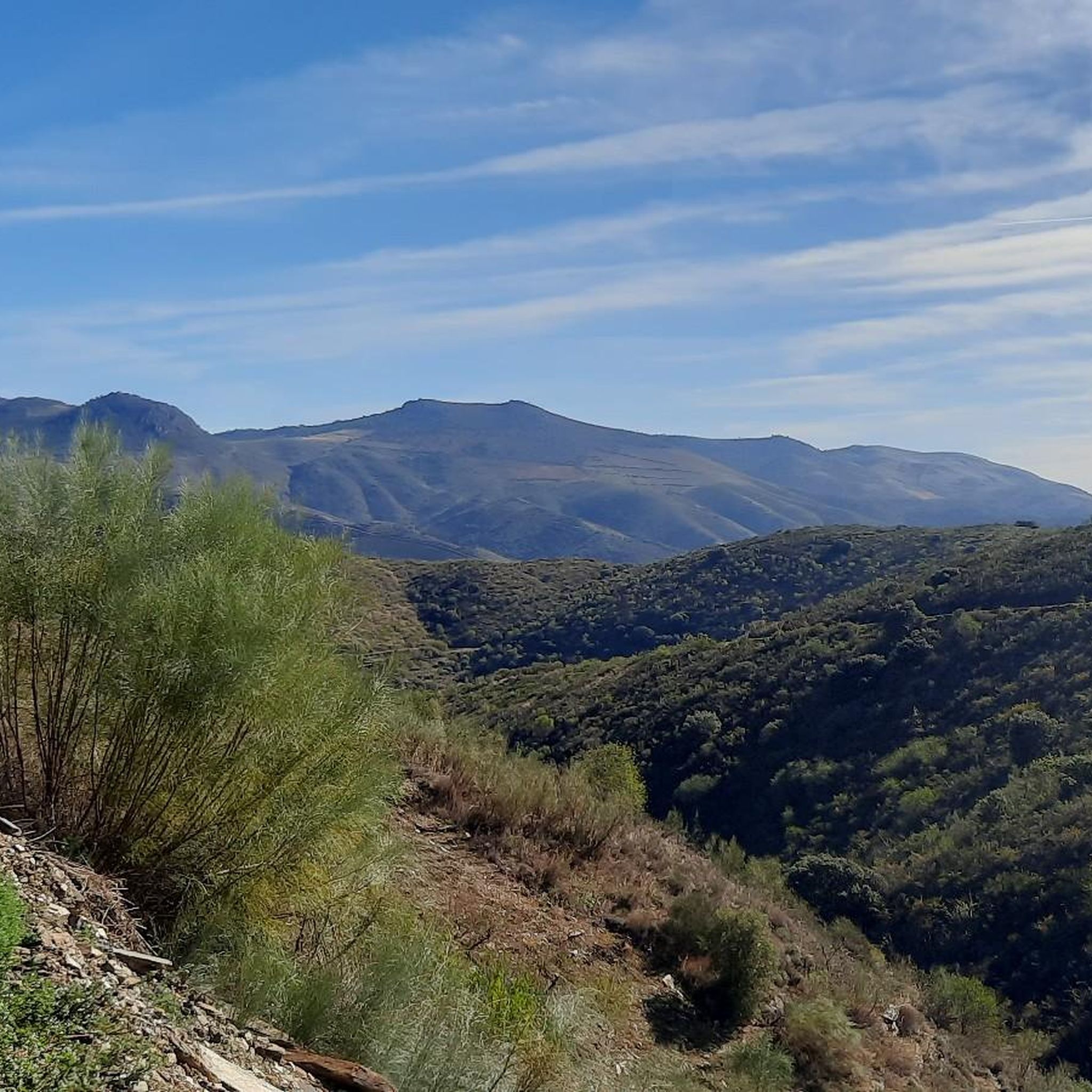
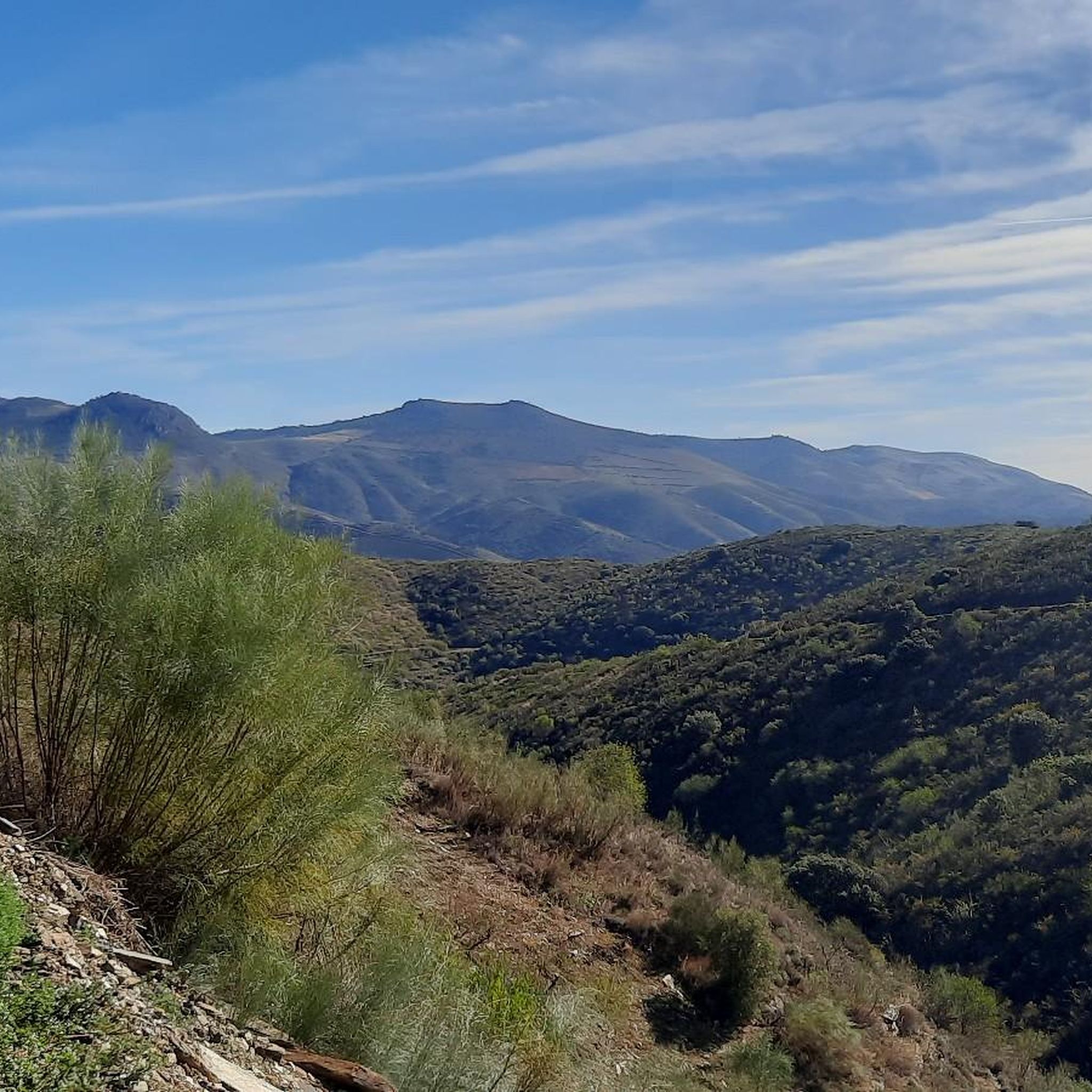
Touring cycling around Muxagata offers routes through the Beira Alta region of Portugal, characterized by diverse terrain at the foothills of the Serra de Estrela mountains. The landscape features river valleys, such as the Ribeira da Muxagata, which connects to the Mondego River, alongside elevated plateaus dotted with forests of chestnut, oak, and pine. Cyclists can expect to encounter granite outcrops and a mix of dirt roads and more challenging paths.
Best touring cycling routes around Muxagata
- The most popular…
Last updated: October 1, 2026
5.0
(1)
27
riders
59.4km
05:20
840m
840m
Hard bike ride. Very good fitness required. Mostly paved surfaces. Suitable for all skill levels.
22
riders
34.5km
03:18
570m
570m
Hard bike ride. Very good fitness required. Mostly paved surfaces. Suitable for all skill levels.

6
riders
Hard bike ride. Very good fitness required. Mostly paved surfaces. Suitable for all skill levels.
5
riders
44.5km
03:17
1,020m
1,020m
Hard bike ride. Very good fitness required. Mostly paved surfaces. Suitable for all skill levels.
3
riders
Hard bike ride. Very good fitness required. Mostly paved surfaces. Suitable for all skill levels.
Our route recommendations are based on thousands of hikes, rides, and runs completed by other people on komoot.

Tips from the Community

The Douro River (in Spanish: Duero) is a river that rises in the peaks of the Sierra de Urbión, in the Spanish province of Soria, at an altitude of 2,160 m, and crosses the north of Portugal to its mouth next to the cities of Porto and Vila Nova de Gaia.
0
0

Vila Nova de Foz Côa is a jewel of northern Portugal, located in the Guarda district of the Alto Douro region. It is known for its unique archaeological heritage, spectacular wine-growing landscapes, and its deep connection to history and nature.
3
0

Amid granite boulders and echoes of ancient battles, Moreira de Rei rises, an eagle's nest crowned by ruins that still whisper stories of fleeing kings, noblemen, and armies that passed through here. A good example is its name, which dates back to the time when Moreira welcomed King Sancho II on his way to exile from Toledo. Beneath the old Romanesque church lies a proto-Christian necropolis, witness to centuries of faith. Between worn walls, Roman pavements, and Visigothic memories, the town preserves, in stone and silence, the grandeur of a past that has never ceased to pulse.
2
0
Marialva is a jewel among Portugal's Historic Villages. High above, the castle watches over centuries of conquests and legends, while within the walls still echo the memory of kings, fairs, and battles. Strolling its cobblestone streets is like traveling back in time: from the keep to the Church of Santiago, every detail tells a story. Outside the walls, vineyards and flavors of Beira Alta complete the landscape: roast kid, sheep's cheese, and sweets that preserve the taste of tradition. Here, the village is experienced as much on foot as at the table.
3
0
In the heart of the rolling plain, your gaze reaches Marialva. As you follow the national road, in the distance, high above, the castle stands imposingly, guarding the valley beneath.
2
0

Its ancient castle contrasts with the fears and fears experienced by the people of yesteryear. It was a border town, the scene of many important battles and struggles for the formation and independence of the kingdom. It received important privileges. D. Afonso Henriques granted it a charter and D. Afonso III the charter of Feira. D. Dinis ordered the construction of the walls that still protect a village where Christians and Jews lived together. The ring of walls that still surround the old medieval town, as well as the vast civil and religious architectural heritage, give the Historic Centre a unique image.
3
0
The Castle of Trancoso is erected atop a hill in the North-Easternmost extreme of the city of Trancoso, within the district of Guarda, Portugal. It is a castle build in between the 10th and 13th centuries, featuring towers and the characteristic walls inclined to the tower of Moorish connotations. From the primitive castle appears the walled fortress with five towers and an homage one, the walls featuring several gates as well. Among these, the Porta do Rei stands out the most for being flanked by two towers.
2
0

Old Carmelite convent that is located on one side of the road and that allows us to see incredible views of the monastery and its walls.
0
0
Frequently Asked Questions
What kind of terrain can I expect when touring cycling around Muxagata?
The Muxagata area, nestled in the Beira Alta region at the foothills of the Serra de Estrela mountains, offers a diverse landscape. You'll encounter river valleys, such as the Ribeira da Muxagata, which connects to the Mondego River, alongside elevated plateaus dotted with native forests of chestnut, oak, and pine. Cyclists can also expect to navigate granite outcrops and a mix of dirt roads and more challenging paths.
Are there any circular touring cycling routes available near Muxagata?
Yes, several routes in the area are designed as loops. For instance, the View of Torre de Moncorvo – Larinho Station loop from Pocinho is a challenging 59.4 km route, and the View of Torre de Moncorvo loop from Pocinho offers a shorter, but equally difficult, 33.7 km ride. Another option is the Trancoso Historic Town Centre – Historic Village of Marialva loop from Mêda, Outeiro de Gatos e Fonte Longa, which covers 60.7 km through historic villages.
What are the typical distances and elevation gains for touring cycling routes in this region?
The touring cycling routes around Muxagata generally feature significant distances and elevation changes, reflecting the region's hilly terrain. For example, the Bike loop from Freixo de Numão - Mós do Douro is 44.5 km long with over 1000 meters of elevation gain. Even shorter routes like the Marialva Castle Ruins – Historic Village of Marialva loop from Mêda, Outeiro de Gatos e Fonte Longa, at 28.4 km, still involve over 450 meters of climbing.
What natural features or landmarks can I see along the touring cycling routes?
The region is rich in natural beauty and historical sites. You can explore the Ribeira da Muxagata creek valley, which often features waterfalls from November to May, and ride through native forests and past granite outcrops. Notable landmarks include the Côa Museum, the Ruins of the Pocinho Railway District 🇵🇹, and the São Gabriel Viewpoint, offering expansive views. The village of Muxagata itself has an ancient church, fountain, and traditional stone houses.
Are there any family-friendly or easy touring cycling options in Muxagata?
While many of the listed touring cycling routes are rated as difficult, the Muxagata area does offer some easier options for casual exploration. The Muxagata Nature Creek Trail, also known as the Biodiversity Station (EBIO) of Ribeira da Muxagata, is an almost 3 km pedestrian trail that follows the Muxagata creek. Its level and easy terrain make it suitable for walking, running, and potentially very easy cycling, though it's not a dedicated touring cycling route. The immediate area around Muxagata also has several dirt roads winding between stone walls and farms that are suitable for casual biking.
What is the best time of year to go touring cycling in Muxagata?
Muxagata benefits from a climate where outdoor activities are enjoyable for much of the year. From November to May, the nearby mountains are abundant with rainwater, feeding rivers and creating numerous waterfalls, which can be a scenic highlight. For touring cycling, spring and autumn generally offer the most pleasant temperatures, avoiding the peak heat of summer and the cooler, wetter conditions of winter. This allows for comfortable exploration of the region's diverse landscapes.
What do other touring cyclists say about the routes in Muxagata?
The touring cycling routes in Muxagata are highly regarded by the komoot community, holding an average score of 5.0 stars from 2 reviews. Over 70 touring cyclists have used komoot to explore the varied terrain, often praising the challenging nature and scenic vistas of the region.
Are there any specific viewpoints or scenic spots along the touring cycling routes?
Yes, the region offers several scenic viewpoints. The routes often provide expansive views of the surrounding landscape, particularly on higher elevations. A notable spot is the São Gabriel Viewpoint, which offers panoramic vistas. Many routes also pass through areas with granite outcrops and elevated plateaus, providing natural scenic overlooks.
Can I find accommodation or places to eat near the cycling routes in Muxagata?
Muxagata is a small village with traditional stone houses, and while specific cafes or pubs directly on the routes are not detailed, the village itself offers a charming atmosphere. For more comprehensive services, including accommodation and dining, you would typically look to larger nearby towns such as Fornos de Algodres or Vila Nova de Foz Côa. The local river beach in Muxagata also has a snack bar during its operational season.
Are there any routes that pass through historic villages or town centers?
Yes, the region is home to several historic villages and towns that are integrated into the cycling network. The Trancoso Historic Town Centre – Historic Village of Marialva loop from Mêda, Outeiro de Gatos e Fonte Longa is a prime example, leading cyclists through historic centers and offering a glimpse into the region's rich heritage.
Are the touring cycling routes in Muxagata suitable for beginners?
Most of the touring cycling routes listed for Muxagata are rated as 'difficult' due to significant distances and elevation gains. These routes are generally more suited for experienced touring cyclists looking for a challenge. Beginners might find the local dirt roads around Muxagata or the Muxagata Nature Creek Trail more appropriate for casual, shorter rides.
What kind of wildlife might I encounter while cycling in the Muxagata area?
The unpolluted water and air in the Muxagata region foster a rich biodiversity. While cycling through the forests and along the river valleys, you might encounter various reptiles, amphibians, and insects. Larger mammals such as badgers, foxes, wild boars, and genets also inhabit the area, though they are often more elusive.
Most popular routes around Muxagata
Most popular attractions around Muxagata

Get inspired with the komoot mobile app


Explore more
Browse the best Cycling routes in other regions.
