The best MTB trails around Alcobaça
4.7
(25)
221
riders
22
rides
Mountain biking around Alcobaça offers diverse terrain, from the rolling hills and forests of the Oeste region to routes near the Atlantic coastline. The area is characterized by river valleys, such as those formed by the Alcoa and Baça rivers, and the nearby Parque Natural das Serras de Aire e Candeeiros with its rounded chalk peaks. This varied landscape provides a range of mountain bike trails suitable for different skill levels. Pine forests and coastal paths contribute to the region's appeal for outdoor activities.
Best mountain bike trails around Alcobaça
- The most popular mountain bike trail is Alcobaça Monastery – Singletrack Through Forest loop from Alcobaça, a 23.9 miles (38.5 km) trail that takes 3 hours 5 minutes to complete. This difficult route features challenging singletrack sections through dense forest.
- Another top favourite among local mountain bikers is Nazaré – Alcobaça Monastery loop from Alcobaça, a moderate 31.3 miles (50.4 km) path. This route connects coastal views with historical landmarks.
- Local mountain bikers also love the View of Praia da Gralha – Singletrack Through Forest loop from Alcobaça, a 31.4 miles (50.5 km) trail leading through varied forest terrain and offering views towards the coast, often completed in about 3 hours 22 minutes.
- Mountain biking around Alcobaça is defined by rolling hills, dense forests, and coastal paths. The network offers options for different ability levels, from moderate loops to more challenging singletrack.
- The routes in Alcobaça are highly rated by the komoot community with an average score of 4.8 stars from over 20 reviews. More than 200 mountain bikers have used komoot to explore Alcobaça's varied terrain.
Last updated: November 22, 2026
5.0
(3)
30
riders
38.6km
03:05
500m
500m
Hard mountain bike ride. Good fitness required. Advanced riding skills necessary. Some portions of the route may require you to push your bike.
5.0
(1)
10
riders
50.4km
03:43
560m
560m
Moderate mountain bike ride. Good fitness required.

3.0
(1)
6
riders
47.6km
03:07
660m
650m
Moderate mountain bike ride. Good fitness required. Advanced riding skills necessary.
4.0
(1)
8
riders
42.9km
03:36
580m
580m
Moderate mountain bike ride. Good fitness required. Advanced riding skills necessary.
5.0
(1)
4
riders
20.9km
01:39
250m
250m
Moderate mountain bike ride. Advanced riding skills necessary.
Get access to more routes and recommendations from other explorers.
Already have an account?
Our route recommendations are based on thousands of hikes, rides, and runs completed by other people on komoot.
Start today with a free account
Your next adventure awaits.

Tips from the Community

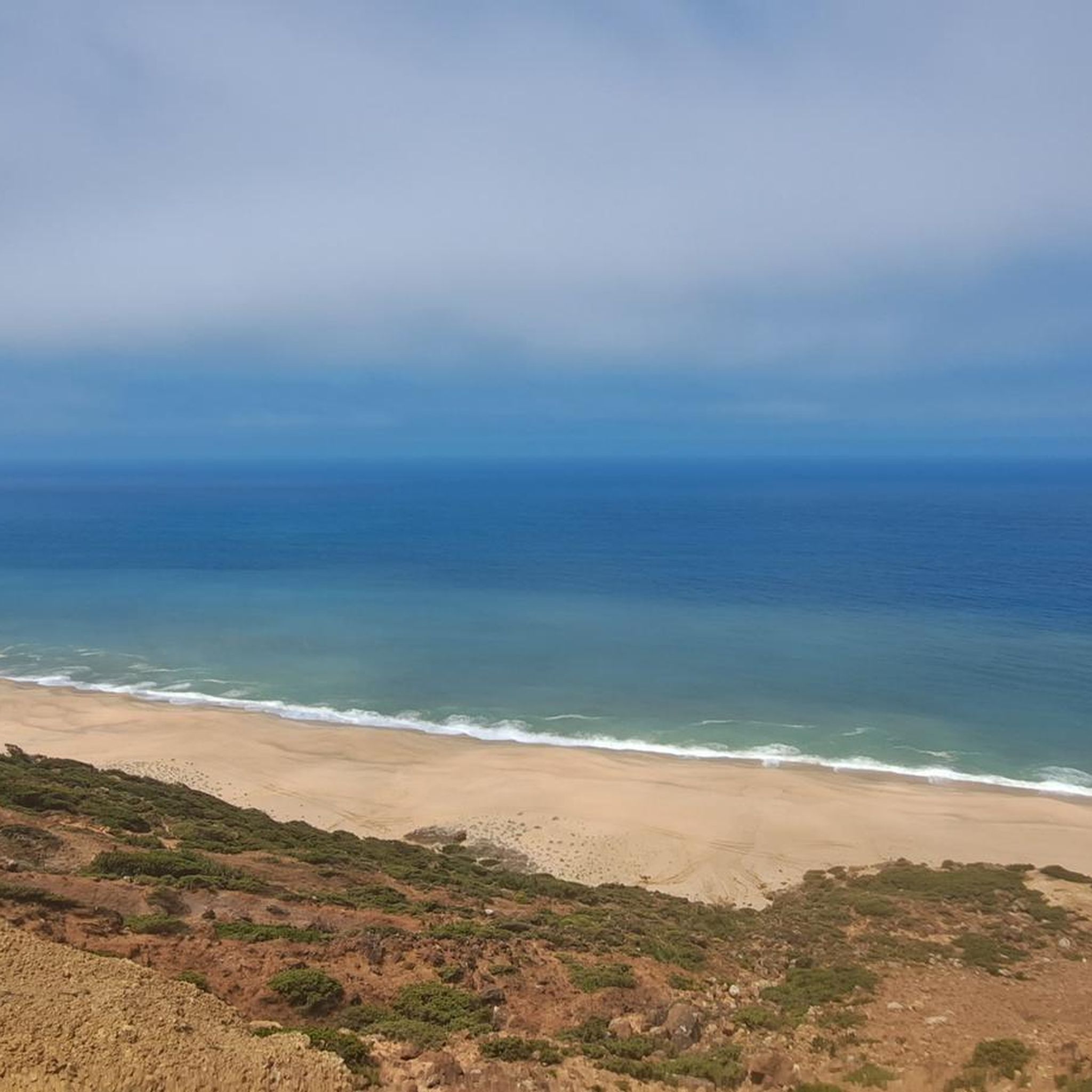
Careful: During these months of December and January, it is impossible to pass through because approximately 200 meters of the road is flooded at the beginning, for those coming from the Chiqueda side.
0
0

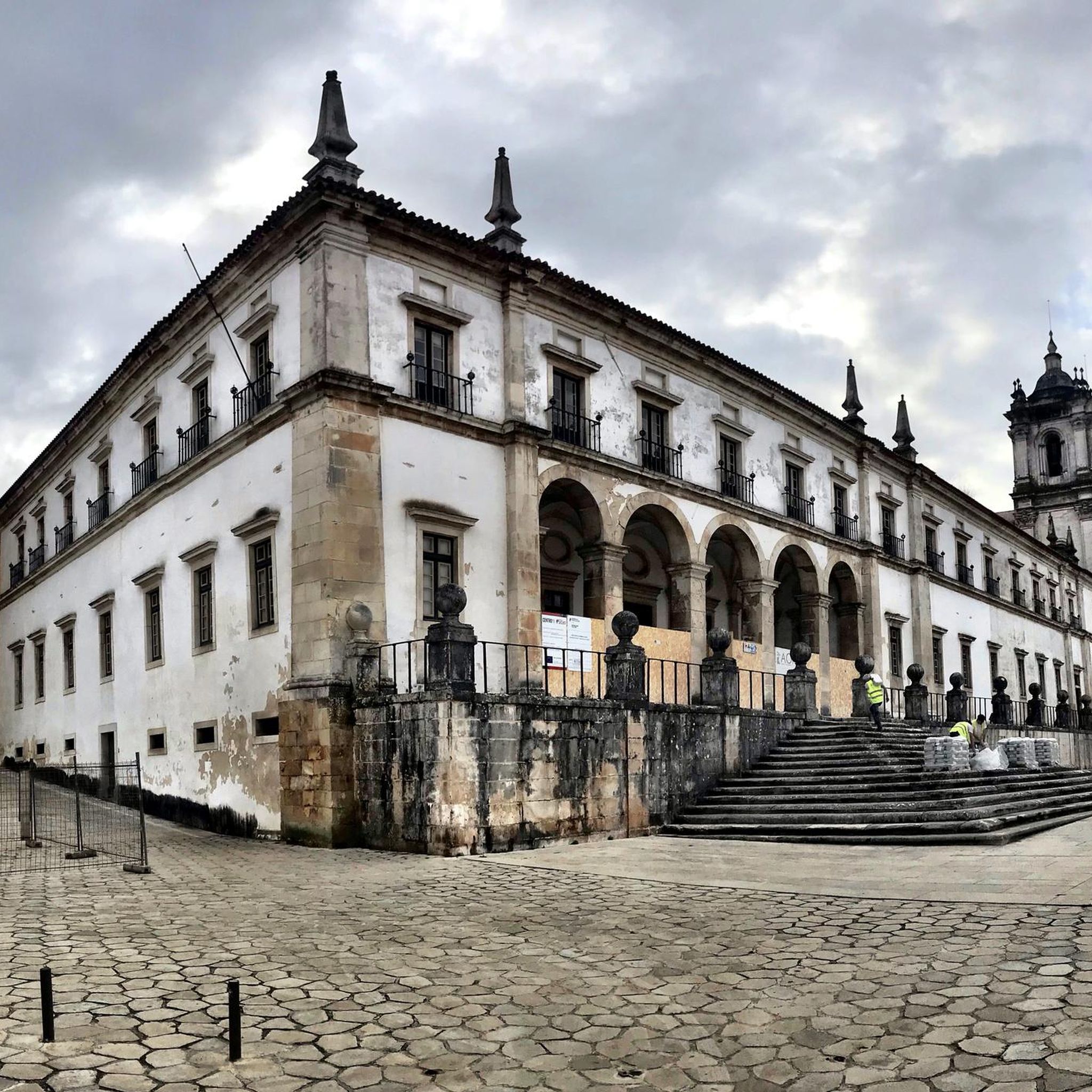
Great Cathedral
0
0
A large and very beautiful religious monument
0
0

Gravel is very fun if you go with friends with some experience.
1
0

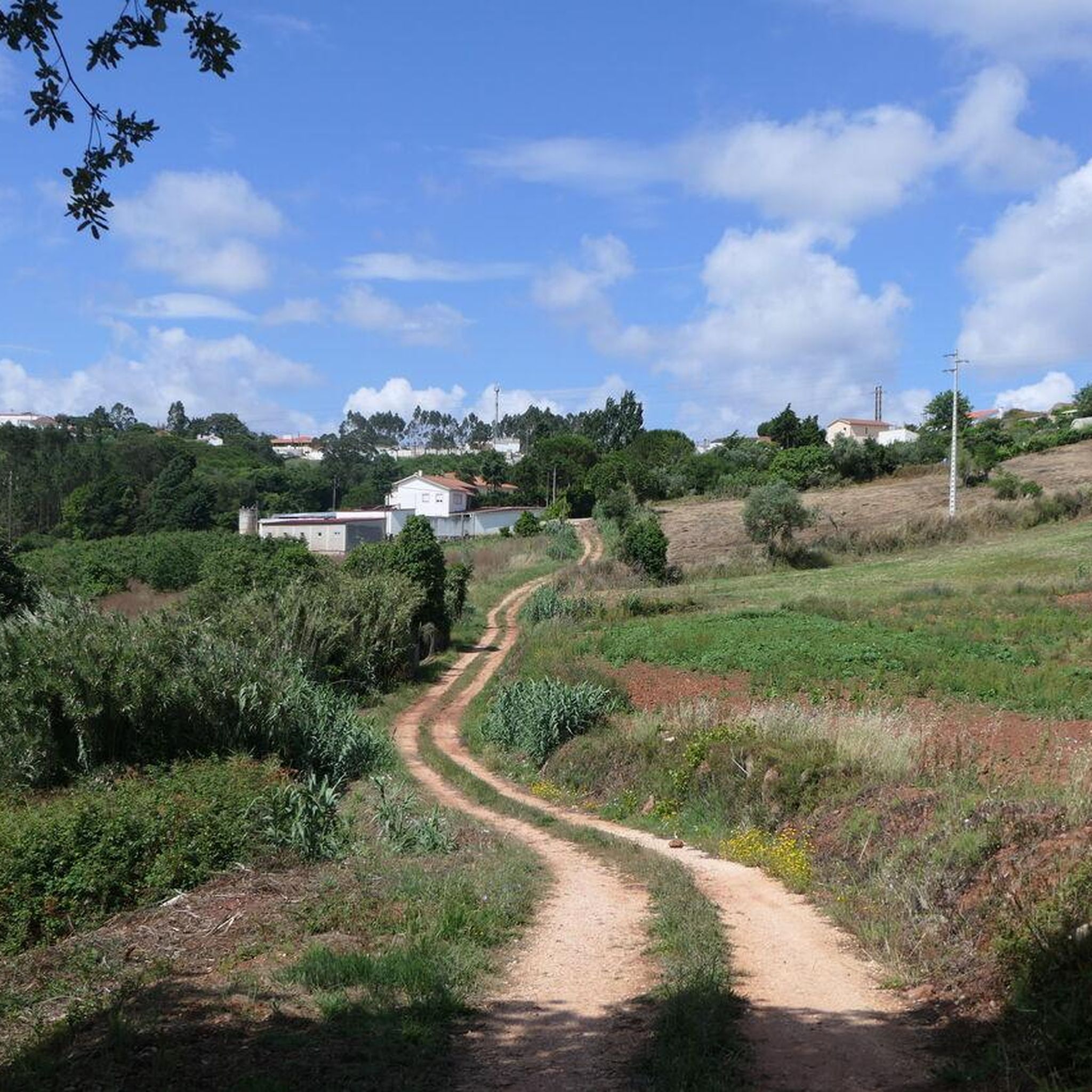
Pretty tree-lined passage, pleasant to ride on
0
0

From the chapter house on the ground floor, a staircase leads up to the dormitory. This staircase was rediscovered during renovations beginning in 1930. Located on the first floor, the dormitory extends 66.5 meters in length and 21.5 to 17.5 meters in width along the entire east side of the medieval part of the abbey, thus covering an area of almost 1,300 square meters. In its current form, restored through renovation, it presents itself in its original medieval state. At the southern end, the dormitory opens with a large round-arched doorway to the northern transept of the church. A staircase formerly led down from there, as the Cistercian rule required two separate entrances to the communal sleeping quarters. At the northern end of the dormitory were the latrines, which—again according to a general rule of the order—had to be separated from the sleeping quarters by a separate room. The wastewater flowed into the abbey's garden on the north side. The monks slept together in the dormitory, fully clothed, separated from their neighbors only by a movable partition. The abbot alone had his own cell, located on the south side facing the church. This arrangement is typical of most Cistercian monasteries of this period. A narrow door in the center of the western side leads to a narrow spiral staircase, which today provides access to the kitchen, but in the Middle Ages led to the calefactory (warming room, see below). This staircase also provided access to the upper cloister. https://de.wikipedia.org/wiki/Kloster_Alcoba%C3%A7a
3
0
The entrance to the chapter house features a particularly striking facade with staggered columns. The chapter house served as the meeting place for the monks and was, after the church, the most important room in the monastery. It bears this name because the chapters of the Rule of St. Benedict were read aloud there daily. Elections and similar communal ceremonies of the monks also took place there. In the entrance area to the chapter house is the gravestone of an abbot whose identity is no longer known. The floor of the chapter house was formerly completely covered with such gravestones, as a Cistercian rule from 1180 stipulated that abbots had to be buried in the chapter house, meaning that the monks made their decisions on the graves of their deceased abbots. This type of burial was a significant exception to the general Cistercian rule, which forbade the burial of monks within the monastery. That's why you'll find a door leading south in the southern transept called the Porta da Morte (Door of Death), because deceased monks were carried out through it for burial. https://de.wikipedia.org/wiki/Kloster_Alcoba%C3%A7a
2
0
To the west of the new kitchen lies the refectory, the dining hall for the monks, a three-aisled hall measuring approximately 620 square meters (29 x 21.5 meters). Above its entrance, in medieval Latin, is the difficult-to-interpret inscription: "respicte quia peccata populi comeditis," meaning: "Remember that you are eating the sins of the people." The room impresses with its beautiful proportions. It has windows facing north and east, overlooking the new kitchen. On the west side, a stone staircase leads to the pulpit of the lector, who read from monastic texts during meals. The monks sat facing the walls and ate their meals in silence. The abbot sat with his back to the north wall, observing the proceedings. At the southern end of the west side, the refectory opens into the former medieval kitchen, now a side room leading to the cloister of the Cathedral of Afonso VI. A few meters further along, another opening can be found in the same wall, two meters high and 32 cm wide. It leads to the aforementioned side room, and there is no scientifically sound explanation for it. A long-standing legend claims that this opening served to monitor the monks' weight. They were supposed to pass through this door once a month, which is only possible by leaning sideways. If they were too heavy, they were put on a diet. The damage caused by the conversion of the refectory into a theater in 1840 (with 301 seats, 120 of which were in the galleries, and 5 boxes) was largely repaired during the restoration. https://de.wikipedia.org/wiki/Kloster_Alcoba%C3%A7a
2
0
Frequently Asked Questions
How many mountain bike trails are available around Alcobaça?
There are over 25 mountain bike trails around Alcobaça, offering a diverse range of experiences for different skill levels. These include both moderate and difficult routes through varied terrain.
What kind of terrain can I expect on mountain bike trails in Alcobaça?
Mountain biking in Alcobaça features a mix of landscapes, from rolling hills and dense forests to routes near the Atlantic coastline. You'll find trails through pine forests, river valleys formed by the Alcoa and Baça rivers, and the rounded chalk peaks of the nearby Parque Natural das Serras de Aire e Candeeiros.
Are there any easy mountain bike trails suitable for beginners in Alcobaça?
While many trails in Alcobaça are rated moderate to difficult, the region offers options that can be enjoyed by those with less experience. It's always recommended to check the specific route details on komoot for elevation and technical difficulty to find a trail that matches your comfort level.
Which trails offer challenging singletrack sections for experienced riders?
For experienced riders seeking a challenge, the Alcobaça Monastery – Singletrack Through Forest loop from Alcobaça is a difficult 38.5 km route featuring demanding singletrack sections through dense forest. Another option is the View of Praia da Gralha – Singletrack Through Forest loop from Alcobaça, a moderate 50.5 km trail with varied forest terrain.
What are some scenic highlights or landmarks I can see along the mountain bike trails?
Many trails offer scenic views and pass by notable landmarks. You might encounter the historic Alcobaça Monastery, or enjoy coastal vistas towards Praia da Gralha. The region also features natural viewpoints like Mount Saint Bartholomew and the Panoramic platform at the top of the funicular near Nazaré, offering expansive views.
Are there any mountain bike routes that combine coastal views with historical sites?
Yes, the Nazaré – Alcobaça Monastery loop from Alcobaça is a moderate 50.4 km path that connects stunning coastal views near Nazaré with the historical significance of the Alcobaça Monastery, providing a rich cultural and natural experience.
What do other mountain bikers enjoy the most about mountain biking in Alcobaça?
The mountain bike trails around Alcobaça are highly rated by the komoot community, with an average score of 4.8 stars from over 20 reviews. Riders often praise the diverse terrain, the mix of forest and coastal paths, and the well-maintained routes that cater to various skill levels.
What is the best time of year for mountain biking in Alcobaça?
Alcobaça offers good mountain biking conditions for much of the year. The region's mild climate, influenced by its proximity to the coast, generally allows for comfortable riding outside of the hottest summer months. Spring and autumn are particularly pleasant, with moderate temperatures and lush scenery.
Are there any family-friendly mountain biking options or activities nearby?
While many mountain bike trails are moderate to difficult, the broader Alcobaça region offers family-friendly outdoor activities. For instance, the Parque dos Monges just outside Alcobaça provides activities like canoeing and archery in a medieval-themed setting. When choosing a bike route, look for shorter, less technical paths or consider cycling along the coastal paths for a gentler experience.
Can I find circular mountain bike routes around Alcobaça?
Yes, many of the mountain bike trails around Alcobaça are designed as loops, allowing you to start and finish at the same point. Examples include the Alcobaça Monastery – Singletrack Through Forest loop from Alcobaça and the Singletrack Through Forest – Alcobaça Monastery loop from Alcobaça, which are convenient for exploration.
Are there any trails that are less crowded for a more peaceful ride?
While popular routes attract more riders, Alcobaça's extensive network of trails through forests and hills means you can often find quieter paths, especially during off-peak times or by exploring some of the less frequently highlighted singletrack options. Checking komoot's route details can help identify less-trafficked areas.
What is the typical duration for mountain bike rides in Alcobaça?
The duration of mountain bike rides in Alcobaça varies significantly depending on the trail length and your pace. Routes can range from shorter loops taking around 2-3 hours, such as the Mountainbike loop from Alcobaça (20.1 km, ~1 hour 36 minutes), to longer, more challenging rides that can take 3-4 hours or more, like the 50.4 km Nazaré – Alcobaça Monastery loop from Alcobaça.
Most popular attractions around Alcobaça

Get inspired with the komoot mobile app


Explore more
Browse the best MTB trails in other regions.
