Attractions and Places To See around Caldas Da Rainha (Nossa Senhora Do Pópulo) - Top 20
Best attractions and places to see around Caldas Da Rainha (Nossa Senhora Do Pópulo) include a mix of historical landmarks, cultural sites, and natural features. The region is known for its thermal springs and ceramic pottery, offering a unique blend of heritage and natural beauty. Its municipality extends to coastal areas, featuring the Óbidos Lagoon and the Atlantic Ocean. Visitors can explore ancient fortifications, significant religious buildings, and unique natural monuments.
Best attractions and places to see around Caldas Da…
Last updated: May 20, 2026
Óbidos – Town Gate
Highlight • Historical Site
Translated by Google •
Tip by

Óbidos Castle
Highlight • Castle
Translated by Google •
Tip by
Sign up now to discover places like this
Get recommendations on the best single tracks, peaks, & plenty of other exciting outdoor places.
Sign up for free
Óbidos Castle
Highlight • Castle
Translated by Google •
Tip by
Chapel of Santa Ana (Capela de Sant'Ana)
Highlight • Religious Site
Translated by Google •
Tip by

Salir do Porto Dune
Highlight • Natural Monument
Translated by Google •
Tip by

Sign up for free to discover even more attractions around Caldas Da Rainha (Nossa Senhora Do Pópulo).
Sign up for free
Already have an account?
Start today with a free account
Your next adventure awaits.
Login or Signup
Popular around Caldas Da Rainha (Nossa Senhora Do Pópulo)
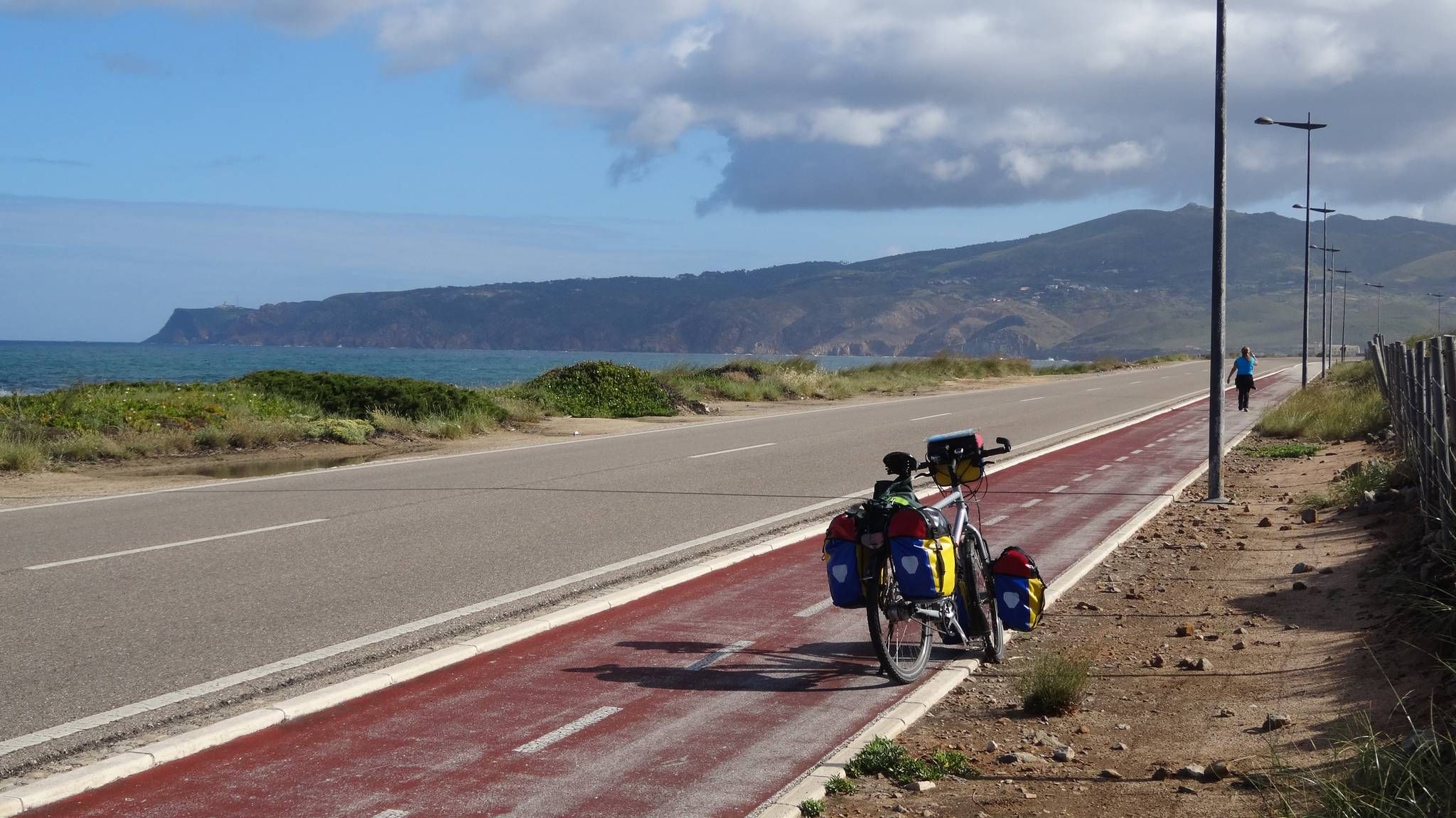
Bike Touring along Portugal's Atlantic Coast from Lisbon to Porto
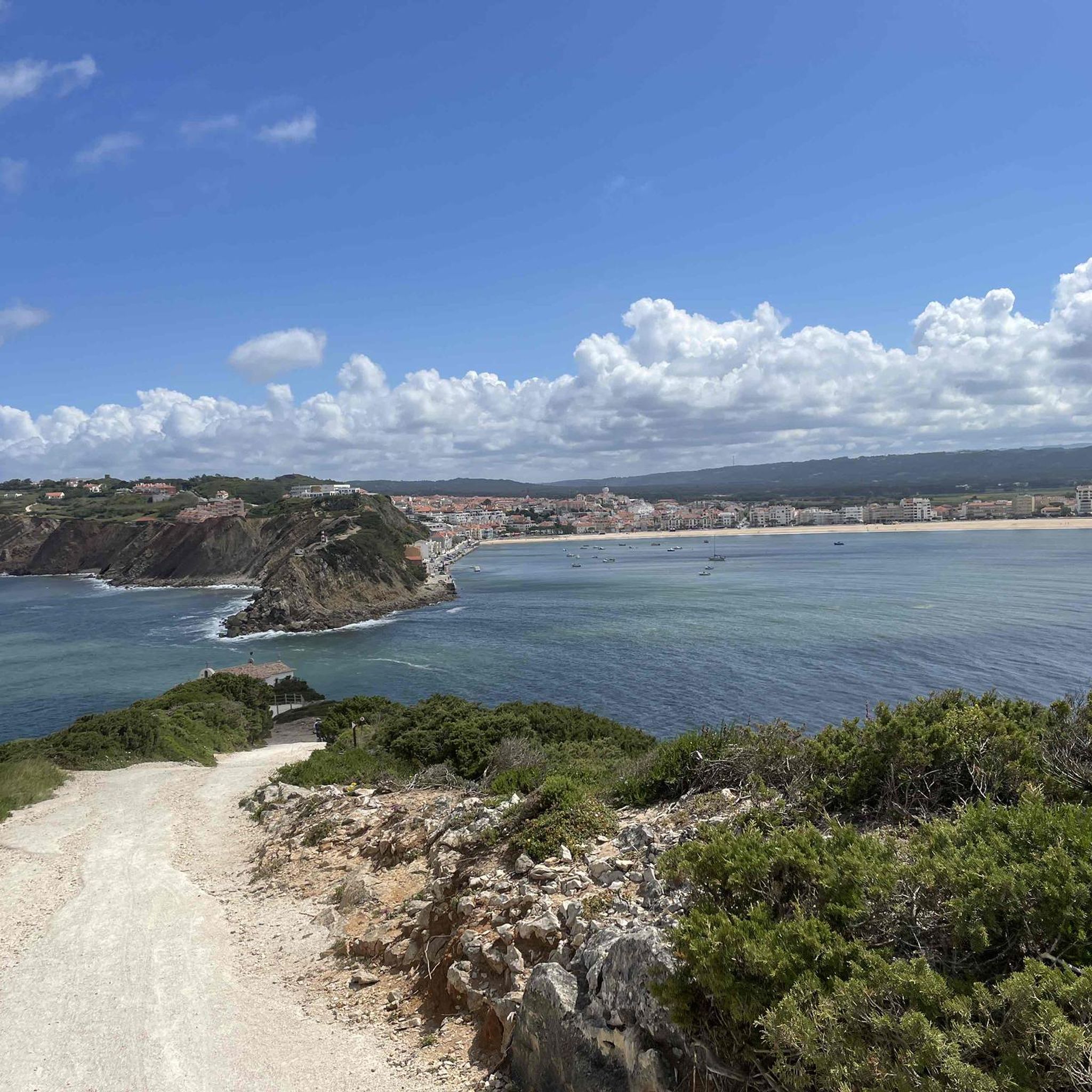
Hiking around Caldas Da Rainha (Nossa Senhora Do Pópulo)
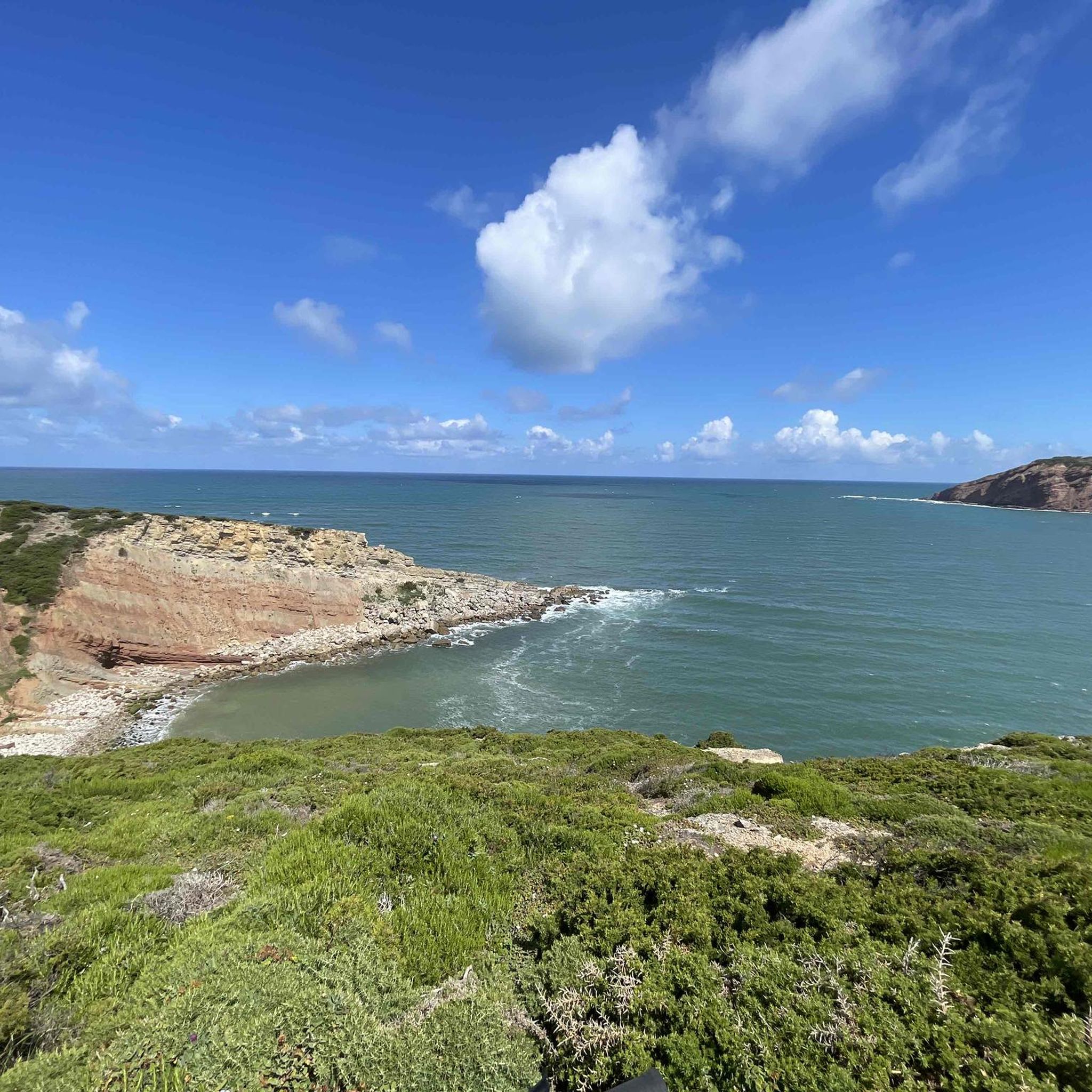
Road Cycling Routes around Caldas Da Rainha (Nossa Senhora Do Pópulo)
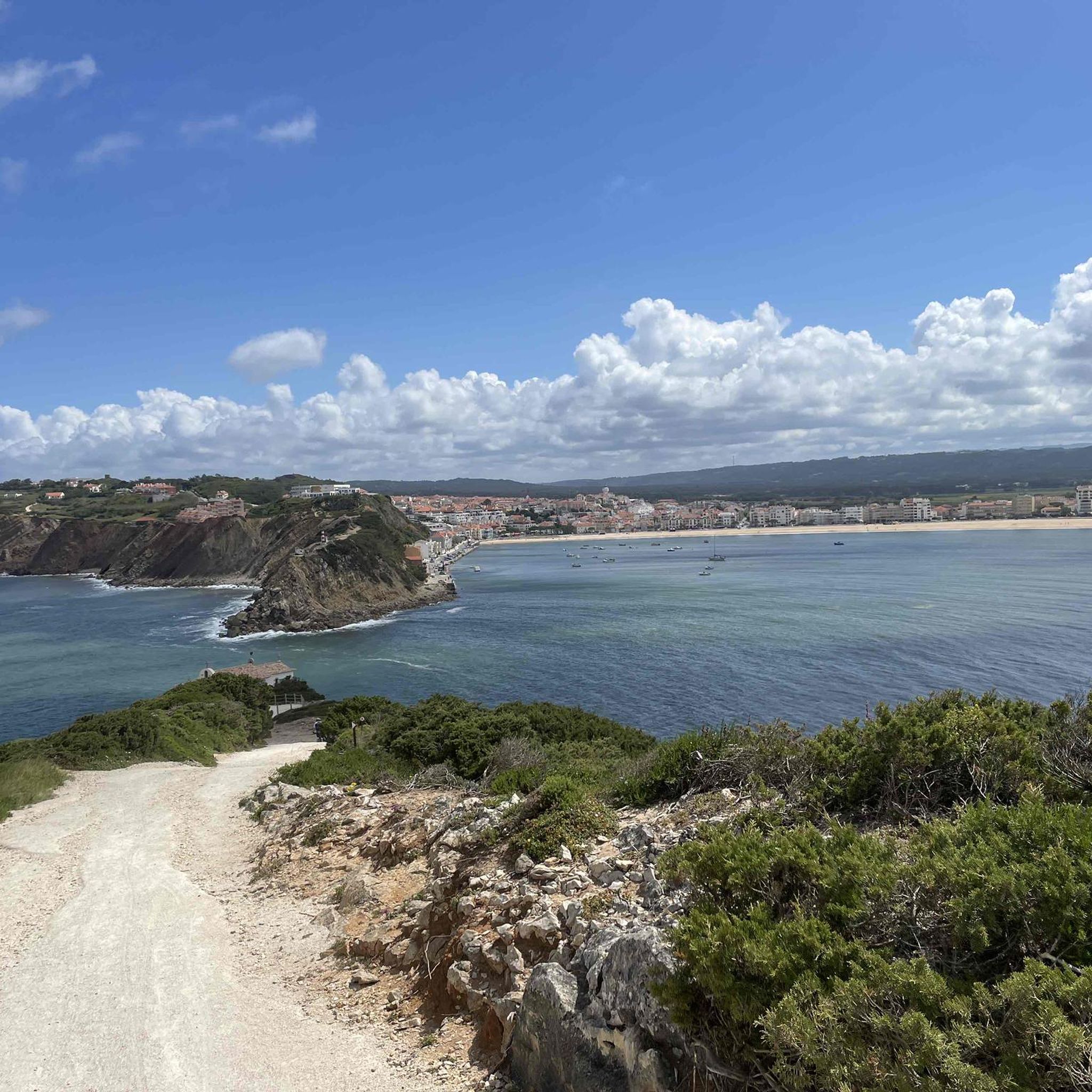
Cycling around Caldas Da Rainha (Nossa Senhora Do Pópulo)
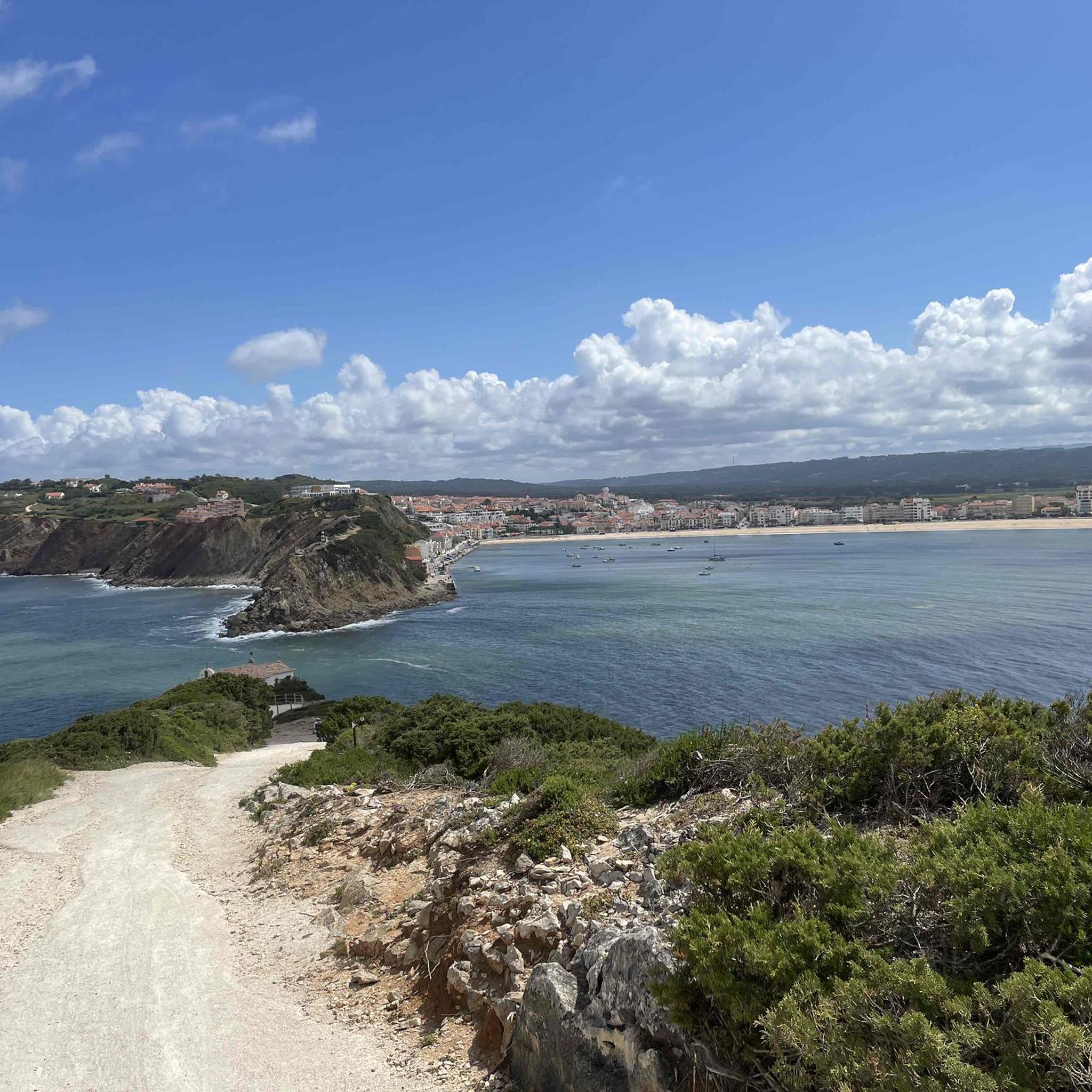
MTB Trails around Caldas Da Rainha (Nossa Senhora Do Pópulo)
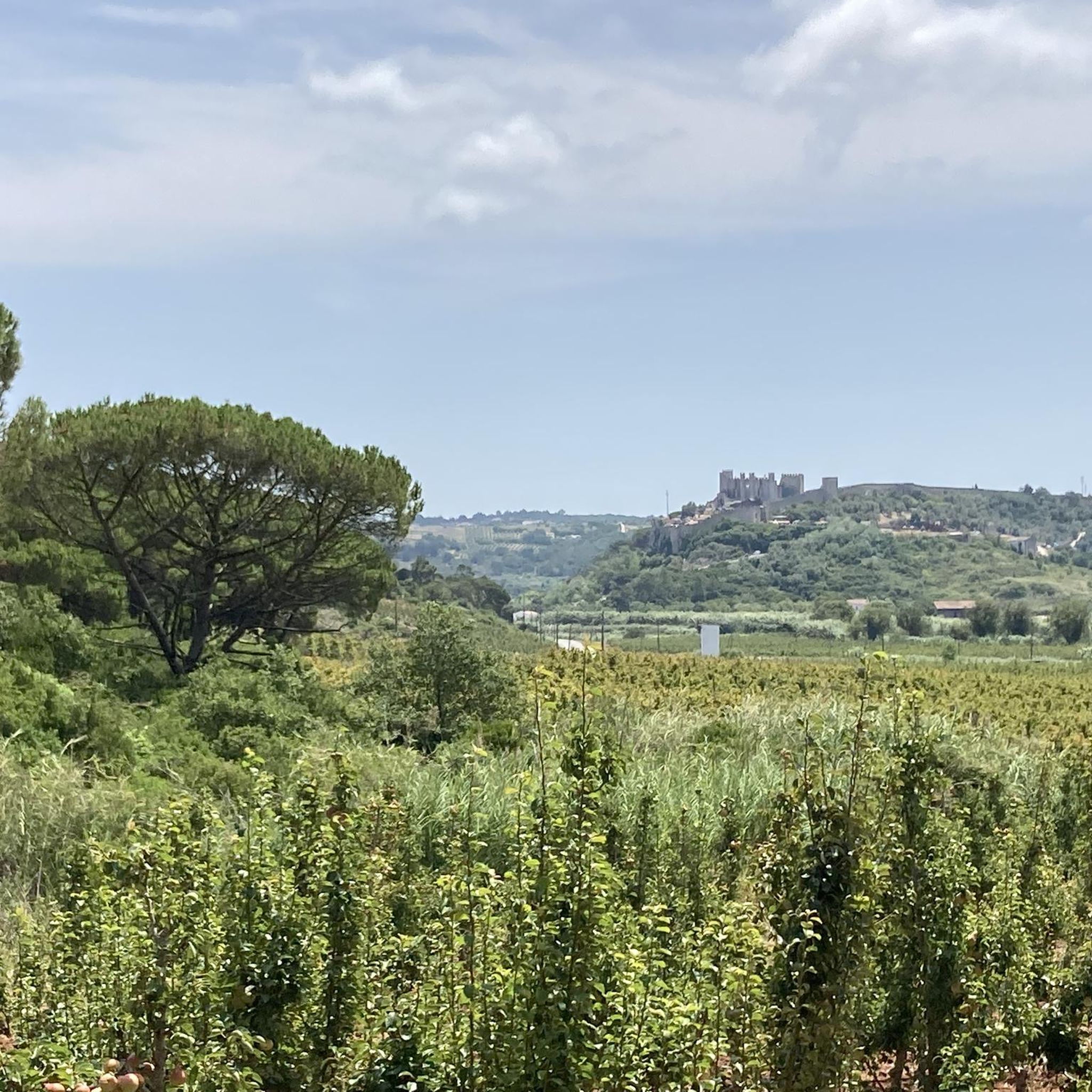
Running Trails around Caldas Da Rainha (Nossa Senhora Do Pópulo)

Gravel biking around Caldas Da Rainha (Nossa Senhora Do Pópulo)
Other adventures around Caldas Da Rainha (Nossa Senhora Do Pópulo)

Tips from the Community

An entrance in the city wall, with some tile panels that I loved seeing.
6
0
Beautiful photos. Thank you 🙏
6
1

The Castelo de Óbidos is a medieval castle and symbolically towers over the town of Óbidos. The fortification is likely of Roman origin, but the region was settled even earlier, in prehistoric times. Its eventful history over the decades can be found here: https://www.burgen.de/burgen-und-schloesser/portugal/castelo-de-obidos/ In the 20th century, the Castelo de Óbidos was found completely in ruins. Starting in 1932, the castle underwent the first consolidation, reconstruction, and restoration work. It was restored to accommodate state guests – the first Portuguese state accommodation in a historic building. Therefore, the interior of the castle is unfortunately no longer open to visitors.
4
0
The Porta da Vila is the city's main gate. It consists of two low, staggered gates to prevent a direct cavalry charge, as was often the case with Gothic Portuguese castles. Between the gates is a small balcony that served as a prayer room, with beautiful blue and white tiles (azulejos) from 1740 depicting the Passion of Christ. Street performers often play there because of the acoustics.
5
0

Simply a wonderful experience
3
2
A beautiful place that I would not want to miss
4
1

In 2007, Óbidos Castle was declared the second of the seven most important monuments of Portuguese architectural heritage by the Seven Wonders of Portugal competition. On December 11, 2015, UNESCO recognized Óbidos as a literary city, as part of the Creative Cities Network program. (Source: Wikipedia)
17
0
Of Roman origin, the town of Óbidos derives from the Latin opiddum, meaning "fortified city." Later occupied by Visigothic and Muslim peoples, it was reconquered by the first King of Portugal, D. Afonso Henriques, in 1148. Its walls still reveal traces of the ancient people who settled here, high atop the hill, overlooking the Óbidos Lagoon on one side and the Usseira Aqueduct on the other. But Óbidos offers much more than monuments. There's a literary town to discover, full of color, excitement, and traditions. The main street in Óbidos leads from the town gate to the castle. The buildings we encounter preserve the identity of Óbidos, considered one of the best-preserved medieval towns in the world. The houses in the town of Óbidos are painted in various colors: yellow, blue, red, and gray. (Source: tourism center of Portugal)
17
1
Frequently Asked Questions
What historical landmarks can I explore in Caldas da Rainha itself?
In Caldas da Rainha, you can visit the Igreja de Nossa Senhora do Pópulo, a national monument from the late 1400s known for its Manueline style and 17th-century tile panels. Another significant site is the Hospital Termal Rainha D. Leonor, considered the world's oldest purpose-built thermal hospital, where you can see the historic "Queen's Pool" underground.
Where can I learn about the region's famous ceramics?
Caldas da Rainha is renowned for its ceramics. You can visit the Factory Store - Bordallo Pinheiro, established in 1884, which continues to produce iconic tableware and characters. The city's ceramic heritage is also celebrated at the Museu da Cerâmica, and you can see large-scale ceramic art at the Jardim de Água.
Are there any significant religious sites to visit in the area?
Yes, besides the Igreja de Nossa Senhora do Pópulo in Caldas da Rainha, you can visit the Chapel of Santa Ana (Capela de Sant'Ana). Located on Monte Santana in Salir do Porto, this 12th-century chapel is considered the oldest religious building in the municipality and offers unique views over the sea and bay.
What is the history behind Caldas da Rainha's thermal springs?
Caldas da Rainha, meaning "Queen's Baths," originated from the discovery of therapeutic hot springs by Queen Leonor in the 15th century. These thermal waters are known for their healing properties, leading to the establishment of the Hospital Termal Rainha D. Leonor, the world's oldest thermal hospital.
Can I visit any ancient fortifications or castles nearby?
Absolutely. The region is home to the impressive Óbidos Castle, a historical castle dominating the town of Óbidos. Its walls reveal traces of ancient peoples and offer panoramic views. You can also experience the Óbidos – Town Gate, the main entrance to the fortified town, featuring 18th-century tile panels.
What natural attractions are there near Caldas da Rainha?
The municipality extends to beautiful natural areas. You can visit the Salir do Porto Dune, known as the highest dune in Portugal at approximately 50 meters. The Lagoa de Óbidos is also partially within the borders, offering opportunities for water sports and birdwatching. Additionally, Parque Dom Carlos I in the city center provides serene gardens and a lake.
Are there any beaches close to Caldas da Rainha?
Yes, the civil parish of Tornada e Salir do Porto, part of the municipality, borders the Atlantic Ocean. Praia de Salir do Porto is a beautiful beach with calm waters and golden sand, located near the mouth of the Rio Tornada. The popular Foz do Arelho beach is also easily accessible.
Are there family-friendly attractions in the area?
Many attractions cater to families. Parque Dom Carlos I offers a playground and rowboats on the lake. The Salir do Porto Dune is a fun spot for children to climb and slide. Exploring the medieval town of Óbidos, including its castle and town gate, can also be an engaging experience for families.
What outdoor activities can I do around Caldas da Rainha?
The region offers various outdoor activities. You can find numerous running trails, including loops around Dom Carlos I Park or longer routes towards the Atlantic Coast. For cycling, there are routes around the Óbidos Lagoon and along the coast. Explore more options on the running trails guide and cycling guide for the area.
Are there good cycling routes near Caldas da Rainha?
Yes, there are excellent cycling opportunities. You can find routes like the "Óbidos Lagoon – Lagoa de Óbidos Gravel Trail loop" for touring bikes, or road cycling routes such as "Foz do Arelho Beach – Sapo Bordallo Pinheiro loop." For a comprehensive list of routes, check out the cycling guide and road cycling routes guide for Caldas da Rainha.
What is the best time to visit Caldas da Rainha attractions?
The region's attractions can be enjoyed year-round. For outdoor activities like exploring beaches, dunes, and cycling, the warmer months from late spring to early autumn are ideal. Historical and cultural sites, such as museums and churches, are accessible throughout the year. The vibrant Praça da Fruta market is a lively experience any time.
What do visitors enjoy most about the attractions in this region?
Visitors particularly enjoy the blend of history and natural beauty. The medieval charm of Óbidos, including walking along the Óbidos Town Wall Walk with its panoramic views, is highly recommended. The unique experience of climbing and sliding down the Salir do Porto Dune is also a highlight for many.
Most popular routes around Caldas Da Rainha (Nossa Senhora Do Pópulo)
Most popular attractions around Caldas Da Rainha (Nossa Senhora Do Pópulo)

Get inspired with the komoot mobile app


Explore more
Still not found the Highlight you’re looking for? See guides of the top attractions in other regions:
