Attractions and Places To See around São Gregório - Top 20
Best attractions and places to see around São Gregório include a variety of historical sites and unique man-made monuments. The region features ancient fortifications, significant religious structures, and distinctive cultural landmarks. Visitors can explore areas with rich historical narratives and diverse landscapes.
Best attractions and places to see around São Gregório
- The most popular attractions is Óbidos – Town Gate, a historical site that serves as the main entrance to the fortified town of Óbidos. It features two staggered…
Last updated: May 4, 2026
Óbidos – Town Gate
Highlight • Historical Site
Translated by Google •
Tip by

Óbidos Castle
Highlight • Castle
Translated by Google •
Tip by
Sign up now to discover places like this
Get recommendations on the best single tracks, peaks, & plenty of other exciting outdoor places.
Sign up for free
Óbidos Castle
Highlight • Castle
Translated by Google •
Tip by
Óbidos Town Wall Walk
Highlight (Segment) • Monument
Translated by Google •
Tip by

Igreja de São Tiago Bookstore
Highlight • Religious Site
A very successful venture.
Translated by Google •
Tip by

Sign up for free to discover even more attractions around São Gregório.
Sign up for free
Already have an account?
Start today with a free account
Your next adventure awaits.
Login or Signup
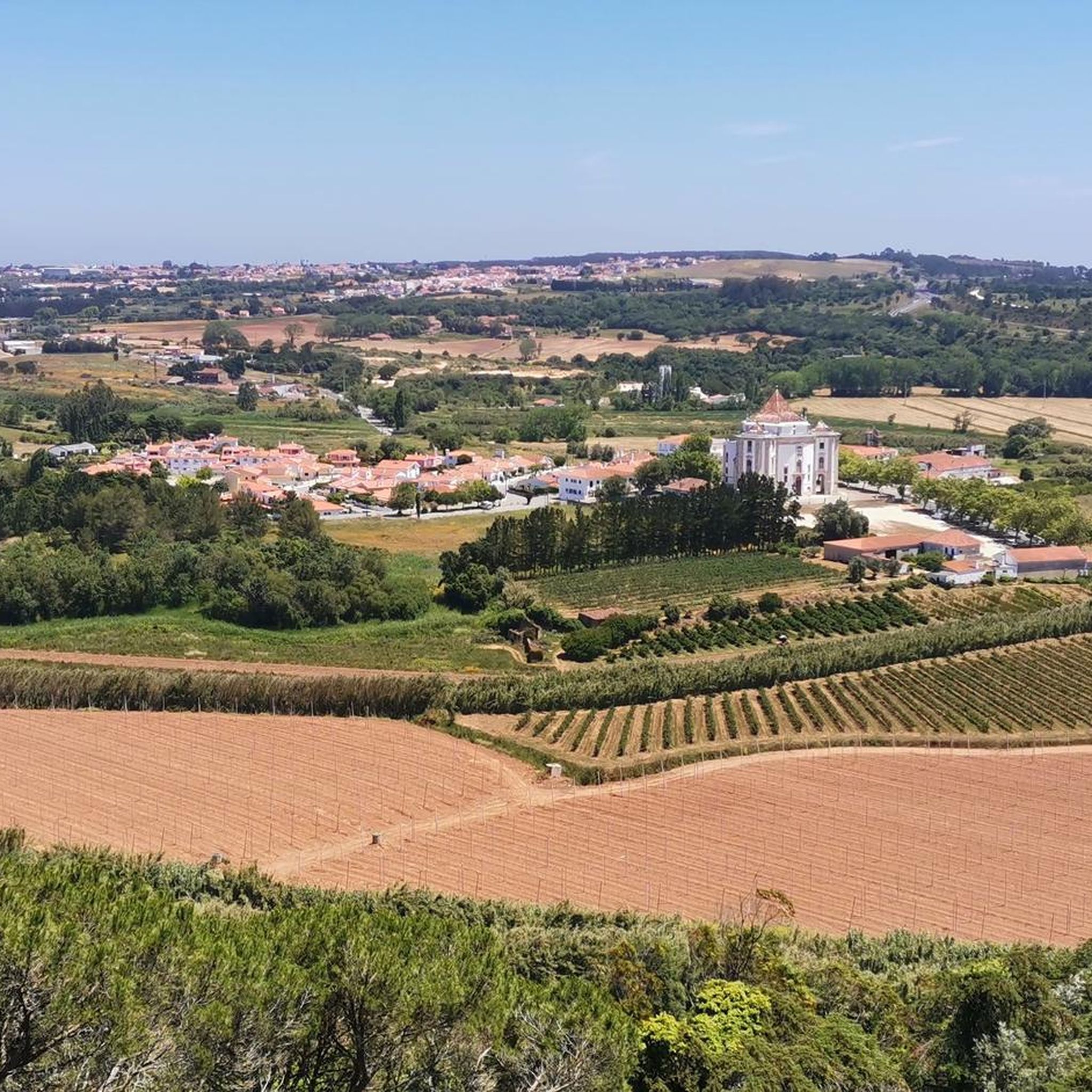
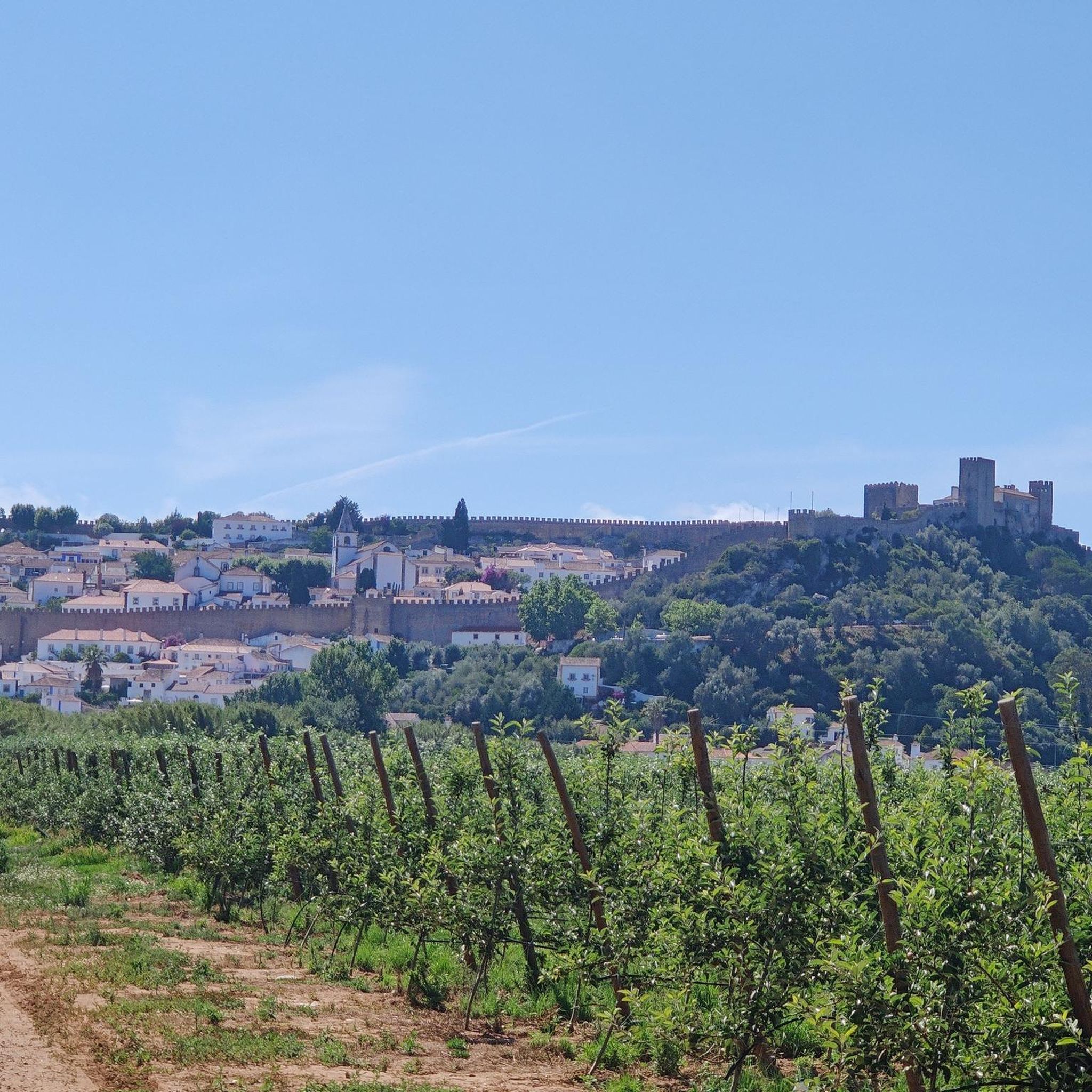
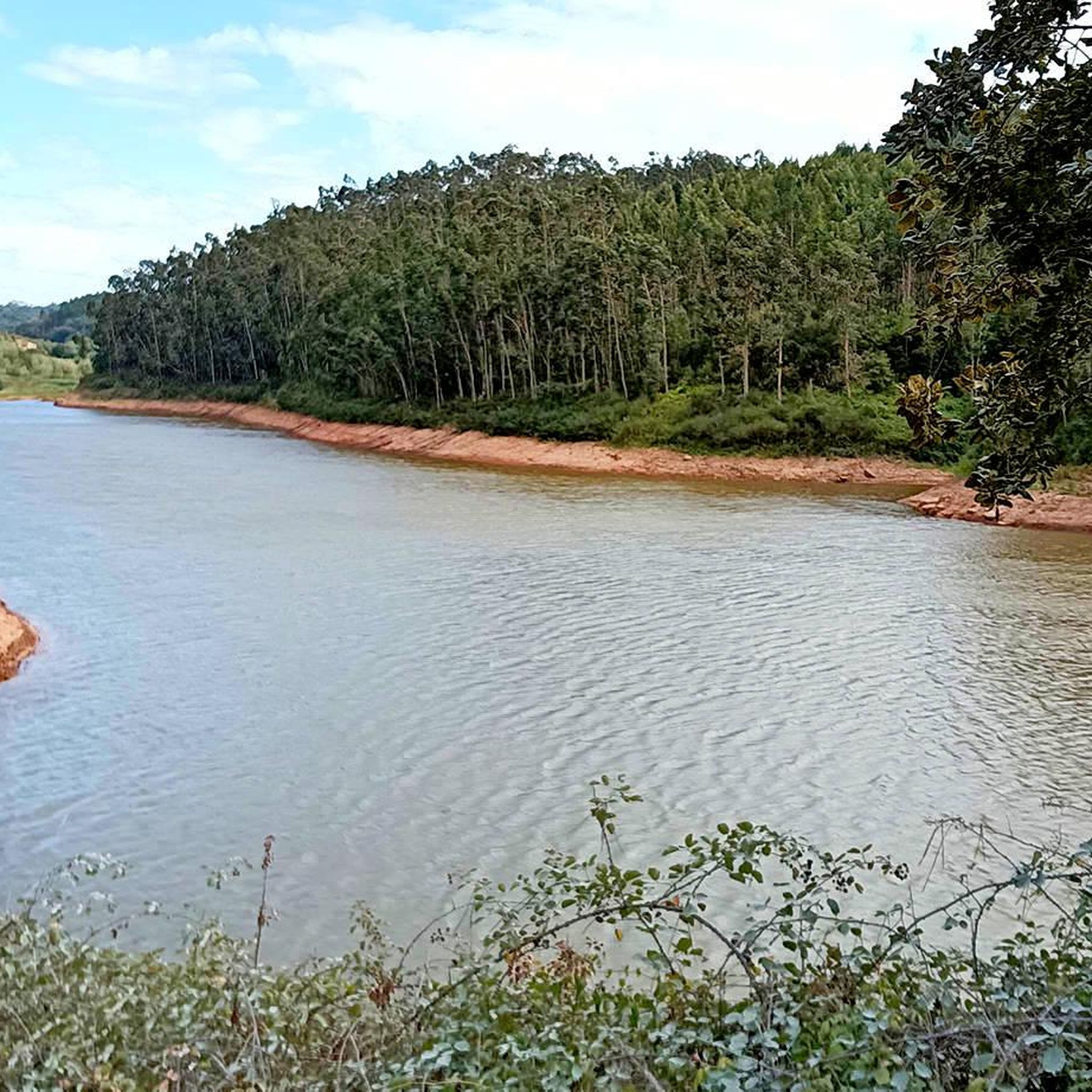
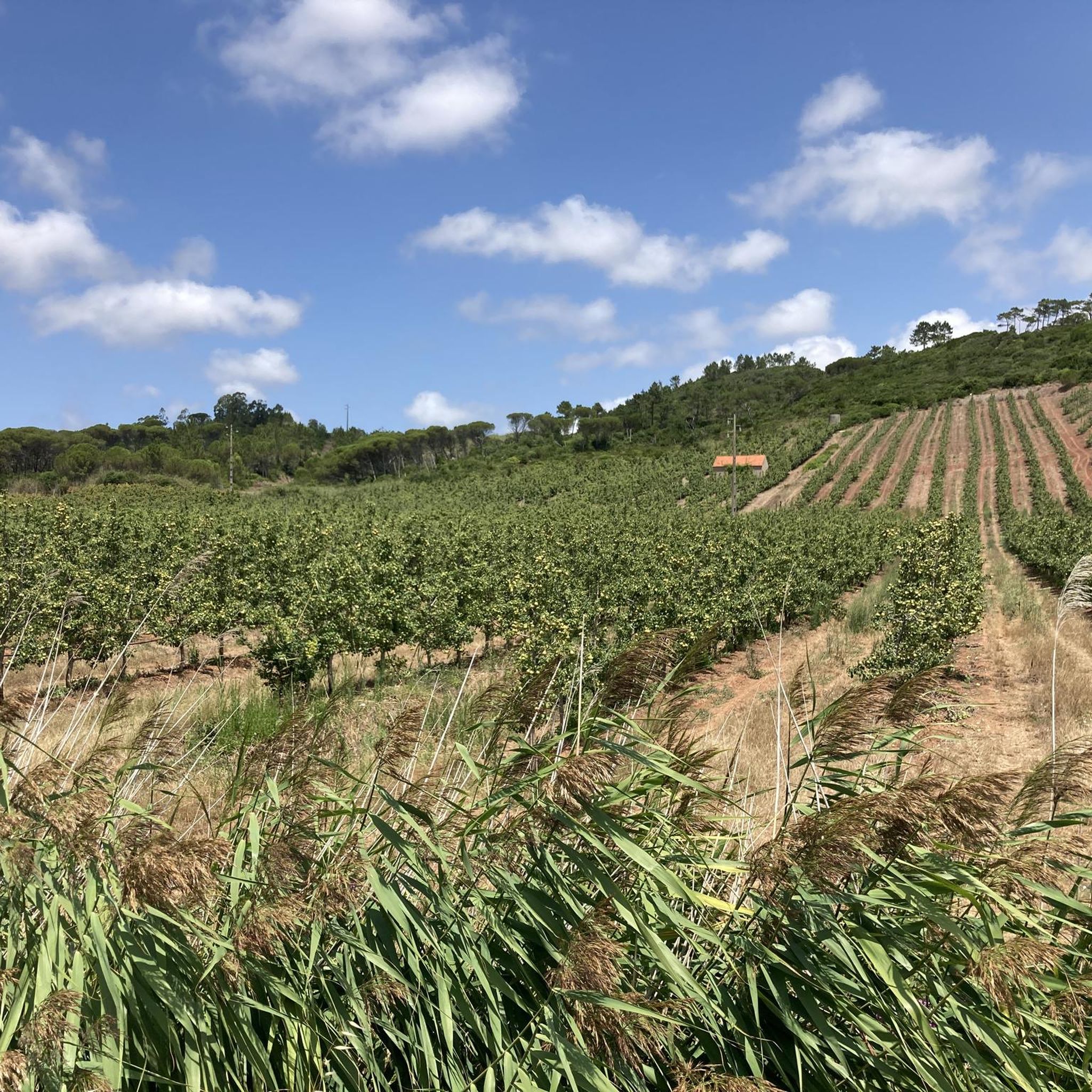
Tips from the Community

An entrance in the city wall, with some tile panels that I loved seeing.
6
0
Beautiful photos. Thank you 🙏
6
1

The city walls enclose the entire old town of Óbidos. You can walk around most of it on the battlements – except for a small section in the north. This provides fascinating views of the entire old town from various angles, as well as glimpses of the wider surroundings, and, of course, interesting views of the old walls themselves.
2
1

The Castelo de Óbidos is a medieval castle and symbolically towers over the town of Óbidos. The fortification is likely of Roman origin, but the region was settled even earlier, in prehistoric times. Its eventful history over the decades can be found here: https://www.burgen.de/burgen-und-schloesser/portugal/castelo-de-obidos/ In the 20th century, the Castelo de Óbidos was found completely in ruins. Starting in 1932, the castle underwent the first consolidation, reconstruction, and restoration work. It was restored to accommodate state guests – the first Portuguese state accommodation in a historic building. Therefore, the interior of the castle is unfortunately no longer open to visitors.
4
0
Built in 1186 by order of King D. Sancho I, it was struck by the earthquake of 1531 and destroyed by the earthquake of 1755. Preparations for the construction of the new church began in 1765 and was completed seven years later. In 1989, the church was transferred to the municipality of Obidos so that it could be adapted for cultural use. Today it houses a small, noteworthy bookstore.
1
0
The Porta da Vila is the city's main gate. It consists of two low, staggered gates to prevent a direct cavalry charge, as was often the case with Gothic Portuguese castles. Between the gates is a small balcony that served as a prayer room, with beautiful blue and white tiles (azulejos) from 1740 depicting the Passion of Christ. Street performers often play there because of the acoustics.
5
0

Built in the 12th century, the walls are among the best preserved in Portugal and offer a fascinating journey through time. The walls of Óbidos are approximately 1.5 km long.
2
2

The profanation and repurposing of a place of worship no longer used for liturgical celebrations is sometimes a delicate matter. This bookstore has clearly succeeded in both making the space commercially viable, while preserving its dignity. Nobel Prize winner Mario Vargas Llosa, who died this year, once said: "Literature educates people, stimulates the imagination, heightens sensitivity..."
2
0
Frequently Asked Questions
What historical sites can I explore around São Gregório?
The region is rich in history, particularly around Óbidos. You can visit the Óbidos – Town Gate, which features beautiful 1740 blue and white tiles depicting the Passion of Christ. The Óbidos Castle, of Roman origin and reconquered in 1148, offers insights into ancient peoples and stunning views. Additionally, the Igreja de São Tiago Bookstore, a former church converted into a unique bookstore, is another notable historical and cultural spot.
Are there any unique man-made monuments to see?
Yes, the Rio Maior Salt Pans are a must-see. These are the only inland salt pans in Portugal and are fully operational, offering a fascinating glimpse into traditional salt extraction methods. Another unique man-made structure is the Óbidos Town Wall Walk, which allows you to walk along the ancient fortifications of Óbidos.
What outdoor activities can I do near these attractions?
The area around São Gregório offers various outdoor activities. You can enjoy easy hikes, such as those around Óbidos Castle and the Town Gate. For more options, explore the easy hikes around São Gregório guide. Cycling is also popular, with options for both road cycling and general cycling routes available, including scenic paths around the Óbidos Lagoon.
Are there family-friendly attractions around São Gregório?
Absolutely! The Óbidos – Town Gate and the charming fortified town of Óbidos itself are great for families to explore. The Rio Maior Salt Pans also offer an engaging and educational experience for all ages, showcasing a unique natural and historical process.
What are the best viewpoints in the area?
For panoramic views, the Óbidos Town Wall Walk is highly recommended. From here, you can see the entire town and its surroundings. The Óbidos Castle also provides excellent vantage points overlooking the Óbidos Lagoon and the Usseira Aqueduct.
What is the difficulty level of the Óbidos Town Wall Walk?
The Óbidos Town Wall Walk is considered challenging. While it offers panoramic views, good footing and a head for heights are essential. The path is narrow and lacks a railing on the inside, with the wall often reaching 20 meters high.
What do visitors enjoy most about the attractions around São Gregório?
Visitors particularly enjoy the historical charm and unique character of the region. The medieval atmosphere of Óbidos, with its well-preserved town and castle, is a highlight. The distinctive blue and white tiles at the Óbidos – Town Gate and the fascinating process at the Rio Maior Salt Pans are also frequently praised.
Are there any religious or cultural buildings to visit?
Yes, the Igreja de São Tiago Bookstore, located within Óbidos Castle, is a former church that has been beautifully repurposed. It offers a unique blend of history, architecture, and literature. Additionally, in the broader region of Melgaço, Portugal, you can find the Romanesque Chapel of Nossa Senhora Dourada, known for its rich architecture and peaceful atmosphere.
How long should I plan to spend visiting the attractions in Óbidos?
To fully experience the fortified town of Óbidos, including the Óbidos Castle, the Town Gate, and the Town Wall Walk, it is recommended to allow a full day. This will give you ample time to explore the streets, visit the bookstore, and enjoy the views at a relaxed pace.
What is the significance of the Rio Maior Salt Pans?
The Rio Maior Salt Pans are significant as the only inland salt pans in Portugal and among the few fully operational ones in Europe. Their existence dates back to at least 1177, with evidence suggesting use since prehistoric times. The salt is extracted from a deep rock salt mine, fed by an underground current seven times saltier than the sea, making it a unique geological and historical site.
Can I find any information about the history of the border region near São Gregório, Melgaço?
Yes, the São Gregório area in Melgaço, Portugal, is a historical border region known for its connection to smuggling routes. You can explore the 'Marco da Fronteira número um,' a significant border landmark that marks the beginning of Portugal, accessible via a walkway to the Trancoso River where it meets the Minho River. This area's history is deeply intertwined with themes of contraband and clandestine migration.
Most popular attractions around São Gregório

Get inspired with the komoot mobile app


Explore more
Still not found the Highlight you’re looking for? See guides of the top attractions in other regions:
