Attractions and Places To See around Porto De Mós (São Pedro) - Top 20
Best attractions and places to see around Porto De Mós (São Pedro) include a rich array of historical landmarks, impressive natural features, and significant cultural sites. The region is characterized by its limestone landscapes, including the Serras de Aire e Candeeiros Natural Park and extensive cave systems. Visitors can explore ancient Roman roads, medieval castles, and important religious monuments. This area offers diverse points of interest for those seeking historical depth and natural beauty.
Best attractions and places to see…
Last updated: October 5, 2026
Church of Santa Maria da Vitória in Batalha
Highlight • Religious Site
Batalha Monastery: This stunning Gothic monastery, also known as the Mosteiro de Santa Maria da Vitória, is a UNESCO World Heritage Site and …
Translated by Google •
Tip by

Memory Arch
Highlight • Monument
On the historical aspect, it was built by the Cistercian monks, it measures 4 meters high …
Translated by Google •
Tip by

Sign up now to discover places like this
Get recommendations on the best single tracks, peaks, & plenty of other exciting outdoor places.
Statue of D. Nuno Álvares Pereira
Highlight • Monument
Translated by Google •
Tip by

Source of the Lis River
Highlight • River
Tip by

Founder's Chapel (Capela do Fundador)
Highlight • Religious Site
Showing Translation
Tip by

Sign up for free to discover even more attractions around Porto De Mós (São Pedro).
Already have an account?
Start today with a free account
Your next adventure awaits.

Tips from the Community

The magnificent entrance portico of the Igreja de Santa Maria da Vitória is unique in the history of Portuguese art, a work by the Master Huguet (1402–1438). It features an elaborate iconographic ensemble comparable only to the great porticoes of European cathedrals: six apostles on each side, virgins, martyrs, popes, monks, angel figures, God, and the four evangelists...
1
0
The Chapel of the Founders is located to the right of the main facade. It was not included in the original plan of the monastery and owes its existence to the decision of King John I to create a family pantheon. Construction was completed around 1433/34. It is a space of great historical and artistic significance. Originally quadrangular in plan, it transforms in the center into an octagon, covered by a complex star vault that becomes a true canopy glorifying King John I and Queen Philippa of Lancaster, who are buried in a large tomb. On the lid of this largest Gothic arch of the 15th century in Portugal, the two recumbent kings are depicted hand in hand, covered by canopies with their coats of arms. On the back wall, on the south side, are the tombs of the children of these kings from the second quarter of the 15th century, the "famous generation", as Camões called them. From right to left: tomb of Infante and Regent Dom Pedro and his wife Isabel de Urgel, Duchess of Coimbra; of Henry the Navigator and Master of the Order of Christ (with a recumbent statue); of Infante Dom João, Master of the Order of Santiago, and his wife Isabel; of King Ferdinand, Master of the Order of Aviz, who died a saint during the captivity of Fez. The three tomb chests commissioned by King Charles I date from the early 20th century and are located on the west side of the chapel. Here are buried, from left to right: King Afonso V, grandson of John I; King John II, son of Afonso V; and finally Crown Prince Afonso, son of John II, who died prematurely in 1491 in a riding accident in the Santarém region.
2
0
After the revolution of 1383, Portugal found itself in a difficult conflict with the neighboring Kingdom of Castile. The battle was decided in 1385 when the Castilian and Portuguese armies clashed at the Battle of Aljubarrota. The Castilians outnumbered and were better armed. As a military leader, Nuno Álvares Pereira loyally stood by his patron, John of Avis. The Portuguese achieved a resounding victory, which is attributed in particular to the strategic genius of Nuno Álvares Pereira. With this victory, the Castilian claims to Portugal were permanently repelled. John of Avis was proclaimed king by the Cortes, as John I of Portugal, thus establishing the second Portuguese dynasty, the House of Avis. Nuno Álvares Pereira became a national hero, and the grateful king showered him with honors and material possessions.
2
0

The Lis River, whose source is in the town of Fontes, Cortes, is one of the few rivers in the country whose current flows from south to north and, in the final kilometres, from east to west. In winter and early spring, it is possible to see water emerging from the ground in surprising quantities. In the summer months, the source is usually dry.
3
0

Good place for a coffee stop ☕
0
1

Batalha is a fascinating place to visit! Batalha Monastery: This stunning Gothic monastery, also known as the Mosteiro de Santa Maria da Vitória, is a UNESCO World Heritage Site and one of the Seven Wonders of Portugal. Igreja Matriz da Batalha: Also known as the Igreja da Exaltação de Santa Cruz, this 16th-century church is a beautiful example of Manueline architecture. Batalha Square: The heart of the city, ideal for strolling and soaking up the local atmosphere. Serras de Aire e Candeeiros Natural Park: If you love nature, this nearby park offers hiking trails and spectacular scenery. Additionally, there are many activities and tours available, such as day trips to Fátima, Nazaré, and Óbidos.
6
1
On the southwest hillside of Cabeço Gordo, almost coinciding with the administrative boundaries between Porto de Mos municipalities and Alcobaça, the Memory Arc it was built, probably in the late sixteenth and early seventeenth century and was restored in 1830, by King Miguel, as shown in one of its inscriptions. The bow, perfectly round, has only two inscriptions, one in Latin almost imperceptible, due to stone erosion, registered in 1758 and composed by Friar Bernardo de Brito, in the beginning of the seventeenth century at the behest of Alcobaça Monastery Abbot. According to tradition, that History denies, the monument was built by the monks of the Cistercian Order, for marking the land donated by the Portuguese first King Afonso Henriques. However, its construction only intended to give material evidences of the vow of D. Afonso Henriques, invented by Alcobaça chroniclers.
1
0

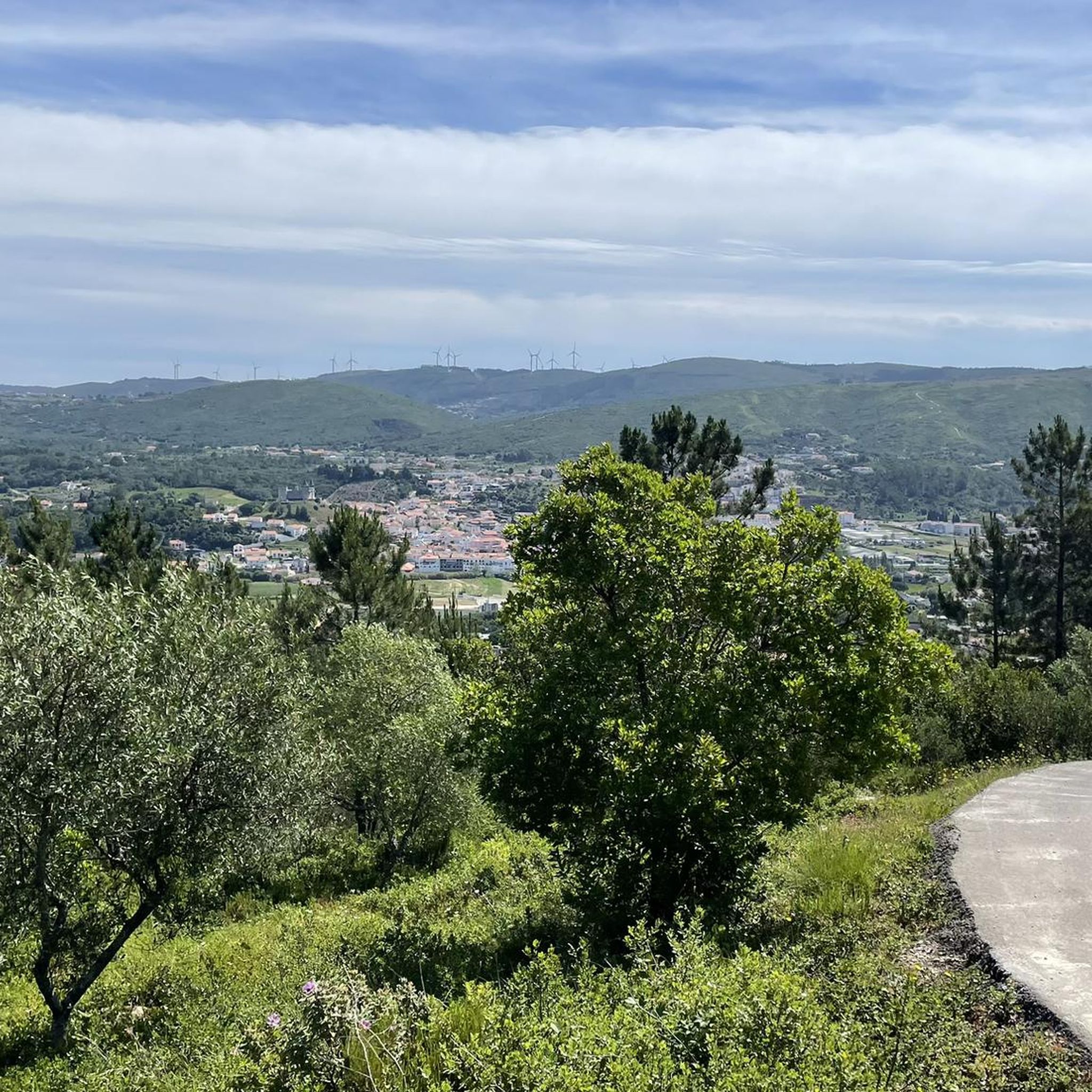
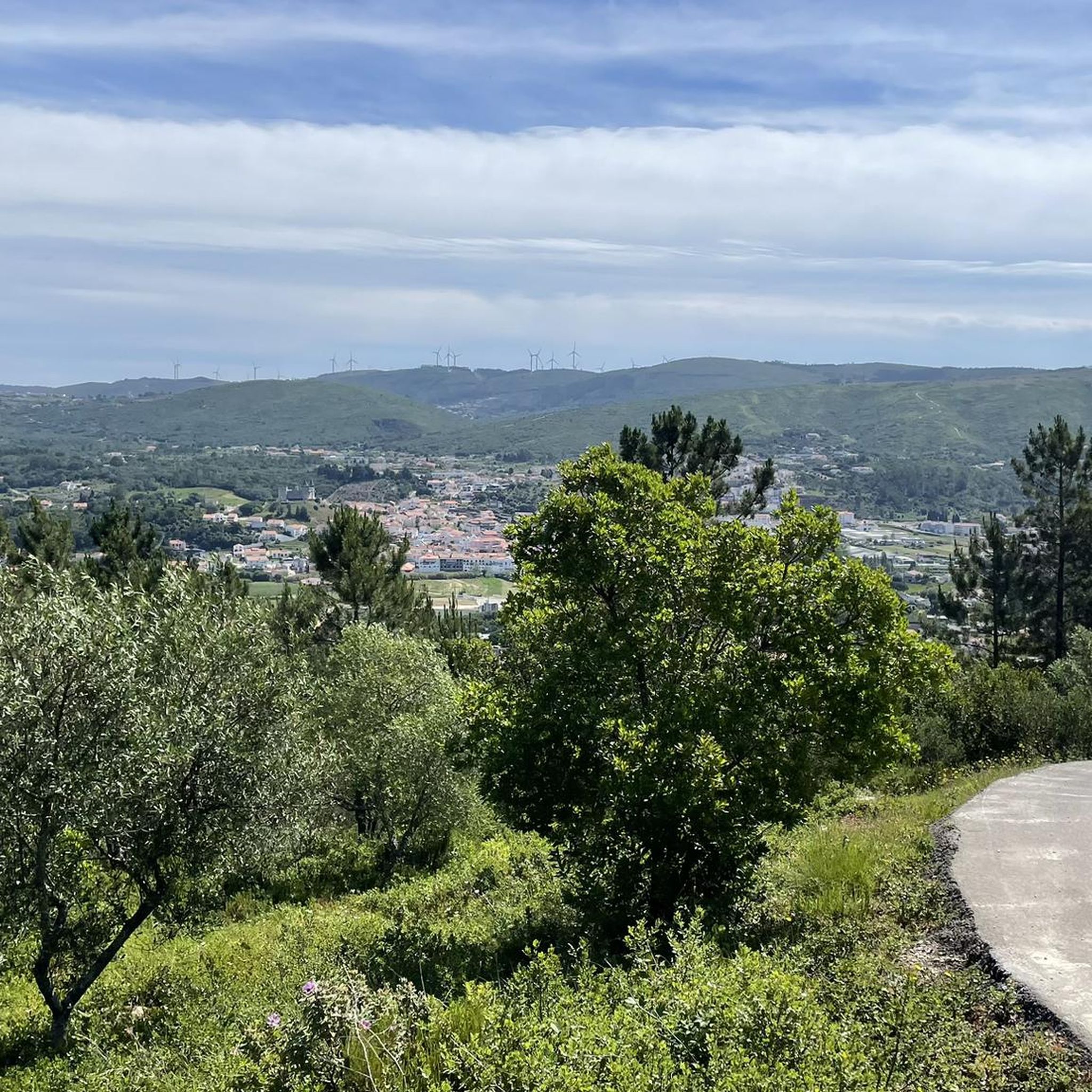
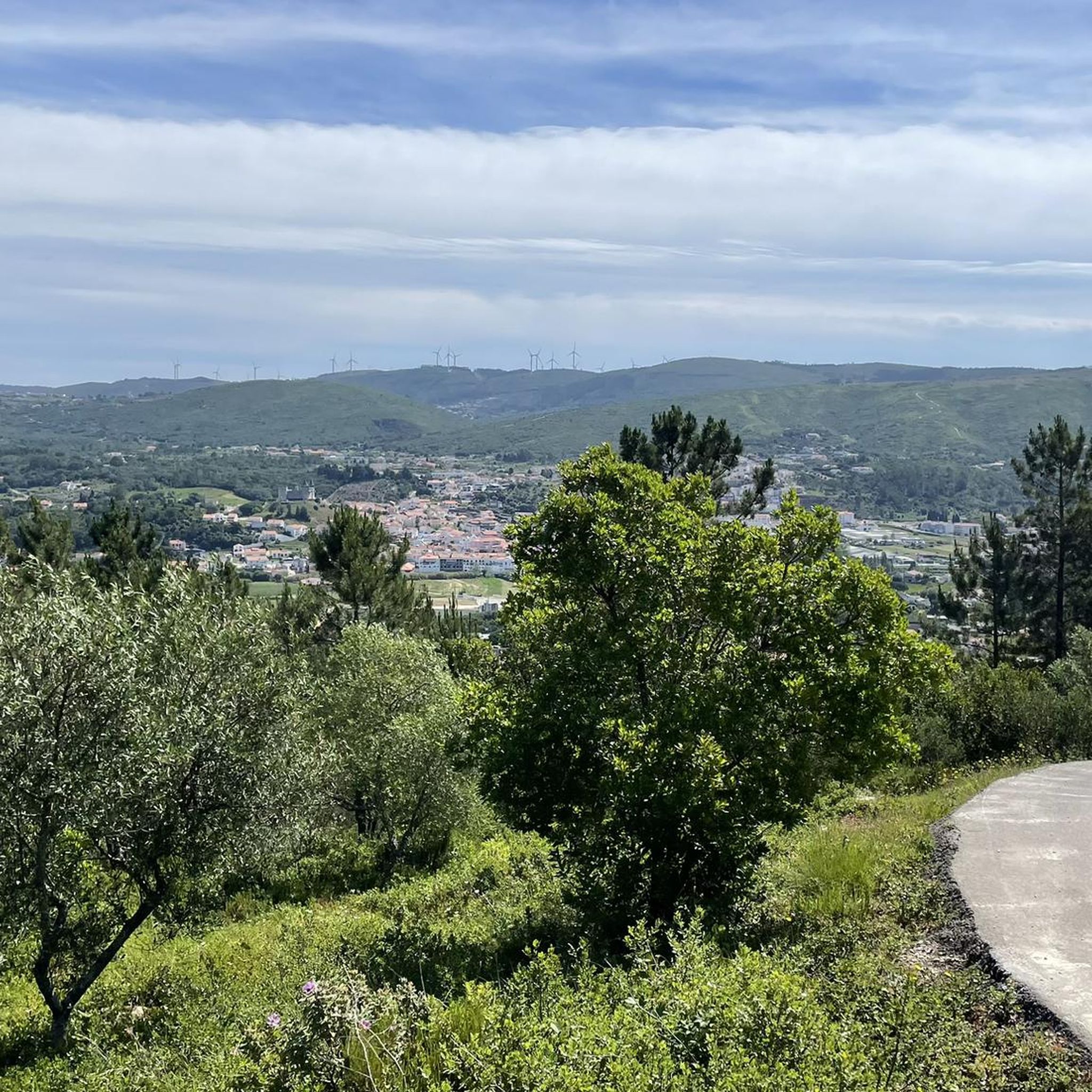
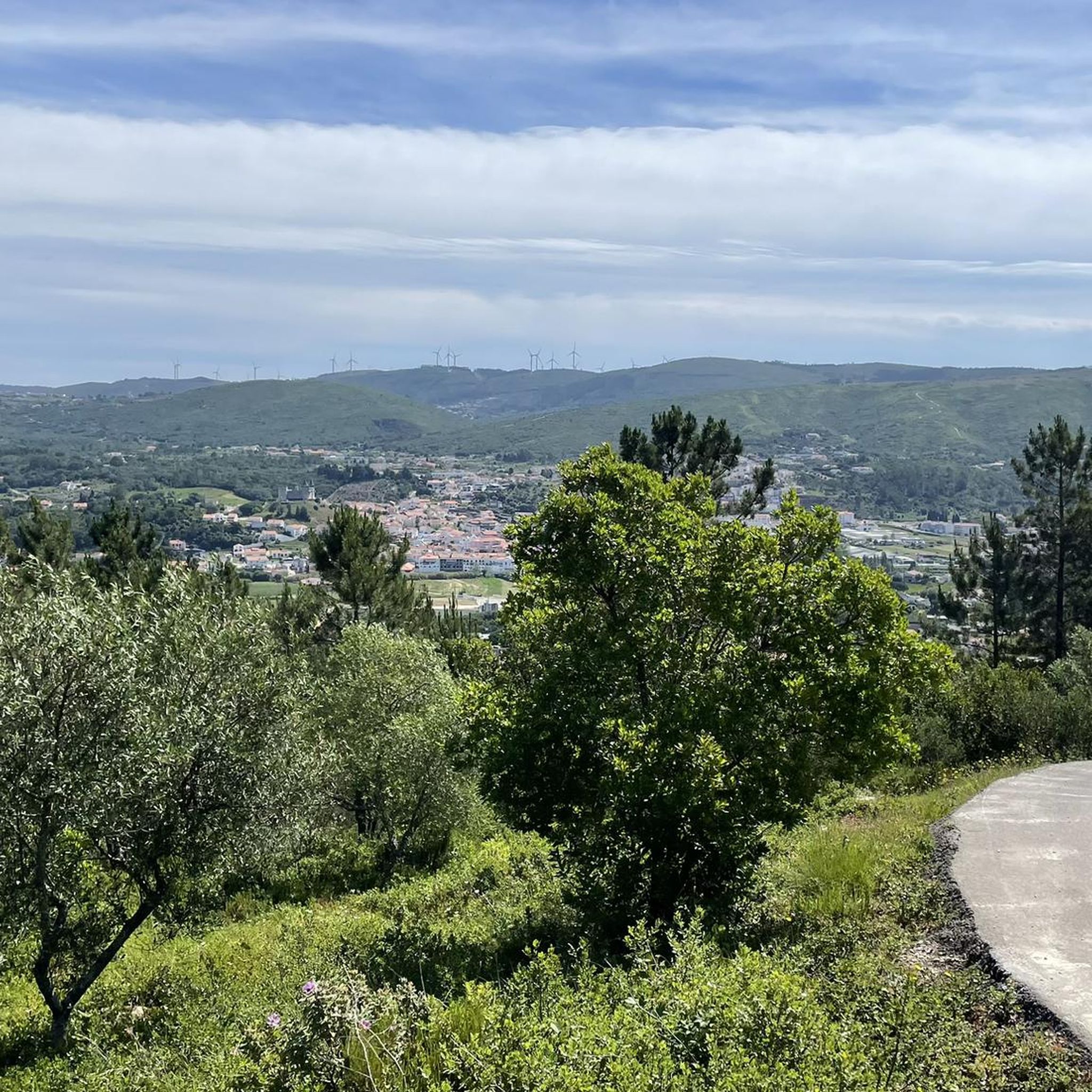
This spot offers a magnificent panorama of the coast and a 360 degree view. On the historical aspect, it was built by the Cistercian monks, it measures 4 meters high and 3.62 meters wide. The arch has no decoration, only two inscriptions: the first, the oldest written in Latin, testifies to its creation. The second inscription refers to the reconstruction of the monument, carried out by D. Michael in 1830.
1
0
Frequently Asked Questions
What natural attractions and viewpoints can I explore around Porto de Mós (São Pedro)?
The region is rich in natural beauty. You can visit the Source of the Lis River, particularly impressive after heavy rains. The Fórnea Waterfall is another beautiful spot within the Serras de Aire e Candeeiros Natural Park. For panoramic views, consider the Jurassic Viewpoint, offering unobstructed vistas of Batalha Monastery and Porto de Mós Castle, or the Chão das Pias Viewpoint overlooking Porto de Mós and the Lena River valley. The Memory Arch also provides magnificent views.
Are there any impressive cave systems to visit in the area?
Yes, the Serras de Aire e Candeeiros Natural Park is famous for its extensive cave systems. The most renowned are the Grutas de Mira de Aire, considered one of the seven natural wonders of Portugal. Other notable cave systems include Grutas de Santo António and Grutas de Alvados, all offering unique geological wonders.
What historical landmarks are a must-see in Porto de Mós (São Pedro)?
A prominent historical landmark is the Porto de Mós Castle, known for its unique architectural style and pyramidal tower crownings. Nearby, the Main Portal of the Igreja de Santa Maria da Vitória (Batalha Monastery) is a UNESCO World Heritage Site and one of Portugal's Seven Wonders. You can also explore the Memory Arch, built by Cistercian monks, and the well-preserved Estrada Romana em Alqueidão da Serra, a Roman road.
Are there any significant cultural sites or museums nearby?
Absolutely. The CIBA - Battle of Aljubarrota Interpretation Centre provides insights into a pivotal historical event. For industrial heritage, visit the MIAT - Industrial and Handicraft Textile Museum in Mira de Aire. The Municipal Museum houses various fossils and artifacts from different periods of human occupation. Additionally, the Centro de Interpretação da Abelha e do Mel focuses on local beekeeping traditions.
What outdoor activities are available near Porto de Mós (São Pedro)?
The region offers a variety of outdoor activities, especially within the Serras de Aire e Candeeiros Natural Park. You can find numerous hiking trails, such as the Fórnea Viewpoint – Fórnea Summit loop or the Bezerra Greenway. There are also running trails and road cycling routes, including those that pass by historical sites like the Porto de Mós Castle and Batalha Monastery. For more details on routes, check out the Hiking around Porto De Mós (São Pedro) guide.
Are there hiking trails suitable for different skill levels?
Yes, the area provides hiking trails for various abilities. For an easier walk, consider the Fórnea Waterfall loop from Alcaria (3.7 km). Moderate options include the Fórnea Viewpoint – Fórnea Summit loop (7.7 km) or the Path to Bezerra – Bezerra Greenway loop (11.7 km). More challenging trails are also available for experienced hikers. You can find more information in the Hiking around Porto De Mós (São Pedro) guide.
What are some family-friendly attractions in Porto de Mós (São Pedro)?
Many attractions are suitable for families. The Main Portal of the Igreja de Santa Maria da Vitória (Batalha Monastery) is a fascinating historical site. The Source of the Lis River and the Fórnea Waterfall offer natural beauty that children can enjoy, especially after rain. Exploring the Grutas de Mira de Aire caves can also be an exciting adventure for all ages. The Ecopista / Antigo Caminho de Ferro da Bezerra, an old railway line converted into an eco-trail, is perfect for family walks or bike rides.
What is the best time to visit Porto de Mós (São Pedro) for outdoor activities?
The best time to visit for outdoor activities like hiking and exploring natural features is generally during spring (March to May) and autumn (September to November). During these seasons, the weather is typically mild and pleasant, ideal for walking and cycling. Winter can be a good time to see the Source of the Lis River and Fórnea Waterfall at their fullest after heavy rains, though some trails might be muddier.
Are there any unique geological features or dinosaur traces in the area?
Yes, the region is known for its limestone landscapes. You can find the Pedreira do Galinha Trail, which is remarkable for displaying traces left by dinosaurs. The Serras de Aire e Candeeiros Natural Park itself is a significant geological feature with its limestone slopes and extensive cave systems.
Can I find any accessible attractions for visitors with mobility needs?
The Statue of D. Nuno Álvares Pereira is noted as wheelchair accessible. While many natural and historical sites may have varied terrain, it's always advisable to check specific accessibility details for each location if mobility is a concern.
What do visitors enjoy most about the attractions around Porto de Mós (São Pedro)?
Visitors frequently praise the stunning architecture of the Batalha Monastery, with its intricate Gothic and Manueline styles, and find the unfinished chapel and royal tombs particularly fascinating. The panoramic views from spots like the Memory Arch are also highly appreciated. Many enjoy the natural spectacle of the Source of the Lis River and the Fórnea Waterfall, especially after rainfall. The blend of historical depth and natural beauty is a common highlight.
Are there opportunities for cycling near the attractions?
Yes, the area offers several road cycling routes. You can cycle routes that connect historical sites like the Porto de Mós Castle and Batalha Monastery, or explore the scenic Ecopista / Antigo Caminho de Ferro da Bezerra. For detailed routes and distances, refer to the Road Cycling Routes around Porto De Mós (São Pedro) guide.
Most popular routes around Porto De Mós (São Pedro)
Most popular attractions around Porto De Mós (São Pedro)

Get inspired with the komoot mobile app


Explore more
Still not found the Highlight you’re looking for? See guides of the top attractions in other regions:
