The best road cycling routes around Porto De Mós (São Pedro)
4.4
(7)
746
riders
74
rides
Road cycling routes around Porto De Mós (São Pedro) traverse a landscape characterized by historical landmarks and varied topography. The region features a mix of rolling hills and more challenging ascents, with elevations ranging from gentle climbs to significant gains. Road cyclists can expect routes that pass by notable sites such as the Porto de Mós Castle and the Igreja Matriz da Batalha. The area offers diverse terrain suitable for different skill levels.
Best road cycling routes around Porto De…
Last updated: May 20, 2026
31
riders
35.1km
01:30
200m
200m
Easy road ride. Great for any fitness level. Mostly well-paved surfaces and easy to ride.
5.0
(1)
22
riders
53.7km
02:21
410m
410m
Moderate road ride. Good fitness required. Mostly well-paved surfaces and easy to ride.

Sign up for free
18
riders
111km
05:43
1,780m
1,780m
Hard road ride. Very good fitness required. Some segments of this route may be unpaved and difficult to ride.
5.0
(1)
18
riders
Easy road ride. Great for any fitness level. Mostly well-paved surfaces and easy to ride.
10
riders
52.7km
02:25
500m
500m
Moderate road ride. Good fitness required. Some segments of this route may be unpaved and difficult to ride.
Get access to more routes and recommendations from other explorers.
Sign up for free
Already have an account?
Our route recommendations are based on thousands of hikes, rides, and runs completed by other people on komoot.
Start today with a free account
Your next adventure awaits.
Login or Signup

Tips from the Community

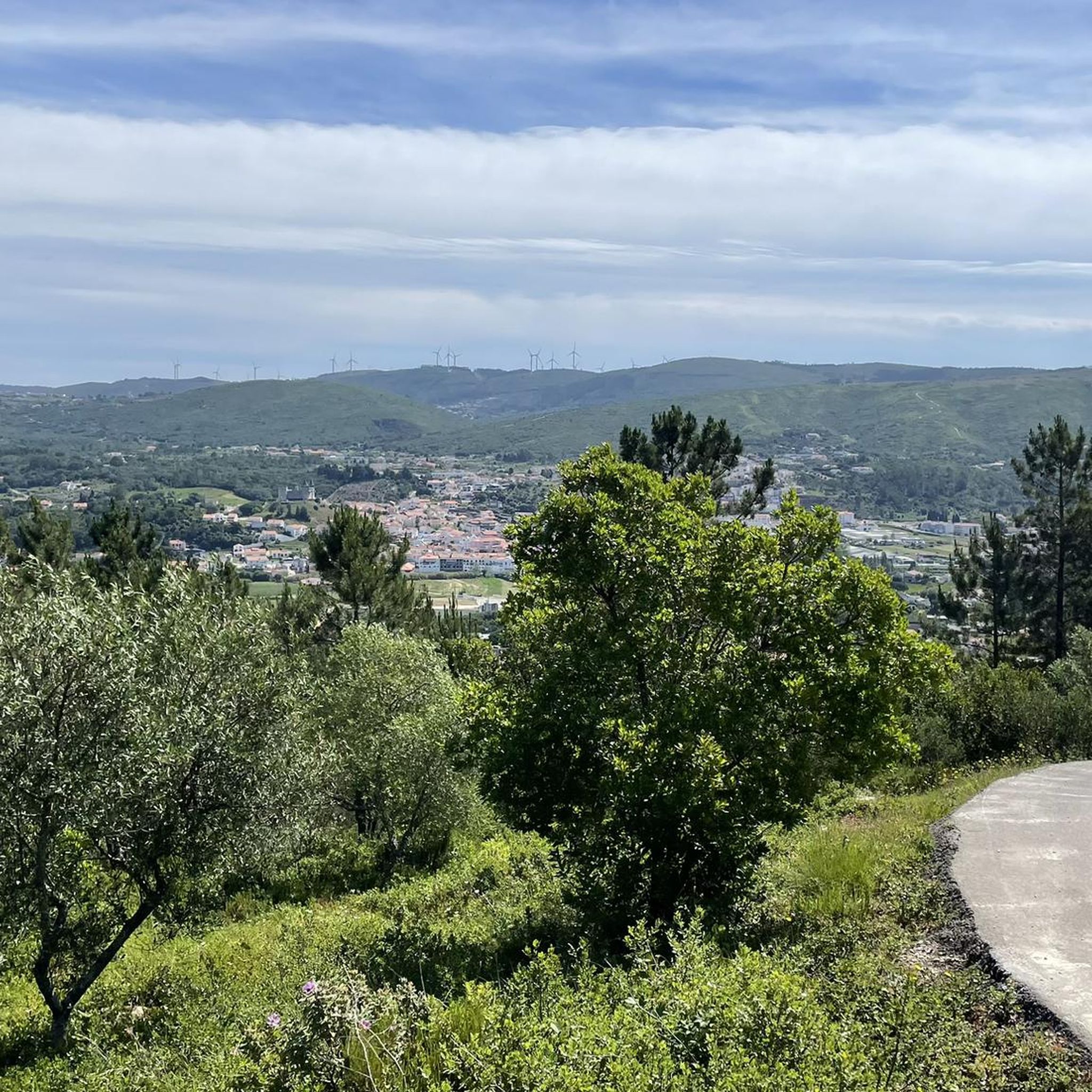
A peaceful spot for a picnic, with several mountain bike trails nearby, as well as paved roads. A good starting point for some walks.
0
0

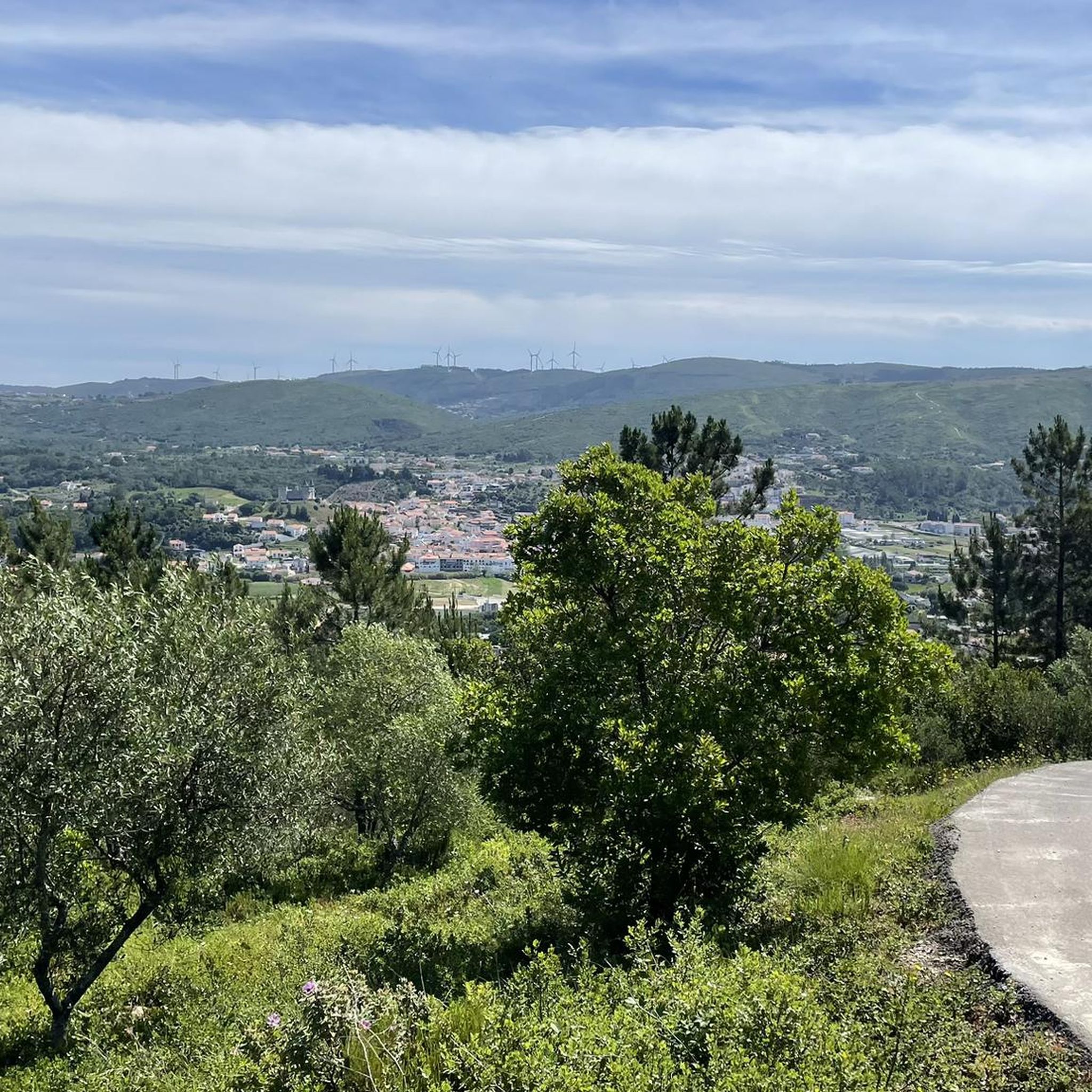
Gorgeous views! The climb to Alqueidão da Serra is tough for beginners.
1
0

The magnificent entrance portico of the Igreja de Santa Maria da Vitória is unique in the history of Portuguese art, a work by the Master Huguet (1402–1438). It features an elaborate iconographic ensemble comparable only to the great porticoes of European cathedrals: six apostles on each side, virgins, martyrs, popes, monks, angel figures, God, and the four evangelists...
1
0
After the revolution of 1383, Portugal found itself in a difficult conflict with the neighboring Kingdom of Castile. The battle was decided in 1385 when the Castilian and Portuguese armies clashed at the Battle of Aljubarrota. The Castilians outnumbered and were better armed. As a military leader, Nuno Álvares Pereira loyally stood by his patron, John of Avis. The Portuguese achieved a resounding victory, which is attributed in particular to the strategic genius of Nuno Álvares Pereira. With this victory, the Castilian claims to Portugal were permanently repelled. John of Avis was proclaimed king by the Cortes, as John I of Portugal, thus establishing the second Portuguese dynasty, the House of Avis. Nuno Álvares Pereira became a national hero, and the grateful king showered him with honors and material possessions.
2
0

An unmissable place on very hot days
14
0
The plastic mould industry began in 1943 in Marinha Grande, in a small glass mould company, on the initiative of Aníbal H. Abrantes, but without the consent of his partner and brother Aires Roque, who therefore sold his position in the company and continued his activity in the glass industry. Two years later, Abrantes produced the first injection mould for plastic. The industry developed with the import of foreign technology and, in 1955, exports began with the sale of the first moulds to Great Britain. By 1980, the industry was already exporting to more than 50 countries and in the Marinha Grande area alone there were 54 companies operating, employing around 2,000 people. (Source: www.cm.mgrande.pt)
18
0

Here you can stroll around, admire everything and enjoy
1
0

The Boitaca Bridge began to be built in 1862, during the reign of King Luís I, as attested by the inscription on a tombstone placed there. Its name derives from the former owner of the land, the French master Diogo Boitaca or Boytac. Crossing a branch of the River Lena, which runs through the parish of Batalhão, it was part of an old royal route that connected Lisbon to Porto. The bridge, in revivalist and neo-Gothic style and tinged with yellow, is defined by a flat deck over six pointed arches, surrounded by buttresses, on which rise pinnacles. Between these elements, and contributing even more to the Gothic air of the monument, is the stone fence with quatrefoils.
2
0
Frequently Asked Questions
How many road cycling routes are available in Porto De Mós (São Pedro)?
There are over 90 road cycling routes available in Porto De Mós (São Pedro), offering a diverse range of options for different skill levels and preferences.
What kind of terrain can I expect when road cycling in Porto De Mós (São Pedro)?
The region features a mix of rolling hills and more challenging ascents. You can expect varied topography with elevations ranging from gentle climbs to significant gains, often passing by historical landmarks.
Are there easy road cycling routes suitable for beginners in Porto De Mós (São Pedro)?
Yes, there are several easy routes. For instance, the Igreja Matriz da Batalha – Porto de Mós Castle loop from Restaurante Dom Abade is an easy 21.6-mile (34.7 km) trail with gentle elevation changes, perfect for those starting out.
What are some challenging road cycling routes with significant climbs in the area?
For a more challenging ride, consider the Grutas de Santo António – Porto de Mós Castle loop from Porto de Mós. This difficult route covers 68.4 miles (110.1 km) and features substantial elevation gain, reaching nearly 1,800 meters (5,900 feet) of ascent.
Are there any long-distance road cycling routes in Porto De Mós (São Pedro)?
Yes, for longer rides, the Grutas de Santo António – Porto de Mós Castle loop from Porto de Mós is a notable option, stretching over 68 miles (110 km). This route offers an extended experience through the region's varied landscape.
What historical landmarks or attractions can I see along the road cycling routes?
Many routes pass by significant historical sites. You can expect to see landmarks like the Porto de Mós Castle and the Igreja Matriz da Batalha. Other nearby attractions include the Main Portal of the Igreja de Santa Maria da Vitória and the Memory Arch.
Are there any natural attractions or scenic viewpoints accessible by road bike?
Absolutely. The region offers natural beauty, including the Source of the Lis River and the impressive Fórnea Waterfall, both of which can be incorporated into your cycling adventures for scenic breaks.
What do other road cyclists enjoy most about road cycling in Porto De Mós (São Pedro)?
The area is highly rated by the komoot community, with an average score of 4.5 stars from over 8 reviews. Reviewers often praise the diverse terrain, the blend of historical landmarks with natural scenery, and the network of roads suitable for various distances.
Are there any loop trails for road cycling in Porto De Mós (São Pedro)?
Many routes in the area are designed as loops, offering convenient starting and ending points. For example, the Igreja Matriz da Batalha – Porto de Mós Castle loop from Porto de Mós is a popular moderate loop covering 33.4 miles (53.7 km).
When is the best time of year for road cycling in Porto De Mós (São Pedro)?
While specific data isn't provided, generally, spring and autumn offer the most pleasant conditions for road cycling in central Portugal, with milder temperatures and less rainfall than winter, and avoiding the intense heat of summer.
Are there moderate road cycling routes available for intermediate riders?
Yes, intermediate riders have many options. The Batalha Monastery – Porto de Mós Castle loop from Porto de Mós is a moderate 32.7-mile (52.7 km) route with a good balance of distance and elevation gain, ideal for those looking for a step up from easy trails.
Most popular routes around Porto De Mós (São Pedro)
Most popular attractions around Porto De Mós (São Pedro)

Get inspired with the komoot mobile app


Explore more
Browse the best Road cycling routes in other regions.
